
Diving at Akyar Reef (Turkey)
Akyar Reef invites divers to explore a vibrant underwater landscape known for its diverse Mediterranean marine life. This site potentially hosts schooling fish, various invertebrates, and a spectrum of reef inhabitants across its varied terrain. It presents an opportunity to observe natural ecological patterns within a Turkish reef environment.
Evening condition tracking at Akyar Reef features an air temperature of 25°C. We have recorded wave heights measuring 0.1 m during this period. These figures outline the environmental parameters currently present.
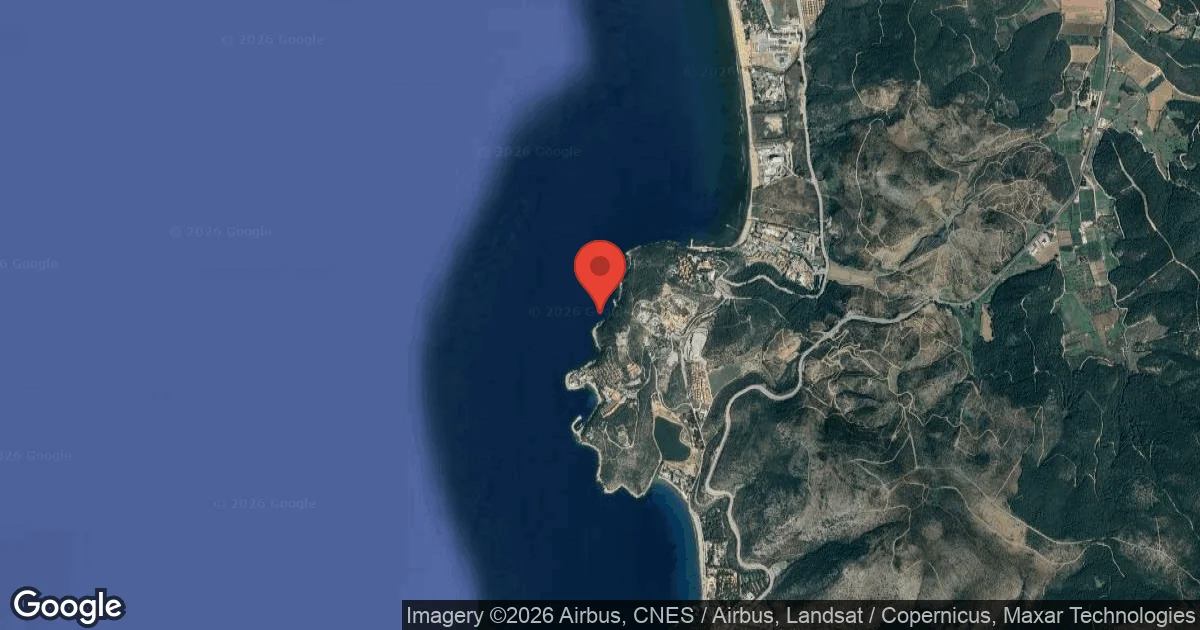
Dive Site Location & Key Facts
Dive Site Overview
Venturing into the waters around Akyar Reef reveals a varied underwater topography characteristic of the Turkish coastline. Reefs in the region often feature extensive rock formations, gradual sandy slopes, and expansive sea-grass meadows, collectively creating diverse habitats for marine species.
Divers can anticipate a site suitable for various certification levels, from Open Water Diver onwards, with depths typically ranging within recreational limits. For example, similar Turkish reefs feature starting depths as shallow as 3 m (10 ft) and extending to around 34 m (112 ft) for advanced divers, offering exploration opportunities across its entire structure. Many areas are accessible by boat, while some local reefs also allow for shore entry, depending on the specific access point.
The site's varied structure provides numerous nooks and crannies to explore, making each dive potentially different. Expect to navigate natural formations that create both open pathways and more sheltered zones.
This diversity allows for different dive profiles, catering to both those seeking shallower reef exploration and others interested in deeper wall sections or ledges if such features are present. Its structure promises an engaging experience for divers looking to immerse themselves in a Mediterranean reef system.
Conditions are Excellent
07:00 - 14:00
Optimal conditions expected
Current conditions near Akyar Reef show 25° air, 25° sea temperature, 0.4 m waves, and 17 km/h wind. Forecast data is refreshed regularly to ensure accuracy.
Best Time to Dive
Seasonal changes significantly influence diving conditions at Akyar Reef, with most months offering excellent opportunities. From March through November, dive scores consistently rate as "Excellent," indicating favorable conditions. Air temperatures during these prime months range from approximately 14°C (57°F) in March, steadily rising to a peak of 30.5°C (87°F) in July, then gradually cooling to 16.5°C (62°F) by November. This period sees minimal rainfall, often less than 1 mm, contributing to comfortable surface intervals. Conversely, the winter months of January and February, while still rated "Good" for diving, present cooler air temperatures, averaging around 11°C (52°F), and slightly higher rainfall, although still moderate. Wind speeds and wave heights tend to be lower in late autumn, around 0.3-0.4 meters, which can translate to calmer sea states. Planning your visit between spring and late autumn typically provides the most pleasant overall experience, balancing warm air with generally calm waters.
PEAK SEASON SCORE
Scores combine air & water temps, waves, wind & rainfall for overall conditions.
BEST MONTHS TO DIVE
Monthly records compiled from satellite and marine observation nodes over the last 3 years. Data provided by Open-Meteo and MET Norway.
Dive Experience & Conditions
Descending into Akyar Reef's environment offers a dynamic sensory experience. Water visibility in Turkish reefs can vary, but frequently provides clear views, allowing for good appreciation of the underwater topography. Conditions may include gentle currents, which often bring nutrients, enhancing marine activity without posing significant challenges for most certified divers. Exploring the reef reveals a landscape shaped by both rock formations and softer sandy structures. These features can start in shallower sections, around 5 m (15 ft), gradually sloping down to deeper zones. The transitions between these habitats are often rich with life, inviting closer inspection. Different rotations during the dives might also expose divers to areas with slightly stronger currents, as reported in other local sites, so remaining aware of your surroundings is always prudent. The interaction of light filtering through the water, illuminating vibrant colors, makes for a captivating dive.
Dive Difficulty & Safety Guidelines
Navigating Akyar Reef requires adherence to standard diving protocols to ensure a safe experience. Because some areas around Turkish reefs can experience strong currents at certain times, maintaining proper buoyancy control and staying aware of your dive group are essential. Planning your dive within your certification limits is always paramount; while many areas are suitable for Open Water Divers, deeper sections may be present that require advanced training.
Always conduct thorough equipment checks before entering the water. Additionally, familiarize yourself with local emergency procedures and the dive center's guidelines.
Practicing responsible diving, such as avoiding contact with marine life and delicate coral structures, helps preserve the reef's health for future explorations. Regular communication with your dive guide or buddy contributes significantly to overall dive safety.
Recommended Equipment
- Dive Computer
This gear list is based on verified equipment signals for Akyar Reef, Turkey. Always confirm final gear choices with your dive operator, guide, or liveaboard.
Recommended Dive Suit
Experienced divers often bring flexible gear options.
Environmental readings suggest that the waters surrounding Akyar Reef are about 25°C (76°F) at the moment. Surface air temperatures are resting at 25°C (77°F). Divers who spend longer periods underwater often choose 3mm wetsuit.
A warming trend is expected over the next few days. A warming trend is expected over the next few days.
Due to technical issues with our weather providers, data hasn't been fetched for over 48 hours. The data above reflects the conditions at the time of the last successful fetch.
Emergency & Medical Support
Essential information to help you plan your dive trip to Akyar Reef.

Hyperbaric chambers are a critical part of dive safety infrastructure. Availability varies significantly by region, and not all dive areas have immediate access.
Before diving, it's recommended to:
- confirm nearest medical facilities
- check emergency procedures with local dive operators
- ensure dive insurance covers evacuation if required
Divers Alert Network
Diving emergency assistance available through DAN Europe.
+39 0642115685- 24/7 emergency hotline
- Diving medical assistance
- Evacuation coordination
Emergency contacts are provided for reference. Always verify local emergency services before diving.
Closest Listed Hyperbaric Chambers
Showing listed hyperbaric chamber facilities within 200 km of this dive site.
Distances are approximate straight-line distances and may not reflect emergency travel time.
Bozyaka Eğitim Araştırma Hastanesi, Sualtı Hekimliği ve Hiperbarik Tıp Kliniği
24/7 ListedICU CapableIzmir, Turkey•Approx. 59 km straight-line
Bozyaka Eğitim Araştırma Hastanesi, Sualtı Hekimliği ve Hiperbarik Tıp Kliniği
24/7 ListedICU CapableInformation is provided for reference and planning purposes only. Dive Navigator does not verify operational status, staffing, availability, or quality of care at listed facilities. In an emergency, contact local emergency services, DAN, your dive operator, or the chamber directly. Do not travel to a facility without calling ahead.
DzKK Aksaz Deniz Üssü, Military base chamber
24/7 ListedMugla, Turkey•Approx. 153 km straight-line
DzKK Aksaz Deniz Üssü, Military base chamber
24/7 ListedInformation is provided for reference and planning purposes only. Dive Navigator does not verify operational status, staffing, availability, or quality of care at listed facilities. In an emergency, contact local emergency services, DAN, your dive operator, or the chamber directly. Do not travel to a facility without calling ahead.
Denizli Özel Sağlık Hastanesi
24/7 ListedICU CapableDenizli, Turkey•Approx. 157 km straight-line
Denizli Özel Sağlık Hastanesi
24/7 ListedICU CapableInformation is provided for reference and planning purposes only. Dive Navigator does not verify operational status, staffing, availability, or quality of care at listed facilities. In an emergency, contact local emergency services, DAN, your dive operator, or the chamber directly. Do not travel to a facility without calling ahead.
Marine Life at Akyar Reef
Life at Akyar Reef showcases a variety of Mediterranean species, typical of healthy reef ecosystems in the region. Divers frequently encounter schools of reef fish, navigating through the rock formations and sea-grass beds.
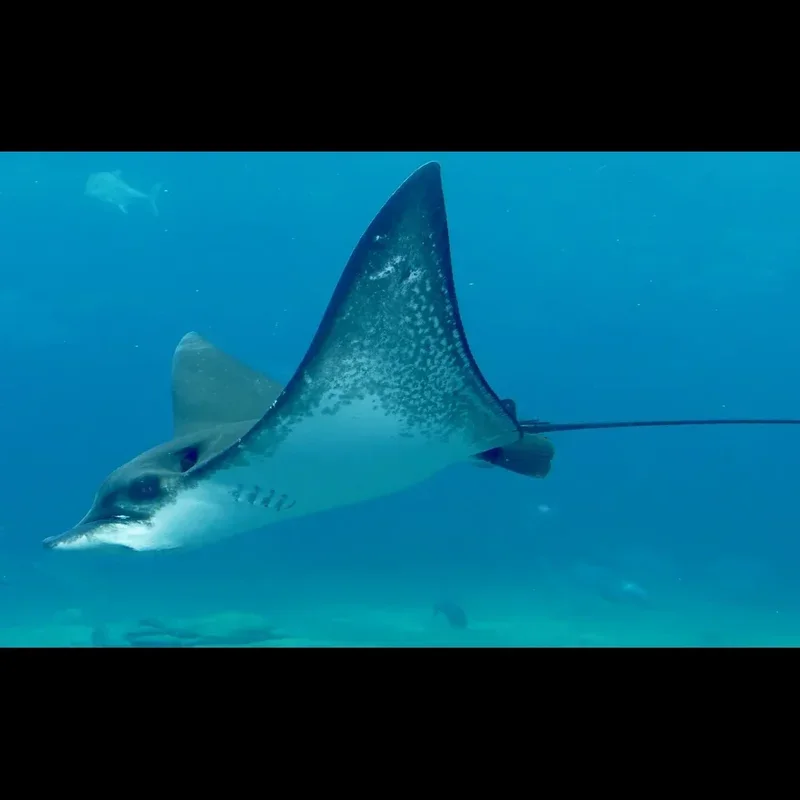
Expect to observe colorful invertebrates like sea stars and various crustaceans in crevices and along sandy bottoms. With a bit of luck, exploring the wider, open sections might reveal pelagic visitors such as eagle rays or tuna, which have been spotted at other nearby sites.
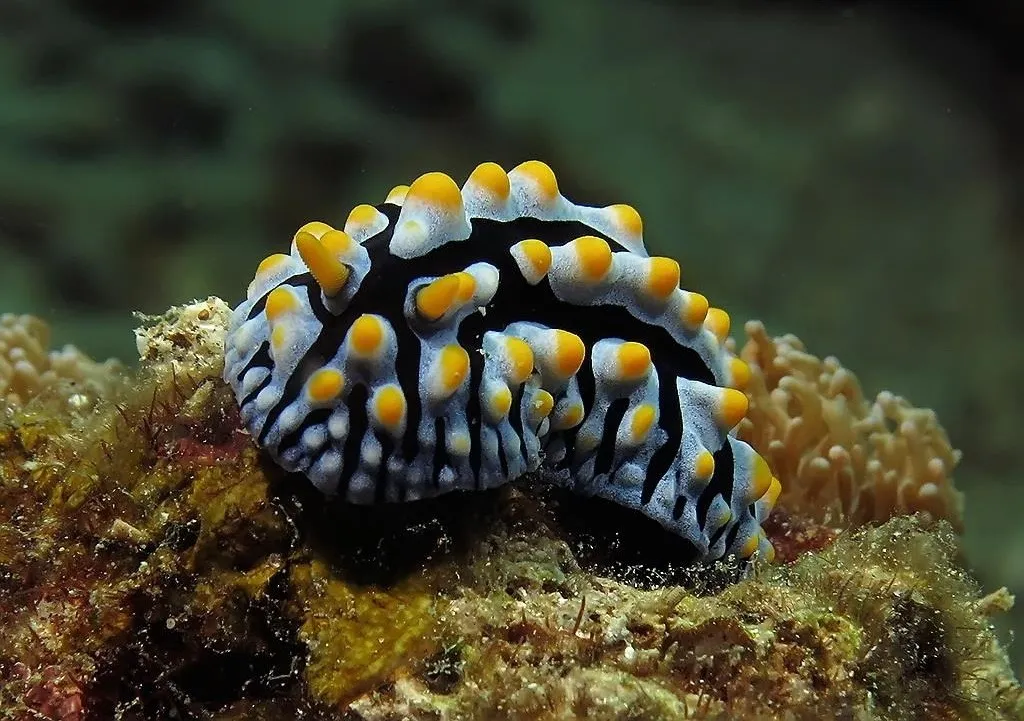
Even smaller creatures like nudibranchs and blennies populate the shallower sections, rewarding a slower, more observant approach. The varied habitats foster a rich biodiversity.

Dive Sites Near Akyar Reef
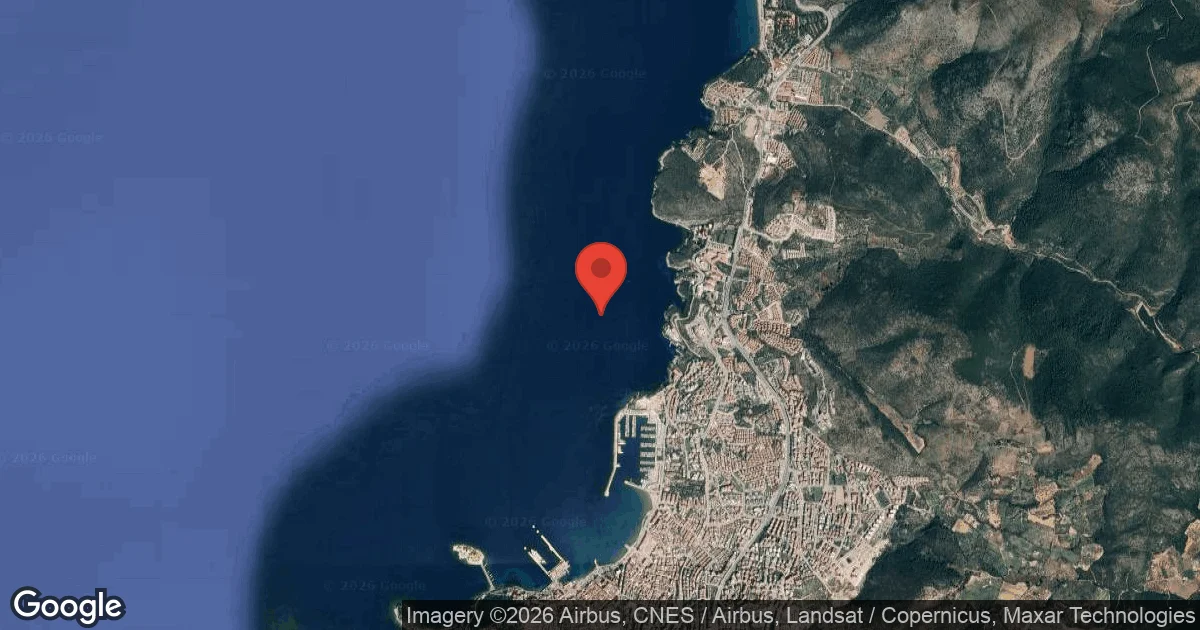
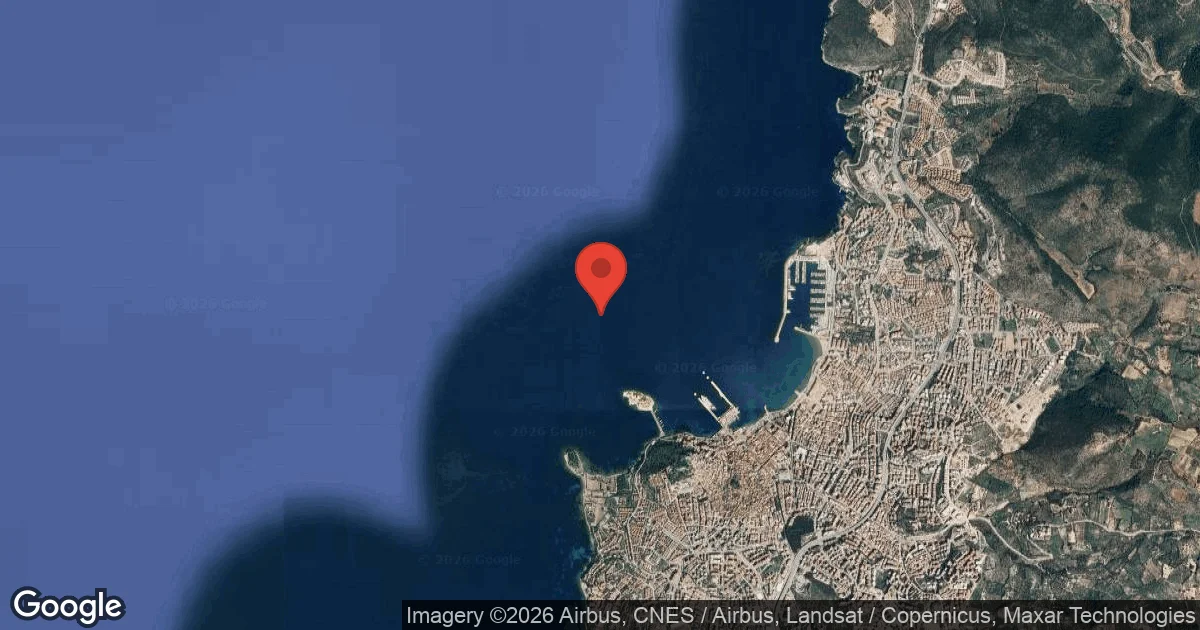
View all dive sites in TurkeyDiscover more underwater gems in this area.
Dive Centers Near Akyar Reef
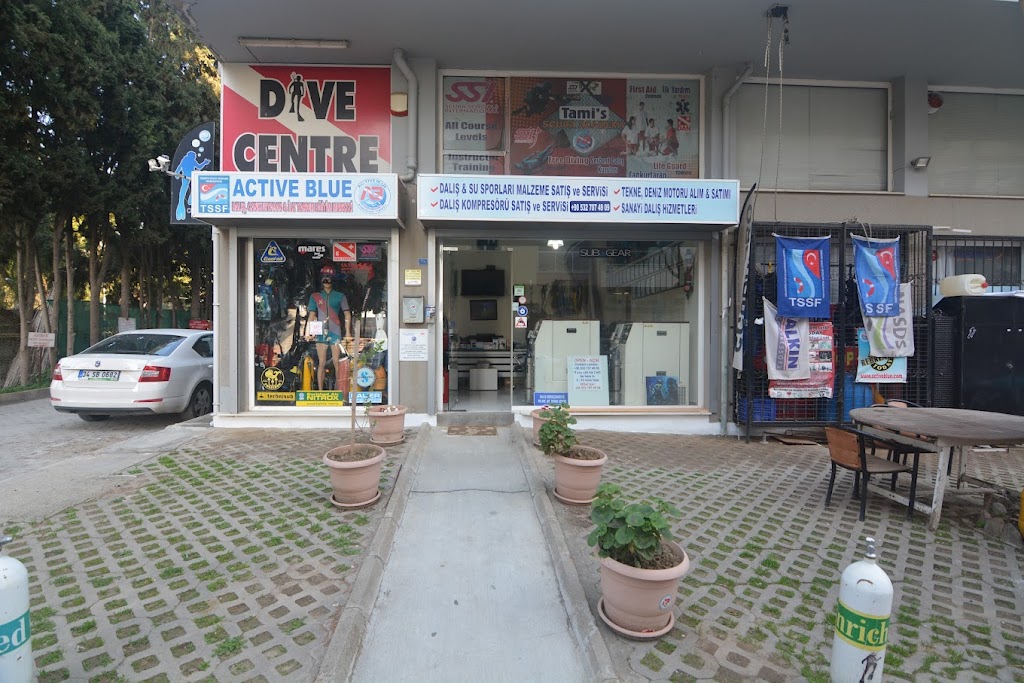
Today: 08:00 - 00:00
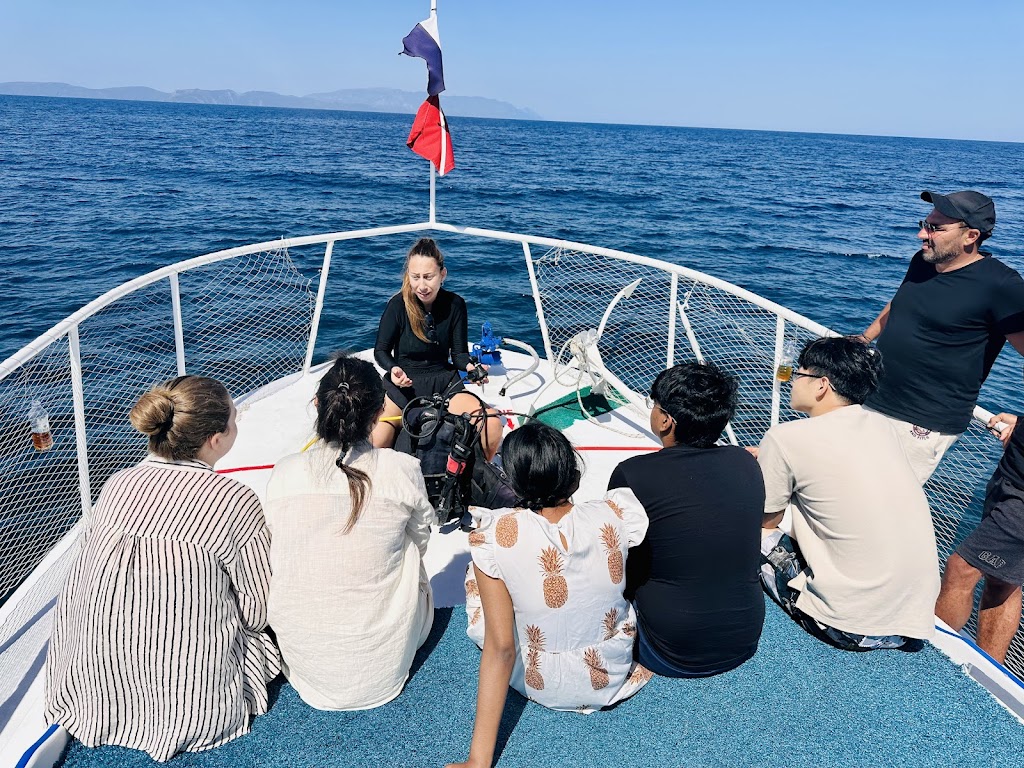
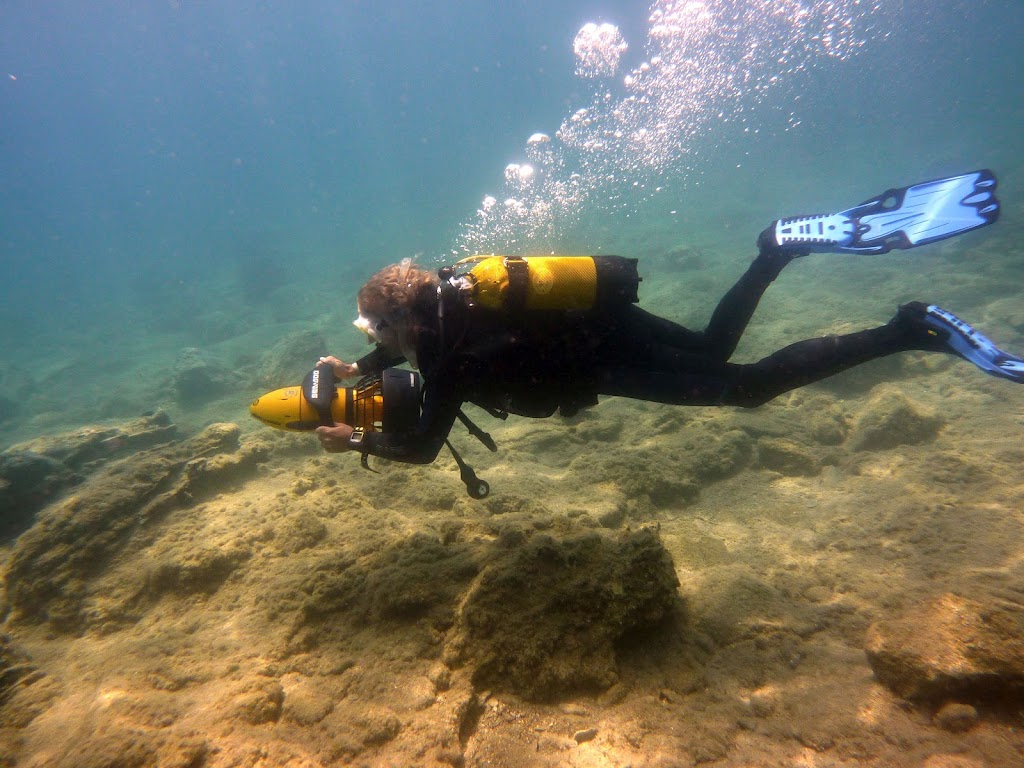
Nearest Airports
Nearest airports to help plan travel to this dive area.
Search Flights
Check available flights and routes on Expedia, using the nearby airports listed in this section.
Search Flights on ExpediaFrequently Asked Questions
What is the typical depth range for diving at Akyar Reef?
Akyar Reef generally caters to recreational diving depths. Expect to explore areas from approximately 3 meters (10 ft) down to its maximum recreational depth, depending on the specific section of the reef and your certification level.
Is Akyar Reef suitable for beginner divers?
Yes, Akyar Reef is often suitable for Open Water Diver level certification and above. Shallower sections with gentle slopes provide excellent training opportunities and accessible exploration for less experienced divers.
What kind of underwater topography can I expect at Akyar Reef?
Divers will find a diverse environment featuring prominent rock formations, expansive sandy bottoms, and thriving sea-grass meadows. This varied topography creates numerous habitats for marine life.
Are there strong currents at Akyar Reef?
While conditions vary, some local reef areas can experience currents. It's advisable to check with your dive operator on the day of your dive and maintain good situational awareness.
What marine life might I encounter at Akyar Reef?
The reef is home to typical Mediterranean fish species, various invertebrates, and possibly larger pelagic fish like eagle rays or tuna. Observing the smaller inhabitants requires a keen eye within the reef's many nooks.
What are the average air temperatures during the peak diving season?
During the peak diving season from May to October, average air temperatures range from a comfortable 20.5°C (69°F) in May to a warm 30.5°C (87°F) in July, ensuring pleasant conditions on the surface.
Is shore diving possible at Akyar Reef?
Some dive sites in the region offer shore entry, but specific access points for Akyar Reef vary. Consult with local dive centers to confirm current access methods for this particular site.
What is the best time of year to visit Akyar Reef for diving?
The period from March through November is consistently rated "Excellent" for diving at Akyar Reef. These months offer warm air temperatures and minimal rainfall, contributing to ideal overall conditions.
Planning to dive Akyar Reef?
Send one inquiry and receive offers directly from the best verified local dive operators.
Conditions are Excellent
07:00 - 14:00
Optimal conditions expected
Current conditions near Akyar Reef show 25° air, 25° sea temperature, 0.4 m waves, and 17 km/h wind. Forecast data is refreshed regularly to ensure accuracy.