
Diving at Mustafa Reef (Turkey)
Planning your dive at Mustafa Reef requires an understanding of its unique vertical profile. This Aegean site near Kuşadası primarily functions as a reef dive, presenting a dynamic descent from its shallower sections to a max depth of 35 m (115 ft). Divers should be prepared for varying conditions across this depth range. Optimal buoyancy control is key here, allowing you to appreciate the intricate structure of the reef effectively. It's a site that rewards careful preparation.
Evening condition tracking at Mustafa Reef features an air temperature of 26°C. We have recorded wave heights measuring 0.1 m during this period. These figures outline the environmental parameters currently present.
Dive Site Location & Key Facts
Dive Site Overview
Mustafa Reef, an Aegean site off Kuşadası, presents a captivating underwater landscape, demanding attention from divers exploring its verticality. From an initial structure at 15 m, the reef slopes gradually, descending to a substantial maximum depth.
This distinctive reef dive rewards those who take their time to observe its unique topography and varied terrain. Divers find numerous points of interest here, including intricate rock formations and shallower ledges that give way to deeper, more expansive sections. Patches of sandy bottom are observed in between these rock features, creating diverse microhabitats for smaller marine organisms.
Successfully navigating its varying depths requires attentive air management and confident control of descent and ascent rates, making it suitable for those with deep dive experience. While direct marine life sighting data for Mustafa Reef itself remains limited, the wider Aegean coast of Turkey has documented encounters with larger pelagic species.
Divers might spot various sharks, playful dolphins, and majestic sea turtles in the vicinity. Exploring its diverse sections promises a dynamic experience for certified divers comfortable with managing a significant depth profile.
Conditions are Excellent
07:00 - 14:00
Optimal conditions expected
Current conditions near Mustafa Reef show 26° air, 25° sea temperature, 0.4 m waves, and 17 km/h wind. Forecast data is refreshed regularly to ensure accuracy.
Best Time to Dive
Identifying the optimal window for diving Mustafa Reef often involves considering seasonal climate patterns, particularly air temperatures and rainfall. The prime diving season generally extends from March through November, with consistently excellent dive scores reported for these months. During this period, average air temperatures range from a pleasant 14°C (57°F) in March, peaking at around 30.5°C (87°F) in July, and remaining warm at 16.5°C (62°F) in November. Rainfall is notably minimal from April to October, with July and August seeing less than 0.1 mm, ensuring clearer skies and generally calm surface conditions. Conversely, winter months, while still rated "Good" for diving, present cooler air temperatures, averaging 11-12.5°C (52-54°F), and higher rainfall. Due to limited specific water temperature data for Mustafa Reef, divers should anticipate a seasonal variation in water warmth, generally mirroring the air temperature trends of the Aegean Sea.
PEAK SEASON SCORE
Scores combine air & water temps, waves, wind & rainfall for overall conditions.
BEST MONTHS TO DIVE
Monthly records compiled from satellite and marine observation nodes over the last 3 years. Data provided by Open-Meteo and MET Norway.
Dive Experience & Conditions
Exploring Mustafa Reef begins at an initial depth of 15 m, swiftly leading divers into a substantial vertical environment. This particular dive site caters primarily to advanced open water divers or those with equivalent deep dive experience, given its maximum depth of 35 m. Visibility here varies depending on local currents and recent weather patterns, but divers can generally expect good to excellent clarity, a common trait of the Aegean Sea. Currents at the site are not consistently reported, however, they can be present, particularly at deeper sections or around specific reef formations. Attentive diving and good spatial awareness are therefore important. While explicit water temperatures for Mustafa Reef are limited, conditions typically follow regional seasonal trends, remaining relatively mild during the prime dive season. Successfully navigating a comfortable dive requires careful attention to decompression limits and prudent air management, especially given the site's deeper profile.
Dive Difficulty & Safety Guidelines
Approaching Mustafa Reef safely means acknowledging its depth profile as a primary consideration. With a max depth of 35 m (115 ft), divers must be appropriately certified for deep diving and possess excellent buoyancy control. Planning no-decompression limits carefully is crucial for maximizing bottom time while ensuring a safe ascent.
Currents, though not consistently strong, may occasionally be encountered, particularly in deeper areas. Divers should always carry a surface marker buoy (SMB) for visibility on ascent and be familiar with its deployment.
Always dive with a buddy and ensure all equipment is in good working order before entering the water. Local dive operators are best positioned to provide real-time updates on site conditions and any specific safety advisories.
Recommended Equipment
- Dive Computer
This gear list is based on verified equipment signals for Mustafa Reef, Turkey. Always confirm final gear choices with your dive operator, guide, or liveaboard.
Recommended Dive Suit
Recent conditions suggest the water at Mustafa Reef remains near 25°C (76°F), offering typical conditions for the area. Surface air temperatures are resting at 26°C (79°F).
Forecasts suggest rising temperatures later this week. A warming trend is expected over the next few days.
Most divers exploring waters at this temperature rely on 3mm wetsuit for effective insulation. Water temperature is only one factor influencing overall comfort during a dive.
Due to technical issues with our weather providers, data hasn't been fetched for over 48 hours. The data above reflects the conditions at the time of the last successful fetch.
Emergency & Medical Support
Essential information to help you plan your dive trip to Mustafa Reef.

Hyperbaric chambers are a critical part of dive safety infrastructure. Availability varies significantly by region, and not all dive areas have immediate access.
Before diving, it's recommended to:
- confirm nearest medical facilities
- check emergency procedures with local dive operators
- ensure dive insurance covers evacuation if required
Divers Alert Network
Diving emergency assistance available through DAN Europe.
+39 0642115685- 24/7 emergency hotline
- Diving medical assistance
- Evacuation coordination
Emergency contacts are provided for reference. Always verify local emergency services before diving.
Closest Listed Hyperbaric Chambers
Showing listed hyperbaric chamber facilities within 200 km of this dive site.
Distances are approximate straight-line distances and may not reflect emergency travel time.
Bozyaka Eğitim Araştırma Hastanesi, Sualtı Hekimliği ve Hiperbarik Tıp Kliniği
24/7 ListedICU CapableIzmir, Turkey•Approx. 59 km straight-line
Bozyaka Eğitim Araştırma Hastanesi, Sualtı Hekimliği ve Hiperbarik Tıp Kliniği
24/7 ListedICU CapableInformation is provided for reference and planning purposes only. Dive Navigator does not verify operational status, staffing, availability, or quality of care at listed facilities. In an emergency, contact local emergency services, DAN, your dive operator, or the chamber directly. Do not travel to a facility without calling ahead.
DzKK Aksaz Deniz Üssü, Military base chamber
24/7 ListedMugla, Turkey•Approx. 153 km straight-line
DzKK Aksaz Deniz Üssü, Military base chamber
24/7 ListedInformation is provided for reference and planning purposes only. Dive Navigator does not verify operational status, staffing, availability, or quality of care at listed facilities. In an emergency, contact local emergency services, DAN, your dive operator, or the chamber directly. Do not travel to a facility without calling ahead.
Denizli Özel Sağlık Hastanesi
24/7 ListedICU CapableDenizli, Turkey•Approx. 158 km straight-line
Denizli Özel Sağlık Hastanesi
24/7 ListedICU CapableInformation is provided for reference and planning purposes only. Dive Navigator does not verify operational status, staffing, availability, or quality of care at listed facilities. In an emergency, contact local emergency services, DAN, your dive operator, or the chamber directly. Do not travel to a facility without calling ahead.
Marine Life at Mustafa Reef
The structure of Mustafa Reef provides varied habitats for marine life, supporting a diverse ecosystem. While specific resident populations for this reef are not consistently reported, the broader Aegean region around Turkey has documented sightings of larger pelagic species.
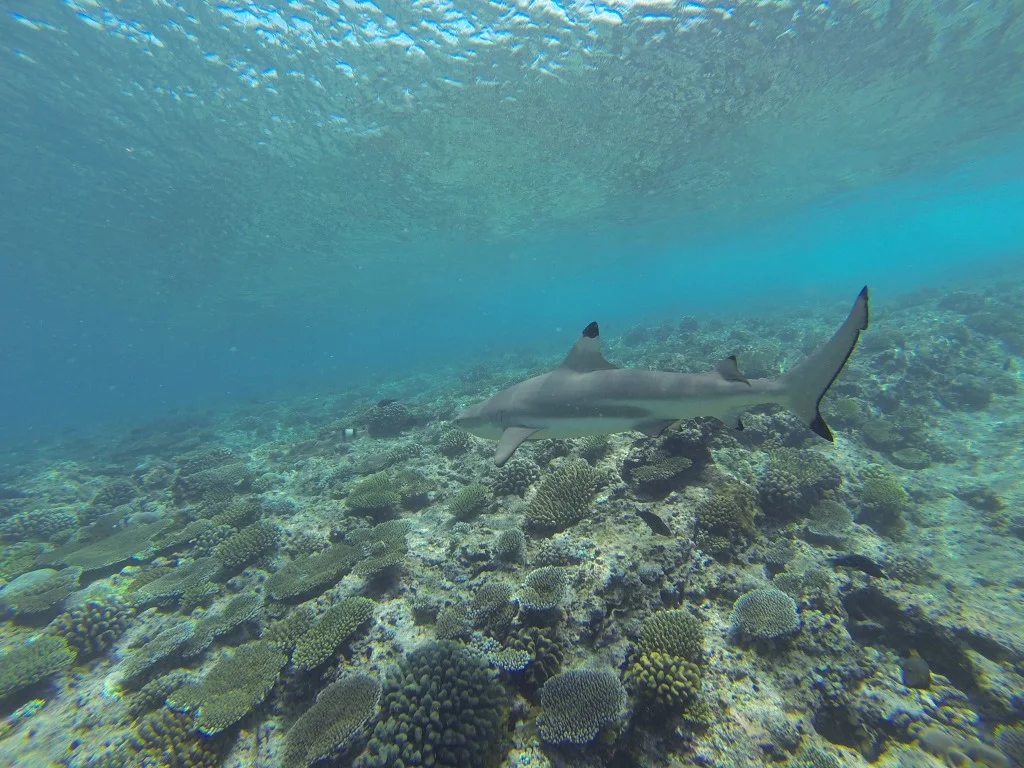
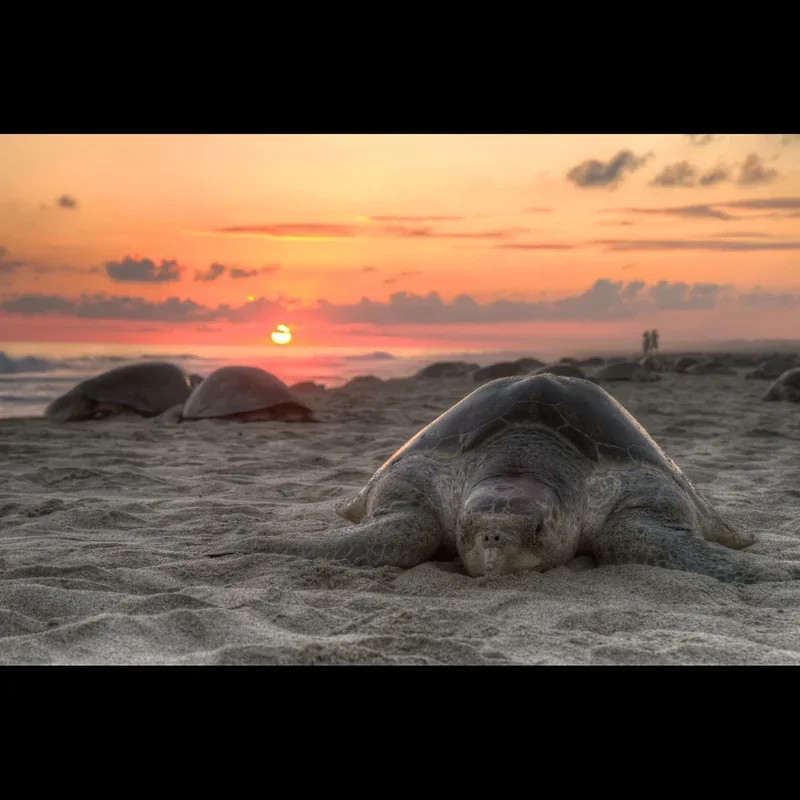
Divers might potentially encounter various species of sharks, playful dolphins, or the majestic presence of whales, though these are not guaranteed on every dive. Sea turtles are also known to frequent these waters.
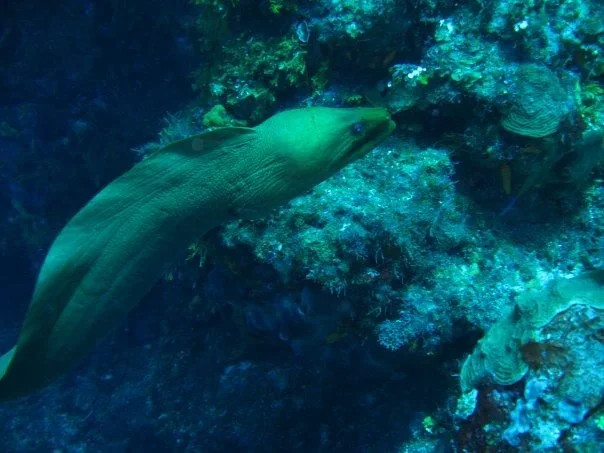
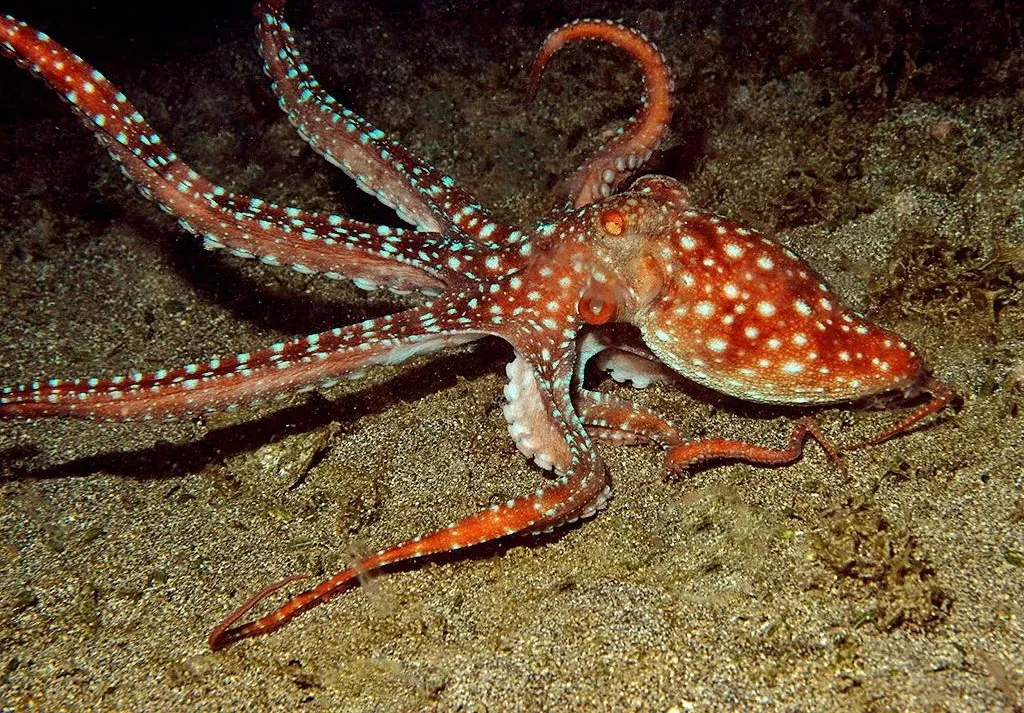
Smaller reef inhabitants such as vibrant reef fish, octopuses, and moray eels typically populate the nooks and crannies of the rock formations found at the site.
Dive Sites Near Mustafa Reef
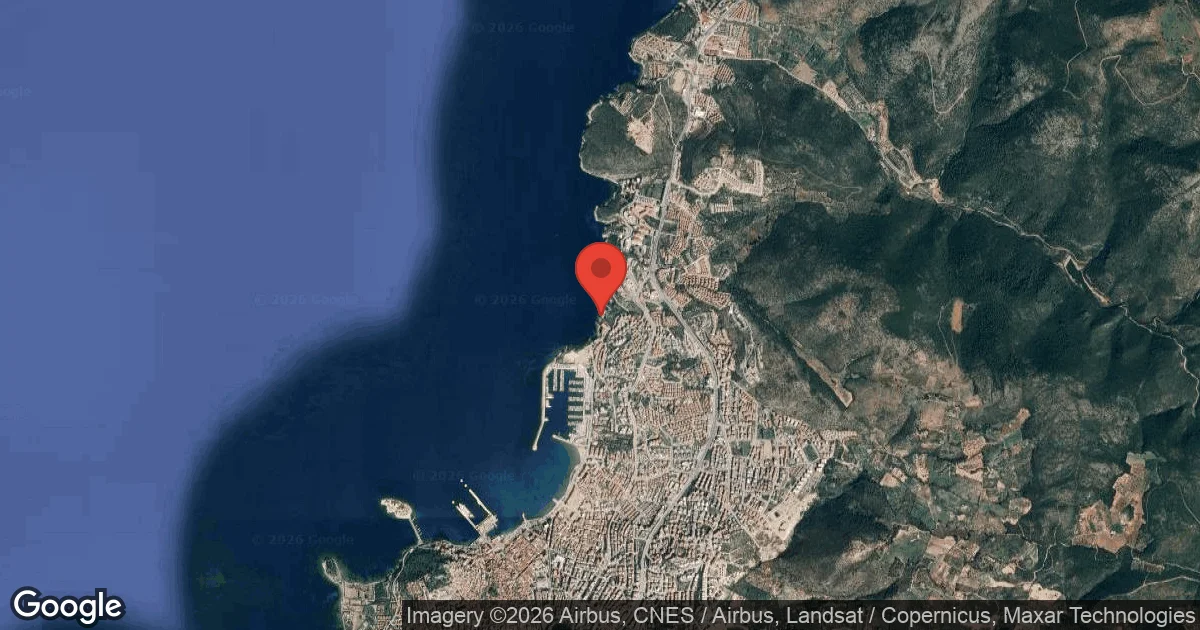
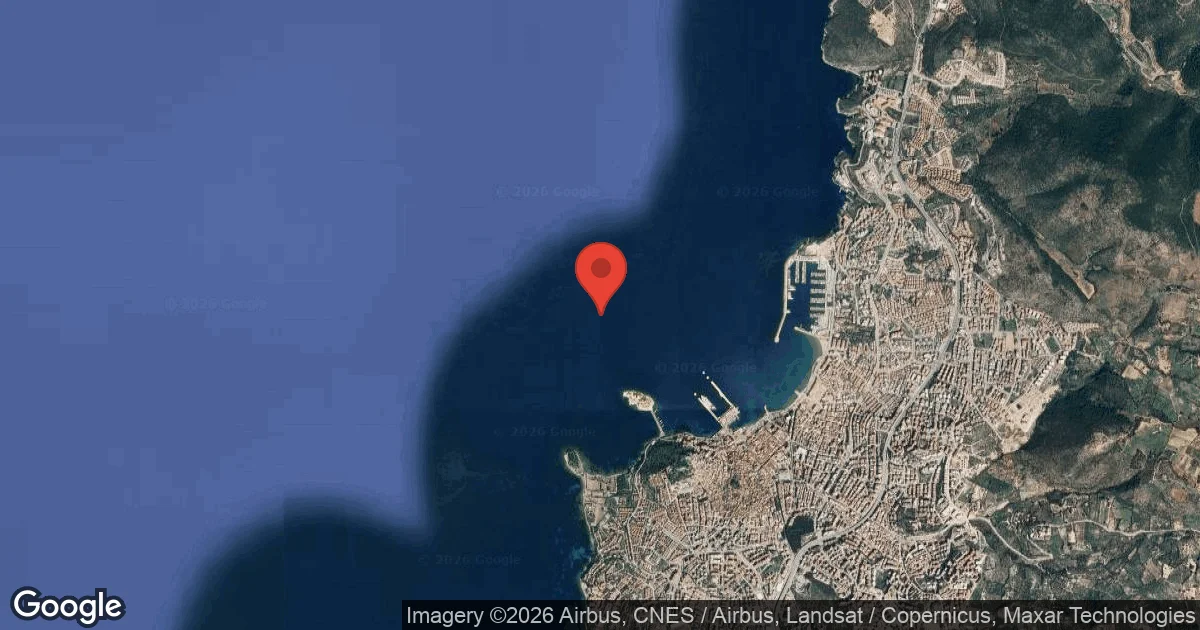
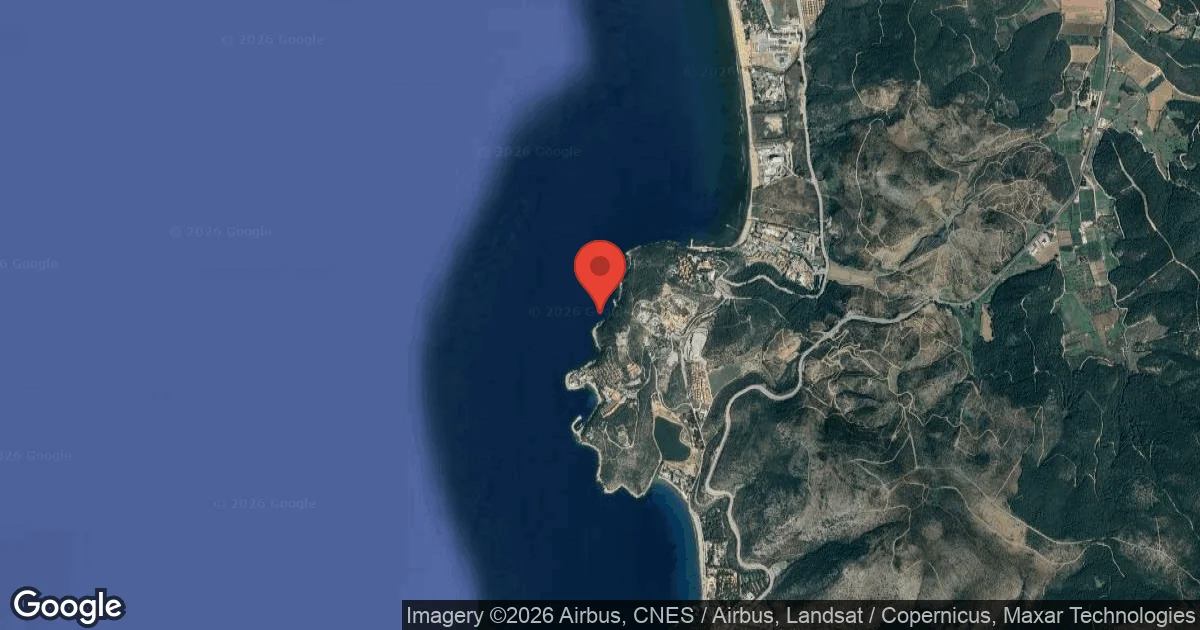
View all dive sites in TurkeyDiscover more underwater gems in this area.
Dive Centers Near Mustafa Reef
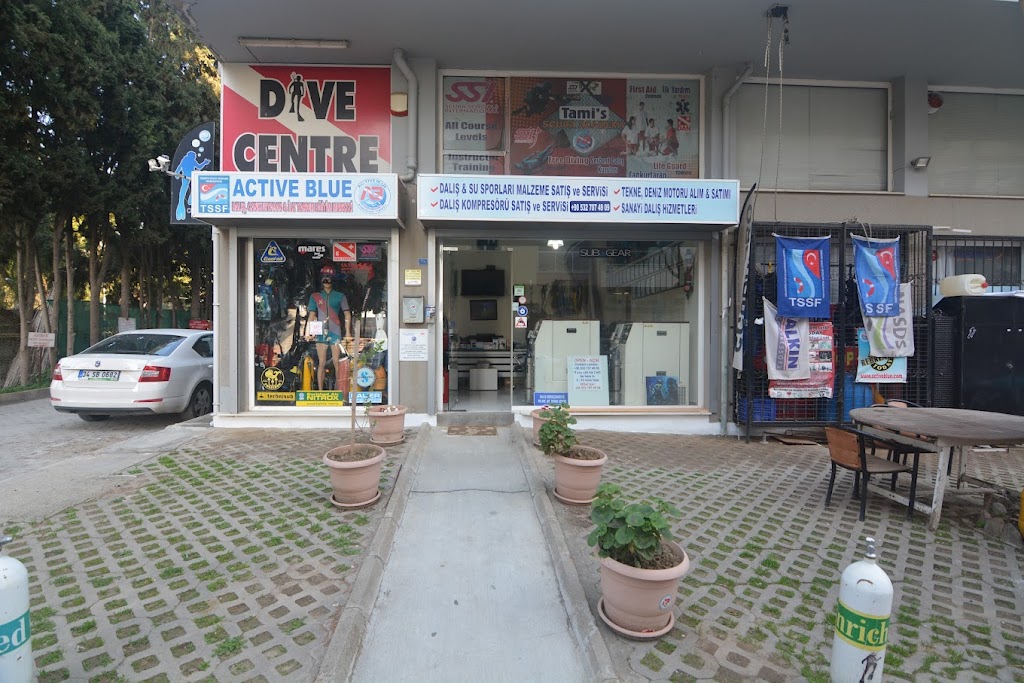
Today: 08:00 - 00:00
Nearest Airports
Nearest airports to help plan travel to this dive area.
Search Flights
Check available flights and routes on Expedia, using the nearby airports listed in this section.
Search Flights on ExpediaFrequently Asked Questions
What is the maximum depth at Mustafa Reef?
Mustafa Reef offers a recreational depth range from its starting point at 15 m (50 ft) down to a maximum of 35 m (115 ft). This makes it suitable for advanced open water divers who can manage such depths.
What type of dive site is Mustafa Reef?
It is primarily a reef dive. The site is characterized by its significant vertical profile and diverse rock formations, providing varied environments for marine life.
Is Mustafa Reef suitable for beginner divers?
Given its depth range starting at 15 m and reaching 35 m, Mustafa Reef is best suited for certified advanced open water divers or those with equivalent deep dive training. Beginners might find the depth challenging for their certification level.
What marine life can I expect to see?
While specific sightings vary, the general Aegean area can feature sharks, dolphins, and sea turtles. On the reef itself, look for typical Mediterranean reef fish, octopuses, and moray eels inhabiting the structures.
What are the typical water conditions?
Visibility is generally good to excellent in the Aegean Sea, though currents can vary depending on conditions. Water temperatures align with seasonal air temperatures, being warmest from late spring to early autumn.
Are there any specific hazards at Mustafa Reef?
No unique hazards are reported, but managing the deep depth and potential currents requires proper training and experience. Always monitor your bottom time and no-decompression limits for a safe dive.
Planning to dive Mustafa Reef?
Send one inquiry and receive offers directly from the best verified local dive operators.
Conditions are Excellent
07:00 - 14:00
Optimal conditions expected
Current conditions near Mustafa Reef show 26° air, 25° sea temperature, 0.4 m waves, and 17 km/h wind. Forecast data is refreshed regularly to ensure accuracy.