
Diving at Paradise (Turkey)
Paradise Reef, off the coast of Kuşadası, offers a captivating underwater landscape for certified divers. Explorers are drawn into a rocky realm where unique geological features meet a vibrant marine ecosystem. Prepare to descend into a world carved by currents and nourished by subterranean springs, revealing a distinct charm that defines diving experiences in the Turkish Aegean. Every dive unveils a new facet of the region's underwater allure.
Evening condition tracking at Paradise features an air temperature of 29.5°C. We have recorded wave heights measuring 0.5 m during this period. These figures outline the environmental parameters currently present.
Dive Site Location & Key Facts
Dive Site Overview
Paradise Reef in Kuşadası presents a compelling underwater topography, defined primarily by extensive rocky formations and intriguing small caverns. Divers navigate a reef structure descending to a maximum depth of 25 meters / 82 feet, accessible for various certification levels.
A notable feature is spring water emerging from the bottom, creating interesting thermoclines and visual effects that add a distinct character to the dive experience. Such geological interactions support a diverse habitat, attracting various fish species that congregate around warmer or cooler water flows. Exploring reveals a dynamic environment where ancient rocky landscapes form natural shelters and crevices for marine life.
Reef structures invite careful exploration, rewarding divers with discoveries within varied nooks and crannies. PADI certifications, ranging from Open Water Diver for general reef exploration to Advanced Open Water Diver and even Cavern Diver for those interested in its confined spaces, are relevant here, highlighting the site's suitability for skill development and diverse interests.
Boat entry is the standard approach, offering direct access to prime diving areas without the complexities of shore entry. Expect visibility to generally range between 9 to 30 meters / 30 to 100 feet across the dive area; this can fluctuate with local conditions and freshwater mixing.
Rugged contours create intricate swim-throughs and overhangs, inviting thorough inspection and providing ample photographic opportunities within sculpted depths.
Conditions are Excellent
07:00 - 14:00
Optimal conditions expected
Current conditions near Paradise show 30° air, 25° sea temperature, 0.4 m waves, and 24 km/h wind. Forecast data is refreshed regularly to ensure accuracy.
Best Time to Dive
Planning a dive at Paradise Reef involves considering seasonal shifts impacting both air temperatures and water conditions. Dive score data suggests excellent conditions prevail for much of the year, particularly from March through June and again from August to December. During these periods, air temperatures are generally comfortable, ranging from 13-28°C / 55-82°F in spring/early summer and 15-26°C / 59-79°F in autumn. Rainfall is minimal from May to October, with July and August experiencing almost no rain, ensuring clear surface conditions. While specific water temperature data for Paradise Reef isn't consistently reported, the broader region typically experiences warm, inviting waters from late spring through early autumn, gradually cooling during winter months. Wind speeds are generally moderate year-round, contributing to manageable surface conditions. Divers often find shoulder seasons of spring (April-May) and autumn (September-October) particularly appealing, offering a balance of pleasant air temperatures and potentially less crowded dive sites compared to peak summer months, while still providing high dive scores.
PEAK SEASON SCORE
Scores combine air & water temps, waves, wind & rainfall for overall conditions.
BEST MONTHS TO DIVE
Monthly records compiled from satellite and marine observation nodes over the last 3 years. Data provided by Open-Meteo and MET Norway.
Dive Experience & Conditions
Descending into Paradise Reef often begins with a sensation of clarity; visibility can stretch from 9 to 30 meters / 30 to 100 feet, allowing for expansive views of the rocky seabed. An initial chill at the surface can give way to stratified temperatures as divers encounter intriguing spring water outflows. These freshwater intrusions create a distinct visual effect, sometimes appearing as shimmering distortions in the water column—a unique sensory cue of an active geological site. Moving deeper, ambient light filters through, highlighting rugged textures of the reef, from smooth worn rocks to sharp crevices. Divers might feel gentle currents shaping the reef, requiring attentive finning, particularly when exploring smaller caverns or navigating around rock outcrops. Silence underwater is punctuated only by your own breathing and occasional crackles of marine life, immersing you fully in this secluded underwater world. An overall impression is one of natural rugged beauty, with occasional unexpected thermal changes.
Dive Difficulty & Safety Guidelines
While Paradise Reef is generally considered accessible for various certification levels, navigating its rocky terrain and exploring caverns requires adherence to established safety protocols. Divers should maintain buoyancy control to avoid contact with delicate reef structures and ensure adequate air supply for the planned dive profile, especially when exploring deeper sections or venturing into enclosed spaces. Given the mention of small caverns, divers considering entry should possess appropriate training, such as a Cavern Diver certification, and ensure they follow safe penetration limits.
Spring water presence can lead to temperature variations; divers should be prepared for potential thermoclines with suitable exposure protection. Always dive with a buddy and conduct thorough pre-dive checks.
Respecting marine life and avoiding disturbance of the natural environment are paramount guidelines for this site.
Recommended Equipment
Overhead environment. Do not enter beyond training and gas planning limits.
Current and surface separation risk. Local briefing strongly recommended.
- Dive Computer
- DSMB
- Primary & Backup Lights
- Reel / Spool
- Cutting Tool
This gear list is based on verified equipment signals for Paradise, Turkey. Always confirm final gear choices with your dive operator, guide, or liveaboard.
Recommended Dive Suit
Weather models currently point toward consistent diving conditions over the next several days.
For typical recreational dives, 3mm wetsuit generally provides comfortable insulation. A hood or vest is suggested for sensitive divers due to surface winds.
At Paradise, the water is currently sitting around 25°C (76°F). Surface air temperatures are resting at 30°C (85°F).
Emergency & Medical Support
Essential information to help you plan your dive trip to Paradise.

Hyperbaric chambers are a critical part of dive safety infrastructure. Availability varies significantly by region, and not all dive areas have immediate access.
Before diving, it's recommended to:
- confirm nearest medical facilities
- check emergency procedures with local dive operators
- ensure dive insurance covers evacuation if required
Divers Alert Network
Diving emergency assistance available through DAN Europe.
+39 0642115685- 24/7 emergency hotline
- Diving medical assistance
- Evacuation coordination
Emergency contacts are provided for reference. Always verify local emergency services before diving.
Closest Listed Hyperbaric Chambers
Showing listed hyperbaric chamber facilities within 200 km of this dive site.
Distances are approximate straight-line distances and may not reflect emergency travel time.
Bozyaka Eğitim Araştırma Hastanesi, Sualtı Hekimliği ve Hiperbarik Tıp Kliniği
24/7 ListedICU CapableIzmir, Turkey•Approx. 55 km straight-line
Bozyaka Eğitim Araştırma Hastanesi, Sualtı Hekimliği ve Hiperbarik Tıp Kliniği
24/7 ListedICU CapableInformation is provided for reference and planning purposes only. Dive Navigator does not verify operational status, staffing, availability, or quality of care at listed facilities. In an emergency, contact local emergency services, DAN, your dive operator, or the chamber directly. Do not travel to a facility without calling ahead.
DzKK Aksaz Deniz Üssü, Military base chamber
24/7 ListedMugla, Turkey•Approx. 156 km straight-line
DzKK Aksaz Deniz Üssü, Military base chamber
24/7 ListedInformation is provided for reference and planning purposes only. Dive Navigator does not verify operational status, staffing, availability, or quality of care at listed facilities. In an emergency, contact local emergency services, DAN, your dive operator, or the chamber directly. Do not travel to a facility without calling ahead.
Denizli Özel Sağlık Hastanesi
24/7 ListedICU CapableDenizli, Turkey•Approx. 157 km straight-line
Denizli Özel Sağlık Hastanesi
24/7 ListedICU CapableInformation is provided for reference and planning purposes only. Dive Navigator does not verify operational status, staffing, availability, or quality of care at listed facilities. In an emergency, contact local emergency services, DAN, your dive operator, or the chamber directly. Do not travel to a facility without calling ahead.
Marine Life at Paradise
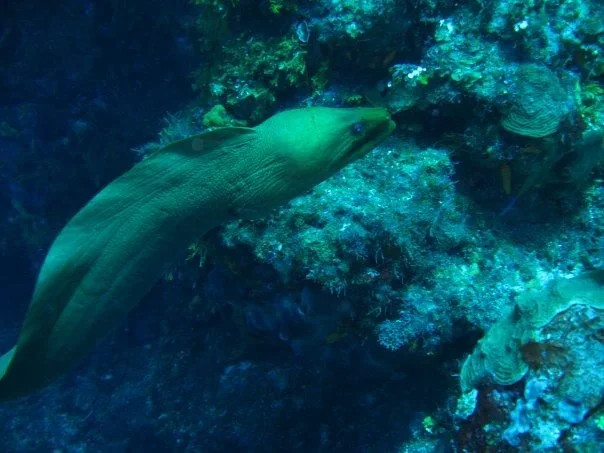
Paradise Reef is reliably home to large moray eels, often observed peeking from their rocky crevices or traversing the reef. Sinagrit, also known as dentex, are another almost guaranteed sighting here, frequently spotted patrolling deeper sections of the reef.
Beyond these specific encounters, the site hosts a variety of local fish species, congregating within the shelter of rocky reef and near intriguing spring water outflows. Keep an eye out for smaller reef inhabitants camouflaged against rocks.
Rich structure provides abundant hiding and feeding grounds for a dynamic, if not always flashy, ecosystem.

Dive Sites Near Paradise
View all dive sites in TurkeyDiscover more underwater gems in this area.
Dive Centers Near Paradise
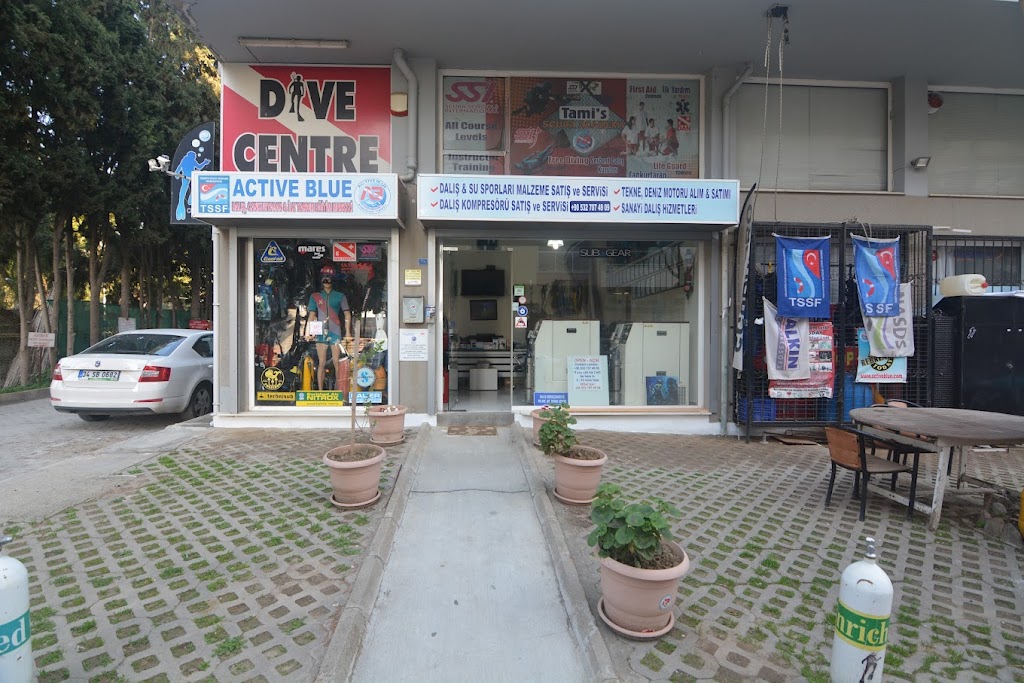
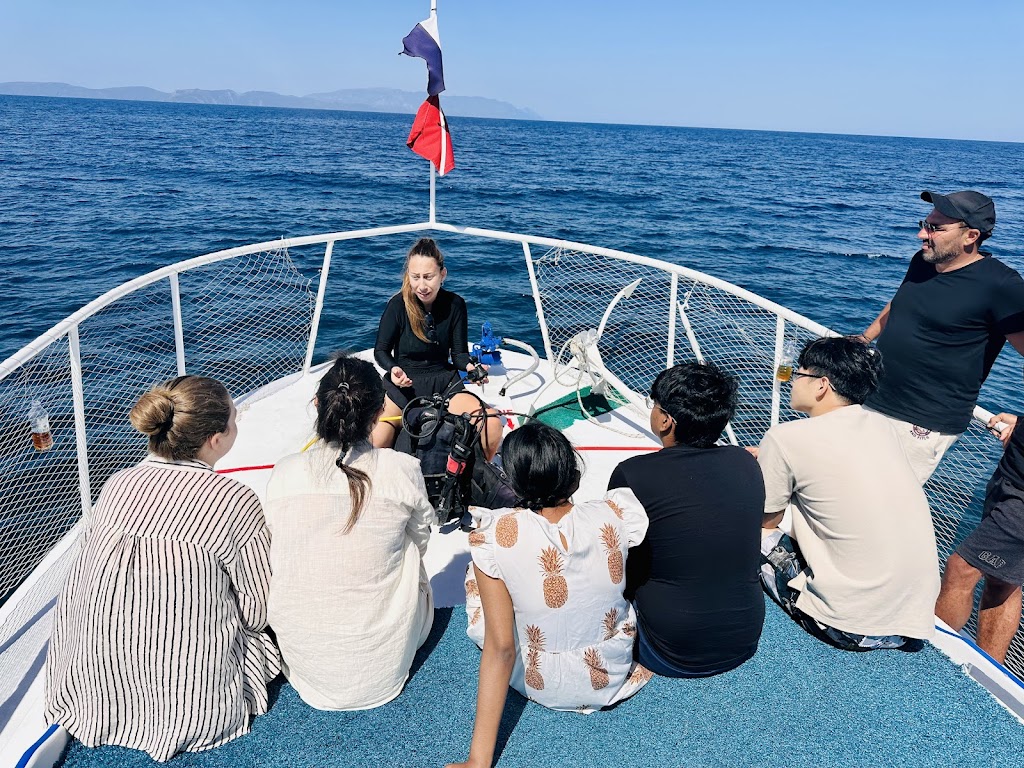
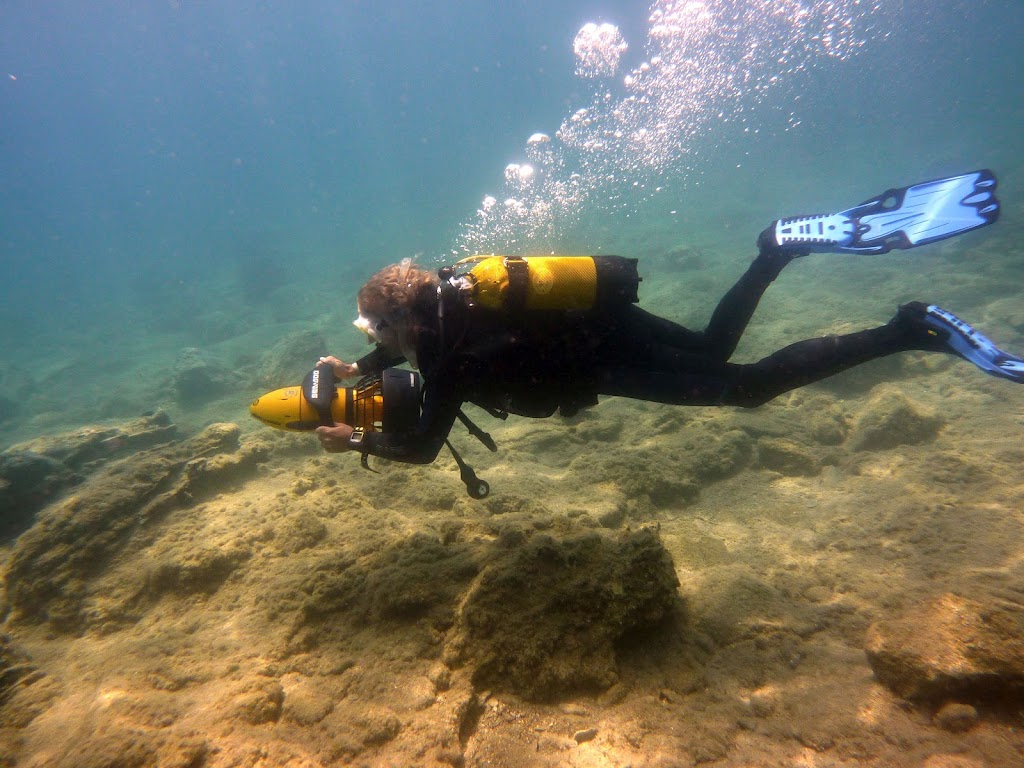
Today: 08:00 - 00:00
Nearest Airports
Nearest airports to help plan travel to this dive area.
Search Flights
Check available flights and routes on Expedia, using the nearby airports listed in this section.
Search Flights on ExpediaFrequently Asked Questions
What depth can I expect at Paradise Reef?
A maximum depth of 25 meters / 82 feet is reported for Paradise Reef, making it suitable for a range of certified divers, including Open Water. Much of the reef can be explored within recreational limits.
Are there any unique geological features?
Yes, the site is known for its extensive rocky area, small caverns, and the distinct phenomenon of spring water emerging from the bottom. These features create interesting visual effects and unique micro-environments.
What kind of marine life can I typically see?
Divers commonly encounter large moray eels and sinagrit (dentex) at Paradise Reef. A variety of other local fish species also inhabit the reef structures, seeking shelter in its crevices and overhangs.
What's the visibility like?
Visibility at Paradise Reef generally ranges from 9 to 30 meters / 30 to 100 feet. However, local conditions and the mixing of freshwater from the springs can sometimes cause variations in clarity.
Is Paradise Reef suitable for beginners?
Yes, certified Open Water Divers can explore much of the reef. For cavern exploration, however, specific training like a PADI Cavern Diver certification is recommended to ensure safety.
How do divers access the site?
Paradise Reef is typically accessed via boat. This provides direct and convenient entry to the main dive areas, ensuring a smooth start to your underwater adventure.
What are the best months for diving here?
Dive scores indicate excellent conditions from March through June and August to December. Shoulder seasons of spring and autumn often offer a good balance of pleasant air temperatures and potentially less crowded dive sites.
Planning to dive Paradise?
Send one inquiry and receive offers directly from the best verified local dive operators.
Conditions are Excellent
07:00 - 14:00
Optimal conditions expected
Current conditions near Paradise show 30° air, 25° sea temperature, 0.4 m waves, and 24 km/h wind. Forecast data is refreshed regularly to ensure accuracy.