
Diving at 1500 Ft Offshore R-105 (United States)
Approaching a large artificial reef like the one at 1500 ft Offshore R-105 demands precise planning and a clear understanding of its expansive structure. Dive professionals emphasize the sheer scale and complexity, suggesting that even repeated visits will only scratch the surface of what's available for exploration. Be prepared for a substantial site, offering opportunities for divers across various experience levels, from shallower deck areas to more challenging deeper sections.
Tonight's objective overview for 1500 Ft Offshore R-105 shows an air temperature of 25.5°C. The measured surface conditions include wave heights around 0.9 m. This environmental data is logged for the close of the day.
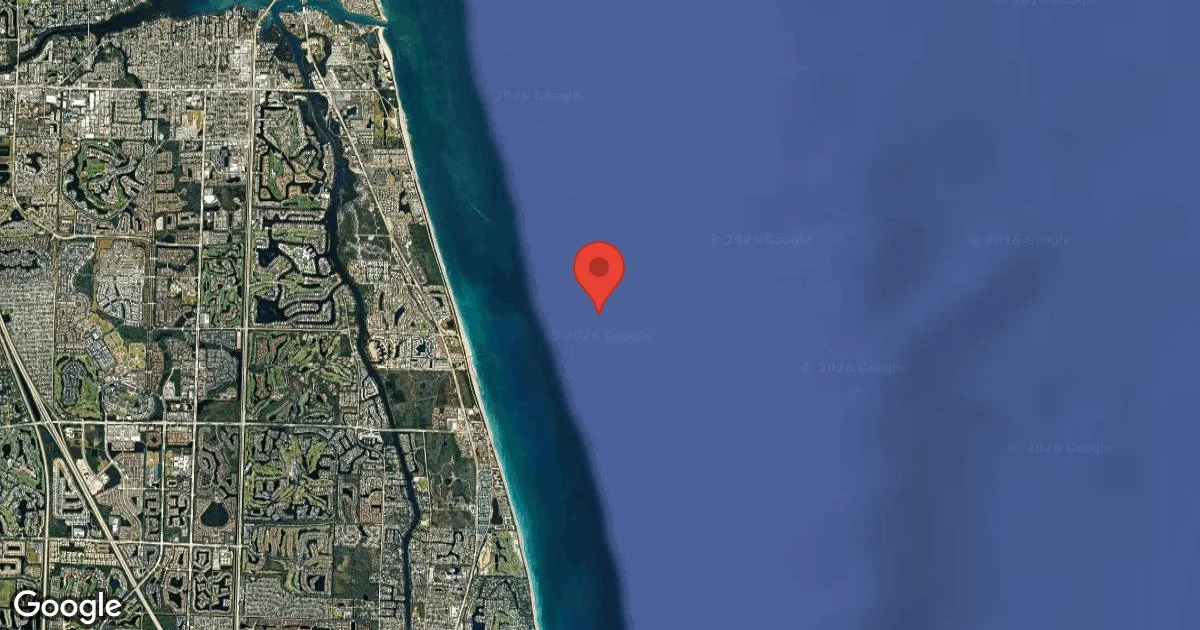
Dive Site Location & Key Facts
Dive Site Overview
Diving at 1500 ft Offshore R-105 reveals an imposing artificial reef, a testament to conservation efforts that repurpose large vessels into thriving underwater ecosystems. The site rests in a maximum depth around 67 m (220 ft), with its uppermost structures reaching approximately 17 m (55 ft) below the surface, making parts accessible to open water divers.
These artificial reefs are designed to foster biodiversity, transforming former hulks into vibrant underwater cities rich with marine life. Over time, these sites adapt to environmental forces, notably hurricanes, which can reshape their internal landscapes.
Storms have been observed to cause minor settling and sometimes create new swim-throughs, such as a substantial 'gap' that formed in an island structure, measuring 3 m (10 ft) wide by 16 m (52 ft). This dynamic environment means the internal layout of these large structures can change dramatically, impacting navigation.
Divers can explore extensive features, including promenade decks, former cargo holds, and bridge structures, offering myriad opportunities for exploration across various depths for recreational and technical divers alike.
Conditions are Excellent
07:00 - 14:00
Optimal conditions expected
Current conditions near 1500 Ft Offshore R-105 show 26° air, 31° sea temperature, 0.8 m waves, and 12 km/h wind. Forecast data is refreshed regularly to ensure accuracy.
Best Time to Dive
Optimizing your visit to this artificial reef often aligns with periods of more favorable conditions for visibility and comfort. The dive scores indicate that May through August generally offer the best diving, with scores consistently rated as 'Good.' During these months, air temperatures typically range from 26.5-28°C (80-82°F), and rainfall is highest, peaking around 8.9 mm in September, but often accompanied by calmer seas. Wave heights are notably lower, frequently below 0.9 m (3 ft), contributing to improved underwater clarity and more comfortable boat rides. Conversely, October can present more challenging conditions, with higher wave heights averaging around 1.6 m (5.2 ft), often corresponding with a 'Moderate' dive score. Water temperature data is not consistently reported for this specific location, but generally mirrors the warmer air temperatures and calmer conditions of the summer months.
PEAK SEASON SCORE
Scores combine air & water temps, waves, wind & rainfall for overall conditions.
BEST MONTHS TO DIVE
Monthly records compiled from satellite and marine observation nodes over the last 3 years. Data provided by Open-Meteo and MET Norway.
Dive Experience & Conditions
Descending into this artificial reef system, divers immediately grasp its sheer scale. The structure behaves as a multi-level environment, allowing gradual progression into deeper sections as experience grows. Recreational divers frequently explore areas like upper decks and bridge structures, often found in the 30-40 m (100-130 ft) range, where ambient light still provides ample visibility. Its vastness means that even after multiple dives, new areas and details will emerge. Conditions are generally well-suited for exploration, though the internal layout can be complex due to previous structural damage from environmental factors and reefing processes; this means that published deck plans may not reliably reflect the current configuration.
Dive Difficulty & Safety Guidelines
Diving an extensive artificial reef like 1500 ft Offshore R-105 presents specific challenges and requires adherence to strict safety protocols. Divers must have a minimum of 20 logged dives to visit the site. Openwater divers without advanced or deep diver certifications must dive with a guide and either have completed two logged dives within the last year or a refresher course.
For advanced divers or those with deep diver specialties, two logged dives at or below 24 m (80 ft) in the last year are required to dive without a guide; otherwise, a guide is necessary after completing two logged dives within the past year. Crucially, penetrations into the ship's interior are inherently risky and demand specialized training due to altered internal structures and potential entanglement hazards.
All divers are required to carry an alternate air source, such as an octopus or redundant air system, along with a safety sausage or similar marker device and a whistle.
Recommended Equipment
- Dive Computer
This gear list is based on verified equipment signals for 1500 Ft Offshore R-105, United States. Always confirm final gear choices with your dive operator, guide, or liveaboard.
Recommended Dive Suit
Environmental conditions are expected to remain consistent in the short-term outlook.
Even in warm destinations, extended dives can gradually draw heat away from the body.
Exposure protection such as dive skin or rash guard is commonly used when diving in waters of this temperature. Divers preparing to enter the water at 1500 Ft Offshore R-105 will likely find temperatures around 31°C (87°F) today. Surface air temperatures are resting at 26°C (78°F).
Emergency & Medical Support
Essential information to help you plan your dive trip to 1500 ft Offshore R-105.

Hyperbaric chambers are a critical part of dive safety infrastructure. Availability varies significantly by region, and not all dive areas have immediate access.
Before diving, it's recommended to:
- confirm nearest medical facilities
- check emergency procedures with local dive operators
- ensure dive insurance covers evacuation if required
Divers Alert Network
Diving emergency assistance available through DAN World.
+1-919-684-9111- 24/7 emergency hotline
- Diving medical assistance
- Evacuation coordination
Emergency contacts are provided for reference. Always verify local emergency services before diving.
Marine Life at 1500 Ft Offshore R-105
Upon first encountering this artificial reef, divers often notice the immediate presence of a thriving marine ecosystem. The sheer volume of structure provides extensive surfaces for coral growth and shelters countless species of reef fish.
Expect to observe various schooling fish congregating around the ship's bulkheads and masts, and keep an eye out for larger pelagic species that patrol the perimeter of this underwater island. The site has successfully transformed into a vibrant habitat, attracting a diverse range of biodiversity that contrasts with the typically sparser natural reef environment offshore.
Dive Sites Near 1500 Ft Offshore R-105
View all dive sites in United StatesDiscover more underwater gems in this area.
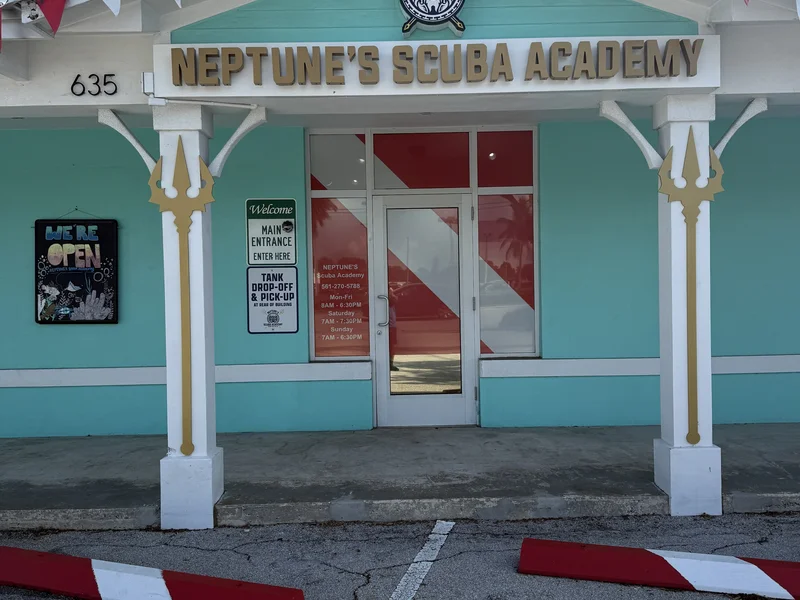
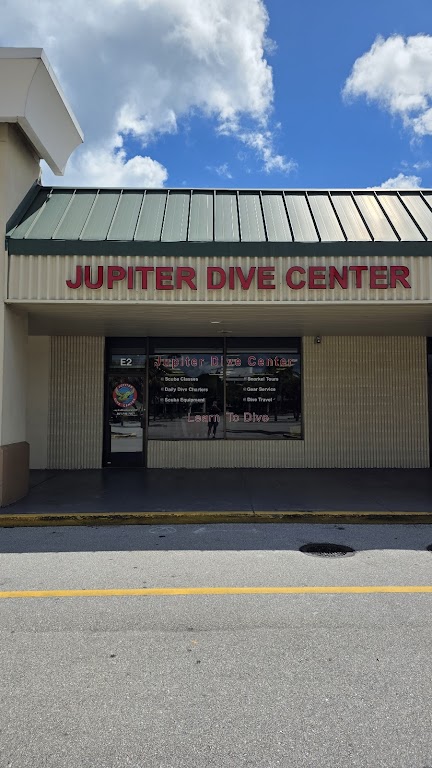
Dive Centers Near 1500 Ft Offshore R-105
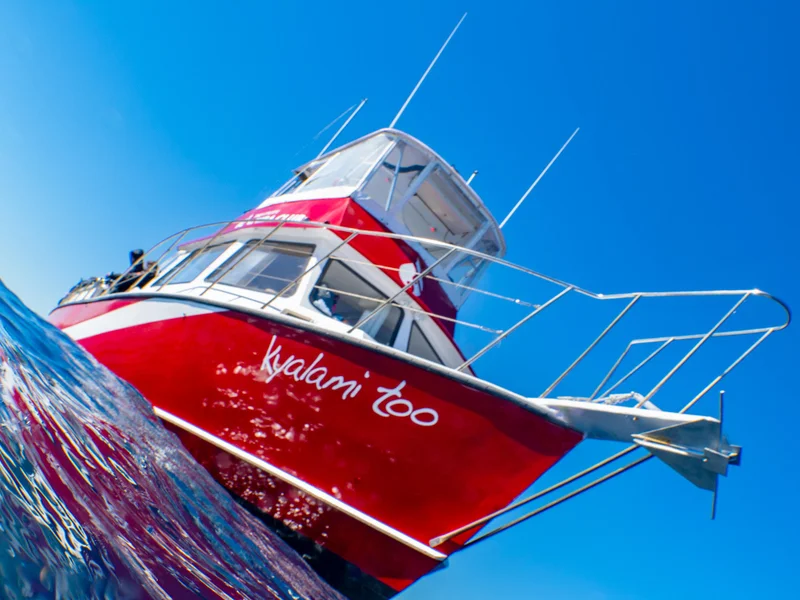
Today: 08:00 - 18:00
Nearest Airports
Nearest airports to help plan travel to this dive area.
Search Flights
Check available flights and routes on Expedia, using the nearby airports listed in this section.
Search Flights on Expedia
Plan Your Stay
Looking for a place to stay for your dive trip? Explore hotels, stays, and vacation rentals for dive groups near Palm Beach.
Dive Navigator may earn a commission from these links at no extra cost to you.
Frequently Asked Questions
What is the minimum certification required to dive this site?
All divers must have a minimum of 20 logged dives. Openwater divers without advanced or deep diver certifications require a guide for safe exploration. Divers with advanced certifications have more flexibility.
What are the depth ranges for diving this artificial reef?
The site's maximum depth is around 67 m (220 ft), but the top structures begin at approximately 17 m (55 ft). Most recreational diving occurs in the shallower to mid-depth ranges, generally above 40 m (130 ft), with deeper sections reserved for technical divers.
Are penetrations into the wreck permitted?
Significant penetrations are considered difficult and risky due to the altered internal structure of the ship. Divers should not enter the ship's interior without proper training and specialized equipment.
What safety equipment is mandatory for divers?
Divers must carry an alternate air source (octopus or redundant system), a safety sausage or similar marker device, and a whistle. These items are critical for communication and emergency preparedness.
How do hurricanes affect the site?
Tropical storms and hurricanes have impacted the reef, causing minor structural changes like a slight list or settling into the sand. Some events have even created new features, such as a large swim-through, but the core structure generally remains sound.
Is the internal layout of the ship reliable for navigation?
The internal layout of this artificial reef has changed dramatically since its deployment. Deck plans are no longer reliable due to damage from water flow and explosive concussions during reefing, which affected lightweight aluminum bulkheads. Divers should exercise extreme caution and not rely on outdated plans for navigation.
Planning to dive 1500 Ft Offshore R-105?
Send one inquiry and receive offers directly from the best verified local dive operators.
Conditions are Excellent
07:00 - 14:00
Optimal conditions expected
Current conditions near 1500 Ft Offshore R-105 show 26° air, 31° sea temperature, 0.8 m waves, and 12 km/h wind. Forecast data is refreshed regularly to ensure accuracy.