
Diving at West Palm Beach Atlantic Ocean Diving (United States)
As you descend into the Atlantic off West Palm Beach, you quickly encounter a dynamic underwater environment. Boat rides to dive sites are often swift, positioning divers efficiently over vibrant reefs or intriguing wrecks. Many dives here begin with a controlled entry, allowing the gentle push of the Gulf Stream to guide your journey from the moment you submerge.
As evening covers West Palm Beach Atlantic Ocean Diving, the local air temperature is measured at 24.5°C. The current wave height at the surface is recorded at 0.9 m. These late-day readings characterize the surface conditions for the night.
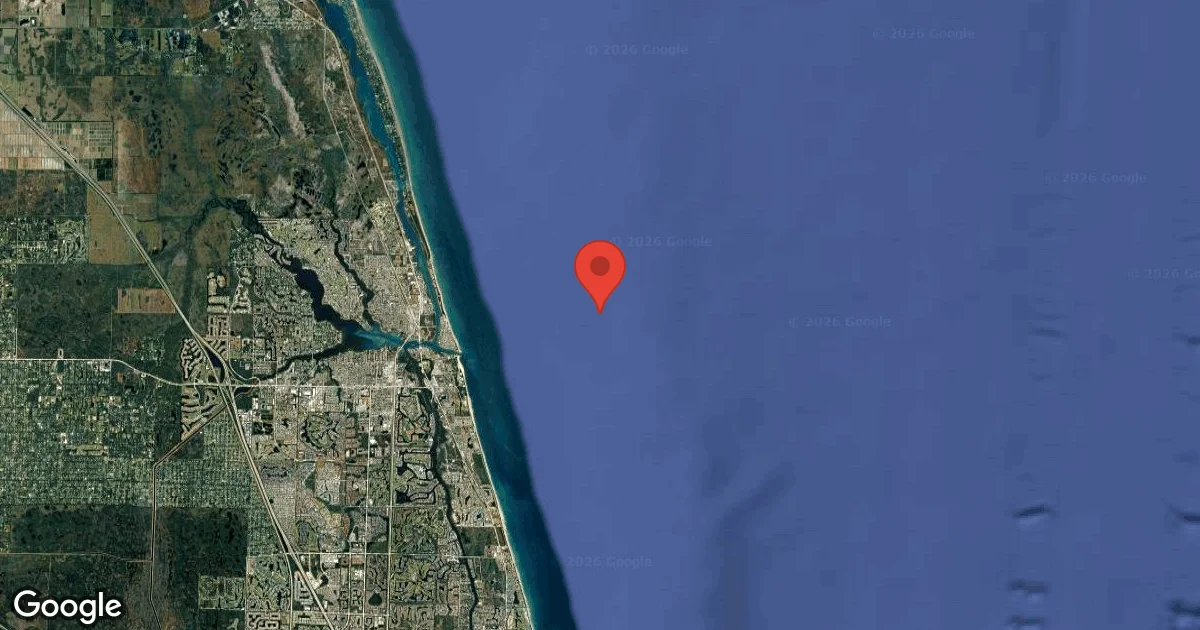
Dive Site Location & Key Facts
Dive Site Overview
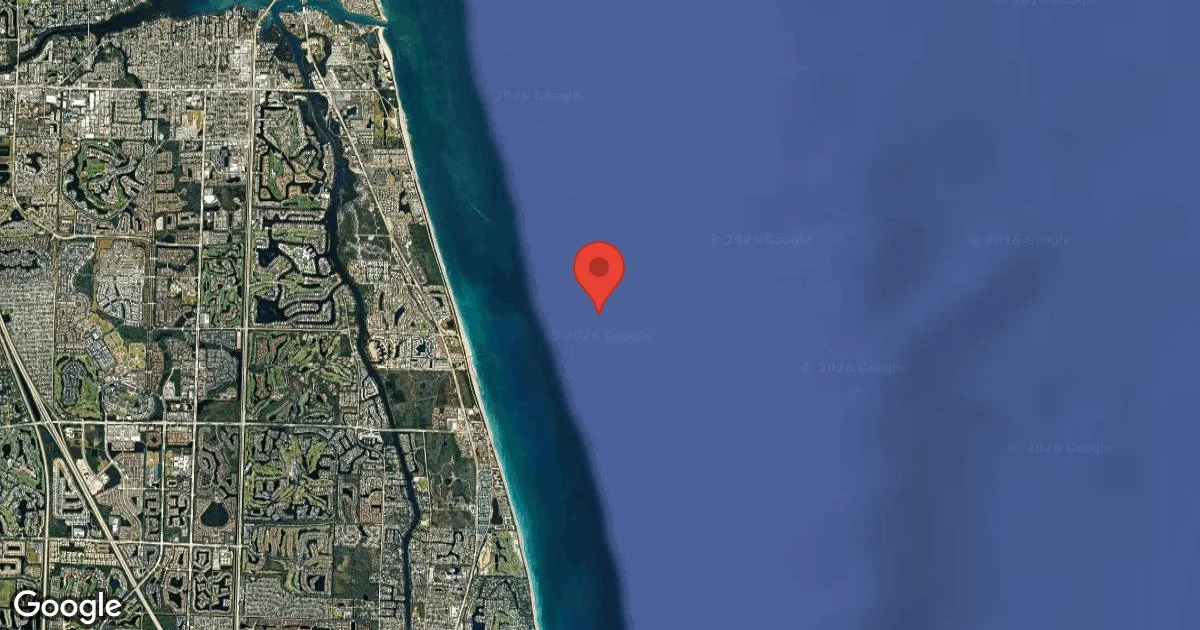
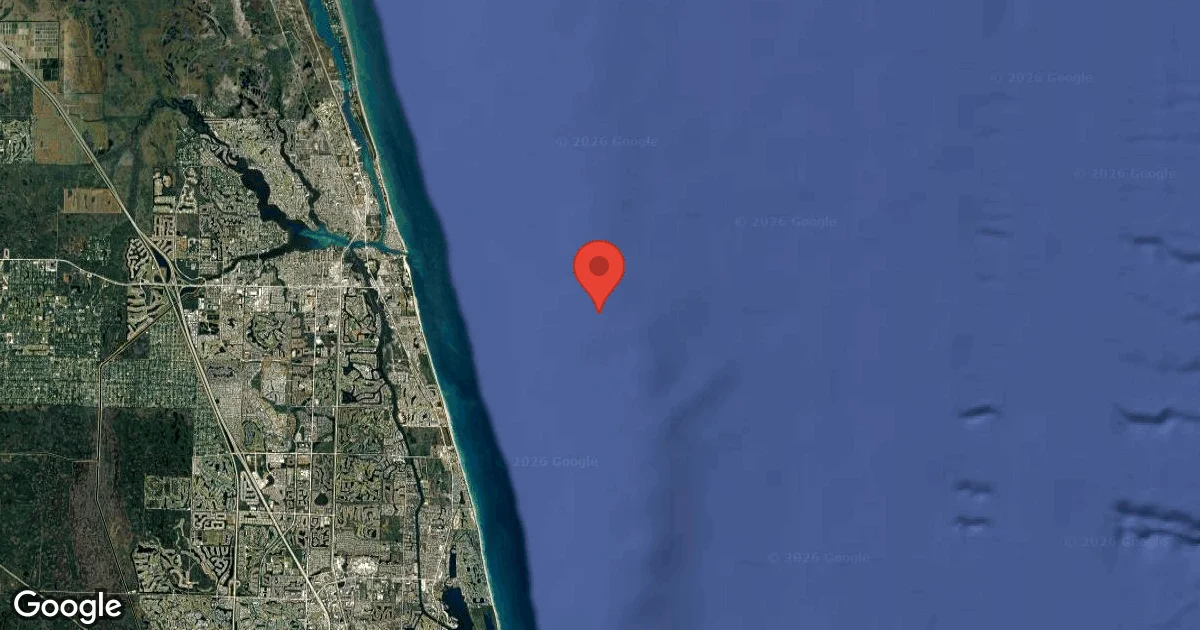
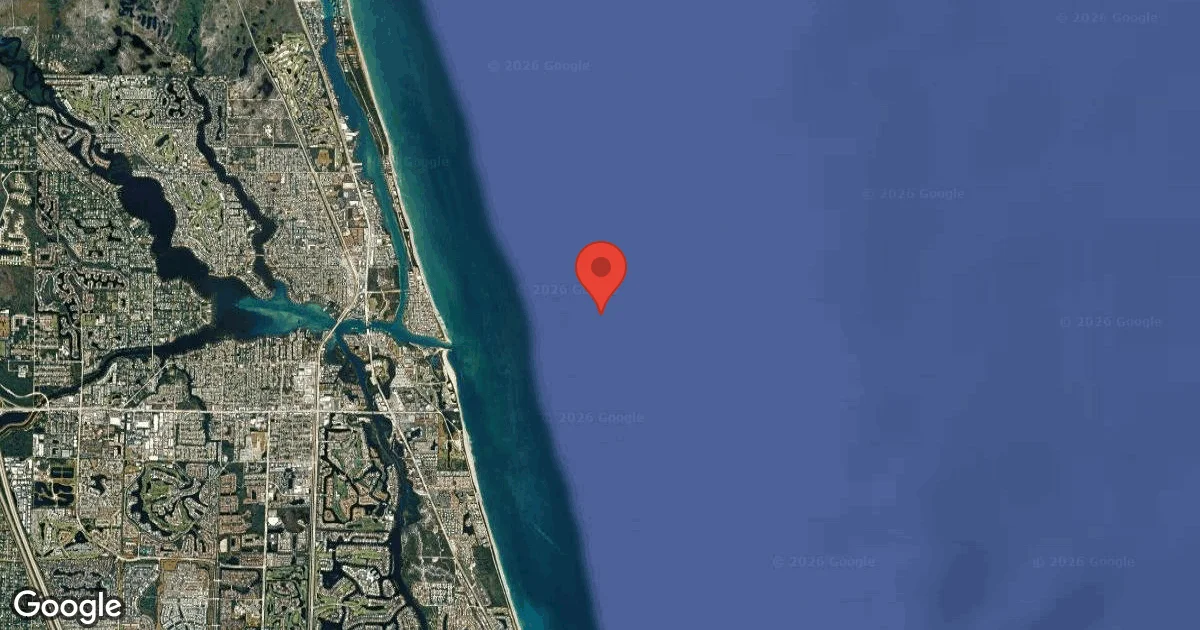
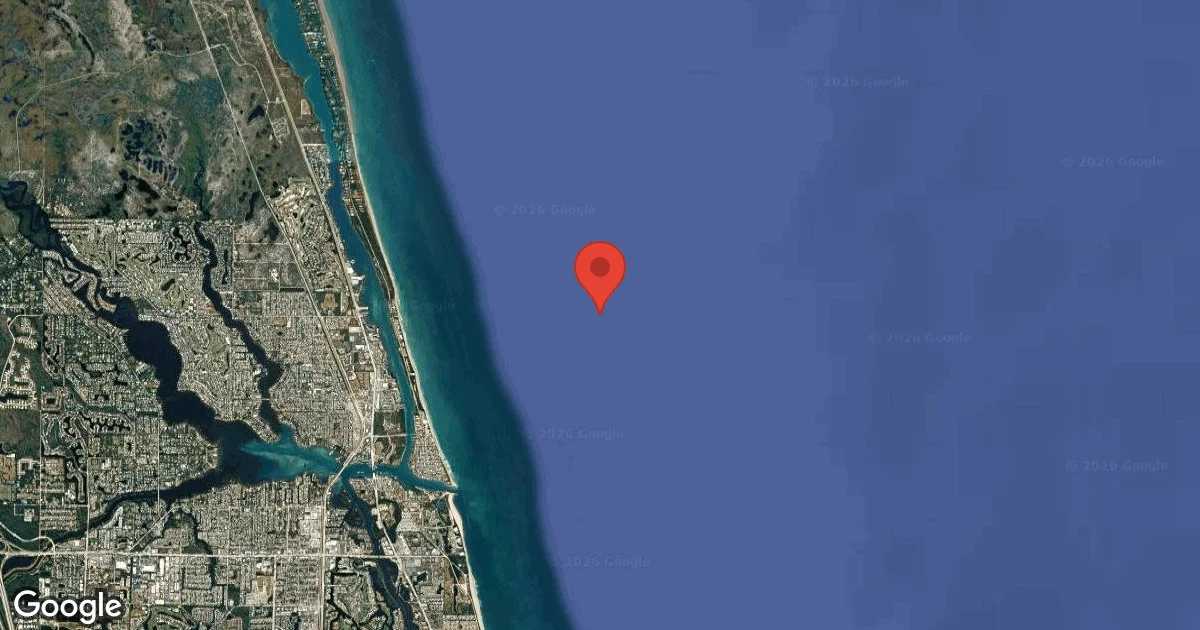
Exploring the underwater landscape off West Palm Beach reveals a compelling mix of reefs and wrecks, with diverse sites often located within a mile of the Florida shore. This area is recognized for its drift diving, where a mild current, averaging around 1 knot, runs parallel to the various dive attractions.
Divers can effortlessly glide past extensive reef systems and numerous artificial structures, making for a less strenuous experience where air consumption is often reduced. These ocean dives cater to a broad range of experience levels, featuring depths that generally remain within recreational limits. Some sites, like those closer to Singer Island, are accessible for beach diving, offering easy entry and diverse subjects, particularly appealing to underwater photographers. Expect quick access to sites, allowing for more time exploring the rich underwater world.
Conditions are Excellent
07:00 - 14:00
Optimal conditions expected
Current conditions near West Palm Beach Atlantic Ocean Diving show 25° air, 31° sea temperature, 0.8 m waves, and 12 km/h wind. Forecast data is refreshed regularly to ensure accuracy.
Best Time to Dive
Dive conditions here vary seasonally, presenting different advantages throughout the year. The spring months, particularly April and May, often see good dive scores with average air temperatures around 24-26°C (75-79°F), moderate wave heights, and lower rainfall. Summer (June-August) brings consistently high dive scores, with the warmest air temperatures, ranging from 27-28°C (81-82°F), and the calmest seas, averaging around 0.5-0.9 m (1.6-3.0 ft) wave heights, despite higher chances of rain. Conversely, autumn and winter, from October through March, can see increased wave heights, sometimes reaching 1.7 m (5.6 ft) in October, and cooler air temperatures, dropping to around 19°C (66°F) in January. The warm, clear water influenced by the Gulf Stream generally persists year-round, making comfortable diving possible even during cooler air periods, though conditions might be more unpredictable.
PEAK SEASON SCORE
Scores combine air & water temps, waves, wind & rainfall for overall conditions.
BEST MONTHS TO DIVE
Monthly records compiled from satellite and marine observation nodes over the last 3 years. Data provided by Open-Meteo and MET Norway.
Dive Experience & Conditions
Typical dive profiles in West Palm Beach are largely shaped by the consistent presence of the Gulf Stream. Water temperatures are generally warm throughout the year, supporting a diverse marine ecosystem. Visibility remains clear, often extending well beyond 20 m (65 ft). The mild current averages 1 knot, but it can fluctuate depending on specific weather patterns and lunar cycles. Drifting along wrecks and natural coral reefs at depths from shallower sections down to approximately 30 m (100 ft) is a characteristic experience. Divers find themselves moving with ease, requiring minimal finning, which conserves energy and air. While some sites can be approached from the beach, most diving occurs via boat, accessing a variety of sites including the deeper wreck formations.
Dive Difficulty & Safety Guidelines
Navigating the drift currents off West Palm Beach requires divers to be proficient in buoyancy control and comfortable with current diving techniques. Always carry a Surface Marker Buoy (SMB) and know how to deploy it, as boat pickups are standard procedure at the end of a drift dive. Staying with your dive guide or buddy is crucial due to the continuous movement.
Operators in the area prioritize safety, often providing briefings that detail the expected current strength and the specific dive plan. Limited available data suggests no specific unique natural hazards beyond the currents inherent to drift diving.
Following established dive shop protocols and any local guidelines is essential for a safe and enjoyable experience.
Recommended Equipment
Overhead / entanglement risk. Wreck penetration requires proper training.
Current and surface separation risk. Local briefing strongly recommended.
- Dive Computer
- DSMB
- Primary & Backup Lights
- Wreck Reel
- Reel / Spool
- Cutting Tool
This gear list is based on verified equipment signals for West Palm Beach Atlantic Ocean Diving, United States. Always confirm final gear choices with your dive operator, guide, or liveaboard.
Recommended Dive Suit
Dive skin or rash guard is widely used for recreational dives in waters of this temperature. Those diving at West Palm Beach Atlantic Ocean Diving today will likely encounter water temperatures in the region of 31°C (87°F). Surface air temperatures are resting at 25°C (76°F).
Short-term weather patterns suggest stable conditions for divers visiting the area.
Water temperatures can occasionally shift throughout the day depending on currents and depth layers.
Emergency & Medical Support
Essential information to help you plan your dive trip to West Palm Beach Atlantic Ocean Diving.

Hyperbaric chambers are a critical part of dive safety infrastructure. Availability varies significantly by region, and not all dive areas have immediate access.
Before diving, it's recommended to:
- confirm nearest medical facilities
- check emergency procedures with local dive operators
- ensure dive insurance covers evacuation if required
Divers Alert Network
Diving emergency assistance available through DAN World.
+1-919-684-9111- 24/7 emergency hotline
- Diving medical assistance
- Evacuation coordination
Emergency contacts are provided for reference. Always verify local emergency services before diving.
Marine Life at West Palm Beach Atlantic Ocean Diving
The vibrant marine ecosystem here is heavily influenced by the Gulf Stream, which brings a rich mix of wildlife close to shore. Divers frequently encounter curious turtles gracefully navigating the reefs and the powerful, yet often docile, goliath groupers, particularly around the many wreck sites.
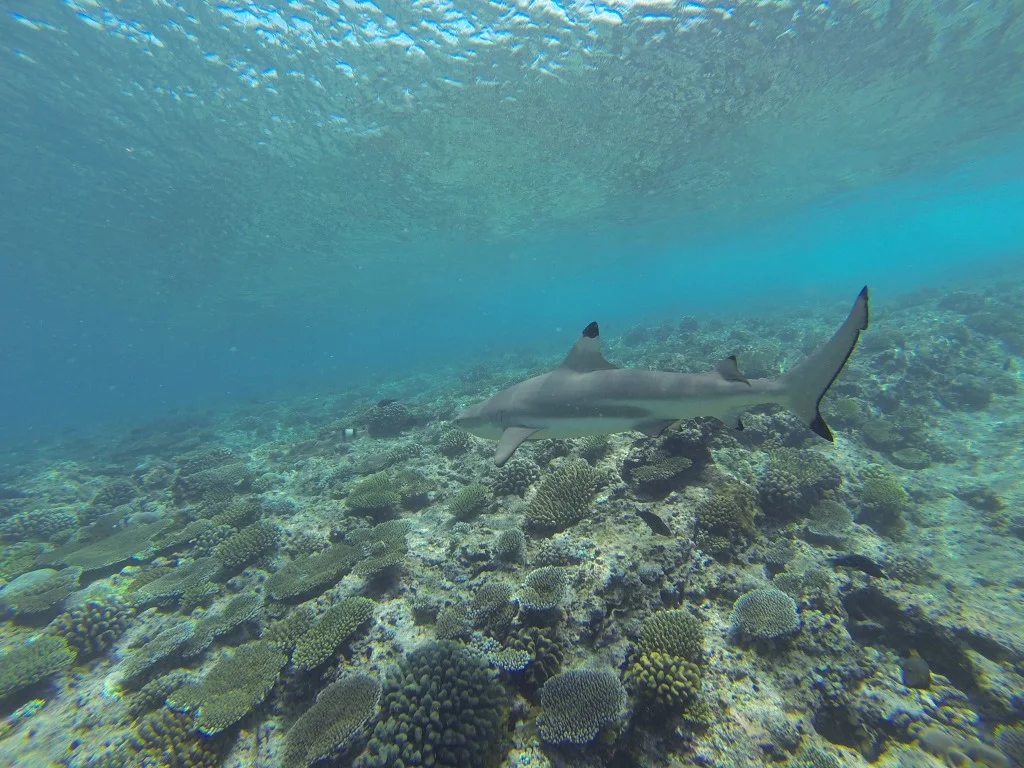
Stealthy sharks can be spotted moving through the blue, adding an element of excitement to many dives. Reefs teem with a wide variety of fish species, creating a dynamic backdrop to every underwater exploration. Expect to see substantial marine activity across the diverse wreck and reef structures.

Dive Sites Near West Palm Beach Atlantic Ocean Diving
View all dive sites in United StatesDiscover more underwater gems in this area.
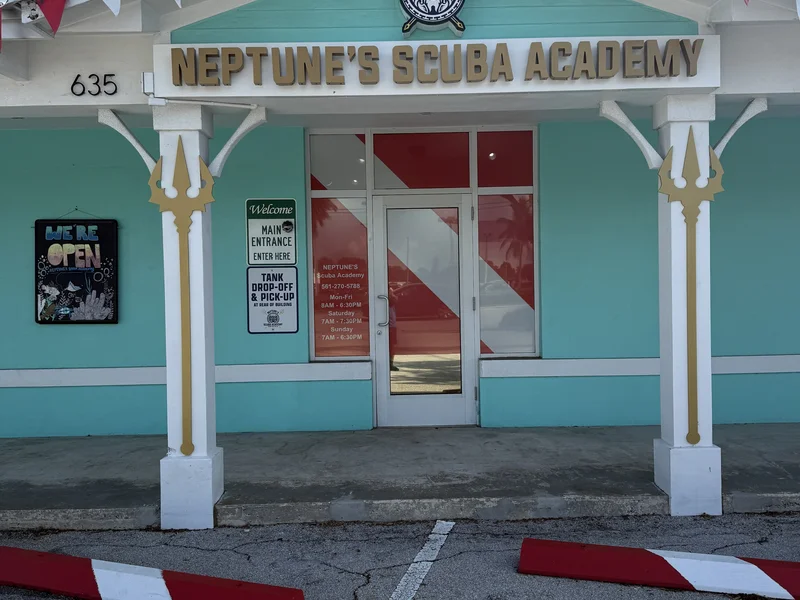
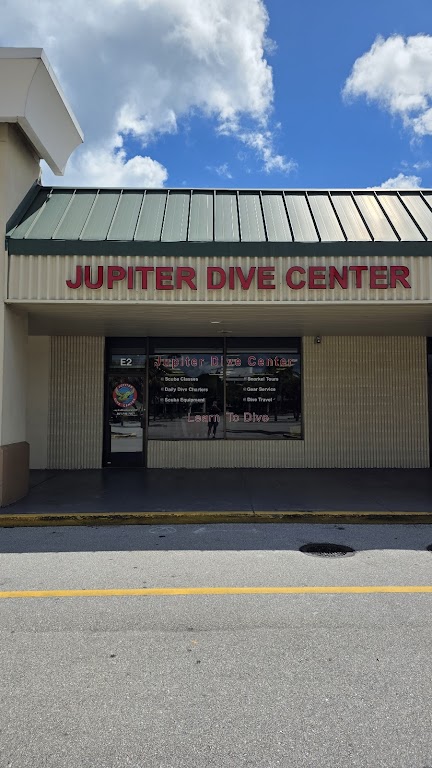
Dive Centers Near West Palm Beach Atlantic Ocean Diving
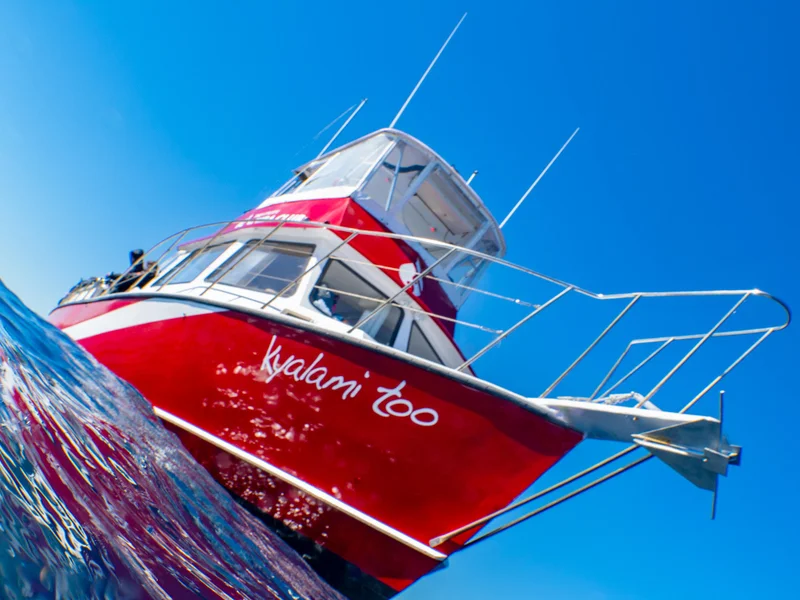
Today: 08:00 - 18:00
Nearest Airports
Nearest airports to help plan travel to this dive area.
Search Flights
Check available flights and routes on Expedia, using the nearby airports listed in this section.
Search Flights on Expedia
Plan Your Stay
Looking for a place to stay for your dive trip? Explore hotels, stays, and vacation rentals for dive groups near Palm Beach Shores.
Dive Navigator may earn a commission from these links at no extra cost to you.
Frequently Asked Questions
What is drift diving?
Drift diving involves allowing a current to carry you along a dive site. In West Palm Beach, a mild, consistent current minimizes effort, letting you glide over reefs and wrecks. The dive boat follows your group and picks you up at your surfacing point.
Are the currents strong in West Palm Beach?
The Gulf Stream current here is generally mild, averaging around 1 knot. It provides a gentle push for effortless drift diving. Current strength can vary, but conditions are usually manageable for certified divers.
What kind of dive sites are available?
West Palm Beach offers a mix of reef and wreck dives, all considered ocean dives. There are extensive natural coral reefs and numerous artificial wrecks, providing varied environments for exploration. Some sites are also suitable for beach diving.
What marine life can I expect to see?
Divers often encounter turtles, various species of sharks, and large goliath groupers around the wrecks and reefs. A wide array of fish also inhabit these rich waters, supported by the nutrients from the Gulf Stream.
Is West Palm Beach suitable for beginner divers?
While the area is known for drift diving, which requires comfort with currents, many local operators cater to various skill levels. Newer divers comfortable with buoyancy and basic current techniques can enjoy shallower, less demanding sites. Private scuba instruction is also available.
What are the typical water temperatures?
Water temperatures in West Palm Beach are generally warm year-round, influenced by the Gulf Stream. This provides comfortable diving conditions across all seasons.
Planning to dive West Palm Beach Atlantic Ocean Diving?
Send one inquiry and receive offers directly from the best verified local dive operators.
Conditions are Excellent
07:00 - 14:00
Optimal conditions expected
Current conditions near West Palm Beach Atlantic Ocean Diving show 25° air, 31° sea temperature, 0.8 m waves, and 12 km/h wind. Forecast data is refreshed regularly to ensure accuracy.