
Diving at Blue Heron Bridge (United States)
Blue Heron Bridge offers an exceptionally accessible shore diving experience, appealing to both newly certified divers and seasoned macro photographers. Its calm, protected waters in the Lake Worth Lagoon make it a reliable choice, even when open ocean conditions are less favorable. This site provides easy entry, allowing divers to explore diverse marine life without the need for boat travel.
Starting the day at Blue Heron Bridge, the ambient air temperature is recorded at 24.5°C. Ongoing monitoring shows wave heights measuring 0.9 m. This data represents the current surface conditions for early activities.
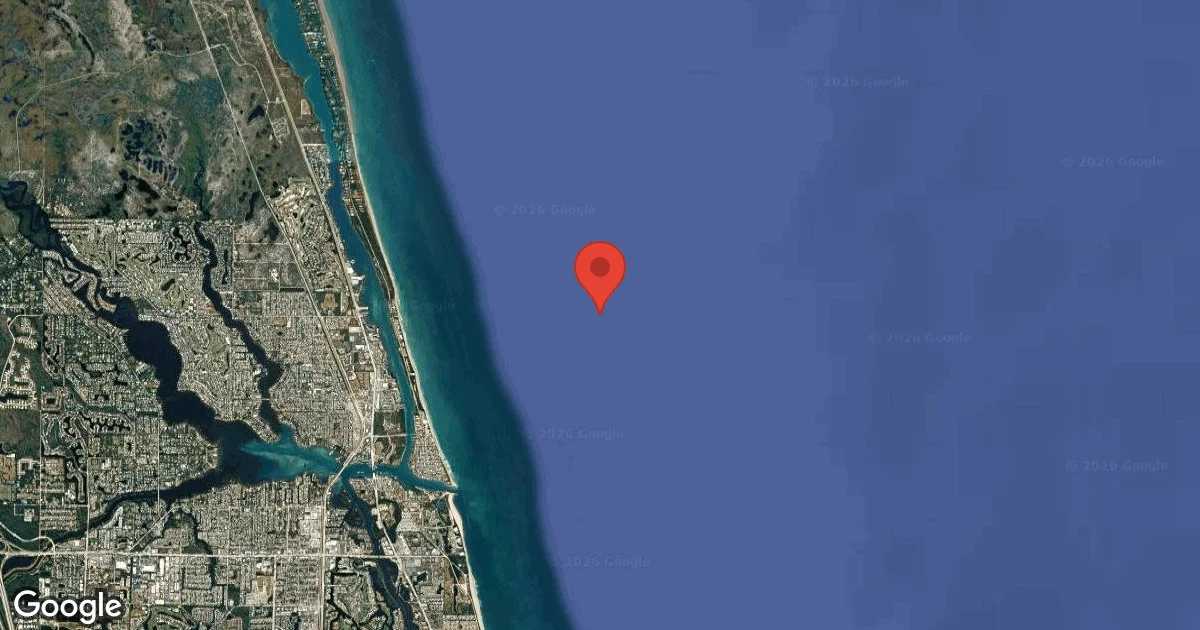
Dive Site Location & Key Facts
Dive Site Overview
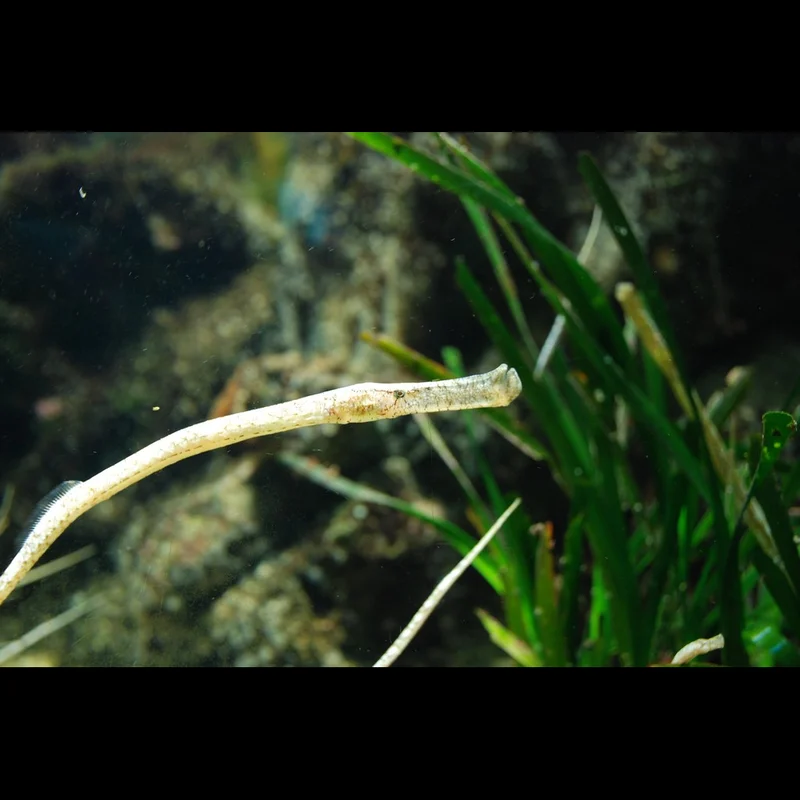
What sets Blue Heron Bridge apart is its exceptional biodiversity and status as a premier shore diving destination in Florida, located within the protected embrace of the Intracoastal Waterway. This site is consistently recognized for its incredible array of macro life, drawing enthusiasts eager to spot species such as seahorses, various octopuses including the fascinating Atlantic long arm, pipefish, and over a hundred types of nudibranchs that are less common elsewhere.
Divers explore depths ranging from approximately 1.5 to 6 meters / 5 to 20 feet, with easy access from shore. Adjacent to the main dive area, the Phil Foster Park Artificial Reef and Snorkel Trail stretches 800 feet, constructed from over 600 tons of Anastasia rock boulders at depths of 1.8 to 3 meters / 6 to 10 feet. This extensive artificial habitat attracts countless juvenile tropical fish, along with shark statues and sunken boats, enhancing the underwater landscape.
Despite its shallow nature, the richness of the ecosystem here provides extensive bottom time, often extending from 45 minutes up to two hours for careful exploration. This dynamic environment truly earns its reputation as "Florida's exotic critter capital."
Conditions are Excellent
07:00 - 14:00
Optimal conditions expected
Current conditions near Blue Heron Bridge show 25° air, 31° sea temperature, 0.8 m waves, and 12 km/h wind. Forecast data is refreshed regularly to ensure accuracy.
Best Time to Dive
Optimal diving at Blue Heron Bridge is directly influenced by tidal conditions, making timing crucial for the best experience. The site sits near the Lake Worth Inlet, so strong tidal flow occurs outside of slack tide. For clearer visibility and calmer conditions, plan your entry about 30 minutes before high slack tide. This window brings in clean Atlantic Ocean water. While water temperature isn't consistently reported, air temperatures range from approximately 19°C / 66°F in January to 28°C / 82°F in August, suggesting generally comfortable conditions year-round. Dive scores are rated "Good" for most of the year, particularly from May through September when average monthly rainfall can be higher, reaching up to 8.0 mm in September. Conversely, January and February see less rain, around 1.5-2.0 mm, with moderate dive scores in April, October, and December, often coinciding with higher average wind speeds and wave heights.
PEAK SEASON SCORE
Scores combine air & water temps, waves, wind & rainfall for overall conditions.
BEST MONTHS TO DIVE
Monthly records compiled from satellite and marine observation nodes over the last 3 years. Data provided by Open-Meteo and MET Norway.
Dive Experience & Conditions
Upon entering the shallow waters from Phil Foster Park, divers begin their exploration immediately, often encountering marine life within a few feet of the entry point. Visibility at the site can vary considerably; it's generally at its best during the high slack tide when Atlantic waters are drawn in, offering clearer views of the vibrant bottom. During low slack tide, the water may become murky, impacting visibility significantly. Protected within the Lake Worth Lagoon, the bridge remains a viable dive option even when rough weather makes offshore diving impossible. Current is a significant factor here; diving must be timed carefully around slack tide to avoid strong flows that can sweep divers away from the intended areas beneath the bridge or along the artificial reef. The sandy bottom, combined with scattered artificial structures and natural growth, provides concealment for many of the site's unique inhabitants.
Dive Difficulty & Safety Guidelines
Approaching Blue Heron Bridge requires an understanding of its unique tidal dynamics, making it suitable for Open Water certified divers and snorkelers who plan their dives carefully. Given the strong tidal flows outside of slack tide, timing your entry and exit is paramount for safety, ensuring you're diving during the calmest periods. Local dive shops frequently provide tide charts, an essential tool for any visit.
While hazards are not consistently reported beyond strong currents, awareness of boat traffic in the surrounding Intracoastal Waterway is advisable. Responsible diving practices are encouraged; the PADI Blue Heron Bridge Distinctive Specialty course is specifically designed to enhance skills and environmental consciousness for this delicate site, even counting toward Master Scuba Diver certification. Participation in local cleanup initiatives further supports the preservation of Phil Foster Park.
Recommended Equipment
Overhead / entanglement risk. Wreck penetration requires proper training.
- Dive Computer
- Primary & Backup Lights
- Wreck Reel
- Cutting Tool
- Hard-soled Dive Boots
- Pointer / Muck Stick
This gear list is based on verified equipment signals for Blue Heron Bridge, United States. Always confirm final gear choices with your dive operator, guide, or liveaboard.
Recommended Dive Suit
Forecast trends indicate little change in overall diving conditions during the next few days.
Two divers in the same water temperature may experience very different comfort levels.
Many divers find that dive skin or rash guard offers the right level of insulation for conditions like these. Divers preparing to enter the water at Blue Heron Bridge will likely find temperatures around 31°C (87°F) today. Surface air temperatures are resting at 25°C (76°F).
Emergency & Medical Support
Essential information to help you plan your dive trip to Blue Heron Bridge.

Hyperbaric chambers are a critical part of dive safety infrastructure. Availability varies significantly by region, and not all dive areas have immediate access.
Before diving, it's recommended to:
- confirm nearest medical facilities
- check emergency procedures with local dive operators
- ensure dive insurance covers evacuation if required
Divers Alert Network
Diving emergency assistance available through DAN World.
+1-919-684-9111- 24/7 emergency hotline
- Diving medical assistance
- Evacuation coordination
Emergency contacts are provided for reference. Always verify local emergency services before diving.
Marine Life at Blue Heron Bridge
The underwater landscape beneath Blue Heron Bridge, characterized by its sandy bottom and artificial reef structures, acts as a magnet for an extraordinary variety of macro critters. Divers often spend time meticulously searching along bridge pilings, rock formations, and even small debris to discover well-camouflaged species.
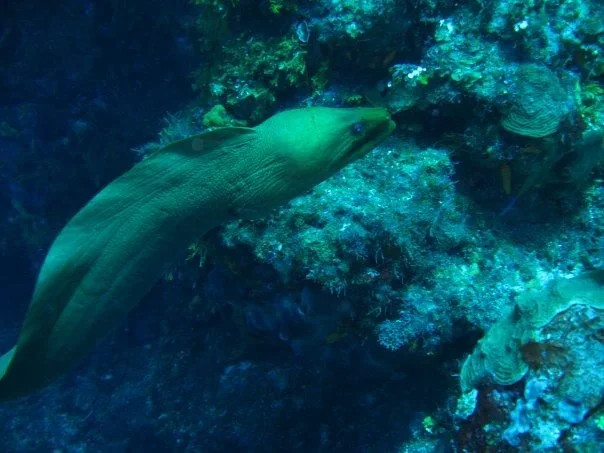
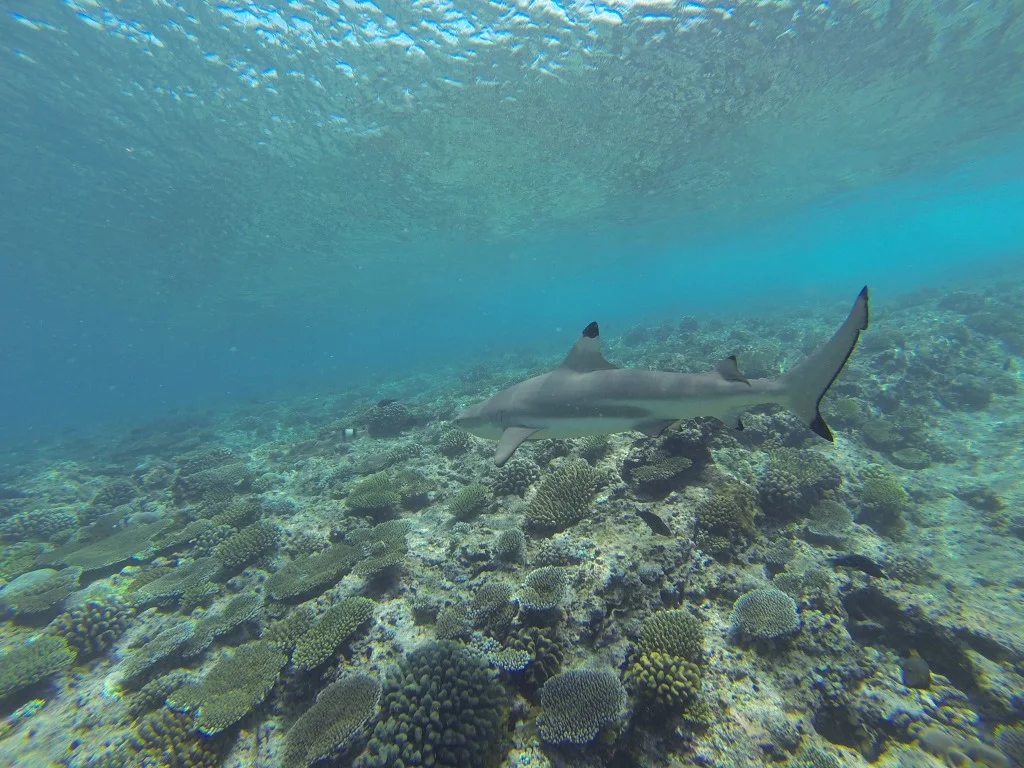
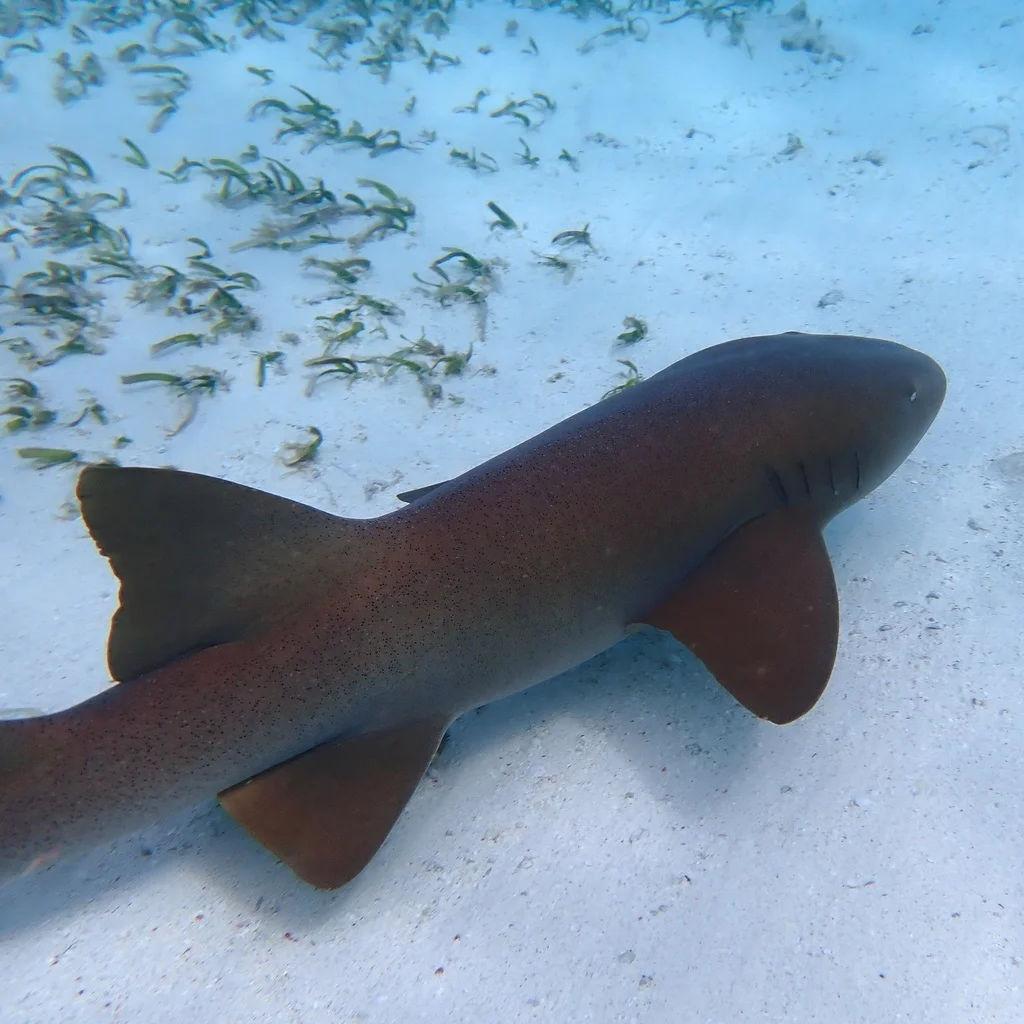
Encounters frequently include frogfish, various seahorses and pipefish, and numerous species of nudibranchs. The artificial snorkel trail also provides shelter for juvenile tropical fish, while larger residents like Nurse Sharks and Moray Eels can be observed resting in crevices or patrolling the area.
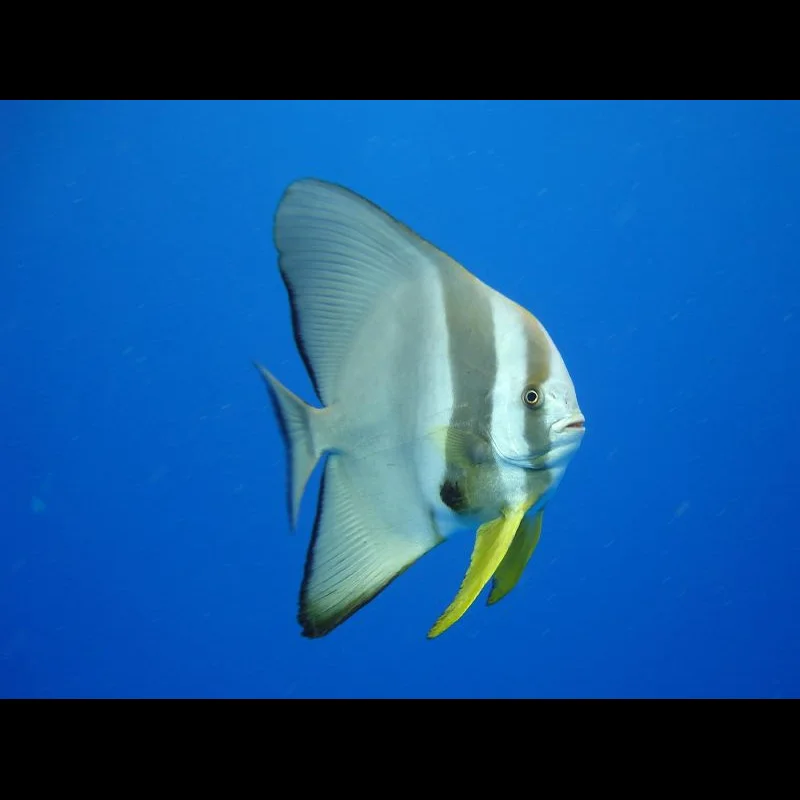
Other unusual sightings include batfish, stargazers, sea robins, and the Atlantic long arm octopus, making every dive a potential treasure hunt within this critter-rich environment.
Dive Sites Near Blue Heron Bridge
View all dive sites in United StatesDiscover more underwater gems in this area.
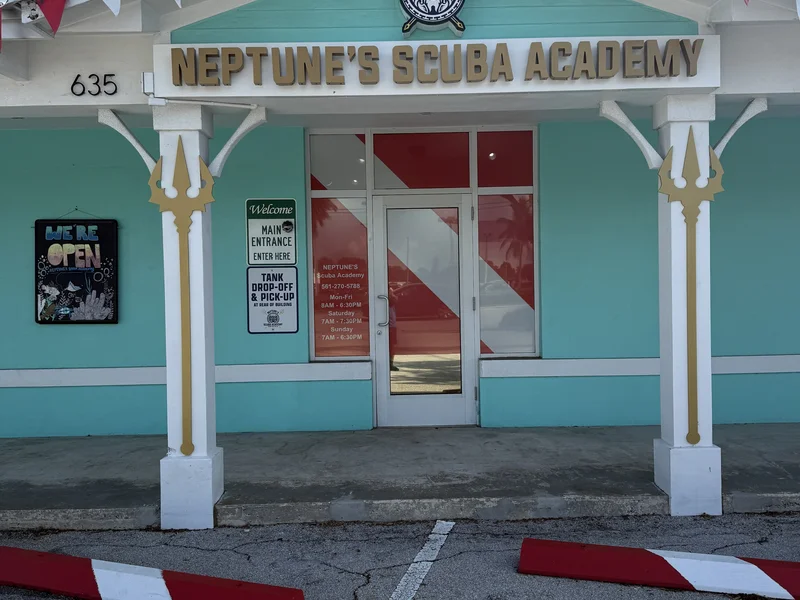
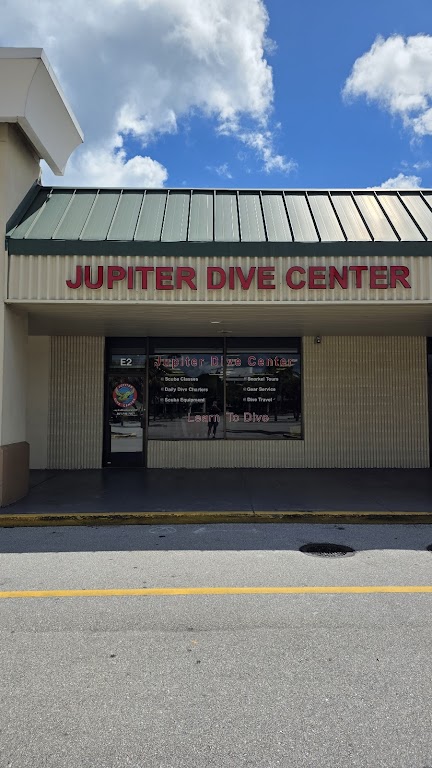
Dive Centers Near Blue Heron Bridge
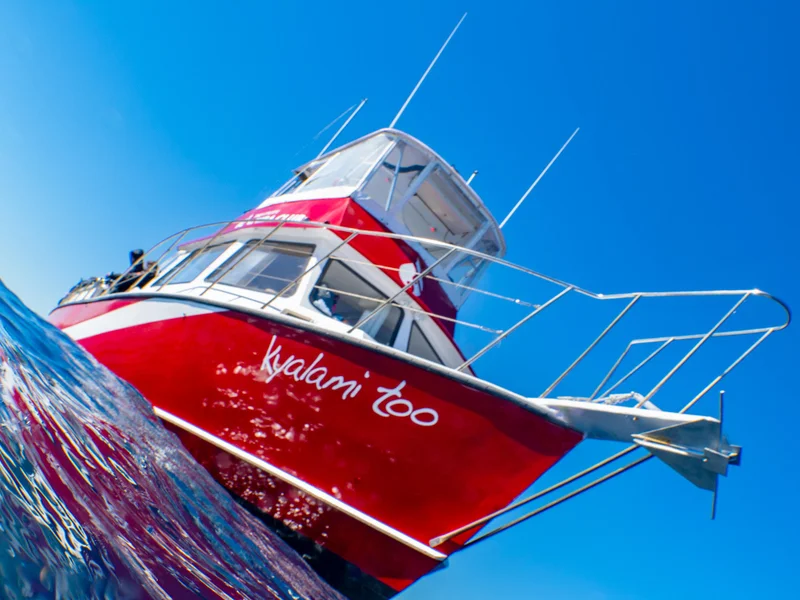
Today: 08:00 - 18:00
Nearest Airports
Nearest airports to help plan travel to this dive area.
Search Flights
Check available flights and routes on Expedia, using the nearby airports listed in this section.
Search Flights on Expedia
Plan Your Stay
Looking for a place to stay for your dive trip? Explore hotels, stays, and vacation rentals for dive groups near Palm Beach Shores.
Dive Navigator may earn a commission from these links at no extra cost to you.
Frequently Asked Questions
Is Blue Heron Bridge suitable for beginners?
Yes, the site is considered ideal for new divers and snorkelers due to its shallow depths, ranging from 1.5 to 6 meters / 5 to 20 feet. It provides an accessible environment for skill development and marine life observation.
What are the best conditions for diving at Blue Heron Bridge?
The optimal time to dive is around high slack tide, specifically entering about 30 minutes before, to ensure the clearest visibility and minimal current. This timing allows clear Atlantic water to move into the lagoon.
What kind of marine life can I expect to see?
Blue Heron Bridge is recognized for its macro life, including seahorses, frogfish, pipefish, octopus (like the Atlantic long arm), and over 100 species of nudibranchs. Nurse Sharks and Moray Eels are also regularly spotted.
Can I snorkel at Blue Heron Bridge?
Absolutely. Phil Foster Park features an 800-foot-long Artificial Reef and Snorkel Trail with depths of 1.8 to 3 meters / 6 to 10 feet. It's home to juvenile tropical fish, shark statues, and sunken boats.
Are night dives allowed at Blue Heron Bridge?
Night diving is permitted with a special county permit; local dive operators often have these. Night dives reveal different marine behaviors and species not typically seen during the day.
How do currents affect diving here?
Currents can be very strong outside of slack tide due to the site's proximity to the Lake Worth Inlet. It's crucial to consult a tide chart and plan your dive during the calmest periods around high slack tide.
Is there a specific PADI course for Blue Heron Bridge?
Yes, PADI offers an exclusive Blue Heron Bridge Distinctive Specialty course. This course focuses on developing specific skills and environmental awareness for diving this unique site.
Planning to dive Blue Heron Bridge?
Send one inquiry and receive offers directly from the best verified local dive operators.
Conditions are Excellent
07:00 - 14:00
Optimal conditions expected
Current conditions near Blue Heron Bridge show 25° air, 31° sea temperature, 0.8 m waves, and 12 km/h wind. Forecast data is refreshed regularly to ensure accuracy.