
Diving at Captain Mike's (United States)
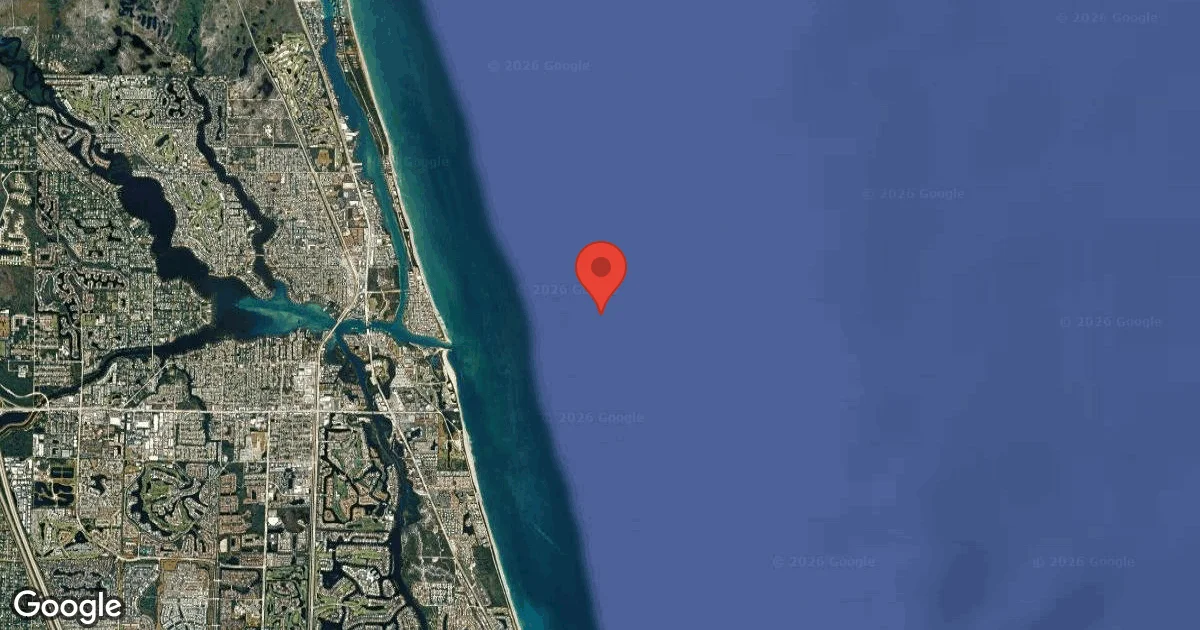
Dominating the seascape off Jupiter, Florida, Captain Mike's presents a remarkable underwater ledge formation. This prominent reef structure, averaging 4.5 to 6 meters (15 to 20 ft) in height from the surrounding sandy bottom, creates a distinct topography. Divers typically commence their journey atop this elevated feature, immediately immersed in a dynamic and visually rich reef environment. The contours of the ledge dictate the flow of the dive, guiding exploration along its vibrant face.
Evening condition tracking at Captain Mike's features an air temperature of 25.5°C. We have recorded wave heights measuring 1.3 m during this period. These figures outline the environmental parameters currently present.
Dive Site Location & Key Facts
Dive Site Overview
Embarking on a dive at Captain Mike's reveals a vibrant drift through a dynamic reef ecosystem. Divers typically begin on top of the main ledge at about 23 meters (75 ft), immediately greeted by a diverse array of fish, creating an aquarium-like experience.
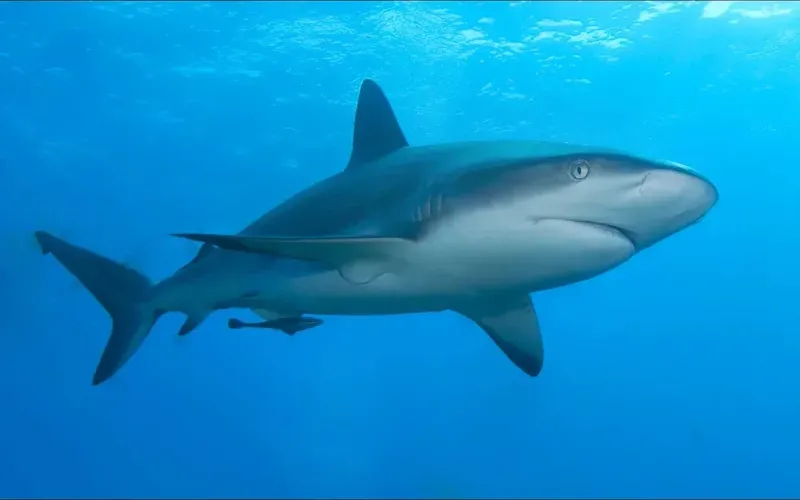
With prevailing currents, divers are gently carried northward, following the distinct bend of the ledge. Along this path, curious Reef sharks are frequently observed, adding an exciting dimension to the drift. Further north, along a 45-meter (150 ft) sandy patch, a notable point juts out to the west, marking the deep residence of 'Tug,' a shy, enormous Goliath grouper.
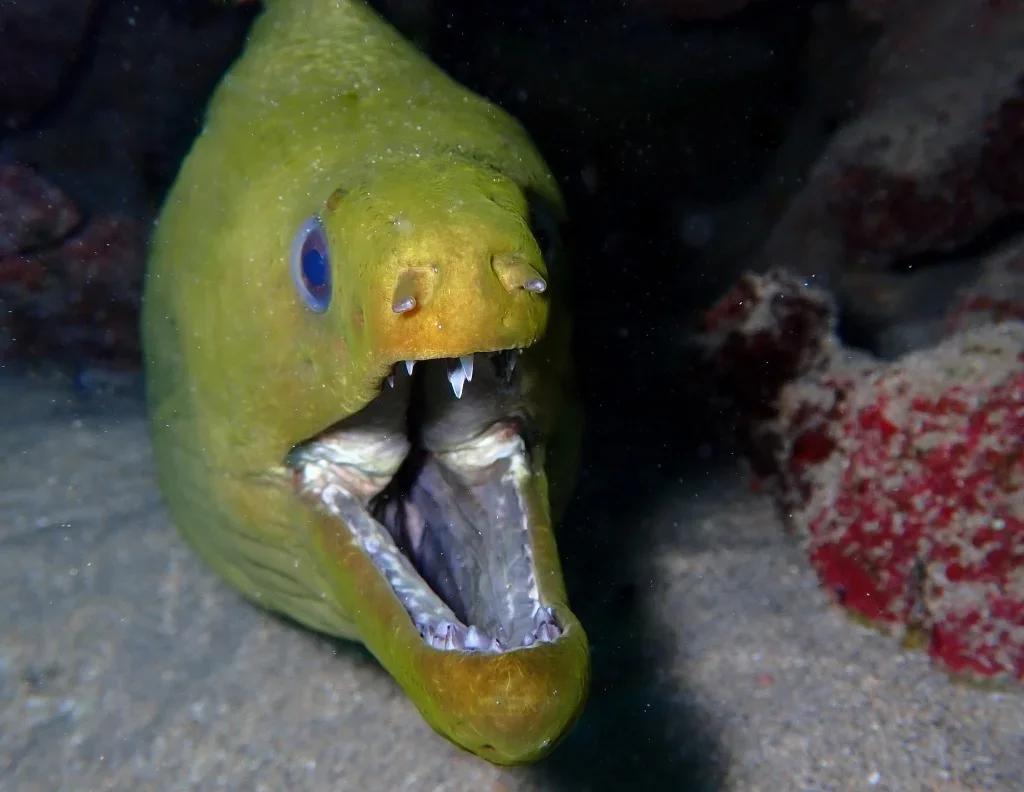
This specific location can host up to ten additional Goliath groupers during their late summer spawning aggregations. Continuously drifting, divers encounter other significant marine life, from various turtle species foraging on sponges to free-swimming Green moray eels found sheltering in crevices beneath the ledge.
Nitrox divers, benefiting from extended bottom times, will often reach a second distinct 'Reef shark neighborhood' towards the dive's conclusion.
Conditions are Good
Optimal conditions expected
Current conditions near Captain Mike's show 25° air, 29° sea temperature, 0.9 m waves, and 15 km/h wind. Forecast data is refreshed regularly to ensure accuracy.
Best Time to Dive
Pinpointing the ideal time to explore Captain Mike's often depends on desired conditions or specific marine encounters. The months from May through August typically offer the most favorable conditions, with average air temperatures ranging from 26°C to 28°C (79°F to 82°F) and lower wave heights, contributing to good dive scores. Conversely, late fall and winter, particularly October and December, show more moderate dive scores due to increased wave heights, averaging 1.5 to 1.7 meters (5 to 5.6 ft), and stronger winds around 19 to 20 km/h (12 to 12.4 mph). However, January and February present a unique draw, as Lemon Sharks are often observed on the ledge for their annual visit, despite cooler average air temperatures of 18°C to 20°C (64°F to 68°F). September tends to have the highest average rainfall at 8.01 mm.
PEAK SEASON SCORE
Scores combine air & water temps, waves, wind & rainfall for overall conditions.
BEST MONTHS TO DIVE
Monthly records compiled from satellite and marine observation nodes over the last 3 years. Data provided by Open-Meteo and MET Norway.
Dive Experience & Conditions
Navigating Captain Mike's provides a palpable sense of movement, as it is primarily a drift dive dictated by the prevalent northward current. The site's defining feature is a high ledge, which divers initially encounter at a depth of around 23 meters (75 ft). Descending into this environment, divers experience a lively, fish-filled reef atop the ledge. Throughout the drift, the conditions allow for close encounters with marine residents, such as curious Reef sharks or often-seen Loggerhead, Green, and Hawksbill turtles. While visibility varies depending on conditions, the site consistently offers engaging interactions, including spotting enormous Southern rays camouflaged in the sandy bottom and Green moray eels frequently free-swimming around crevices below the ledge.
Dive Difficulty & Safety Guidelines
Approaching Captain Mike's requires attentive planning, particularly due to the consistent currents that shape this drift dive. Divers must be comfortable with drift diving techniques and maintain situational awareness throughout their descent and traverse. Maintaining appropriate buoyancy control is essential to avoid disturbing the delicate reef ecosystem and to ensure safe navigation along the ledge.
Encounters with larger marine life, such as Goliath groupers or various shark species, necessitate a respectful distance; approaching these animals slowly and calmly is recommended to avoid startling them. Divers should always follow dive leader instructions and local guidelines to ensure a safe and enjoyable experience at this dynamic site.
Recommended Equipment
Current and surface separation risk. Local briefing strongly recommended.
- Dive Computer
- DSMB
- Reel / Spool
This gear list is based on verified equipment signals for Captain Mike's, United States. Always confirm final gear choices with your dive operator, guide, or liveaboard.
Recommended Dive Suit
Experienced divers often bring flexible gear options.
Environmental readings suggest that the waters surrounding Captain Mike's are about 29°C (85°F) at the moment. Surface air temperatures are resting at 25°C (78°F). Divers who spend longer periods underwater often choose dive skin or rash guard.
Current forecasts indicate relatively stable conditions for the coming days.
Emergency & Medical Support
Essential information to help you plan your dive trip to Captain Mike's.

Hyperbaric chambers are a critical part of dive safety infrastructure. Availability varies significantly by region, and not all dive areas have immediate access.
Before diving, it's recommended to:
- confirm nearest medical facilities
- check emergency procedures with local dive operators
- ensure dive insurance covers evacuation if required
Divers Alert Network
Diving emergency assistance available through DAN World.
+1-919-684-9111- 24/7 emergency hotline
- Diving medical assistance
- Evacuation coordination
Emergency contacts are provided for reference. Always verify local emergency services before diving.
Marine Life at Captain Mike's
Marine encounters at Captain Mike's are consistently a highlight, defined by a vibrant array of species along the ledge and sandy areas. Reef sharks are frequent companions, often appearing curious as divers drift by.
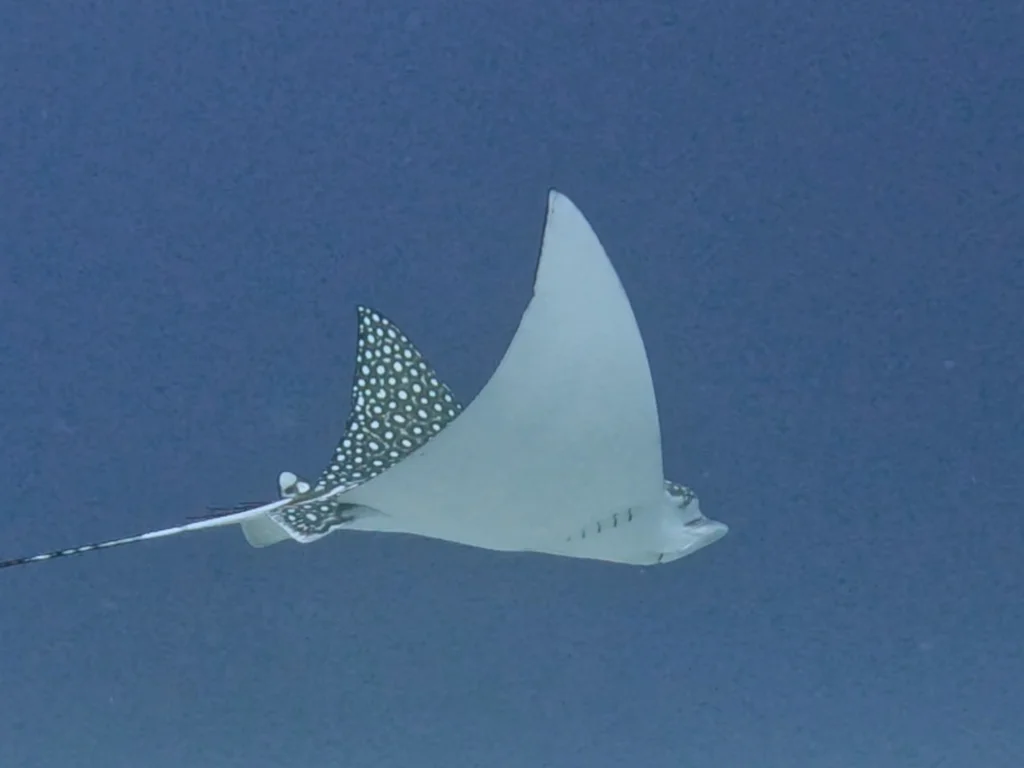
The site is a reliable location to spot impressive Spotted Eagle rays gliding through the water and enormous Southern rays artfully concealed in the sand. During January and February, Lemon Sharks make their annual appearance atop the ledge, drawing specific attention.
Goliath groupers are a major draw, with 'Tug' a constant resident at a specific point; late summer brings aggregations of up to ten more for spawning.
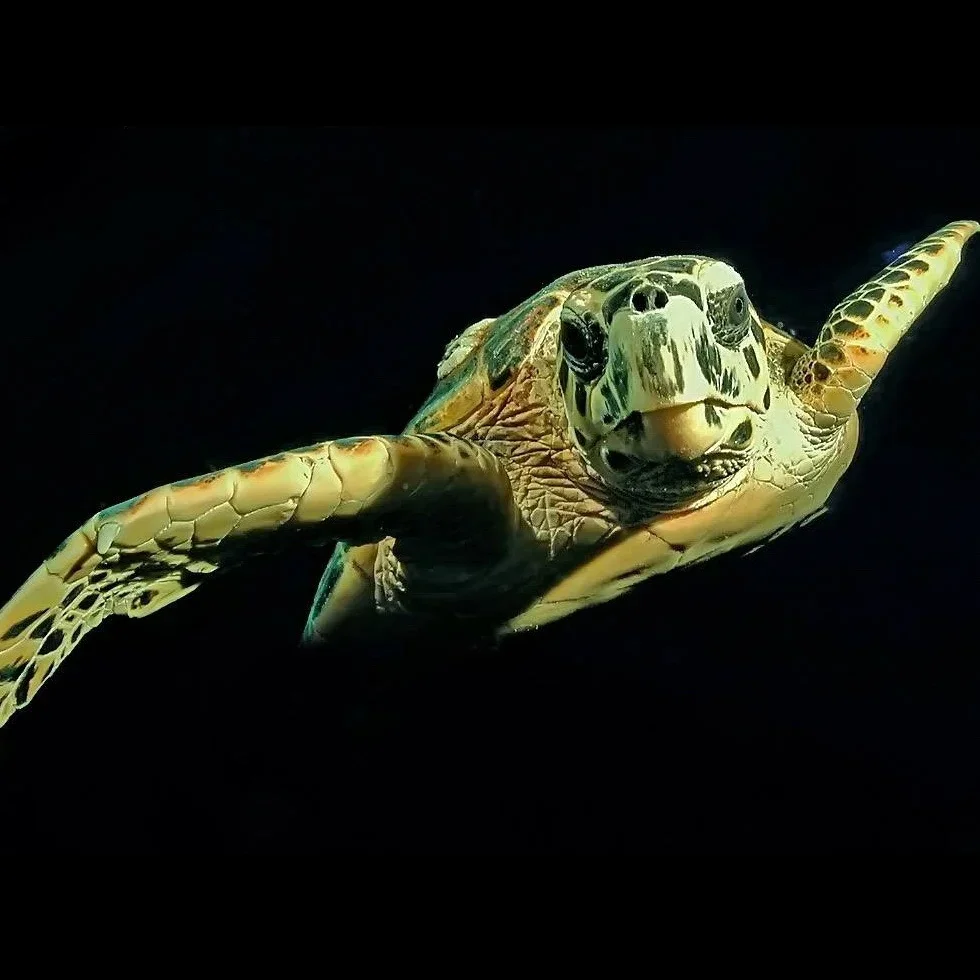
Furthermore, divers routinely observe Loggerhead, Green, and Hawksbill turtles, with the smaller Hawksbills often allowing close inspection as they feed on sponges. Below the ledge, free-swimming Green moray eels are common residents.

Dive Sites Near Captain Mike's
View all dive sites in United StatesDiscover more underwater gems in this area.
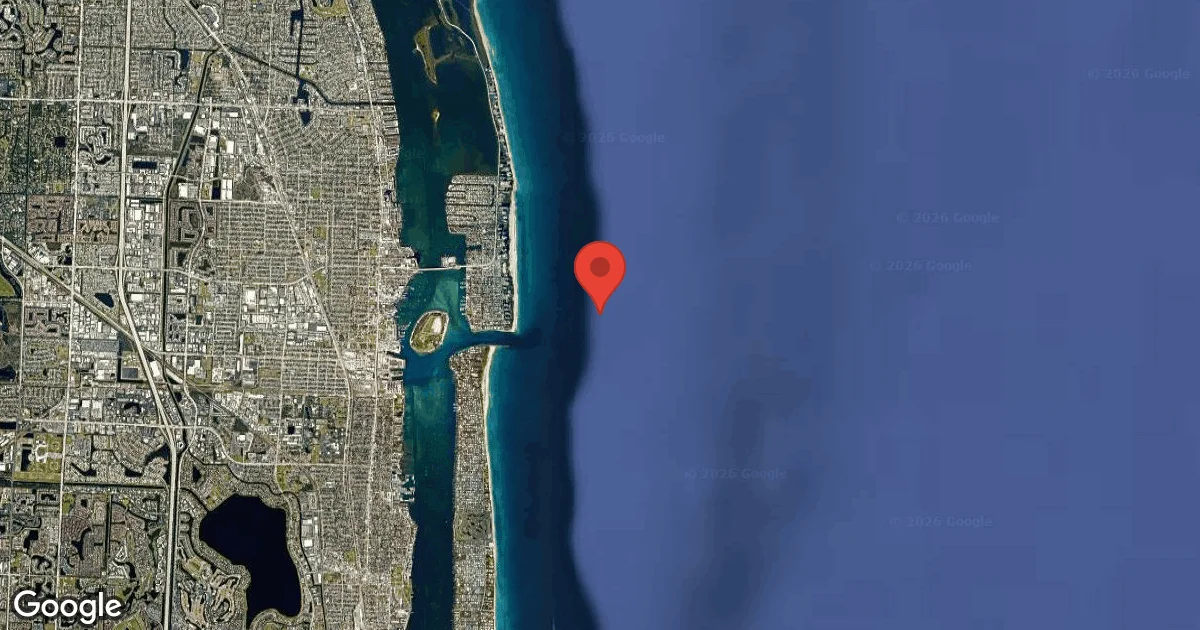
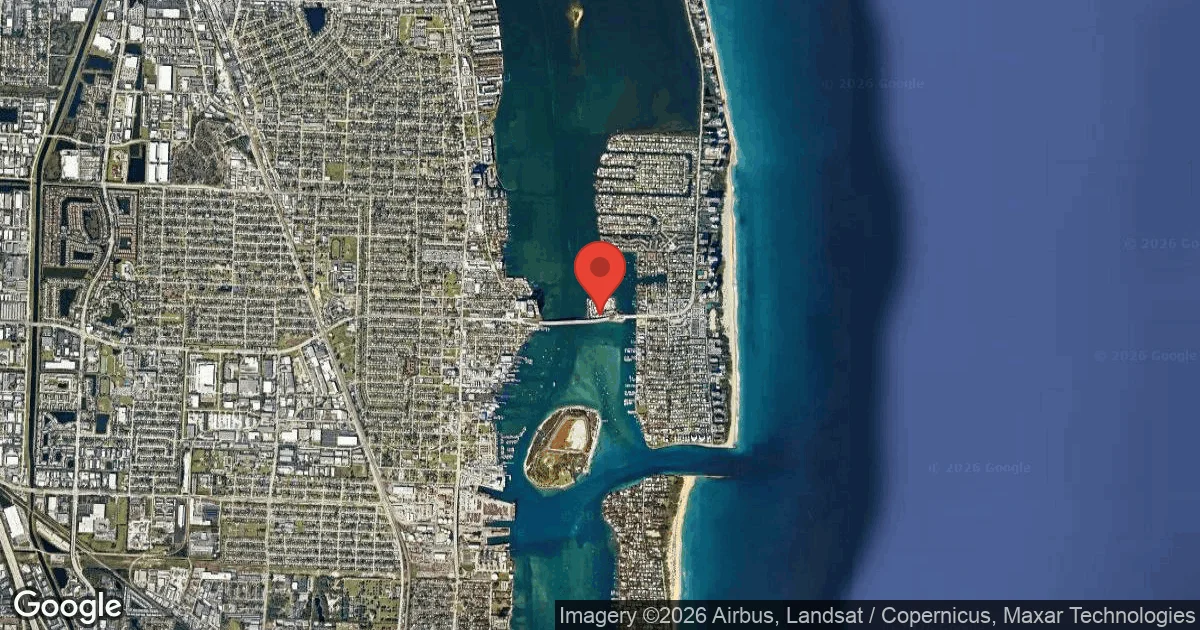
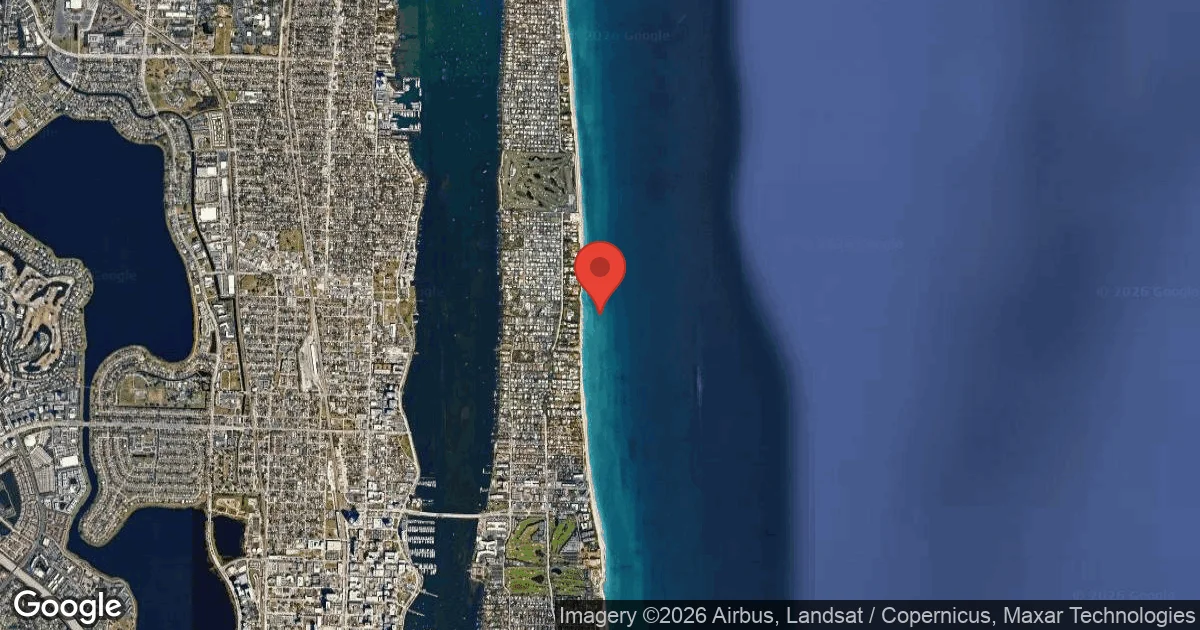
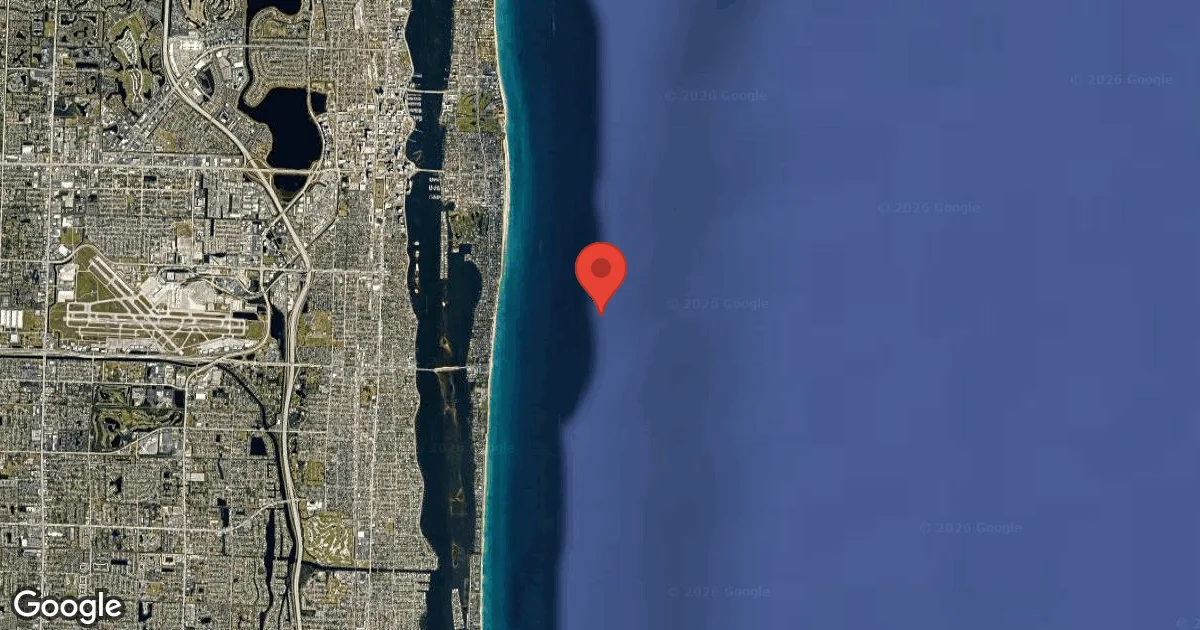
Dive Centers Near Captain Mike's
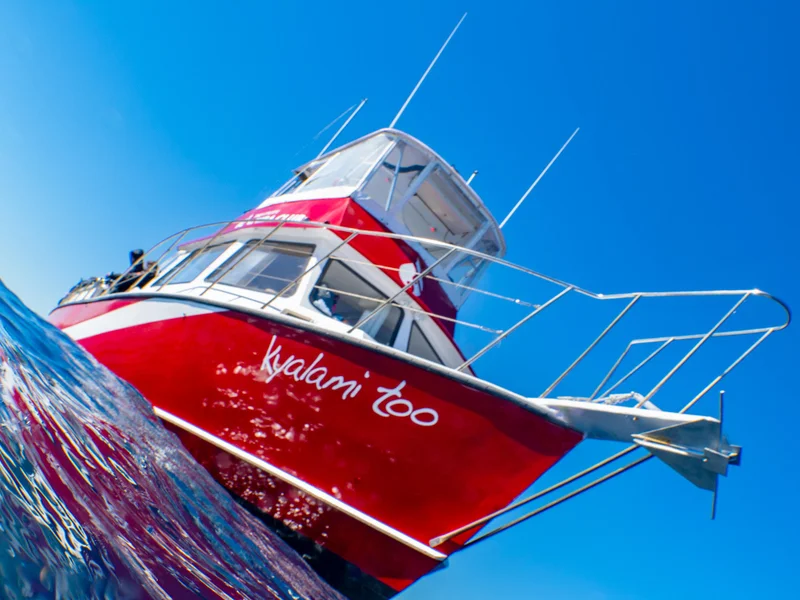
Today: 08:00 - 18:00
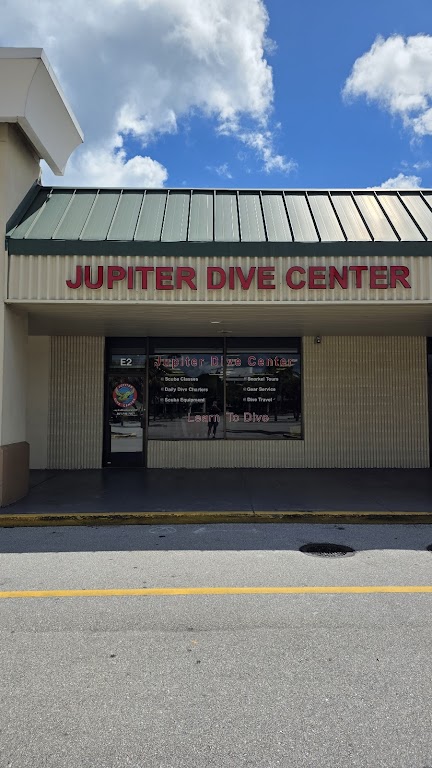
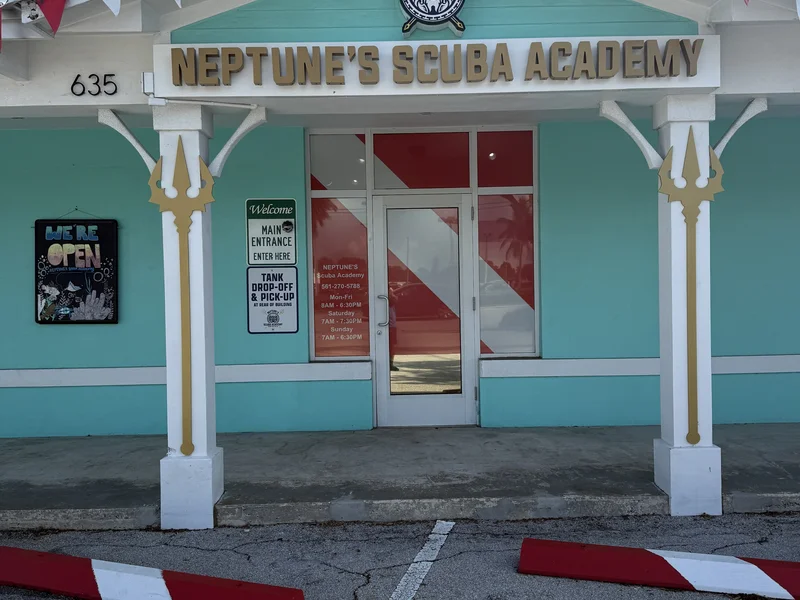
Nearest Airports
Nearest airports to help plan travel to this dive area.
Search Flights
Check available flights and routes on Expedia, using the nearby airports listed in this section.
Search Flights on Expedia
Plan Your Stay
Looking for a place to stay for your dive trip? Explore hotels, stays, and vacation rentals for dive groups near Juno Beach.
Dive Navigator may earn a commission from these links at no extra cost to you.
Frequently Asked Questions
What kind of dive experience does Captain Mike's offer?
Captain Mike's is primarily a drift dive along a substantial reef ledge. Divers are carried by the current, allowing for continuous exploration of the reef's topography and its abundant marine life.
What is the typical depth range for diving at Captain Mike's?
Divers usually start their dive on top of the main ledge at approximately 23 meters (75 ft). The ledge itself rises 4.5 to 6 meters (15 to 20 ft) from the sandy bottom, making the overall recreational dive experience within this depth range.
What unique marine life can be seen at Captain Mike's?
The site is known for its resident Goliath grouper named 'Tug,' and seasonal aggregations of other Goliath groupers in late summer. Additionally, divers frequently encounter Reef sharks, Spotted Eagle rays, various turtle species, and Green moray eels. Lemon Sharks visit annually in January and February.
Are there any specific seasonal highlights for marine life?
Yes, two notable seasonal events include the annual visit of Lemon Sharks to the top of the ledge during January and February. In late summer, up to ten more Goliath groupers aggregate at a specific spot for spawning activities.
How strong are the currents at Captain Mike's?
Captain Mike's is characterized by consistent currents that enable a drift dive experience. The current strength can vary depending on ocean conditions, influencing the pace of the drift along the reef.
What are the best months for diving Captain Mike's?
The period from May to August generally offers the most favorable diving conditions with warmer air temperatures and calmer seas. However, January and February are popular for specific Lemon Shark sightings, despite slightly cooler conditions.
Planning to dive Captain Mike's?
Send one inquiry and receive offers directly from the best verified local dive operators.
Conditions are Good
Optimal conditions expected
Current conditions near Captain Mike's show 25° air, 29° sea temperature, 0.9 m waves, and 15 km/h wind. Forecast data is refreshed regularly to ensure accuracy.