
Diving at Barnacle Reef #7 (United States)
Nestled within South Florida's extensive reef system, Barnacle Reef #7 contributes to a diver's paradise, characterized by warm waters sustained year-round by the Gulf Stream. This region is well-regarded for its diverse underwater landscapes, offering a variety of experiences from shallow reefs to deeper structures.
As evening covers Barnacle Reef #7, the local air temperature is measured at 27.5°C. The current wave height at the surface is recorded at 1 m. These late-day readings characterize the surface conditions for the night.
Dive Site Location & Key Facts
Dive Site Overview
Exploring Barnacle Reef #7 immerses divers in South Florida's dynamic natural reef networks, which frequently exhibit continuous ledges, pronounced undercuts, and interspersed patch reefs. While specific structural details for this particular site aren't consistently reported, the local reefs here typically span depths from approximately 10 to 27 m (35 to 90 ft), accommodating a range of certification levels.
Many excursions often take the form of mild drift dives; these currents efficiently guide exploration along extensive reef lines, revealing the subtle contours of the reef floor. Divers can anticipate navigating varied terrain, moving across sandy bottom sections and along coral-encrusted ledges that define a vibrant coral reef ecosystem. These formations provide crucial habitat for a diverse array of marine species.
Considered a recreational dive, the site suits divers comfortable with open water conditions and slight current assistance. The experience allows for expansive observation rather than fixed-point exploration.
Conditions are Excellent
07:00 - 14:00
Optimal conditions expected
Current conditions near Barnacle Reef #7 show 27° air, 30° sea temperature, 0.4 m waves, and 17 km/h wind. Forecast data is refreshed regularly to ensure accuracy.
Best Time to Dive
Considering the overall diving conditions in the region, the period from April to October typically presents the most favorable opportunities for diving Barnacle Reef #7. During these months, the average air temperatures are notably warmer, ranging from 21°C (70°F) in April to a peak of 29°C (84°F) in August, contributing to a comfortable topside experience. Rainfall tends to be moderate, with a slight increase in September to around 7.23 mm (0.28 inches). While specific water temperature data for Barnacle Reef #7 is not consistently reported, the broader Fort Lauderdale area benefits from the Gulf Stream, suggesting dependably warm water throughout the year. The dive score is consistently rated 'Good' during these months, indicating calmer seas and improved visibility.
PEAK SEASON SCORE
Scores combine air & water temps, waves, wind & rainfall for overall conditions.
BEST MONTHS TO DIVE
Monthly records compiled from satellite and marine observation nodes over the last 3 years. Data provided by Open-Meteo and MET Norway.
Dive Experience & Conditions
Approaching Barnacle Reef #7, divers will likely experience conditions typical of South Florida's coastal reefs, often involving mild drift currents that assist with covering longer sections of the reef. Depths can vary significantly across the broader area's reef structures, with shallower sections around 10-12 m (35-40 ft) and deeper areas extending to 18-27 m (60-90 ft). Visibility is generally good, though it can fluctuate with weather patterns and tidal movements. Wave heights in the region are often below 1 meter (3 feet) during peak dive season, contributing to smoother surface conditions. Wind speeds typically range from 22 to 31 km/h (14 to 19 mph), influencing surface chop.
Dive Difficulty & Safety Guidelines
Diving at Barnacle Reef #7, as with any South Florida reef, requires attention to standard safety practices, particularly awareness of local boat traffic and currents. For drift dives, proper dive planning, including boat support and a visible surface marker buoy, is crucial.
Divers should maintain excellent buoyancy control to protect the delicate coral formations and avoid contact with the reef. Since underwater structures in the area can include ledges and undercuts, having a dive light can enhance exploration.
Always dive within your certification limits and consider the benefit of an advanced open water certification for deeper sections of the reef system.
Recommended Equipment
- Dive Computer
This gear list is based on verified equipment signals for Barnacle Reef #7, United States. Always confirm final gear choices with your dive operator, guide, or liveaboard.
Recommended Dive Suit
Environmental conditions are expected to remain consistent in the short-term outlook.
For typical recreational dives, dive skin or rash guard generally provides comfortable insulation. Consider warmer surface protection (like a boat coat) due to brisk winds.
Recent environmental data from Barnacle Reef #7 indicates water temperatures near 30°C (86°F). Surface air temperatures are resting at 27°C (81°F).
Due to technical issues with our weather providers, data hasn't been fetched for over 48 hours. The data above reflects the conditions at the time of the last successful fetch.
Emergency & Medical Support
Essential information to help you plan your dive trip to Barnacle Reef #7.

Hyperbaric chambers are a critical part of dive safety infrastructure. Availability varies significantly by region, and not all dive areas have immediate access.
Before diving, it's recommended to:
- confirm nearest medical facilities
- check emergency procedures with local dive operators
- ensure dive insurance covers evacuation if required
Divers Alert Network
Diving emergency assistance available through DAN World.
+1-919-684-9111- 24/7 emergency hotline
- Diving medical assistance
- Evacuation coordination
Emergency contacts are provided for reference. Always verify local emergency services before diving.
Marine Life at Barnacle Reef #7
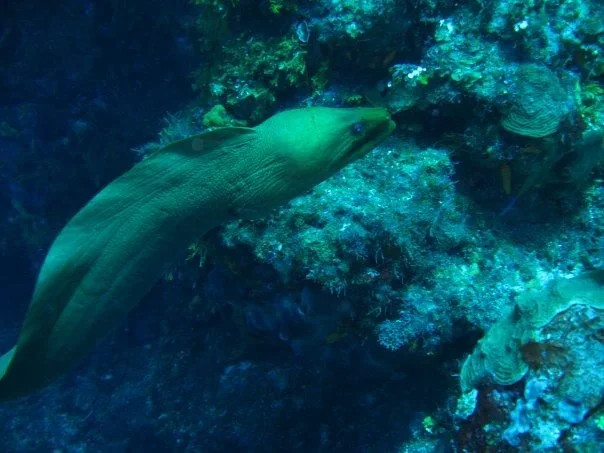
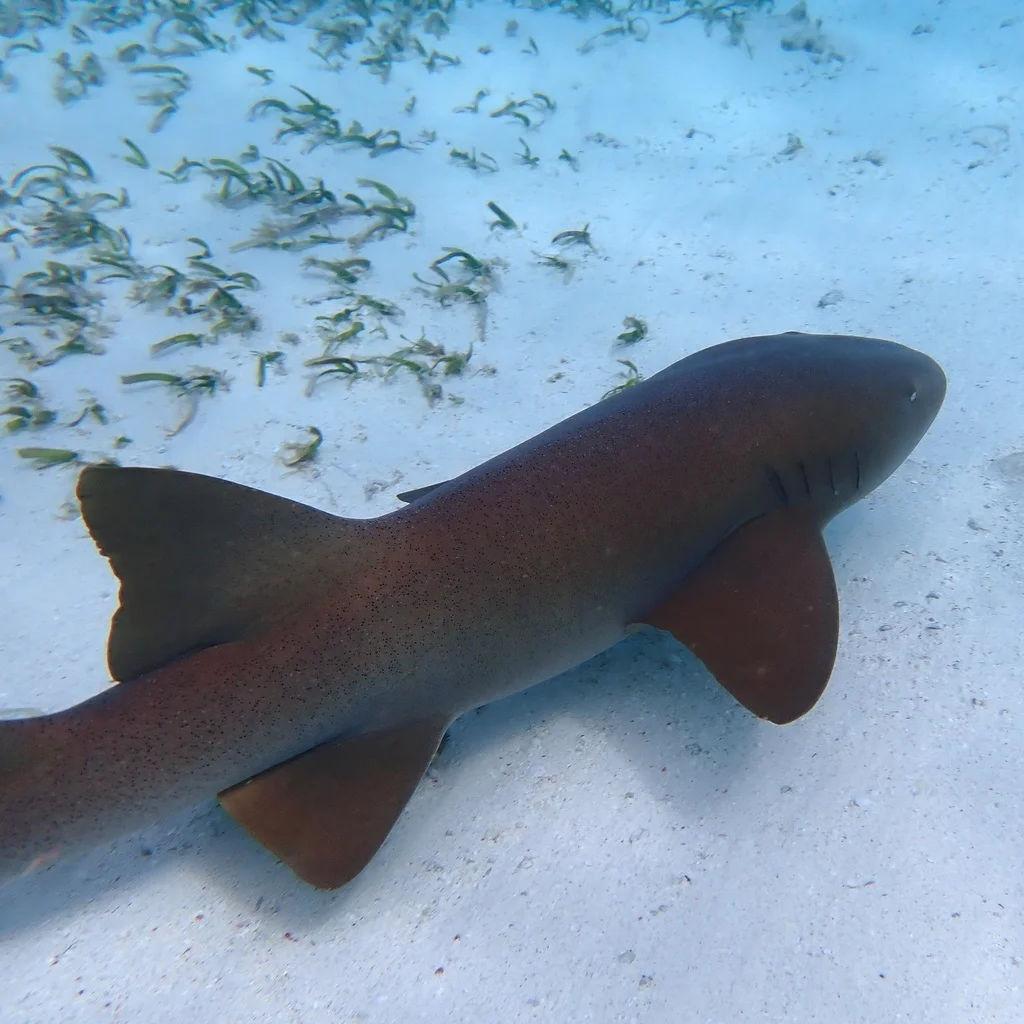
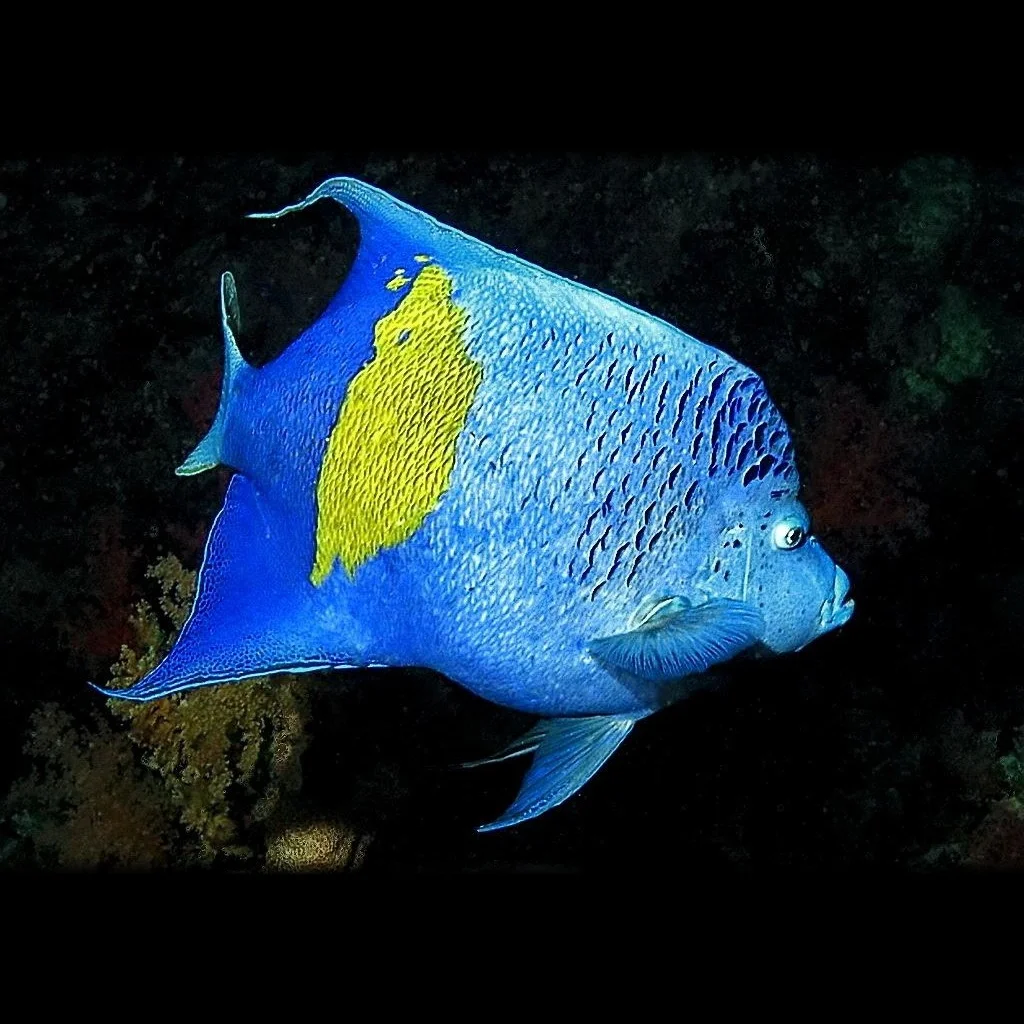
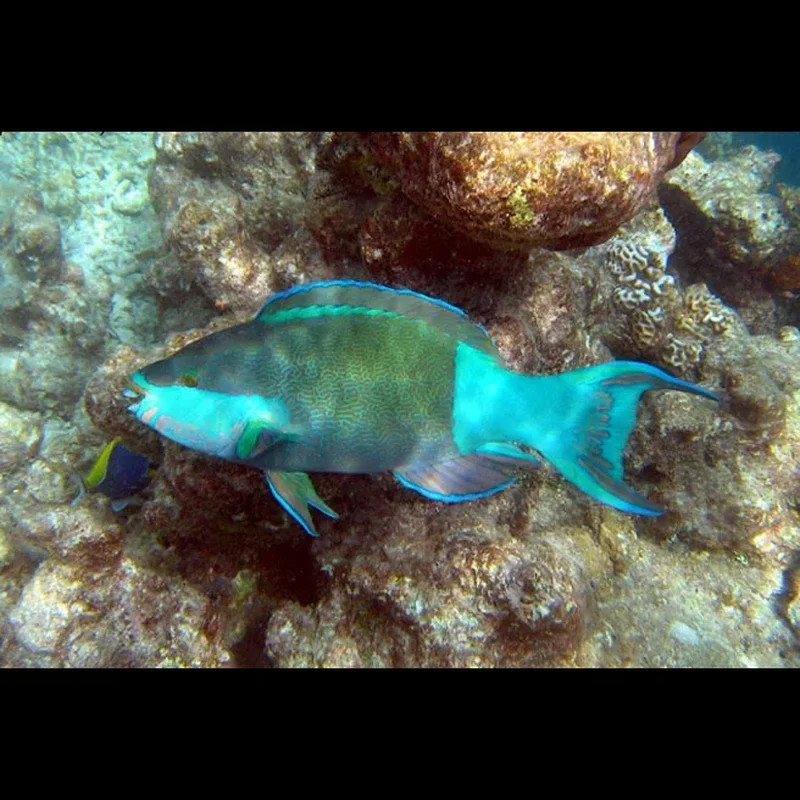
Encounters at Barnacle Reef #7 reflect the rich biodiversity found throughout the South Florida reef ecosystems. Divers often notice an abundance of tropical fish, including angelfish and parrotfish, congregating around the coral formations.
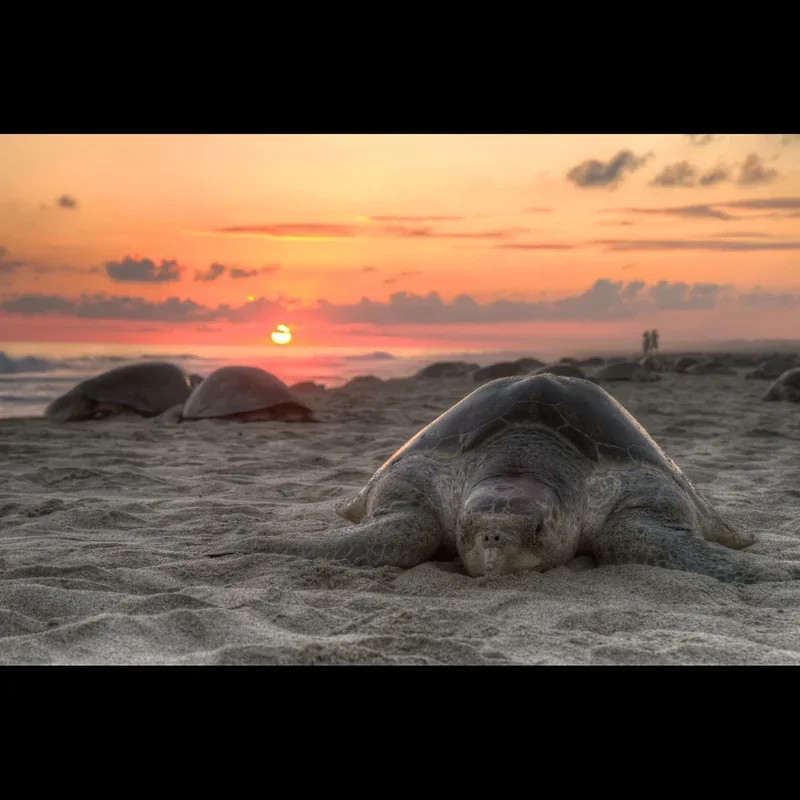
Larger marine life sightings typically include various rays, sea turtles gracefully navigating the reef, and occasional nurse sharks resting under ledges. Moray eels are commonly spotted tucked into crevices, while spiny lobsters might be observed in the reef's many hideaways.
Dive Sites Near Barnacle Reef #7
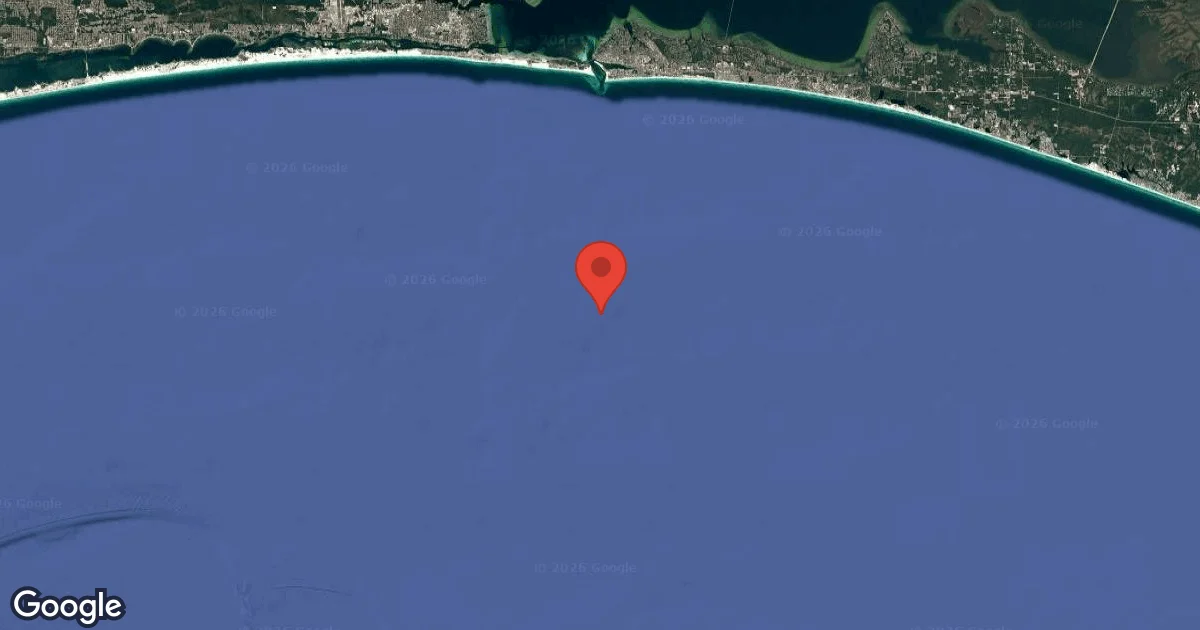
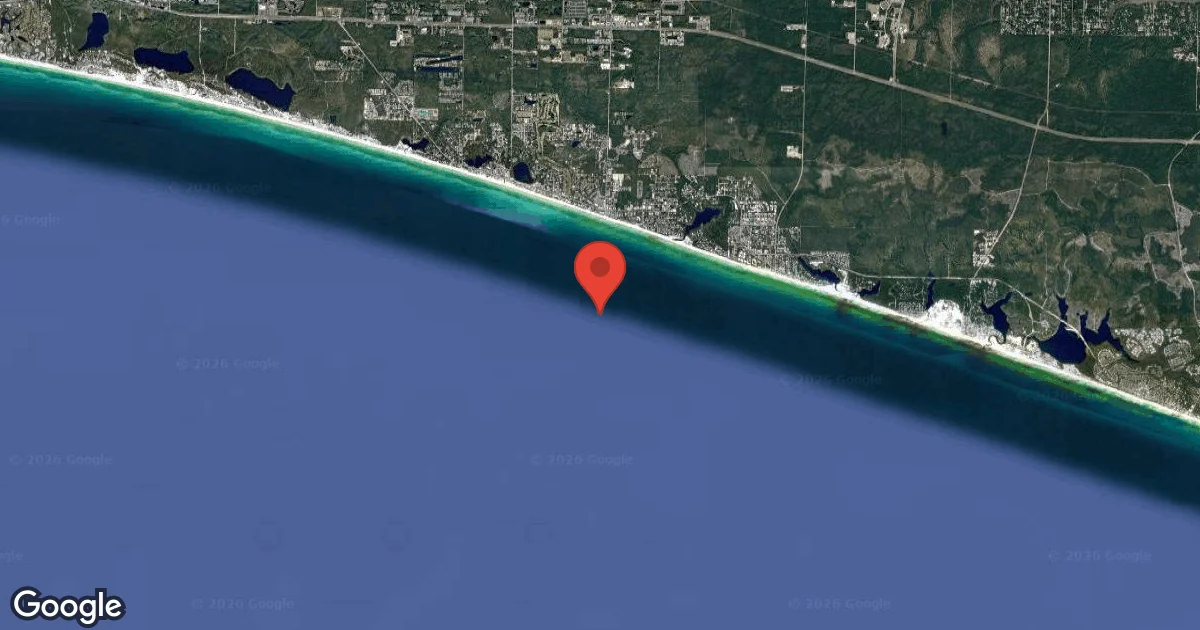
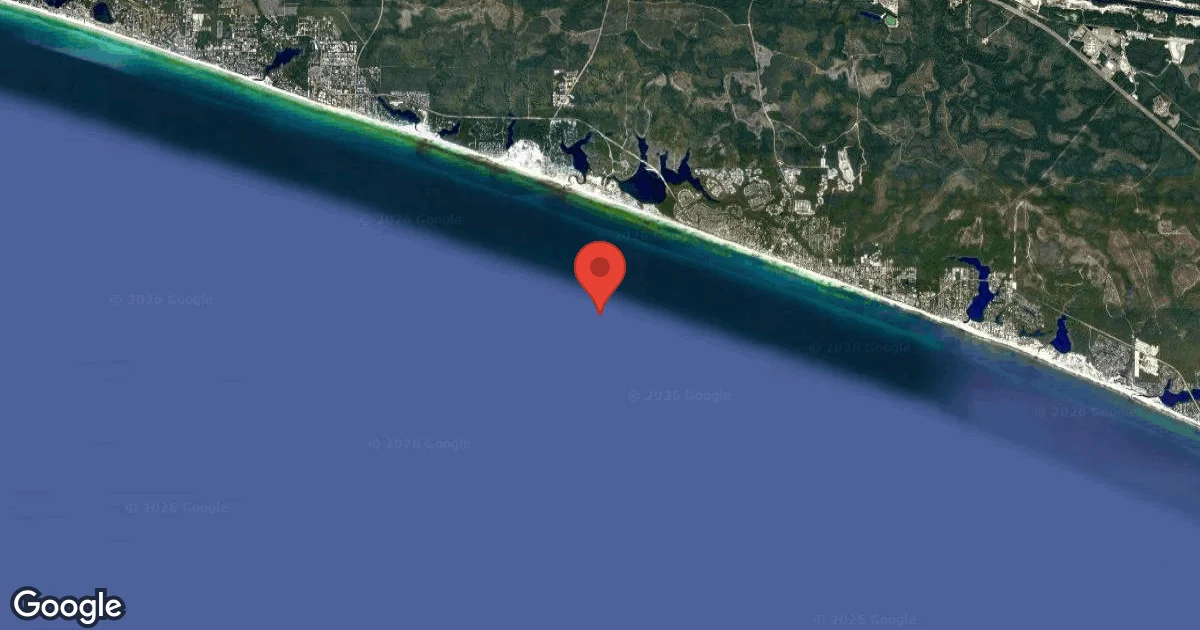
View all dive sites in United StatesDiscover more underwater gems in this area.
Dive Centers Near Barnacle Reef #7
Today: 09:00 - 16:00
Nearest Airports
Nearest airports to help plan travel to this dive area.
Search Flights
Check available flights and routes on Expedia, using the nearby airports listed in this section.
Search Flights on ExpediaFrequently Asked Questions
What is the typical depth range at Barnacle Reef #7?
Dive profiles at Barnacle Reef #7, reflecting the broader South Florida reef system, typically range from approximately 10 m (35 ft) in shallower sections to around 27 m (90 ft) in deeper areas. This allows for diverse experiences suitable for various recreational certifications.
How strong are the currents usually?
Divers frequently encounter mild drift currents at the site. These currents generally aid in covering longer sections of the reef, making it a common approach for exploration. Conditions can vary, so always assess prior to entry.
What marine life might I see?
The reef hosts a variety of tropical fish, including angelfish and parrotfish, often near coral formations. Divers also commonly spot rays, sea turtles, nurse sharks resting under ledges, and moray eels in crevices. Spiny lobsters frequent the reef's many hiding spots.
When is the best time of year to dive here?
The optimal period for diving Barnacle Reef #7 typically extends from April through October. During these months, surface temperatures are warmer, and the region generally experiences calmer seas and improved visibility, contributing to a better overall dive experience.
What certification level is recommended?
Barnacle Reef #7 is generally considered suitable for certified open water divers. For those wishing to explore the deeper sections of the reef system or participate in drift dives, an Advanced Open Water certification is beneficial.
Are there any specific safety considerations?
Key safety considerations include awareness of local boat traffic and managing potential drift currents with proper planning, such as using a surface marker buoy. Maintaining excellent buoyancy control is also vital to protect the delicate coral environment and ensure diver safety.
Planning to dive Barnacle Reef #7?
Send one inquiry and receive offers directly from the best verified local dive operators.
Conditions are Excellent
07:00 - 14:00
Optimal conditions expected
Current conditions near Barnacle Reef #7 show 27° air, 30° sea temperature, 0.4 m waves, and 17 km/h wind. Forecast data is refreshed regularly to ensure accuracy.