
Diving at Barnacle Reef #8 (United States)
Barnacle Reef #8 represents a vibrant segment within the broader South Florida reef system, characterized by its intricate coral architecture. This site features continuous ledges, undercuts, and various patch reefs. Depths here generally range from 12 to 19 m (40 to 62 ft). It forms part of an expansive underwater landscape extending off the Florida coast, offering diverse exploration opportunities for certified divers. Divers can expect a rich, complex structure across its recreational depth profile.
Tonight's objective overview for Barnacle Reef #8 shows an air temperature of 26°C. The measured surface conditions include wave heights around 1 m. This environmental data is logged for the close of the day.
Dive Site Location & Key Facts
Dive Site Overview
Tracing its history, the South Florida reef system, of which Barnacle Reef #8 is a component, has been a significant area for local diving for decades. Local dive organizations have contributed to the character of these reefs; an example is the King Neptune statue placed in the late 1970s.
Originally positioned upright, this 8-foot statue now rests at approximately 18 m (59 ft) in the sand after continuous drift, quietly observing divers. This area exemplifies a robust coral reef ecosystem, presenting divers with miles of contiguous ledges, undercuts, and crevices.
The structure is primarily defined by these coral formations, interspersed with sandy areas and occasional isolated coral mounds. These features create an engaging backdrop for underwater exploration, often revealing small hidden passages and prolific patch reefs inshore.
Each dive offers a journey through an evolving environment, inviting discovery within its varied topography.
Conditions are Excellent
07:00 - 14:00
Optimal conditions expected
Current conditions near Barnacle Reef #8 show 26° air, 30° sea temperature, 0.4 m waves, and 23 km/h wind. Forecast data is refreshed regularly to ensure accuracy.
Best Time to Dive
Planning a dive to Barnacle Reef #8 is most rewarding during the months of April through October. During this period, dive scores consistently rate as 'Good', influenced by more favorable weather conditions. Air temperatures typically range from 21°C (70°F) in April to 29°C (84°F) in August, offering comfortable surface intervals for preparation and relaxation. Rain levels are generally manageable, although September sees slightly higher rainfall at an average of 7.23 mm, which can temporarily affect visibility. Crucially, average wave heights are at their lowest, often below 1 meter, and wind speeds decrease compared to winter months. These calmer conditions reduce surface chop and underwater surge, collectively creating a more pleasant and accessible diving experience for most divers, enhancing overall enjoyment.
PEAK SEASON SCORE
Scores combine air & water temps, waves, wind & rainfall for overall conditions.
BEST MONTHS TO DIVE
Monthly records compiled from satellite and marine observation nodes over the last 3 years. Data provided by Open-Meteo and MET Norway.
Dive Experience & Conditions
Approaching Barnacle Reef #8, divers typically encounter a mild drift, making it well-suited for drift diving techniques. The reef structure itself presents a series of ledges and fingers that extend inshore, offering numerous nooks and crannies for investigation. Depths at the site fluctuate, with shallower sections around 12 m (40 ft) on top of mounds, descending to 19 m (62 ft) in the surrounding sand. Visibility can vary, influenced by local currents and recent weather patterns, but often provides clear views of the extensive coral backdrops. Navigating the reef involves exploring deep undercuts and sometimes a heavily encrusted communications cable, adding an interesting element to the underwater topography.
Dive Difficulty & Safety Guidelines
Diving at Barnacle Reef #8 requires adherence to standard safety protocols, especially given the potential for drift conditions. Divers should maintain awareness of their position relative to the boat and their buddy throughout the dive. While some sections are suitable for Open Water divers, deeper areas extending to 19 m (62 ft) necessitate Advanced Open Water certification for safe exploration.
Always check local forecasts for wind and wave conditions before planning your trip. A thorough dive plan should be discussed with your buddy, including emergency procedures and maximum bottom times appropriate for the planned depth. Adhering to these guidelines helps ensure a safe and enjoyable dive experience.
Recommended Equipment
- Dive Computer
This gear list is based on verified equipment signals for Barnacle Reef #8, United States. Always confirm final gear choices with your dive operator, guide, or liveaboard.
Recommended Dive Suit
Divers planning deeper dives may feel cooler than those staying in shallower areas.
Many divers find that dive skin or rash guard offers a comfortable balance between warmth and mobility. Consider warmer surface protection (like a boat coat) due to brisk winds. Conditions in the coming days are expected to stay within a similar temperature range.
Current temperature readings suggest that the water at Barnacle Reef #8 is around 30°C (86°F). Surface air temperatures are resting at 26°C (79°F).
Due to technical issues with our weather providers, live updates are temporarily delayed. The data above reflects the conditions at the time of the last successful fetch.
Emergency & Medical Support
Essential information to help you plan your dive trip to Barnacle Reef #8.

Hyperbaric chambers are a critical part of dive safety infrastructure. Availability varies significantly by region, and not all dive areas have immediate access.
Before diving, it's recommended to:
- confirm nearest medical facilities
- check emergency procedures with local dive operators
- ensure dive insurance covers evacuation if required
Divers Alert Network
Diving emergency assistance available through DAN World.
+1-919-684-9111- 24/7 emergency hotline
- Diving medical assistance
- Evacuation coordination
Emergency contacts are provided for reference. Always verify local emergency services before diving.
Marine Life at Barnacle Reef #8
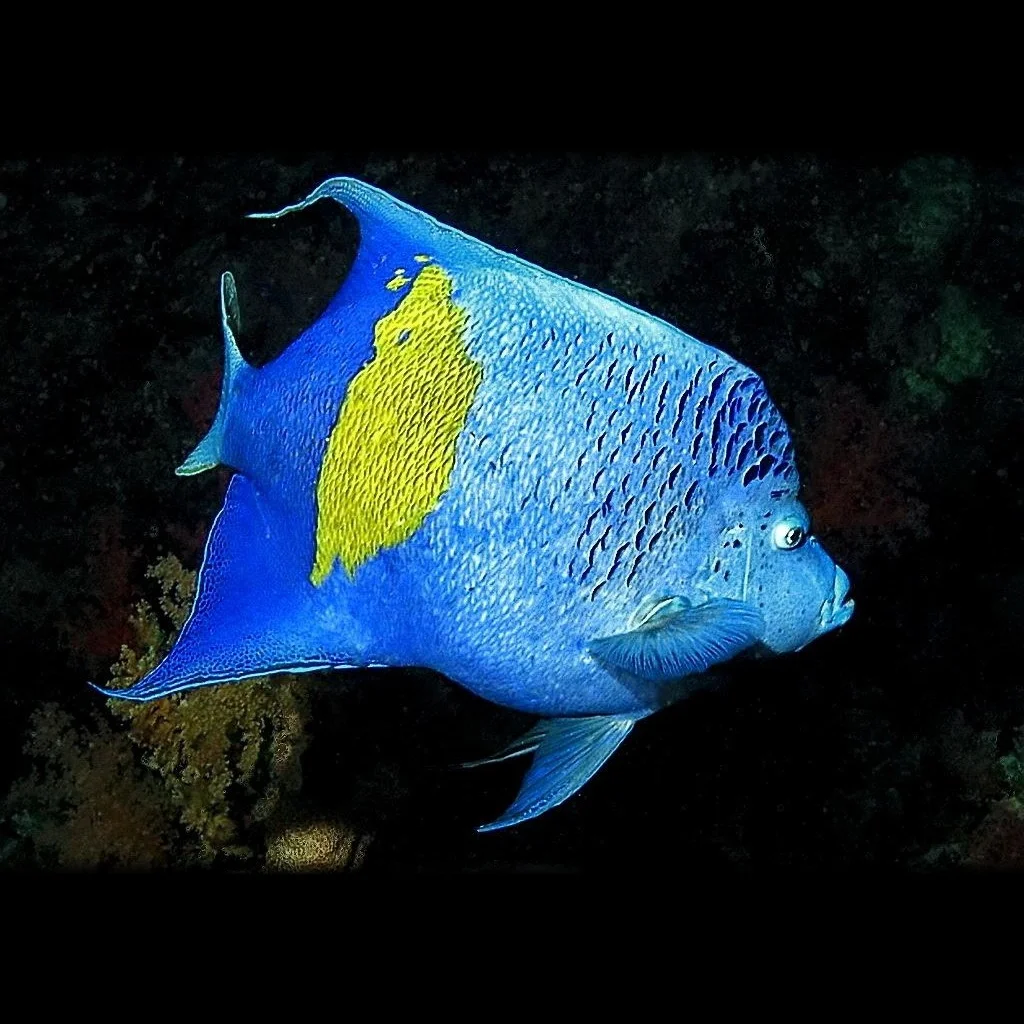
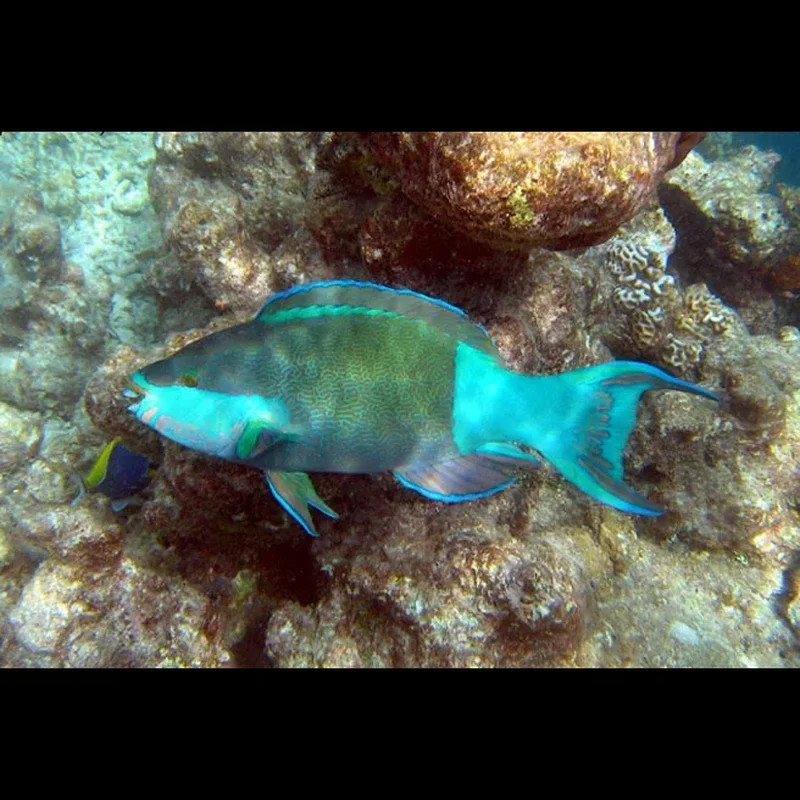
Beneath the surface of Barnacle Reef #8, marine life thrives amidst a diverse underwater landscape of soft and hard corals. Exploring the continuous ledges and undercuts, divers frequently spot angelfish, parrotfish, and various rays.
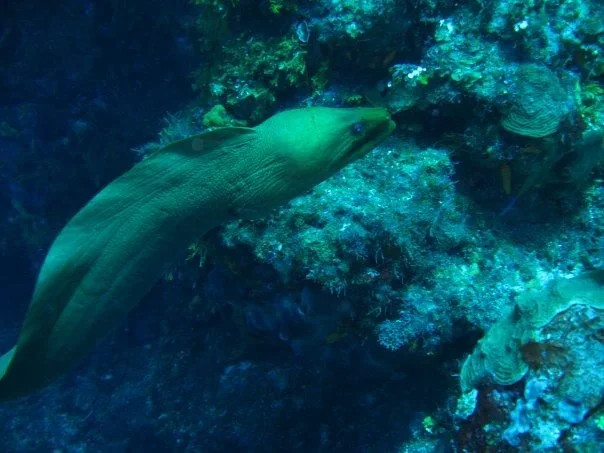
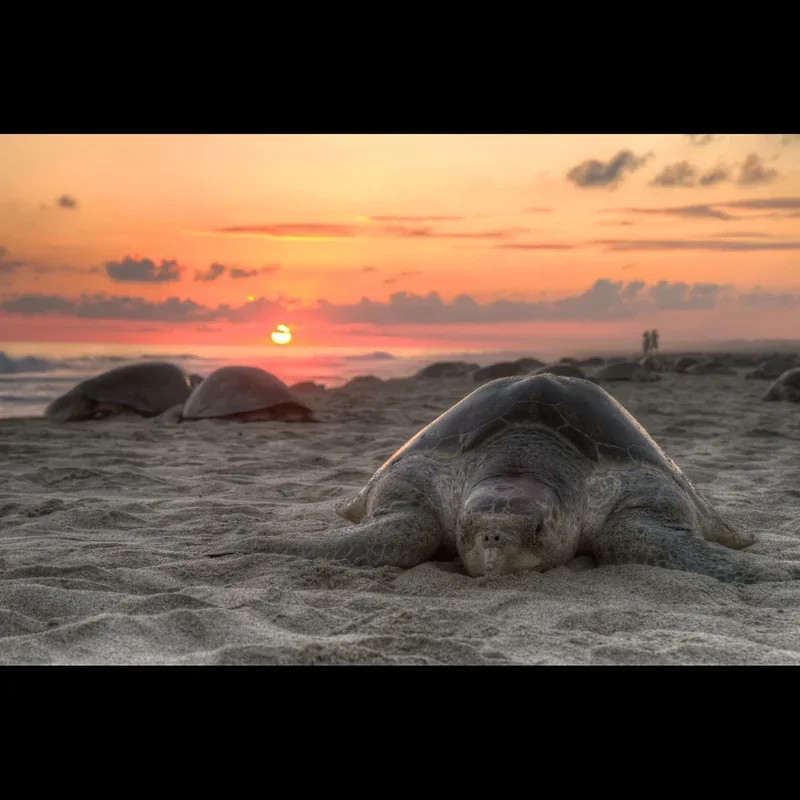
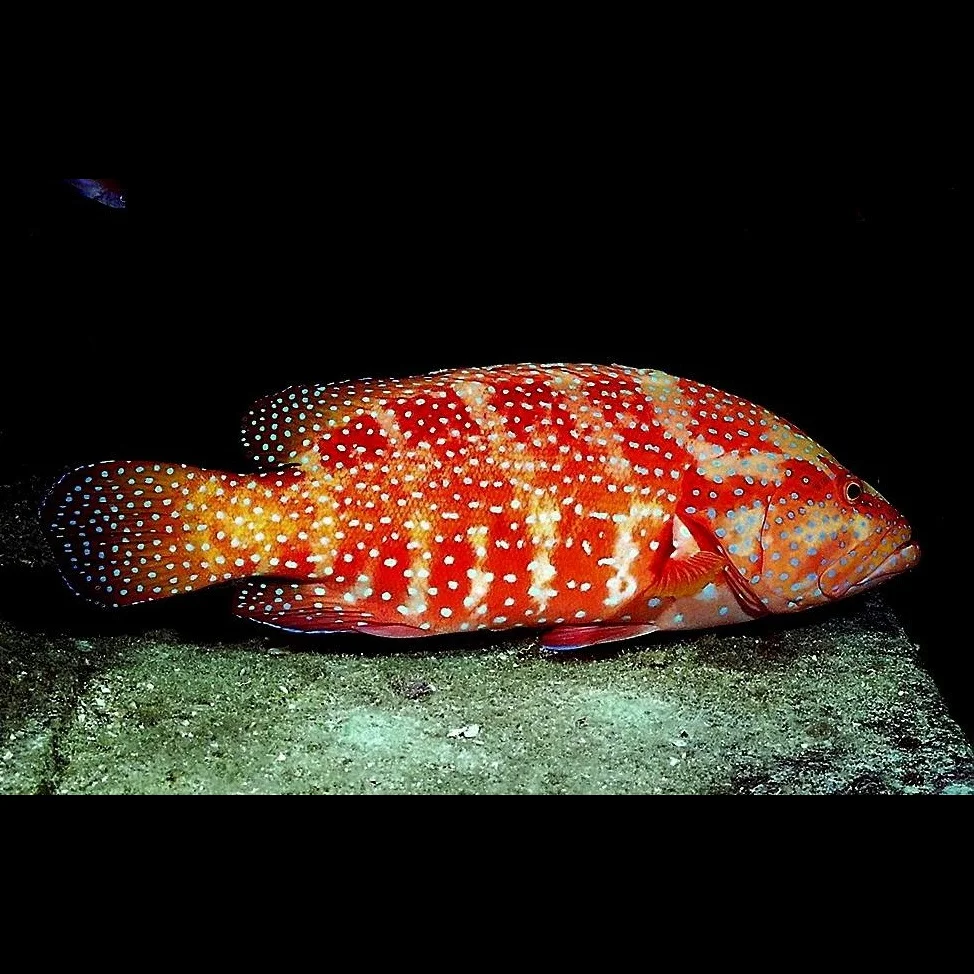
Moray eels often shelter within crevices, while sea turtles glide gracefully over the patch reefs. Deeper sections, especially near isolated coral mounds, are known hotspots for grouper and hogfish.
The coral forest and massive sponges contribute to a vibrant ecosystem, where macro life can be observed by attentive divers. This rich environment supports a wide array of tropical fish, creating a dynamic visual experience.
Dive Sites Near Barnacle Reef #8
View all dive sites in United StatesDiscover more underwater gems in this area.
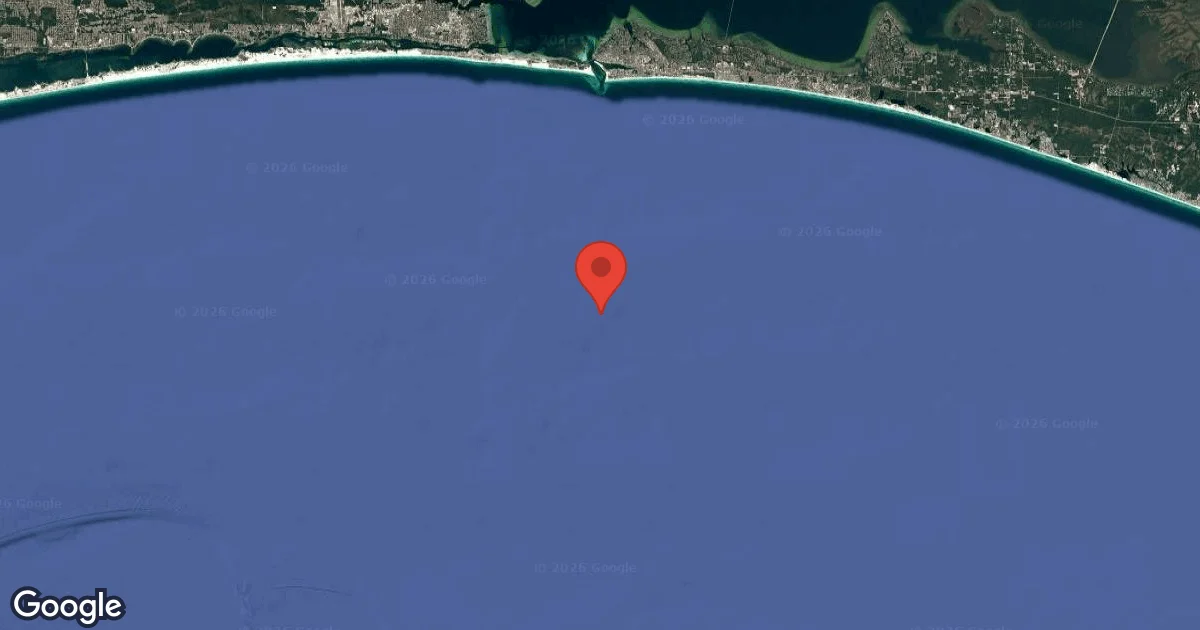
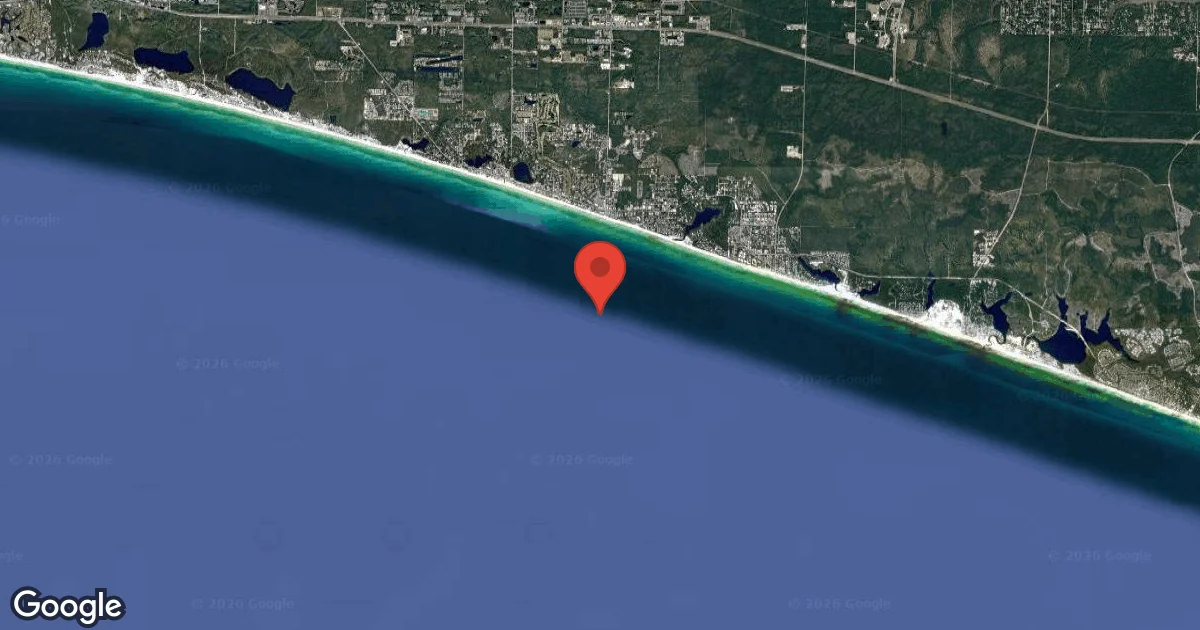
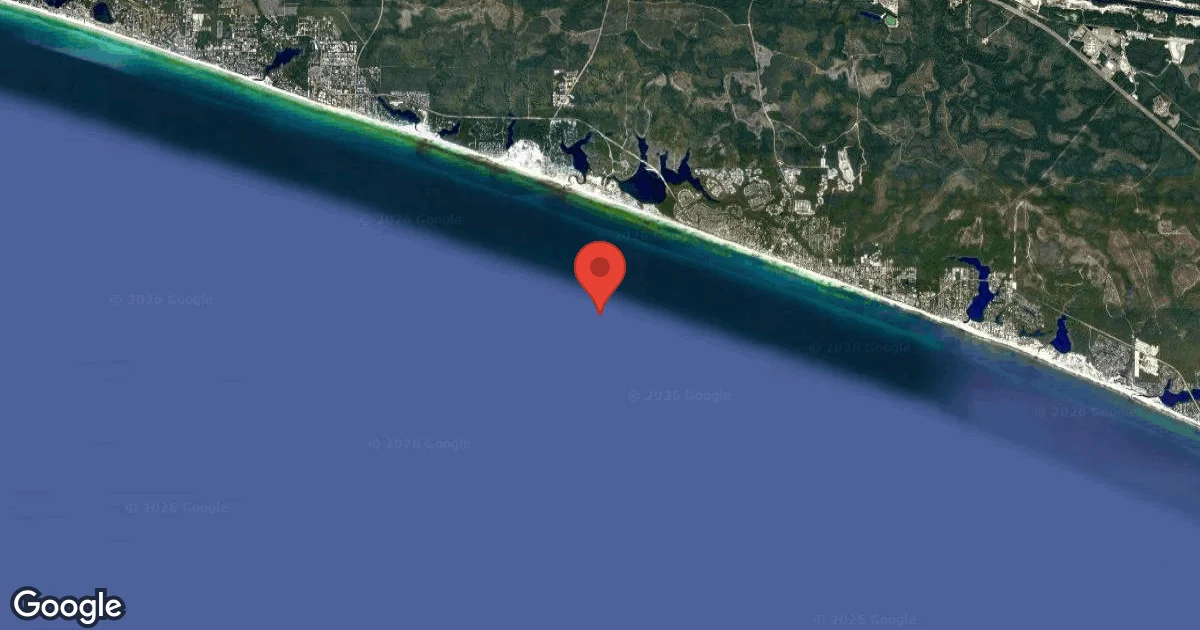
Dive Centers Near Barnacle Reef #8
Today: 09:00 - 16:00
Nearest Airports
Nearest airports to help plan travel to this dive area.
Search Flights
Check available flights and routes on Expedia, using the nearby airports listed in this section.
Search Flights on ExpediaFrequently Asked Questions
What is the typical depth range for diving Barnacle Reef #8?
Depths at Barnacle Reef #8 generally span from around 40 feet on top of coral mounds to over 60 feet in the surrounding sandy areas. Divers can explore a variety of profiles within this recreational depth range.
Is this site suitable for beginner divers?
Some shallower sections of Barnacle Reef #8 may be accessible to Open Water certified divers. However, the presence of deeper areas and potential mild drift conditions means that Advanced Open Water certification is recommended for a more complete and safer exploration of the entire site.
What kind of reef structure can I expect?
The reef is characterized by a coral reef ecosystem featuring continuous ledges, undercuts, crevices, and patch reefs. You'll also find isolated coral mounds and sandy bottoms, contributing to a varied underwater terrain.
Are there any unique historical features at Barnacle Reef #8?
Yes, an 8-foot statue of King Neptune, placed in the late 1970s by a local dive organization, is part of the site. It currently rests in the sand at about 59 feet, flanked by two sea turtles, providing a unique historical landmark.
What marine life is commonly seen here?
Divers often encounter a rich variety of marine life, including angelfish, parrotfish, rays, and moray eels. Sea turtles, grouper, hogfish, and nurse sharks are also frequently observed, particularly within the reef's numerous hiding spots.
What are the typical water conditions like?
Divers can expect mild drift conditions, making it suitable for drift diving. Visibility varies but is often good, offering clear views of the coral backdrops. Water temperature data is not consistently reported but generally aligns with regional averages.
Do I need any special certification for deeper parts of the reef?
For dives extending beyond 60 feet, an Advanced Open Water certification is advised. This ensures divers have the necessary training and experience to safely manage the effects of deeper diving.
Planning to dive Barnacle Reef #8?
Send one inquiry and receive offers directly from the best verified local dive operators.
Conditions are Excellent
07:00 - 14:00
Optimal conditions expected
Current conditions near Barnacle Reef #8 show 26° air, 30° sea temperature, 0.4 m waves, and 23 km/h wind. Forecast data is refreshed regularly to ensure accuracy.