
Diving at BRI3S-21-08 (United States)
In Key West, the underwater world reveals an impressive variety of life, captivating divers with abundant marine encounters. Expect to observe large green moray eels gracefully navigating the reefs, while nurse sharks might rest or patrol the coral formations. Frequent sightings of sea turtles and vast schools of tropical fish further define the vibrant ecosystem, making each descent a visually rich experience.
Tonight's objective overview for BRI3S-21-08 shows an air temperature of 25.5°C. The measured surface conditions include wave heights around 0.3 m. This environmental data is logged for the close of the day.
Dive Site Location & Key Facts
Dive Site Overview
Diving in the Key West area presents a compelling mix of natural reef formations and historical wrecks, catering to a wide range of certifications and interests. Sites like Davey Crocker and Davis Reef provide shallow, vibrant ecosystems, ideal for new divers or snorkelers, often reaching maximum depths around 12 m (40 ft).
Here, you'll find healthy coral and a bustling fish population, along with unique features such as the Buddha statue at Davis Reef. For those drawn to history, the area also features several captivating wrecks, including the Cayman Salvager near Key West, part of the Florida Keys Wreck Trek program.
Farther north, towards Key Largo, larger wrecks like the USS Spiegel Grove offer significant exploration opportunities, with the ship starting at approximately 18 m (60 ft) and extending beyond 30 m (100 ft). These deeper wrecks often feature see-through passageways that accommodate varying experience levels.
Some reef sites, like Cannonball Cut, offer opportunities for drift diving across expansive coral fields, reaching depths of 18 m (60 ft). The variety ensures that both serene, shallow explorations and more challenging wreck penetrations are readily available.
Conditions are Good
Optimal conditions expected
Current conditions near BRI3S-21-08 show 25° air, 31° sea temperature, 0.3 m waves, and 23 km/h wind. Forecast data is refreshed regularly to ensure accuracy.
Best Time to Dive
Planning a dive in Key West means considering conditions that vary throughout the year, though overall, the region maintains favorable diving weather. May often stands out as an excellent month for diving, with air temperatures averaging around 25.5°C (78°F) and minimal wave heights, contributing to calm surface conditions. However, many months receive 'Good' dive scores, indicating consistent opportunities. From November through April, you generally experience cooler air temperatures, ranging from 15.5°C to 23°C (60°F to 73°F), accompanied by relatively lower rainfall compared to the peak summer months. Conversely, the summer months, particularly August, record higher rainfall amounts, averaging around 8.7 mm, alongside warmer air temperatures closer to 29°C (84°F). Surface conditions tend to be calmer in July, with average wave heights around 0.4 meters (1.3 feet). While specific water temperature data isn't consistently reported, the general climate suggests warmer waters during summer and milder temperatures in cooler months.
PEAK SEASON SCORE
Scores combine air & water temps, waves, wind & rainfall for overall conditions.
BEST MONTHS TO DIVE
Monthly records compiled from satellite and marine observation nodes over the last 3 years. Data provided by Open-Meteo and MET Norway.
Dive Experience & Conditions
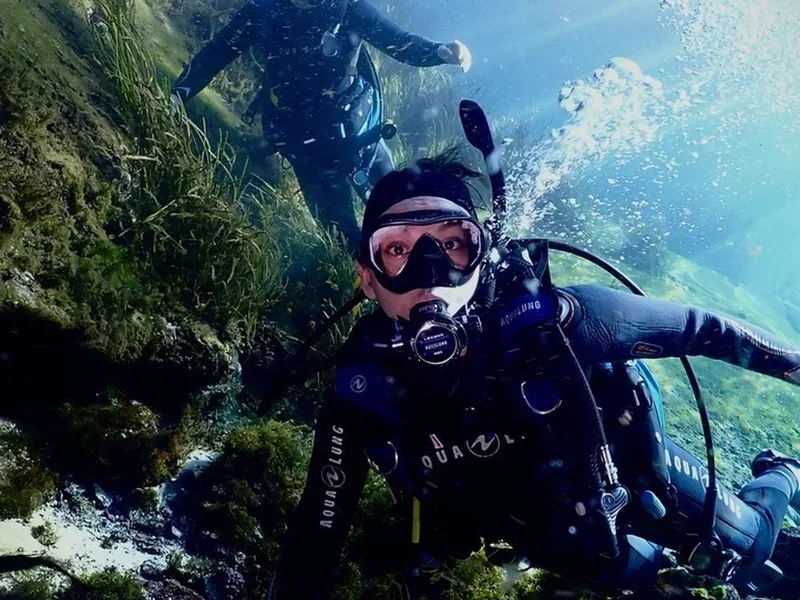
When descending into Key West's waters, divers encounter a spectrum of environments, from sunlit shallow reefs to the deeper, more somber wreck sites. Visibility typically ranges from good to excellent, although it can fluctuate depending on recent weather, especially after significant rainfall. On some of the shallower reefs, like Eastern Sambo, depths can be as little as 1.2-3 m (4-10 ft), making them exceptionally bright and accessible. Meanwhile, deeper natural reefs gradually descend to around 21-24 m (70-80 ft). Currents are generally manageable but can be tricky at certain sites or during specific tidal changes, warranting attention during planning. The sandy bottoms often found near reefs and wrecks can be easily disturbed, emphasizing the importance of precise buoyancy control to maintain good visibility for all. Exploring a wreck like the Cartanza, which is broken into three pieces with a maximum depth of 12.5 m (41 ft), offers a tangible sense of history within a protected cove.
Dive Difficulty & Safety Guidelines
Approaching dives in Key West requires a mindful awareness of the environment and adherence to established guidelines. Many sites, including sections of the Sambo Reef area, lie within protected marine reserves where fishing and spearfishing are prohibited, underscoring the need for divers to maintain a respectful distance from marine life and avoid disturbing coral.
For wreck dives, particularly those with penetrable sections like the USS Spiegel Grove, proper training and equipment for overhead environments are essential, even if some passages are described as 'see-through.' Always follow responsible diving practices, including monitoring your air supply, maintaining neutral buoyancy to protect delicate coral structures and avoid silt-outs on wrecks, and diving within your certification limits. Dive operators and local guides are valuable resources for current conditions and site-specific considerations.
Recommended Equipment
- Dive Computer
This gear list is based on verified equipment signals for BRI3S-21-08, United States. Always confirm final gear choices with your dive operator, guide, or liveaboard.
Recommended Dive Suit
Weather models currently point toward consistent diving conditions over the next several days.
For typical recreational dives, dive skin or rash guard generally provides comfortable insulation. A hood or vest is suggested for sensitive divers due to surface winds.
Current dive conditions indicate that water temperatures around BRI3S-21-08 are sitting at roughly 31°C (87°F). Surface air temperatures are resting at 25°C (78°F).
Emergency & Medical Support
Essential information to help you plan your dive trip to BRI3S-21-08.

Hyperbaric chambers are a critical part of dive safety infrastructure. Availability varies significantly by region, and not all dive areas have immediate access.
Before diving, it's recommended to:
- confirm nearest medical facilities
- check emergency procedures with local dive operators
- ensure dive insurance covers evacuation if required
Divers Alert Network
Diving emergency assistance available through DAN World.
+1-919-684-9111- 24/7 emergency hotline
- Diving medical assistance
- Evacuation coordination
Emergency contacts are provided for reference. Always verify local emergency services before diving.
Marine Life at BRI3S-21-08
What often catches a diver's eye first in the Key West area is the sheer density of fish life on the reefs. Large green moray eels are a common sight, often observed peeking from crevices or swimming openly across coral heads.
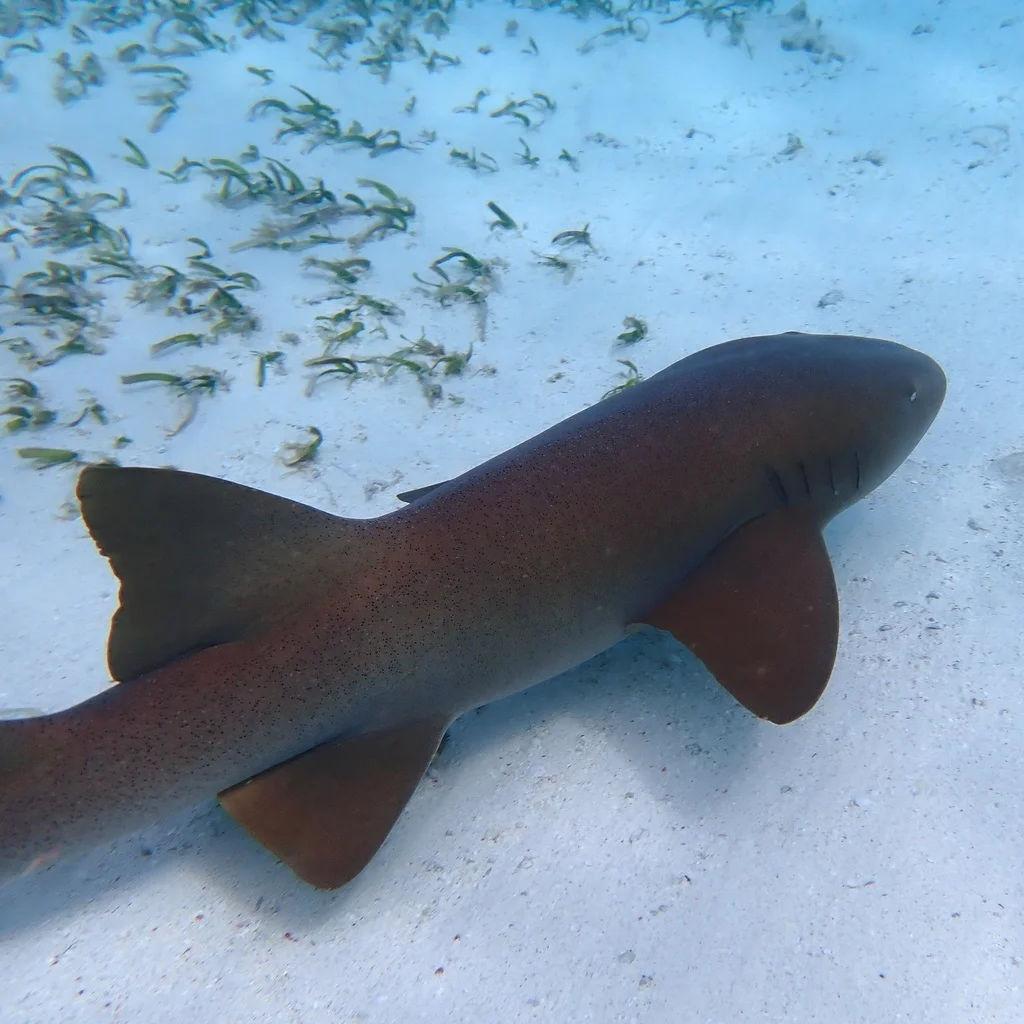
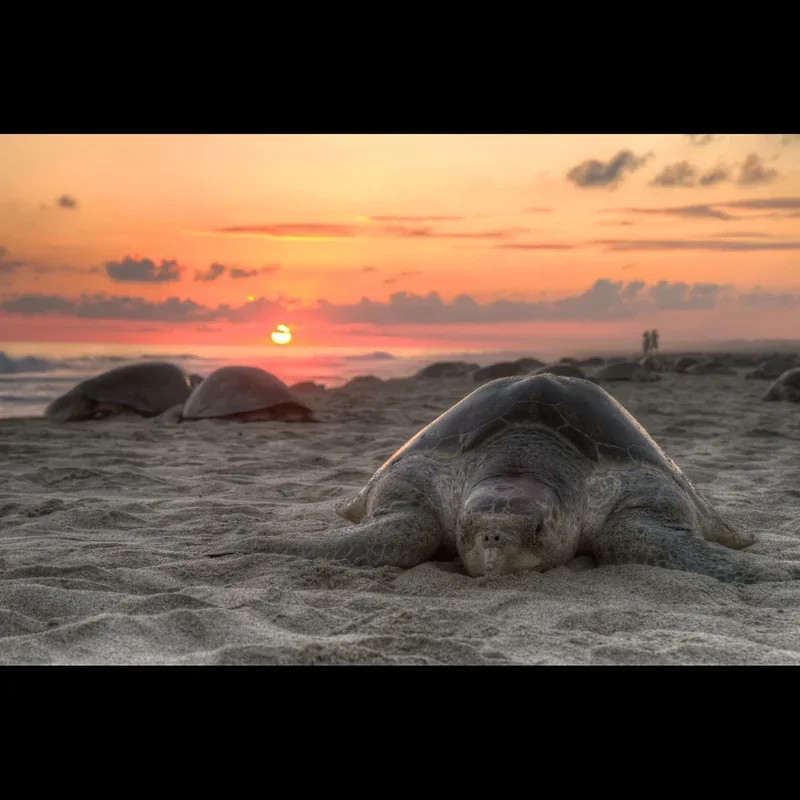
Nurse sharks frequently rest beneath ledges or patrol the reef edges, offering calm photo opportunities. Keep an eye out for sea turtles, which are regular visitors to many of the reef sites.
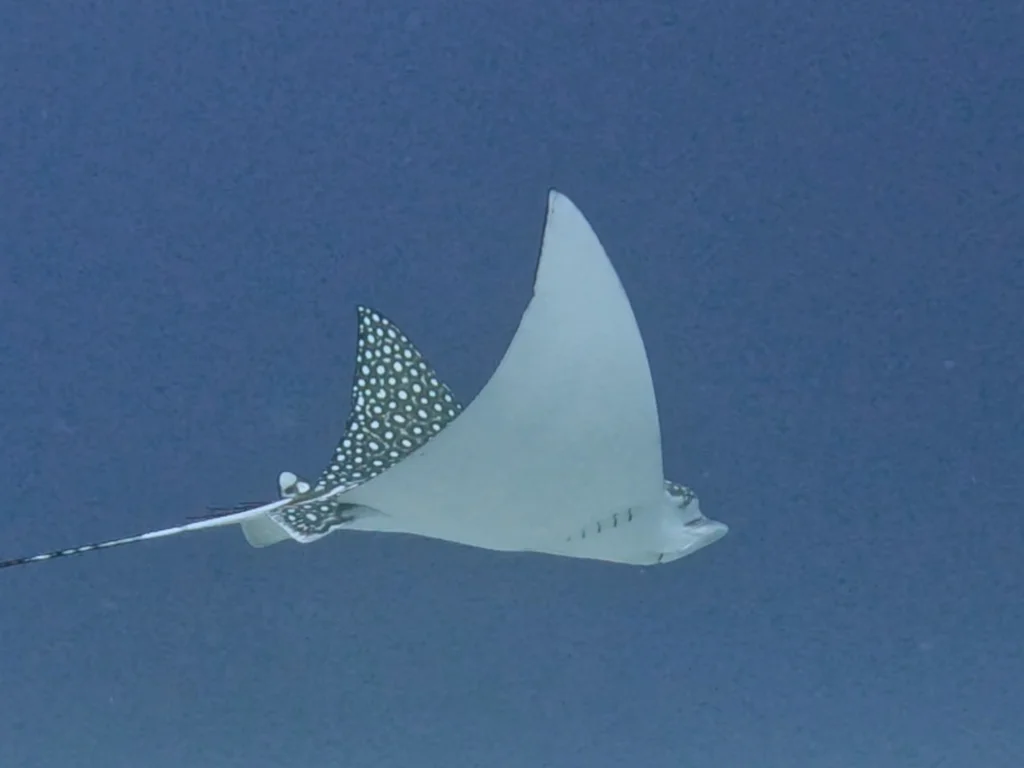
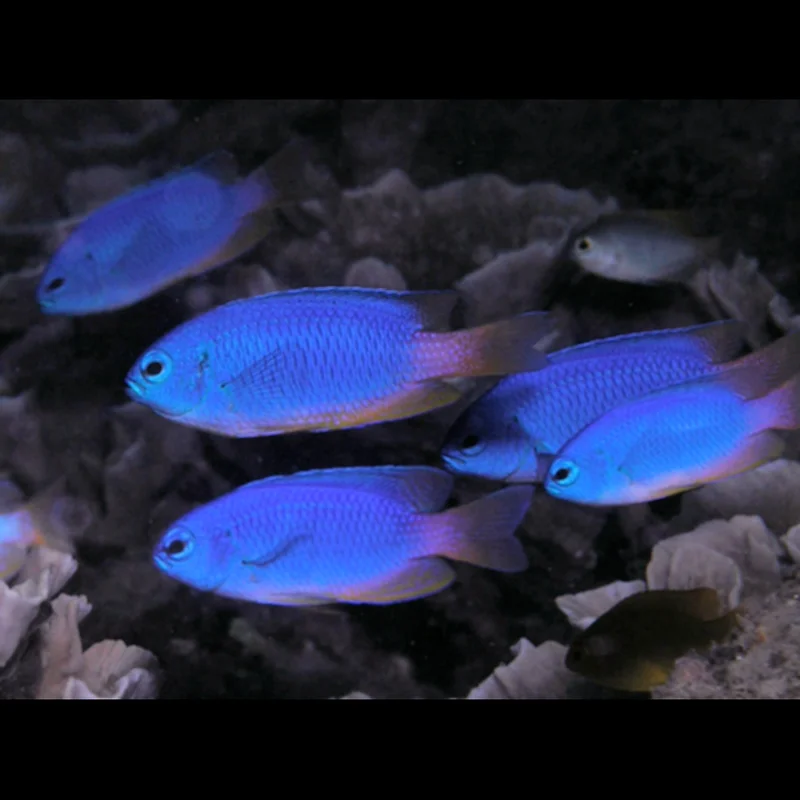
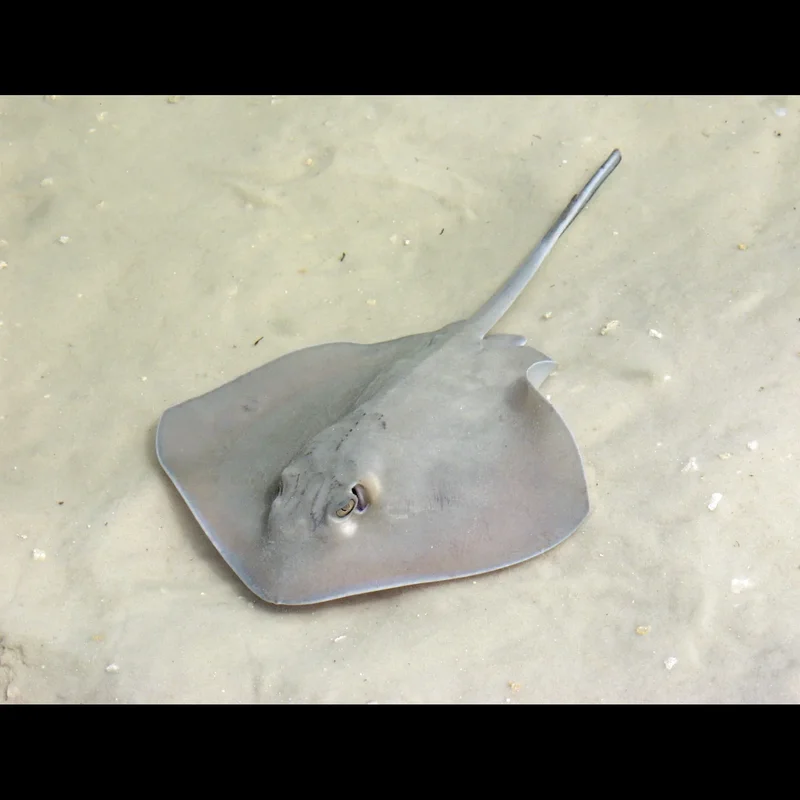
Additionally, the reefs act as important nurseries, meaning juvenile fish are abundant, alongside parrotfish, angelfish, and various damselfish. Spotted eagle rays and stingrays have also been reported to frequent certain areas, adding to the diversity of encounters.
Dive Sites Near BRI3S-21-08
View all dive sites in United StatesDiscover more underwater gems in this area.
Dive Centers Near BRI3S-21-08
Today: 09:00 - 18:00
Nearest Airports
Nearest airports to help plan travel to this dive area.
Search Flights
Check available flights and routes on Expedia, using the nearby airports listed in this section.
Search Flights on Expedia
Plan Your Stay
Looking for a place to stay for your dive trip? Explore hotels, stays, and vacation rentals for dive groups near Anna Maria.
Dive Navigator may earn a commission from these links at no extra cost to you.
Frequently Asked Questions
What is the typical depth range for diving in Key West?
Dive depths in Key West vary significantly, from very shallow reefs around 1.2-3 meters (4-10 ft) that are suitable for snorkelers and new divers, to deeper wreck sites. Wrecks like the USS Spiegel Grove can extend beyond 30 meters (100 ft), while many reefs are found within the recreational depth limits of 12-24 meters (40-80 ft).
Is Key West suitable for beginner divers and snorkelers?
Yes, Key West is highly suitable for beginners and snorkelers. Many reef sites, such as Davey Crocker Reef and Davis Reef, are relatively shallow and offer excellent marine life viewing close to the surface, often protected from strong currents. Dive operators regularly cater to entry-level experiences.
What kind of marine life can I expect to see?
Divers often encounter a diverse array of marine life including large green moray eels, nurse sharks, and various species of sea turtles. The reefs are also home to extensive schools of tropical fish, juvenile fish, parrotfish, angelfish, and occasional sightings of spotted eagle rays or stingrays.
Are there any notable wreck dives in the area?
Several popular wreck dives dot the Key West area. The Cayman Salvager, a local favorite, forms part of the Florida Keys Wreck Trek. Farther afield in the Keys, the USS Spiegel Grove and the USCG Duane are significant artificial reefs, offering extensive penetration opportunities for appropriately trained divers.
What are the water temperatures like in Key West?
Specific water temperature data is not consistently reported for Key West. However, based on air temperatures, waters are generally warmer during the summer months and milder during the winter and spring. It's advisable to check local conditions closer to your dive date for precise information.
Are there strong currents in Key West dive sites?
Current conditions in Key West can vary. While many sites are often protected or have manageable currents, some areas, particularly open reef systems or certain times of year, can experience tricky currents. Always consult with your dive operator for the most up-to-date information on site-specific current predictions.
Planning to dive BRI3S-21-08?
Send one inquiry and receive offers directly from the best verified local dive operators.
Conditions are Good
Optimal conditions expected
Current conditions near BRI3S-21-08 show 25° air, 31° sea temperature, 0.3 m waves, and 23 km/h wind. Forecast data is refreshed regularly to ensure accuracy.