
Diving at Bubbies' Bagpipes (United States)
Bubbies' Bagpipes presents an open ocean diving experience, generally understood to feature a sandy seafloor. Specific structural details, such as distinct coral formations or rock outcrops, are not consistently reported in available dive site data. The site's character is largely defined by its expansive sandy bottom, gently sloping as divers venture into deeper areas. This marine setting offers a focus on the benthic life associated with such environments.
As evening covers Bubbies' Bagpipes, the local air temperature is measured at 25.5°C. The current wave height at the surface is recorded at 0.3 m. These late-day readings characterize the surface conditions for the night.
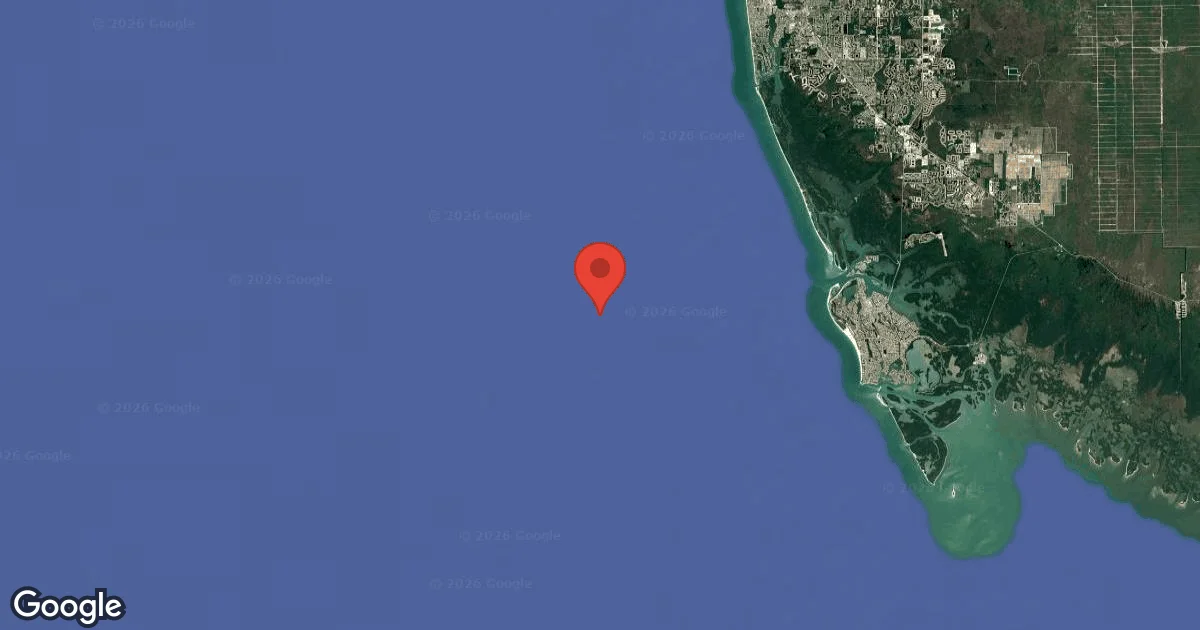
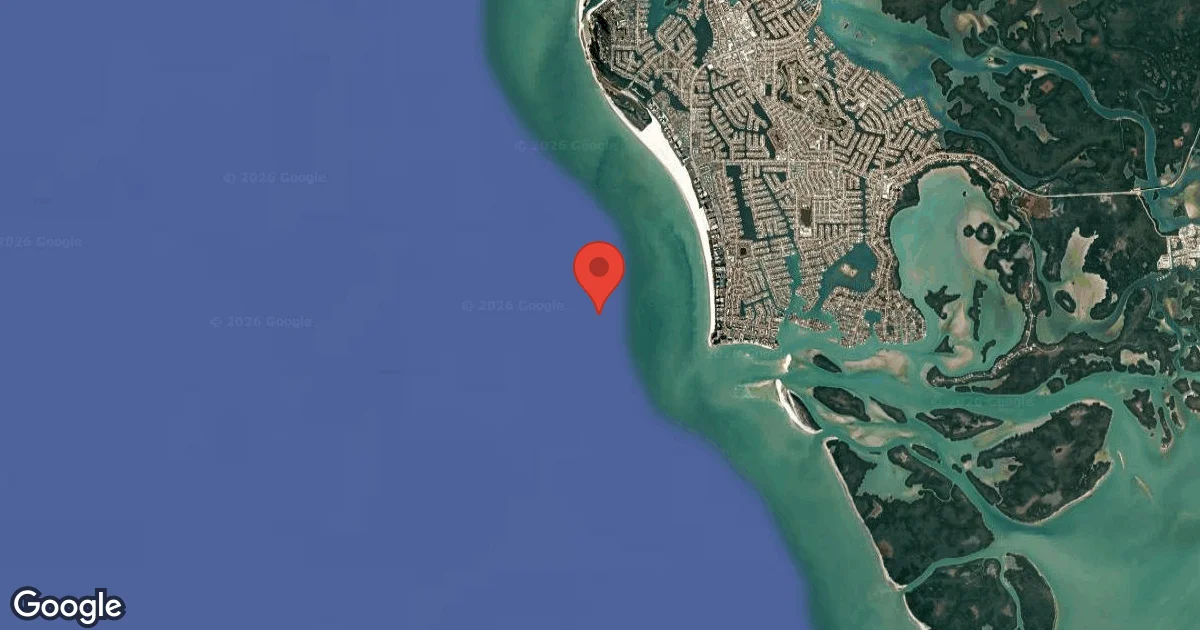
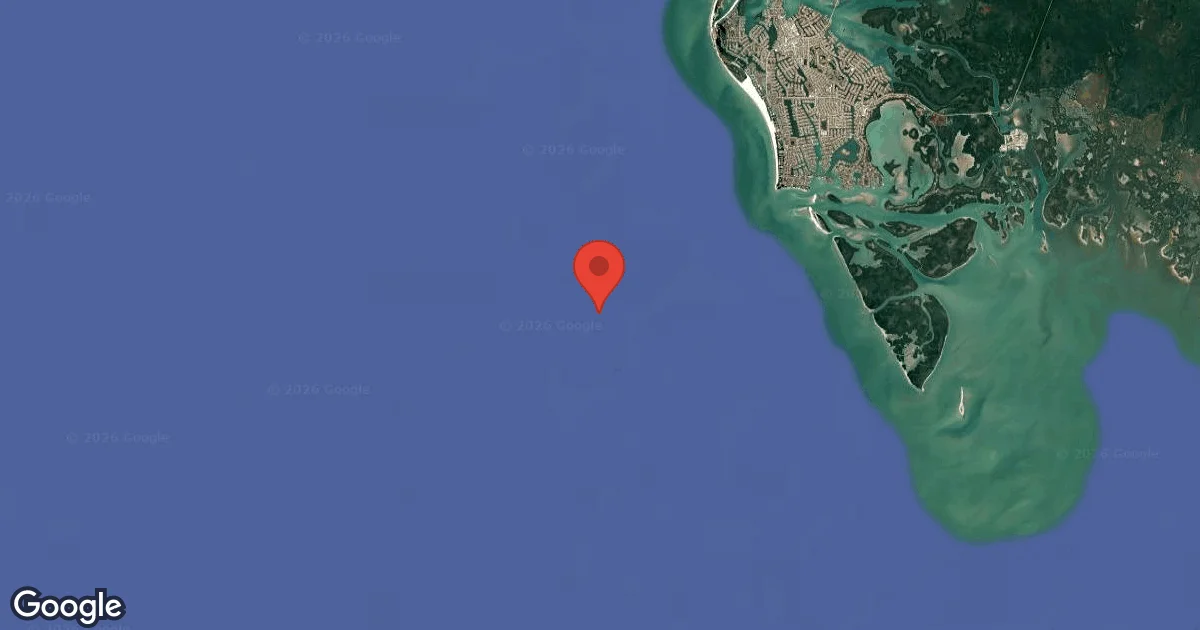
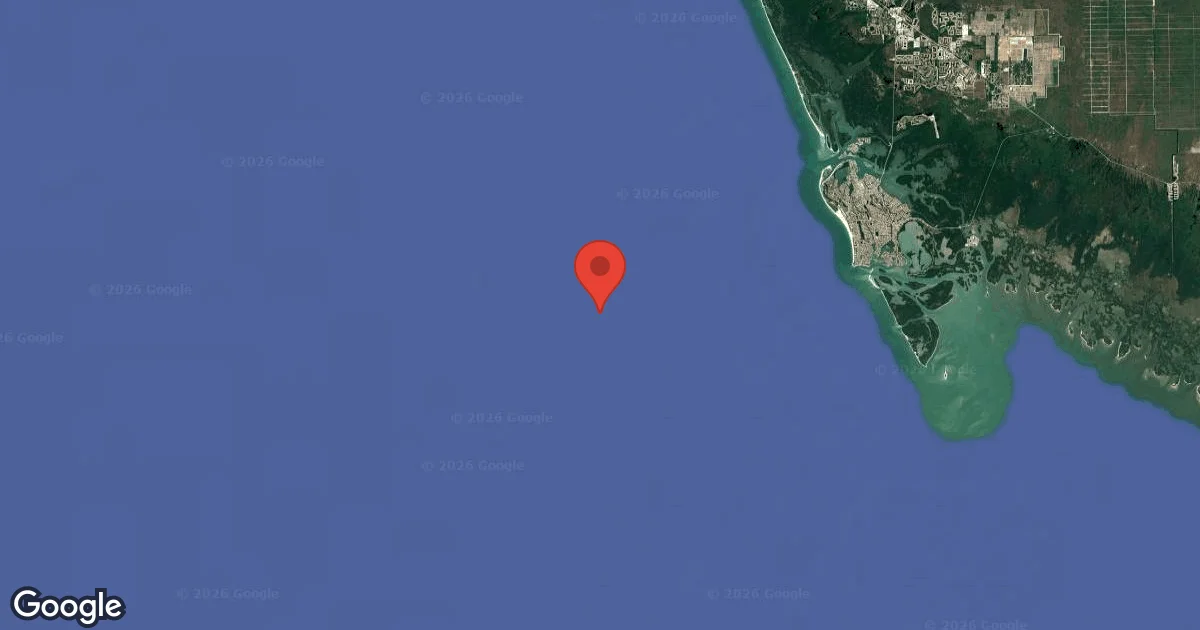
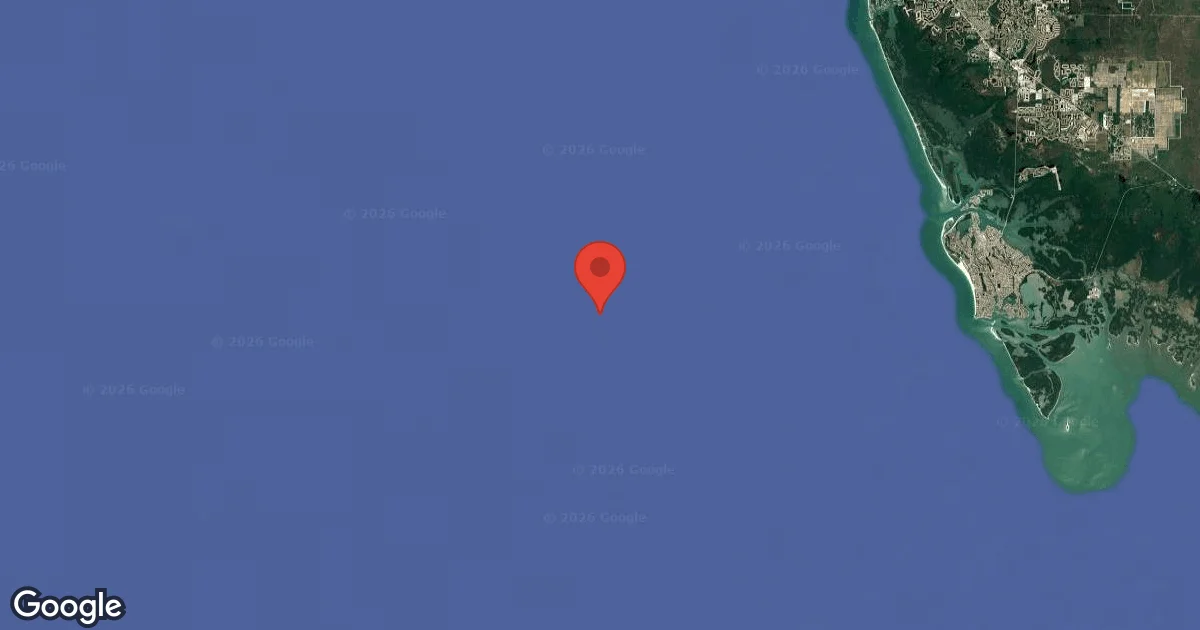
Dive Site Location & Key Facts
Dive Site Overview
An accessible ocean dive awaits at Bubbies' Bagpipes, primarily characterized by its extensive sandy bottom. Without specific reported unique geological formations or distinct structures, the diving experience here tends to center on the subtle details of a less structured marine environment.
Divers exploring this site often engage with the broad expanse of sand, observing smaller, often overlooked inhabitants that thrive in such open conditions. Maximum depths encountered here are within typical recreational limits; specific depth profiles vary based on the exact dive plan. General ocean conditions, including average wave heights and wind speeds, contribute to overall dive suitability throughout the year.
Visibility can range depending on local currents and sediment movement over the sandy substrate. It's a site for divers who appreciate the quieter aspects of the ocean, focusing on macro life or tranquil drift over an expansive seabed.
This setting allows for a different kind of exploration, away from typical reef or wreck dives, where the focus shifts to nuances of a soft-bottom ecosystem. Planning an excursion here requires a flexible approach, as the experience is more about the ambient environment than specific landmarks.
Conditions are Good
Optimal conditions expected
Current conditions near Bubbies' Bagpipes show 26° air, 31° sea temperature, 0.2 m waves, and 22 km/h wind. Forecast data is refreshed regularly to ensure accuracy.
Best Time to Dive
Conditions largely dictate the optimal times for diving at Bubbies' Bagpipes; calmer weather generally offers the most comfortable experience. Climate data indicates warmer air temperatures persist through much of the year, averaging from 17.5°C (64°F) in January to highs around 28°C (82°F) in July and August. These periods often correspond with lower average wave heights, particularly from May through September, suggesting better surface conditions for boat entries and exits. Rainfall, while generally low, shows a slight increase during June, July, and September, which could temporarily affect surface visibility or runoff. However, given the "ocean" tag, direct runoff impacts are less likely. Best dive scores are consistently reported from May to August, reaching 'Excellent' ratings. During these months, wind speeds also tend to be lower, further contributing to favorable diving conditions. While specific water temperatures are not consistently reported, general warm air conditions suggest a reasonable expectation for comfortable water temperatures during these peak months.
PEAK SEASON SCORE
Scores combine air & water temps, waves, wind & rainfall for overall conditions.
BEST MONTHS TO DIVE
Monthly records compiled from satellite and marine observation nodes over the last 3 years. Data provided by Open-Meteo and MET Norway.
Dive Experience & Conditions
Current dynamics at Bubbies' Bagpipes can vary depending on local oceanic patterns and weather systems. While strong currents are not consistently reported as a constant feature, divers should be prepared for potential moderate flows, especially during tidal changes or after significant weather events. Primarily composed of a sandy bottom, the site means stronger currents could potentially stir up sediment, affecting local visibility. Visibility, therefore, isn't always stable and can range, typically from 10 m (33 ft) to 20 m (66 ft) on calmer days, but varies based on these conditions. Depths are within the recreational range. This environment is generally suitable for various skill levels, though comfort with potential drift diving might enhance the experience on days with noticeable currents. Attentiveness to current direction and strength before and during the dive is always a prudent approach here.
Dive Difficulty & Safety Guidelines
Experienced divers approaching Bubbies' Bagpipes should prioritize careful dive planning, especially considering the variability of open ocean conditions. Without specific reported hazards, general ocean diving protocols apply: always check local weather and sea state forecasts before entering the water. Due to the sandy bottom, maintaining good buoyancy control is crucial to avoid stirring up sediment, which can reduce visibility for yourself and others.
Divers should carry appropriate signaling devices for open water, such as a surface marker buoy (SMB) and a whistle, ensuring easy location on the surface. It's also advisable to dive with a reliable buddy and establish clear communication signals.
Pay attention to air consumption and no-decompression limits, particularly when exploring deeper sections of the sandy expanse.
Recommended Equipment
- Dive Computer
This gear list is based on verified equipment signals for Bubbies' Bagpipes, United States. Always confirm final gear choices with your dive operator, guide, or liveaboard.
Recommended Dive Suit
For relaxed exploration dives, dive skin or rash guard generally provides adequate warmth. A hood or vest is suggested for sensitive divers due to surface winds. Those diving at Bubbies' Bagpipes today will likely encounter water temperatures in the region of 31°C (88°F). Surface air temperatures are resting at 26°C (78°F).
Forecast trends indicate similar diving conditions over the next few days.
A diver's personal tolerance to cold water can play a large role in suit selection.
Emergency & Medical Support
Essential information to help you plan your dive trip to Bubbies' Bagpipes.

Hyperbaric chambers are a critical part of dive safety infrastructure. Availability varies significantly by region, and not all dive areas have immediate access.
Before diving, it's recommended to:
- confirm nearest medical facilities
- check emergency procedures with local dive operators
- ensure dive insurance covers evacuation if required
Divers Alert Network
Diving emergency assistance available through DAN World.
+1-919-684-9111- 24/7 emergency hotline
- Diving medical assistance
- Evacuation coordination
Emergency contacts are provided for reference. Always verify local emergency services before diving.
Marine Life at Bubbies' Bagpipes
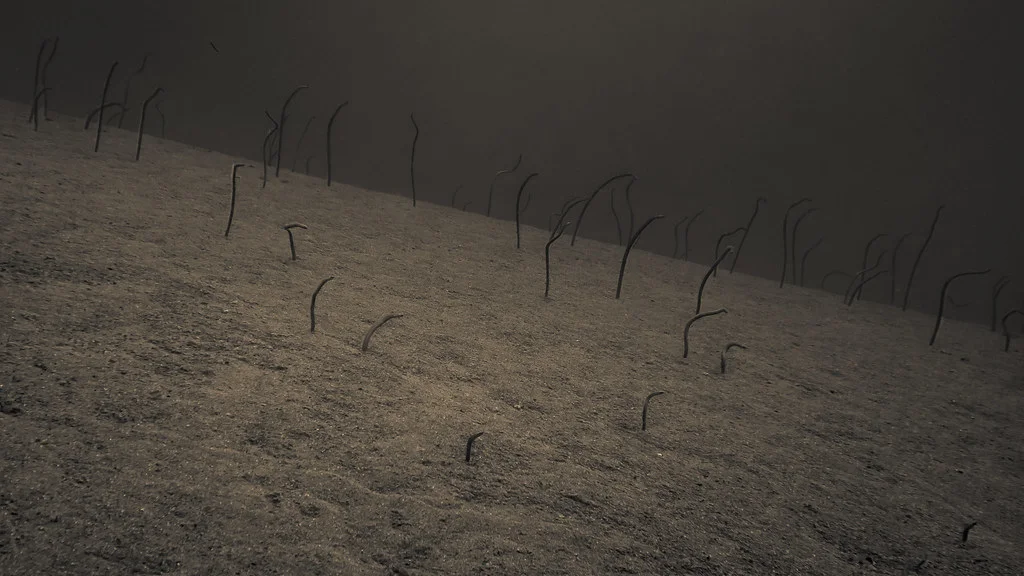
The underwater landscape at Bubbies' Bagpipes, defined by its sandy bottom, encourages a focus on the smaller, often camouflaged marine life adapted to this environment. While specific species sightings are not consistently documented, divers might observe various types of bottom-dwelling creatures such as flounders, rays, or garden eels emerging from the sand.
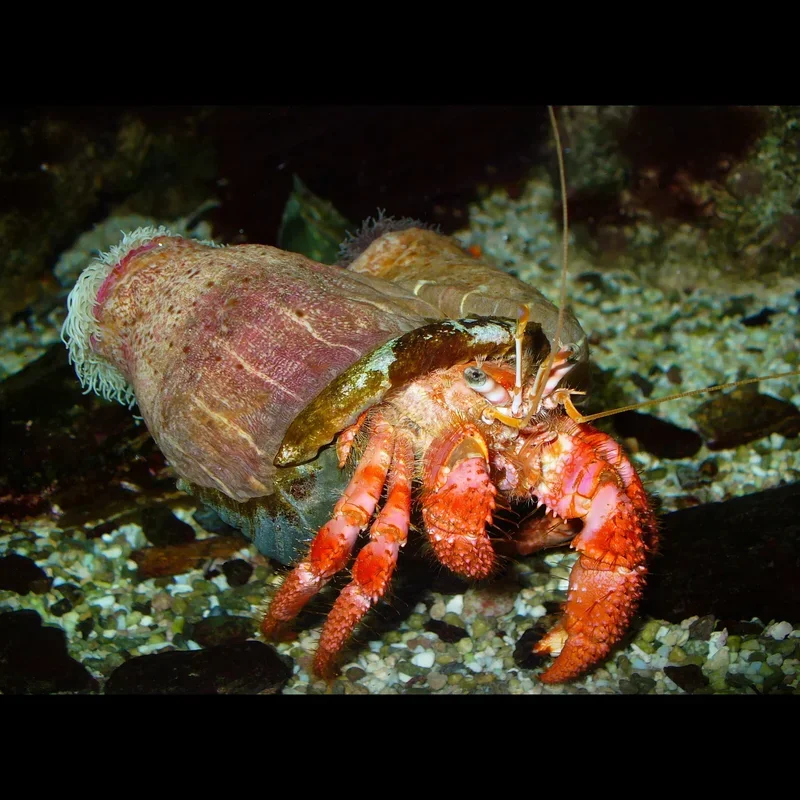
Look closely for hermit crabs, sea stars, and different types of invertebrates that blend seamlessly with the substrate. Occasionally, pelagic species might pass through, adding an element of surprise to an otherwise serene exploration.
The site provides opportunities for macro photography and observing the intricate ecosystems that thrive on less structured seabeds.

Dive Sites Near Bubbies' Bagpipes
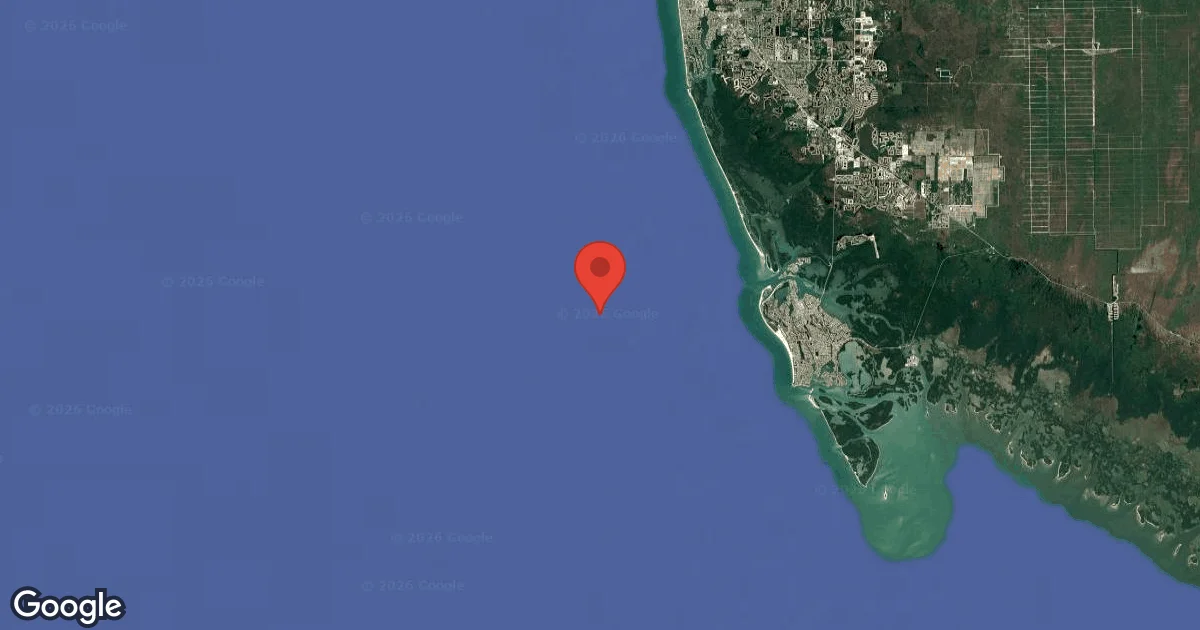
View all dive sites in United StatesDiscover more underwater gems in this area.
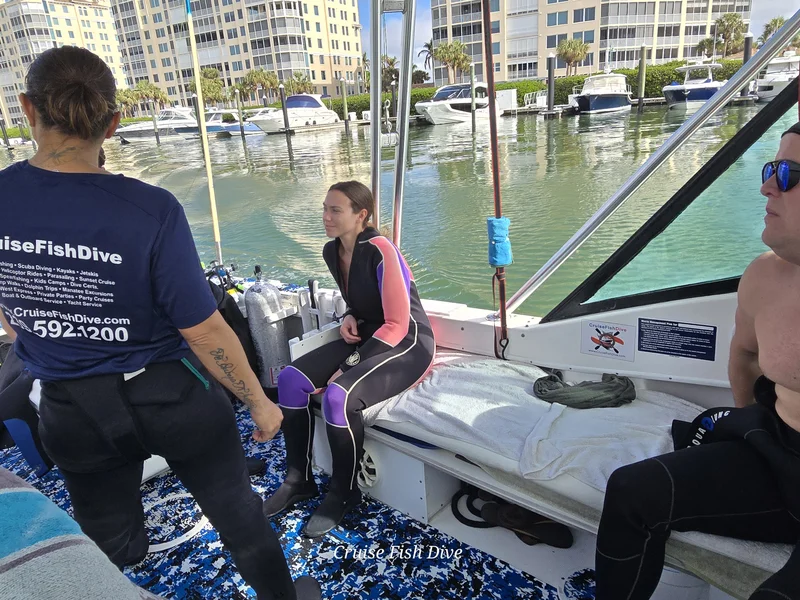
Dive Centers Near Bubbies' Bagpipes

Today: 09:00 - 17:00
Nearest Airports
Nearest airports to help plan travel to this dive area.
Search Flights
Check available flights and routes on Expedia, using the nearby airports listed in this section.
Search Flights on Expedia
Plan Your Stay
Looking for a place to stay for your dive trip? Explore hotels, stays, and vacation rentals for dive groups near Marco.
Dive Navigator may earn a commission from these links at no extra cost to you.
Frequently Asked Questions
What kind of dive site is Bubbies' Bagpipes?
Bubbies' Bagpipes is an open ocean dive site primarily characterized by an expansive sandy bottom. It offers a less structured environment compared to reefs or wrecks, focusing on benthic life.
What are the typical depths at Bubbies' Bagpipes?
Depths at Bubbies' Bagpipes are generally within recreational limits. Divers can expect to explore various shallower sections, with the sandy expanse gradually descending. Specific maximum depths depend on the exact dive plan.
What is the visibility like at Bubbies' Bagpipes?
Visibility at Bubbies' Bagpipes varies, depending significantly on local current activity and sediment disturbance. On calmer days, it can range from 10 m (33 ft) to 20 m (66 ft), but conditions are not consistently stable.
Are there strong currents at the site?
Current dynamics at the site can fluctuate. While consistently strong currents aren't reported, divers should be aware of potential moderate flows, especially during tidal changes or after periods of adverse weather.
What marine life can be expected at Bubbies' Bagpipes?
Due to the sandy bottom, marine life highlights include various bottom-dwelling creatures like flounders, rays, and different invertebrates. While specific species aren't documented, macro observation opportunities are present for camouflaged animals.
When is the best time to dive here?
The best time to dive is typically from May to August, when air temperatures are warmer and wave heights are lower. Dive scores during these months often rate as 'Excellent', indicating generally favorable conditions.
Is specialized equipment needed?
Standard open water diving equipment is recommended. Divers should also consider bringing a surface marker buoy (SMB) and a dive computer to manage depths and ensure visibility on the surface in open ocean conditions.
Planning to dive Bubbies' Bagpipes?
Send one inquiry and receive offers directly from the best verified local dive operators.
Conditions are Good
Optimal conditions expected
Current conditions near Bubbies' Bagpipes show 26° air, 31° sea temperature, 0.2 m waves, and 22 km/h wind. Forecast data is refreshed regularly to ensure accuracy.