
Diving at Third Reef (United States)
Successfully navigating Third Reef requires more than just good buoyancy; it demands an understanding of variable currents and the reef's unique topography. Divers can expect a rewarding experience, but preparing for a drift dive is essential here. The site presents a continuous stretch of broken reef, where planning your entry and exit points becomes crucial. While its recreational depths are inviting, monitoring conditions is key to an enjoyable and safe exploration.
As evening covers Third Reef, the local air temperature is measured at 27°C. The current wave height at the surface is recorded at 0.2 m. These late-day readings characterize the surface conditions for the night.
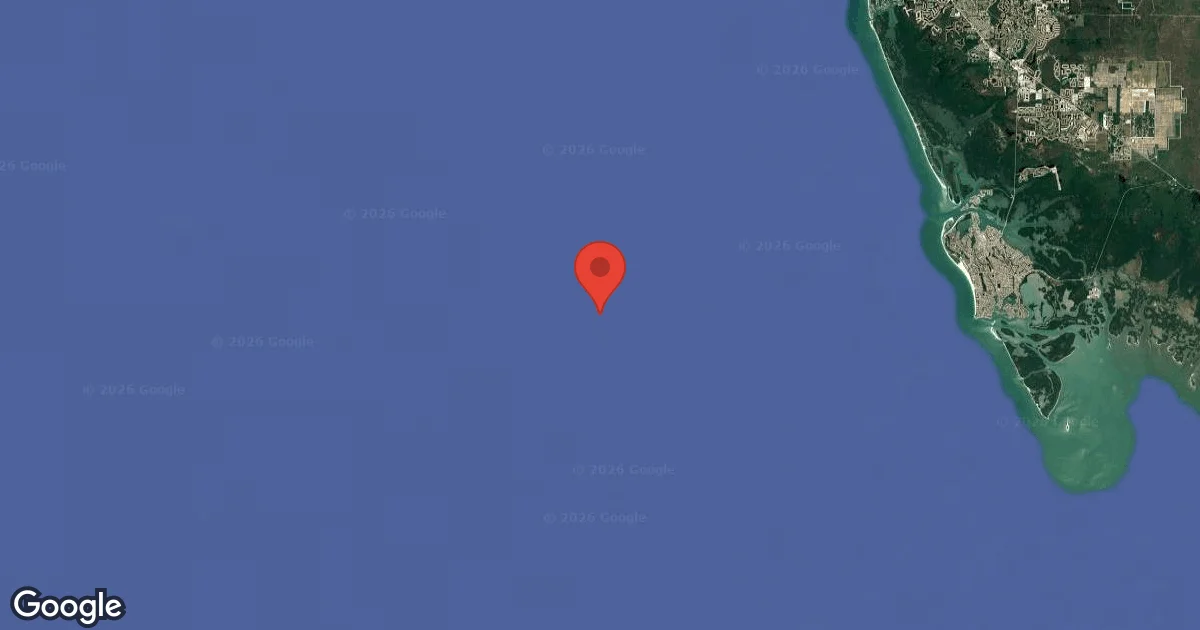
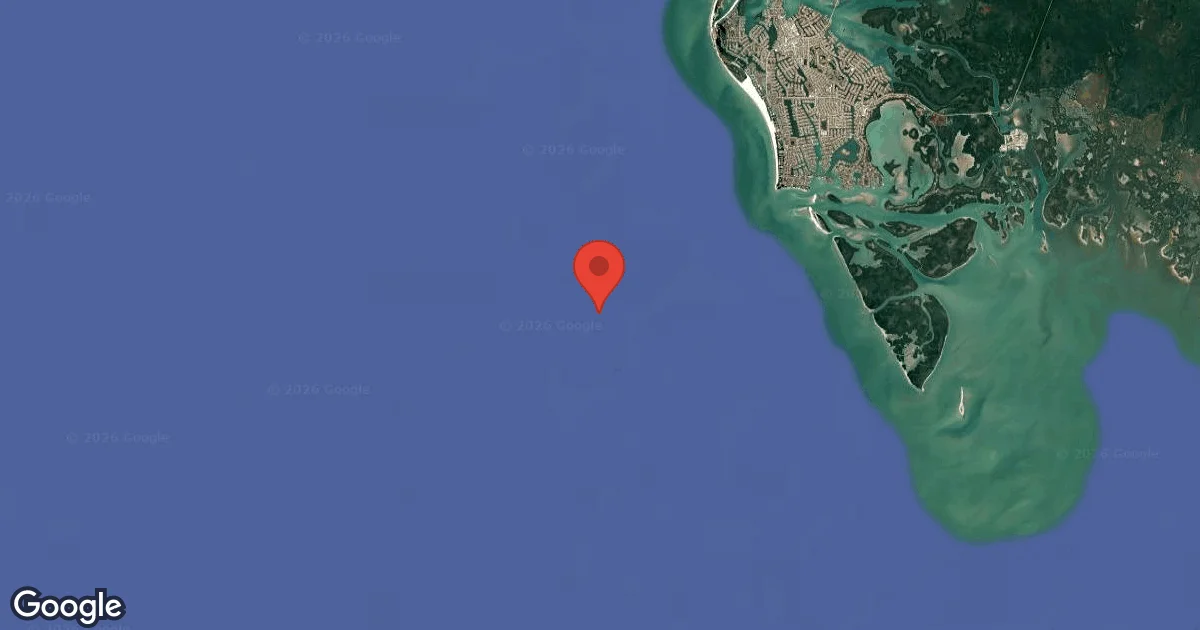
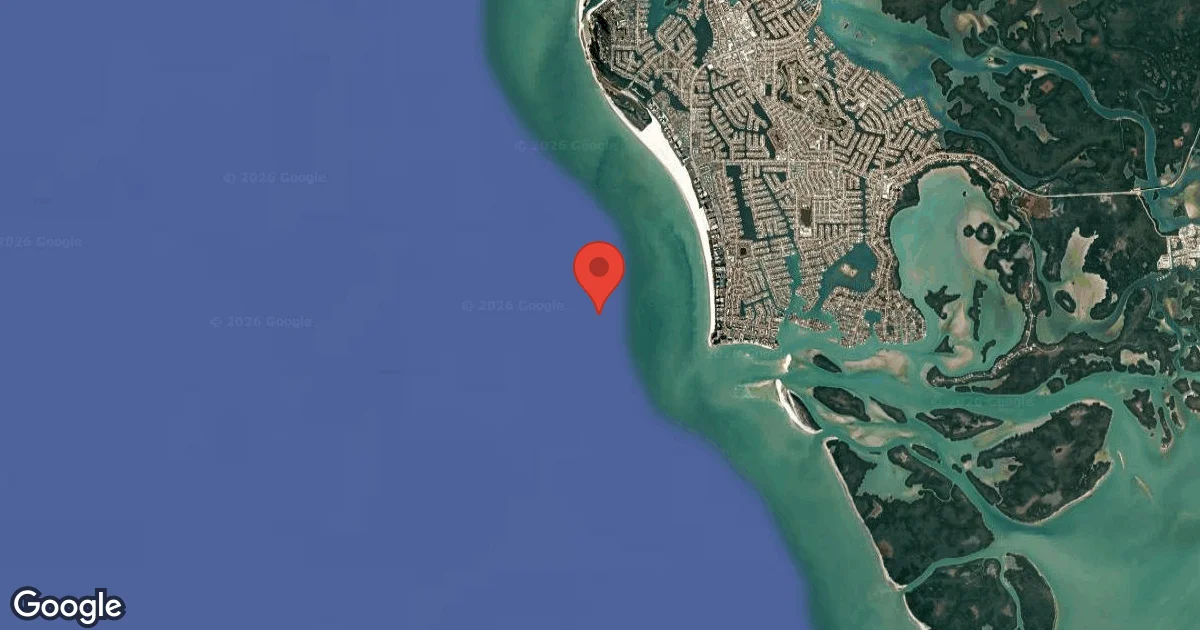
Dive Site Location & Key Facts
Dive Site Overview
Imagine gliding along a dynamic underwater landscape, where the current becomes your silent guide. Third Reef, particularly its Pompano stretch, invites divers into an expansive drift experience across a broken reef system.
This outer reef environment features distinct cliffs and ledges, creating abundant shelter for marine inhabitants. Depths generally range within typical recreational limits, typically between 12 to 18 meters (40 to 60 ft), making it accessible for open water certified divers. The reef's structure provides numerous nooks and crannies to explore.
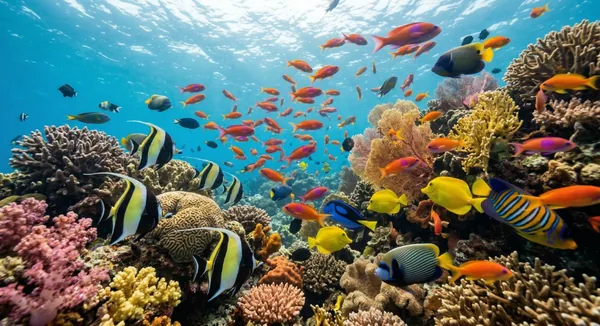
It's common to encounter vibrant corals, intricate basket sponges, and delicate sea whips and fans adorning the rock faces. Certain areas are known for deeper crevices that can harbor lobsters, and large grouper are occasionally spotted along the eastern ledge, especially in the collapse features.
While the natural reef offers diverse structures, other "Third Reef" locations, such as those off Marco Island, consist of artificial concrete blocks and culverts, providing large vertical habitats often favored by Goliath grouper. These varied structures ensure there's always something new to discover, adapting your dive plan to the specific section and current conditions you encounter.
Conditions are Good
Optimal conditions expected
Current conditions near Third Reef show 27° air, 31° sea temperature, 0.3 m waves, and 34 km/h wind. Forecast data is refreshed regularly to ensure accuracy.
Best Time to Dive
Optimal diving at Third Reef often contrasts between the calmest waters and slightly cooler, drier air. The period from May through September generally offers the calmest ocean conditions, with average wave heights dropping as low as 0.3-0.5 meters (1.0-1.6 ft) and wind speeds lessening to 20-25 km/h (12-15 mph). May stands out as an excellent month for diving, with air temperatures averaging around 26.5°C (80°F) and minimal rainfall, approximately 1.25 mm. Conversely, the winter and early spring months, from January to April and November to December, maintain a 'Good' dive score but typically present choppier conditions. During these times, wave heights can average between 0.7-0.9 meters (2.3-3.0 ft) and wind speeds often increase to 26-30 km/h (16-19 mph). Air temperatures during these cooler months range from 18-24°C (65-75°F), accompanied by consistently low rainfall. Divers should be aware that water temperature data is not consistently reported for this specific site, but generally follows regional trends. Planning for the calmer summer months is often preferred for more comfortable surface and underwater experiences, although the drier winter brings its own appeal.
PEAK SEASON SCORE
Scores combine air & water temps, waves, wind & rainfall for overall conditions.
BEST MONTHS TO DIVE
Monthly records compiled from satellite and marine observation nodes over the last 3 years. Data provided by Open-Meteo and MET Norway.
Dive Experience & Conditions
Typically, divers descending into Third Reef encounter a moderate current that defines it as a drift dive, guiding exploration along the extensive outer reef. Visibility varies depending on recent weather and current patterns, but generally allows for good appreciation of the reef structure. Depths at this site range from approximately 12 to 18 meters (40 to 60 ft), placing it comfortably within recreational limits for Open Water certified divers. A broken reef landscape features distinct cliffs and ledges that provide shelter for marine life. Moving along, divers will notice intricate coral formations, expansive basket sponges, and delicate whips. Navigation along the eastern ledge, which faces west, often proves most productive, particularly within its collapse features. Depending on the current, one might start a dive at either the north hook or a collapse opening at the south end, allowing water flow to direct exploration. Continuous awareness of position and water flow is essential in this dynamic environment.
Dive Difficulty & Safety Guidelines
Approaching Third Reef safely demands a clear understanding of its prevalent drift conditions. Strong currents can develop, requiring divers to possess solid buoyancy control and drift diving experience. It's crucial to plan your dive with a boat crew experienced in local currents, ensuring proper entry and exit procedures.
Always carry a surface marker buoy (SMB) to signal your position to the surface vessel, especially given the potential for drift. Maintaining situational awareness throughout the dive is paramount.
Be mindful of your dive profile, as the reef features ledges and crevices that can alter your depth unexpectedly. While there are no specific hazards consistently reported, prudent diving practices, such as diving within your certification limits and having a reliable buddy, are essential.
Consider a PADI Drift Diver specialty course to enhance your skills before visiting, preparing you for the unique flow of this reef.
Recommended Equipment
- Dive Computer
- DSMB
This gear list is based on verified equipment signals for Third Reef, United States. Always confirm final gear choices with your dive operator, guide, or liveaboard.
Recommended Dive Suit
Divers planning relaxed exploration may appreciate the warmth of dive skin or rash guard. Divers often notice that perceived temperature can feel cooler during deeper or longer dives.
The waters surrounding Third Reef are currently maintaining temperatures close to 31°C (88°F). Surface air temperatures are resting at 27°C (80°F).
Conditions are expected to stay fairly consistent in the days ahead.
Emergency & Medical Support
Essential information to help you plan your dive trip to Third Reef.

Hyperbaric chambers are a critical part of dive safety infrastructure. Availability varies significantly by region, and not all dive areas have immediate access.
Before diving, it's recommended to:
- confirm nearest medical facilities
- check emergency procedures with local dive operators
- ensure dive insurance covers evacuation if required
Divers Alert Network
Diving emergency assistance available through DAN World.
+1-919-684-9111- 24/7 emergency hotline
- Diving medical assistance
- Evacuation coordination
Emergency contacts are provided for reference. Always verify local emergency services before diving.
Marine Life at Third Reef
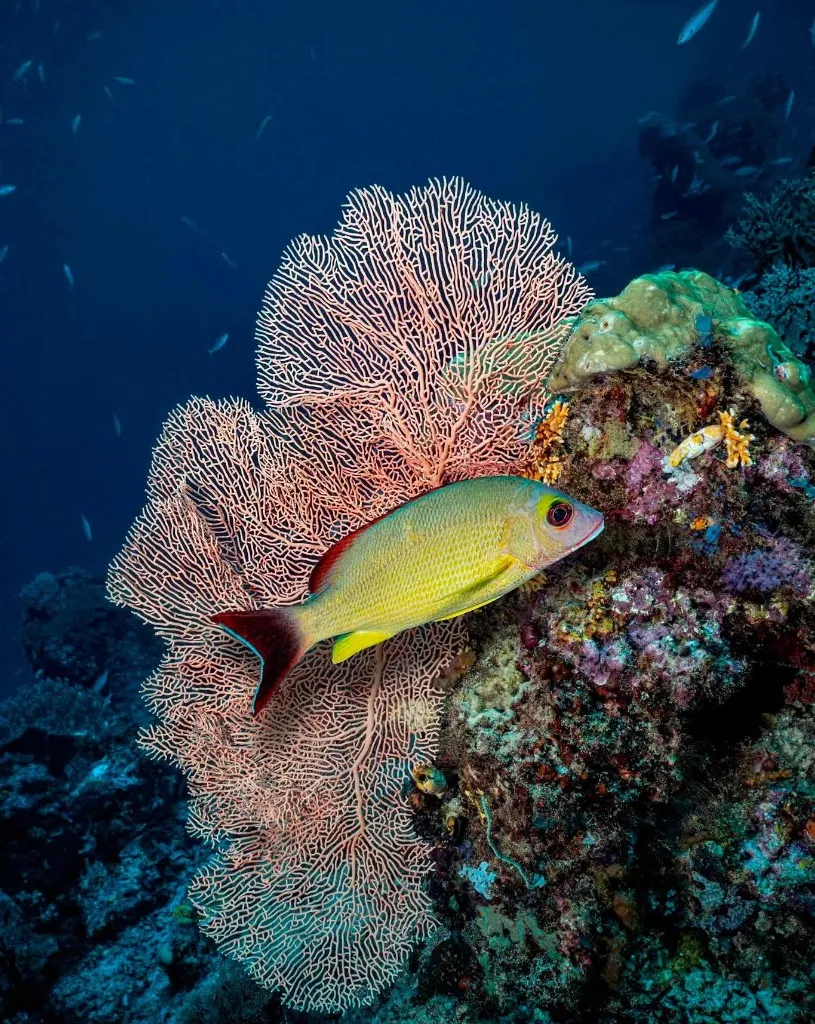
What you'll first notice at Third Reef are the myriad of smaller reef inhabitants darting amongst the coral and sponge formations. Snappers are a common sight, often schooling near ledges, while various wrasse species can be observed meticulously foraging along the reef.
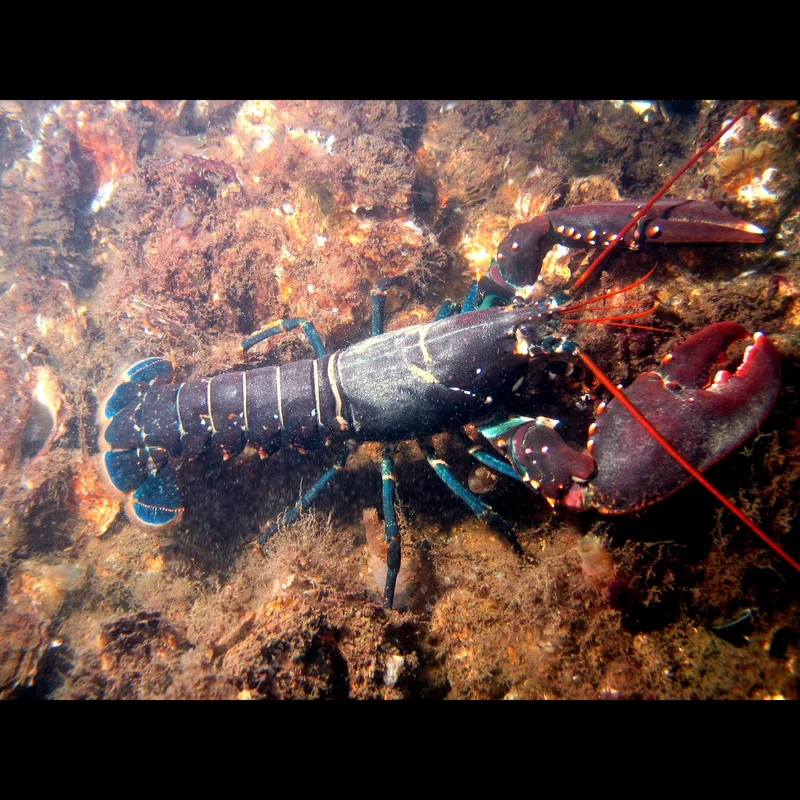
Beyond these consistent residents, the deeper crevices and outer edges provide excellent cover for other life. Keep an eye out for lobsters tucked away in the ledges.
Occasionally, large grouper make an appearance along the exterior of the reef system, providing an impressive encounter. For those exploring the artificial reef sections found elsewhere in the "Third Reef" program, the sheer size of Goliath grouper can be astounding, often found resting within the concrete culverts. A dive light is helpful to illuminate the interior of these structures and reveal the smaller, shyer fish hiding within.
Dive Sites Near Third Reef
View all dive sites in United StatesDiscover more underwater gems in this area.
Dive Centers Near Third Reef

Today: 09:00 - 17:00
Nearest Airports
Nearest airports to help plan travel to this dive area.
Search Flights
Check available flights and routes on Expedia, using the nearby airports listed in this section.
Search Flights on Expedia
Plan Your Stay
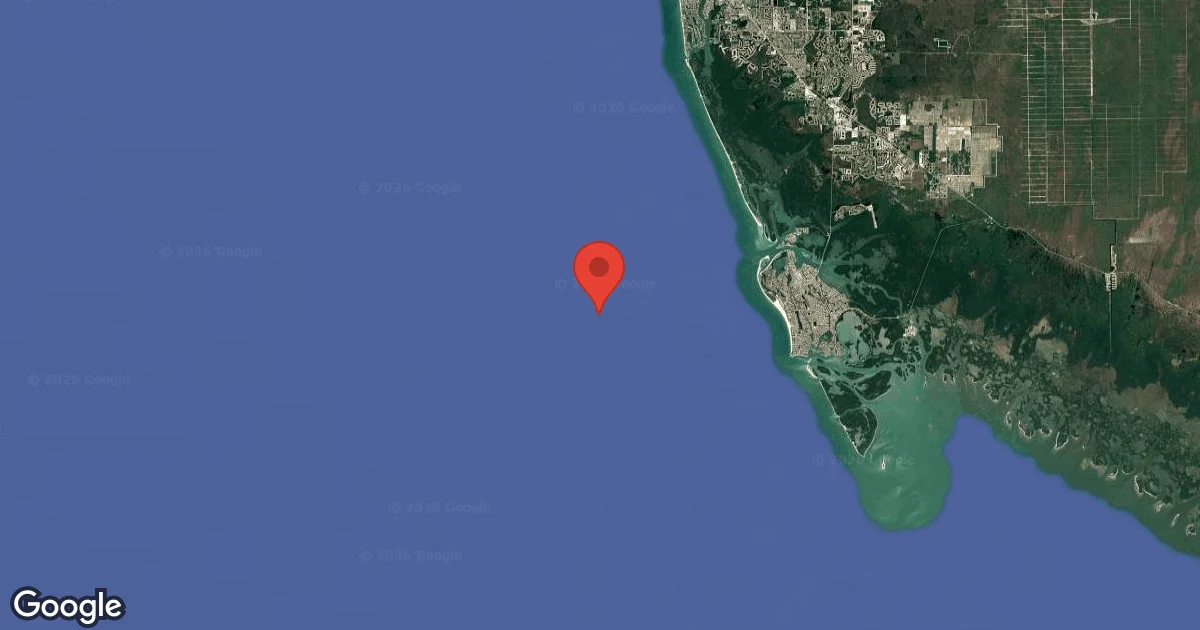
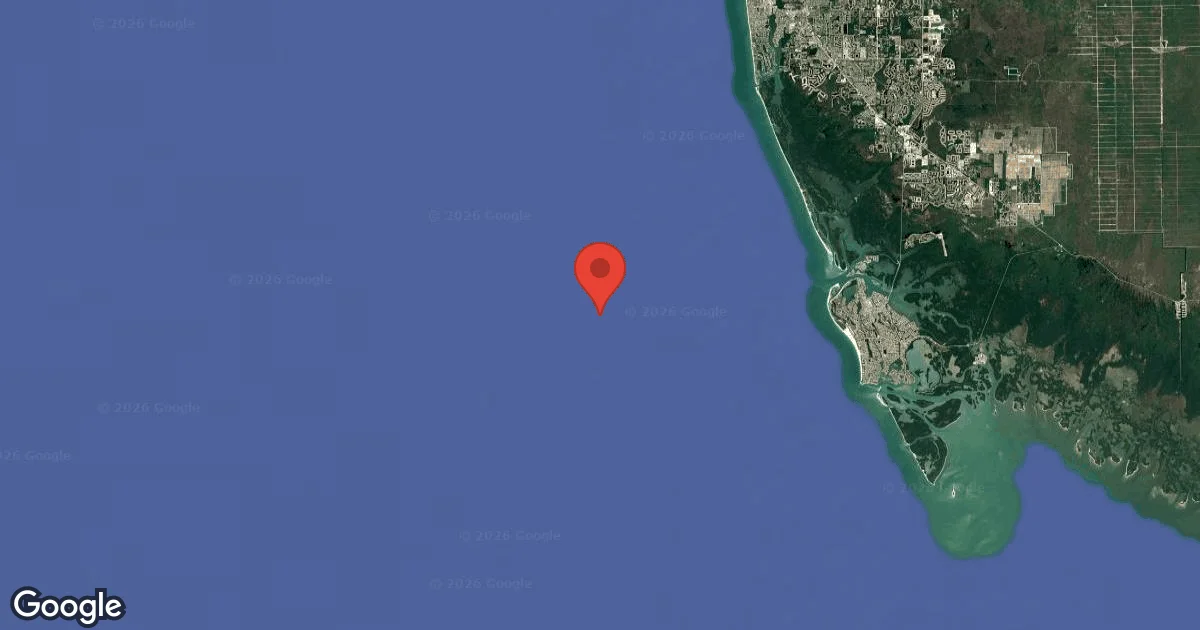
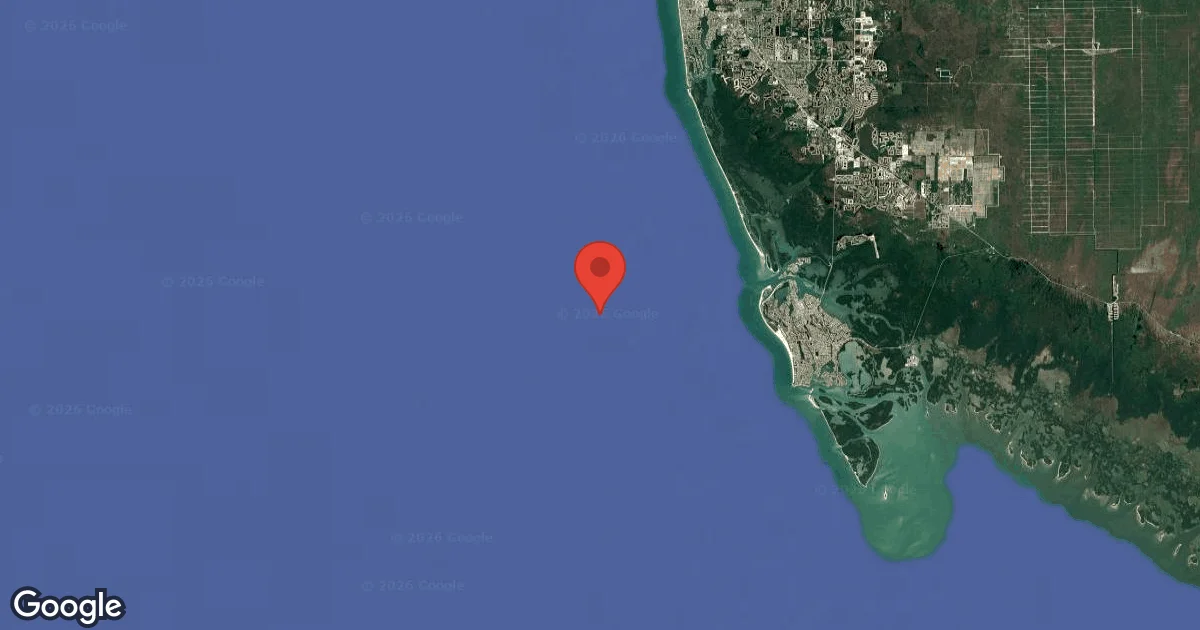
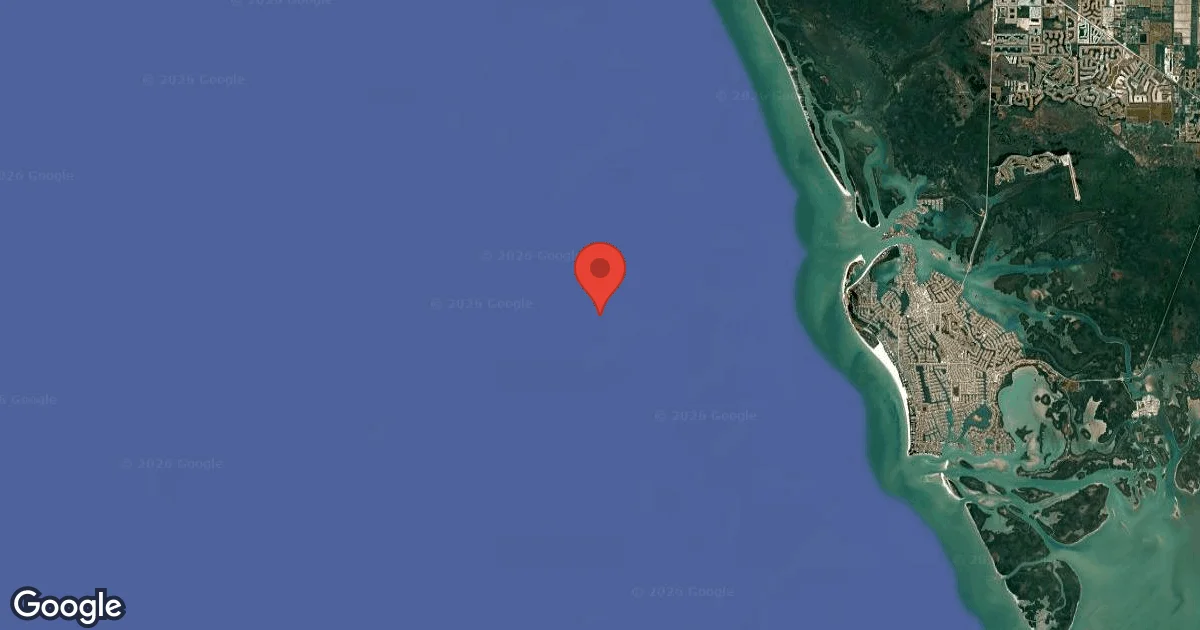
Looking for a place to stay for your dive trip? Explore hotels, stays, and vacation rentals for dive groups near Marco Island.
Dive Navigator may earn a commission from these links at no extra cost to you.
Frequently Asked Questions
Is Third Reef suitable for beginners?
Third Reef is generally recommended for Open Water certified divers with some experience, especially since it often involves a drift dive. Strong currents can be present, which requires good buoyancy control and situational awareness.
What is the typical depth range for diving at Third Reef?
The depths at Third Reef typically range from around 12 to 18 meters (40 to 60 ft). This makes it suitable for most recreational divers.
Are there specific marine life to look for?
Divers often encounter snapper and various wrasse species throughout the reef. Larger grouper are occasionally spotted along the deeper ledges, and some sections also provide shelter for lobsters.
How is navigation handled on a drift dive at Third Reef?
Navigation primarily involves allowing the current to guide you along the reef. Boat support is essential for drop-off and pick-up, and divers should carry a surface marker buoy to indicate their position.
What kind of reef structure can I expect?
The Pompano section of Third Reef is characterized as a broken, natural reef with cliffs, coral, basket sponges, and sea fans. Other "Third Reef" locations, like those off Marco Island, include artificial structures like concrete blocks and culverts.
What are the average water conditions?
Water temperature data is not consistently reported for Third Reef. However, air temperatures range from 18-29°C (65-84°F) throughout the year, with calmer surface conditions generally occurring from May to September.
Do I need a dive light for this site?
While not strictly necessary for general visibility on the natural reef, a dive light is highly recommended, particularly for peering into crevices where lobsters or other shy marine life might hide. It's also essential when exploring artificial structures like culverts.
Planning to dive Third Reef?
Send one inquiry and receive offers directly from the best verified local dive operators.
Conditions are Good
Optimal conditions expected
Current conditions near Third Reef show 27° air, 31° sea temperature, 0.3 m waves, and 34 km/h wind. Forecast data is refreshed regularly to ensure accuracy.