
Diving at First Reef (United States)
First Reef, known as the Two Nautical Mile Reef, holds a significant historical role within the Collier County Artificial Reef Program. Initially deployed in the 1970s, this site was expanded with additional structures as recently as 1997. It represents an early and ongoing effort to create diverse underwater habitats using concrete materials and boulders.
Evening condition tracking at First Reef features an air temperature of 24°C. We have recorded wave heights measuring 0.1 m during this period. These figures outline the environmental parameters currently present.
Dive Site Location & Key Facts
Dive Site Overview
A collection of shallow artificial reef structures defines the First Reef dive site, forming a diverse underwater landscape primarily composed of various concrete materials and boulders. These formations are distributed across several distinct dive areas, notably First Reef Culverts, First Reef Rocks, and Caxambas Piles, each contributing unique elements to the submerged topography.
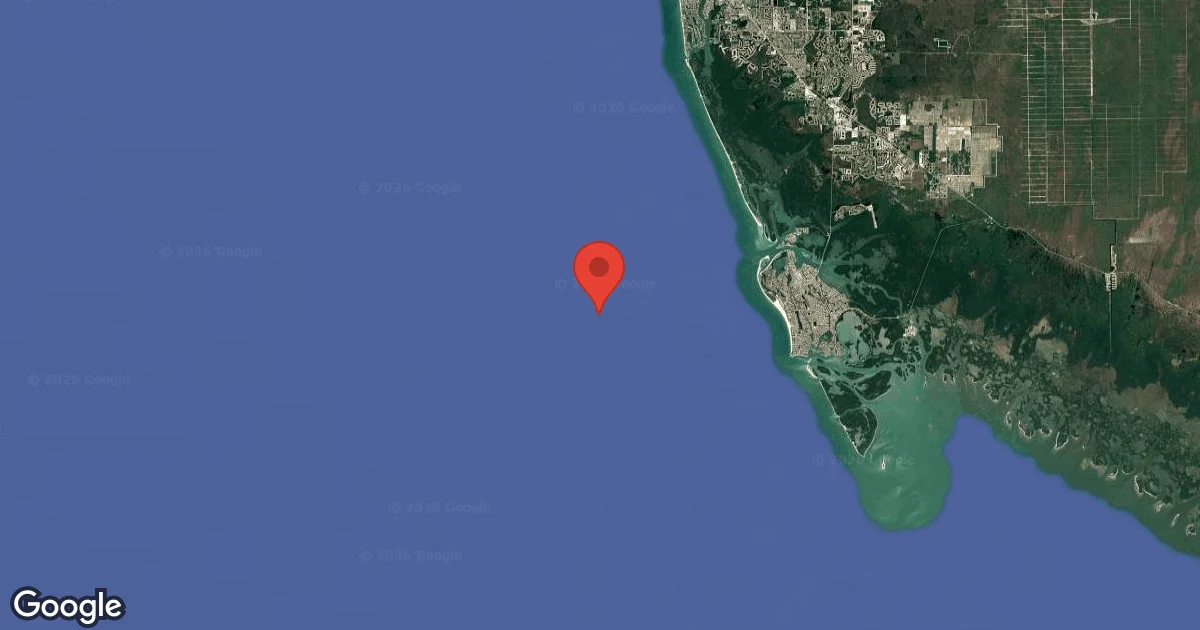
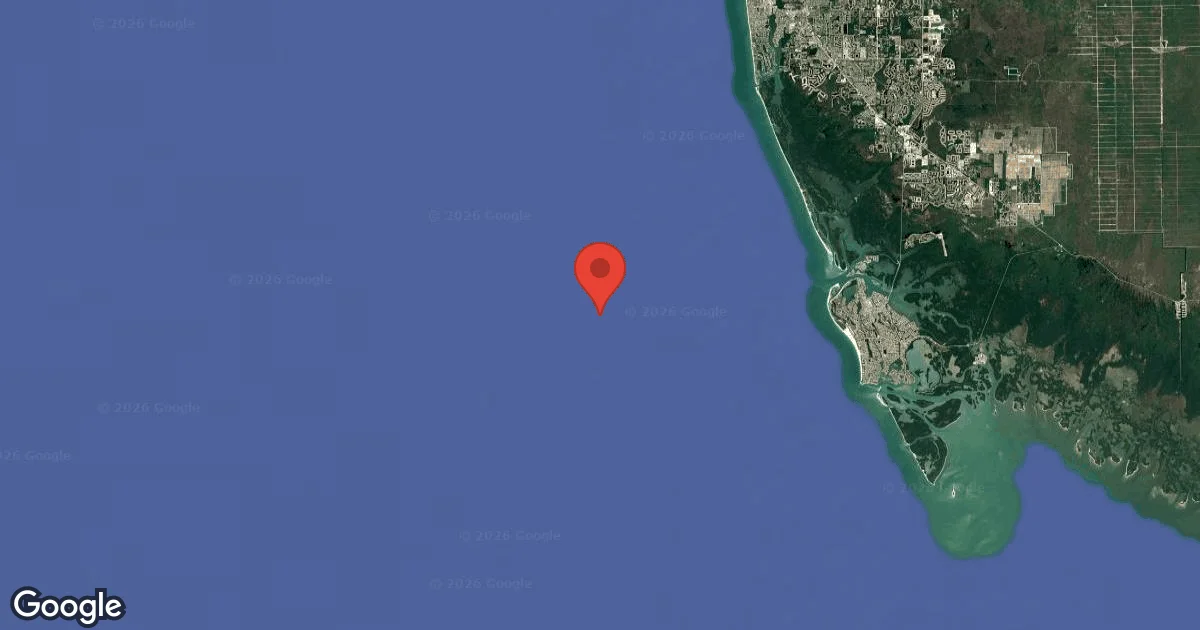
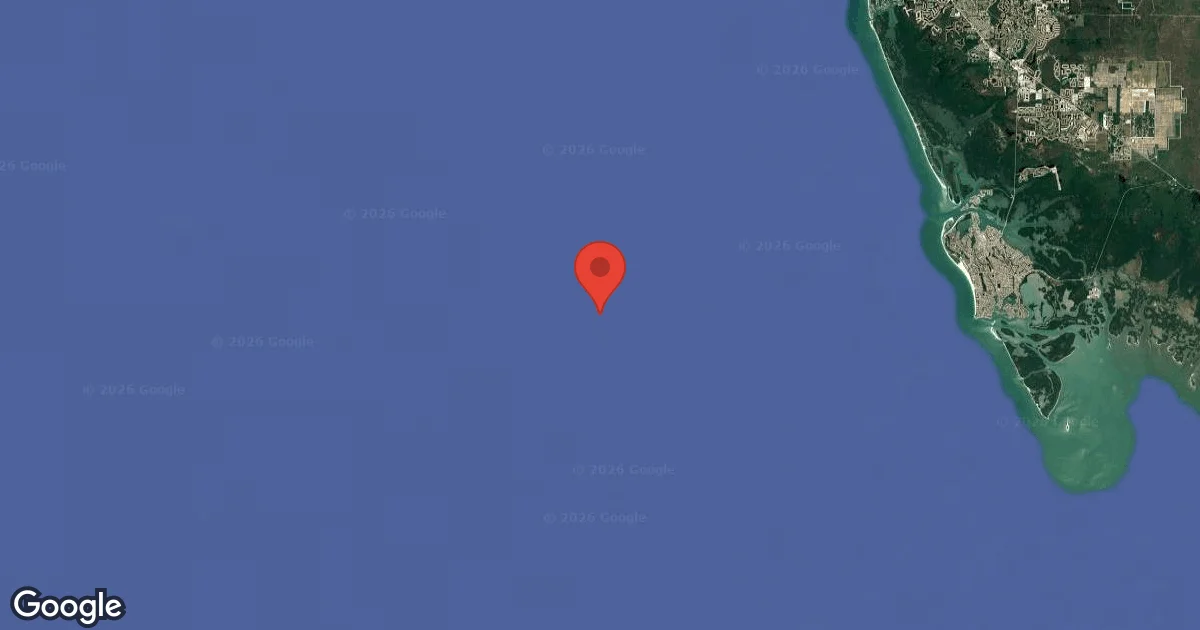
Located only a couple of miles out of Caxambas Pass, these scattered structures create numerous pockets of shelter and feeding grounds, significantly enriching the local marine ecosystem. Initial deployment of these structures began in the 1970s, with additions as late as 1997, aiming to compensate for limited natural offshore reef. At a maximum depth of 7 meters (23 feet), the site remains well within recreational diving limits, suitable for Open Water certified divers.
This shallow depth permits extended bottom times and relaxed exploration of the various concrete elements, many of which have become heavily encrusted with soft corals and sponges over decades. Artificial habitats like these are designed to foster biodiversity, providing essential refuge for a wide variety of fish species and invertebrates.
Structures range from large, scattered boulders to more defined culvert sections, creating swim-throughs and overhangs for curious divers to investigate. Sandy bottoms often surround these rocky outcrops, creating a contrasting environment that supports different forms of marine life.
Conditions are Good
Optimal conditions expected
Current conditions near First Reef show 24° air, 30° sea temperature, 0.2 m waves, and 21 km/h wind. Forecast data is refreshed regularly to ensure accuracy.
Best Time to Dive
Visibility at First Reef often dictates the best time to dive, as conditions close to shore rarely improve beyond 4.5 meters (15 feet). During the peak summer months, from May through September, the site generally experiences calmer conditions, with wave heights often remaining below 0.5 meters (1.6 feet). This period typically aligns with the highest dive scores. Air temperatures are also at their warmest, ranging from 26-28°C (79-82°F), making surface intervals comfortable. While rain incidence increases slightly during these warmer months, particularly from June to September, wind speeds tend to be lower, which can help maintain clearer water by reducing surface chop and sediment disturbance. For those prioritizing milder air temperatures and fewer rainy days, spring (March-May) and fall (October-November) also offer good diving opportunities, with air temperatures around 21-25°C (70-77°F). However, any significant rain or sustained winds can quickly reduce underwater visibility, making local conditions on the day of your dive a critical factor.
PEAK SEASON SCORE
Scores combine air & water temps, waves, wind & rainfall for overall conditions.
BEST MONTHS TO DIVE
Monthly records compiled from satellite and marine observation nodes over the last 3 years. Data provided by Open-Meteo and MET Norway.
Dive Experience & Conditions
Current dynamics at First Reef can vary, particularly given its proximity to Caxambas Pass. Divers should be prepared for potential mild to moderate currents, which can influence drift and bottom time depending on tidal movements. Entry to all dive sites here is exclusively by boat, requiring careful attention to safe entry and exit procedures around the vessel. This is a consistently shallow site, with a maximum depth of 7 meters (23 feet). Maintaining excellent buoyancy control is crucial for protecting the delicate soft corals and preventing sediment from being stirred up, which could further reduce visibility. While an Open Water Diver certification is the minimum requirement, Advanced Open Water and Nitrox certifications are highly recommended. Advanced training helps hone navigation skills, which are useful on an artificial reef, while Nitrox can provide extended bottom time for repeated explorations, even at these shallower depths. Overall visibility in this nearshore environment rarely exceeds 4.5 meters (15 feet), demanding a focus on close observation.
Dive Difficulty & Safety Guidelines
While First Reef doesn't present specific, unique hazards beyond general diving risks, divers must always prioritize vigilant surface awareness due to boat traffic in the vicinity of Caxambas Pass. Deploying a surface marker buoy (SMB) upon ascent is a wise practice to alert passing vessels to your presence. Given the shallow depths, careful buoyancy control is essential to prevent accidental contact with the artificial structures or stirring up the sandy bottom, which can quickly diminish the already limited visibility.
Minimum certification for this site is Open Water Diver. However, Advanced Open Water training is highly recommended for enhancing navigational skills, crucial for navigating the various reef structures.
Nitrox certification is also suggested if you plan for multiple, longer dives, enabling safer extended bottom times. Always check local weather forecasts before planning a trip, as dive operators will reschedule as needed for unfavorable conditions, ensuring safety remains paramount.
Recommended Equipment
- Dive Computer
- DSMB
This gear list is based on verified equipment signals for First Reef, United States. Always confirm final gear choices with your dive operator, guide, or liveaboard.
Recommended Dive Suit
Short-term weather patterns suggest stable conditions for divers visiting the area.
Some divers prefer slightly warmer exposure protection simply for additional comfort.
Dive skin or rash guard usually works well for maintaining comfort during standard dive profiles in these conditions. The latest environmental readings for First Reef suggest water temperatures around 30°C (87°F). Surface air temperatures are resting at 24°C (75°F).
Emergency & Medical Support
Essential information to help you plan your dive trip to First Reef.

Hyperbaric chambers are a critical part of dive safety infrastructure. Availability varies significantly by region, and not all dive areas have immediate access.
Before diving, it's recommended to:
- confirm nearest medical facilities
- check emergency procedures with local dive operators
- ensure dive insurance covers evacuation if required
Divers Alert Network
Diving emergency assistance available through DAN World.
+1-919-684-9111- 24/7 emergency hotline
- Diving medical assistance
- Evacuation coordination
Emergency contacts are provided for reference. Always verify local emergency services before diving.
Marine Life at First Reef
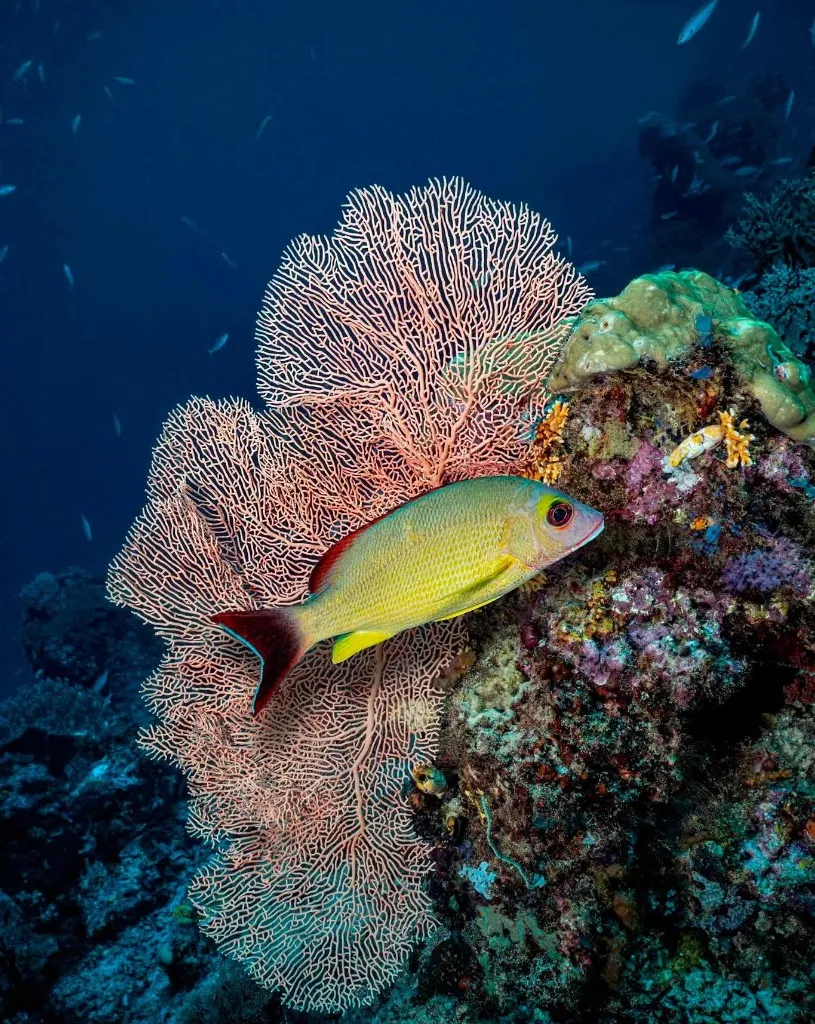
Upon approaching First Reef, divers will quickly observe that the artificial structures are thriving with marine life, acting as vibrant underwater cities. Each site, from the culverts to the rock piles, hosts numerous soft corals, providing shelter and sustenance for a wide variety of fish.
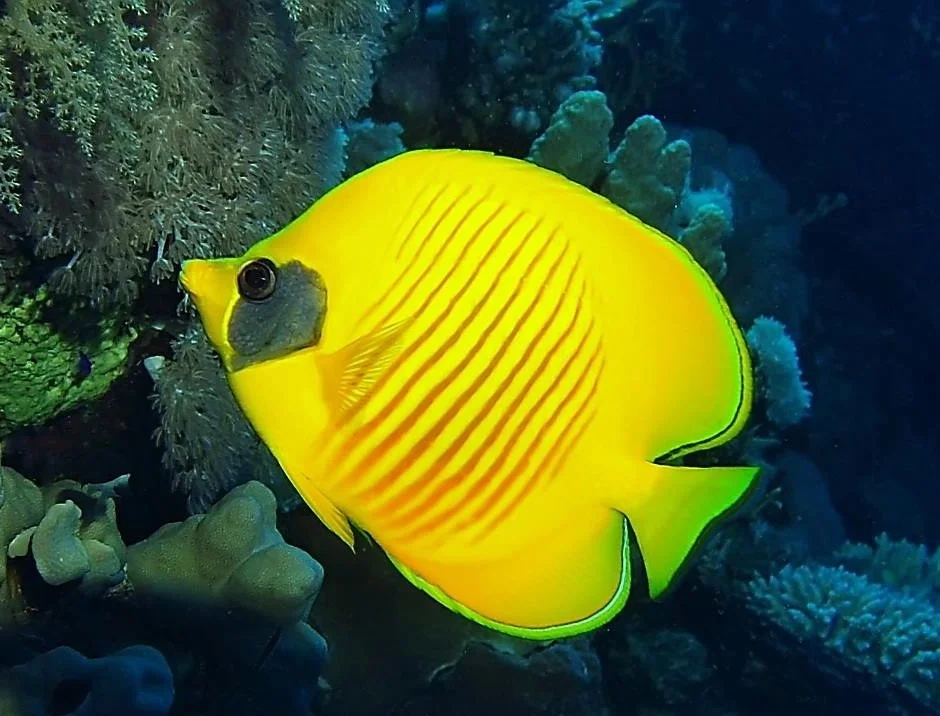
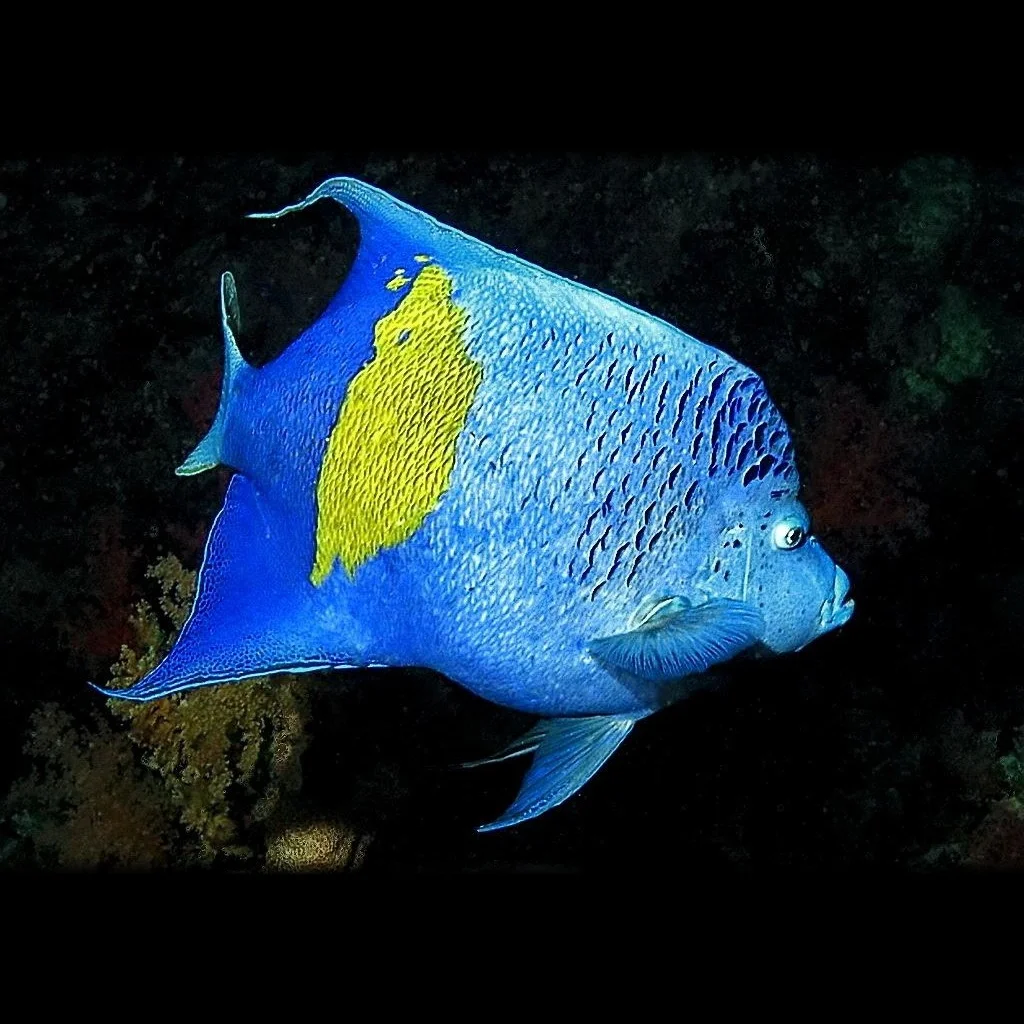
Expect common sightings such as various snapper, grouper, and schools of angelfish and butterflyfish navigating the reef. Triggerfish, pork fish, and sheepshead are also frequently encountered.
Occasional Goliath Grouper can be spotted patrolling the larger structures. These habitats showcase the success of the artificial reef program in supporting biodiversity.

Dive Sites Near First Reef
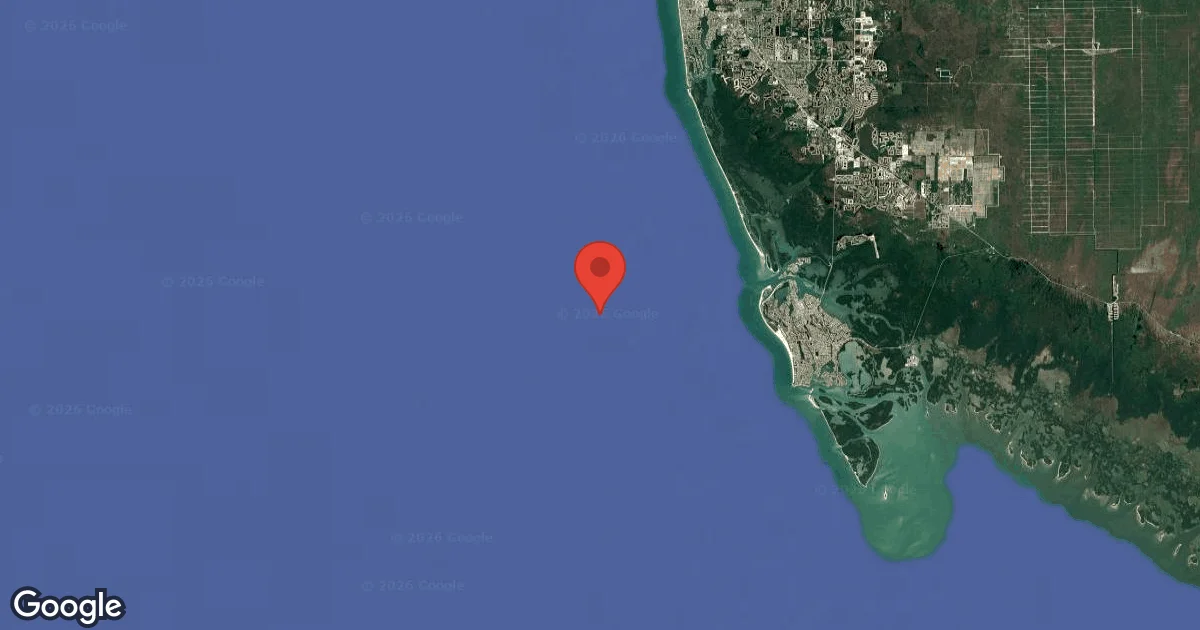
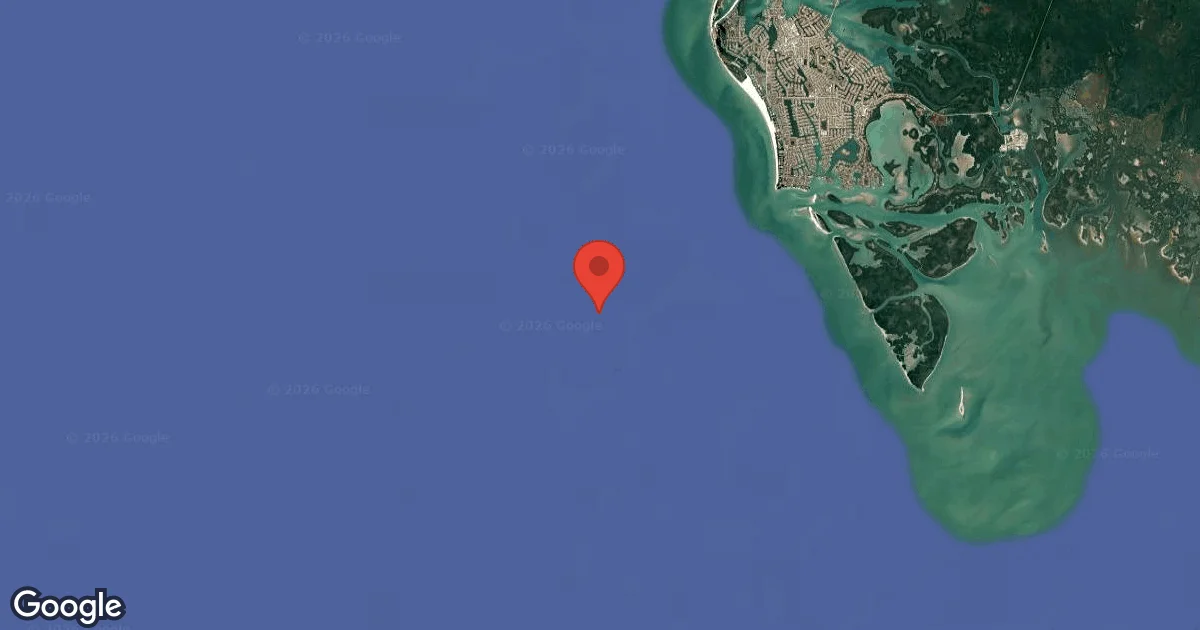
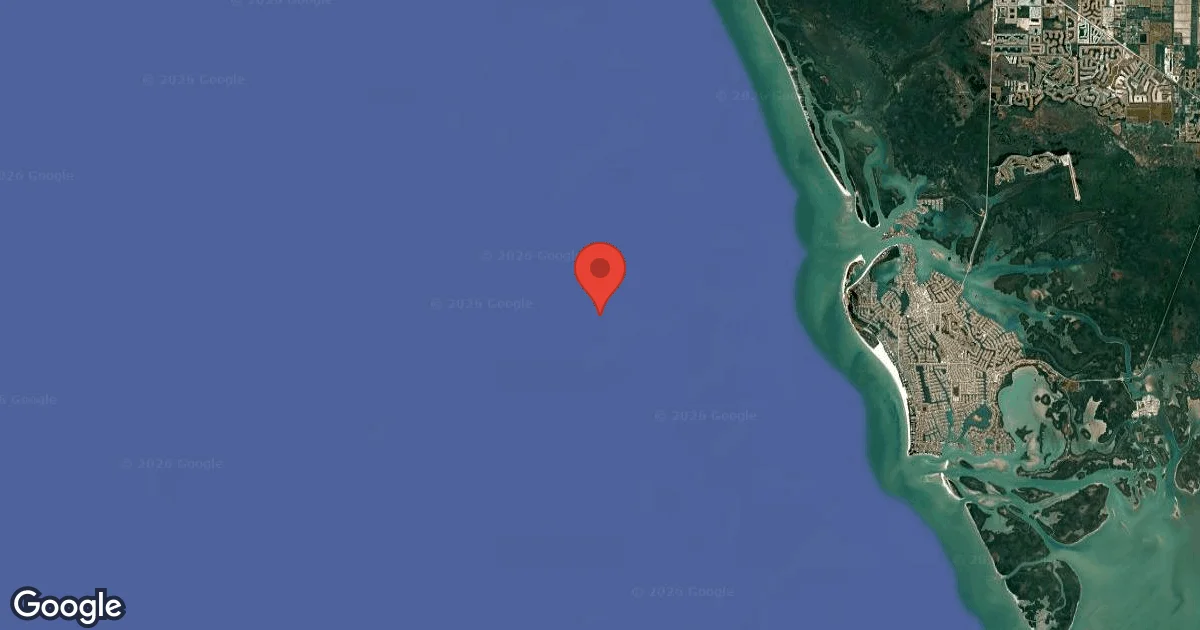
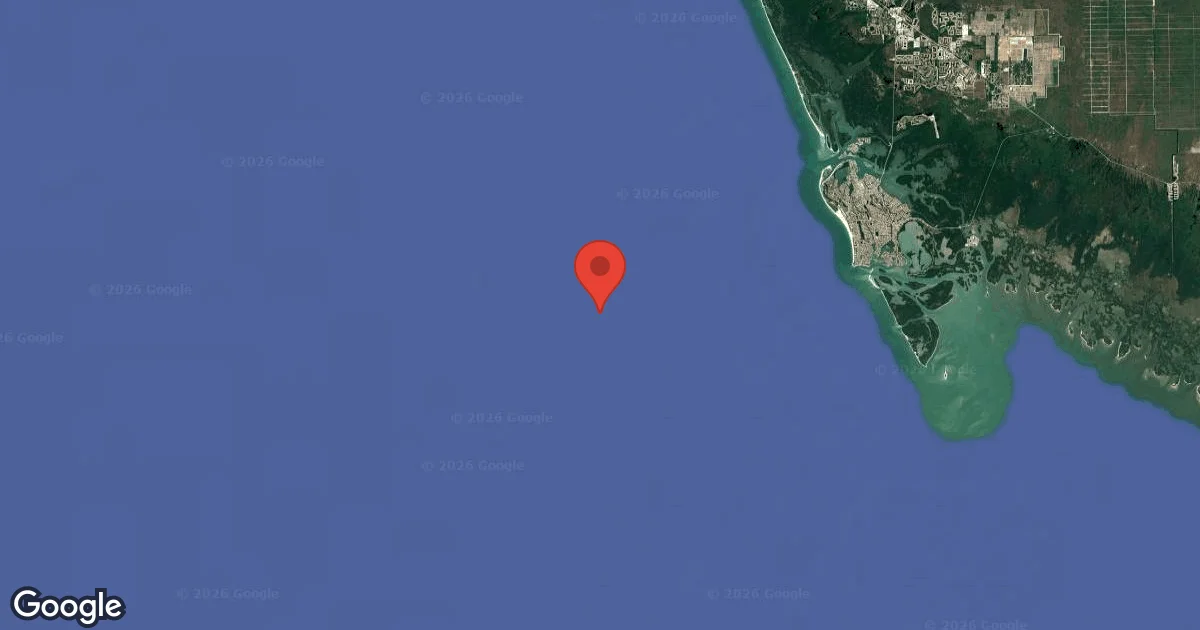
View all dive sites in United StatesDiscover more underwater gems in this area.
Dive Centers Near First Reef

Today: 09:00 - 17:00
Nearest Airports
Nearest airports to help plan travel to this dive area.
Search Flights
Check available flights and routes on Expedia, using the nearby airports listed in this section.
Search Flights on Expedia
Plan Your Stay
Looking for a place to stay for your dive trip? Explore hotels, stays, and vacation rentals for dive groups near Marco Island.
Dive Navigator may earn a commission from these links at no extra cost to you.
Frequently Asked Questions
What certifications are needed for First Reef?
An Open Water Diver certification is the minimum requirement for diving First Reef. Advanced Open Water and Nitrox certifications are highly recommended to enhance navigation skills and maximize bottom time, respectively.
What is the maximum depth at First Reef?
The site is consistently shallow, reaching a maximum depth of approximately 7 meters (23 feet). This makes it suitable for extended recreational diving and is well within standard recreational limits.
What type of structures make up First Reef?
First Reef is comprised of various concrete materials and boulders that were deployed as part of an artificial reef program. These structures form distinct areas like culverts and rock piles, creating diverse marine habitats.
How is the visibility typically at this site?
Visibility at First Reef, being close to shore, rarely exceeds 4.5 meters (15 feet). Conditions can fluctuate significantly based on local weather, tides, and recent rainfall, sometimes reducing it further.
Can I dive First Reef from shore?
No, entry to the dive sites at First Reef is exclusively by boat. Operators typically depart from nearby locations such as Caxambas Pass to access these offshore structures.
What marine life can I expect to see?
Divers frequently encounter snapper, grouper, angelfish, butterflyfish, triggerfish, pork fish, and sheepshead inhabiting the reef structures. Numerous soft corals adorn the artificial reef, and occasional Goliath Grouper can be sighted around larger formations.
When is the best time of year to dive First Reef?
The summer months, particularly May through September, generally offer calmer conditions and warmer air temperatures, leading to better overall dive experiences. Reduced wind speeds during this period can also help maintain clearer water, despite potential increased rainfall.
Planning to dive First Reef?
Send one inquiry and receive offers directly from the best verified local dive operators.
Conditions are Good
Optimal conditions expected
Current conditions near First Reef show 24° air, 30° sea temperature, 0.2 m waves, and 21 km/h wind. Forecast data is refreshed regularly to ensure accuracy.