
Diving at Second Reef (United States)
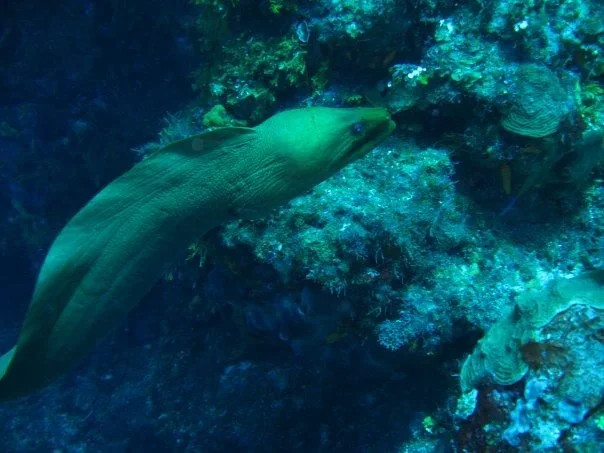
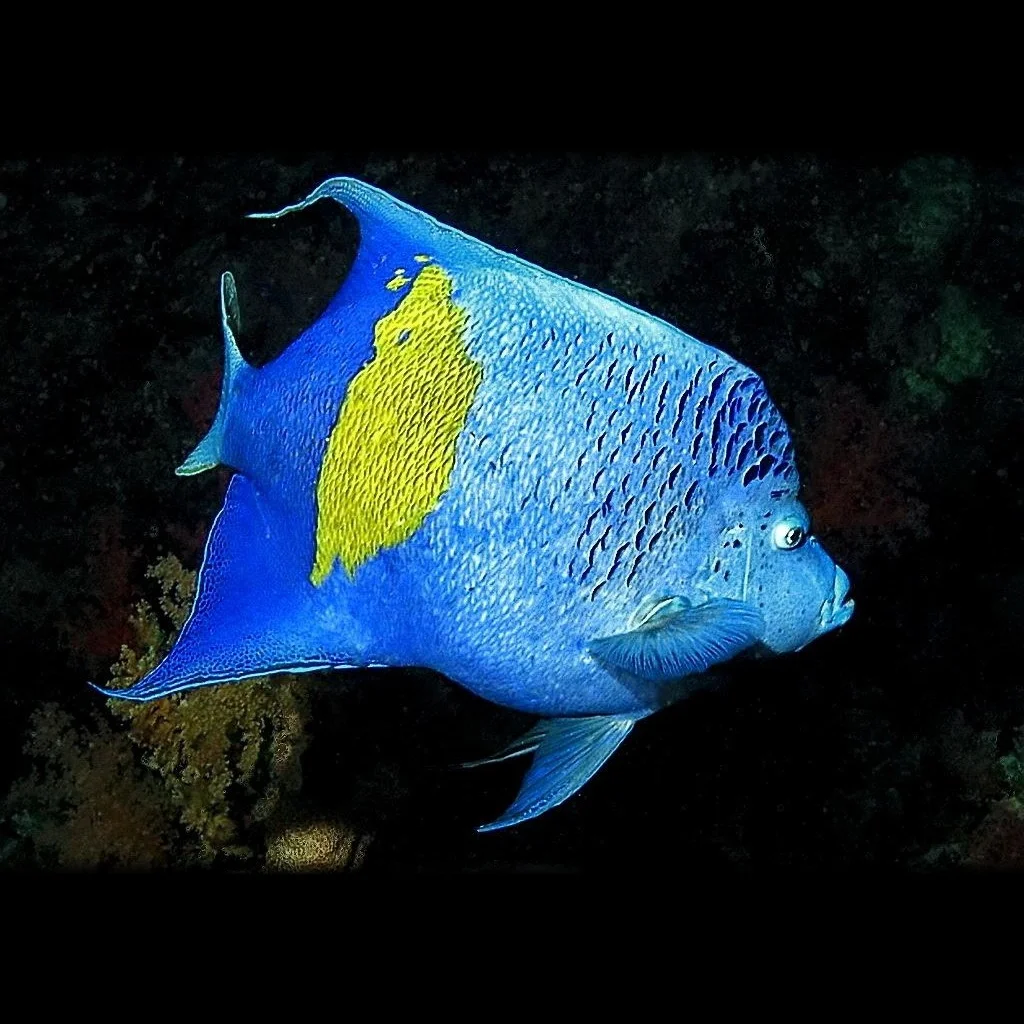
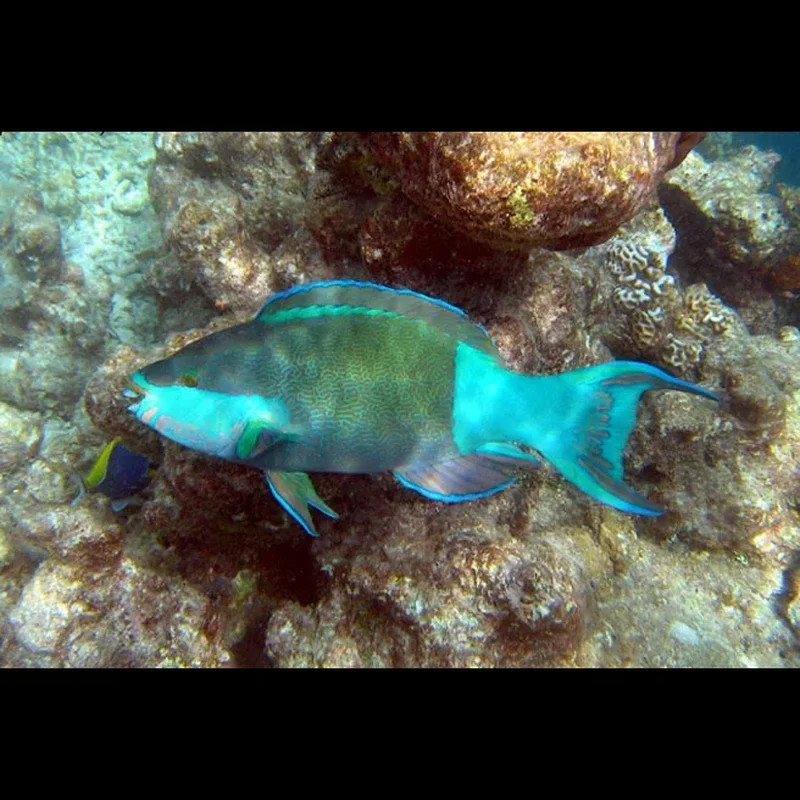
Second Reef offers an abundant display of reef life, often considered a 'sweet spot' for encountering diverse fish, corals, and sponges. Divers commonly spot all five types of Caribbean angelfish, from the vibrant Blue to the striking Rock Beauty, making it a truly colorful experience. Large green moray eels and numerous parrot fish also inhabit this dynamic underwater landscape, alongside impressive Goliath Groupers at specific wreck sites. This area provides a reliable experience for observing the intricacies of Florida's marine ecosystems.
Tonight's objective overview for Second Reef shows an air temperature of 27.5°C. The measured surface conditions include wave heights around 0.1 m. This environmental data is logged for the close of the day.
Dive Site Location & Key Facts
Dive Site Overview
Imagine descending into a vibrant underwater realm where a mosaic of natural and artificial structures defines the landscape. Second Reef, broadly referencing a specific depth zone within Florida's three-tier reef system, presents divers with an accessible yet engaging experience, generally sitting at depths between 6 m (20 ft) and 11 m (37 ft).
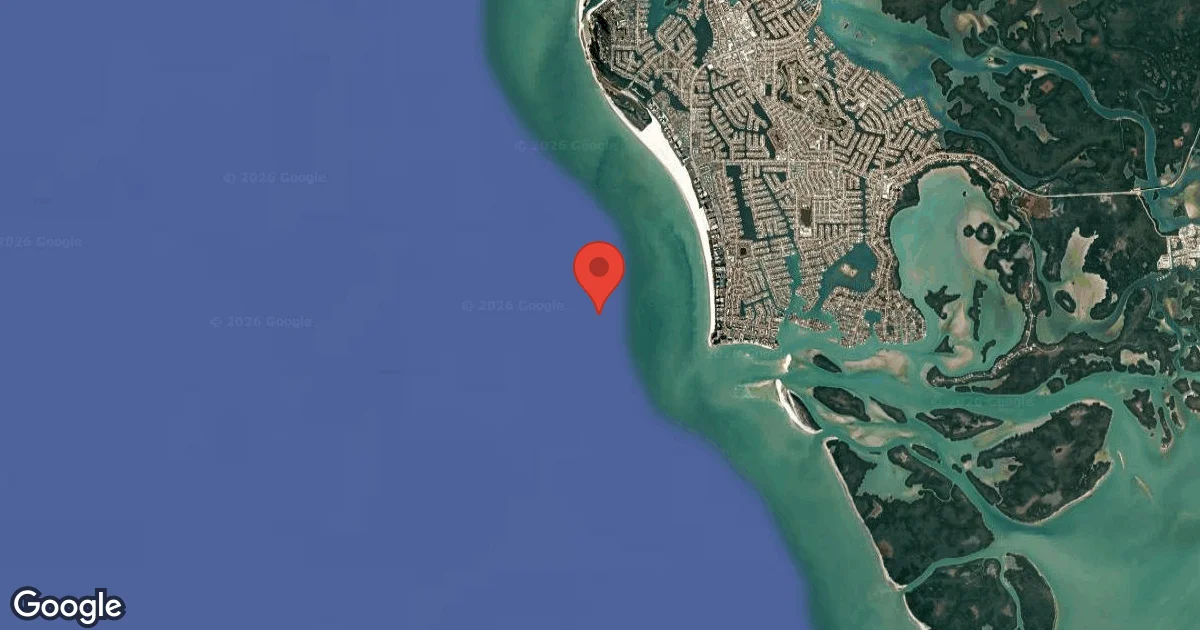
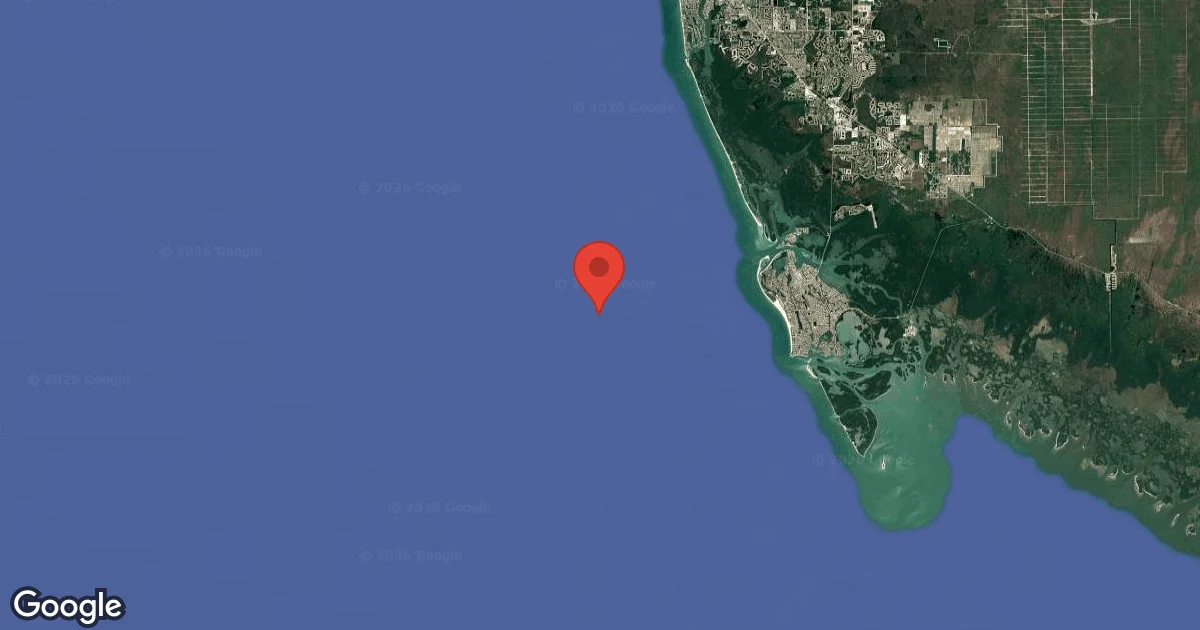
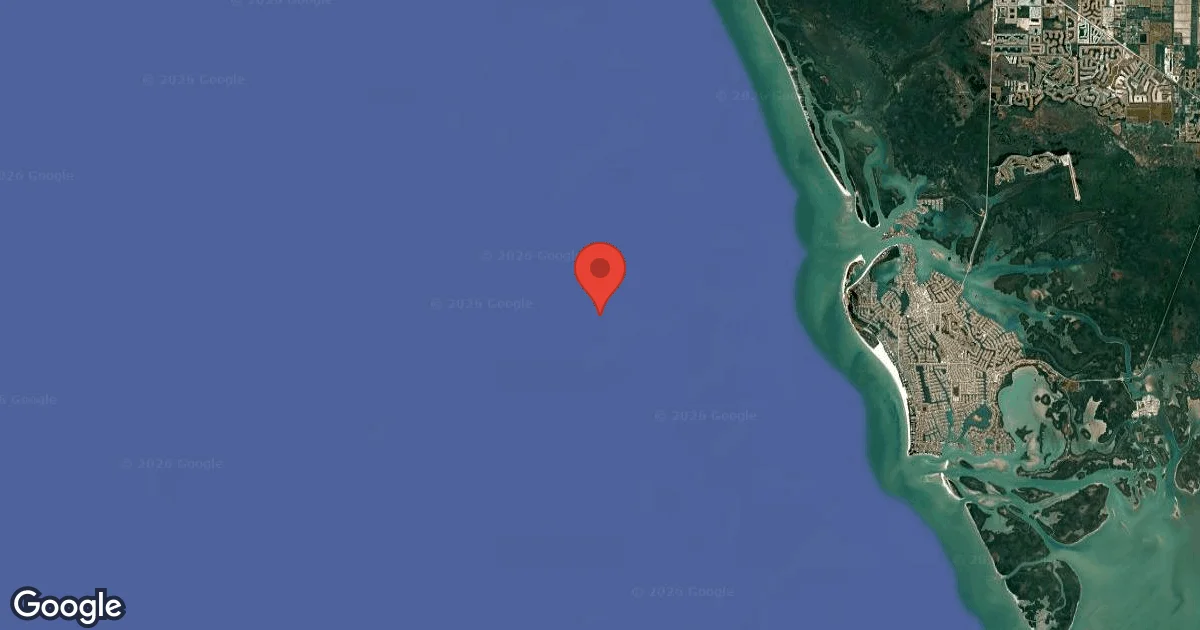
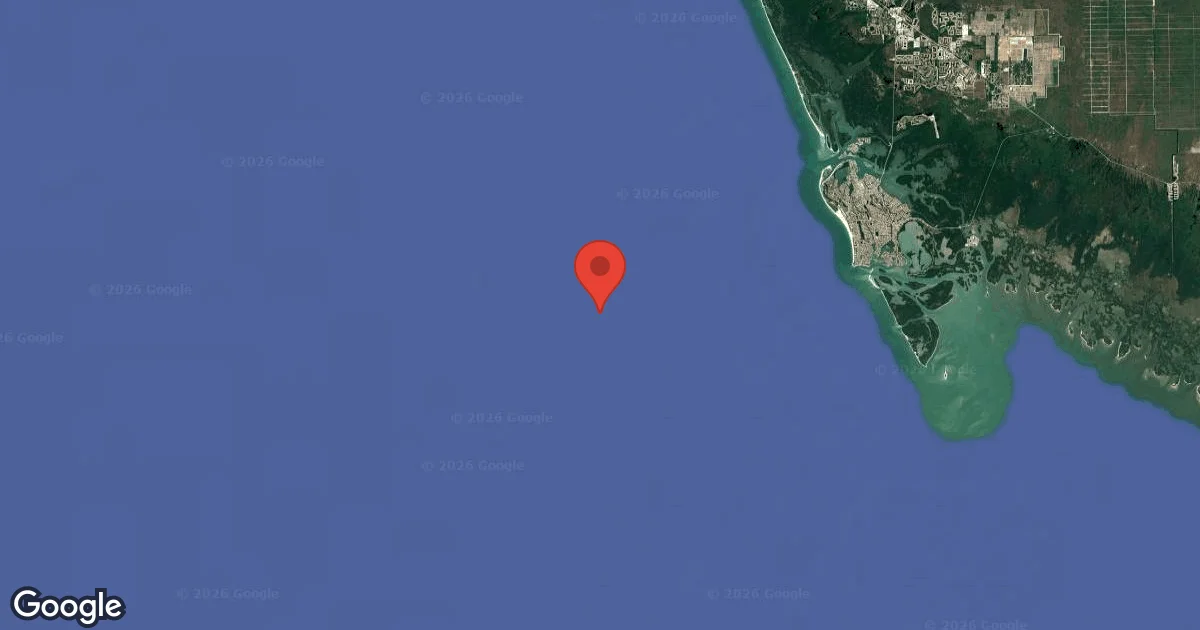
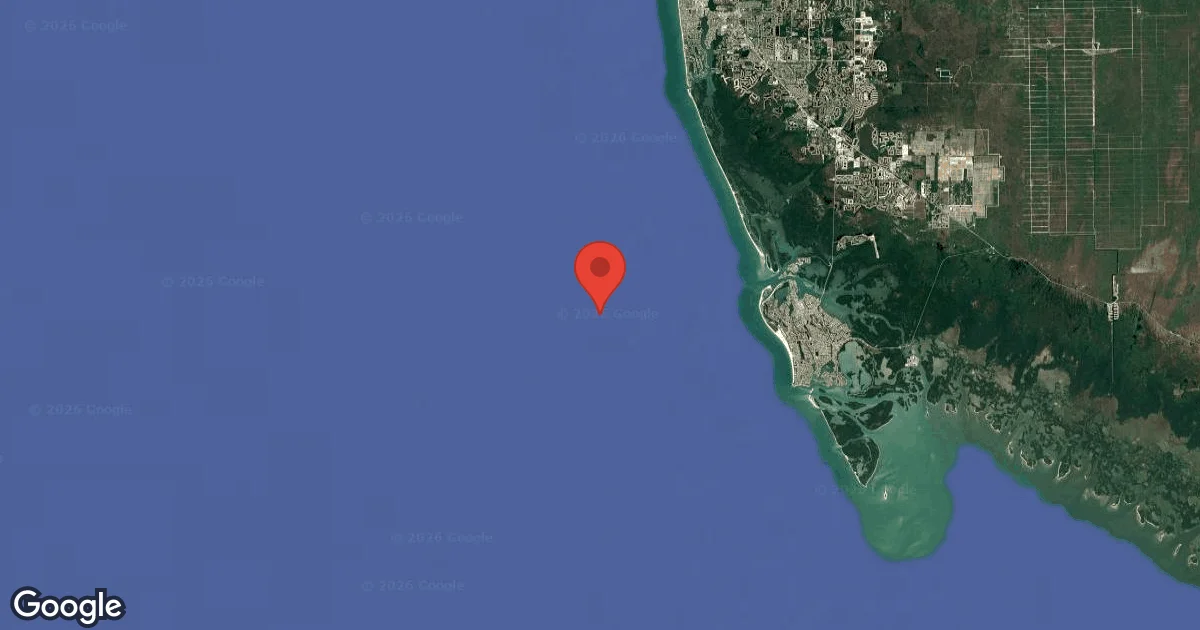
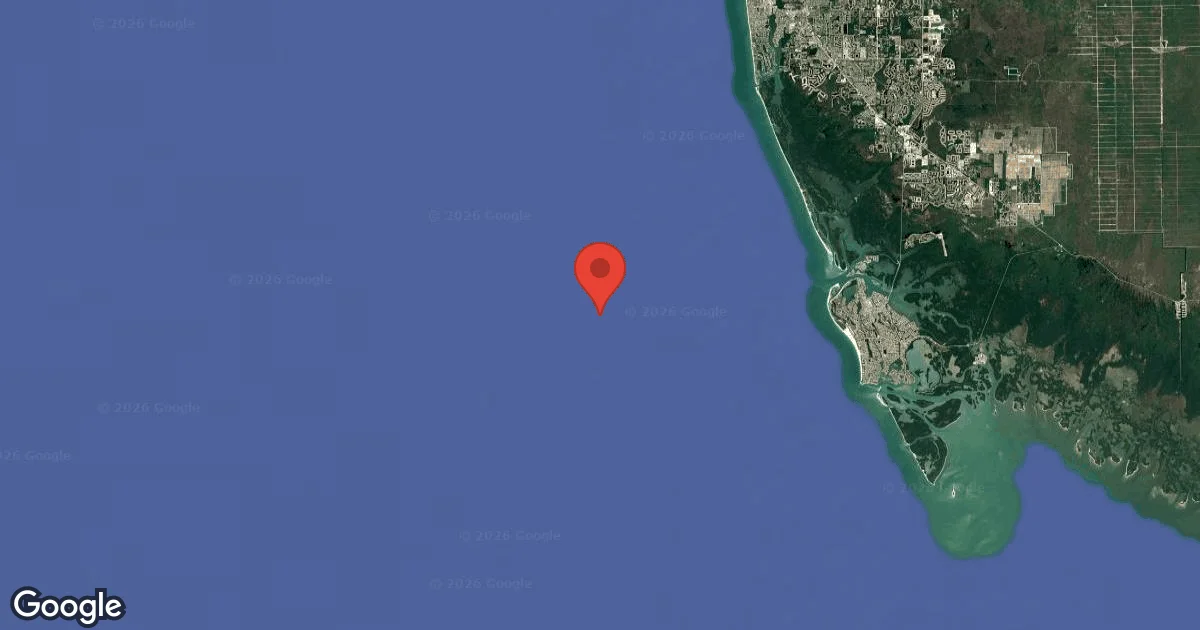
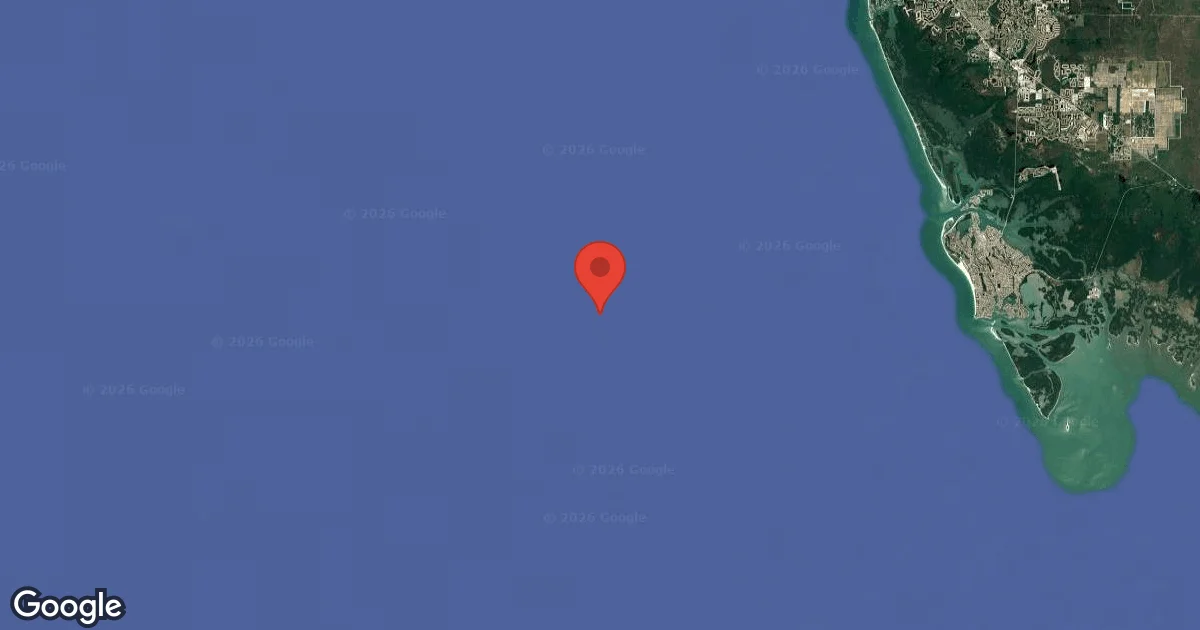
This reef zone is a dynamic tapestry, encompassing both natural ledges teeming with hard and soft corals, and strategic artificial additions. Off Marco Island, for instance, the named 'Second Reef' or 'Five Nautical Mile Reef' features extensive debris fields of concrete culverts and various sunken barges. These artificial structures, some offering significant relief, provide excellent habitat; the northeastern wreckage is a known Goliath Grouper haven, while the Anchor Eater site is a favorite for Snook.
In other areas, the second reef is a natural tier ideal for relaxing drift dives. Divers can expect to explore a variety of habitats, from coral-encrusted formations supporting healthy populations of parrot fish, to the shadowy recesses of wrecks that shelter larger pelagic species.
This variability ensures a fresh encounter on each visit, whether navigating natural formations or exploring artificial habitats within the 6-11 m (20-37 ft) depth range.
Conditions are Good
07:00 - 14:00
Optimal conditions expected
Current conditions near Second Reef show 27° air, 31° sea temperature, 0.3 m waves, and 15 km/h wind. Forecast data is refreshed regularly to ensure accuracy.
Best Time to Dive
Planning a dive at Second Reef involves considering the seasonal shifts that influence conditions. While water temperatures are generally comfortable, ranging from 20°C (68°F) in winter to 29°C (85°F) in summer, distinct patterns emerge. May often presents excellent dive conditions, characterized by lower average wave heights around 0.5 m (1.6 ft), moderate wind speeds of about 24.7 km/h (15.3 mph), and minimal rainfall averaging 1.3 mm (0.05 in). Conversely, summer months, while offering the warmest water temperatures and lowest wave heights (around 0.3 m / 1.0 ft in July), also see an increase in rainfall, potentially affecting visibility. Air temperatures consistently remain warm, from 18-29°C (64-84°F) year-round. For optimal clarity and calmer surface conditions, late spring through early summer typically offers the most favorable window, before the peak of summer's potential for increased precipitation.
PEAK SEASON SCORE
Scores combine air & water temps, waves, wind & rainfall for overall conditions.
BEST MONTHS TO DIVE
Monthly records compiled from satellite and marine observation nodes over the last 3 years. Data provided by Open-Meteo and MET Norway.
Dive Experience & Conditions
The relatively shallow depth profile of Second Reef, typically between 6 m (20 ft) and 11 m (37 ft), allows for extended bottom times and a more relaxed dive pace. These depths position divers perfectly for observing the vibrant reef life that thrives in abundant sunlight. Visibility varies, averaging around 4.5 m (15 ft) but can become exceptionally clear, especially during calm weather periods, sometimes reaching 6-9 m (20-30 ft) horizontally, offering top-to-bottom views on the reef. Currents generally remain light to mild, which makes Second Reef an ideal location for leisurely drift dives. This gentle flow allows divers to move along the reef effortlessly, yet it permits sufficient stability for photography or focused observation of resident fish and coral formations. Expect comfortable water temperatures, typically 20-29°C (68-85°F), supporting diverse marine ecosystems.
Dive Difficulty & Safety Guidelines
Navigating Second Reef effectively requires awareness of its specific conditions, particularly when engaging in drift dives. While currents are generally light to mild, maintaining group cohesion and careful buoyancy control remains essential for a safe and enjoyable experience. Divers exploring artificial reef components, such as culverts and barges, should practice responsible wreck diving protocols, avoiding overhead environments unless specifically trained and equipped.
Many sites utilize mooring lines, which greatly assist with safe descent and ascent, especially in areas with moderate current. Always plan your dive according to your certification level and local conditions, ensuring proper gas management at these accessible depths. Being attentive to local boat traffic is also important when surfacing.
Recommended Equipment
Overhead / entanglement risk. Wreck penetration requires proper training.
- Dive Computer
- DSMB
- Primary & Backup Lights
- Wreck Reel
- Cutting Tool
This gear list is based on verified equipment signals for Second Reef, United States. Always confirm final gear choices with your dive operator, guide, or liveaboard.
Recommended Dive Suit
With water temperatures around 31°C (87°F), many divers find a dive skin or rash guard provides comfortable protection.
Local dive briefings can provide the most accurate guidance.
The upcoming forecast points to generally steady conditions in the area.
Emergency & Medical Support
Essential information to help you plan your dive trip to Second Reef.

Hyperbaric chambers are a critical part of dive safety infrastructure. Availability varies significantly by region, and not all dive areas have immediate access.
Before diving, it's recommended to:
- confirm nearest medical facilities
- check emergency procedures with local dive operators
- ensure dive insurance covers evacuation if required
Divers Alert Network
Diving emergency assistance available through DAN World.
+1-919-684-9111- 24/7 emergency hotline
- Diving medical assistance
- Evacuation coordination
Emergency contacts are provided for reference. Always verify local emergency services before diving.
Marine Life at Second Reef
Upon descending at Second Reef, the eye is immediately drawn to the diverse array of fish and vibrant coral formations. This reef system is a fantastic spot for encountering numerous parrot fish in various stages of development, alongside five distinct types of Caribbean angelfish—Blue, Queen, French, Grey, and Rock Beauty—often seen on a single dive.
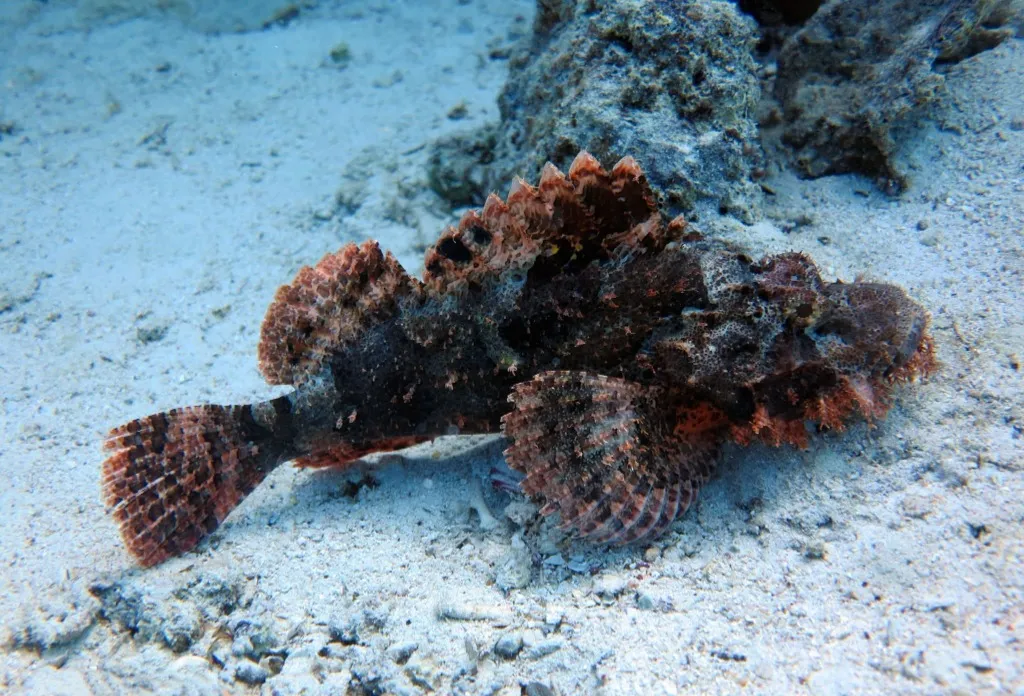
Goliath Groupers frequently inhabit the larger wreck structures, while a healthy population of eels, including spotted and large green morays, can be found peeking from crevices. Keep an eye out for interesting bottom dwellers like scorpionfish, balloon fish, porcupine fish, and trunk fish that blend with the substrate.
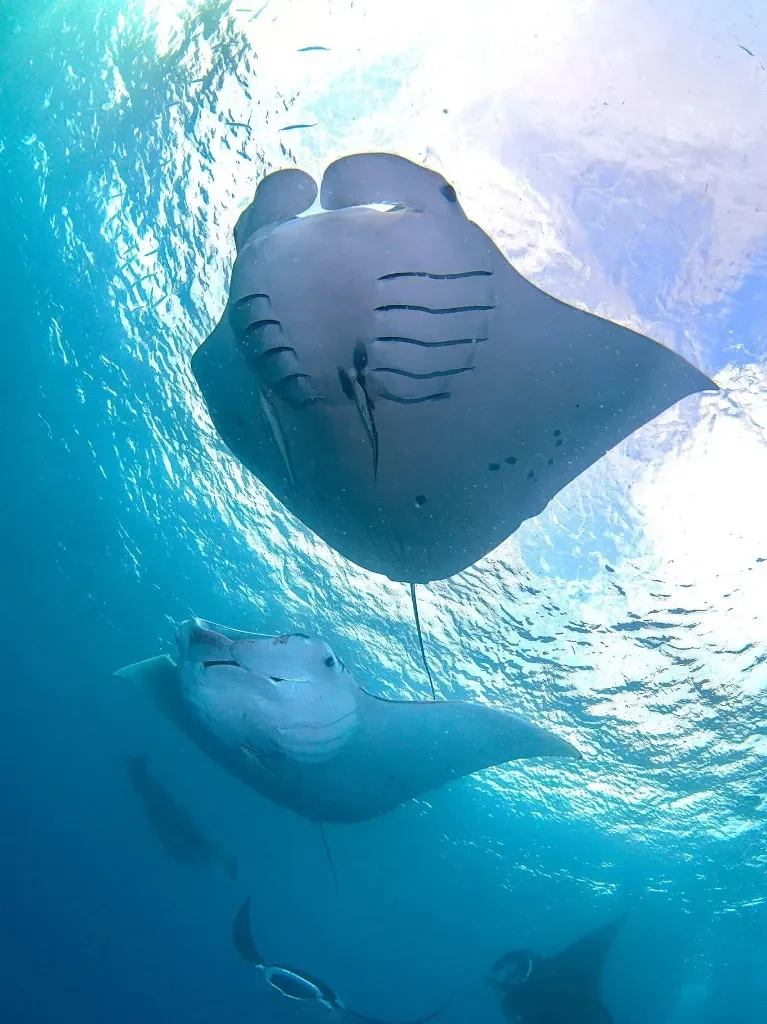
Occasionally, more elusive sightings, such as Atlantic guitarfish or Caribbean manta rays, add an extra layer of excitement to the dive.
Dive Sites Near Second Reef
View all dive sites in United StatesDiscover more underwater gems in this area.
Dive Centers Near Second Reef

Today: 09:00 - 17:00
Nearest Airports
Nearest airports to help plan travel to this dive area.
Search Flights
Check available flights and routes on Expedia, using the nearby airports listed in this section.
Search Flights on Expedia
Plan Your Stay
Looking for a place to stay for your dive trip? Explore hotels, stays, and vacation rentals for dive groups near Marco Island.
Dive Navigator may earn a commission from these links at no extra cost to you.
Frequently Asked Questions
What is the typical depth at Second Reef?
Dive sites at Second Reef generally range from 6 m (20 ft) to 11 m (37 ft) deep. These relatively shallow depths are ideal for extended bottom times and provide ample light for observing marine life.
What kind of marine life can I expect to see?
You can anticipate seeing a rich variety of fish, including numerous parrot fish and all five types of Caribbean angelfish. Goliath Groupers often inhabit wreck structures, and a healthy presence of eels, such as spotted and green morays, is common. Expect to also observe diverse hard and soft corals.
Are there artificial structures or wrecks at Second Reef?
Yes, specific areas like the 'Second Reef' off Marco Island feature artificial structures. These include concrete culverts and various sunken barges. These additions create excellent habitats and attract larger species.
What are the general water conditions?
Water temperatures typically range from 20-29°C (68-85°F). Currents are generally light to mild, making it suitable for drift dives. Visibility averages around 4.5 m (15 ft) but can be much clearer during calm weather.
Is Second Reef suitable for beginner divers?
Yes, the shallow depths and generally mild currents make Second Reef suitable for divers of various experience levels, including beginners. It's an excellent site for conducting relaxing drift dives and observing reef life without extreme challenges.
When is the best time to dive for clearer visibility?
Late spring through early summer often provides the calmest weather and clearer water conditions at Second Reef. This period generally precedes the increased rainfall that can occur during peak summer months, which may affect visibility.
Can I do drift dives here?
Absolutely. The light to mild currents often found at Second Reef make it an ideal location for relaxing drift dives. This allows divers to effortlessly explore the reef system while conserving energy.
Planning to dive Second Reef?
Send one inquiry and receive offers directly from the best verified local dive operators.
Conditions are Good
07:00 - 14:00
Optimal conditions expected
Current conditions near Second Reef show 27° air, 31° sea temperature, 0.3 m waves, and 15 km/h wind. Forecast data is refreshed regularly to ensure accuracy.