
Diving at Red Zone (United States)
Off the coast of the United States, dive sites often carry echoes of maritime history, reflecting centuries of voyages and unforeseen events. This underwater landscape, frequently characterized by historical remnants, allows divers to explore the profound stories embedded in the ocean floor. The connection to past maritime endeavors shapes a distinct diving experience at locations like Red Zone, where the weight of historical significance adds another layer to exploration.
Tonight's objective overview for Red Zone shows an air temperature of 26.5°C. The measured surface conditions include wave heights around 0.2 m. This environmental data is logged for the close of the day.
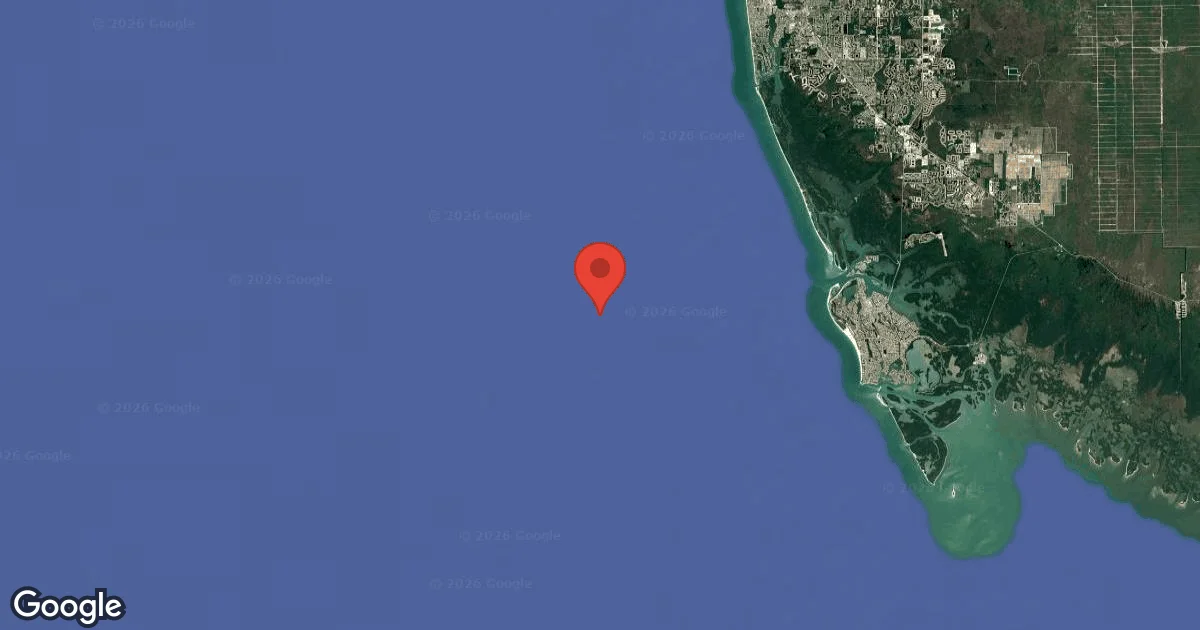
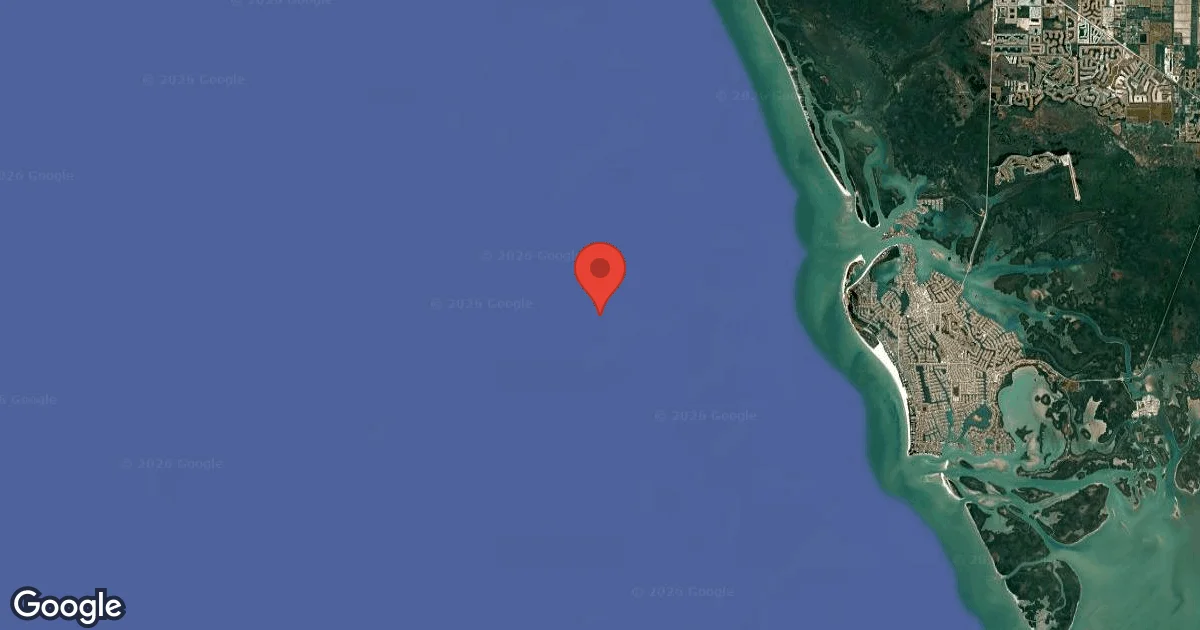
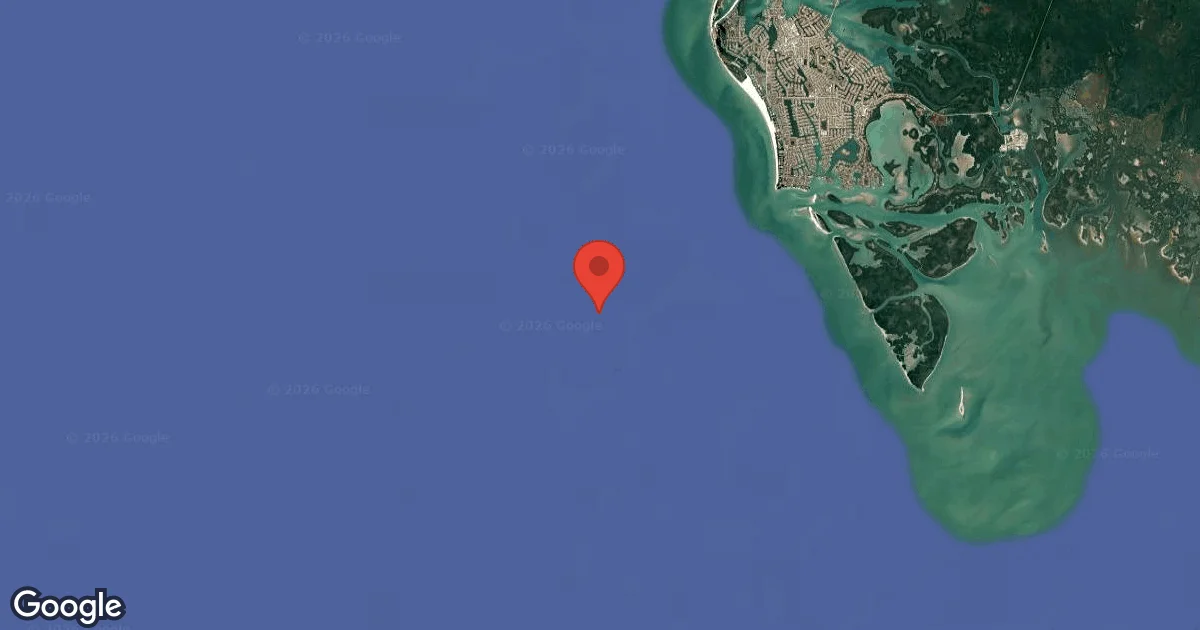
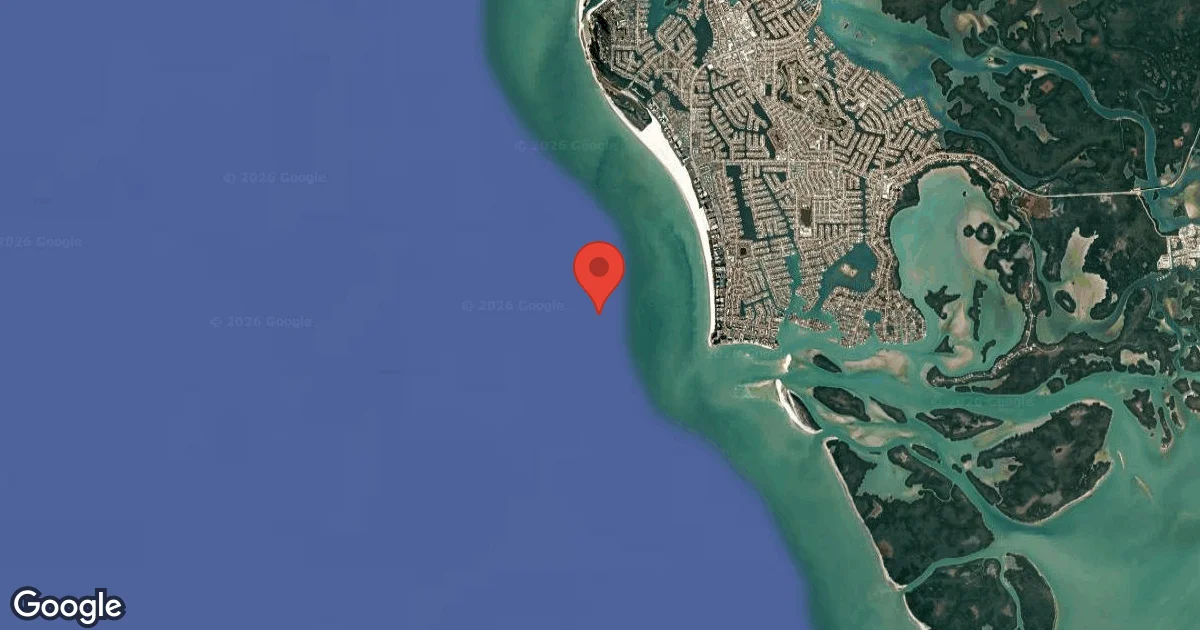
Dive Site Location & Key Facts
Dive Site Overview
The underwater topography at Red Zone presents a dynamic and varied environment, primarily defined by extensive natural reef systems and broad sandy bottoms. Divers navigating these waters encounter a shifting landscape, transitioning from shallower reef flats with their intricate structures to deeper, often current-sculpted sandy plains.
While highly specific landmark features for Red Zone itself are not consistently detailed in available records, the broader aquatic environments of the United States, which this site represents, frequently include a mix of compelling elements. These might range from rocky outcrops providing shelter for diverse life, to the potential presence of historical shipwrecks that have become artificial reefs over time. Such varied geological and potential anthropogenic features contribute significantly to a complex subaquatic landscape, offering numerous points of interest for exploration.
Depths for dives in this region can fluctuate widely, commonly providing opportunities to explore down to 30 m / 100 ft, accommodating a spectrum of diver certifications. This blend of natural topography and potential historical remnants ensures a rich, evolving dive experience, making each expedition unique due to the diverse structural elements and habitats present.
Conditions are Good
07:00 - 14:00
Optimal conditions expected
Current conditions near Red Zone show 26° air, 31° sea temperature, 0.2 m waves, and 24 km/h wind. Forecast data is refreshed regularly to ensure accuracy.
Best Time to Dive
Optimal diving conditions at Red Zone are typically found from May through November, aligning with periods of favorable weather patterns. During these months, surface conditions contribute to better underwater visibility. Air temperatures during May average around 26.5°C / 80°F, rising to 29°C / 84°F in August, and gradually cooling to 23°C / 73°F by November. Rainfall is generally lower in May (1.25 mm / 0.05 inches) compared to summer peaks in June (7.31 mm / 0.29 inches) and August (6.55 mm / 0.26 inches), which can sometimes affect local visibility. The transition months of May and November often offer excellent dive scores due to calmer seas and less wind, leading to clearer waters and a more settled marine environment. While year-round diving is feasible given consistently good dive scores, focusing on months with lower rainfall and less significant wave action tends to enhance the overall clarity and enjoyment of the site.
PEAK SEASON SCORE
Scores combine air & water temps, waves, wind & rainfall for overall conditions.
BEST MONTHS TO DIVE
Monthly records compiled from satellite and marine observation nodes over the last 3 years. Data provided by Open-Meteo and MET Norway.
Dive Experience & Conditions
Current dynamics at Red Zone significantly shape the dive experience, often influencing dive planning and execution. Divers should anticipate conditions where currents can range from mild drifts to more pronounced flows, particularly in areas influenced by larger oceanic movements like those near the Gulf Stream, as seen in some regional sites. This can lead to exhilarating drift dives, allowing divers to glide effortlessly over the underwater landscape rather than finning against resistance. While specific current speeds vary, the general tendency is for a moderate push that enhances exploration, moving divers across expansive reef systems and sandy plains. Understanding and planning for these currents is essential for safe navigation and to fully appreciate the site's dynamic nature. Water temperatures, though not consistently reported for this specific site, generally reflect the warmer regional averages, contributing to comfortable diving throughout much of the year.
Dive Difficulty & Safety Guidelines
Approaching Red Zone requires a focus on standard diving safety protocols, as no unique site-specific hazards are consistently reported. Given the potential for varying current dynamics, particularly drift conditions, divers should maintain awareness of their surroundings and monitor buoyancy. It's advisable to carry appropriate surface signaling devices, such as a surface marker buoy (SMB), to enhance visibility for surface support vessels after surfacing.
Divers should also ensure they are properly trained and equipped for the planned dive profiles and any encountered conditions. Always dive within your certification limits and plan dives thoroughly, especially when navigating areas with more complex topography or potential historical remnants. Staying hydrated and well-rested contributes to overall safety and enjoyment.
Recommended Equipment
- Dive Computer
- DSMB
This gear list is based on verified equipment signals for Red Zone, United States. Always confirm final gear choices with your dive operator, guide, or liveaboard.
Recommended Dive Suit
Water temperatures at Red Zone are currently estimated to be around 31°C (88°F), shaping the overall diving conditions for today. Surface air temperatures are resting at 26°C (79°F).
Many divers choose dive skin or rash guard when diving in similar conditions. A hood or vest is suggested for sensitive divers due to surface winds.
Short-term weather patterns suggest stable conditions for divers visiting the area.
Emergency & Medical Support
Essential information to help you plan your dive trip to Red Zone.

Hyperbaric chambers are a critical part of dive safety infrastructure. Availability varies significantly by region, and not all dive areas have immediate access.
Before diving, it's recommended to:
- confirm nearest medical facilities
- check emergency procedures with local dive operators
- ensure dive insurance covers evacuation if required
Divers Alert Network
Diving emergency assistance available through DAN World.
+1-919-684-9111- 24/7 emergency hotline
- Diving medical assistance
- Evacuation coordination
Emergency contacts are provided for reference. Always verify local emergency services before diving.
Marine Life at Red Zone
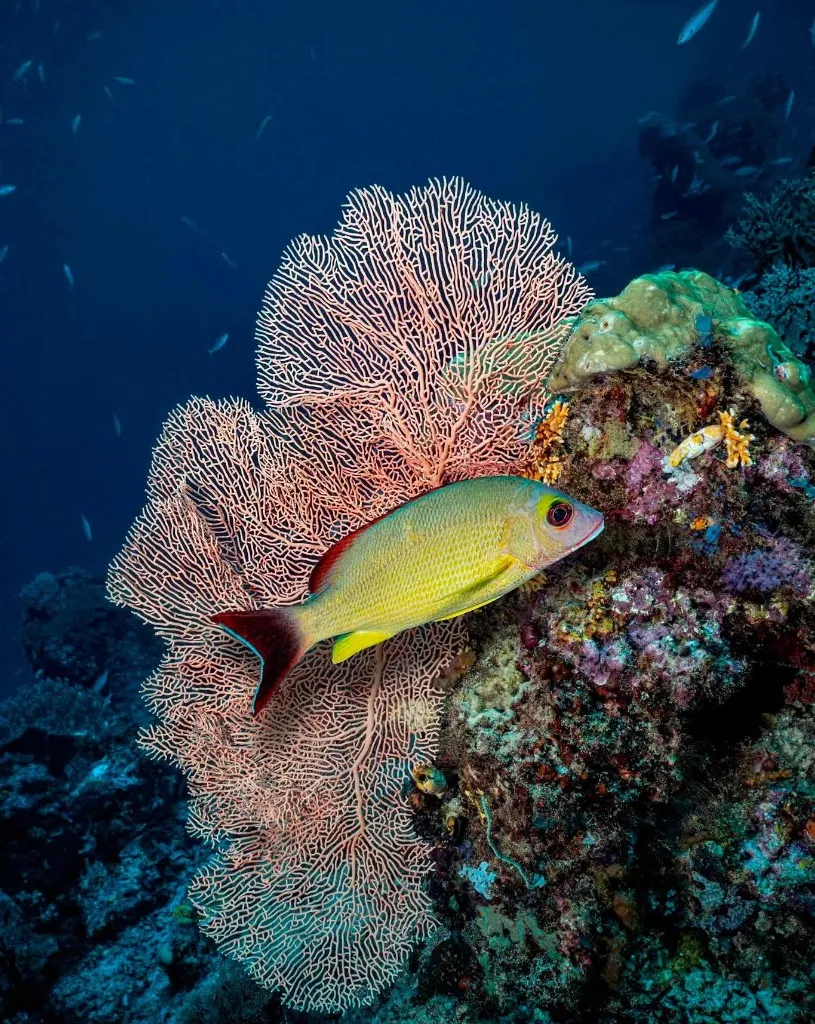
The underwater landscape at Red Zone supports a vibrant array of marine life, with snapper being a consistently observed species within the reef and sandy bottom environments. These fish often gather around the structural elements, whether natural rock formations or artificial reefs, creating lively displays.
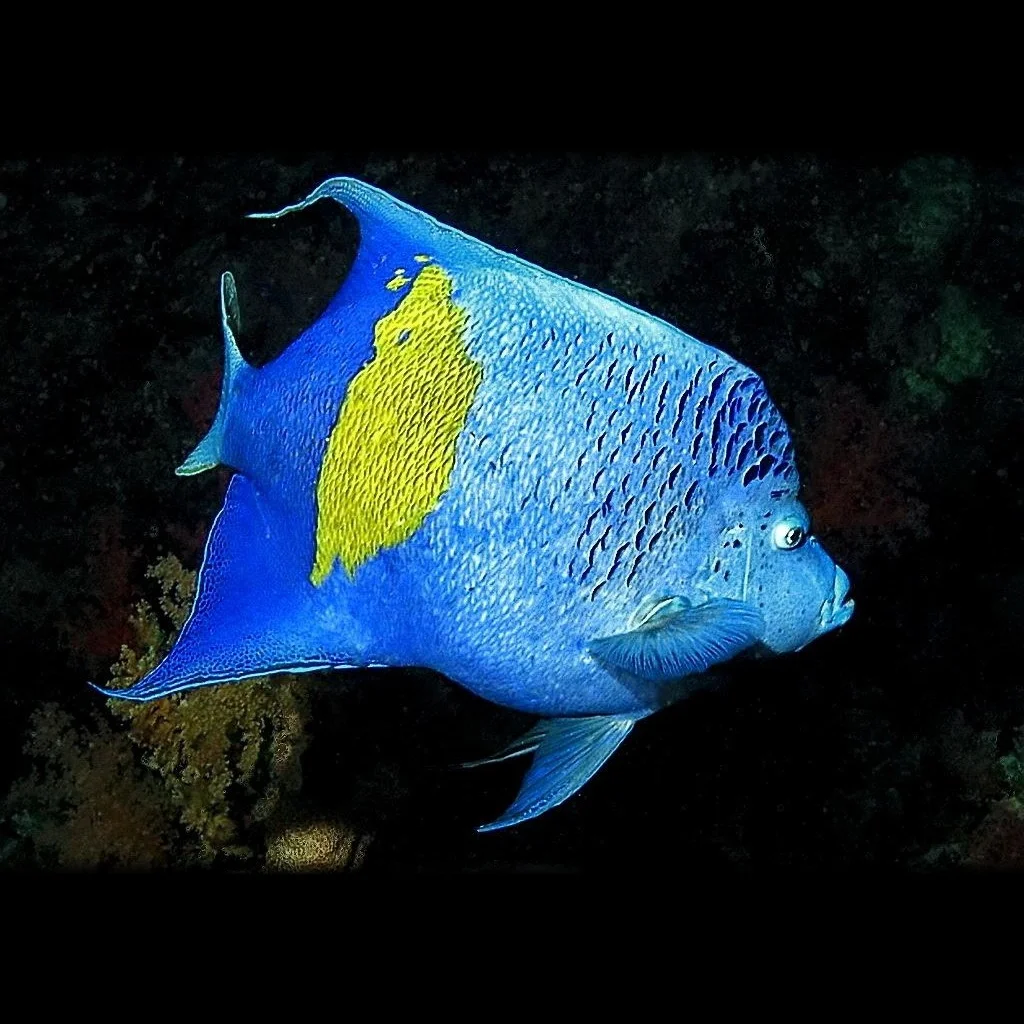
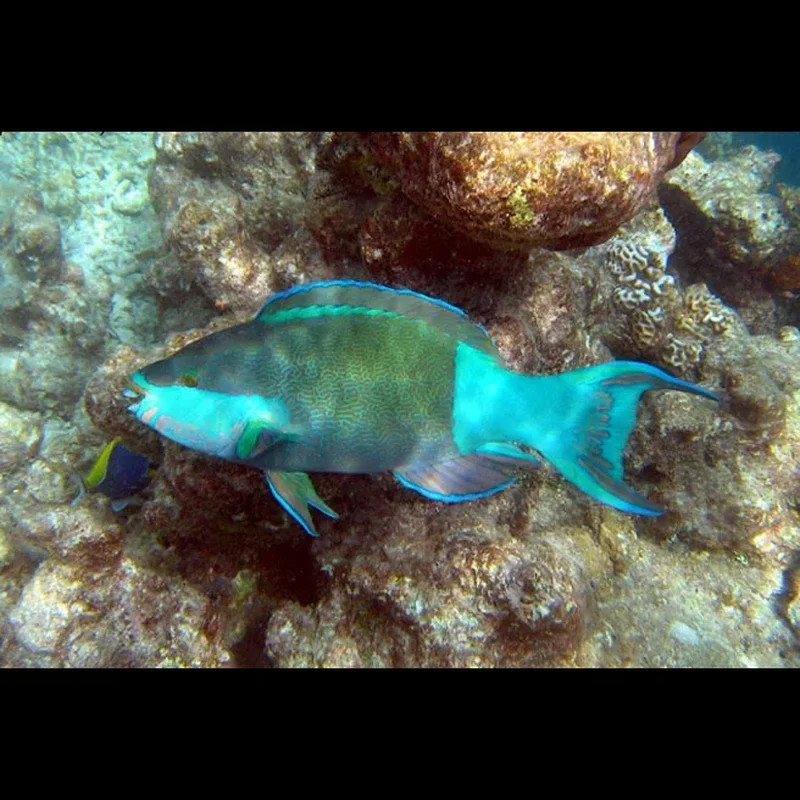
While specific sightings vary by season and dive location, the broader region offers glimpses of diverse reef fish species, including parrotfish and angelfish, darting through coral formations. Divers may also encounter various crustaceans and mollusks, like colorful nudibranchs, nestled within rocky outcrops.
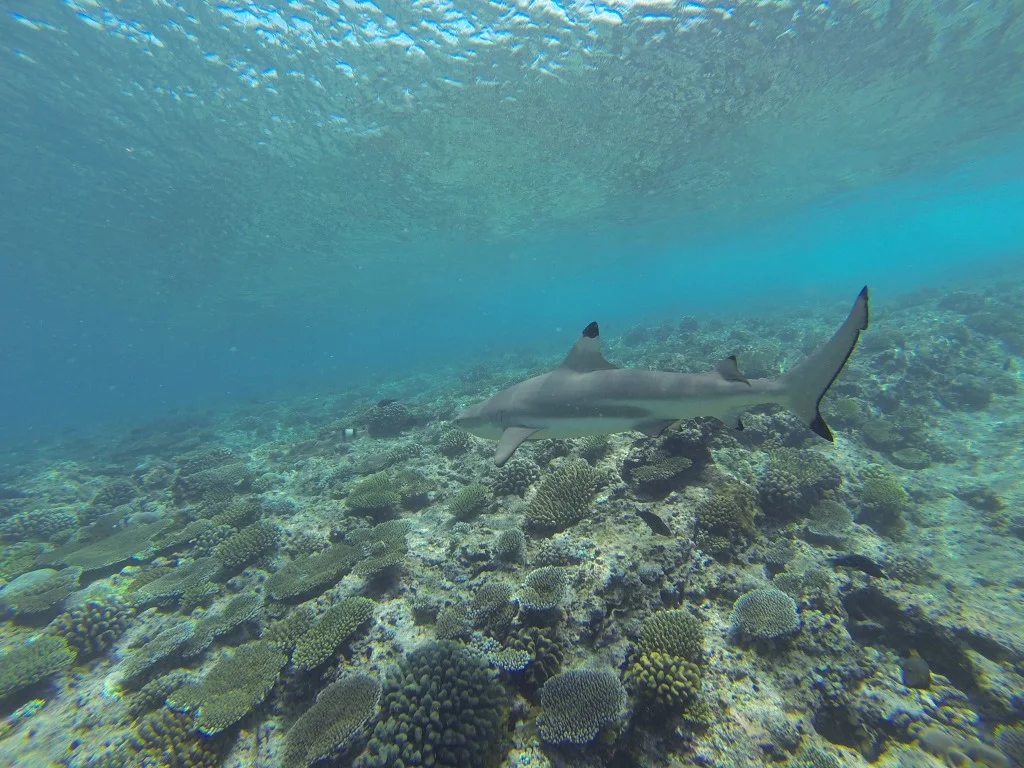
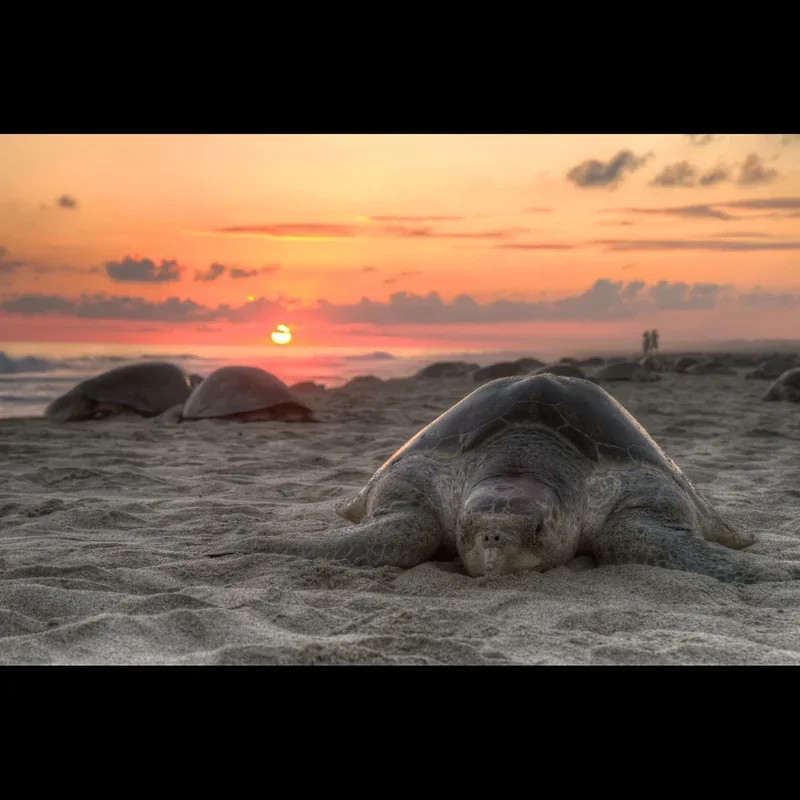
Larger pelagic species and more elusive creatures, such as sea turtles or even the occasional shark, move through the open waters, showcasing the site's rich biodiversity.
Dive Sites Near Red Zone
View all dive sites in United StatesDiscover more underwater gems in this area.
Dive Centers Near Red Zone

Today: 09:00 - 17:00
Nearest Airports
Nearest airports to help plan travel to this dive area.
Search Flights
Check available flights and routes on Expedia, using the nearby airports listed in this section.
Search Flights on ExpediaFrequently Asked Questions
What kind of visibility can I expect at Red Zone?
Visibility at Red Zone typically varies with seasonal conditions, often improving during months with less rainfall and calmer seas, particularly from May to November. While specific clarity depends on local factors like currents and plankton blooms, divers often experience good to excellent conditions, allowing clear views of the diverse underwater topography and marine life.
Are there strong currents at Red Zone?
Currents at Red Zone can be dynamic, ranging from gentle drifts to more noticeable flows, especially in areas influenced by major oceanic movements. Dive plans should account for these conditions, with some areas offering exhilarating drift diving experiences. Always consult local dive operators for real-time current assessments.
What marine life can I commonly see at Red Zone?
Divers at Red Zone frequently observe snapper species congregating around reef structures and sandy bottoms. The site also supports a variety of reef fish, including parrotfish and angelfish. Depending on the season and specific dive location, encounters with sea turtles, nudibranchs, and other fascinating creatures are possible.
Is Red Zone suitable for beginner divers?
Red Zone offers a range of depths and conditions that can accommodate various certification levels. While some areas are suitable for beginners, specific sites with stronger currents or greater depths may require more experience. It's recommended that newer divers consult with local dive centers to choose appropriate dive profiles.
What are the typical water temperatures at Red Zone?
While specific water temperature data for Red Zone isn't consistently reported, the region generally experiences warmer waters typical of its geographic location for much of the year. Divers can typically expect comfortable conditions, especially during the peak diving season from late spring through fall, though a wetsuit is always recommended.
Can I expect to see shipwrecks at Red Zone?
The broader coastal waters of the United States are home to a rich maritime history, with many sites featuring historical shipwrecks. While there are no consistently reported specific wrecks at Red Zone itself, the potential for encountering submerged historical remnants or artificial habitats that attract marine life exists within such varied ocean environments.
Planning to dive Red Zone?
Send one inquiry and receive offers directly from the best verified local dive operators.
Conditions are Good
07:00 - 14:00
Optimal conditions expected
Current conditions near Red Zone show 26° air, 31° sea temperature, 0.2 m waves, and 24 km/h wind. Forecast data is refreshed regularly to ensure accuracy.