
Diving at Grecian Rocks (United States)
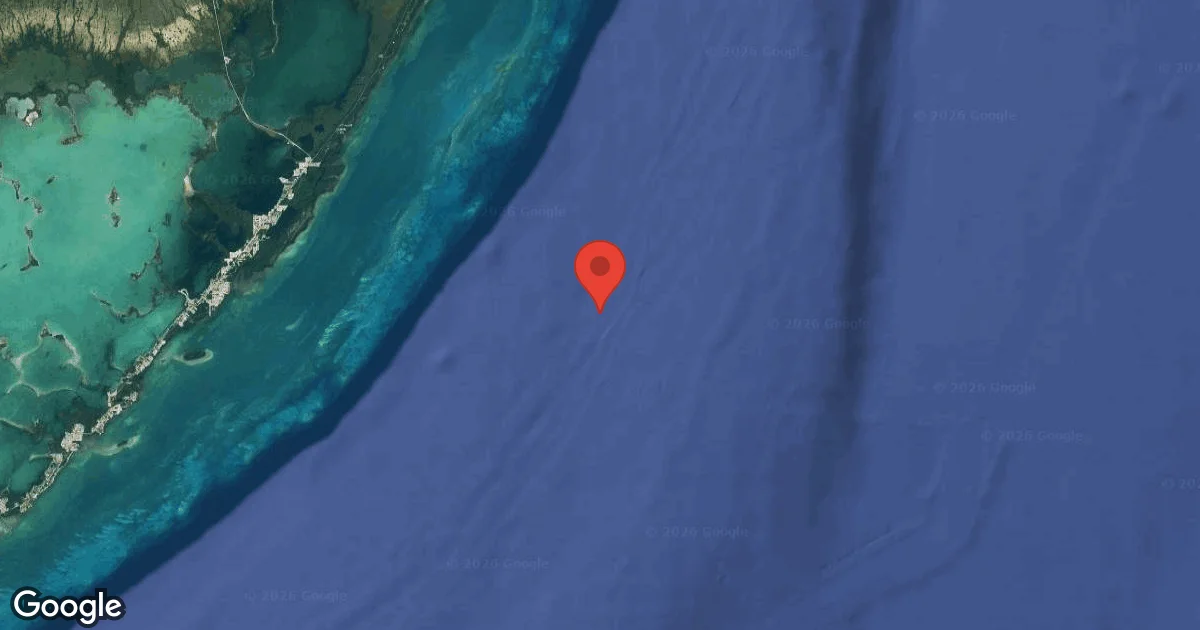
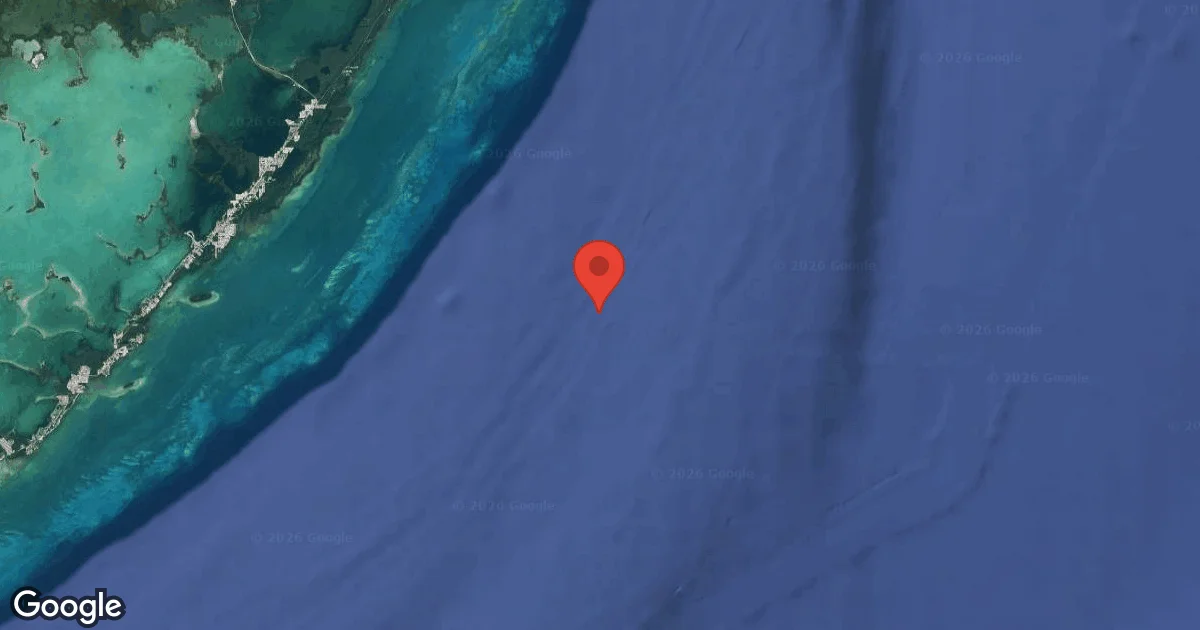
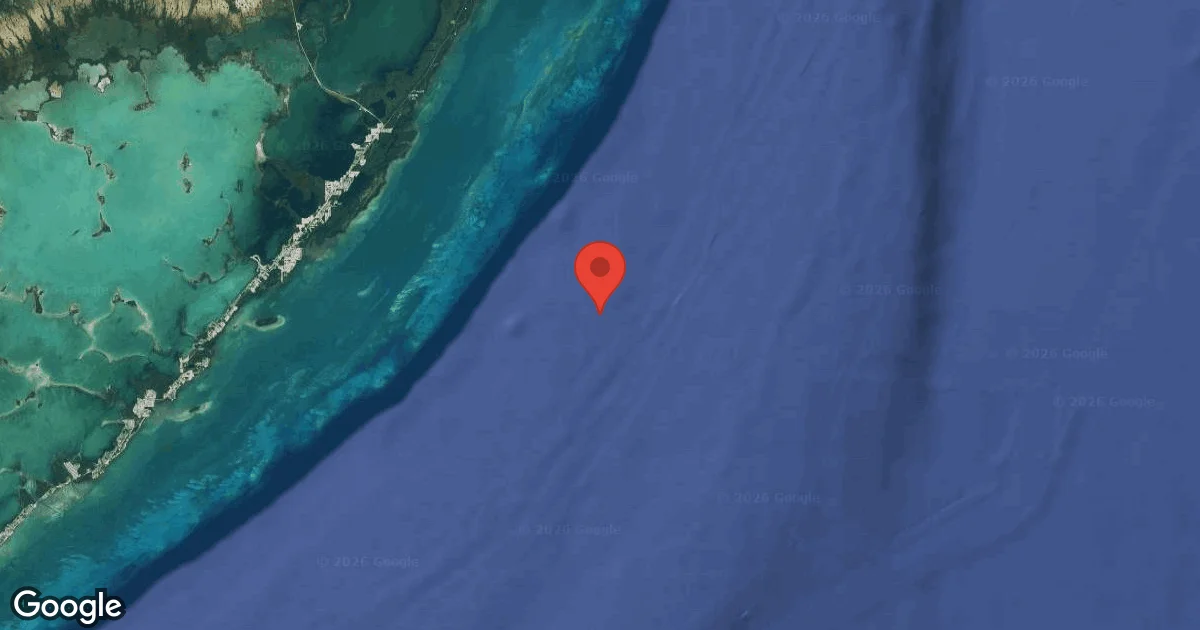
Grecian Rocks is characterized by its accessible, shallow depth profile, making it a highly sought-after reef destination in Key Largo, Florida. With depths generally ranging from 1 to 8 m (4 to 25 ft), it accommodates both snorkelers and open water divers. This site is located just south-southwest of the Christ of the Deep statue.
Evening condition tracking at Grecian Rocks features an air temperature of 28.5°C. We have recorded wave heights measuring 0.5 m during this period. These figures outline the environmental parameters currently present.
Dive Site Location & Key Facts
Dive Site Overview
Exploring Grecian Rocks presents a distinctive opportunity to interact with a well-defined spur and groove reef system, where parallel ridges of coral are separated by sandy channels. This intricate topography extends across a vibrant patch reef that spans over half a mile, creating an extensive and varied underwater landscape.
Certain areas are remarkably shallow, with parts of the reef becoming awash at low tide, offering a unique glimpse of coral exposed directly at the surface. A notable historical element enriches the natural surroundings: an old Spanish cannon rests approximately 23 m (75 ft) south of the primary reef, providing an interesting landmark for divers. The surrounding expanses of white sandy plateaus often host different species, acting as a transitional zone between the dense coral and open water.
With depths generally ranging from 1 to 8 m (4 to 25 ft), the site ensures excellent natural light, which vividly illuminates the diverse coral growth. For ease of navigation and site preservation, specific mooring buoys, each prominently marked with a 'G', outline the dive area, guiding vessels and preventing potential damage to the reef structure.
Conditions are Good
Optimal conditions expected
Current conditions near Grecian Rocks show 28° air, 31° sea temperature, 0.5 m waves, and 25 km/h wind. Forecast data is refreshed regularly to ensure accuracy.
Best Time to Dive
Seasonal conditions at Grecian Rocks present a clear contrast between the generally calm summer months and the more variable winter period. Dive scores indicate 'Good' conditions typically from February through September, with May to July often showing the highest scores. During these months, air temperatures commonly sit between 25-29°C (77-84°F), and wave heights tend to be at their lowest, often less than 0.8 meters. The period from October to April frequently experiences 'Moderate' dive conditions, characterized by increased wind speeds, sometimes exceeding 30 km/h (19 mph), and higher wave heights, occasionally above 1.1 meters. Rain remains relatively low across the year, though slightly higher averages occur in June, August, and October.
PEAK SEASON SCORE
Scores combine air & water temps, waves, wind & rainfall for overall conditions.
BEST MONTHS TO DIVE
Monthly records compiled from satellite and marine observation nodes over the last 3 years. Data provided by Open-Meteo and MET Norway.
Dive Experience & Conditions
Typically, the water movement around Grecian Rocks is gentle, benefiting from its relatively shallow nature. The reef's expansive, shallow areas, particularly those between 1 to 2 m (4 to 6 ft), make it an ideal location for snorkelers to explore without encountering strong currents. Visibility here is often good, though it can vary depending on recent weather and surge. The average wave height varies seasonally; expect calmer conditions during summer months, with waves typically below 0.8 meters, while winter can bring choppier seas and wave heights sometimes exceeding 1 meter. Due to the lack of consistent reporting, water temperatures are not consistently reported and vary depending on the season, influenced by the ambient air temperature.
Dive Difficulty & Safety Guidelines
Awareness of the shallow reef environment is paramount when visiting Grecian Rocks. Given that parts of the reef can be awash at low tide, accidental contact with coral formations is a common concern. Maintaining proper buoyancy and practicing responsible diving and snorkeling techniques are crucial to prevent harm to the delicate marine ecosystem.
The site is part of a Sanctuary Preservation Area (SPA), covering approximately 0.3 square nautical miles, which underscores its protected status. All visitors should strive to minimize their impact, ensuring the health and integrity of this vibrant reef for future divers.
Recommended Equipment
- Dive Computer
This gear list is based on verified equipment signals for Grecian Rocks, United States. Always confirm final gear choices with your dive operator, guide, or liveaboard.
Recommended Dive Suit
Divers planning relaxed exploration may appreciate the warmth of dive skin or rash guard. A hood or vest is suggested for sensitive divers due to surface winds. Divers often notice that perceived temperature can feel cooler during deeper or longer dives.
At the moment, divers exploring Grecian Rocks will likely experience water temperatures near 31°C (88°F). Surface air temperatures are resting at 28°C (83°F).
Conditions are expected to stay fairly consistent in the days ahead.
Emergency & Medical Support
Essential information to help you plan your dive trip to Grecian Rocks.

Hyperbaric chambers are a critical part of dive safety infrastructure. Availability varies significantly by region, and not all dive areas have immediate access.
Before diving, it's recommended to:
- confirm nearest medical facilities
- check emergency procedures with local dive operators
- ensure dive insurance covers evacuation if required
Divers Alert Network
Diving emergency assistance available through DAN World.
+1-919-684-9111- 24/7 emergency hotline
- Diving medical assistance
- Evacuation coordination
Emergency contacts are provided for reference. Always verify local emergency services before diving.
Marine Life at Grecian Rocks
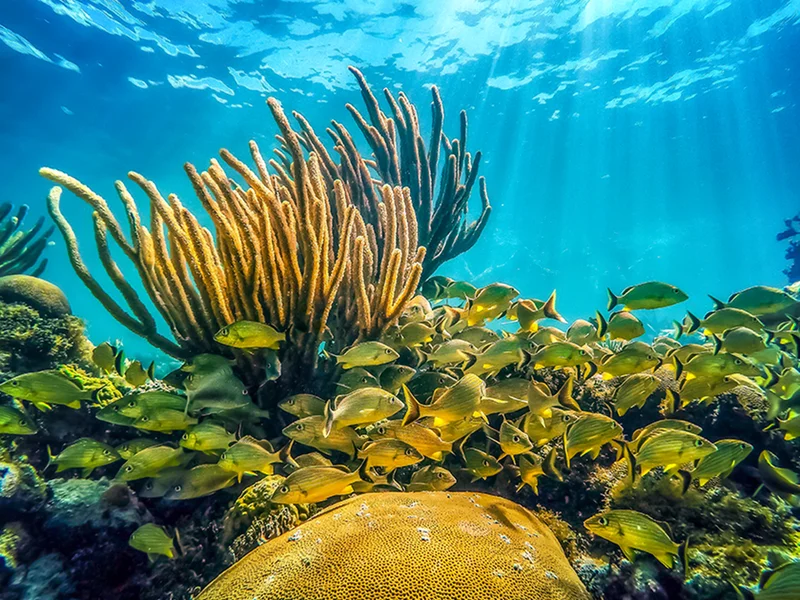
Upon entering the water at Grecian Rocks, divers often first observe the diverse coral growth. Expansive stands of elkhorn coral and significant star coral clusters are prominent features, alongside numerous sea rods and sea whips.
Larger brain coral formations are also present, contributing to the reef's structure. On the white sand plateau adjoining the reef, it's common to spot queen conch and various tropical fish.
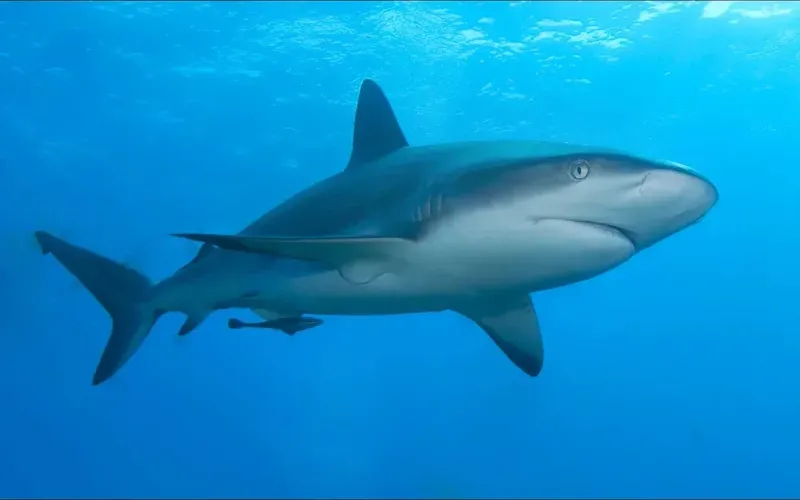
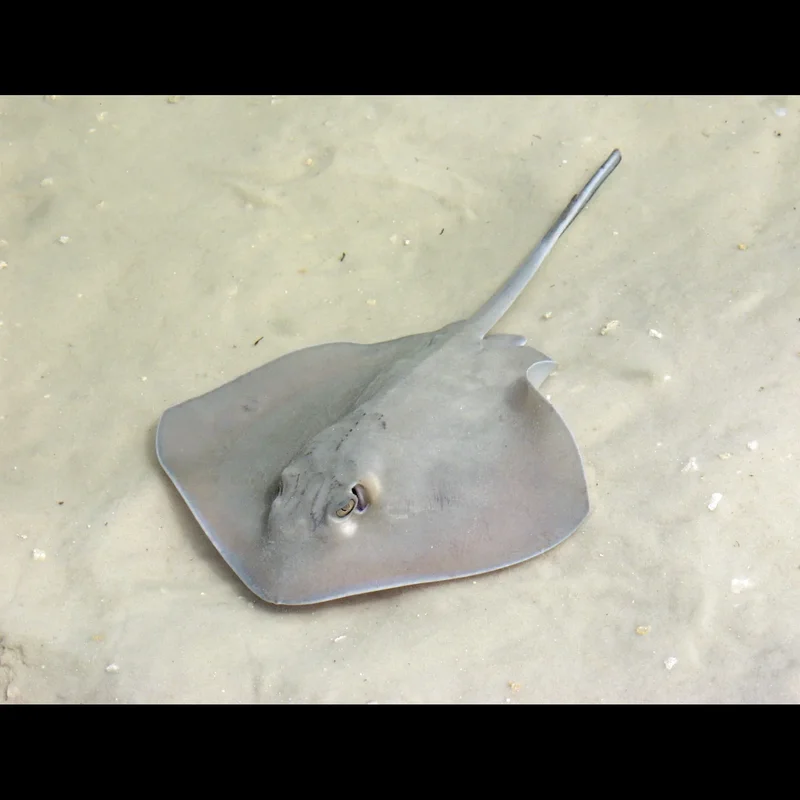
Keep an eye out for southern stingrays gliding across the sand or Caribbean reef sharks patrolling the area, adding a dynamic element to the experience.

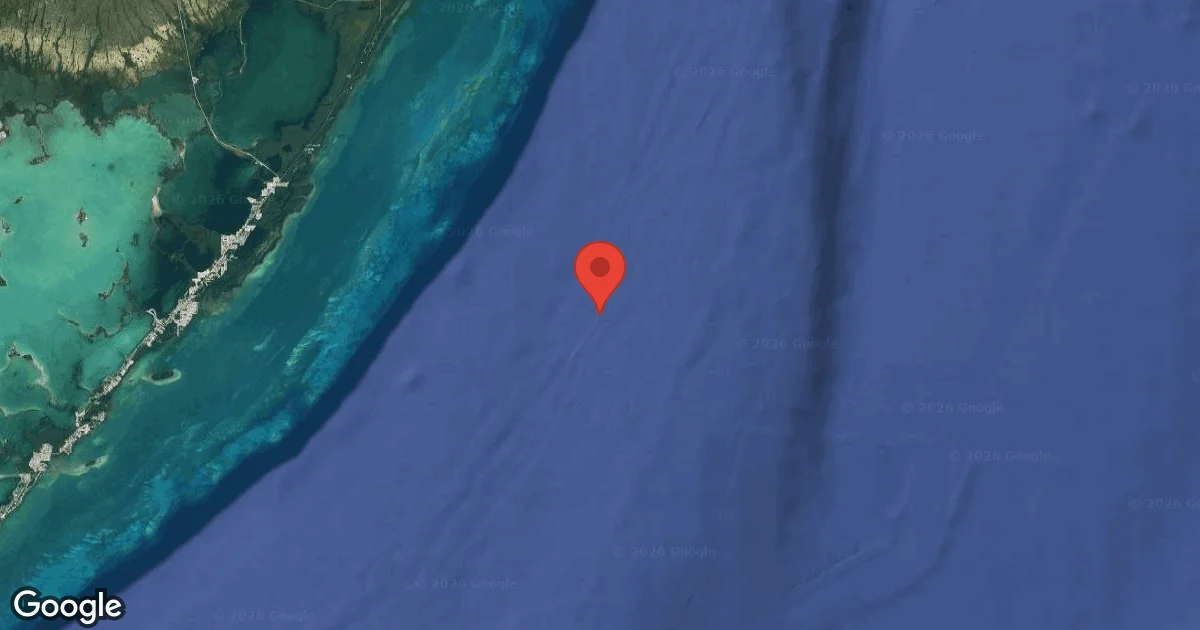
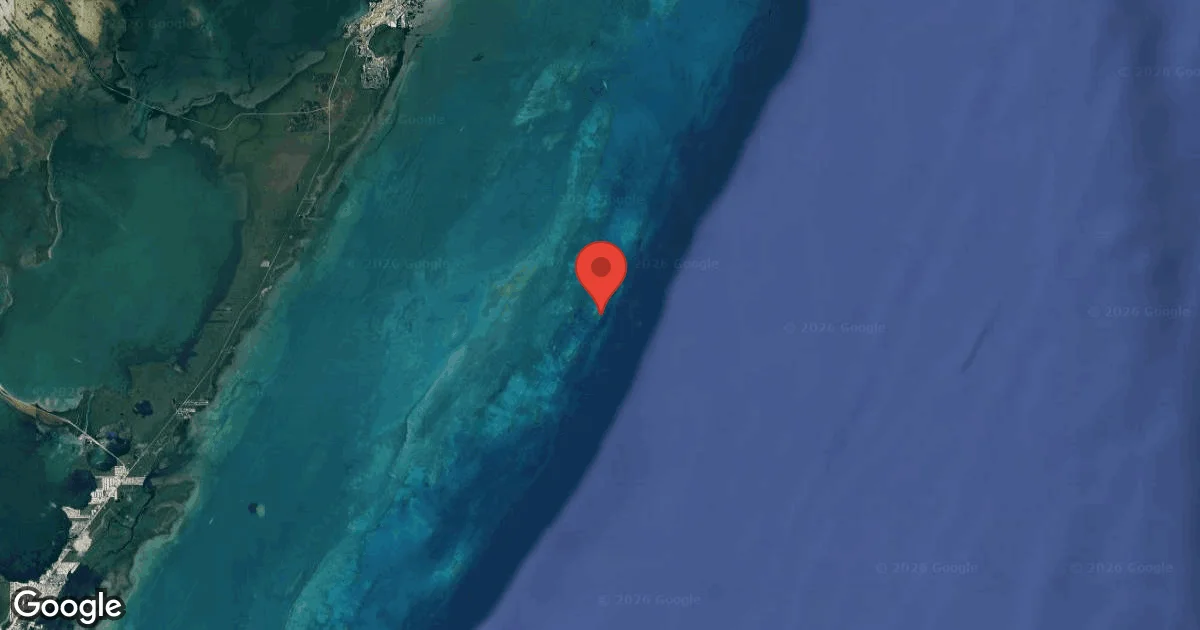
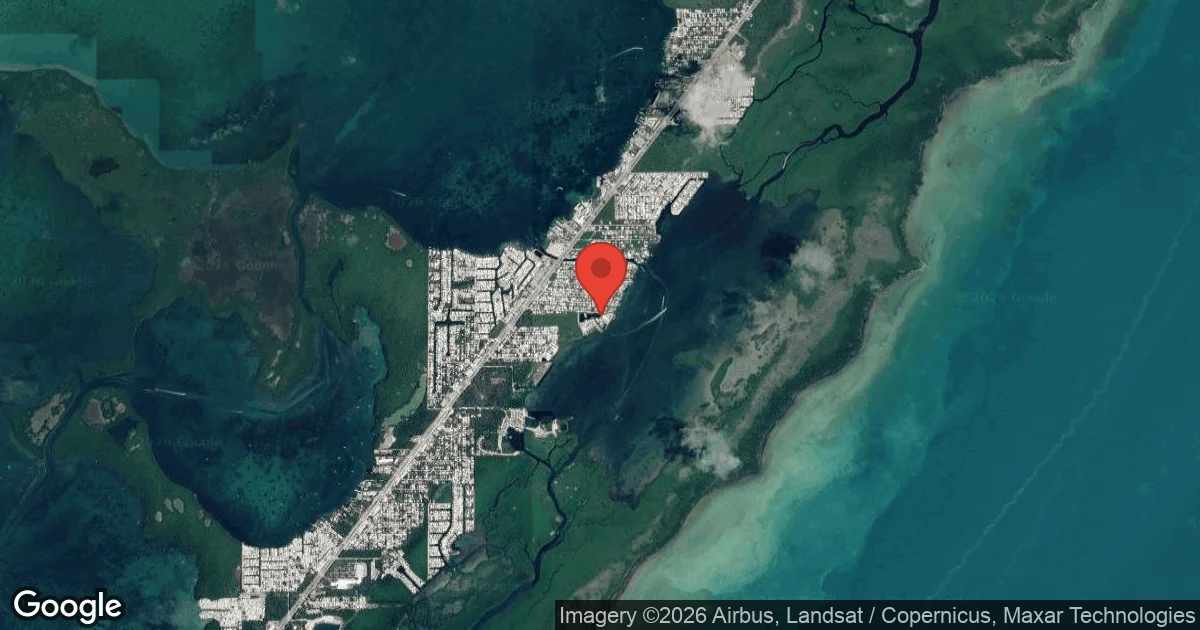
Dive Sites Near Grecian Rocks
View all dive sites in United StatesDiscover more underwater gems in this area.
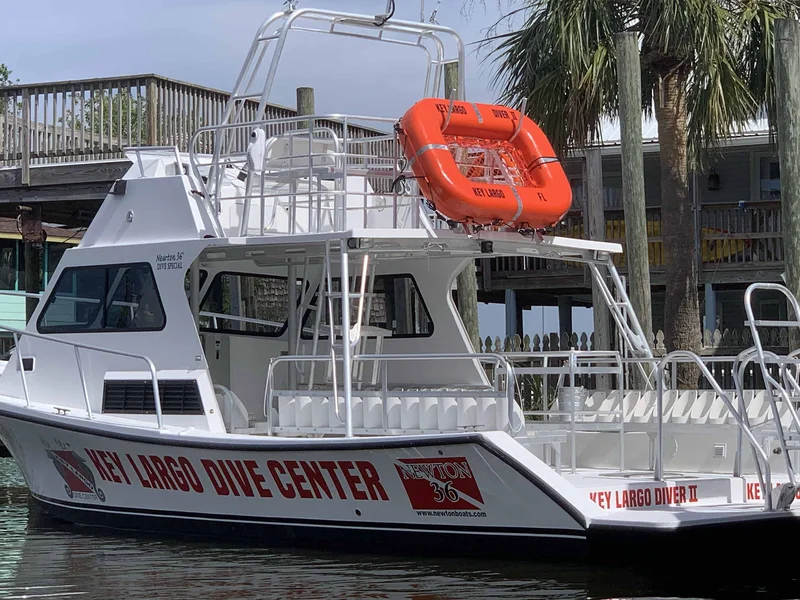
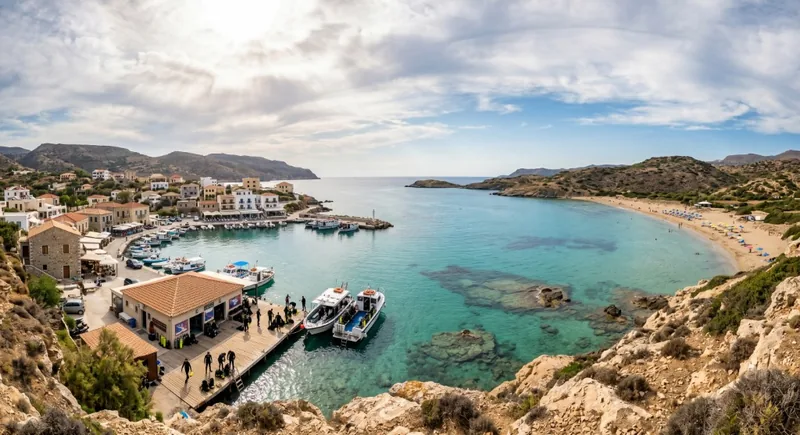
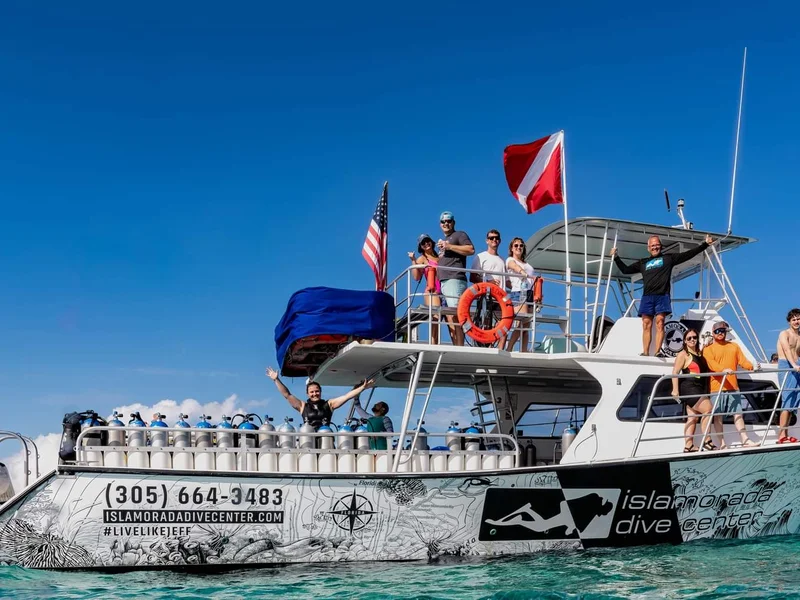
Dive Centers Near Grecian Rocks
Today: 07:30 - 18:30

Nearest Airports
Nearest airports to help plan travel to this dive area.
Search Flights
Check available flights and routes on Expedia, using the nearby airports listed in this section.
Search Flights on ExpediaFrequently Asked Questions
What is the typical depth range at Grecian Rocks?
Depths at Grecian Rocks generally range from 1 to 8 m (4 to 25 ft). Some areas are extremely shallow, becoming awash during low tide, making it accessible for both snorkelers and divers.
Is Grecian Rocks suitable for beginner divers and snorkelers?
Yes, its shallow depth profile and generally gentle conditions make it an excellent site for beginners. Many areas are only 1 to 2 m (4 to 6 ft) deep, ideal for snorkeling and introductory dives.
What kind of marine life can be seen at Grecian Rocks?
Divers often encounter elkhorn and star coral, sea rods, sea whips, and large brain coral formations. Common sightings also include queen conch, various tropical fish, southern stingrays, and occasionally Caribbean reef sharks.
Are there any unique features at Grecian Rocks?
Beyond the vibrant coral, an old Spanish cannon is located approximately 23 m (75 ft) south of the main reef. The site's unique shallow nature means parts of the reef are visible above water at low tide.
What are the best months to dive Grecian Rocks?
The period from February to September generally offers the best dive conditions, with May to July often being peak. During these months, air temperatures are warmer, and wave heights tend to be lower, providing a more comfortable experience.
Is Grecian Rocks part of a protected area?
Yes, Grecian Rocks is designated as a Sanctuary Preservation Area (SPA). This status helps protect the delicate marine life and coral formations, emphasizing the importance of responsible diving practices.
Planning to dive Grecian Rocks?
Send one inquiry and receive offers directly from the best verified local dive operators.
Conditions are Good
Optimal conditions expected
Current conditions near Grecian Rocks show 28° air, 31° sea temperature, 0.5 m waves, and 25 km/h wind. Forecast data is refreshed regularly to ensure accuracy.