
Diving at Molasses Reef (United States)
Navigating the waters of Molasses Reef presents a dynamic experience for divers. As one of the most frequently visited reef systems in the Upper Keys, its popularity translates to a vibrant dive environment but also necessitates careful planning and adherence to regulations. A classic outer reef, spanning 247 acres (100 hectares), boasts a well-defined spur and groove coral system. Divers here encounter varied terrain and a bustling marine ecosystem, making it a compelling destination for certified divers.
As evening covers Molasses Reef, the local air temperature is measured at 28.5°C. The current wave height at the surface is recorded at 0.5 m. These late-day readings characterize the surface conditions for the night.
Dive Site Location & Key Facts
Dive Site Overview
Exploring Molasses Reef immerses divers in a rich underwater tapestry, characterized by its distinctive spur-and-groove formations, winding sandy channels, and dramatic coral canyons. Such structural diversity creates an ideal setting for relaxed dives and abundant photographic opportunities.
While guided trips often target a maximum depth of around 7.6 m (25 ft), the reef system itself extends significantly deeper, reaching over 27 m (90 ft) in certain areas. Divers will find this accessible site suitable for Open Water certification and above, offering a classic Key Largo reef experience. Beyond its natural beauty, the reef also holds historical artifacts, including a substantial ship's winch and a historic Spanish anchor resting on the seafloor, adding layers of interest to the dive experience.
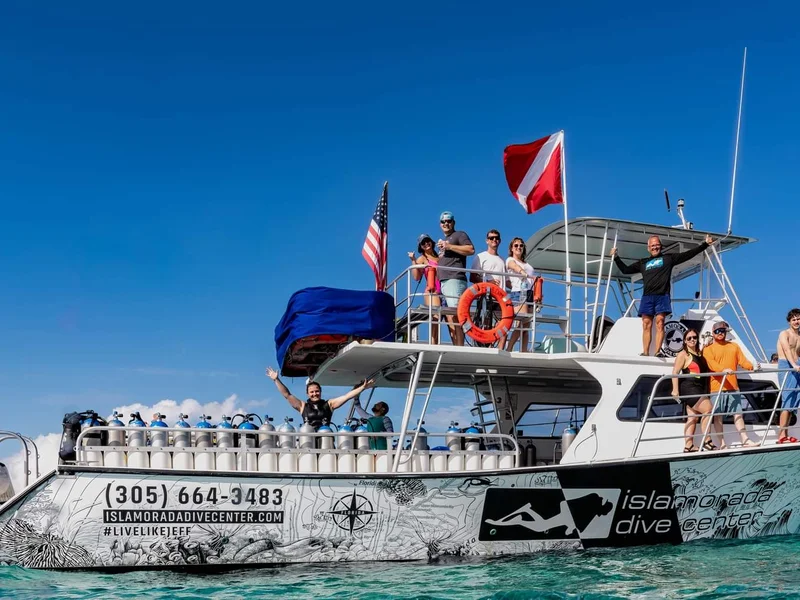
A typical two-tank boat trip allows ample time to appreciate the varied terrain and the healthy coral structures that define this vibrant area, ensuring a comprehensive exploration.
Conditions are Good
Optimal conditions expected
Current conditions near Molasses Reef show 28° air, 31° sea temperature, 0.5 m waves, and 25 km/h wind. Forecast data is refreshed regularly to ensure accuracy.
Best Time to Dive
Planning a dive at Molasses Reef often prioritizes optimal visibility, which tends to be excellent for underwater photography during specific periods. While accessible year-round, conditions vary. May through September generally offers favorable diving conditions, with average air temperatures ranging from 27-29°C (81-84°F) and lower wave heights, typically below 0.8 meters. Rainfall is also generally lower during May, July, and November, which can contribute to clearer water. Conversely, months like October, November, and December see higher average wave heights, sometimes exceeding 1.2 meters, and stronger winds, potentially impacting surface conditions and visibility. Dive scores are consistently 'Good' or 'Moderate' throughout the year, but May, July, and August show the highest 'Good' scores, indicating generally calmer seas and better overall conditions for diving.
PEAK SEASON SCORE
Scores combine air & water temps, waves, wind & rainfall for overall conditions.
BEST MONTHS TO DIVE
Monthly records compiled from satellite and marine observation nodes over the last 3 years. Data provided by Open-Meteo and MET Norway.
Dive Experience & Conditions
Molasses Reef's depth profile caters to a range of certifications. Open Water divers typically explore its shallower, more protected sections, with guided trips often operating around 7.6 meters (25 feet). However, the reef truly extends from shallow expanses down to greater depths, offering opportunities for more advanced training and exploration. Its signature spur-and-groove formations create numerous nooks and ledges, providing shelter and points of interest. Along the outside edge of the reef, currents can sometimes be pronounced enough to facilitate an exciting drift dive, making it suitable for Drift Diver training. Water temperatures are not consistently reported in our system data, but generally, the Florida Keys experience pleasant conditions, although very high temperatures during summer months, such as in 2023, have led to widespread coral bleaching.
Dive Difficulty & Safety Guidelines
Diving at Molasses Reef demands an awareness of its status as a Sanctuary Preservation Area, which entails specific regulations governing activities to protect the marine environment. Operators emphasize safety-first procedures, including thorough site and safety briefings before each dive. Buddy checks are standard practice, and professional crew support is readily available in the water.
Divers should be comfortable with open water conditions and capable swimmers, especially if contemplating the reef's outer edges where currents can create an exhilarating drift. Given the popularity of the site, vigilance in maintaining situational awareness regarding other dive groups is also a practical consideration. It's imperative to respect all local guidelines to preserve the delicate ecosystem.
Recommended Equipment
- Dive Computer
This gear list is based on verified equipment signals for Molasses Reef, United States. Always confirm final gear choices with your dive operator, guide, or liveaboard.
Recommended Dive Suit
Divers visiting Molasses Reef today can expect water conditions around 31°C (88°F). Surface air temperatures are resting at 28°C (83°F).
For the majority of recreational dives here, dive skin or rash guard should provide suitable protection. A hood or vest is suggested for sensitive divers due to surface winds.
Weather models currently point toward consistent diving conditions over the next several days.
Emergency & Medical Support
Essential information to help you plan your dive trip to Molasses Reef.

Hyperbaric chambers are a critical part of dive safety infrastructure. Availability varies significantly by region, and not all dive areas have immediate access.
Before diving, it's recommended to:
- confirm nearest medical facilities
- check emergency procedures with local dive operators
- ensure dive insurance covers evacuation if required
Divers Alert Network
Diving emergency assistance available through DAN World.
+1-919-684-9111- 24/7 emergency hotline
- Diving medical assistance
- Evacuation coordination
Emergency contacts are provided for reference. Always verify local emergency services before diving.
Marine Life at Molasses Reef
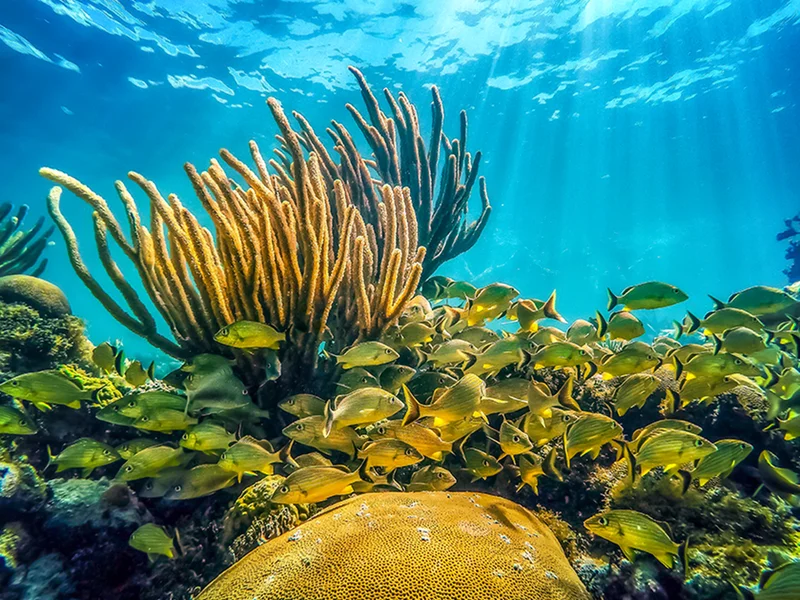
Molasses Reef's underwater landscape supports a dense and diverse array of marine life. Divers can expect to encounter an abundance of reef fish, often schooling through the intricate spur-and-groove coral formations.
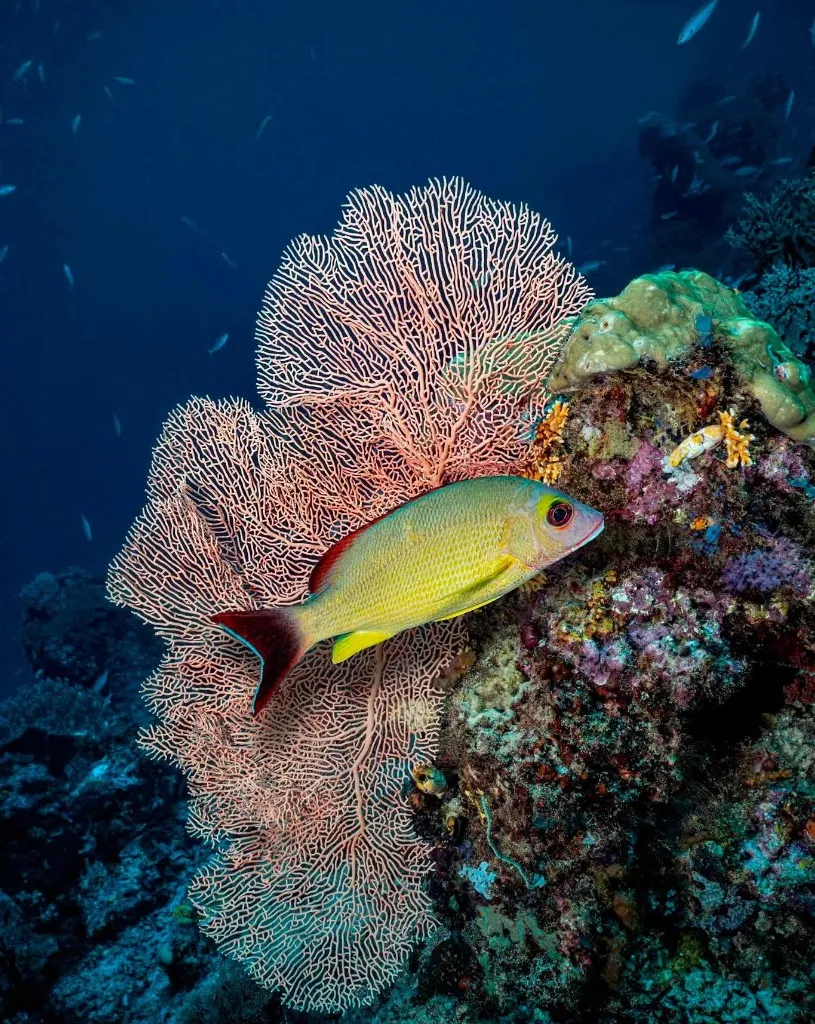
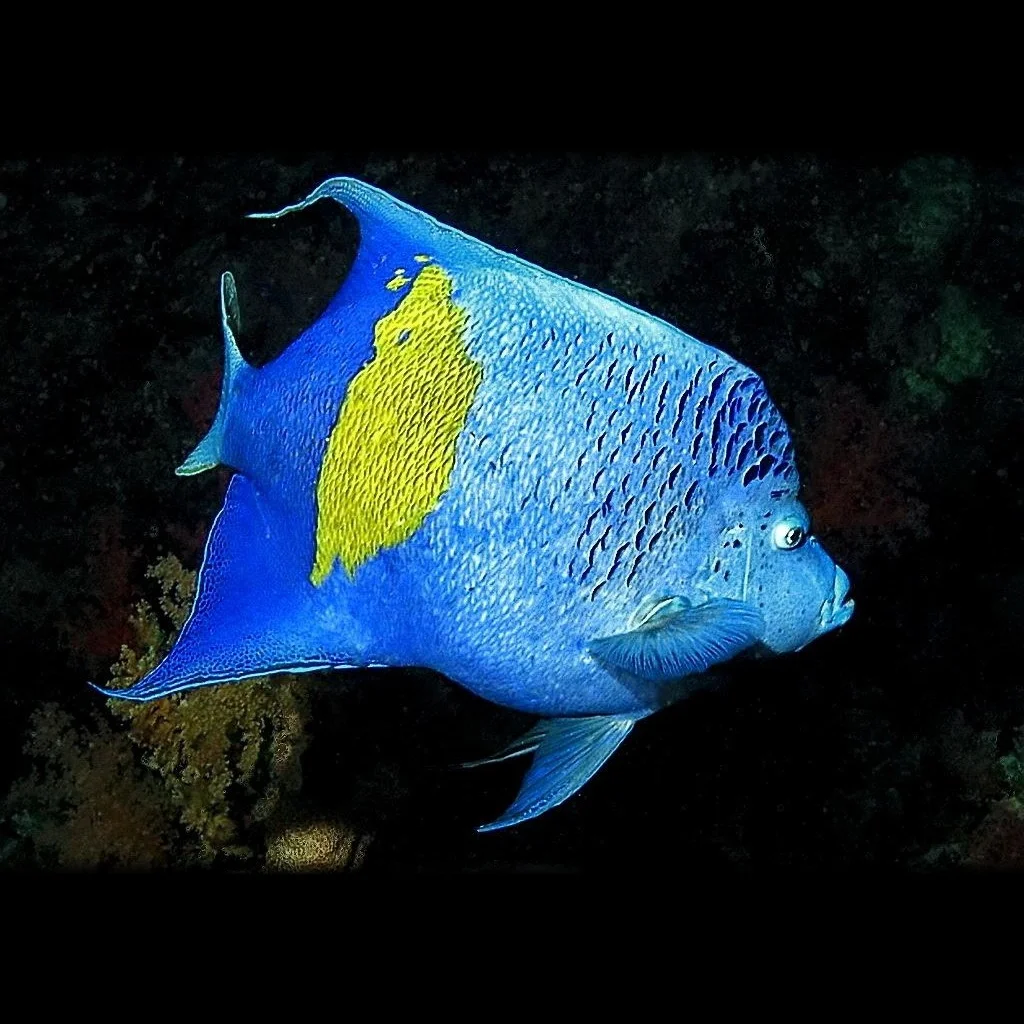
Species like Queen Angelfish, Stoplight Parrotfish, and Yellowtail Snapper are commonly observed here. Living coral gardens themselves, composed of various brain corals, sea fans, and areas of elkhorn and staghorn coral, provide critical habitats, though widespread coral bleaching and mortality were reported in the summer of 2023.
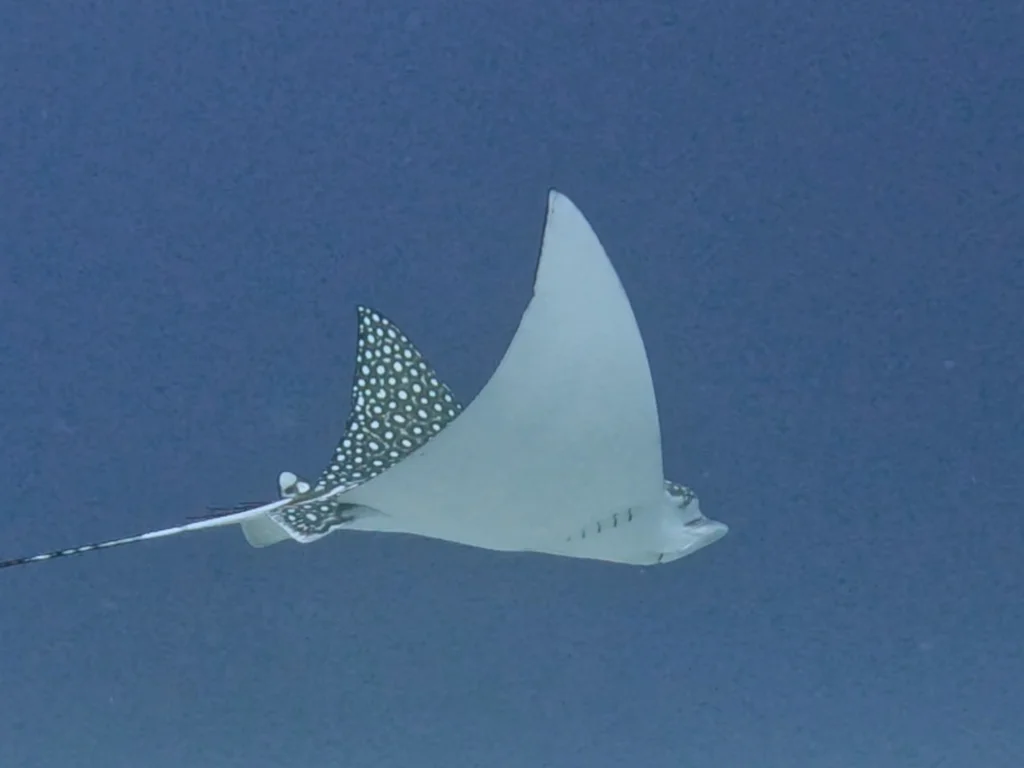
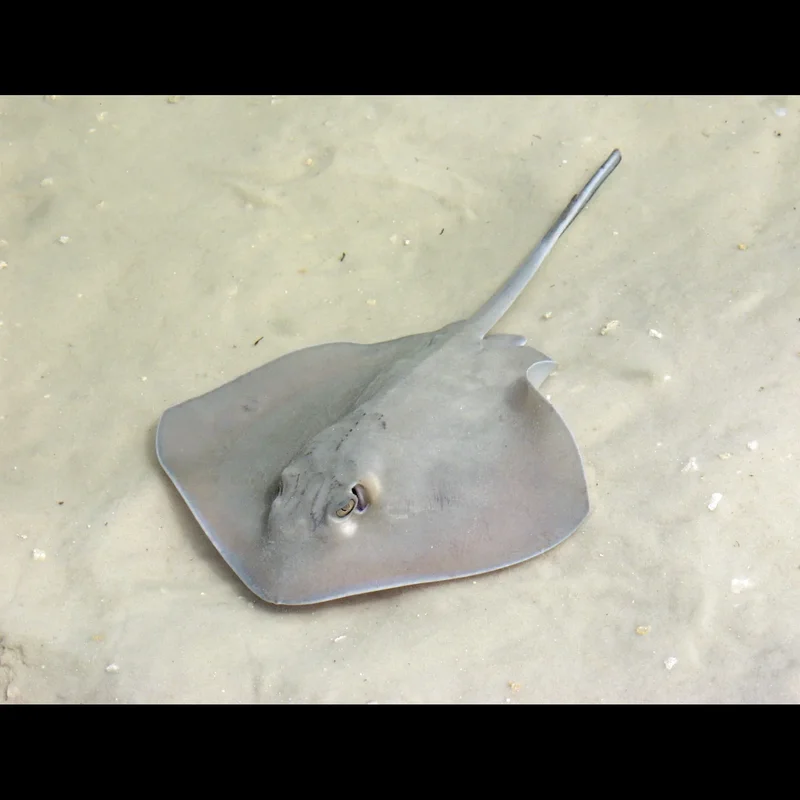
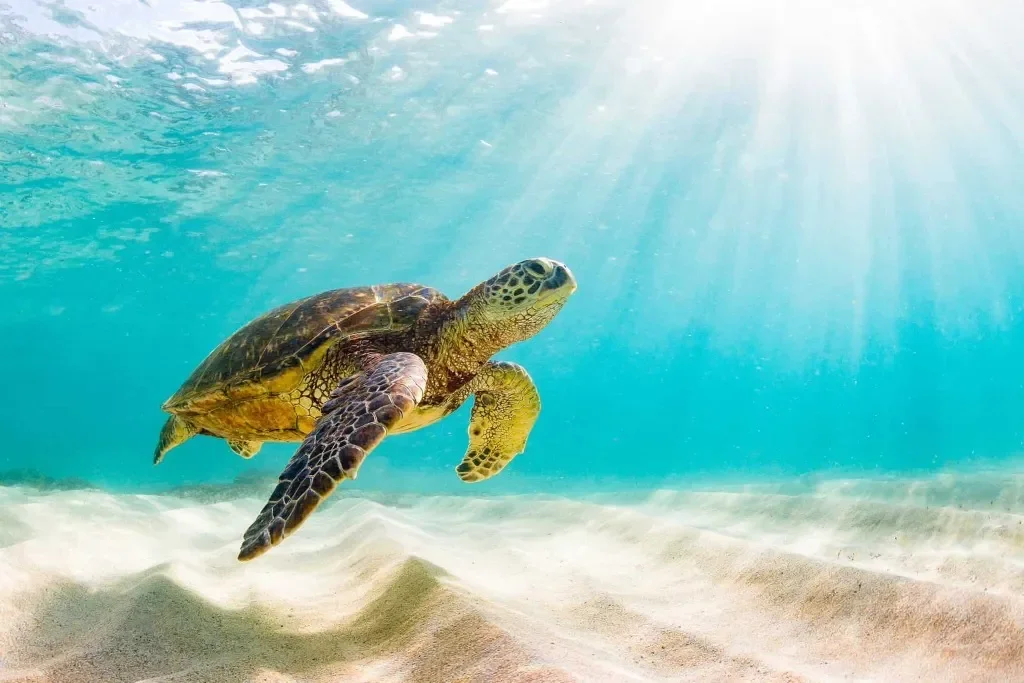
Keep a watchful eye for larger pelagic species, as graceful rays and turtles, including Green Sea Turtles, Spotted Eagle Rays, and Southern Stingrays, frequently cruise reef edges.
Dive Sites Near Molasses Reef
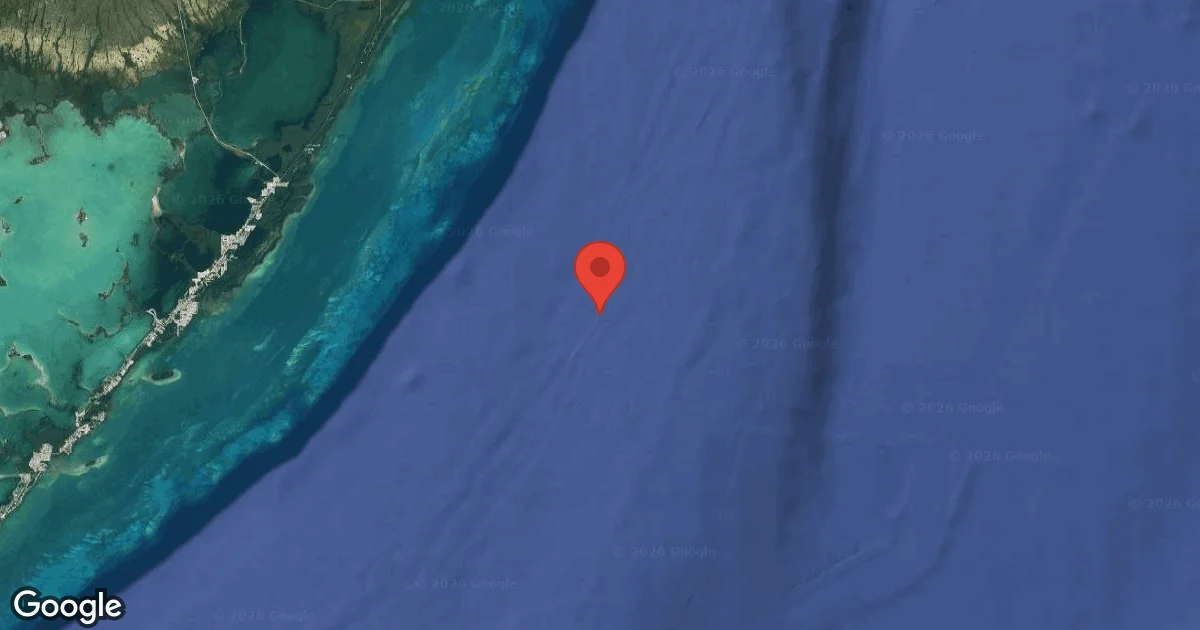
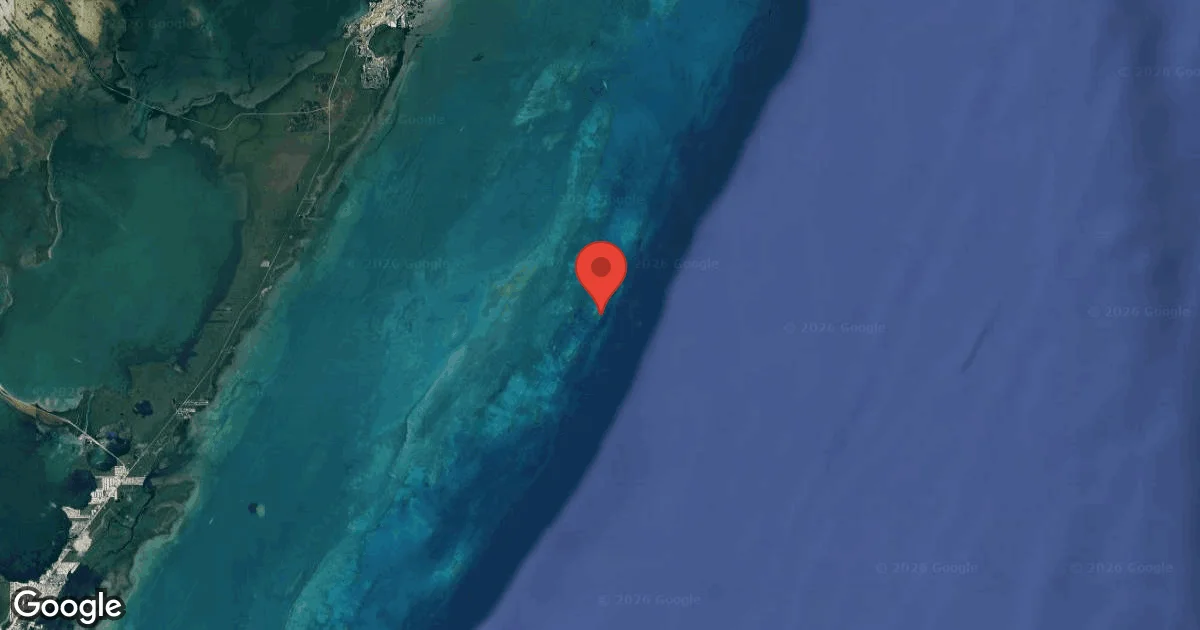
View all dive sites in United StatesDiscover more underwater gems in this area.
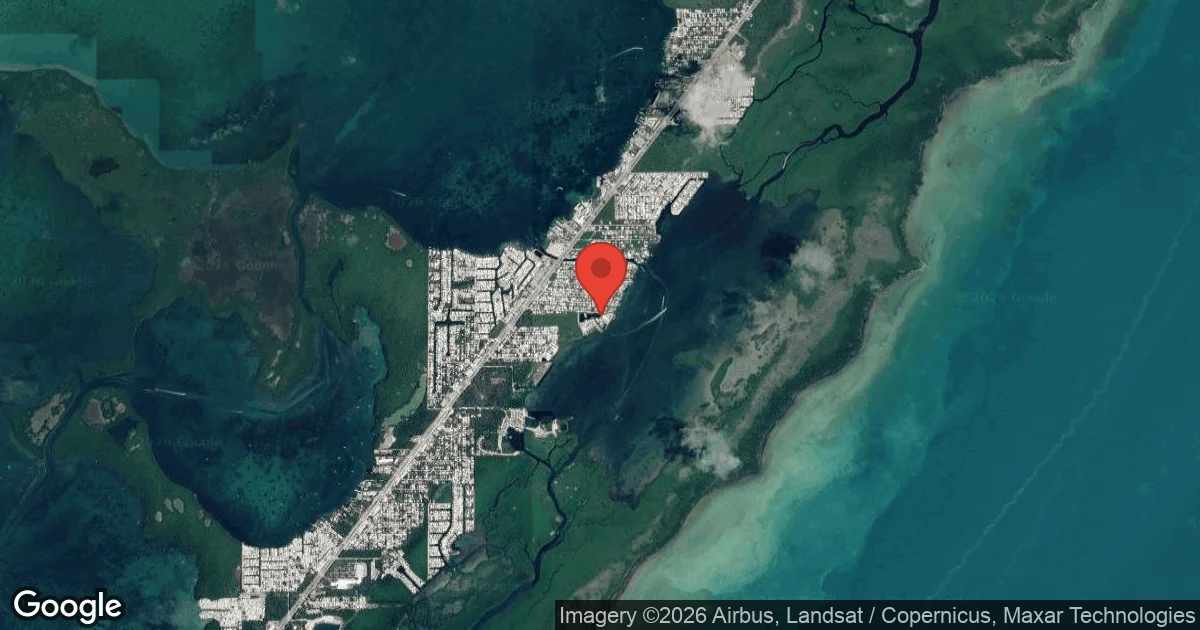
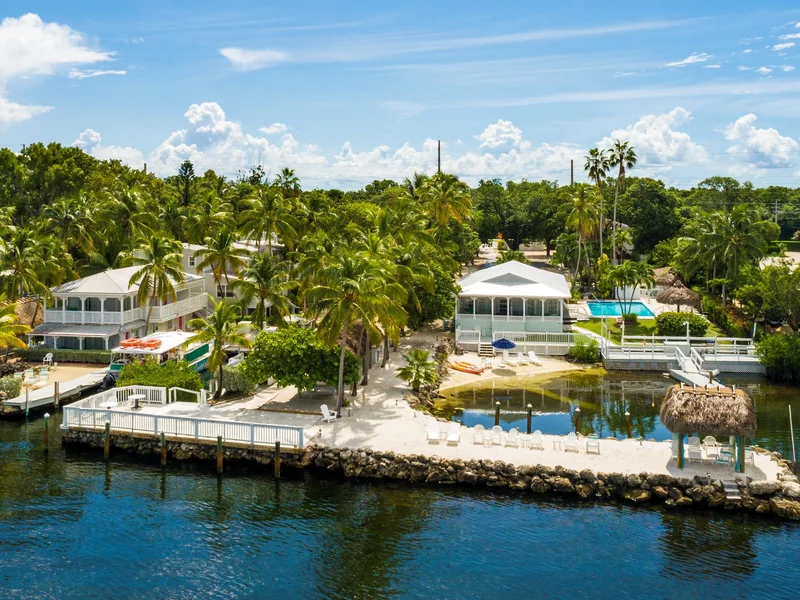
Dive Centers Near Molasses Reef
Today: 07:30 - 18:30


Nearest Airports
Nearest airports to help plan travel to this dive area.
Search Flights
Check available flights and routes on Expedia, using the nearby airports listed in this section.
Search Flights on ExpediaFrequently Asked Questions
What are the typical departure times for Molasses Reef dive trips?
Most operators offer multiple daily trips to Molasses Reef. Common departure times are 8:30 AM for morning dives and 1:30 PM for afternoon excursions, with check-in typically occurring 45 minutes prior.
How deep is Molasses Reef?
Molasses Reef offers a broad depth range. Many guided open water dives are conducted in shallower areas. The reef system itself extends from very shallow sections to considerable depths, catering to various experience levels.
Is Molasses Reef suitable for underwater photography?
Molasses Reef is highly regarded for underwater photography. Its clear waters, varied coral formations, and dense fish populations provide numerous opportunities for capturing compelling images, especially during optimal visibility windows.
How long is the boat ride to the dive site?
The boat ride to Molasses Reef is generally short and comfortable. Travel time to the best reef conditions for the day typically ranges from 20 to 45 minutes.
What is included in a standard Molasses Reef dive trip?
A standard dive trip to Molasses Reef usually includes a two-tank boat excursion, tanks, weights, and comprehensive site and safety briefings. Professional crew support is also provided throughout the experience.
Is Molasses Reef a good site for newly certified divers?
Yes, Molasses Reef is considered suitable for newly certified Open Water divers due to its relatively shallow areas, typically calm conditions, and professional in-water support. It offers an excellent introduction to classic Florida Keys reef diving.
Can divers request a specific Molasses Reef mooring/site?
While operators aim to visit popular sites like Molasses Reef, specific mooring requests are not always guaranteed. Dive sites are selected daily based on weather, current conditions, and overall safety to ensure the best possible experience for divers.
Planning to dive Molasses Reef?
Send one inquiry and receive offers directly from the best verified local dive operators.
Conditions are Good
Optimal conditions expected
Current conditions near Molasses Reef show 28° air, 31° sea temperature, 0.5 m waves, and 25 km/h wind. Forecast data is refreshed regularly to ensure accuracy.