
Diving at Carysfort Reef Light (United States)
Carysfort Reef Light stands as an enduring sentinel over one of the Florida Keys' most biologically rich coral ecosystems. This historic iron lighthouse, completed in 1852, protected ships from the shallow, hazardous ridges below for generations. Today, it marks a significant Sanctuary Preservation Area, offering divers a glimpse into a vibrant underwater world just a short boat ride from Key Largo. Its skeletal structure provides a striking topside landmark for a captivating reef.
Early observations for Carysfort Reef Light report a surface air temperature of 28.5°C. The water surface is currently presenting wave heights of 0.5 m. Consider these environmental metrics before beginning your descent.
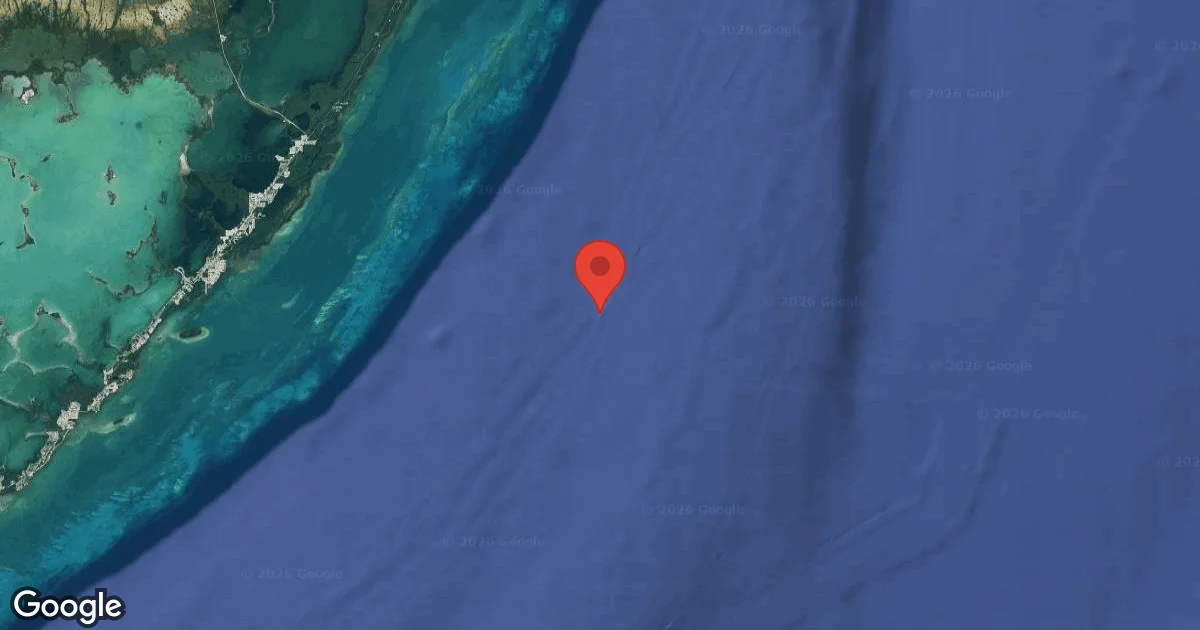
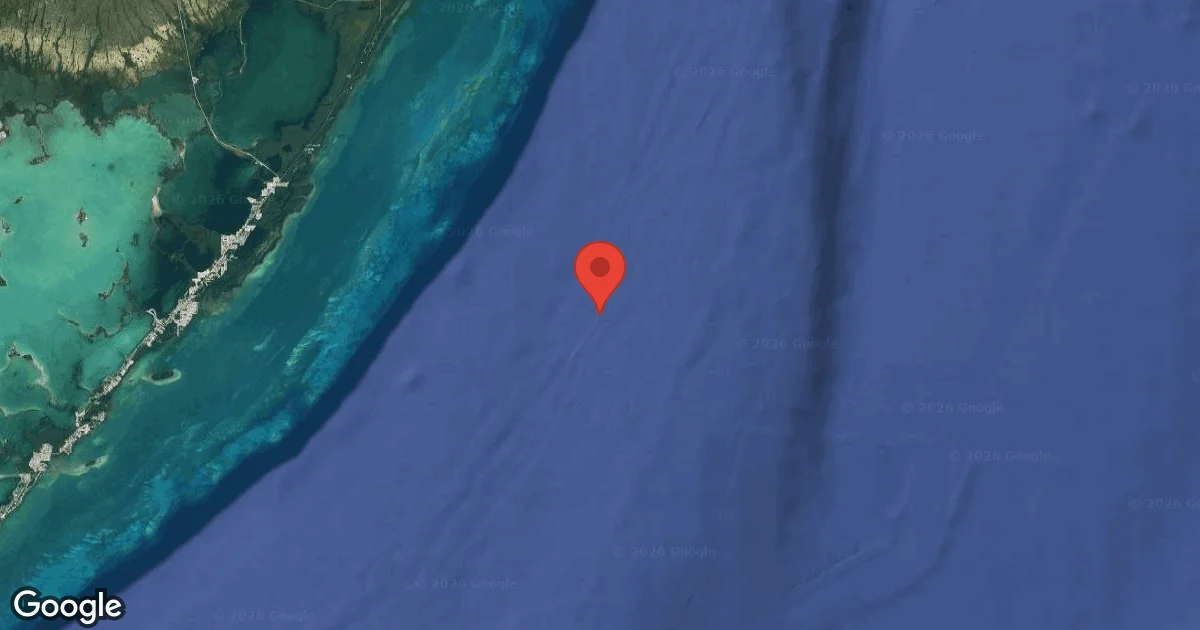
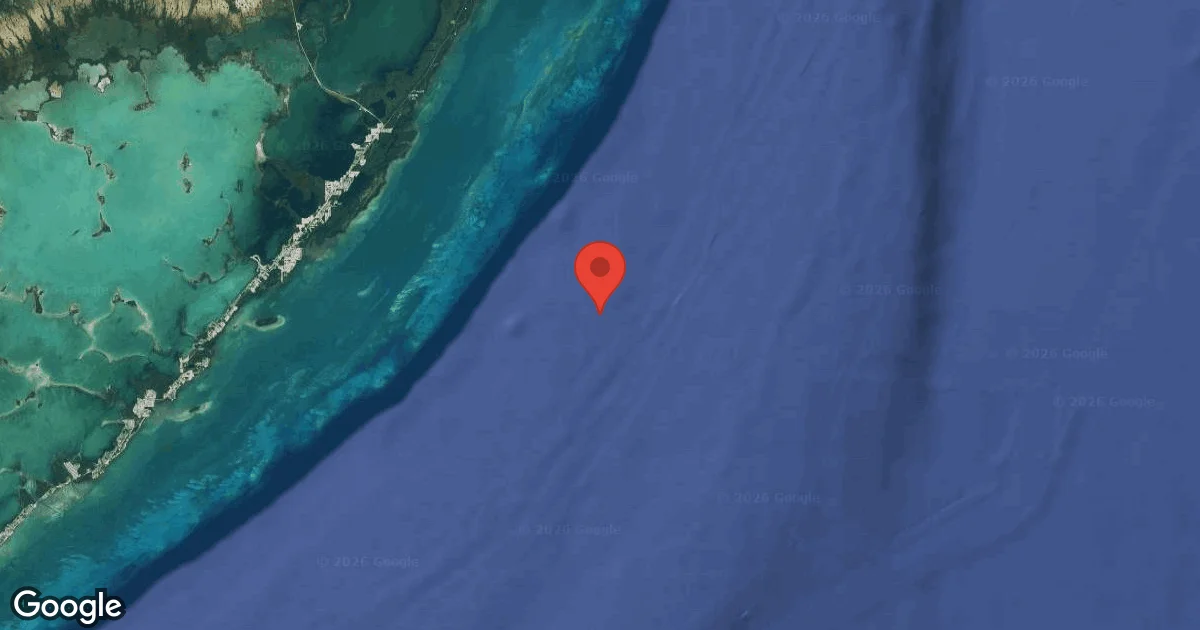
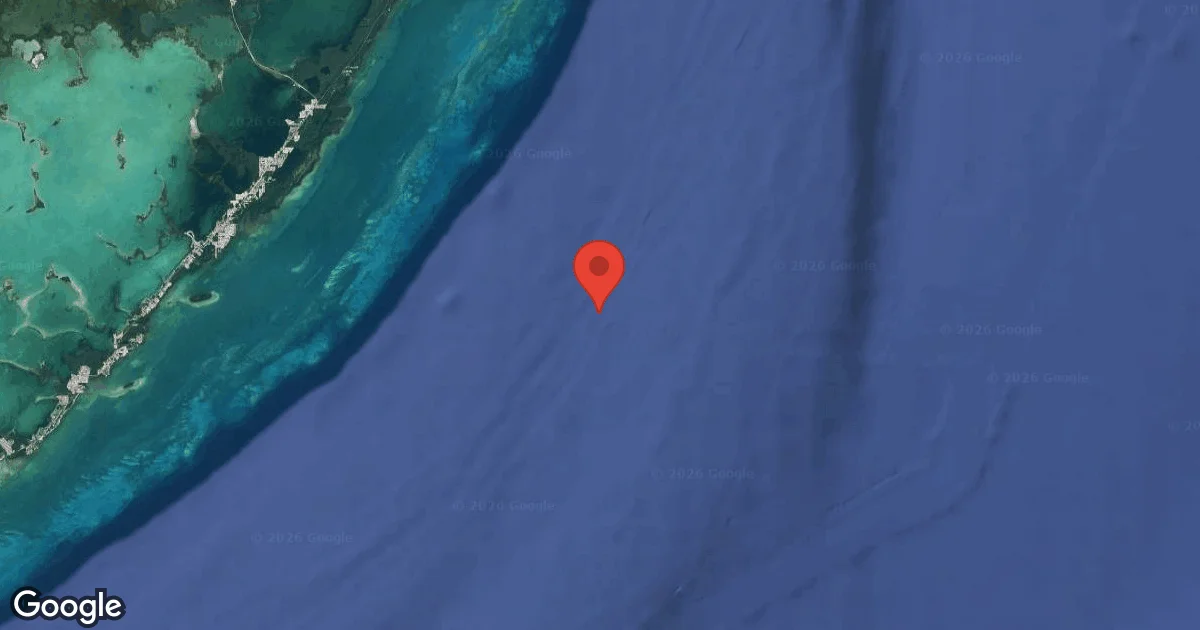
Dive Site Location & Key Facts
Dive Site Overview
Exploring Carysfort Reef Light reveals a dynamic 'double reef' configuration within the Florida Keys National Marine Sanctuary. Close to the lighthouse, extensive shallow coral formations are ideal for snorkelers and newer divers.
These vibrant sections, frequently around 5 m (18 ft) deep, allow full-spectrum color penetration, creating a truly cinematic experience as sunlight dances through the water. Further offshore, the reef structure evolves into a labyrinth of under-ridges, gullies, and occasional swim-through tunnels.
Massive star corals loom over these deeper sections, which can extend to around 24 m (80 ft) for certified divers seeking broader exploration. The site lies within the Key Largo Existing Management Area, northeast of The Elbow, emphasizing its protected status and ecological importance.
It's considered one of the most developed reef systems in the Keys, providing diverse experiences for various skill levels.
Conditions are Good
Optimal conditions expected
Current conditions near Carysfort Reef Light show 29° air, 31° sea temperature, 0.5 m waves, and 25 km/h wind. Forecast data is refreshed regularly to ensure accuracy.
Best Time to Dive
For a truly exceptional dive experience at Carysfort Reef Light, planning your visit between February and September generally aligns with 'Good' dive scores. Months like February (air temp averaging 22°C / 72°F), May (26.5°C / 80°F), and July (29°C / 84°F) often present favorable conditions, including lower wave heights and lighter winds. Rain activity tends to be minimal during these periods, particularly in February, April, and May, which enhances visibility. During the late summer months of July, August, and September, air temperatures are at their warmest, contributing to a comfortable overall experience. Conversely, months like December and March typically show higher wave heights and stronger winds, which can impact surface conditions and overall comfort.
PEAK SEASON SCORE
Scores combine air & water temps, waves, wind & rainfall for overall conditions.
BEST MONTHS TO DIVE
Monthly records compiled from satellite and marine observation nodes over the last 3 years. Data provided by Open-Meteo and MET Norway.
Dive Experience & Conditions
Approaching Carysfort Reef Light, divers find conditions generally conducive for various experience levels. The area immediately surrounding the lighthouse is characterized by shallow, clear water, with typical depths around 5 m (18 ft), making it very accessible for snorkelers and open water divers. Visibility often proves excellent, allowing for extended exploration of the intricate coral formations. While minimal currents drift over the shallower reef, conditions can vary, particularly with changing weather patterns. The broader reef system beyond the immediate light structure offers deeper sections for certified divers, potentially reaching up to 24 m (80 ft). Navigating the reef's under-ridges and gullies provides an immersive experience, even for those new to reef diving. Water temperatures, while not consistently reported with exact values, are typically warm, characteristic of the Florida Keys, though recent years have seen periods of elevated temperatures affecting coral health.
Dive Difficulty & Safety Guidelines
Diving at Carysfort Reef Light requires adherence to the special regulations governing its status as a Sanctuary Preservation Area (SPA). The area is situated within the Florida Keys National Marine Sanctuary, which necessitates respecting all established guidelines to protect this fragile ecosystem. Its relatively shallow depths and generally clear conditions make it suitable for novice divers and snorkelers, though proper training and responsible diving practices are always essential.
There are no specific hazards commonly reported beyond those inherent to open water diving, such as boat traffic. Divers should maintain neutral buoyancy to avoid contact with coral structures and ensure they stay within recreational depth limits appropriate for their certification. Respecting marine life and leaving no trace is paramount to preserving the site.
Recommended Equipment
- Dive Computer
- DSMB
This gear list is based on verified equipment signals for Carysfort Reef Light, United States. Always confirm final gear choices with your dive operator, guide, or liveaboard.
Recommended Dive Suit
Exposure protection is partly a personal preference.
Dive skin or rash guard typically provides a reliable level of thermal protection for dives here. A hood or vest is suggested for sensitive divers due to surface winds. Weather models currently point toward consistent diving conditions over the next several days.
Water temperatures across the dive area at Carysfort Reef Light are presently estimated to be around 31°C (87°F). Surface air temperatures are resting at 29°C (83°F).
Emergency & Medical Support
Essential information to help you plan your dive trip to Carysfort Reef Light.

Hyperbaric chambers are a critical part of dive safety infrastructure. Availability varies significantly by region, and not all dive areas have immediate access.
Before diving, it's recommended to:
- confirm nearest medical facilities
- check emergency procedures with local dive operators
- ensure dive insurance covers evacuation if required
Divers Alert Network
Diving emergency assistance available through DAN World.
+1-919-684-9111- 24/7 emergency hotline
- Diving medical assistance
- Evacuation coordination
Emergency contacts are provided for reference. Always verify local emergency services before diving.
Marine Life at Carysfort Reef Light
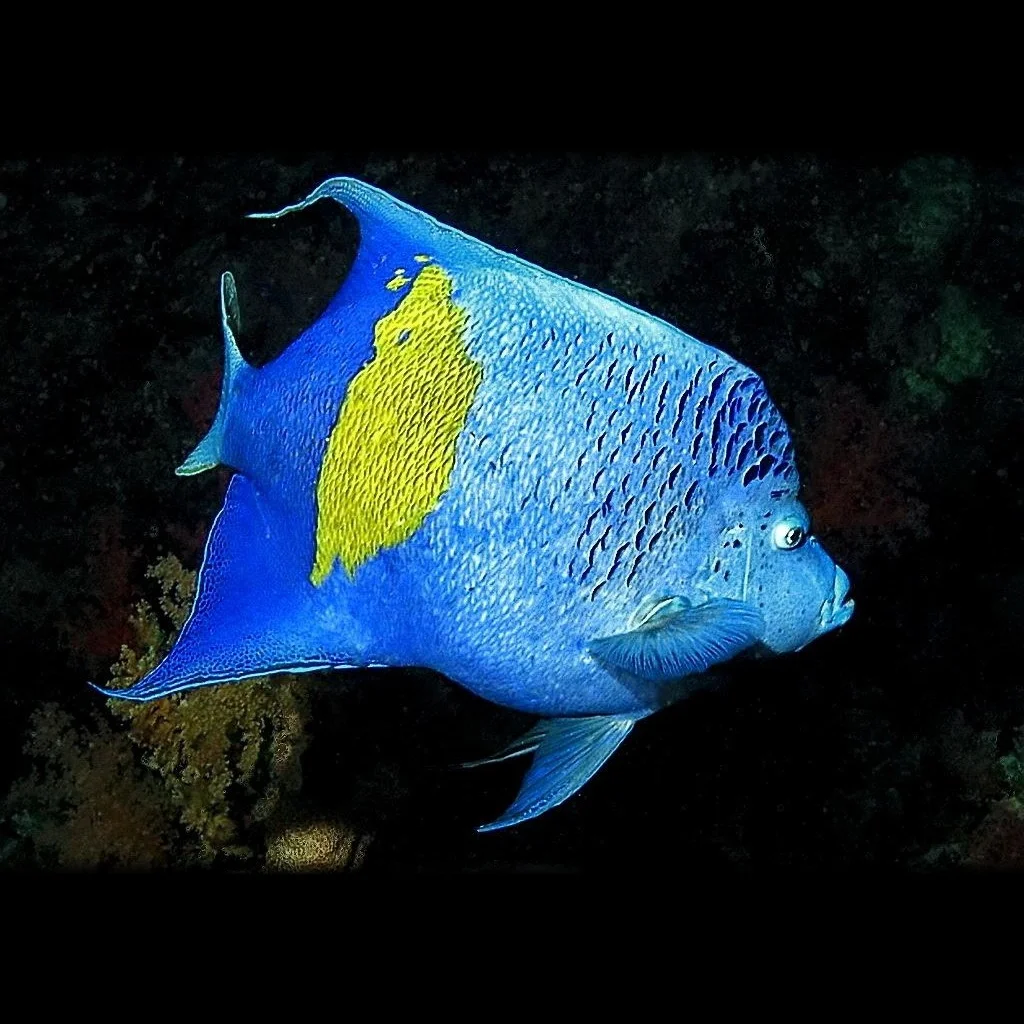
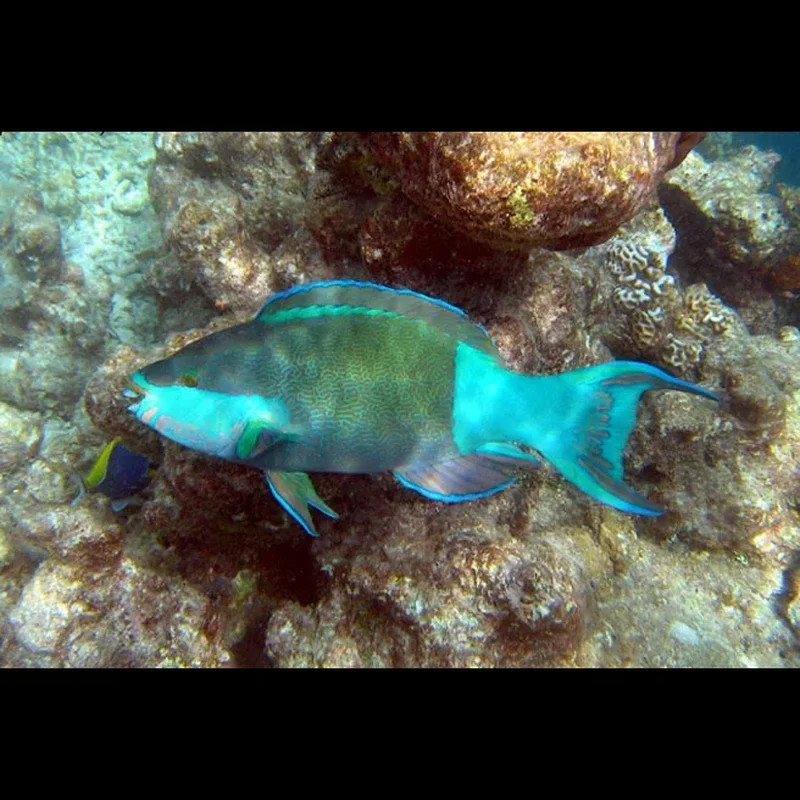
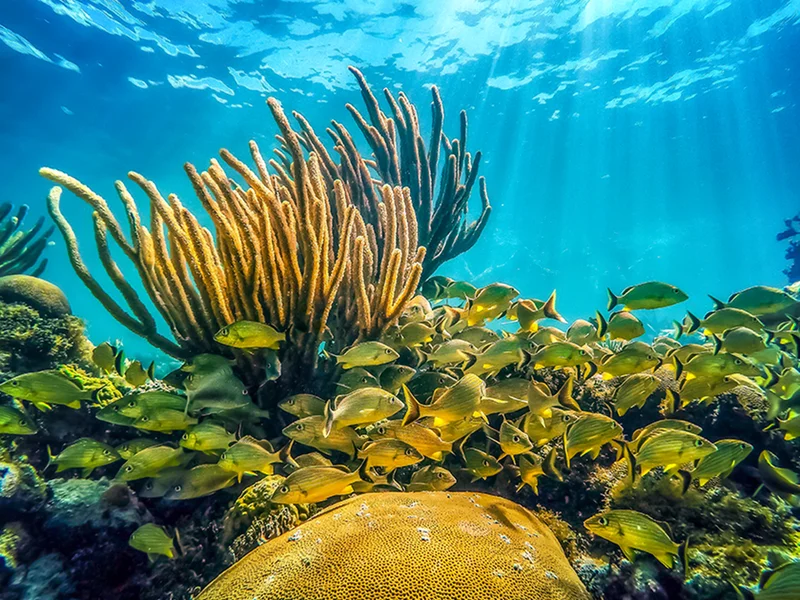
Diving here reveals diverse marine patterns. You'll observe reef fish surging in schools, parrotfish grazing across coral surfaces, and graceful turtles gliding over ridges.
Angelfish frequently flicker through sea fan clusters. The reef hosts a rich array of star coral formations, particularly in deeper areas, and broad expanses of elkhorn coral characterize Carysfort South, making it a visually rich encounter.
Dive Sites Near Carysfort Reef Light
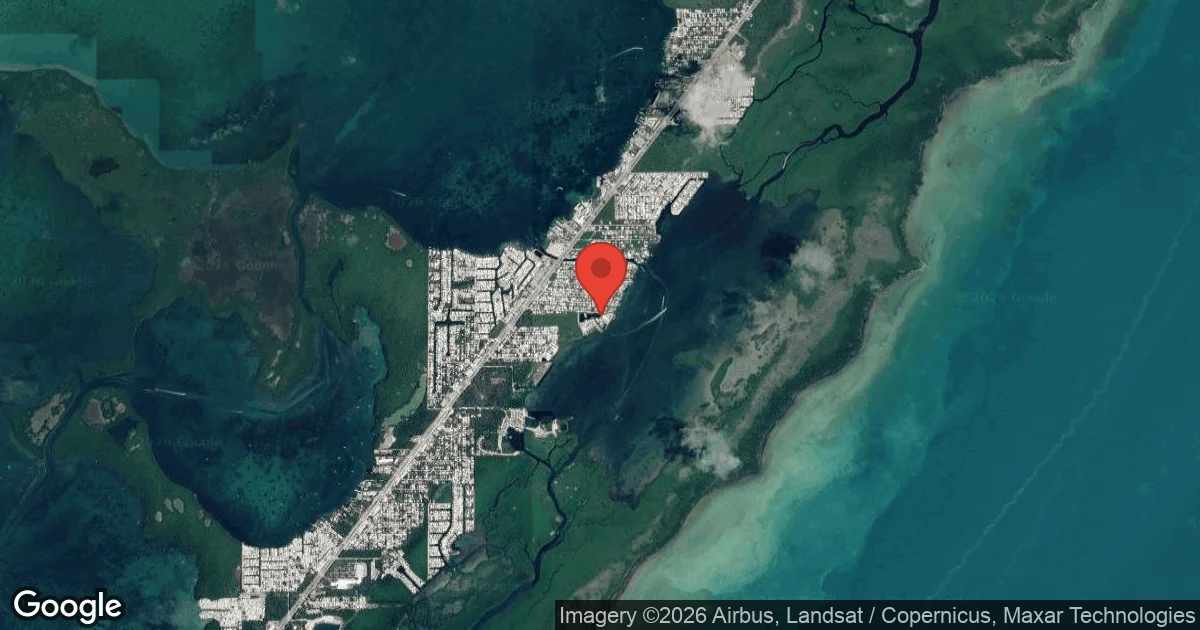
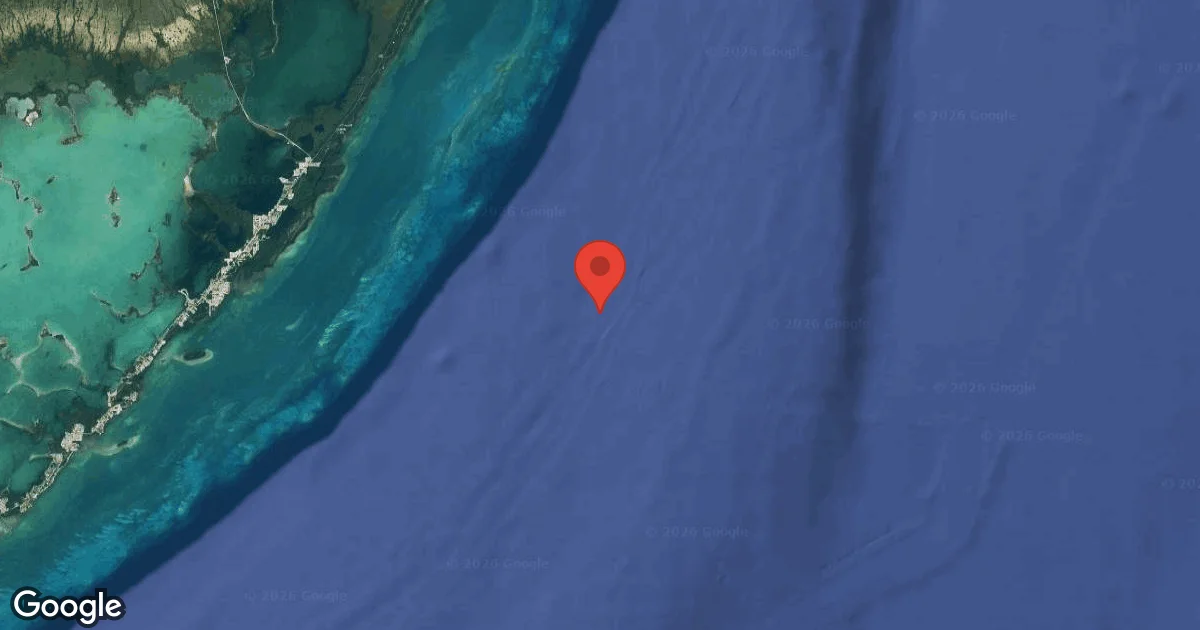
View all dive sites in United StatesDiscover more underwater gems in this area.
Dive Centers Near Carysfort Reef Light
Today: 07:30 - 18:30

Nearest Airports
Nearest airports to help plan travel to this dive area.
Search Flights
Check available flights and routes on Expedia, using the nearby airports listed in this section.
Search Flights on Expedia
Plan Your Stay
Looking for a place to stay for your dive trip? Explore hotels, stays, and vacation rentals for dive groups near North Key Largo.
Dive Navigator may earn a commission from these links at no extra cost to you.
Frequently Asked Questions
What is the typical maximum depth for diving at Carysfort Reef Light?
The immediate vicinity of Carysfort Reef Light typically offers depths around 5 meters, ideal for snorkelers and new divers. However, the broader Carysfort Reef system can extend to around 24 meters for more experienced, certified divers.
Is Carysfort Reef Light suitable for snorkelers?
Yes, Carysfort Reef Light is highly recommended for snorkelers. Its shallow, clear waters and abundant coral formations provide an excellent opportunity to experience marine life from the surface. The site is often praised for its exceptional clarity and color.
What kind of coral can I expect to see at Carysfort Reef?
Divers and snorkelers can expect to see a proliferation of shallow corals, including significant expanses of elkhorn coral (Acropora palmata) in areas like Carysfort South. Offshore sections feature massive star corals (Montastraea cavernosa) amidst ridges and gullies.
Are there any special regulations for diving at Carysfort Reef Light?
Yes, Carysfort Reef Light is part of a Sanctuary Preservation Area (SPA) within the Florida Keys National Marine Sanctuary. Special regulations apply to protect its sensitive marine ecosystem, emphasizing responsible interaction and no-take rules.
Is Carysfort Reef Light a good spot for new divers?
Absolutely. The shallower sections around the lighthouse, with their manageable depths and typically good visibility, are well-suited for open water certified divers and those looking for a comfortable introduction to reef diving in the Florida Keys.
What marine life is commonly seen at Carysfort Reef?
Common sightings include a variety of reef fish, parrotfish, turtles, and angelfish. The vibrant coral structures also support a diverse range of smaller aquatic creatures, adding to the visual spectacle.
Planning to dive Carysfort Reef Light?
Send one inquiry and receive offers directly from the best verified local dive operators.
Conditions are Good
Optimal conditions expected
Current conditions near Carysfort Reef Light show 29° air, 31° sea temperature, 0.5 m waves, and 25 km/h wind. Forecast data is refreshed regularly to ensure accuracy.