
Diving at Oleta State Park Reef (United States)
Divers approaching Oleta State Park should envision accessing the wider Biscayne Bay Aquatic Preserves, an integral part of Florida's Coral Reef ecosystem. This location serves as a gateway to exploring the submerged natural nurseries and varied habitats near the coast. Planning a dive here involves considering the estuary's influence on conditions and the broader reef environment.
As evening covers Oleta State Park Reef, the local air temperature is measured at 29°C. The current wave height at the surface is recorded at 0.4 m. These late-day readings characterize the surface conditions for the night.
Dive Site Location & Key Facts
Dive Site Overview
Oleta State Park, while primarily known for its extensive land-based recreation, offers divers access to the Biscayne Bay Aquatic Preserves, a critical component of Florida's Coral Reef system. Established by the Florida Legislature in 1974 and 1975, this aquatic preserve encompasses less than 70,000 submerged acres, functioning as the largest estuary on southeast Florida’s coast.
Mangroves within these preserves serve as vital nurseries for numerous fish species, including those later caught recreationally and commercially throughout Florida’s Coral Reef. This ecologically significant area provides essential habitat for a wide array of wildlife, including several imperiled species. Understanding its historical context as a protected and managed ecosystem highlights the importance of responsible diving within its boundaries, connecting divers to the broader conservation efforts of the Florida Department of Environmental Protection.
Conditions are Excellent
07:00 - 14:00
Optimal conditions expected
Current conditions near Oleta State Park Reef show 29° air, 31° sea temperature, 0.5 m waves, and 15 km/h wind. Forecast data is refreshed regularly to ensure accuracy.
Best Time to Dive
For a comfortable dive experience, target the months with "Excellent" dive scores, typically May, July, and August. During these periods, average air temperatures are warmer, often reaching 26.5°C (80°F) in May and 28°C (82.4°F) in July and August, enhancing surface intervals. Wave heights are also at their lowest, dropping to around 0.3 m (1.0 ft) in July, which generally leads to calmer conditions. While rain can increase in June and September, July and August present more favorable patterns, with rainfall averaging 5.70 mm (0.22 inches) and 7.64 mm (0.30 inches) respectively. This combination of warmer air, lower waves, and moderate rain makes for a more pleasant overall dive trip, though water temperatures are not consistently reported.
PEAK SEASON SCORE
Scores combine air & water temps, waves, wind & rainfall for overall conditions.
BEST MONTHS TO DIVE
Monthly records compiled from satellite and marine observation nodes over the last 3 years. Data provided by Open-Meteo and MET Norway.
Dive Experience & Conditions
The current dynamics around Oleta State Park Reef are heavily influenced by its position within the Biscayne Bay Aquatic Preserves, acting as an estuarine system that connects to the larger Florida's Coral Reef. Divers can anticipate conditions to vary depending on tidal flows and recent weather patterns. Wave heights generally range from a calm 0.3 m (1.0 ft) during summer to higher averages of 0.8 m (2.6 ft) in December, impacting visibility and ease of entry. Wind speeds can fluctuate between 14.41 km/h (9 mph) in July and over 20 km/h (12.4 mph) in April, affecting surface conditions. The marine environment here supports diverse reef structures like stony corals, soft corals, macroalgae, and sponges, which thrive within the Southeast Florida Coral Reef Ecosystem Conservation Area.
Dive Difficulty & Safety Guidelines
Approaching dives in the Biscayne Bay Aquatic Preserves requires divers to understand the area’s sensitivity and follow established conservation protocols. Given the presence of endangered species like the Florida manatee, smalltooth sawfish, and American crocodile, maintaining distance and observing marine life without disturbance is paramount.
It’s also crucial to be aware of boating traffic, as Biscayne Bay is a popular recreational area. Divers should plan their excursions considering fluctuating visibility that can arise from tidal movements or recent rainfall.
Always respect speed limits and designated zones, especially where Johnson’s seagrass, a threatened marine plant, grows. Adhering to responsible and sustainable practices helps preserve this vital ecosystem.
Recommended Equipment
- Dive Computer
This gear list is based on verified equipment signals for Oleta State Park Reef, United States. Always confirm final gear choices with your dive operator, guide, or liveaboard.
Recommended Dive Suit
For divers planning standard recreational dives, dive skin or rash guard is usually a suitable option. A hood or vest is suggested for sensitive divers due to surface winds. Divers vary widely in how quickly they feel cold underwater.
The waters surrounding Oleta State Park Reef are currently maintaining temperatures close to 31°C (88°F). Surface air temperatures are resting at 29°C (84°F).
Environmental conditions may feel slightly cooler as the week progresses. A significant temperature drop is forecast; strongly suggest bringing a backup warmer suit option. Bringing an additional thermal layer can be helpful if conditions change.
Due to technical issues with our weather providers, data hasn't been fetched for over 48 hours. The data above reflects the conditions at the time of the last successful fetch.
Emergency & Medical Support
Essential information to help you plan your dive trip to Oleta State Park Reef.

Hyperbaric chambers are a critical part of dive safety infrastructure. Availability varies significantly by region, and not all dive areas have immediate access.
Before diving, it's recommended to:
- confirm nearest medical facilities
- check emergency procedures with local dive operators
- ensure dive insurance covers evacuation if required
Divers Alert Network
Diving emergency assistance available through DAN World.
+1-919-684-9111- 24/7 emergency hotline
- Diving medical assistance
- Evacuation coordination
Emergency contacts are provided for reference. Always verify local emergency services before diving.
Marine Life at Oleta State Park Reef
Waters accessible from Oleta State Park are integral to a vibrant ecosystem, functioning as critical nurseries for numerous fish species. Within the Biscayne Bay Aquatic Preserves and Florida’s Coral Reef, divers might observe a rich diversity of life.
Imperiled species like the Florida manatee, smalltooth sawfish, and the American crocodile are known residents here. Johnson's seagrass, a threatened marine plant, also finds refuge in this habitat.
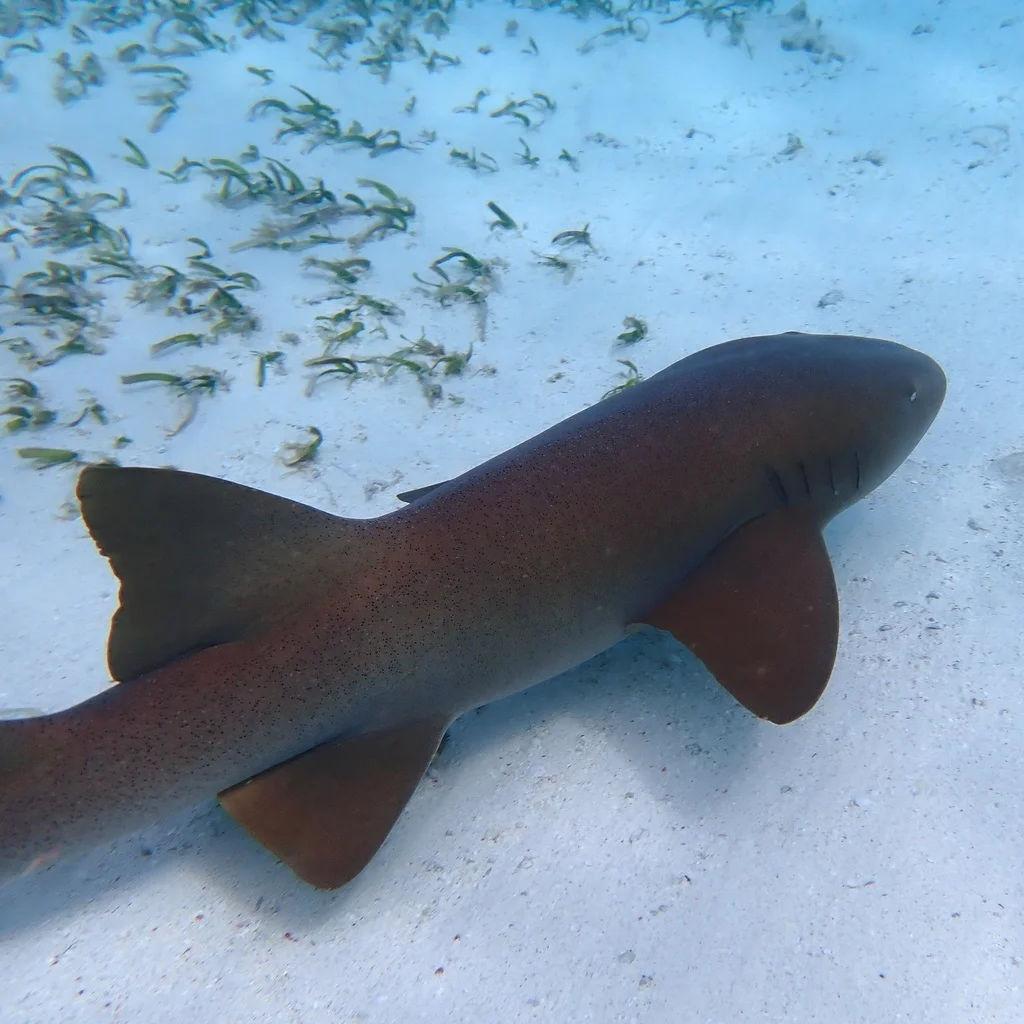
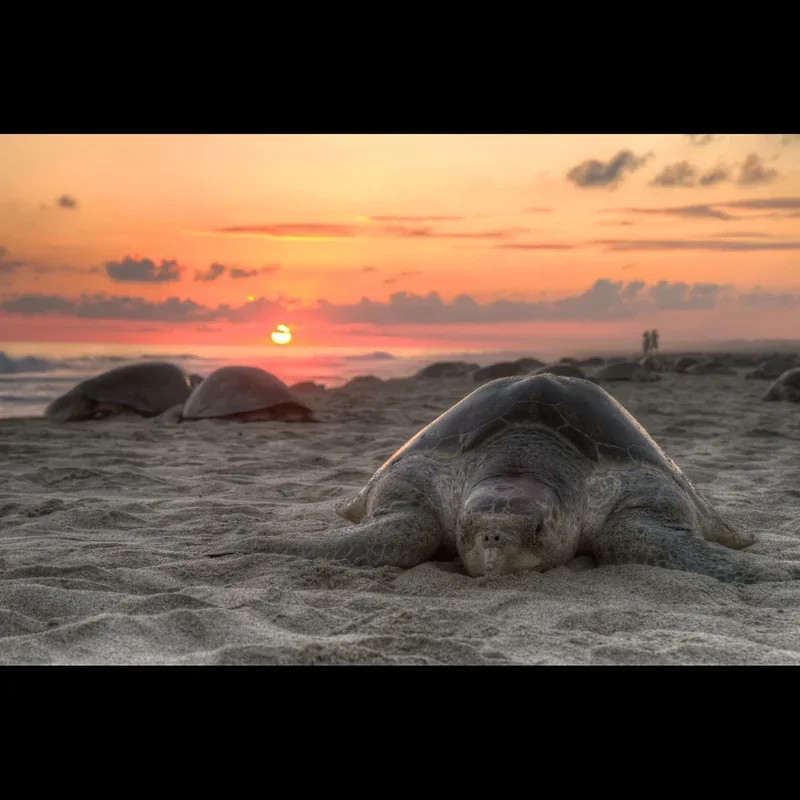
Venturing further out, into areas like Biscayne National Park which shares similar conditions, one can find sea turtles, nurse sharks, and over 500 species of colorful reef fish thriving among elkhorn, sea fan, and brain corals.

Dive Sites Near Oleta State Park Reef
View all dive sites in United StatesDiscover more underwater gems in this area.
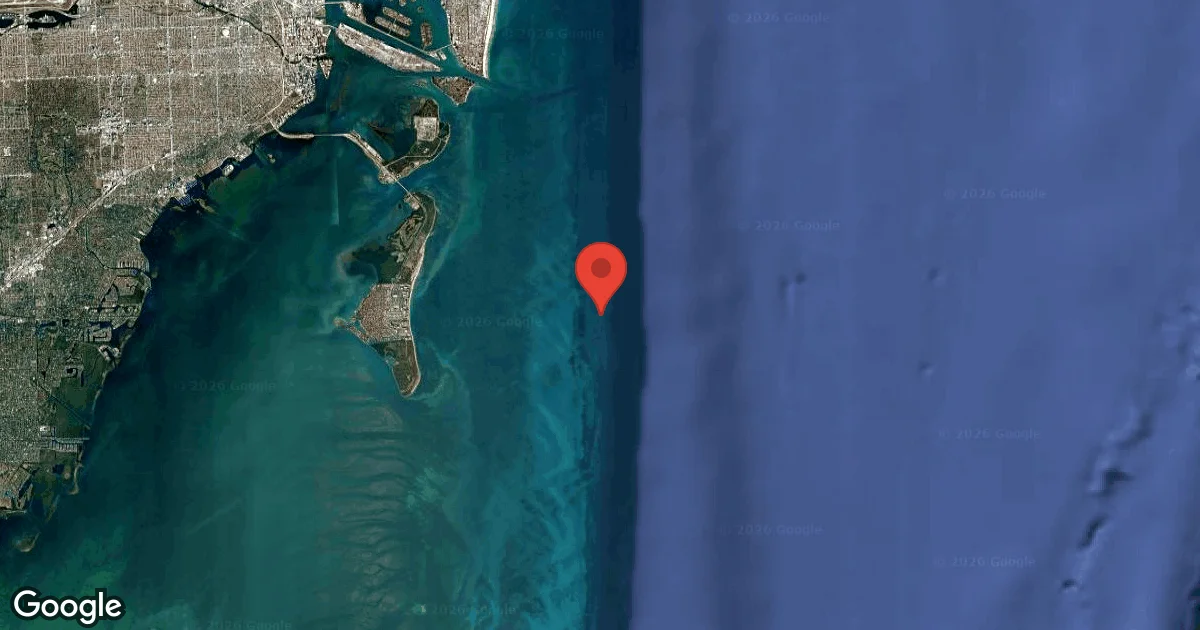
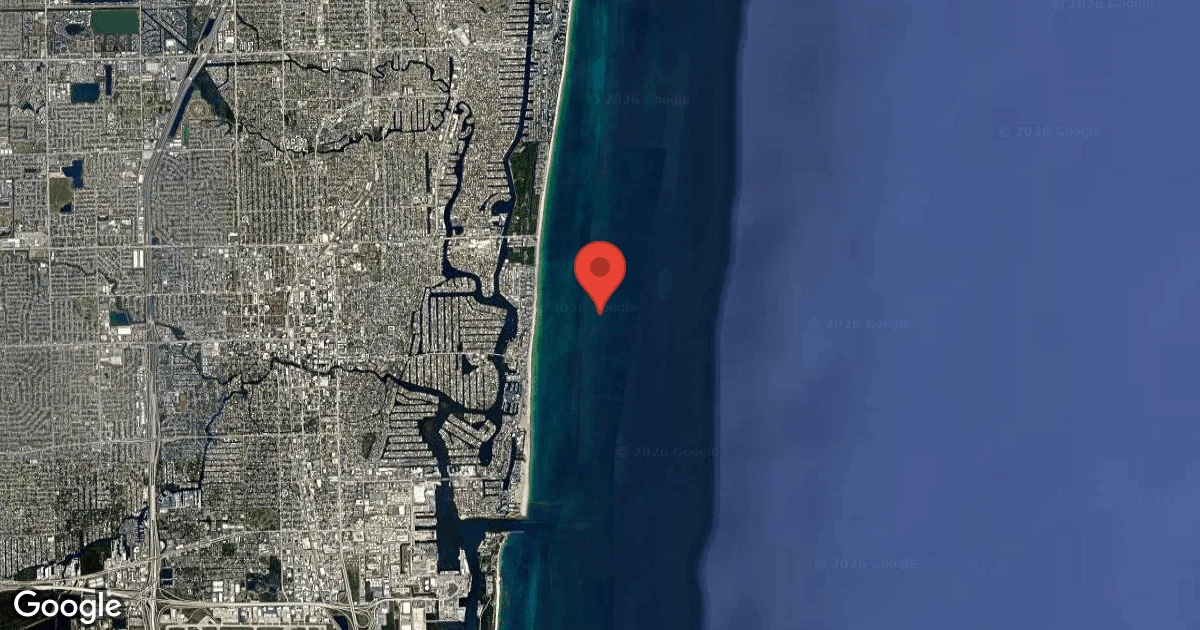
Dive Centers Near Oleta State Park Reef
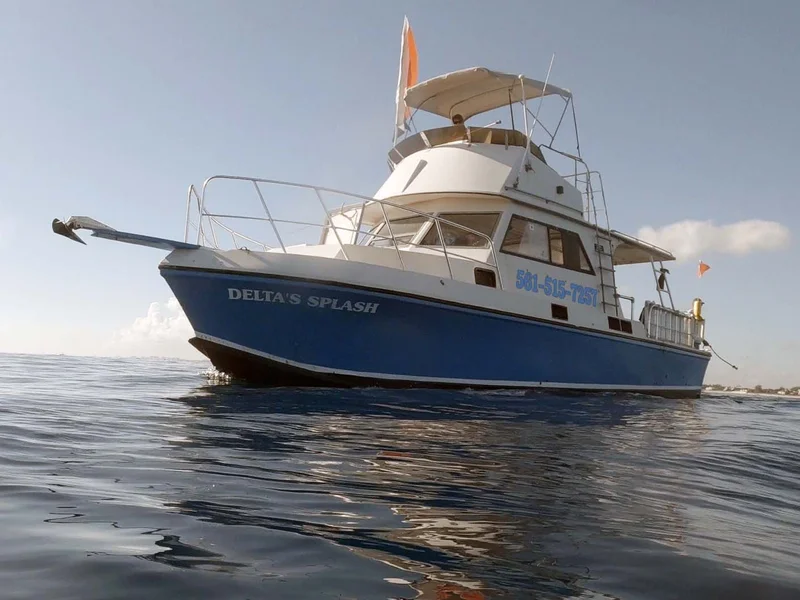
Today: 09:00 - 17:00
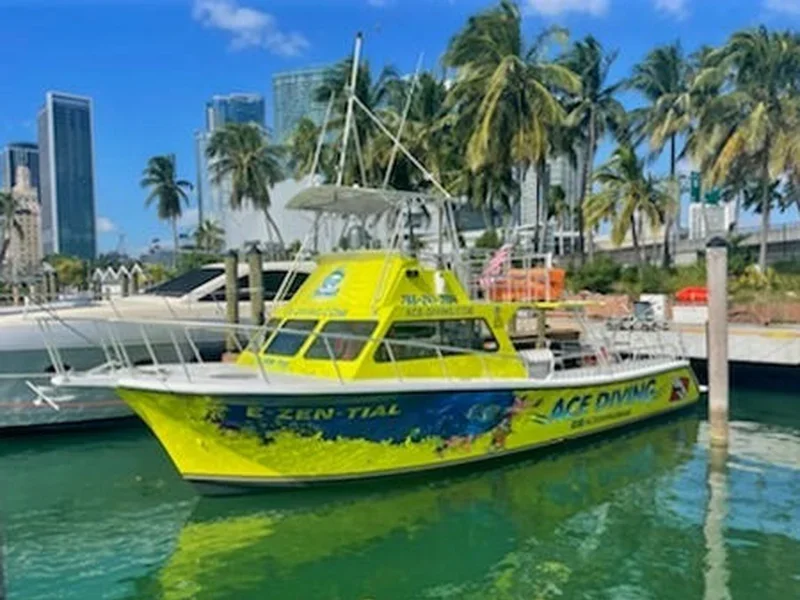
Nearest Airports
Nearest airports to help plan travel to this dive area.
Search Flights
Check available flights and routes on Expedia, using the nearby airports listed in this section.
Search Flights on Expedia
Plan Your Stay
Looking for a place to stay for your dive trip? Explore hotels, stays, and vacation rentals for dive groups near Bal Harbour.
Dive Navigator may earn a commission from these links at no extra cost to you.
Frequently Asked Questions
What kind of diving is available near Oleta State Park?
Oleta State Park offers access to the Biscayne Bay Aquatic Preserves, which are part of Florida's Coral Reef ecosystem. Diving here typically involves exploring estuarine environments, seagrass beds, and the diverse habitats that serve as fish nurseries, rather than large, deep offshore reefs.
Are there corals directly at Oleta State Park Reef?
While Oleta State Park provides access to the broader Florida's Coral Reef ecosystem, the immediate area within the Biscayne Bay Aquatic Preserves is more focused on estuarine habitats, mangroves, and seagrass beds. Stony corals, soft corals, and other reef structures are more prominent in the Southeast Florida Coral Reef Ecosystem Conservation Area, which Oleta connects to.
What marine life can be observed?
Divers in the area may observe a variety of marine life, including numerous juvenile fish species due to the nursery habitats. Critically, the preserves are home to imperiled species such as Florida manatees, smalltooth sawfish, and American crocodiles, as well as Johnson's seagrass.
What are the typical dive depths in this area?
Specific dive depths for Oleta State Park Reef are not consistently reported. However, as part of the Biscayne Bay Aquatic Preserves and connected to estuarine environments, dives typically remain within recreational depth ranges, likely in shallower sections appropriate for observing nursery habitats and seagrass beds.
What is the visibility generally like?
Visibility in the Biscayne Bay Aquatic Preserves can vary. As an estuarine system, it can be influenced by tidal movements, freshwater runoff, and recent rainfall. Conditions are not consistently reported, but divers should anticipate potential fluctuations.
Is any special training required to dive here?
Standard open water certification is generally sufficient for recreational depths. However, experience with drift diving or strong currents might be beneficial if specific areas within the preserves experience significant tidal flow. Always check local conditions and guidance before diving.
Planning to dive Oleta State Park Reef?
Send one inquiry and receive offers directly from the best verified local dive operators.
Conditions are Excellent
07:00 - 14:00
Optimal conditions expected
Current conditions near Oleta State Park Reef show 29° air, 31° sea temperature, 0.5 m waves, and 15 km/h wind. Forecast data is refreshed regularly to ensure accuracy.