
Diving at Barracuda Reef (United States)
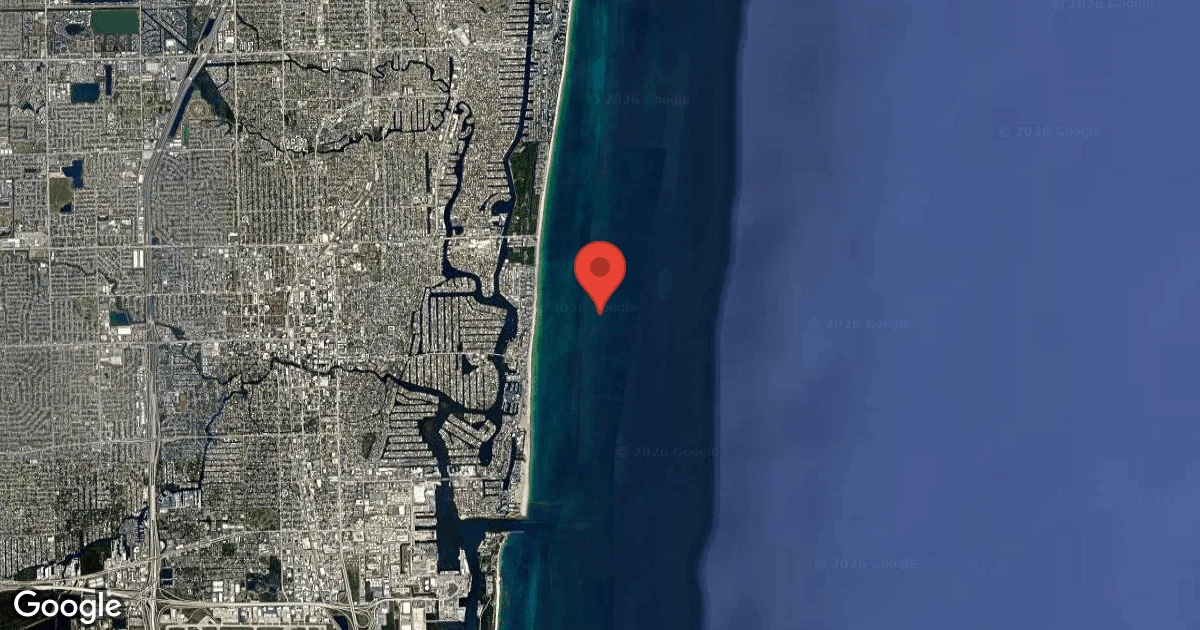
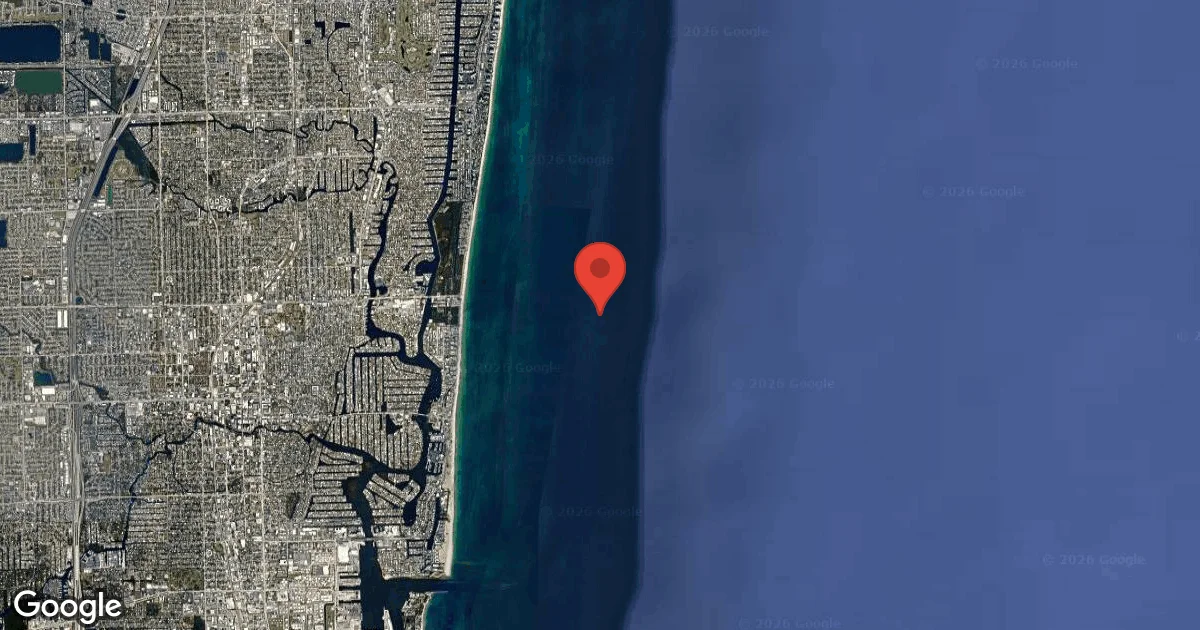
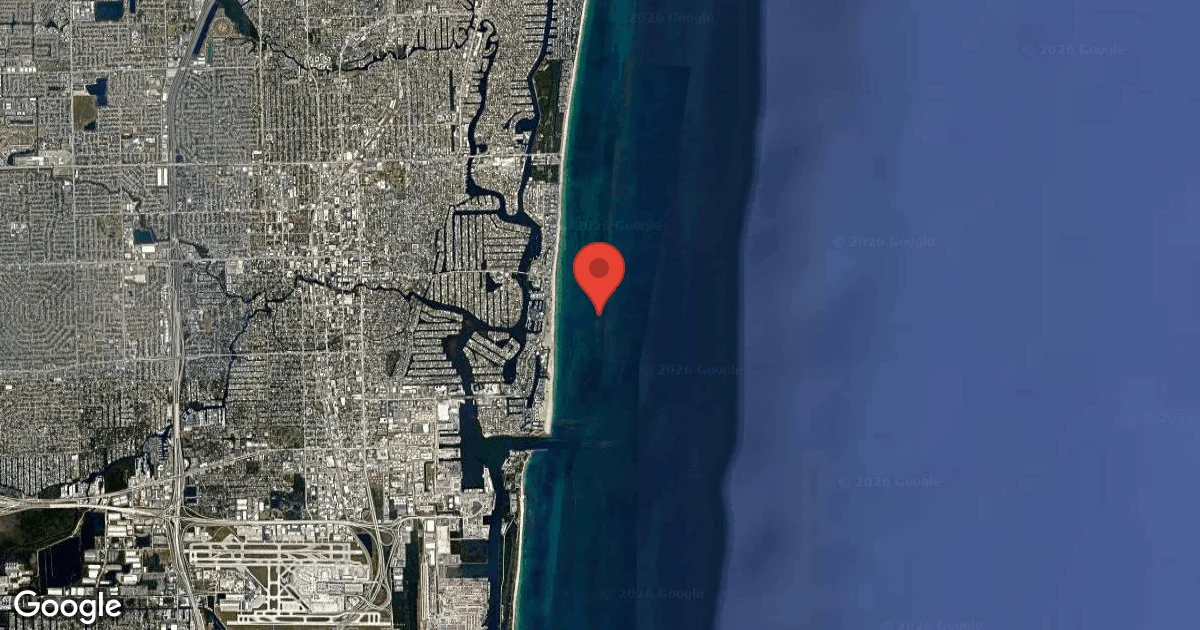
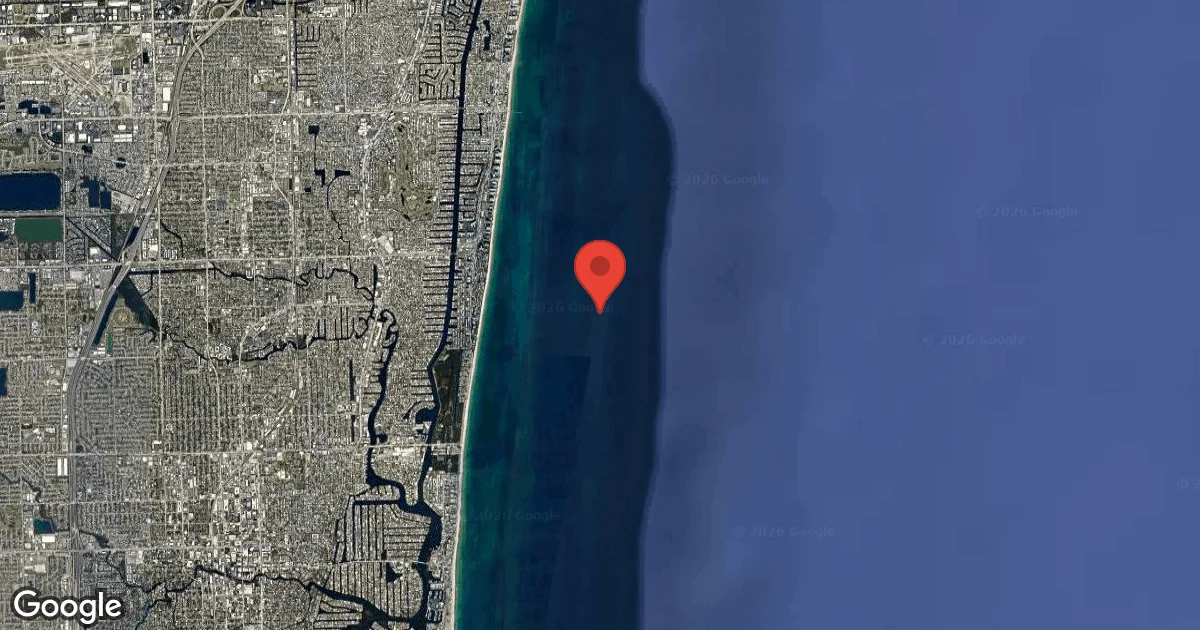
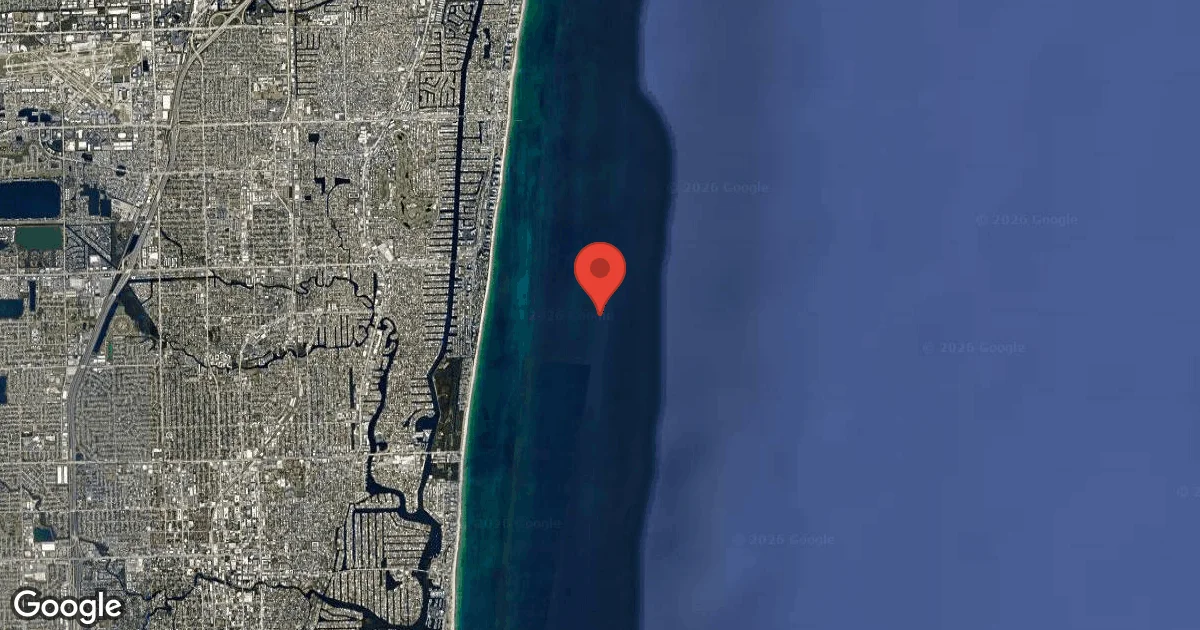
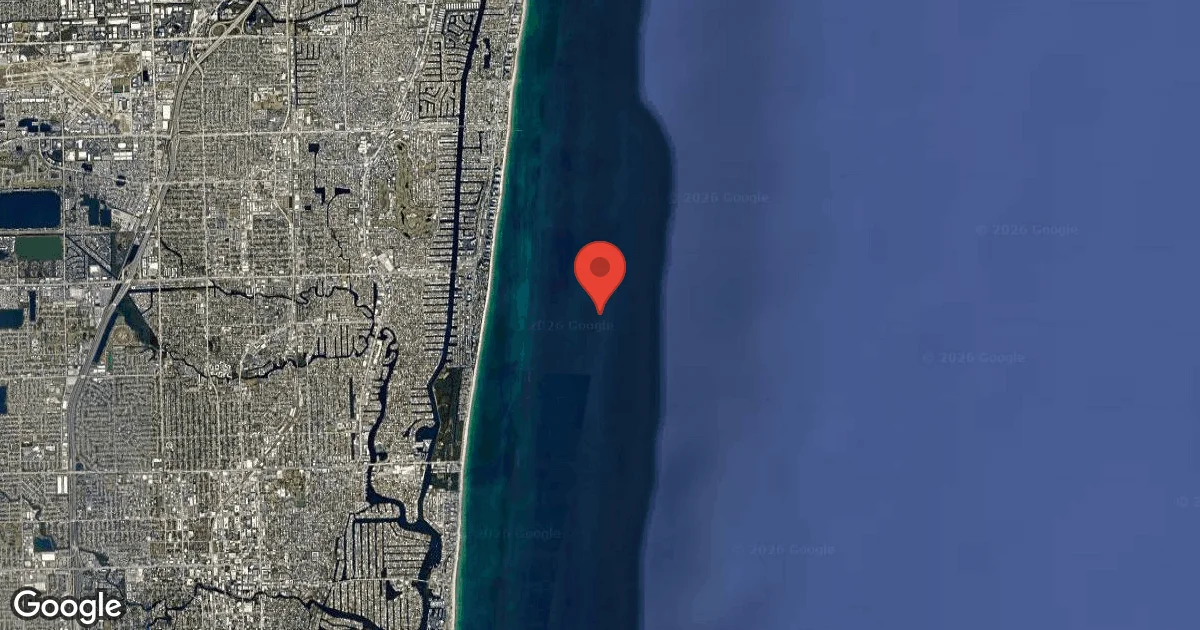
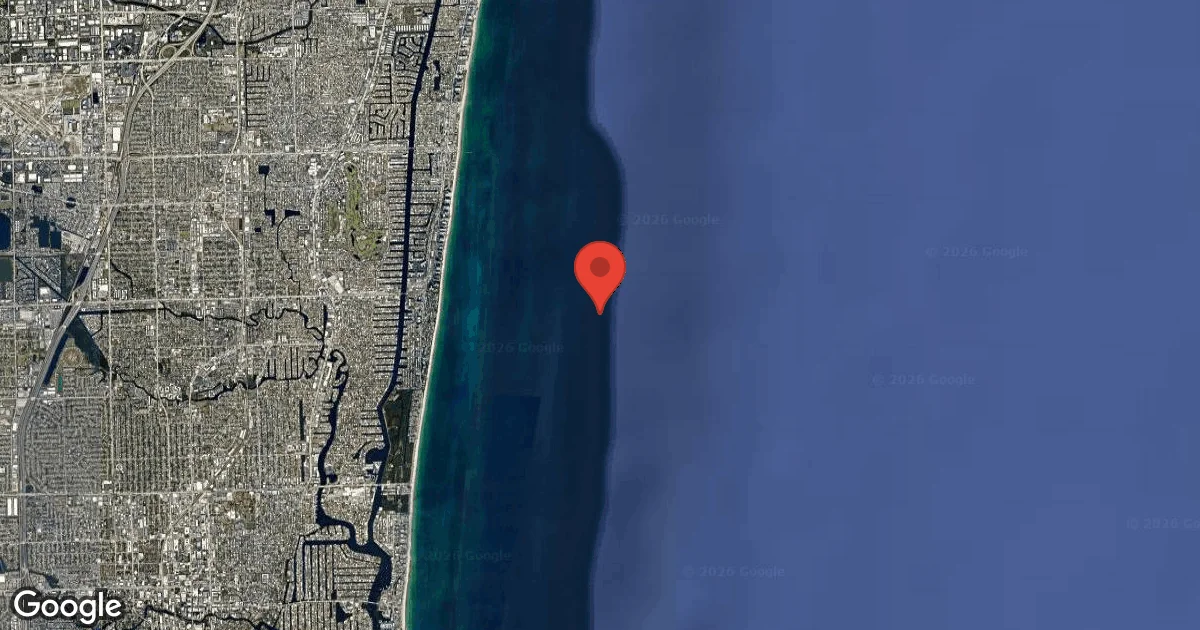
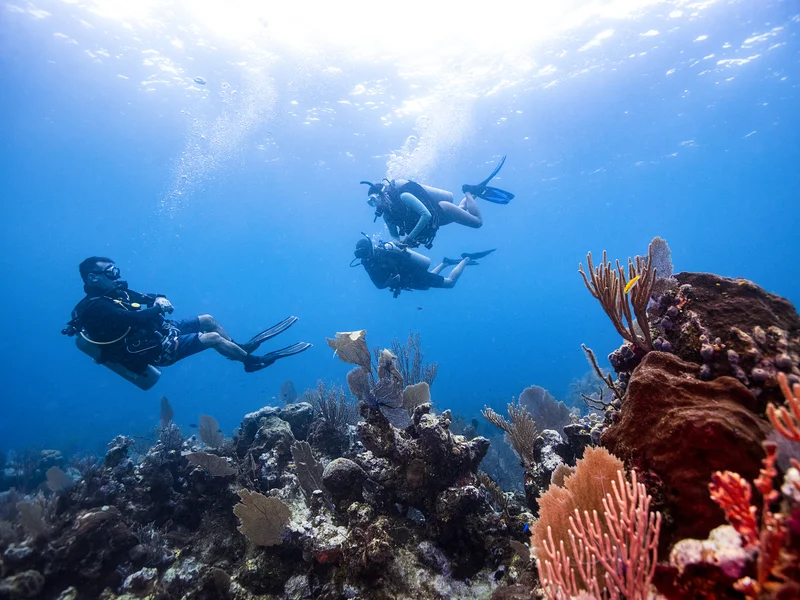
Descending into Barracuda Reef, divers encounter a vibrant, shallow to mid-depth reef system forming part of Fort Lauderdale's extensive three-tiered reef lines. This site, a short boat ride from the Port Everglades Inlet, typically features tops around 6 m / 20 ft, gradually sloping to a maximum depth of approximately 11 m / 35 ft. It's a popular choice for drift dives, offering a relaxed exploration along its coral and sand bottom.
Tonight's objective overview for Barracuda Reef shows an air temperature of 26°C. The measured surface conditions include wave heights around 0.6 m. This environmental data is logged for the close of the day.
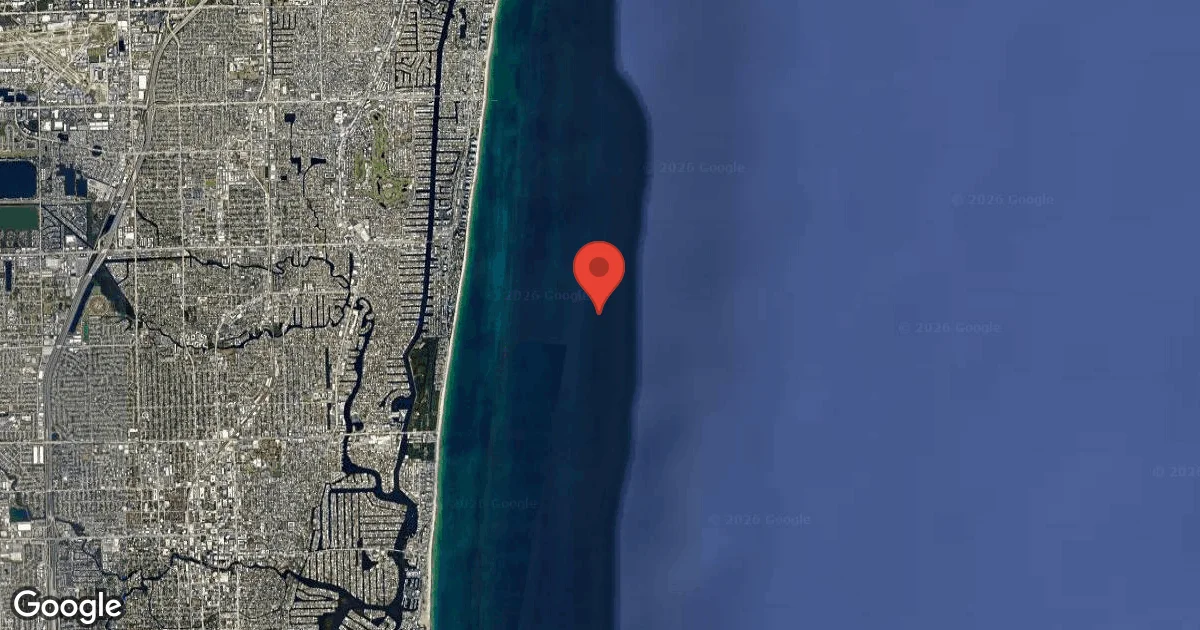
Dive Site Location & Key Facts
Dive Site Overview
Barracuda Reef unfolds as a continuous shallow reef line, stretching both north and south along the Fort Lauderdale coast. Its structure features distinct ledges and extensive coral formations, creating a rich habitat for marine life.
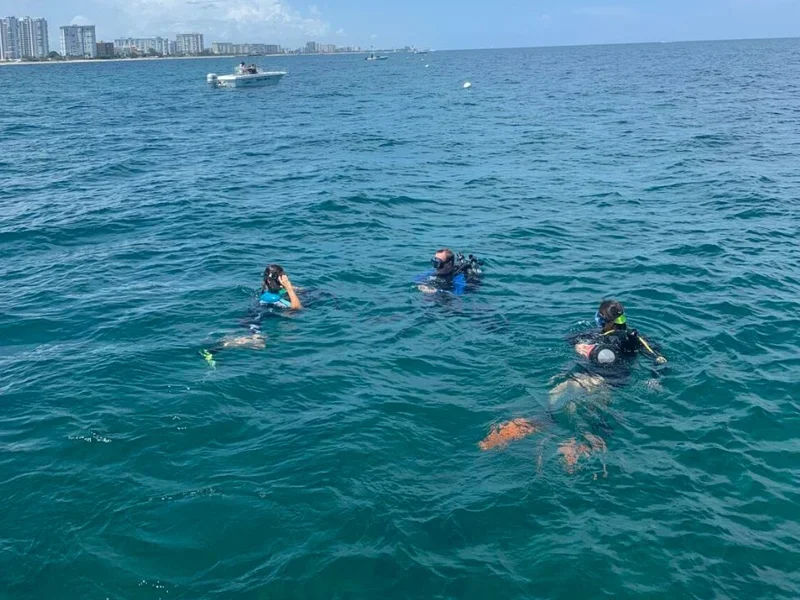
A gentle profile here accommodates a wide spectrum of divers, from snorkelers exploring the upper portions to certified Open Water Divers navigating its full extent. Depths typically begin around 6 meters, descending to approximately 11 meters, offering a relaxed environment for exploration. Currents are often mild to moderate, making it an excellent location for drift dives; allowing the flow to guide exploration along the reef minimizes effort while maximizing observation time.
This dynamic environment encourages extended interaction with the ecosystem, revealing hidden creatures in the crevices and among the corals. Visibility at the site commonly ranges from 10 to 30 meters, with an average around 20 meters, ensuring clear views.
Many divers appreciate the reef's accessibility for night dives and lobstering, benefiting from its diverse inhabitants and close proximity to shore, usually a 10-minute boat trip. Its consistent conditions contribute to its reputation as a reliable and enjoyable dive for various skill levels.
Conditions are Excellent
07:00 - 14:00
Optimal conditions expected
Current conditions near Barracuda Reef show 26° air, 31° sea temperature, 0.5 m waves, and 10 km/h wind. Forecast data is refreshed regularly to ensure accuracy.
Best Time to Dive
Optimizing visibility for your Barracuda Reef dive will enhance the experience, with average conditions often reaching around 20 meters, though it can vary between 10-30 meters. The period from May through September generally presents the most favorable surface conditions, marked by lower wave heights, typically ranging from 0.4 to 0.7 meters, and reduced wind speeds averaging 14-18 km/h (9-11 mph). July specifically stands out with an 'Excellent' dive score, reporting the calmest waters and an average air temperature of nearly 28°C / 82°F. While rainfall can be higher in June and September (around 9.6 mm / 0.4 inches), the overall calm conditions tend to outweigh this. During the winter months, from December to March, air temperatures are cooler, between 19.5-23°C / 67-73°F, and you might encounter slightly choppier waters due to higher wave heights averaging around 1 meter and stronger winds.
PEAK SEASON SCORE
Scores combine air & water temps, waves, wind & rainfall for overall conditions.
BEST MONTHS TO DIVE
Monthly records compiled from satellite and marine observation nodes over the last 3 years. Data provided by Open-Meteo and MET Norway.
Dive Experience & Conditions
Beginning your descent at Barracuda Reef brings you into a salt water environment where conditions are generally accommodating for a wide range of divers. Reef tops are typically found around 6 meters, making it an excellent location for training dives or as a relaxed second dive on a two-tank trip. While specific water temperatures aren't consistently reported, seasonal variations mirror the air temperatures, which range from 19.5°C / 67°F in winter to 28°C / 82°F in summer. Mild to moderate currents often characterize the reef, making it well-suited for engaging drift diving experiences. Its bottom composition consists of both sand and diverse coral formations, creating varied habitats. Accessible for Open Water certified divers and even snorkelers.
Dive Difficulty & Safety Guidelines
When planning your dive at Barracuda Reef, be mindful of potential boating traffic, as it is a popular spot for pleasure craft. Divers should always deploy a surface buoy to enhance visibility to boats. While the site is accessible by boat or kayak with free entry and no permit required, common safety practices for drift diving, such as maintaining buddy contact and having a clear dive plan, are advisable.
Consider undertaking training in Underwater Navigation or Peak Performance Buoyancy to make the most of the drift opportunities and interaction with the reef without disturbing it. The site is suitable for all certified levels, but awareness of your surroundings is always key.
Recommended Equipment
Current and surface separation risk. Local briefing strongly recommended.
- Dive Computer
- DSMB
- Reel / Spool
This gear list is based on verified equipment signals for Barracuda Reef, United States. Always confirm final gear choices with your dive operator, guide, or liveaboard.
Recommended Dive Suit
In conditions like these, many divers prefer diving with dive skin or rash guard.
Current readings at Barracuda Reef show water temperatures near 31°C (87°F). Surface air temperatures are resting at 26°C (79°F).
A modest cooling trend is expected in the upcoming forecast. Cooler days are ahead; you might want a warmer option for later in the week. Having a second exposure option available is often a good precaution.
Emergency & Medical Support
Essential information to help you plan your dive trip to Barracuda Reef.

Hyperbaric chambers are a critical part of dive safety infrastructure. Availability varies significantly by region, and not all dive areas have immediate access.
Before diving, it's recommended to:
- confirm nearest medical facilities
- check emergency procedures with local dive operators
- ensure dive insurance covers evacuation if required
Divers Alert Network
Diving emergency assistance available through DAN World.
+1-919-684-9111- 24/7 emergency hotline
- Diving medical assistance
- Evacuation coordination
Emergency contacts are provided for reference. Always verify local emergency services before diving.
Marine Life at Barracuda Reef
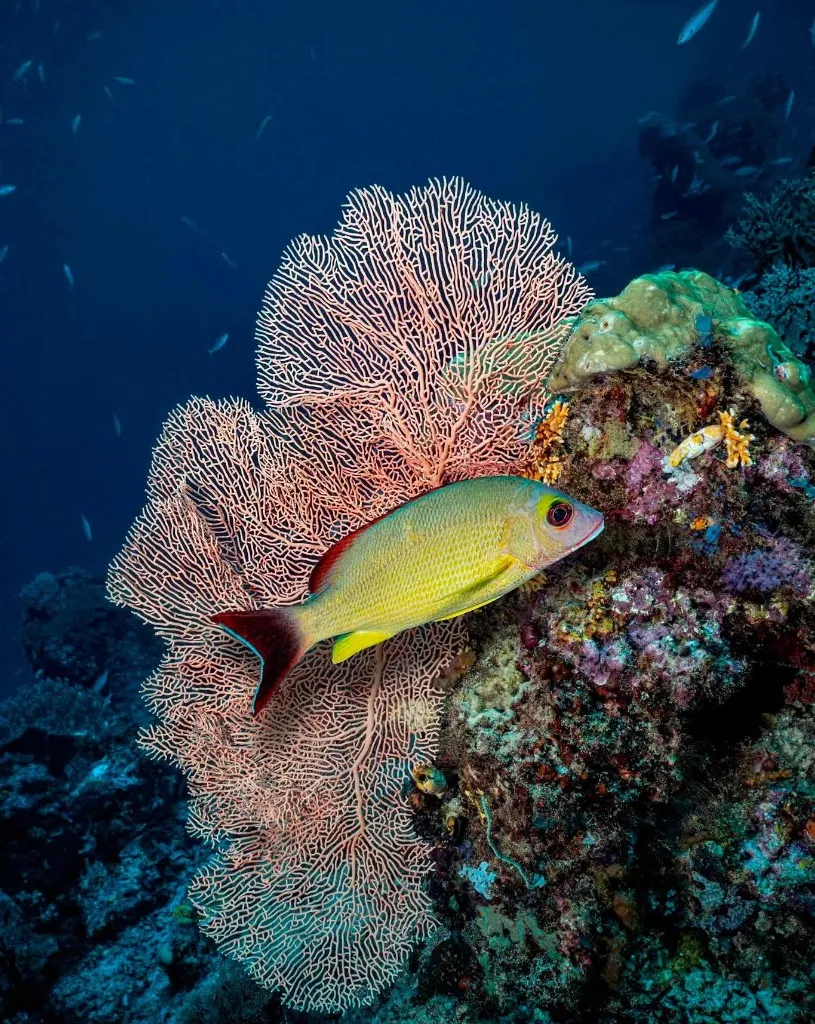
As you explore Barracuda Reef, your attention is immediately drawn to the abundant schooling fish that often envelop sections of the reef. You'll frequently encounter barracudas, after which the reef is named, along with groupers and various snapper species.
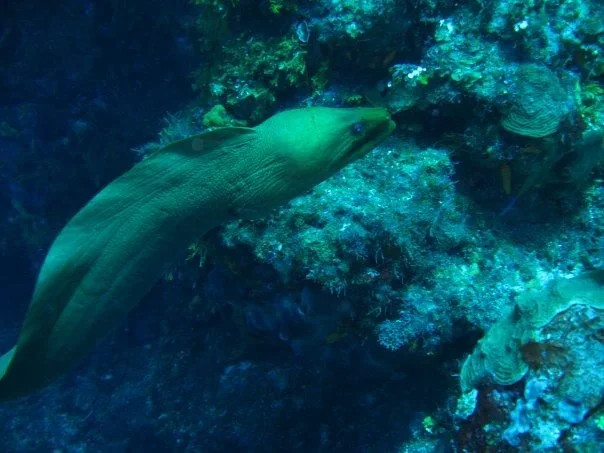
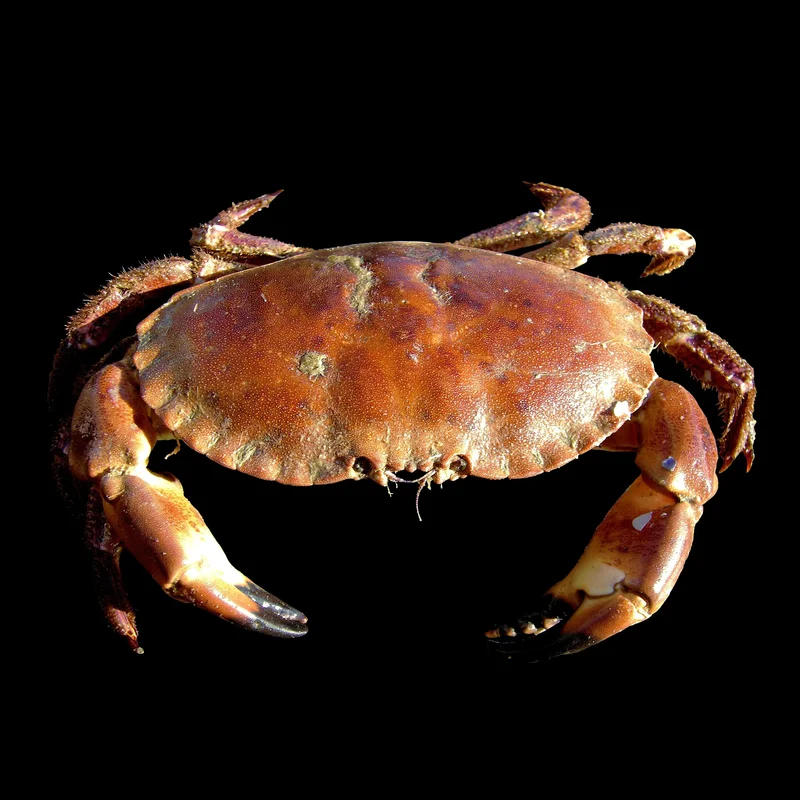
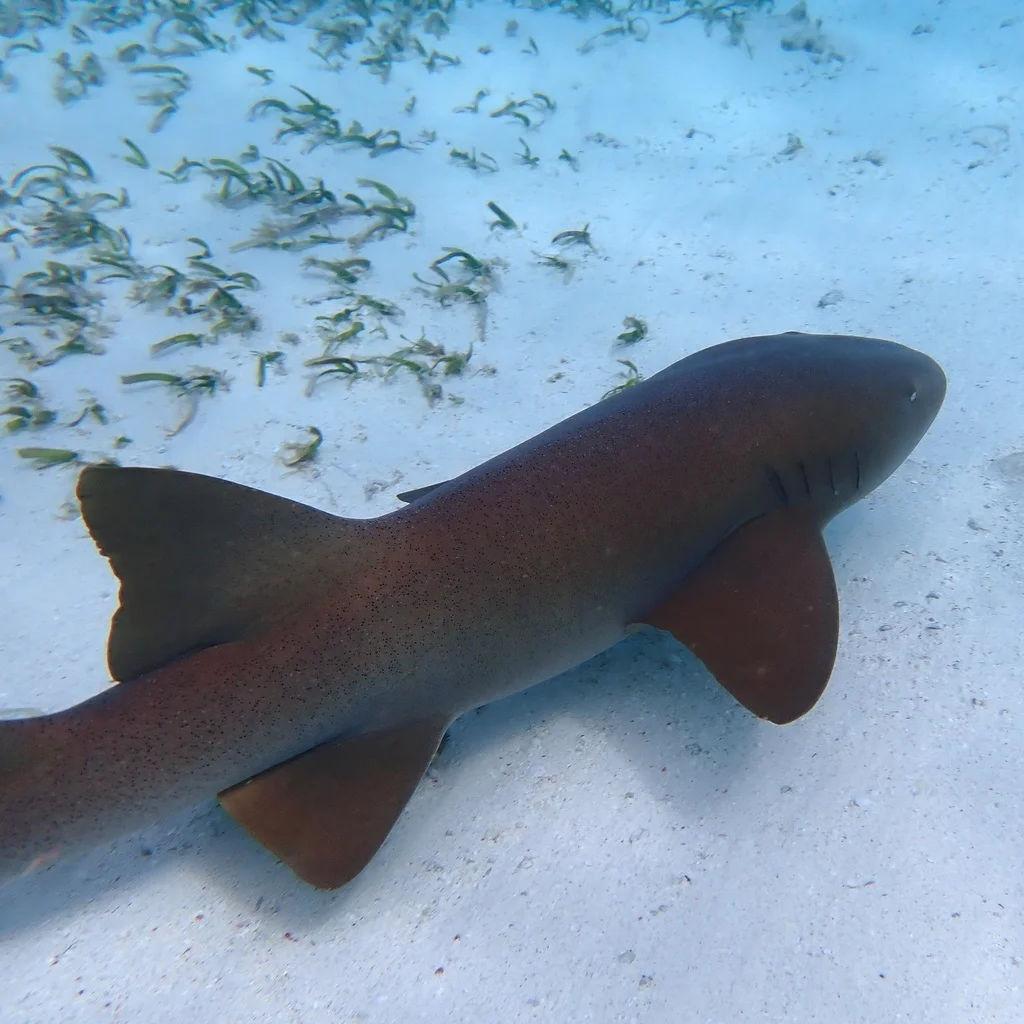
Keep an eye out for moray eels tucked into crevices and bottom dwellers such as lobsters and crabs. Larger marine animals, including rays, sea turtles like loggerheads, and even nurse sharks, are also present, often patrolling the reef's ledges.
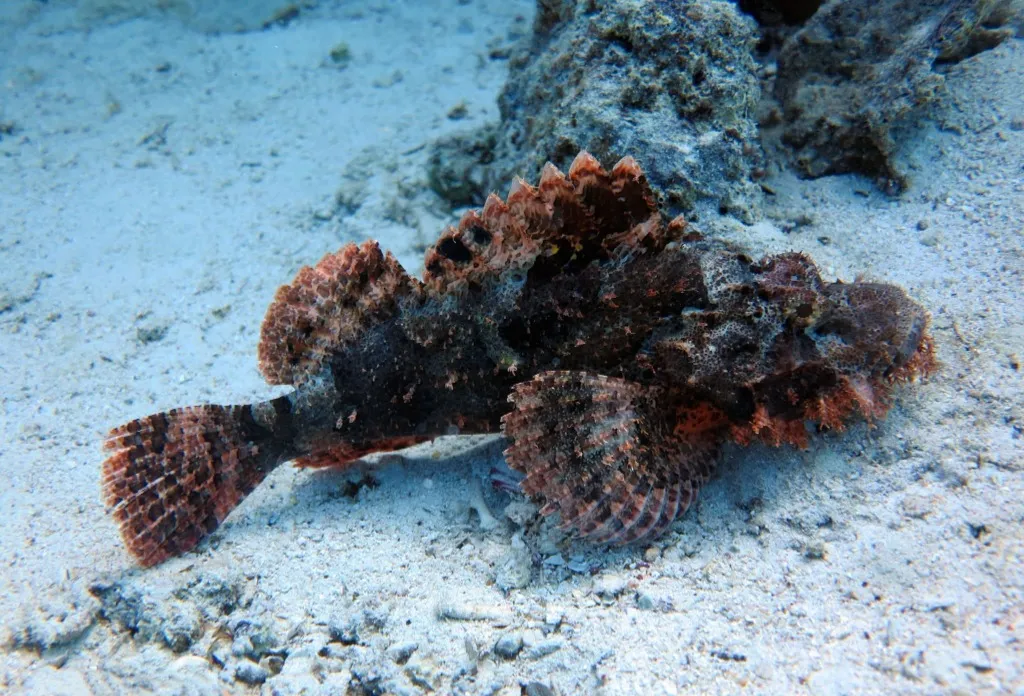
Occasionally, divers might spot tuna passing through or scorpionfish expertly camouflaged against the coral.
Dive Sites Near Barracuda Reef
View all dive sites in United StatesDiscover more underwater gems in this area.
Dive Centers Near Barracuda Reef
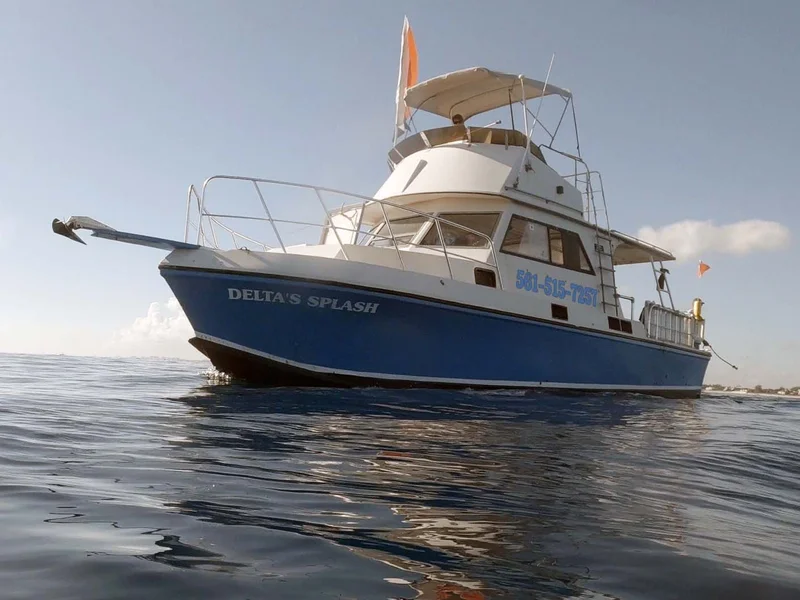
Today: 09:00 - 17:00
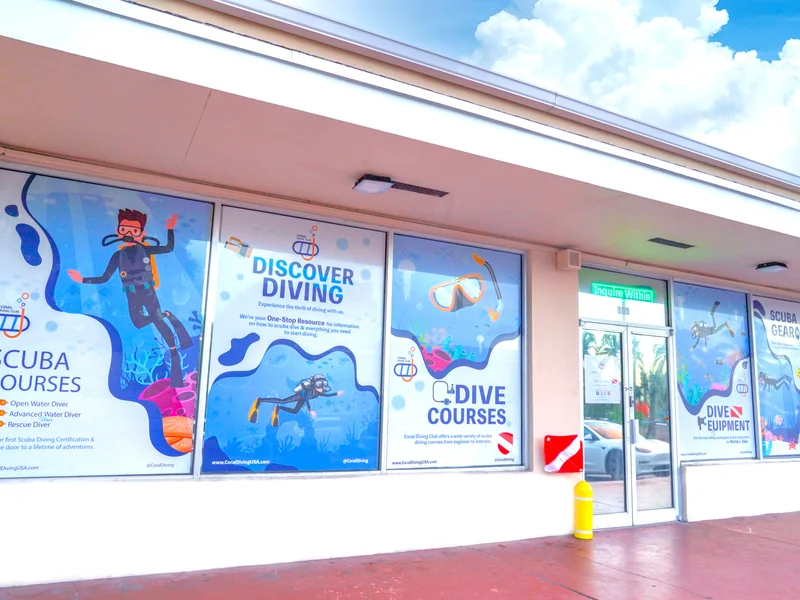
Nearest Airports
Nearest airports to help plan travel to this dive area.
Search Flights
Check available flights and routes on Expedia, using the nearby airports listed in this section.
Search Flights on Expedia
Plan Your Stay
Looking for a place to stay for your dive trip? Explore hotels, stays, and vacation rentals for dive groups near Dania Beach.
Dive Navigator may earn a commission from these links at no extra cost to you.
Frequently Asked Questions
What are the typical depths at Barracuda Reef?
Barracuda Reef generally offers dives ranging from its shallower tops around 6 meters down to a maximum of approximately 11 meters. This depth profile makes it suitable for various experience levels.
Is Barracuda Reef suitable for beginners?
Yes, Barracuda Reef is considered suitable for all levels of certified divers, including Open Water Divers. Its relatively shallow depths and often mild currents make it a good spot for beginners and for conducting training dives.
What kind of marine life can I expect to see?
Divers often encounter schooling fish, barracudas, groupers, moray eels, and lobsters. Larger sightings can include rays, sea turtles, nurse sharks, and occasionally tuna. Scorpionfish are also present, often blending into the reef.
Are there any special considerations for diving this reef?
Due to its popularity with pleasure boaters, always use a surface buoy to ensure visibility while diving. The reef also experiences mild to moderate currents, making it an ideal location for drift diving, so plan accordingly with your buddy.
When is the best time of year to dive Barracuda Reef?
The period from May through September generally offers the best diving conditions, characterized by lower wave heights and calmer winds. July often stands out with excellent dive scores and comfortable air temperatures around 28°C (82°F).
How do divers access Barracuda Reef?
Barracuda Reef is primarily accessed by boat or kayak. It's a short 10-minute trip from the Port Everglades Inlet in Fort Lauderdale, and the site is usually marked with several buoys.
Planning to dive Barracuda Reef?
Send one inquiry and receive offers directly from the best verified local dive operators.
Conditions are Excellent
07:00 - 14:00
Optimal conditions expected
Current conditions near Barracuda Reef show 26° air, 31° sea temperature, 0.5 m waves, and 10 km/h wind. Forecast data is refreshed regularly to ensure accuracy.