
Diving at The Caves (United States)
The Caves dive site, part of Florida's 2nd Reef line off the Broward County coast, features distinct reef structures and numerous small cave formations. Divers here explore a landscape where reef tops reach depths of approximately 6 m (20 ft), revealing an intricate network of potential hiding spots. This unique underwater environment invites exploration, promising encounters within its geological formations. It's an accessible reef system, popular as a subsequent dive after deeper offshore wrecks.
Evening condition tracking at The Caves features an air temperature of 27°C. We have recorded wave heights measuring 0.6 m during this period. These figures outline the environmental parameters currently present.
Dive Site Location & Key Facts
Dive Site Overview
Exploring The Caves offers a rewarding experience for divers seeking a dynamic blend of reef exploration and intriguing small cavern features along Florida's coastline. This site functions primarily as a drift dive, with prevailing currents guiding you efficiently along the vibrant second reef line.
Navigating the reef, divers will encounter a compelling series of small caves and protective overhangs, each inviting closer inspection. Reef tops typically begin around 6 m (20 ft), providing excellent light penetration into the shallower sections. While specific depths vary, many areas remain within comfortable recreational limits, with deeper sections available for exploration.
The clear, warm saltwater here makes for comfortable diving conditions throughout much of the year, though precise water temperature data isn't consistently reported for this exact location. It's often chosen as a relaxed second dive, perfectly complementing the more demanding offshore wreck sites nearby by offering a change of pace and scenery.
Its distinctive reef structure, small cave formations, and overhangs are best experienced as a natural drift dive.
Conditions are Excellent
07:00 - 14:00
Optimal conditions expected
Current conditions near The Caves show 27° air, 31° sea temperature, 0.6 m waves, and 14 km/h wind. Forecast data is refreshed regularly to ensure accuracy.
Best Time to Dive
Planning a dive at The Caves is best when considering conditions that favor optimal visibility and comfort. July stands out with excellent dive scores, presenting generally calm waters with minimal wave heights, averaging around 0.4 m (1.3 ft). During this month, air temperatures average approximately 28°C (82°F). However, the period from May through September consistently offers good to excellent dive scores, characterized by relatively lower wave activity and warmer air temperatures ranging from 26-28°C (79-82°F). Rain levels vary seasonally but are manageable, with September and June showing higher averages of around 9.6 mm (0.38 in). Divers seeking the clearest conditions may find summer months more favorable due to calmer seas.
PEAK SEASON SCORE
Scores combine air & water temps, waves, wind & rainfall for overall conditions.
BEST MONTHS TO DIVE
Monthly records compiled from satellite and marine observation nodes over the last 3 years. Data provided by Open-Meteo and MET Norway.
Dive Experience & Conditions
Accessing The Caves is exclusively via boat, which drops divers directly onto the site's distinct reef formations. Upon entry, divers can anticipate a drift dive experience, allowing currents to guide them along the prominent 2nd Reef line. The reef tops typically begin around 6 m (20 ft), gradually descending into deeper recreational ranges. While specific water temperature averages for this site are not consistently reported, local conditions generally provide a comfortable environment, aligning with the temperate coastal waters of Florida. Visibility often allows for clear views into the numerous small cave openings that punctuate the reef, offering intimate exploration opportunities for suitably trained divers. The site is characterized by saltwater, typical for oceanic reef systems.
Dive Difficulty & Safety Guidelines
Approaching The Caves requires awareness of its drift diving nature, making PADI Drift Diver training highly recommended for optimal safety and enjoyment. Navigating the small cave systems also benefits from PADI Underwater Navigator skills, ensuring divers can confidently explore and return to their entry points. While no specific hazards are consistently reported for this site, standard recreational diving practices apply, including careful buoyancy control to protect the delicate reef and marine life.
Always carry a dive flag and a dive knife, and ensure your dive computer is operational. Proper planning with your dive buddy and adherence to dive plan limits are crucial.
Recommended Equipment
Current and surface separation risk. Local briefing strongly recommended.
- Dive Computer
- DSMB
- Reel / Spool
This gear list is based on verified equipment signals for The Caves, United States. Always confirm final gear choices with your dive operator, guide, or liveaboard.
Recommended Dive Suit
Dive skin or rash guard is often considered an appropriate level of exposure protection for conditions like these.
Divers planning a dive at The Caves today will likely encounter water temperatures close to 31°C (87°F). Surface air temperatures are resting at 27°C (81°F).
Weather models indicate a small drop in surface temperatures later this week. Cooler days are ahead; you might want a warmer option for later in the week. Having a second exposure option available is often a good precaution.
Emergency & Medical Support
Essential information to help you plan your dive trip to The Caves.

Hyperbaric chambers are a critical part of dive safety infrastructure. Availability varies significantly by region, and not all dive areas have immediate access.
Before diving, it's recommended to:
- confirm nearest medical facilities
- check emergency procedures with local dive operators
- ensure dive insurance covers evacuation if required
Divers Alert Network
Diving emergency assistance available through DAN World.
+1-919-684-9111- 24/7 emergency hotline
- Diving medical assistance
- Evacuation coordination
Emergency contacts are provided for reference. Always verify local emergency services before diving.
Marine Life at The Caves
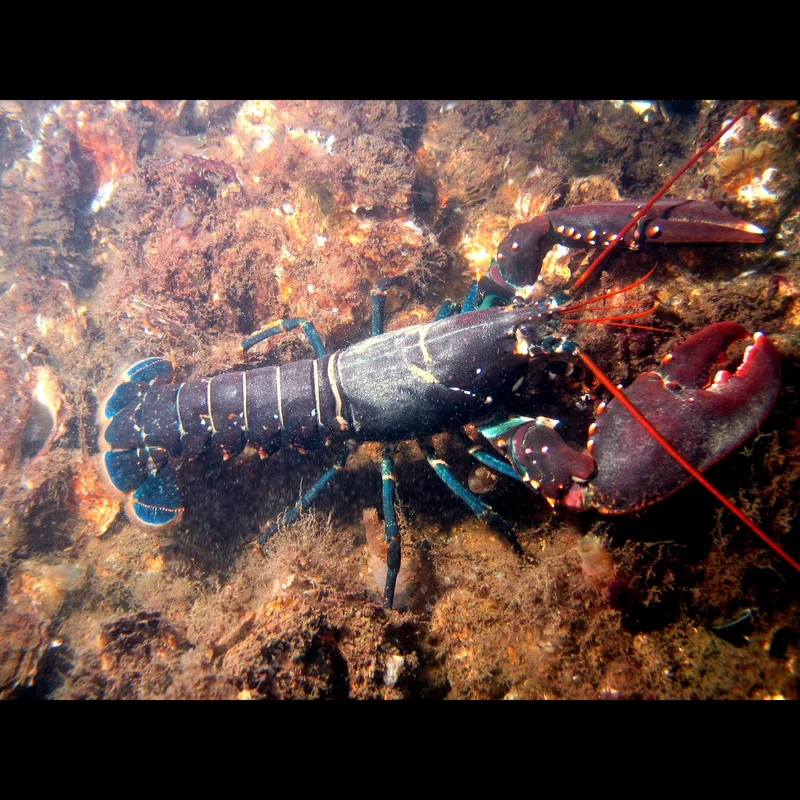
The intricate structure of The Caves' reef system creates inviting habitats for various marine creatures. Within the small cave formations and crevices, divers often spot lobsters, patiently hidden away.
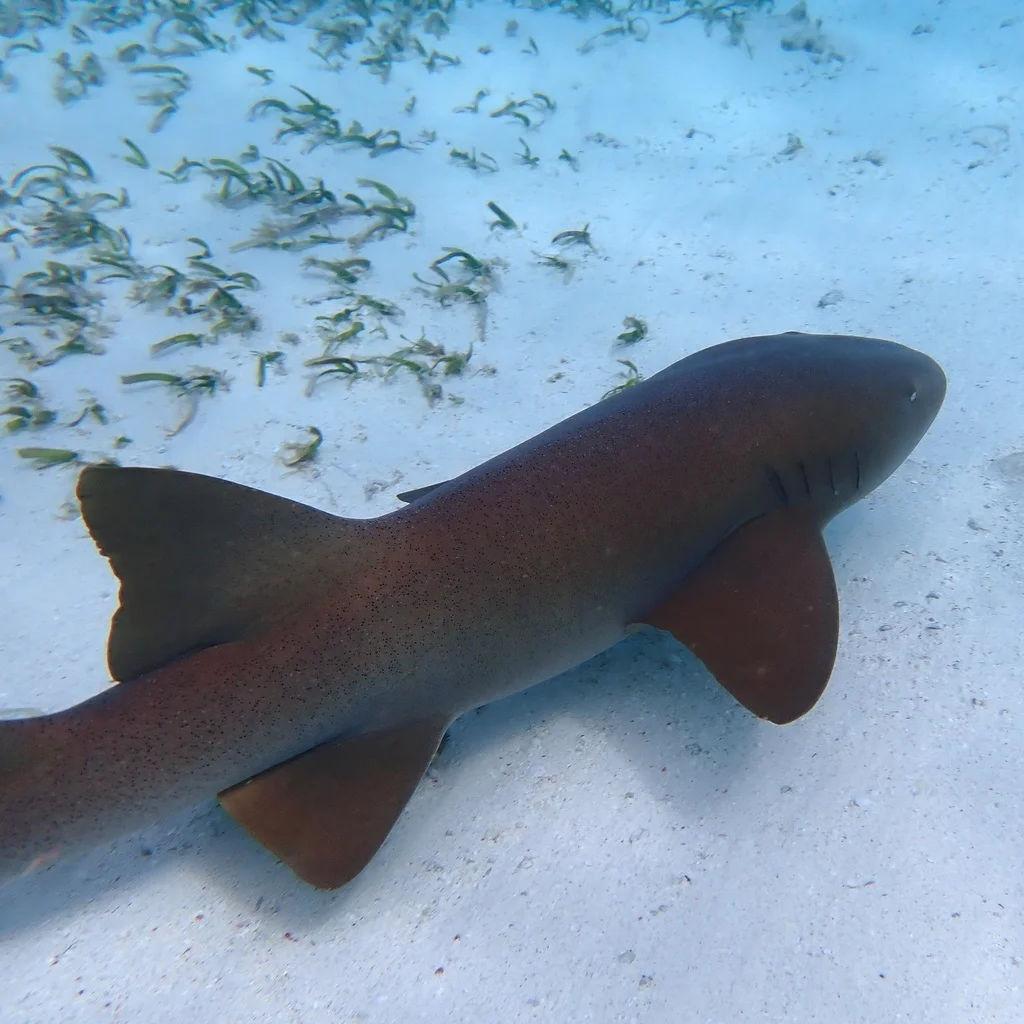
Nurse sharks are also known to frequent these sheltered spots, offering potential close encounters. Beyond the direct cave inhabitants, the broader reef environment supports common sightings such as turtles, adding to the vibrancy of the dive.
Occasionally, transient visitors like sharks, dolphins, and even whales might be observed in the general vicinity, though they are less frequent residents of the shallower reef and cave areas.
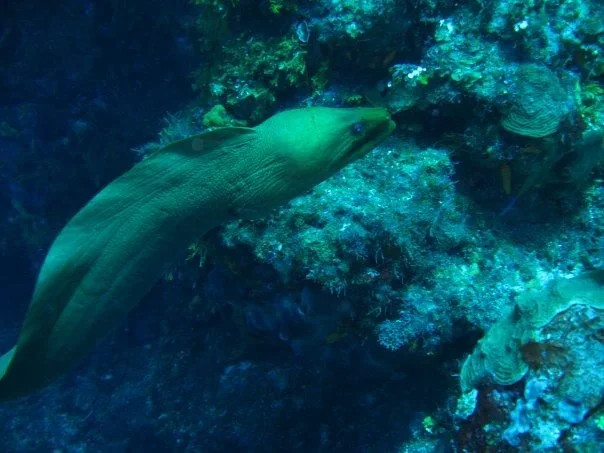
Dive Sites Near The Caves
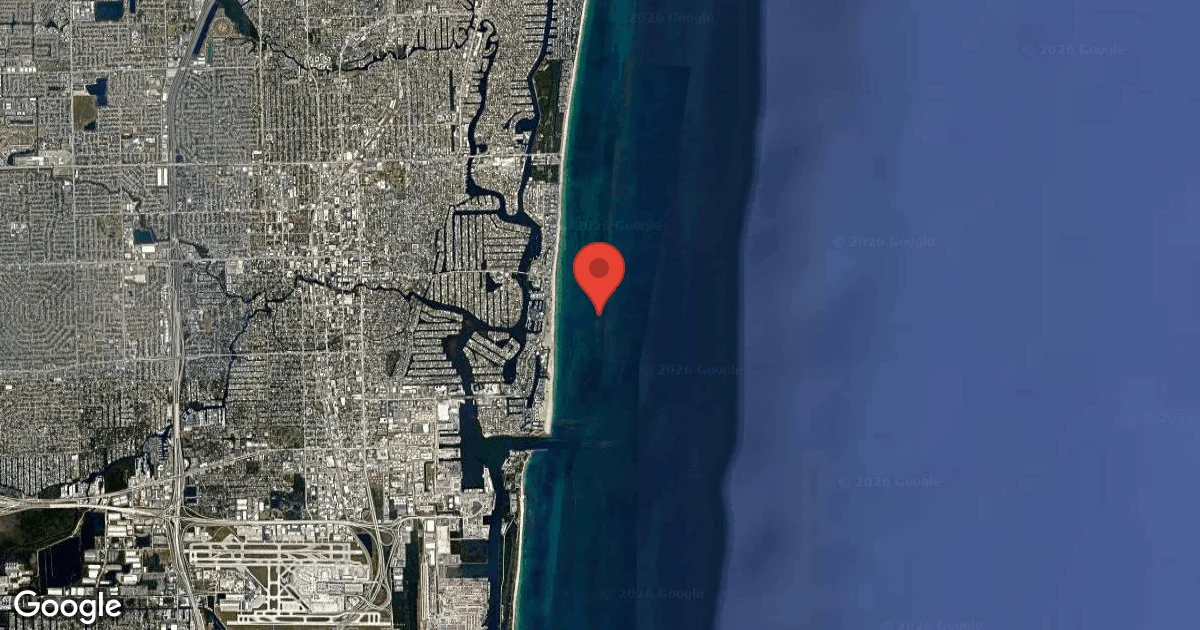
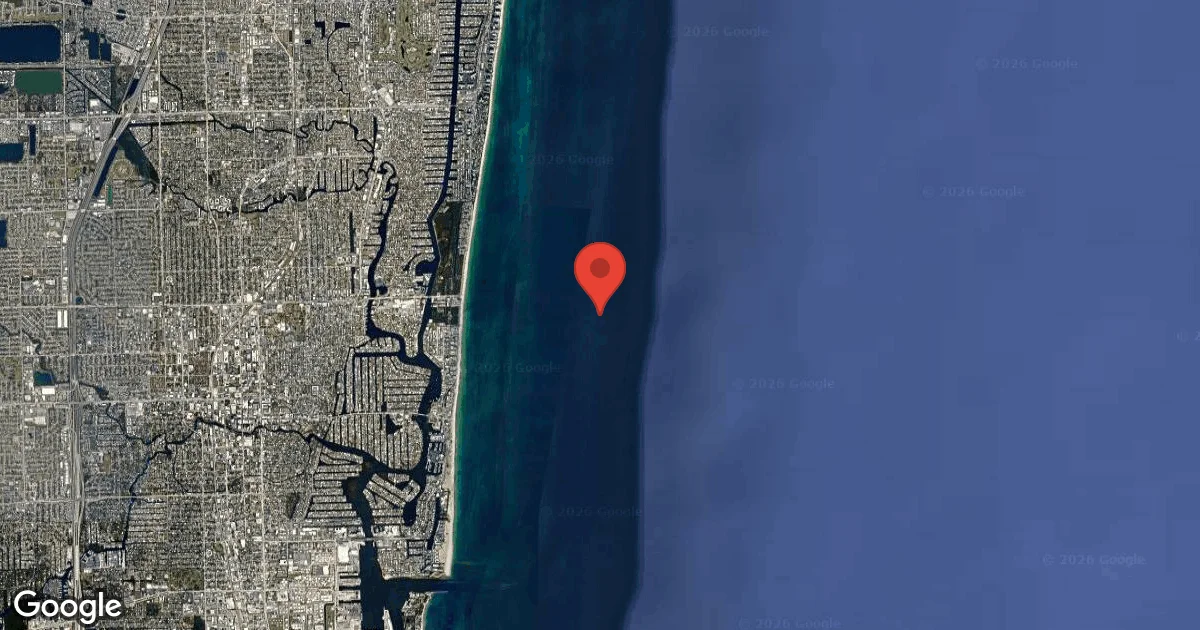
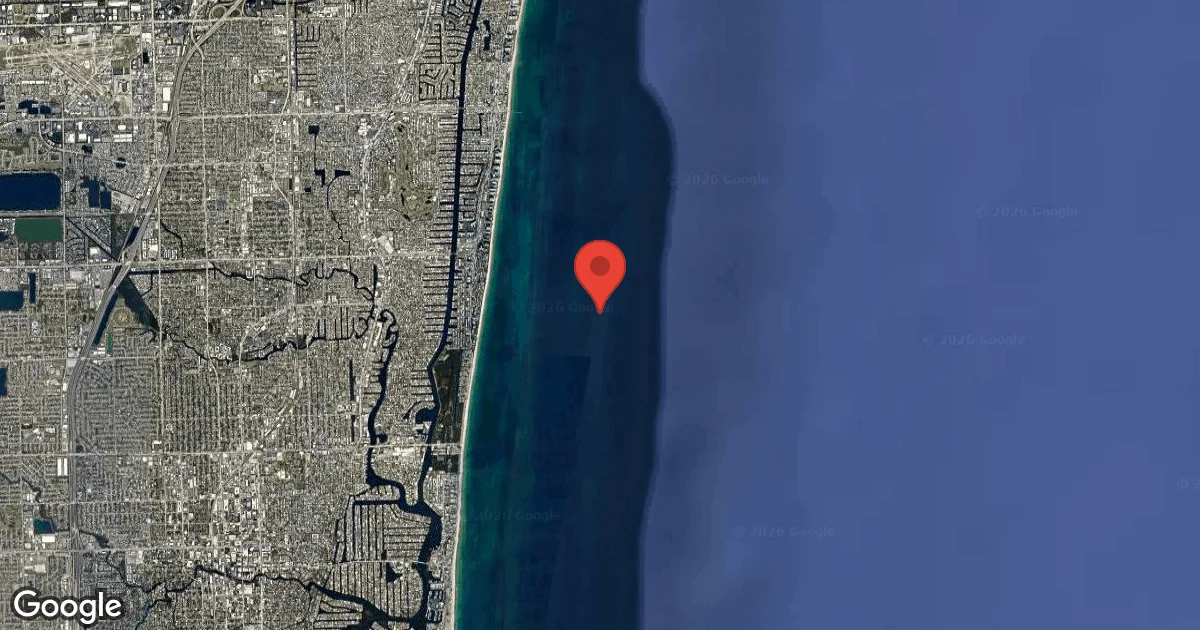
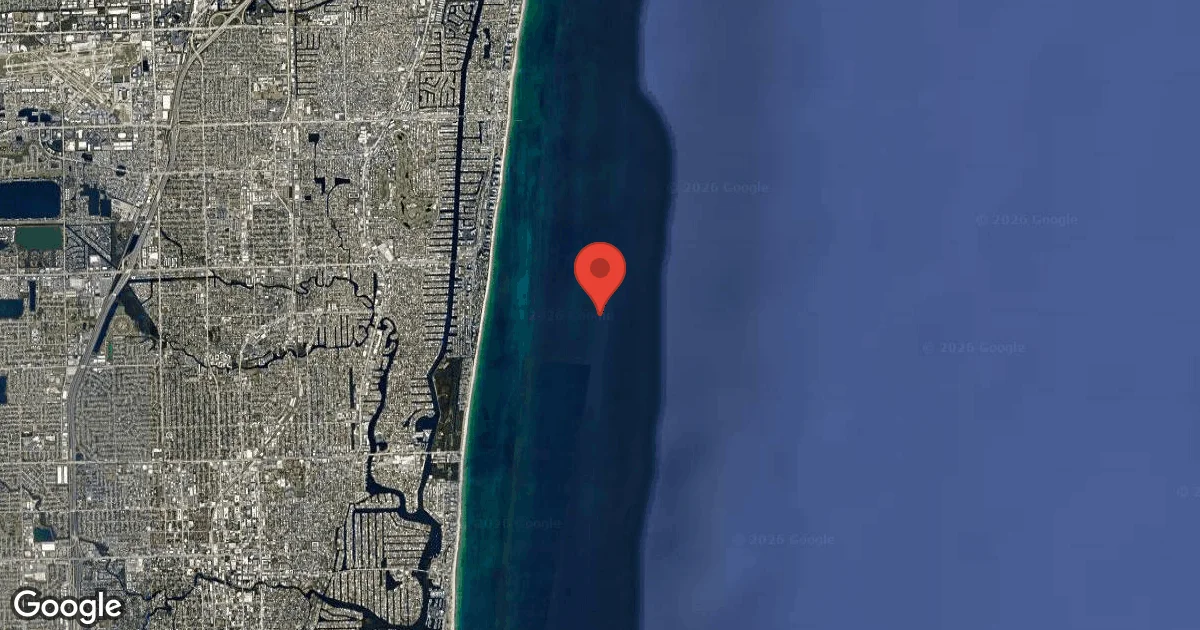
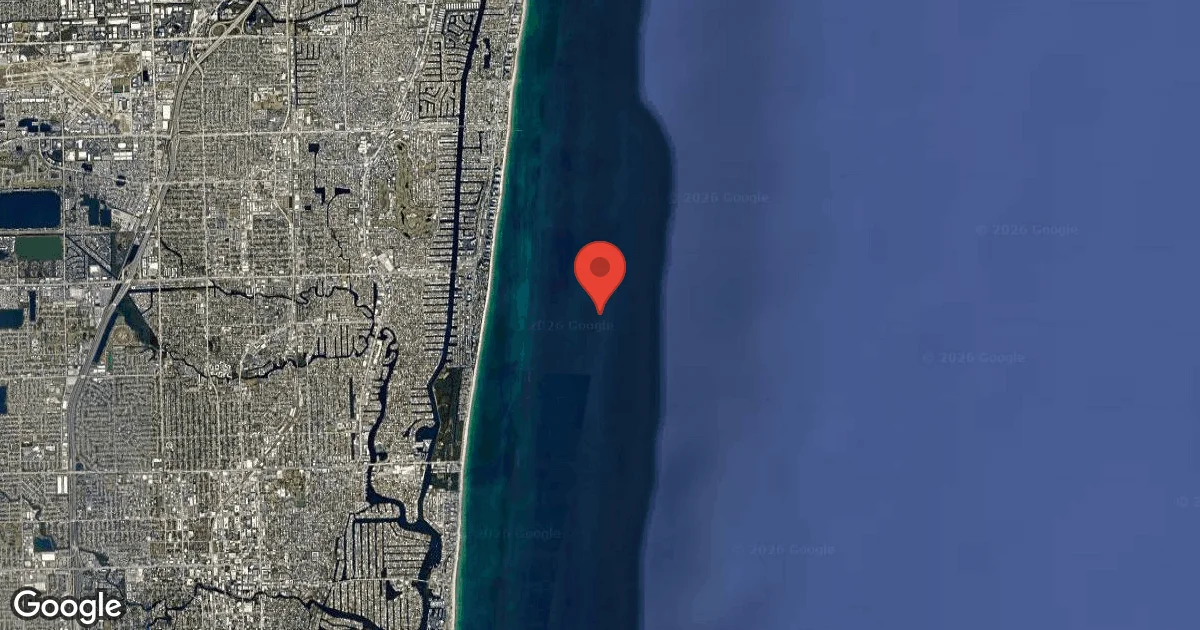
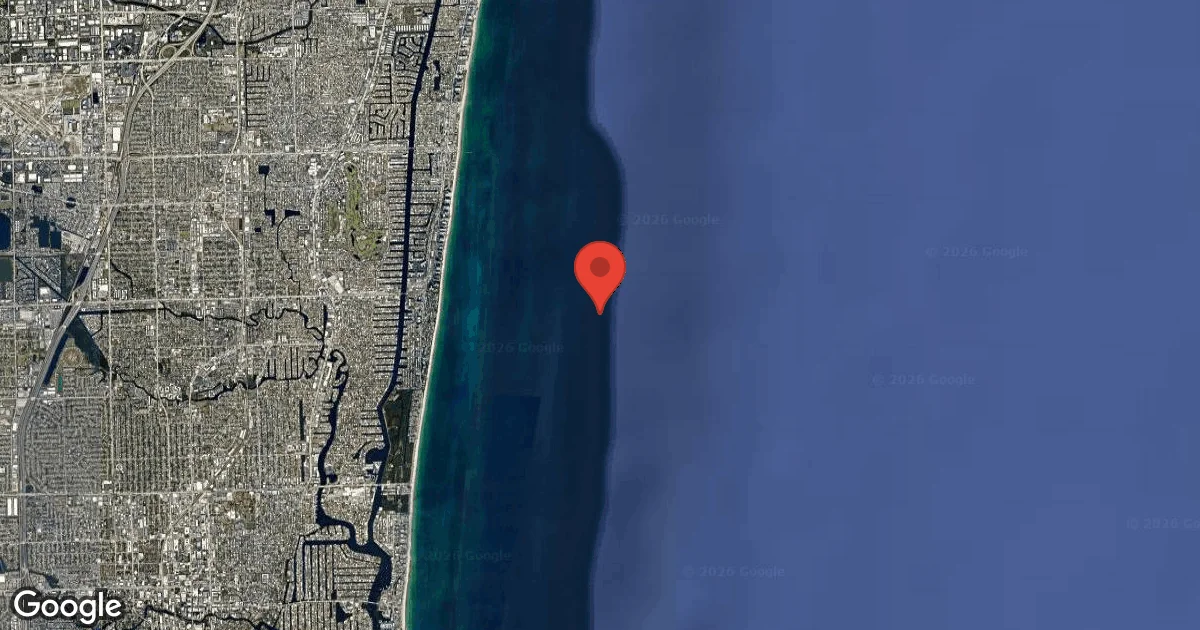
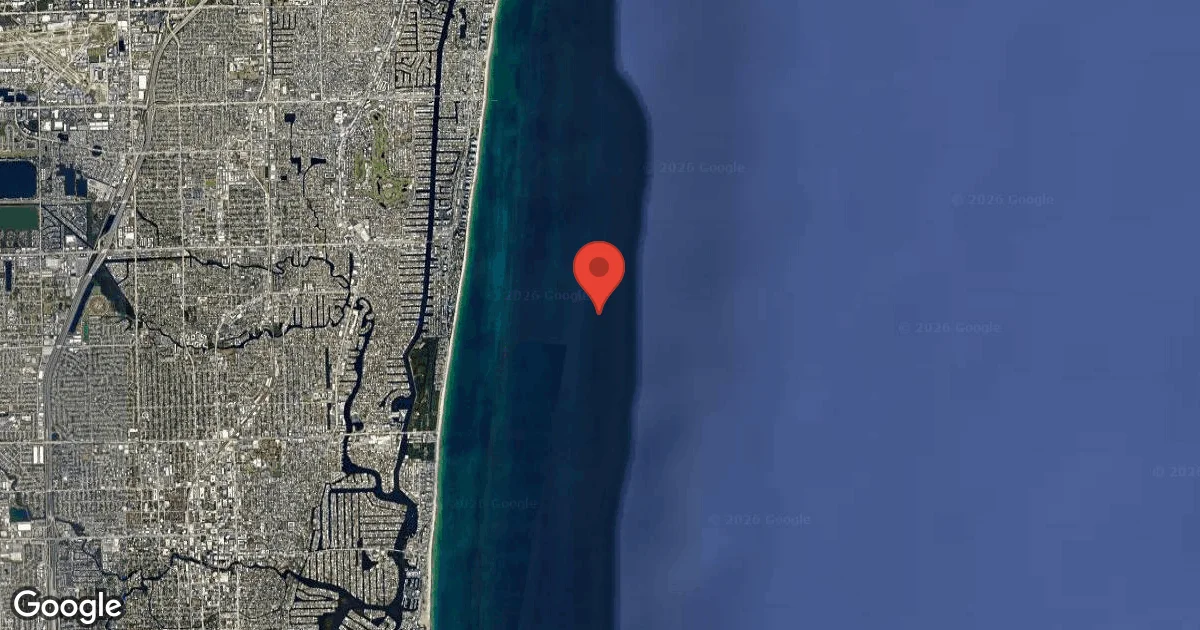
View all dive sites in United StatesDiscover more underwater gems in this area.
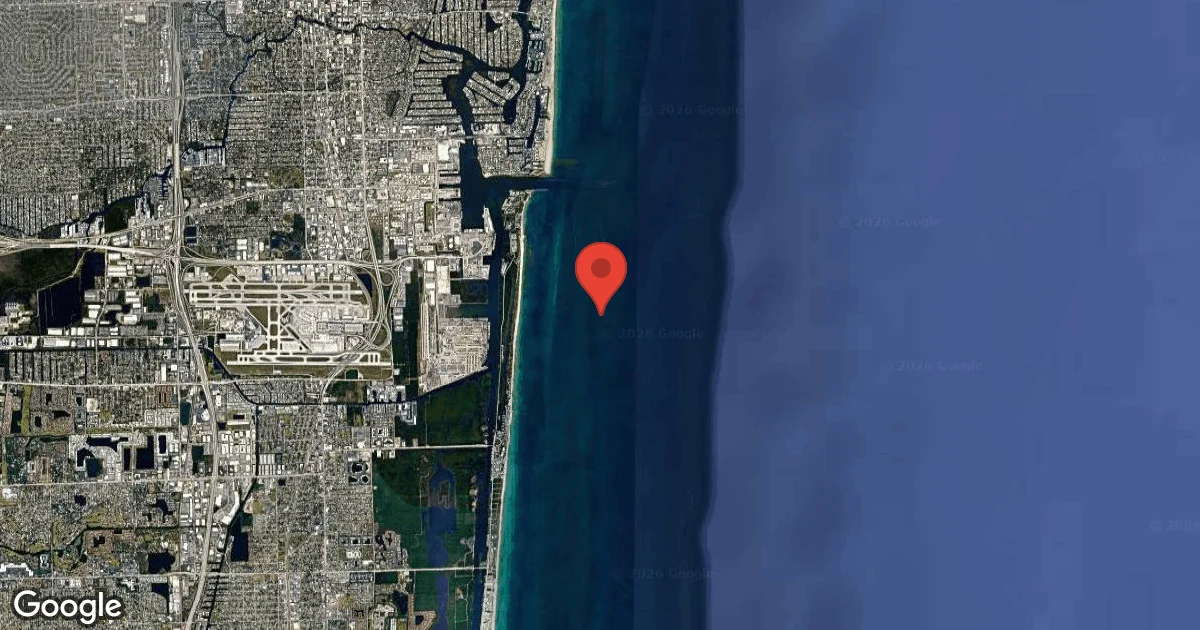
Dive Centers Near The Caves
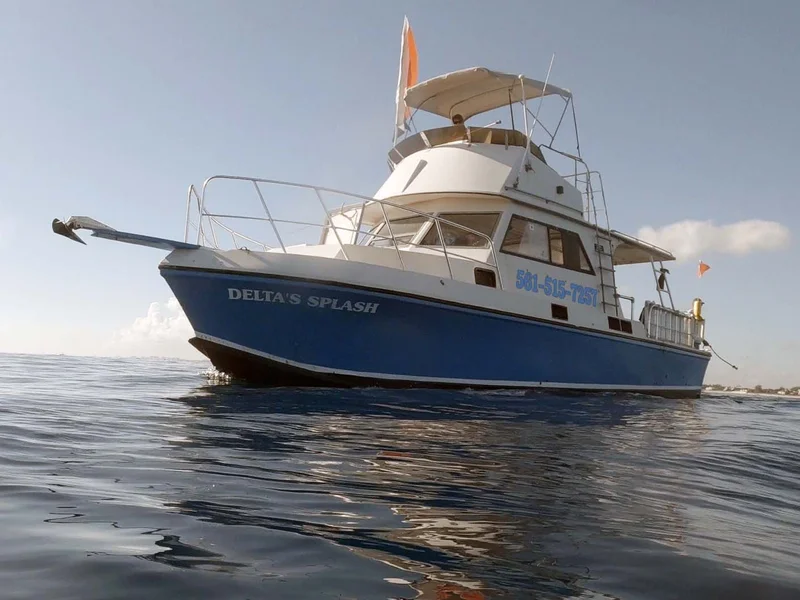
Today: 09:00 - 17:00
Nearest Airports
Nearest airports to help plan travel to this dive area.
Search Flights
Check available flights and routes on Expedia, using the nearby airports listed in this section.
Search Flights on Expedia
Plan Your Stay
Looking for a place to stay for your dive trip? Explore hotels, stays, and vacation rentals for dive groups near Sunrise.
Dive Navigator may earn a commission from these links at no extra cost to you.
Frequently Asked Questions
What is the typical depth range for diving The Caves?
Reef tops at The Caves generally start around 6 m (20 ft). While certain sections may be quite shallow, even down to a few meters, divers typically explore the main reef system within standard recreational limits.
What kind of marine life can I expect to see?
Divers often encounter lobsters tucked into the caves and crevices. Nurse sharks may also be found resting in these sheltered areas. Other common sightings on the reef include various fish species and turtles.
Is drift diving common here?
Yes, The Caves is typically experienced as a drift dive. Currents guide divers along the 2nd Reef line, enhancing the exploration of the site's unique geological features.
Are there any specific training recommendations for this site?
Due to the drift diving nature and the presence of small caves, PADI Drift Diver and PADI Underwater Navigator certifications are highly recommended. These skills enhance safety and enjoyment while exploring.
What is the best time of year to dive The Caves?
The period from May through September generally offers the best diving conditions, with consistently good to excellent dive scores. July, in particular, stands out for its calm waters and warm air temperatures.
What equipment should I bring?
Consider bringing a dive computer, a wetsuit for comfort, booties for fin straps, and essential safety items like a dive flag and a dive knife. A camera is also recommended to capture the unique underwater scenery.
Planning to dive The Caves?
Send one inquiry and receive offers directly from the best verified local dive operators.
Conditions are Excellent
07:00 - 14:00
Optimal conditions expected
Current conditions near The Caves show 27° air, 31° sea temperature, 0.6 m waves, and 14 km/h wind. Forecast data is refreshed regularly to ensure accuracy.