
Diving at POM Mitigation Modules (2021) (United States)
Imagine diving into an underwater landscape where human ingenuity meets marine conservation. Launched in 2021, the POM Mitigation Modules represent a cutting-edge effort in reef restoration and coastal protection, blending structural engineering with ecological design. Divers gain a firsthand look at innovative solutions for preserving vulnerable marine ecosystems. Structures are explicitly engineered to foster new coral growth and bolster shoreline resilience, marking a dive into the future of ocean stewardship.
During this afternoon at POM Mitigation Modules (2021), the recorded air temperature stands at 31.5°C. The water surface currently features wave heights of 0.3 m. These conditions reflect the midday climate for this dive site.
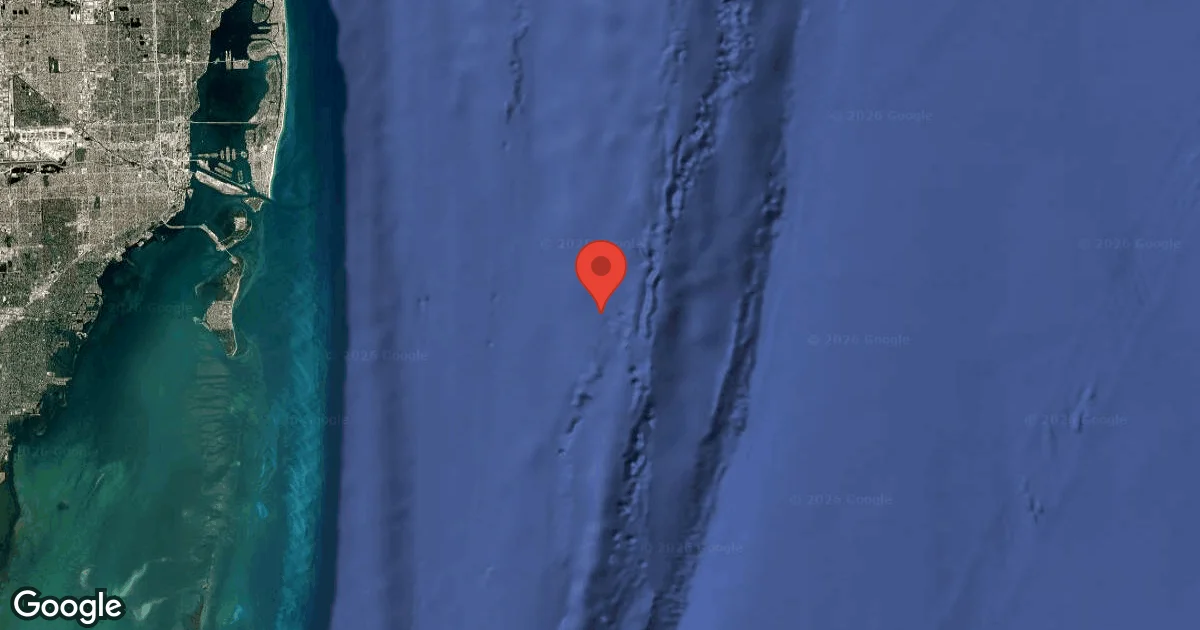
Dive Site Location & Key Facts
Dive Site Overview
At this site, divers will explore a topography comprised of purpose-built modular structures, deployed as part of an ongoing initiative to enhance threatened coral reefs and aid coastal protection. Modules are categorized by function: Wave-Attenuation modules mitigate erosion by reducing wave energy, a process diminishing it by an average of 97%.
Ecological Restoration modules focus on re-establishing coral reefs in damaged areas, designed to integrate seamlessly with the existing marine environment. Underwater Attraction modules additionally aim to draw eco-tourists, raising awareness about marine conservation while serving as artificial habitats. Divers navigate around these varied geometric forms.
Acting as living infrastructure, the structures trap and stabilize sediment to shore up the reef and coastline. Considering the interconnectivity of functional geometry, visual appeal, material science, and ecosystem cycles, a dive here reveals both natural processes and engineering foresight.
While specific depth details for all modules vary, dives typically occur within a recreational depth range, often reaching maximum depths of around 30 m (100 ft).
Conditions are Excellent
07:00 - 14:00
Optimal conditions expected
Current conditions near POM Mitigation Modules (2021) show 32° air, 31° sea temperature, 0.3 m waves, and 7 km/h wind. Forecast data is refreshed regularly to ensure accuracy.
Best Time to Dive
Visibility often dictates the overall dive experience, and at the POM Mitigation Modules, summer months generally provide the clearest conditions. July and August consistently receive an 'Excellent' dive score, reflecting optimal surface and underwater clarity. During these months, air temperatures are at their warmest, averaging around 28.5°C (83°F) in July and 28.5°C (83°F) in August, which typically correlates with comfortable water temperatures suitable for extended dives. Wave heights are lowest in July, averaging 0.4 m (1.3 ft), contributing to calmer seas and better underwater visibility. While there's moderate rainfall throughout the year, ranging from approximately 1.4 mm in February to 9.4 mm in June, short showers rarely impact underwater conditions significantly. The cooler months, like January and February, still offer 'Good' diving, with air temperatures around 20-21°C (68-70°F) and manageable wave heights.
PEAK SEASON SCORE
Scores combine air & water temps, waves, wind & rainfall for overall conditions.
BEST MONTHS TO DIVE
Monthly records compiled from satellite and marine observation nodes over the last 3 years. Data provided by Open-Meteo and MET Norway.
Dive Experience & Conditions
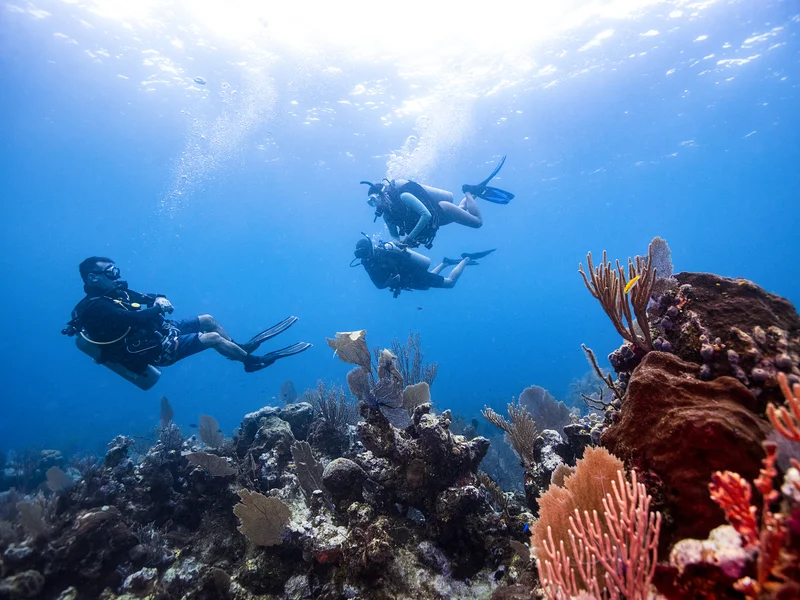
Diving at the POM Mitigation Modules immerses you in an evolving environment where structure meets biology. The sensation is one of exploring a deliberately crafted underwater habitat, where concrete and other materials are becoming colonized by marine life. These modular units, conceived through an engineering lens, aim to address coastline erosion and coral reef degradation. You'll observe the initial stages of marine plant and animal life filtering pollutants and sequestering carbon, contributing to structural growth within the ecosystem. Water temperatures generally align with the mild to warm air temperatures observed throughout the year, typically remaining comfortable for diving, though specific site-reported water temperatures are not consistently available. Conditions are generally calm, especially during peak summer months when average wave heights are at their lowest, allowing for relaxed exploration of these innovative structures.
Dive Difficulty & Safety Guidelines
While the POM Mitigation Modules are designed to be robust, divers must treat this site with the respect due to an active research and conservation project. Always maintain excellent buoyancy control to avoid contact with the structures, especially as new coral growth begins to establish itself. These modules are part of an applied research effort to design solutions for coastal resilience and degradation, making careful interaction vital.
Avoid touching or disturbing any part of the modules or the marine life colonizing them. Divers should remain aware of their surroundings, particularly if currents are present, though calm conditions are typical.
Always dive within your certification limits and follow local dive operator guidelines to ensure a safe and responsible experience.
Recommended Equipment
- Dive Computer
This gear list is based on verified equipment signals for POM Mitigation Modules (2021), United States. Always confirm final gear choices with your dive operator, guide, or liveaboard.
Recommended Dive Suit
For divers planning standard recreational dives, dive skin or rash guard is usually a suitable option. Divers vary widely in how quickly they feel cold underwater.
The waters surrounding POM Mitigation Modules (2021) are currently maintaining temperatures close to 31°C (89°F). Surface air temperatures are resting at 32°C (89°F).
Environmental conditions may feel slightly cooler as the week progresses. A significant temperature drop is forecast; strongly suggest bringing a backup warmer suit option. Bringing an additional thermal layer can be helpful if conditions change.
Due to technical issues with our weather providers, data hasn't been fetched for over 48 hours. The data above reflects the conditions at the time of the last successful fetch.
Emergency & Medical Support
Essential information to help you plan your dive trip to POM Mitigation Modules (2021).

Hyperbaric chambers are a critical part of dive safety infrastructure. Availability varies significantly by region, and not all dive areas have immediate access.
Before diving, it's recommended to:
- confirm nearest medical facilities
- check emergency procedures with local dive operators
- ensure dive insurance covers evacuation if required
Divers Alert Network
Diving emergency assistance available through DAN World.
+1-919-684-9111- 24/7 emergency hotline
- Diving medical assistance
- Evacuation coordination
Emergency contacts are provided for reference. Always verify local emergency services before diving.
Marine Life at POM Mitigation Modules (2021)
What you first notice here is the deliberate integration of structures designed to foster marine growth. As a site focused on ecological restoration, the modules are intended to become vibrant habitats.
Expect to observe early colonizers like various algae, tunicates, and sponges adhering to the surfaces, forming the foundation for a new ecosystem. Small fish species, invertebrates, and even juvenile corals may begin to take residence within the nooks and crannies of the modules.
It's a unique opportunity to witness the initial stages of reef development, where the promise of a thriving marine community is just beginning to unfold on these engineered structures.
Dive Sites Near POM Mitigation Modules (2021)
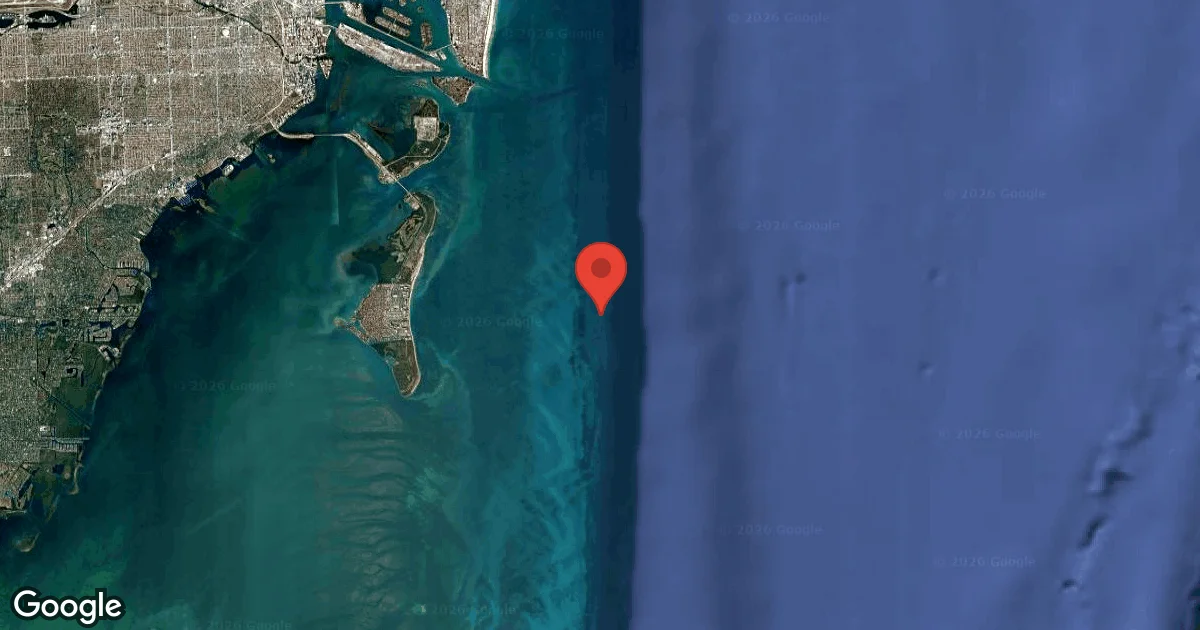
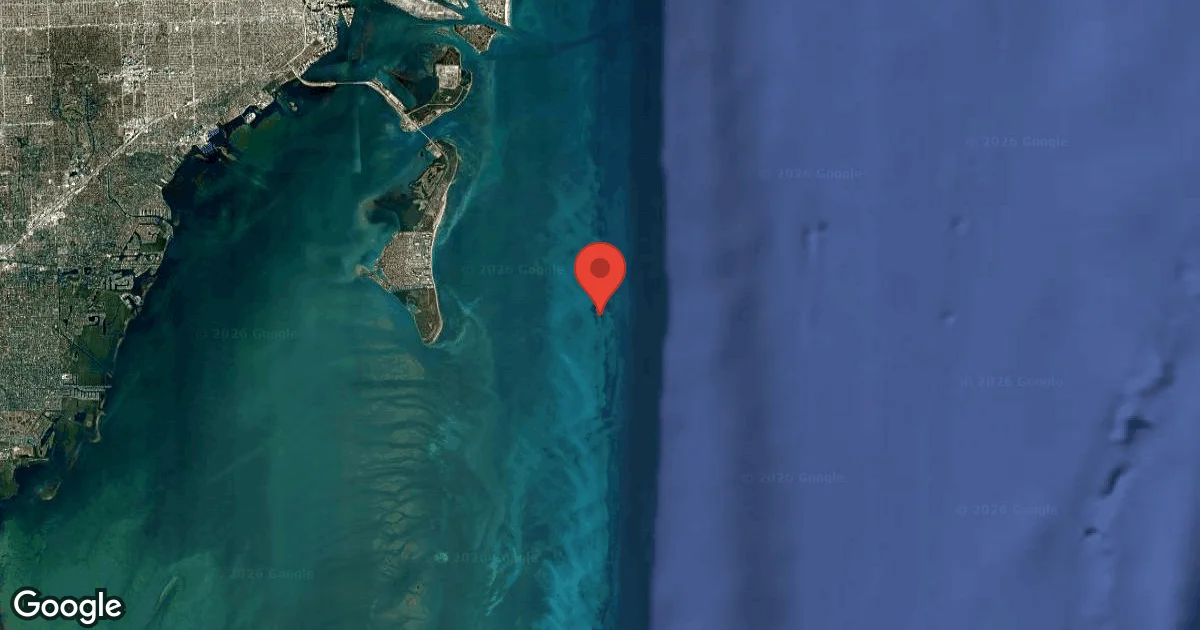
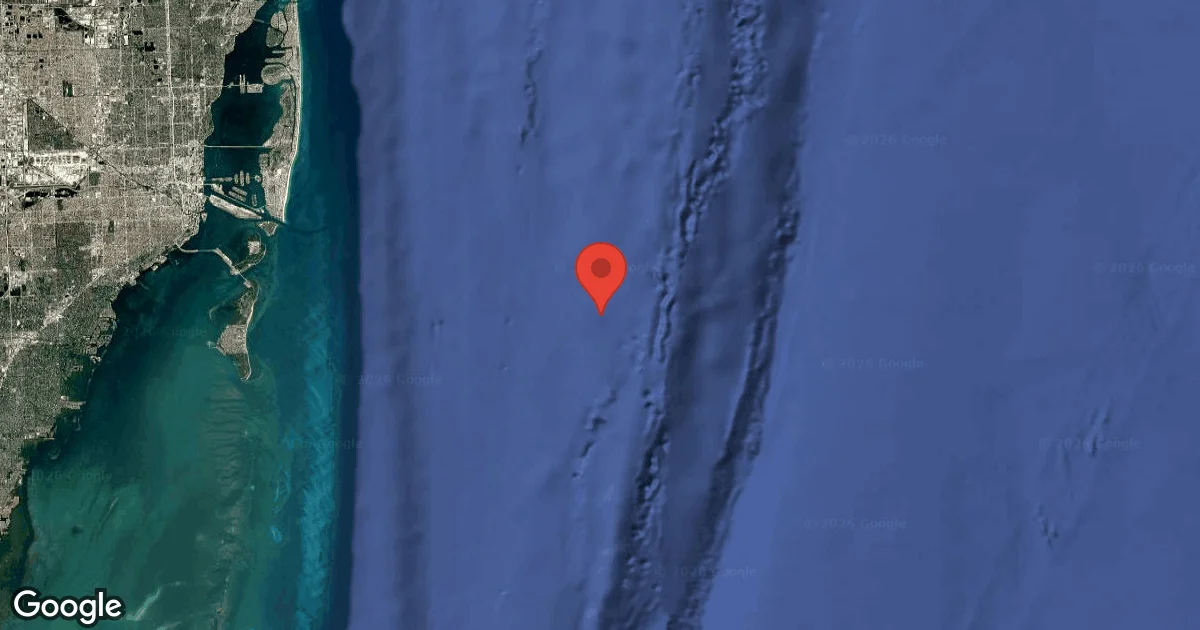
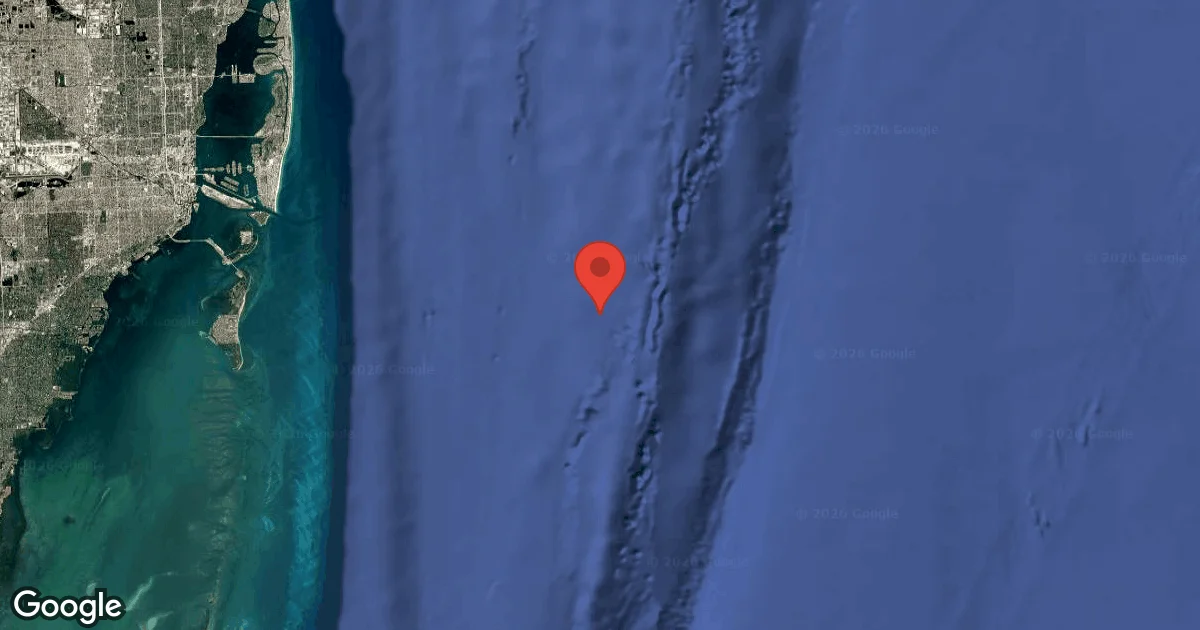
View all dive sites in United StatesDiscover more underwater gems in this area.
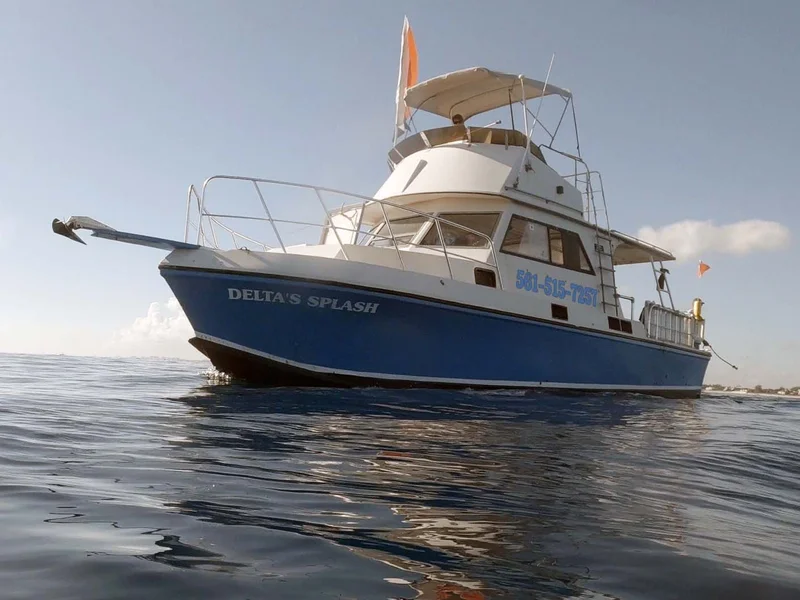
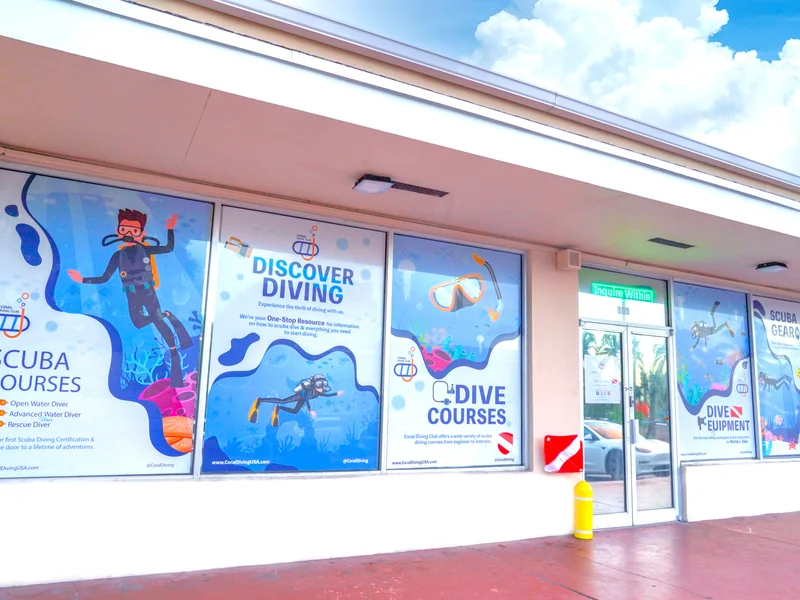
Dive Centers Near POM Mitigation Modules (2021)
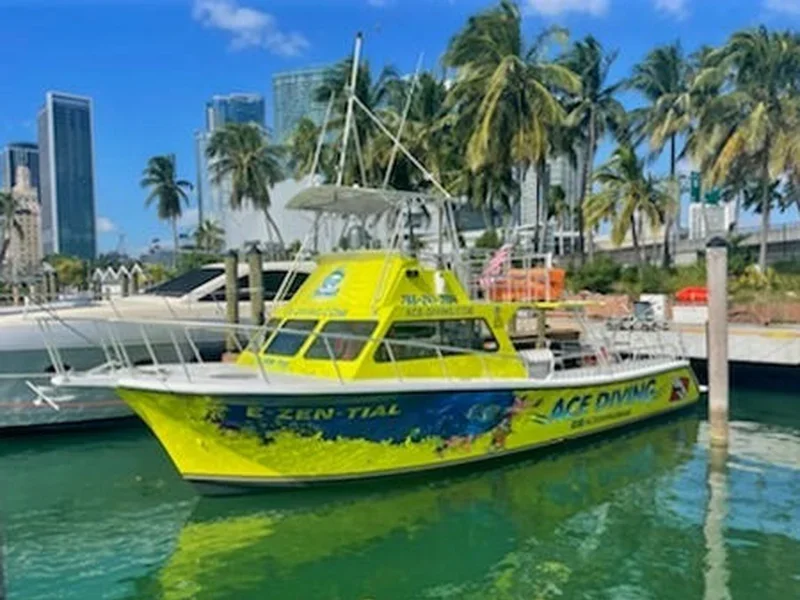
Today: 08:00 - 17:00
Nearest Airports
Nearest airports to help plan travel to this dive area.
Search Flights
Check available flights and routes on Expedia, using the nearby airports listed in this section.
Search Flights on Expedia
Plan Your Stay
Looking for a place to stay for your dive trip? Explore hotels, stays, and vacation rentals for dive groups near Miami Beach.
Dive Navigator may earn a commission from these links at no extra cost to you.
Frequently Asked Questions
What are the POM Mitigation Modules?
These modules are innovative, engineered structures deployed in 2021 as part of a research initiative. They aim to restore coral reefs and provide coastal protection, blending structural engineering principles with marine ecology.
What is the primary purpose of these modules?
These innovative modules serve multiple purposes. They include wave attenuation to reduce coastal erosion, ecological restoration by fostering coral growth, and acting as underwater attractions for eco-tourism and marine conservation awareness. Designed as living infrastructure, they represent a holistic approach to marine stewardship.
Are these structures part of a research project?
The project investigates how functional geometry, visual design, materials, and ecosystems interconnect for successful restoration. Yes, they are integral to applied research exploring modular solutions for reef restoration and coastal protection.
What kind of marine life can I expect to see?
As an ecological restoration site, you can expect to observe marine life in various stages of colonization. This includes algae, sponges, and invertebrates, with smaller fish and juvenile corals gradually establishing themselves on the modules.
What are the typical dive depths at this site?
Dives at the POM Mitigation Modules typically fall within recreational diving limits. Divers can generally explore depths reaching a maximum of around 30 m (100 ft), depending on the specific module and dive plan.
Is special training required to dive here?
While not explicitly stated, general good diving practices, excellent buoyancy control, and respect for conservation sites are crucial. As an active research area, divers should be mindful of the scientific purpose and avoid disturbance.
Planning to dive POM Mitigation Modules (2021)?
Send one inquiry and receive offers directly from the best verified local dive operators.
Conditions are Excellent
07:00 - 14:00
Optimal conditions expected
Current conditions near POM Mitigation Modules (2021) show 32° air, 31° sea temperature, 0.3 m waves, and 7 km/h wind. Forecast data is refreshed regularly to ensure accuracy.