
Diving at Proteus (United States)
Steel contours of the Proteus wreck emerge from the blue expanse, casting long shadows across the seabed. Exploration feels like stepping into a silent, submerged museum, where gentle currents dictate the rhythm. Soft corals sway, creating an illusion of slow-motion breathing. Water's embrace is often mild, a comfortable medium for discovering this historical site.
Tonight's objective overview for Proteus shows an air temperature of 28°C. The measured surface conditions include wave heights around 0.9 m. This environmental data is logged for the close of the day.
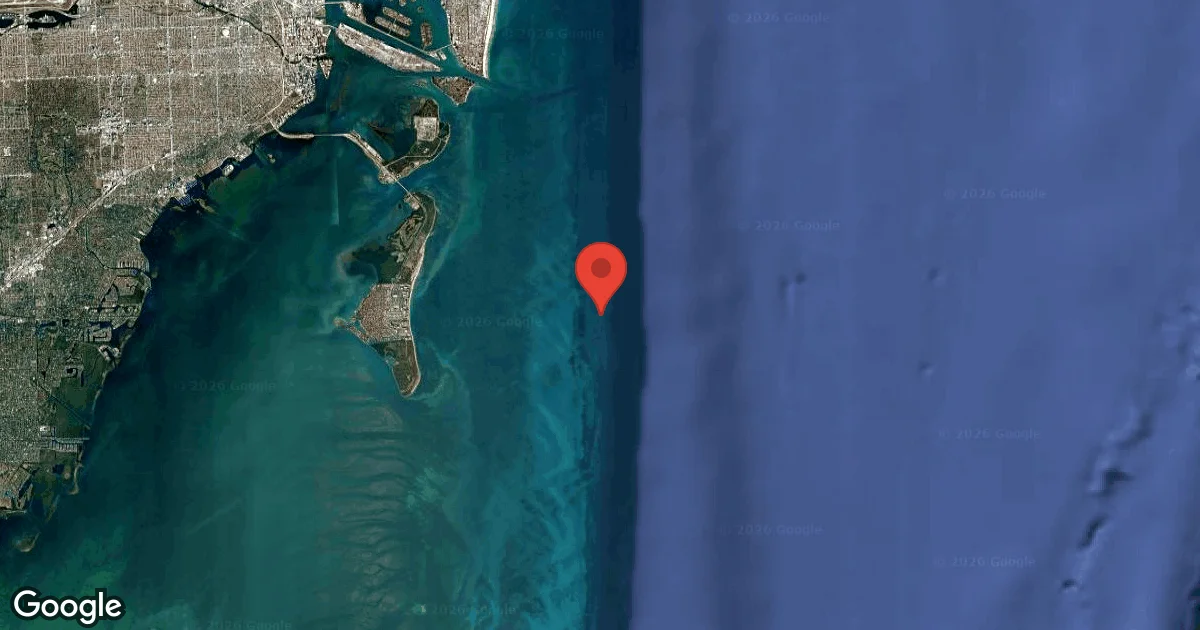
Dive Site Location & Key Facts
Dive Site Overview
A substantial 220-foot steel-hulled freighter, the Proteus offers a compelling dive experience for Advanced Open Water certified divers within the Key Biscayne reef site. Sunk in 1985, the wreck provides abundant shelter, fostering a vibrant underwater ecosystem around its structure.
Significant relief, up to 18 feet, creates numerous nooks and crannies for exploration. Recreational depths make it accessible for extended bottom times, perfect for detailed observation or a second dive of the day. Off Miami Beach, boat access to the wreck is generally facilitated by a temporary line for mooring, helping protect the site from anchor damage.
Maximum depth, typically around 72 ft (22 m), ensures good ambient light penetration, which can significantly enhance visibility and make for vivid underwater photography. Conditions often allow for comfortable, extended exploration of the entire structure.
Local dive operators regularly feature this location, confirming its consistent appeal and reliability as a dive spot. Its appeal extends to both those seeking historical wreck insights and marine life observation, given the extensive growth on its surfaces.
Conditions are Moderate
Optimal conditions expected
Current conditions near Proteus show 28° air, 31° sea temperature, 0.7 m waves, and 33 km/h wind. Forecast data is refreshed regularly to ensure accuracy.
Best Time to Dive
Planning a visit to Proteus reveals a prime window extending from April through September, consistently labeled as 'Good' periods for diving. Air temperatures during these months are notably warmer, ranging from approximately 24.5°C (76°F) in April to a peak of 29°C (84°F) in August. Warmer air temperatures contribute to more comfortable surface intervals and boat rides. While water temperature isn't consistently reported, overall conditions generally suggest a pleasant experience. Wave heights tend to be lower during this period, particularly in July, averaging around 0.5 meters, which typically translates to calmer seas and smoother entries and exits. Rainfall during these months can vary; for instance, June and September see higher averages around 5-6 mm, but often these are brief. October through March still offer 'Moderate' diving, with air temperatures between 22°C (72°F) and 27°C (81°F), though wave heights and wind speeds are generally higher.
PEAK SEASON SCORE
Scores combine air & water temps, waves, wind & rainfall for overall conditions.
BEST MONTHS TO DIVE
Monthly records compiled from satellite and marine observation nodes over the last 3 years. Data provided by Open-Meteo and MET Norway.
Dive Experience & Conditions
Currents at the Proteus wreck can vary; divers should prepare for potential drift depending on local conditions, though specific current patterns are not consistently reported. Diving typically occurs around an average depth of 60 ft (18 m), allowing for substantial bottom time within recreational limits. Its accessible depths make this site well-suited for a second dive of the day. Visibility often provides clear views of the wreck's integrity and the life it harbors. Access to the site is exclusively by boat, typically utilizing a temporary line for mooring, which helps preserve the wreck from anchor damage. Operators frequently offer trips here, suggesting predictable and manageable conditions for a recreational wreck dive. Check with local dive services for the most current on-site conditions.
Dive Difficulty & Safety Guidelines
When planning a dive on the Proteus, always confirm local conditions with your dive operator, as sea states and visibility can change. A minimum Advanced Open Water certification is required, reflecting the wreck's depth and environment. Maintaining awareness of your depth and no-decompression limits remains crucial, particularly at the maximum depth of approximately 72 ft (22 m).
As it's a wreck, divers should approach penetration with caution and only if properly trained and equipped for overhead environments. Always dive with a computer, and plan your gas effectively for the intended bottom time.
No specific hazards beyond typical wreck diving considerations, such as entanglement or disorientation, have been reported for this site. Ensure you have a surface marker buoy (SMB) for safe ascent and signaling, especially in areas with boat traffic.
Recommended Equipment
Overhead / entanglement risk. Wreck penetration requires proper training.
- Dive Computer
- DSMB
- Primary & Backup Lights
- Wreck Reel
- Cutting Tool
This gear list is based on verified equipment signals for Proteus, United States. Always confirm final gear choices with your dive operator, guide, or liveaboard.
Recommended Dive Suit
For divers planning standard recreational dives, dive skin or rash guard is usually a suitable option. Divers vary widely in how quickly they feel cold underwater.
Conditions at Proteus currently place the water temperature near 31°C (87°F). Surface air temperatures are resting at 28°C (82°F).
The upcoming forecast points to generally steady conditions in the area.
Due to technical issues with our weather providers, live updates are temporarily delayed. The data above reflects the conditions at the time of the last successful fetch.
Emergency & Medical Support
Essential information to help you plan your dive trip to Proteus.

Hyperbaric chambers are a critical part of dive safety infrastructure. Availability varies significantly by region, and not all dive areas have immediate access.
Before diving, it's recommended to:
- confirm nearest medical facilities
- check emergency procedures with local dive operators
- ensure dive insurance covers evacuation if required
Divers Alert Network
Diving emergency assistance available through DAN World.
+1-919-684-9111- 24/7 emergency hotline
- Diving medical assistance
- Evacuation coordination
Emergency contacts are provided for reference. Always verify local emergency services before diving.
Marine Life at Proteus
Proteus wreck has become an artificial reef, supporting a thriving community of marine life against its steel backdrop. Divers will encounter a wide variety of fish, often taking shelter within the wreck's structure.
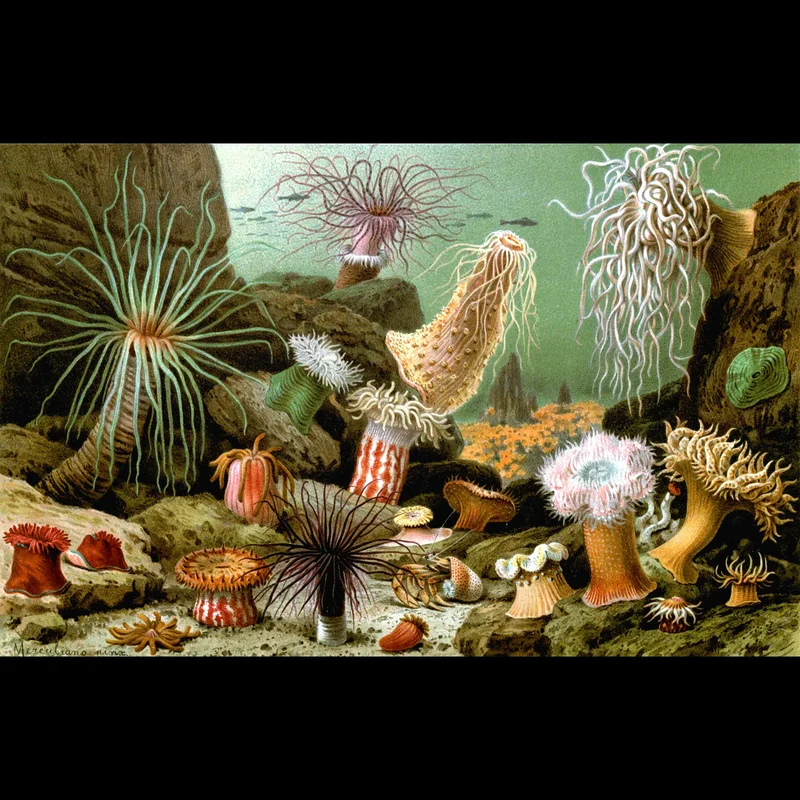
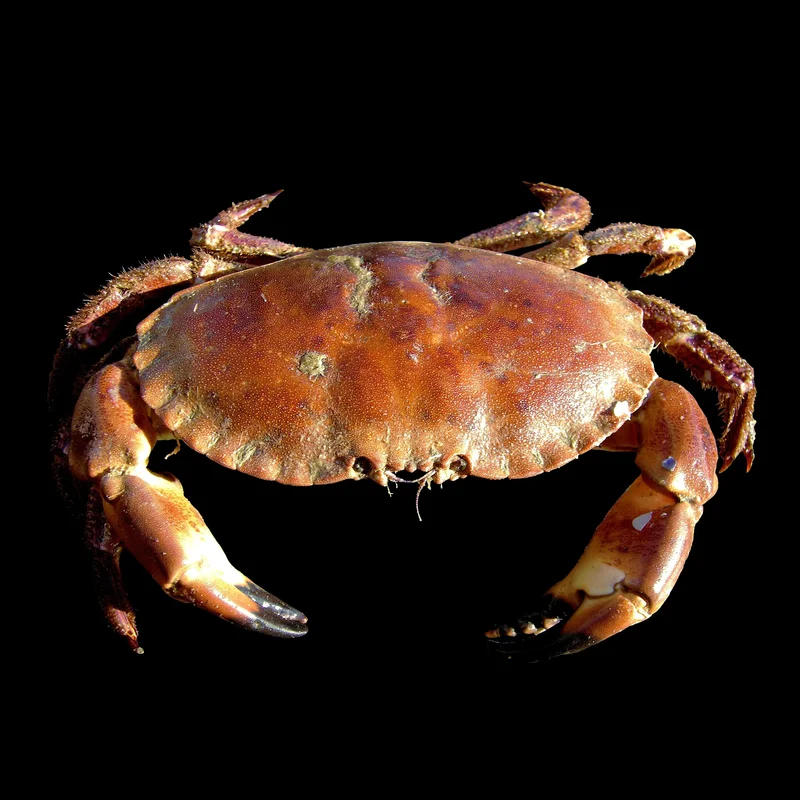
You might spot various crabs and sea anemones clinging to the surfaces. Significant coral and sponge growth also contribute to a colorful underwater landscape on the wreck.
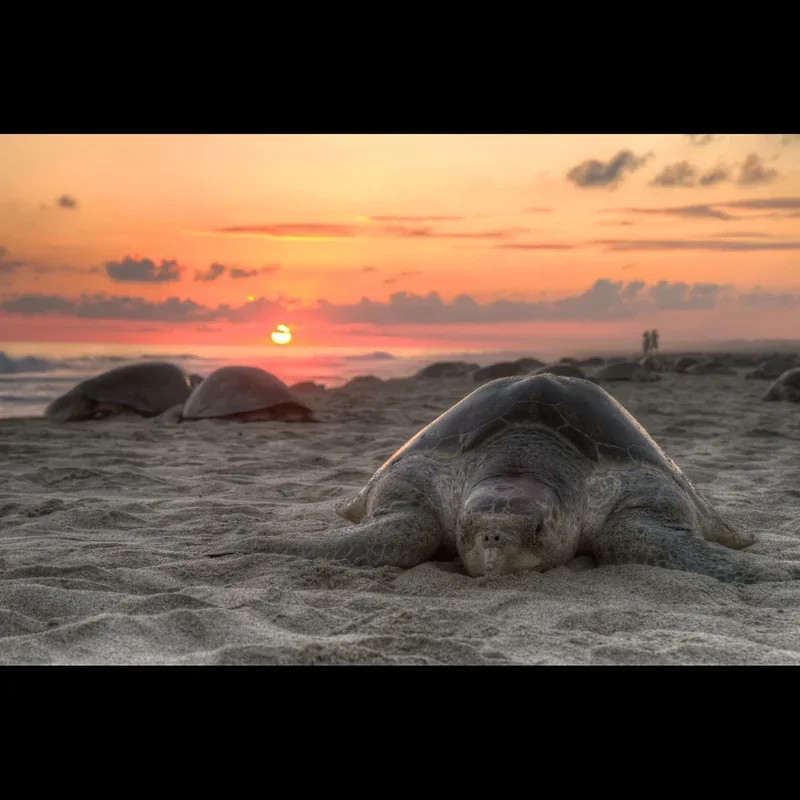
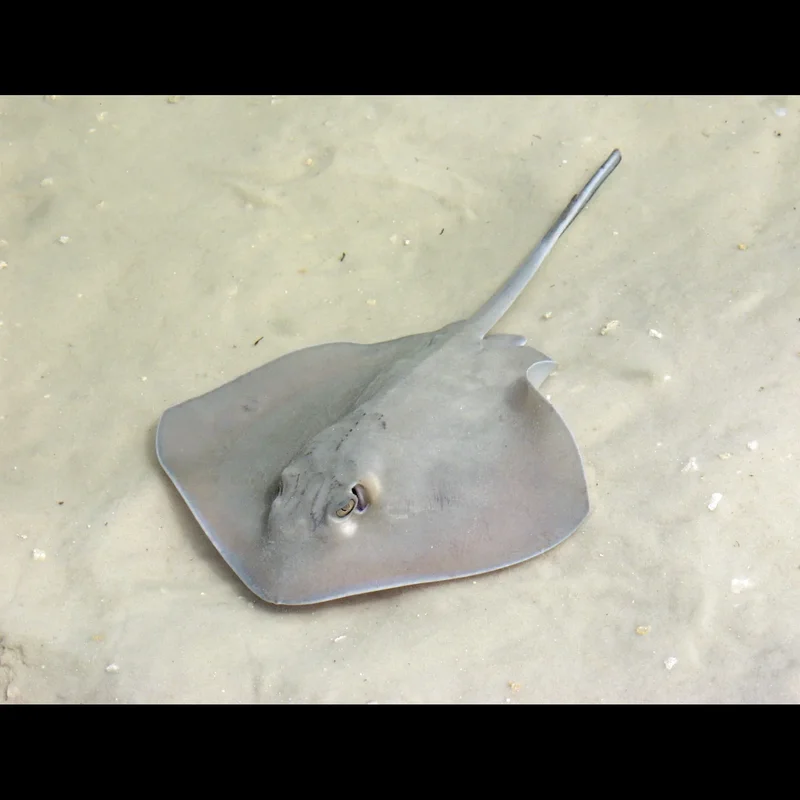
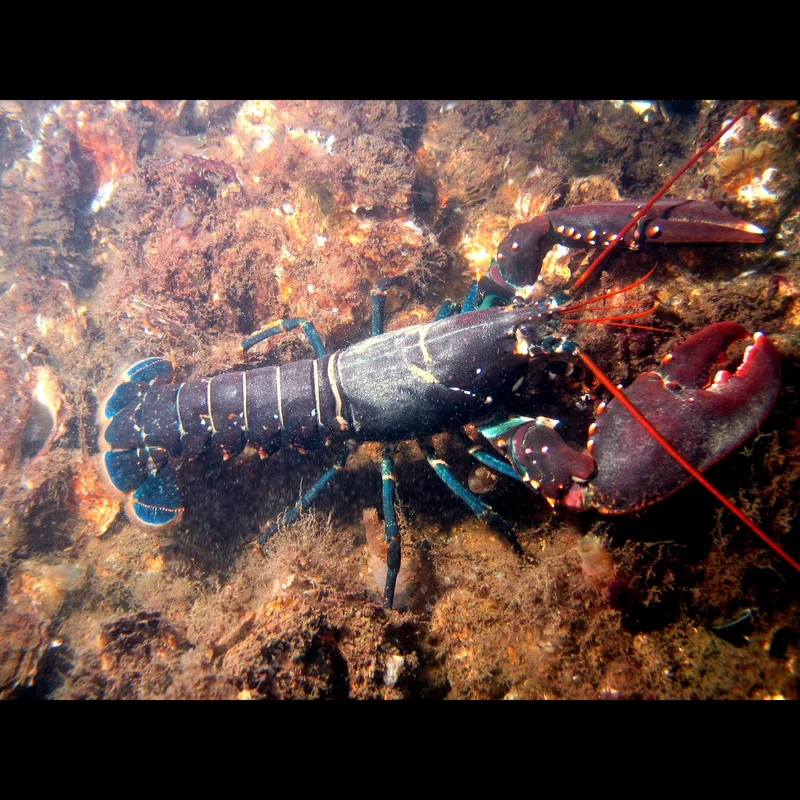
Keep an eye out for larger pelagic fish, which occasionally cruise off the wreck's perimeter. Other common sightings include rays, stingrays, sea turtles, eels, lobster, octopus, and diverse reef fish, creating a dynamic environment to observe.
Dive Sites Near Proteus
View all dive sites in United StatesDiscover more underwater gems in this area.
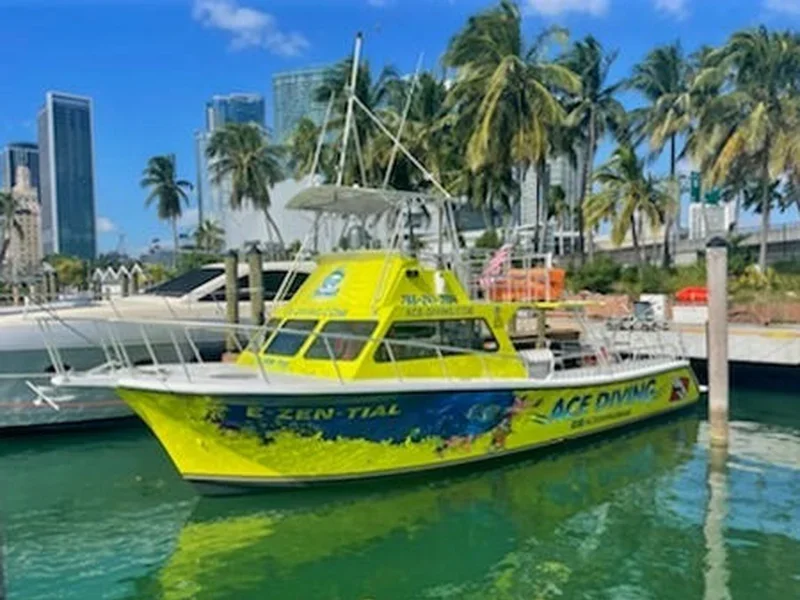
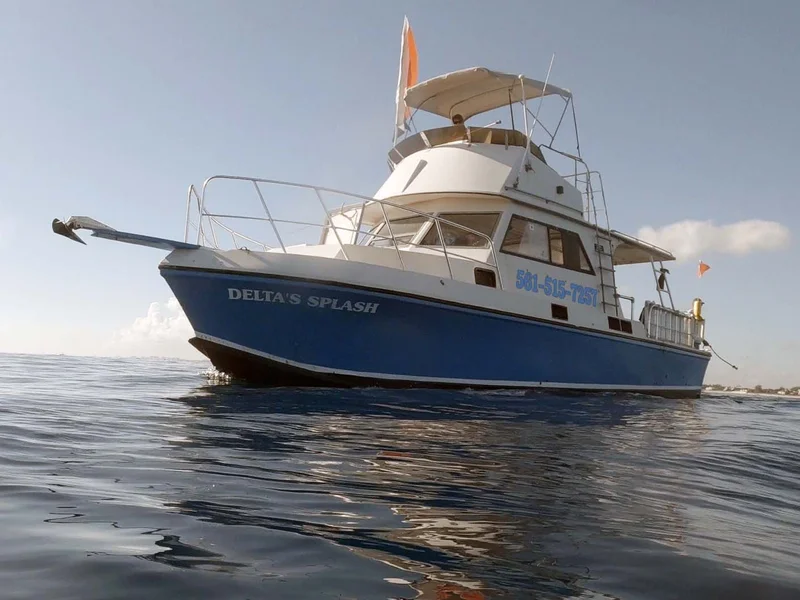
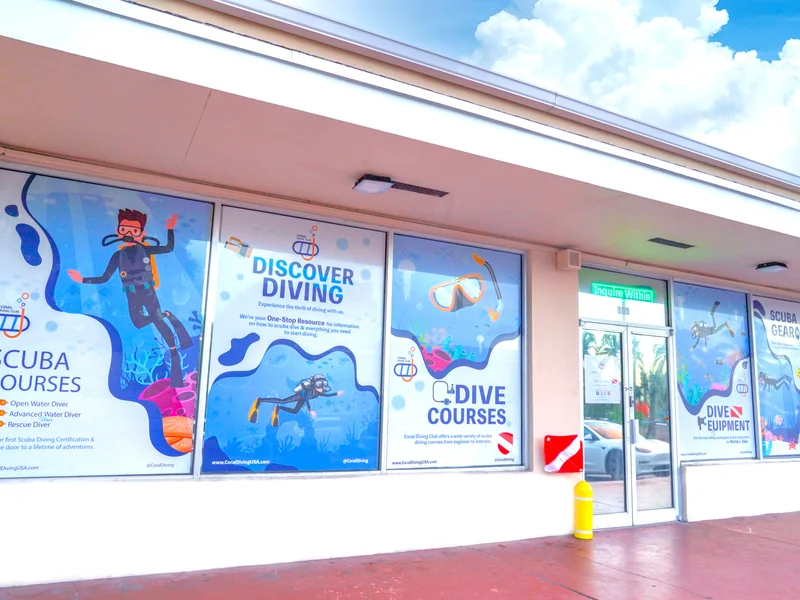
Dive Centers Near Proteus
Today: 08:00 - 17:00
Nearest Airports
Nearest airports to help plan travel to this dive area.
Search Flights
Check available flights and routes on Expedia, using the nearby airports listed in this section.
Search Flights on ExpediaFrequently Asked Questions
What is the maximum depth of the Proteus wreck?
Proteus wreck reaches a maximum depth of approximately 72 ft (22 m). This depth is suitable for divers holding an Advanced Open Water certification or higher.
What certification is recommended for diving the Proteus?
An Advanced Open Water Diver certification is the minimum recommended for this site. Divers holding this certification have the necessary skills for deeper recreational dives and wreck environments.
What type of dive site is Proteus?
Proteus is a steel-hulled freighter wreck, measuring 220 feet in length. Sunk in 1985, it now serves as an artificial reef, supporting abundant marine life.
What marine life can be seen at Proteus?
A variety of fish, crabs, and sea anemones are attracted to the wreck. Divers can also expect to see coral and sponge growth, with possibilities of encountering rays, sea turtles, and occasional large pelagic fish.
How do I access the Proteus dive site?
Access to the Proteus dive site is exclusively by boat. Dive operators in the Miami Beach area frequently arrange guided trips to the wreck, often utilizing a temporary mooring line.
When is the best time of year to dive Proteus?
Based on climate data, the 'Good' diving season runs from April through September. During these months, air temperatures are warmer, and sea conditions are generally calmer, leading to more comfortable dives.
Planning to dive Proteus?
Send one inquiry and receive offers directly from the best verified local dive operators.
Conditions are Moderate
Optimal conditions expected
Current conditions near Proteus show 28° air, 31° sea temperature, 0.7 m waves, and 33 km/h wind. Forecast data is refreshed regularly to ensure accuracy.