
Diving at Sandflea Reef #3 (United States)
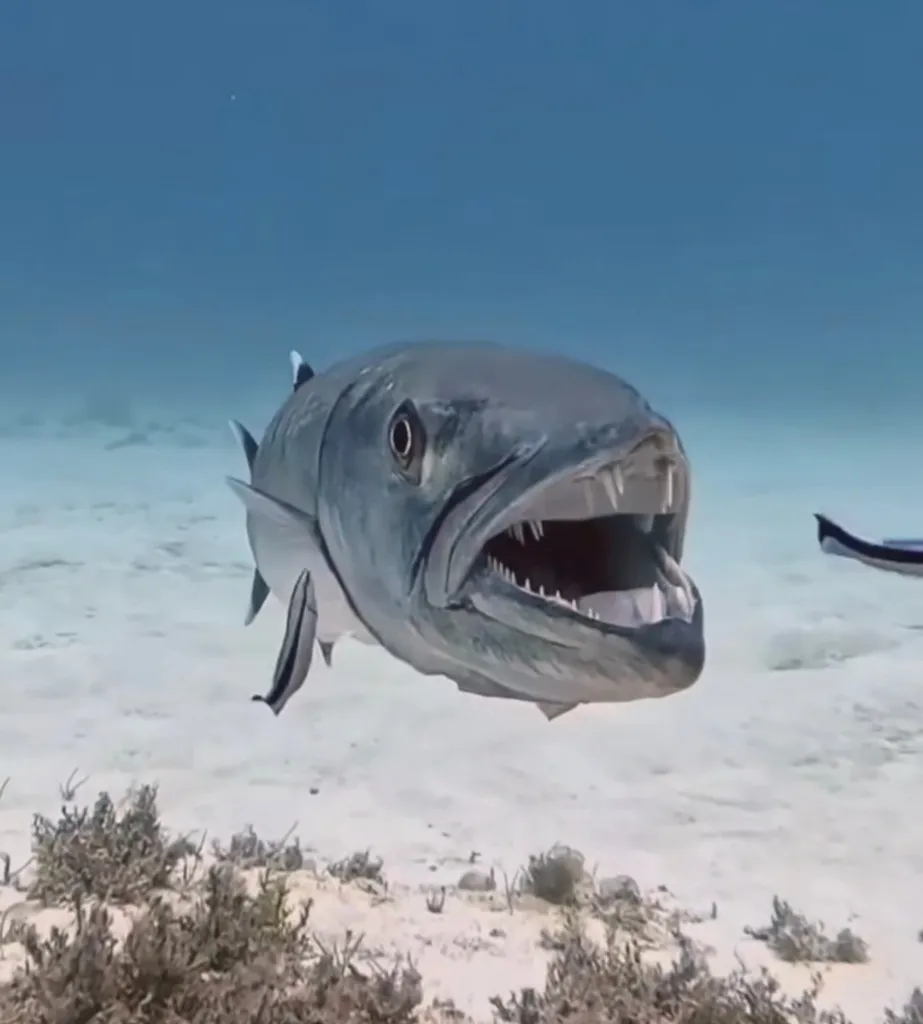
Sandflea Reef #3 acts as a vibrant nursery, making it a captivating dive for those seeking diverse marine encounters. Juvenile tropical fish are frequently observed here, thriving within the protective reef structures. Beyond its role as a fish nursery, the site hosts a variety of larger species, including barracuda, sea turtles, and groupers utilizing cleaning stations. Divers consistently find an active, thriving ecosystem.
As evening covers Sandflea Reef #3, the local air temperature is measured at 31.5°C. The current wave height at the surface is recorded at 0.4 m. These late-day readings characterize the surface conditions for the night.
Dive Site Location & Key Facts
Dive Site Overview
Divers navigating this vibrant coral reef ecosystem encounter continuous ledges, intricate undercuts, and numerous crevices, forming a dynamic underwater landscape. As part of the broader Breaker's Reef structure, the site's depth range typically falls between 12.8 m (42 ft) and 18.3 m (60 ft).
Certain areas, particularly in the surrounding sand, extend slightly deeper to 18.9 m (62 ft). Divers often drift effortlessly past a rich tapestry of soft and hard corals, observing hundreds of species along the way. South of Breaker's Reef, the Bath and Tennis section further reveals abundant marine life within its intricate crevices.
A unique historical feature, King Neptune's statue, rests in the sand at approximately 18 m (59 ft) depth; it has served as a sentinel for decades, gradually shifting with the persistent Gulf Stream's influence. This site provides ample opportunities to observe everything from macro life hidden among dense coral backdrops to larger animals navigating the open water around the reef, making each dive a discovery.
Conditions are Excellent
07:00 - 14:00
Optimal conditions expected
Current conditions near Sandflea Reef #3 show 31° air, 30° sea temperature, 0.3 m waves, and 22 km/h wind. Forecast data is refreshed regularly to ensure accuracy.
Best Time to Dive
Predictable conditions are a key advantage for planning a dive at Sandflea Reef #3, which consistently earns a "Good" dive score year-round, offering enjoyable conditions across all seasons. Surface conditions, however, vary significantly. Summer months, particularly July and August, generally present the calmest surface, with average wave heights around 0.6 m (2.0 ft) and lighter winds averaging 24-26 km/h (15-16 mph). Air temperatures during summer reach their peak, averaging 28.5-29°C (83-84°F). Conversely, winter and early spring months, spanning January through April, typically experience higher average wave heights of 0.8-1.0 m (2.6-3.3 ft) and stronger winds, averaging 30-34 km/h (19-21 mph). Rainfall remains relatively low throughout the year, with averages fluctuating between 2.6 mm (April) and 5.8 mm (September). This suggests that while air temperatures are cooler in winter (12-20.5°C or 54-69°F), precipitation rarely impacts dive plans significantly.
PEAK SEASON SCORE
Scores combine air & water temps, waves, wind & rainfall for overall conditions.
BEST MONTHS TO DIVE
Monthly records compiled from satellite and marine observation nodes over the last 3 years. Data provided by Open-Meteo and MET Norway.
Dive Experience & Conditions
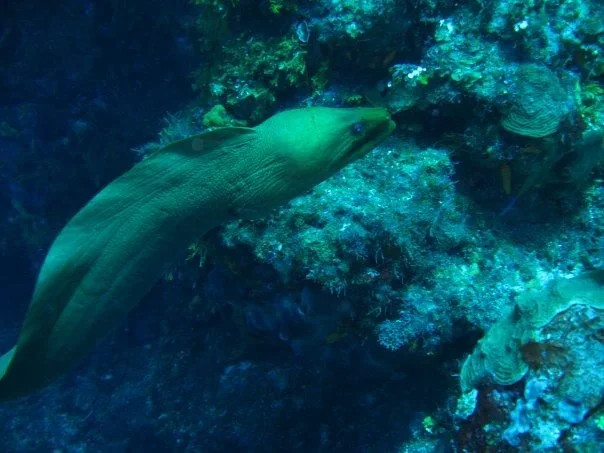
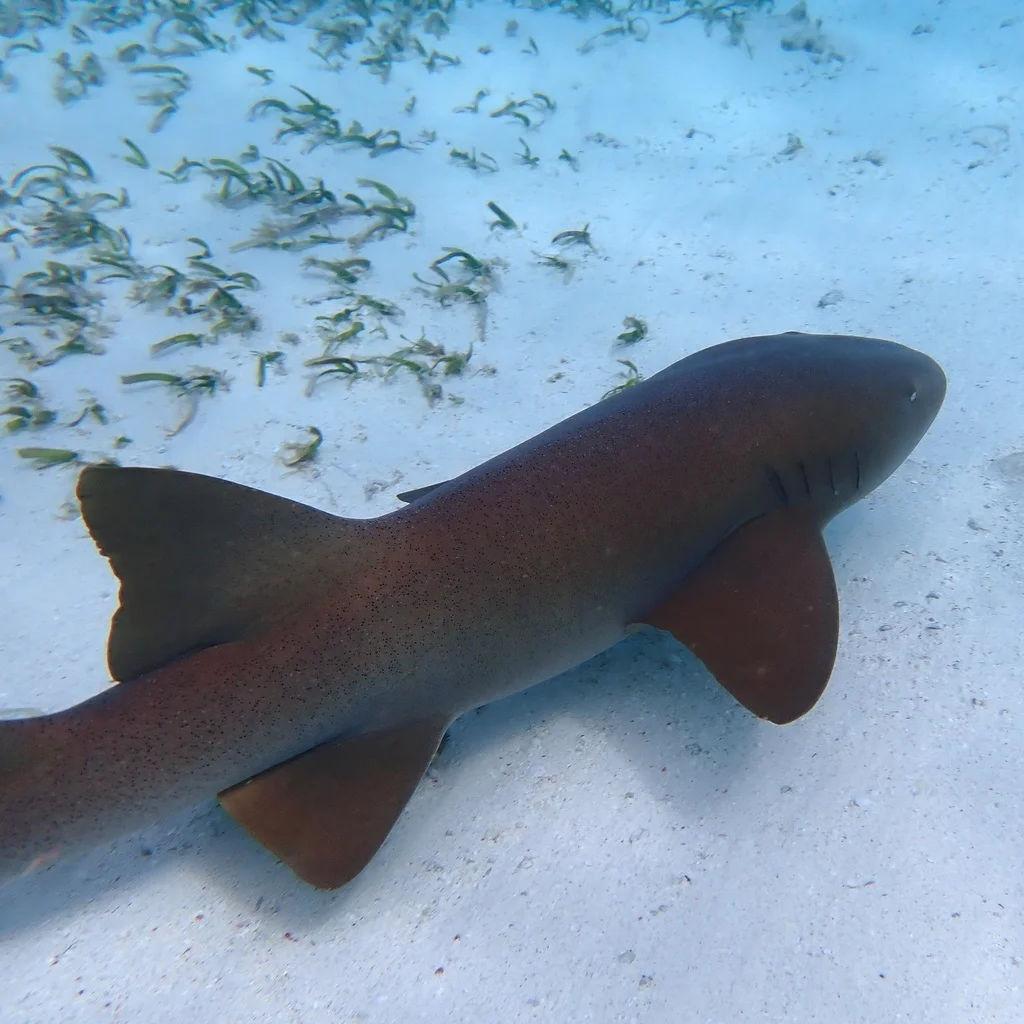
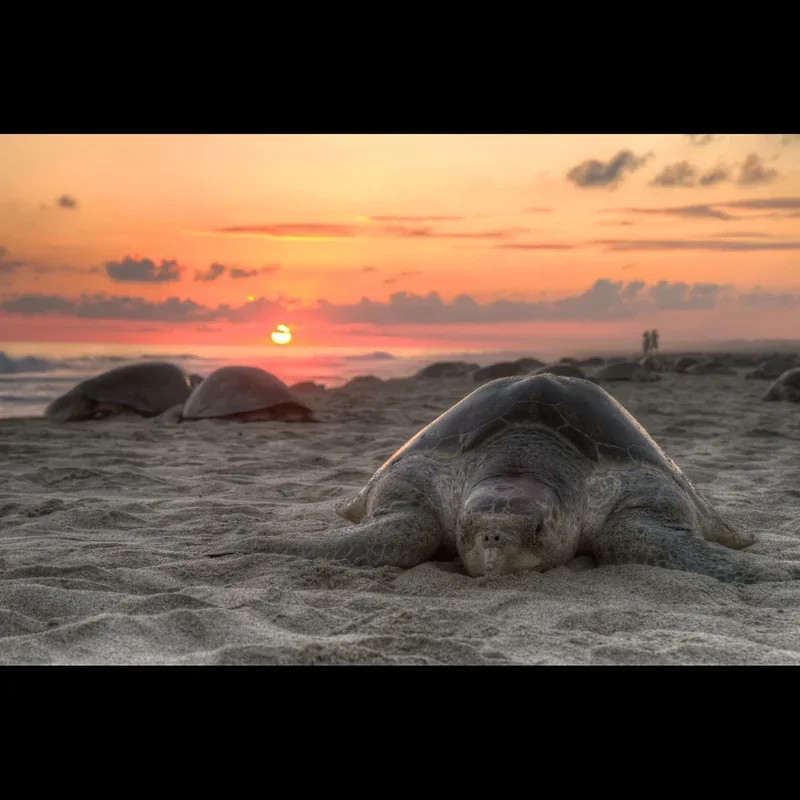
The underwater topography at this site presents an array of extensive ledges and fingers that extend inshore, creating a varied underwater landscape. Reef structure itself features numerous deep undercuts, particularly towards the northern portions of Breaker's Reef where it wraps northwest. A mild drift is common, allowing for effortless movement over expansive coral gardens. Divers frequently find themselves navigating alongside heavily encrusted communications cables, which crisscross specific reef sections. Within deeper undercuts, it's typical to spot resting sea turtles, nurse sharks, or moray eels. Exploring these diverse habitats often reveals surprises. This combination of structural complexity and consistent current movement defines a truly dynamic dive experience here.
Dive Difficulty & Safety Guidelines
Understanding drift diving techniques becomes paramount when exploring Sandflea Reef #3, given the continuous influence of the Gulf Stream and its mild, consistent current. Divers should maintain situational awareness of their position relative to the boat and their buddy. Current movement can be observed overhead in certain areas, such as the Moray Alley trench.
Always carry a surface marker buoy (SMB) to ensure easy pickup by the dive boat upon surfacing. Maintaining precise buoyancy control is key for protecting the delicate coral structures and for navigating the site's numerous undercuts and crevices without causing damage.
Adhering to responsible diving practices contributes significantly to preserving this active reef system.
Recommended Equipment
- Dive Computer
This gear list is based on verified equipment signals for Sandflea Reef #3, United States. Always confirm final gear choices with your dive operator, guide, or liveaboard.
Recommended Dive Suit
With water temperatures around 30°C (87°F), many divers find a dive skin or rash guard provides comfortable protection.
Local conditions can vary slightly across different parts of the same dive site.
Environmental conditions may feel slightly cooler as the week progresses. A significant temperature drop is forecast; strongly suggest bringing a backup warmer suit option. A warmer option can provide additional comfort if conditions shift.
Emergency & Medical Support
Essential information to help you plan your dive trip to Sandflea Reef #3.

Hyperbaric chambers are a critical part of dive safety infrastructure. Availability varies significantly by region, and not all dive areas have immediate access.
Before diving, it's recommended to:
- confirm nearest medical facilities
- check emergency procedures with local dive operators
- ensure dive insurance covers evacuation if required
Divers Alert Network
Diving emergency assistance available through DAN World.
+1-919-684-9111- 24/7 emergency hotline
- Diving medical assistance
- Evacuation coordination
Emergency contacts are provided for reference. Always verify local emergency services before diving.
Marine Life at Sandflea Reef #3
A rich diversity of marine inhabitants defines this vibrant ecosystem. Serving as an active nursery, it makes juvenile tropical fish a common sight among dense soft and hard corals.
Divers frequently encounter barracuda, sea turtles, and various grouper species, often observing them around cleaning stations. Reef crevices and undercuts are home to a variety of moray eels, including green, spotted, purplemouth, and goldentail varieties, along with nurse sharks and spiny lobsters.
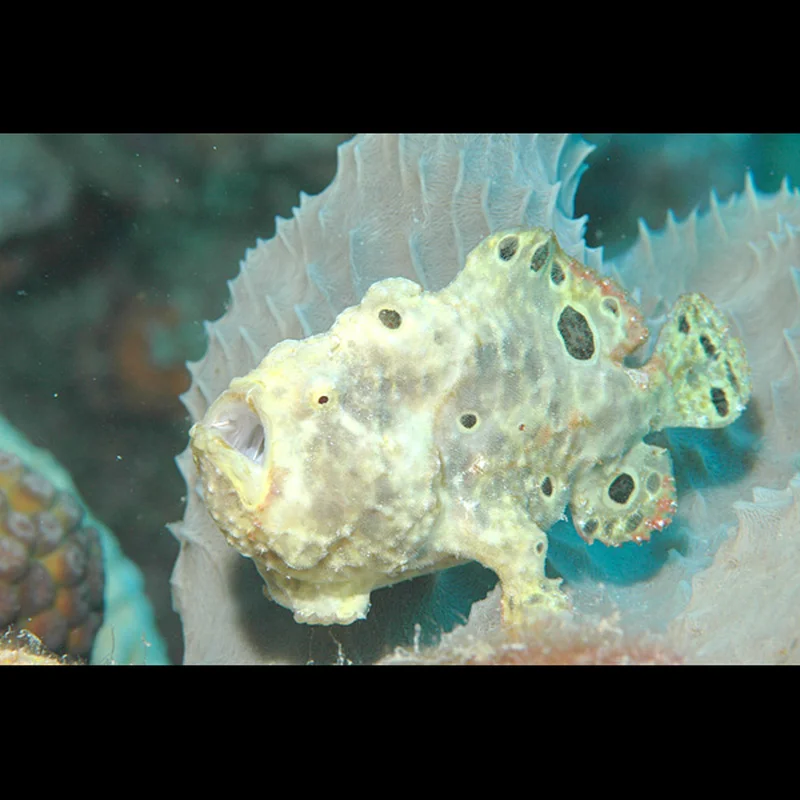
Divers should look closely for smaller, more elusive creatures like frogfish, flamingo tongues, cleaning shrimp, and yellow-headed jawfish in sandy patches.
Dive Sites Near Sandflea Reef #3
View all dive sites in United StatesDiscover more underwater gems in this area.
Dive Centers Near Sandflea Reef #3
Today: 09:00 - 16:00
Nearest Airports
Nearest airports to help plan travel to this dive area.
Search Flights
Check available flights and routes on Expedia, using the nearby airports listed in this section.
Search Flights on Expedia
Plan Your Stay
Looking for a place to stay for your dive trip? Explore hotels, stays, and vacation rentals for dive groups near Destin.
Dive Navigator may earn a commission from these links at no extra cost to you.
Frequently Asked Questions
What is the typical depth range for Sandflea Reef #3?
A general depth range for diving at Sandflea Reef #3 is between approximately 12.8 meters and 18.3 meters. Some sandy areas around reef mounds can extend slightly deeper, reaching just under 19 meters.
How strong are the currents generally at this dive site?
Sandflea Reef #3 experiences a mild to continuous drift, influenced by the Gulf Stream. Divers should be prepared for current movement, which can sometimes flow overhead in specific reef cuts like Moray Alley, necessitating good buoyancy control.
What kind of reef structures can divers expect to explore?
Reef features extensive continuous ledges, deep undercuts, and numerous crevices, creating a complex and interesting topography. Isolated coral mounds and patch reefs are also present, providing diverse habitats for marine life.
Is there anything particularly unique about this dive site's features?
A notable feature is the King Neptune statue, which rests in the sand at about 18 meters depth. Divers may also observe heavily encrusted communications cables crossing sections of the reef, adding to its distinctive character.
What types of marine life are frequently encountered here?
Known for frequent sightings of juvenile tropical fish, the site acts as an active nursery. Divers often see barracuda, sea turtles, various groupers, nurse sharks, spiny lobsters, and multiple species of moray eels, alongside diverse coral formations.
Is this a good site for underwater photography?
Yes, with its immense forests of swaying corals and large aggregations of marine life, it's an excellent site for underwater photographers. The diverse macro life, coupled with the potential for larger animal encounters, offers numerous photo opportunities.
Planning to dive Sandflea Reef #3?
Send one inquiry and receive offers directly from the best verified local dive operators.
Conditions are Excellent
07:00 - 14:00
Optimal conditions expected
Current conditions near Sandflea Reef #3 show 31° air, 30° sea temperature, 0.3 m waves, and 22 km/h wind. Forecast data is refreshed regularly to ensure accuracy.