
Diving at Sharks Cove (United States)
Sharks Cove's diving viability is highly dependent on ocean conditions, primarily favoring the summer months. During winter, high surf frequently renders the site unsafe for entry. Situated on Oahu's North Shore, this shore dive requires careful planning, but rewards divers with a vibrant underwater landscape of volcanic rock formations and lava tubes. It's a localized spot where calm waters are paramount for a safe and enjoyable experience.
Evening condition tracking at Sharks Cove features an air temperature of 29°C. We have recorded wave heights measuring 1.1 m during this period. These figures outline the environmental parameters currently present.
Dive Site Location & Key Facts
Dive Site Overview
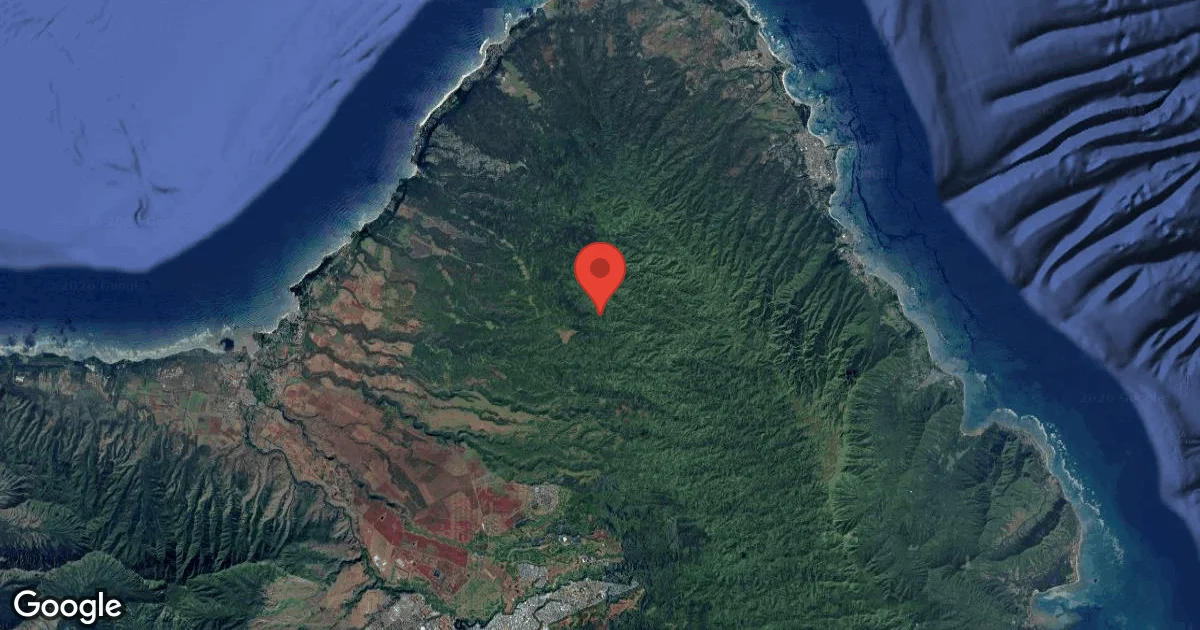
An intricate network of lava tubes defines the underwater topography at Sharks Cove, a prominent feature within the Pupukea Marine Sanctuary. Situated on Oahu's North Shore in Haleiwa, Hawaii, this popular dive site draws both local enthusiasts and visitors.
Dive paths here accommodate various skill levels, offering routes for beginner and intermediate divers, always contingent on prevailing ocean conditions. Volcanic rock formations sculpt the environment, creating a subaquatic labyrinth of caves, ledges, and swim-throughs.
Explorers can follow a northern trajectory to navigate several distinct lava tubes. Alternatively, venturing west along the coast reveals impressive natural structures, including a formation known as 'The Cathedral'.
Near the northern entrance, the 'Blue Room' cavern presents another compelling feature, though exploration is often affected by surge. Given its accessibility and appeal, encountering other divers and snorkelers is common, particularly during peak seasons when waters are calmest.
Divers descending into average depths of 6-12 m (20-40 ft) quickly find a dynamic and engaging volcanic landscape.
Conditions are Moderate
Optimal conditions expected
Current conditions near Sharks Cove show 29° air, 27° sea temperature, 1.9 m waves, and 19 km/h wind. Forecast data is refreshed regularly to ensure accuracy.
Best Time to Dive
To experience Sharks Cove at its most accessible, target the late April through early October period. During these summer months, wave heights are typically lower, often around 1.5-1.7 m (5-6 ft) on average, creating safer entry conditions. Dive scores for August, for instance, are rated 'Good,' correlating with minimal rain (around 1 mm) and air temperatures averaging 26°C (79°F). Conversely, the winter months, from November to March, are generally characterized by high and dangerous surf, with average wave heights ranging from 2.1 to 2.8 m (7-9 ft), making diving unsafe. Air temperatures during these less favorable months hover between 22-23°C (72-73°F). Always confirm local conditions before planning your dive, as high surf conditions can develop rapidly.
PEAK SEASON SCORE
Scores combine air & water temps, waves, wind & rainfall for overall conditions.
BEST MONTHS TO DIVE
Monthly records compiled from satellite and marine observation nodes over the last 3 years. Data provided by Open-Meteo and MET Norway.
Dive Experience & Conditions
The entry sequence at Sharks Cove demands careful attention, beginning with a rocky, somewhat steep trail from the parking lot to the cove. Once in the cove, divers should proceed to the south side for the easiest water entry, though the entry itself remains rocky with submerged obstacles. Booties or water shoes are highly recommended to navigate the entry and avoid sea urchins. After a careful entry, divers are advised to surface swim about 75 m (250 ft) out to the center before descending. Average depths range from 6-12 m (20-40 ft), revealing an intricate world of swim-through caverns and reefs. Along the northern wall, numerous lava tubes and the 'Blue Room' cavern invite exploration, while the west route showcases impressive rock formations, including 'The Cathedral.' For advanced divers, the 'Elevator' offers a vertical lava tube descent of 7.5-9 m (25-30 ft) into a cavern, leading directly to the reef, but this should only be attempted in calm conditions and with proper training.
Dive Difficulty & Safety Guidelines
Prudent diving at Sharks Cove starts before you even gear up; always assess wave conditions thoroughly. This site is only safe for diving during the summer months; dangerous surf can appear during winter. Entry conditions become extremely hazardous in waves as small as 1-1.5 m (3-5 ft).
If you observe no other divers in the cove, it's a strong indication that conditions are unfavorable, and you should not attempt to enter the water. The walk down the trail is rocky and steep; using a carabiner for your mask and fins helps keep hands free for stability.
Be mindful of large rocks under the water during entry, which can pose a hazard to gear and legs. Within the tide pools and crevices, sea urchins are present, so careful hand placement is crucial.
Recommended Equipment
Overhead environment. Do not enter beyond training and gas planning limits.
- Dive Computer
- Primary & Backup Lights
- Reel / Spool
- Cutting Tool
This gear list is based on verified equipment signals for Sharks Cove, United States. Always confirm final gear choices with your dive operator, guide, or liveaboard.
Recommended Dive Suit
Forecasts suggest a slight cooling pattern in the days ahead. Cooler days are ahead; you might want a warmer option for later in the week. A hood or vest can noticeably improve warmth during longer dives.
For typical recreational dives, 2-3mm shorty or light wetsuit generally provides comfortable insulation. Consider warmer surface protection (like a boat coat) due to brisk winds.
At Sharks Cove, the water is currently sitting around 27°C (80°F). Surface air temperatures are resting at 29°C (85°F).
Due to technical issues with our weather providers, data hasn't been fetched for over 48 hours. The data above reflects the conditions at the time of the last successful fetch.
Emergency & Medical Support
Essential information to help you plan your dive trip to Sharks Cove.

Hyperbaric chambers are a critical part of dive safety infrastructure. Availability varies significantly by region, and not all dive areas have immediate access.
Before diving, it's recommended to:
- confirm nearest medical facilities
- check emergency procedures with local dive operators
- ensure dive insurance covers evacuation if required
Divers Alert Network
Diving emergency assistance available through DAN World.
+1-919-684-9111- 24/7 emergency hotline
- Diving medical assistance
- Evacuation coordination
Emergency contacts are provided for reference. Always verify local emergency services before diving.
Marine Life at Sharks Cove
Upon descending into Sharks Cove, divers often first encounter the prevalent reef fish darting among the volcanic structures. The area's status as part of the Pupukea Marine Sanctuary contributes to a healthy ecosystem.
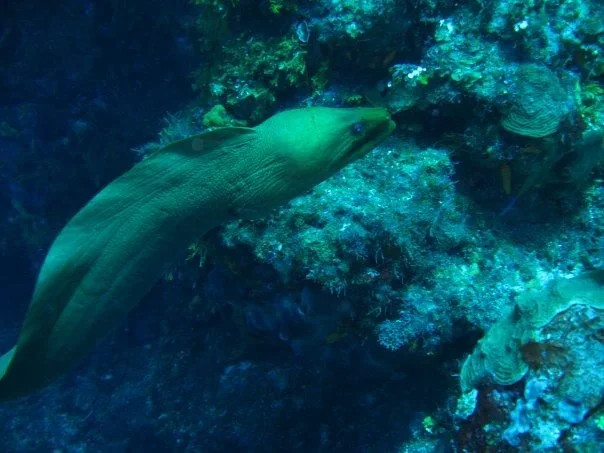
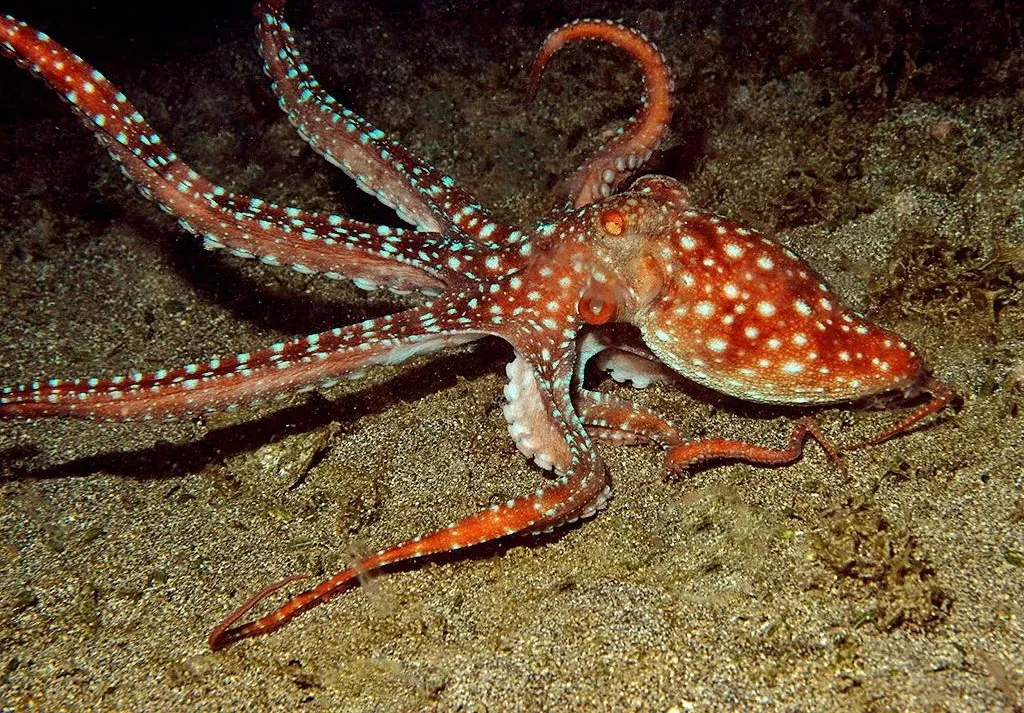
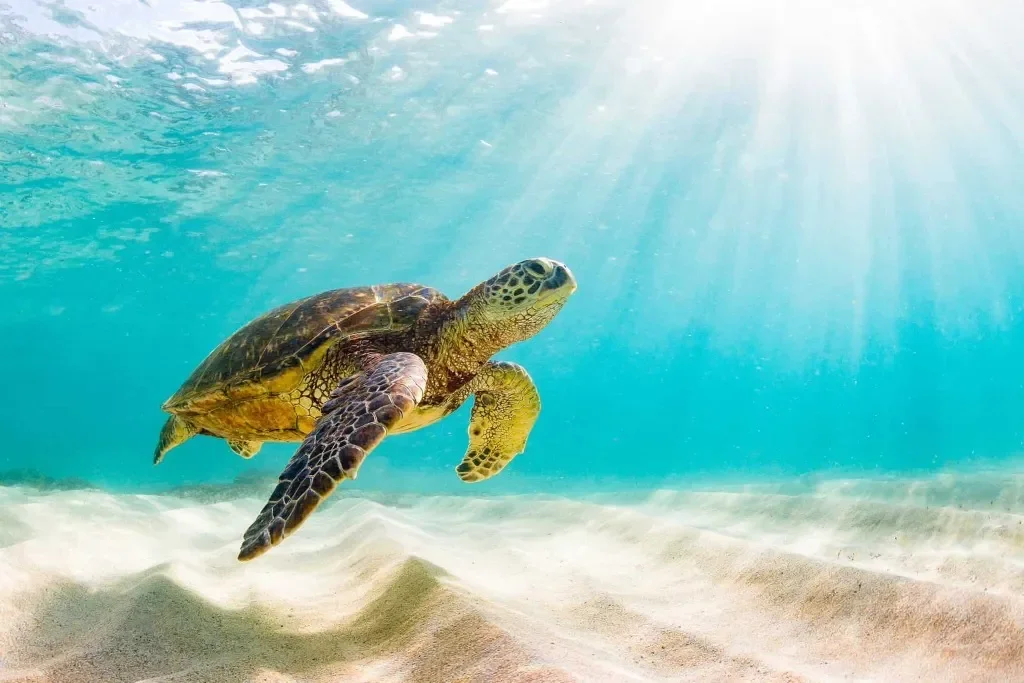
Look for green sea turtles navigating the lava tubes, often found alongside various octopuses. Moray eels are commonly sighted, peering from crevices within the rock formations.
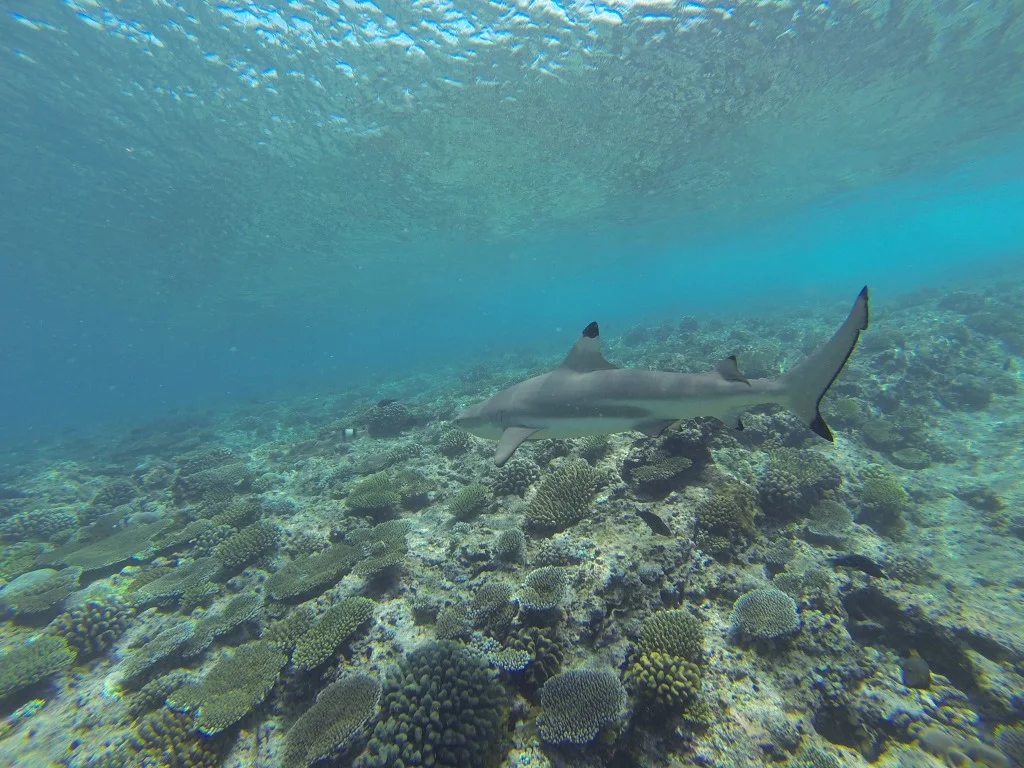
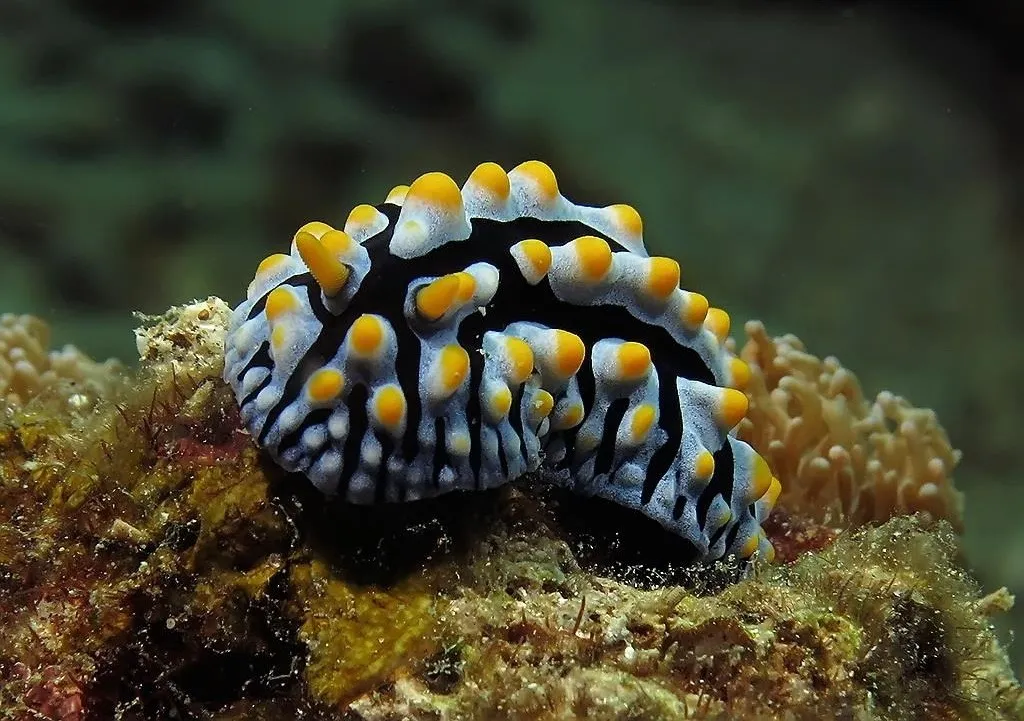
Other notable inhabitants include white-tipped sharks, nudibranchs, squid, and different species of rays. This rich biodiversity is a key draw for many visiting divers.
Dive Sites Near Sharks Cove
View all dive sites in United StatesDiscover more underwater gems in this area.
Dive Centers Near Sharks Cove
Today: 07:00 - 21:00


Nearest Airports
Nearest airports to help plan travel to this dive area.
Search Flights
Check available flights and routes on Expedia, using the nearby airports listed in this section.
Search Flights on Expedia
Plan Your Stay
Looking for a place to stay for your dive trip? Explore hotels, stays, and vacation rentals for dive groups near Pupukea.
Dive Navigator may earn a commission from these links at no extra cost to you.
Frequently Asked Questions
When is the best time to dive Sharks Cove?
The ideal time to dive Sharks Cove is during the summer months, from late April to early October. This period offers calmer ocean conditions, lower wave heights, and better visibility, making entry and underwater exploration safer and more enjoyable.
How difficult is the entry into Sharks Cove?
The entry can be challenging and is rated beginner/intermediate depending on conditions. It involves a rocky, somewhat steep trail, followed by navigating large rocks underwater at the entry point. Booties or water shoes are highly recommended for safety.
What kind of marine life can I expect to see?
Divers often encounter reef fish, green sea turtles, and octopuses. Moray eels, white-tipped sharks, nudibranchs, squid, and various rays are also common sightings within the lava tubes and reef areas.
Are there lava tubes to explore?
Yes, Sharks Cove is well-known for its lava tubes, particularly along the northern route from the cove. These formations offer exciting swim-throughs and often provide shelter for marine life.
What is the typical depth range for diving here?
The average depth for recreational diving at Sharks Cove is typically between 6-12 m (20-40 ft). Specific features like the 'Elevator' lava tube can lead to deeper caverns around 7.5-9 m (25-30 ft).
Is Sharks Cove suitable for snorkelers?
Yes, Sharks Cove is also a popular snorkeling spot, especially within the calmer waters inside the cove. Snorkelers should also wear booties due to the rocky entry and stay within the protected areas.
Planning to dive Sharks Cove?
Send one inquiry and receive offers directly from the best verified local dive operators.
Conditions are Moderate
Optimal conditions expected
Current conditions near Sharks Cove show 29° air, 27° sea temperature, 1.9 m waves, and 19 km/h wind. Forecast data is refreshed regularly to ensure accuracy.