
Diving at Haleiwa Trench (United States)
Haleiwa Trench presents a dramatic underwater profile, dropping sharply from a relatively shallow reef into significant depths. Divers navigate an initial shallow entry that leads to a sudden descent, reaching a maximum depth of 30 m (90 ft). This distinctive structure, a result of its man-made origins, offers a compelling experience for those seeking deeper shore dives on Oahu.
Evening condition tracking at Haleiwa Trench features an air temperature of 26°C. We have recorded wave heights measuring 1.8 m during this period. These figures outline the environmental parameters currently present.
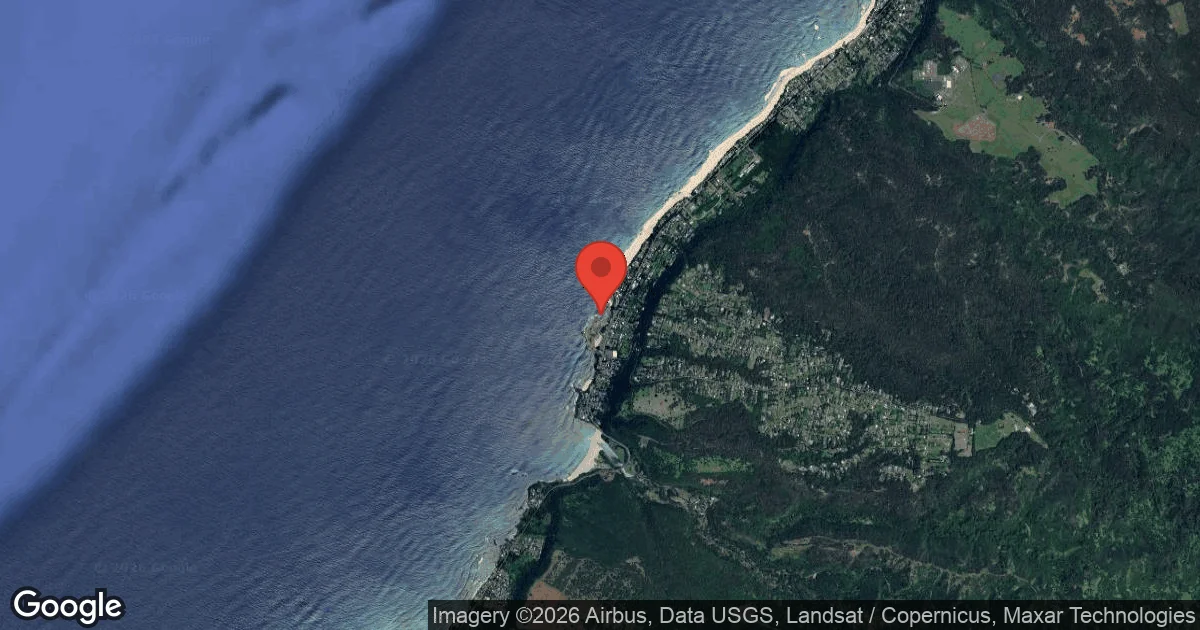
Dive Site Location & Key Facts
Dive Site Overview
Haleiwa Trench, carved by the military to conceal submarines during WWII, features a distinct topography directly off Haleiwa town. The dive commences with a shallow entry, progressing across a sandy bottom that gradually deepens to around 9 m (30 ft) before a sudden, dramatic drop-off into the main trench.
This blast-created environment has formed numerous overhangs, caves, and caverns along the trench walls, providing intricate habitats for marine life. A notable canyon-like structure defines the deeper sections. Its accessibility as a shore dive on the North Shore makes it convenient, yet the considerable depth and potential for variable currents necessitate advanced diving skills.
Navigating this expansive wall of life requires careful buoyancy control to fully appreciate its unique geological and biological features, particularly within the deeper recreational range. Divers must prepare for a significant profile change from the initial shallow reef to the trench's maximum depth, offering a compelling vertical exploration.
Conditions are Moderate
Optimal conditions expected
Current conditions near Haleiwa Trench show 26° air, 27° sea temperature, 2.0 m waves, and 35 km/h wind. Forecast data is refreshed regularly to ensure accuracy.
Best Time to Dive
Diving at Haleiwa Trench is predominantly a seasonal activity, with optimal conditions typically found between April and October. During these months, wave heights average significantly lower, ranging from 1.5 to 2.1 meters, compared to the larger swells experienced in winter that make the site hazardous. Air temperatures during this favorable period are comfortably warm, averaging 20-22°C (68-72°F), with rainfall generally decreasing, reaching lows of 1.9-2.8 mm. While specific water temperature data isn't consistently reported, regional averages for these warmer months typically range between 24-27°C (75-81°F). August often stands out with a 'Good' dive score, driven by calmer waters and consistently pleasant weather, making it a particularly attractive time for exploration.
PEAK SEASON SCORE
Scores combine air & water temps, waves, wind & rainfall for overall conditions.
BEST MONTHS TO DIVE
Monthly records compiled from satellite and marine observation nodes over the last 3 years. Data provided by Open-Meteo and MET Norway.
Dive Experience & Conditions
Descending into Haleiwa Trench, divers encounter a distinct shift in the underwater environment as the shallow reef gives way to the abrupt drop-off. Visibility here typically ranges from 7 to 25 m (20-80 ft), varying with ocean conditions and recent weather patterns. The trench walls are punctuated by intriguing overhangs and crevices, inviting closer inspection. Surface conditions are critical; entry and exit require less than 0.6 m (2 ft) waves, as larger swells create hazardous conditions. Exploring the deeper sections requires vigilance regarding no-decompression limits and gas management, particularly for divers unfamiliar with the site's unique profile.
Dive Difficulty & Safety Guidelines
Approaching Haleiwa Trench requires careful consideration of its conditions and inherent challenges. Entry and exit can be hazardous with medium to large waves, meaning divers should always check forecasts for wave height, targeting periods with minimal swells, ideally under two feet (0.6 meters).
This site is best suited for advanced divers proficient in deep diving techniques and managing air consumption, given its profile reaching maximum recreational depths. For snorkelers, using a dive flag/float is essential due to its proximity to a boat harbor.
Parking at Haleiwa Ali'i Beach Park closes at 10:00 PM; this is a crucial detail for planning night dives to avoid issues with vehicle access. Always dive with a buddy, and be aware of potential currents that can funnel through the trench.
Recommended Equipment
- Dive Computer
- Hard-soled Dive Boots
This gear list is based on verified equipment signals for Haleiwa Trench, United States. Always confirm final gear choices with your dive operator, guide, or liveaboard.
Recommended Dive Suit
Subtle variations in currents or depth can sometimes influence perceived water temperature.
2-3mm shorty or light wetsuit tends to perform well in water temperatures like those currently observed here. Consider warmer surface protection (like a boat coat) due to brisk winds. Forecasts suggest a slight cooling pattern in the days ahead. Cooler days are ahead; you might want a warmer option for later in the week. Carrying a secondary suit is common practice among experienced divers.
Water temperatures across the dive area at Haleiwa Trench are presently estimated to be around 27°C (80°F). Surface air temperatures are resting at 26°C (79°F).
Emergency & Medical Support
Essential information to help you plan your dive trip to Haleiwa Trench.

Hyperbaric chambers are a critical part of dive safety infrastructure. Availability varies significantly by region, and not all dive areas have immediate access.
Before diving, it's recommended to:
- confirm nearest medical facilities
- check emergency procedures with local dive operators
- ensure dive insurance covers evacuation if required
Divers Alert Network
Diving emergency assistance available through DAN World.
+1-919-684-9111- 24/7 emergency hotline
- Diving medical assistance
- Evacuation coordination
Emergency contacts are provided for reference. Always verify local emergency services before diving.
Marine Life at Haleiwa Trench
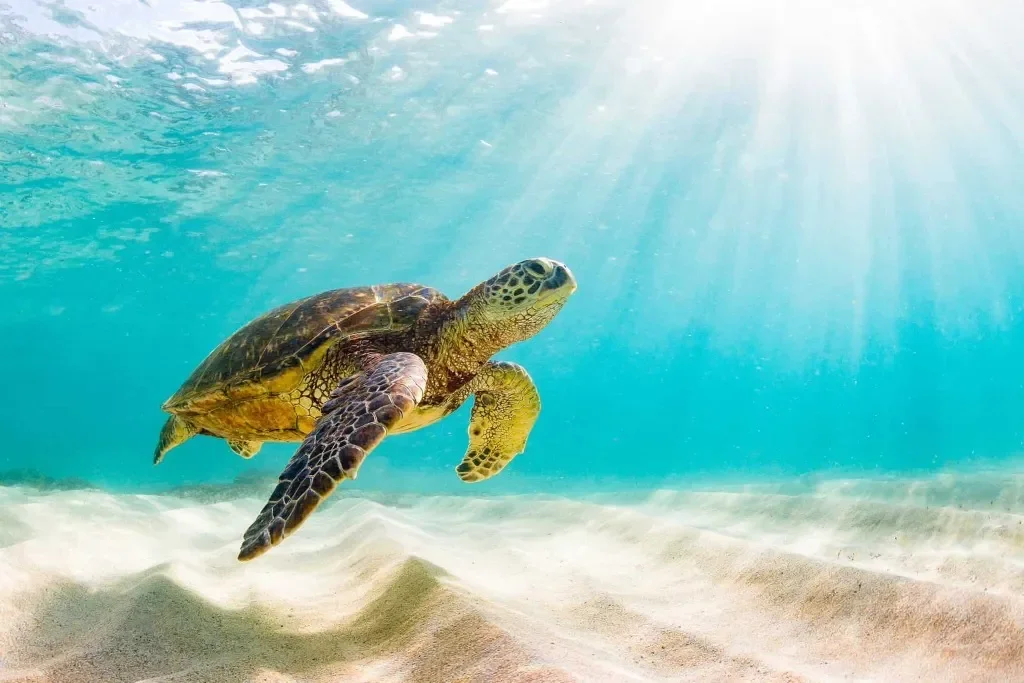
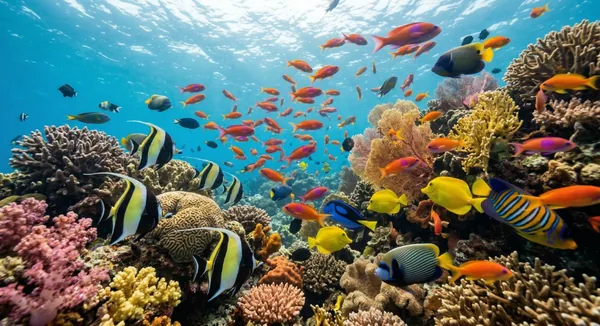
The trench's man-made structures and natural reef elements create a diverse home for a variety of marine species. Along the expansive walls, divers frequently observe green sea turtles gliding through the water or resting in crevices.
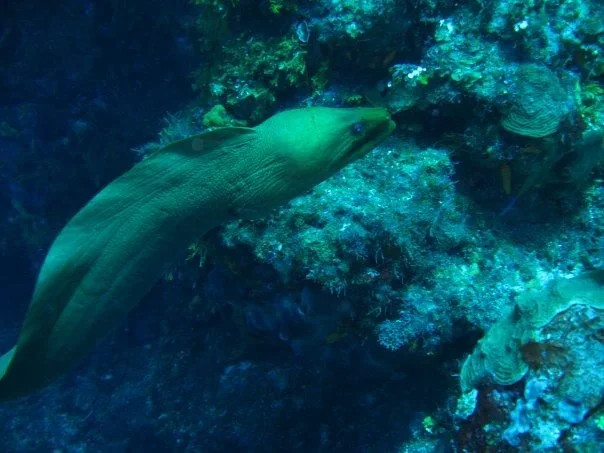
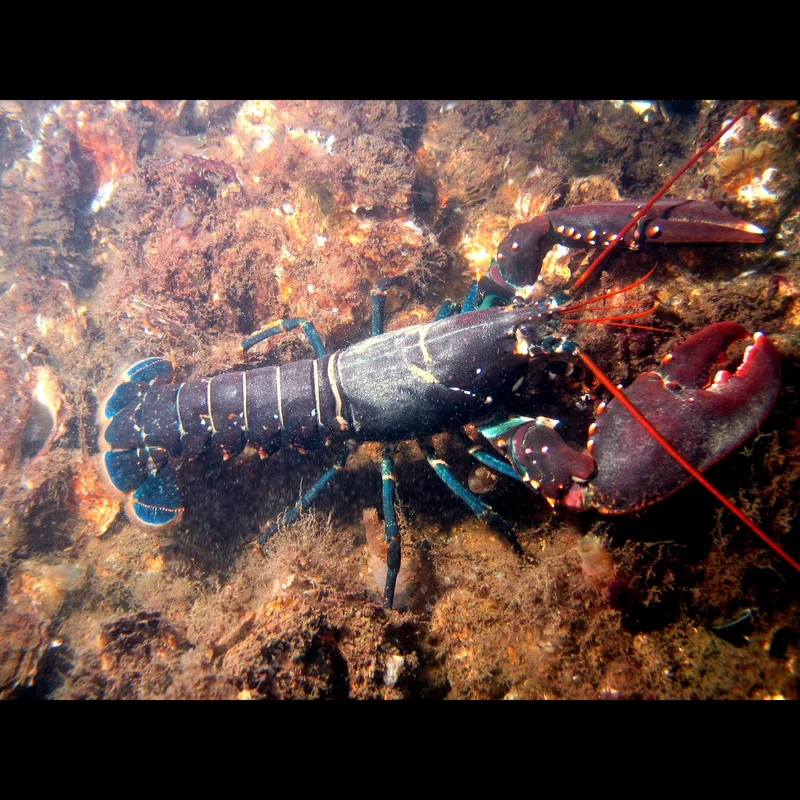
Exploring the numerous overhangs and caverns often reveals octopus, moray eels, and lobsters tucked away. Whitetip reef sharks are known to patrol the deeper sections of the trench, adding to the excitement.
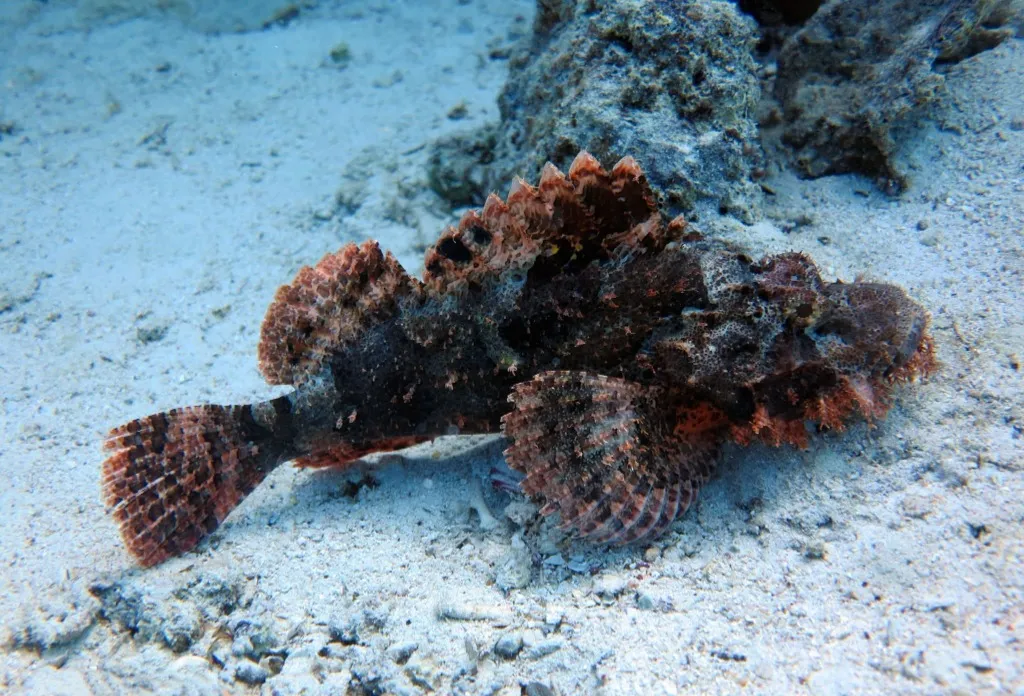
The surrounding reef also hosts a healthy population of reef fish, including various scorpion fish and wrasse species, enriching the visual landscape of this unique underwater pipeline.
Dive Sites Near Haleiwa Trench
View all dive sites in United StatesDiscover more underwater gems in this area.
Dive Centers Near Haleiwa Trench
Today: 07:00 - 21:00

Nearest Airports
Nearest airports to help plan travel to this dive area.
Search Flights
Check available flights and routes on Expedia, using the nearby airports listed in this section.
Search Flights on Expedia
Plan Your Stay
Looking for a place to stay for your dive trip? Explore hotels, stays, and vacation rentals for dive groups near Helemano.
Dive Navigator may earn a commission from these links at no extra cost to you.
Frequently Asked Questions
What skill level is required to dive Haleiwa Trench?
This site is recommended for advanced level divers due to its significant depth and the sudden, dramatic drop-off into the trench. While snorkeling is possible in shallower areas, the main dive requires proficiency in managing deeper profiles.
Is Haleiwa Trench a shore dive or boat dive?
Haleiwa Trench is primarily a shore dive. Divers access the site from Hale'iwa Ali'i Beach Park, following a trail to a small beach area for entry.
What kind of topography can I expect at Haleiwa Trench?
The trench is man-made, created for submarines, resulting in a sudden, dramatic drop-off from a shallow reef. Its walls feature numerous overhangs, caves, and caverns formed by the initial blasting.
What is the typical visibility at this dive site?
Visibility at Haleiwa Trench generally ranges from good to excellent, but it varies depending on recent weather and ocean conditions. Expect ranges that can shift significantly.
Are there any amenities available at the dive site?
Yes, Hale'iwa Ali'i Beach Park offers showers and bathrooms. There is also parking available, though it can get crowded during summer months and closes at 10:00 PM.
What marine life can be seen at Haleiwa Trench?
Divers often encounter green sea turtles, octopus, various eels, lobsters, and whitetip reef sharks. The reef also supports a range of reef fish, including scorpion fish and wrasse.
Planning to dive Haleiwa Trench?
Send one inquiry and receive offers directly from the best verified local dive operators.
Conditions are Moderate
Optimal conditions expected
Current conditions near Haleiwa Trench show 26° air, 27° sea temperature, 2.0 m waves, and 35 km/h wind. Forecast data is refreshed regularly to ensure accuracy.