
Diving at Sheraton Caverns (United States)
Descending into Sheraton Caverns offers an immediate sense of adventure, drawing divers into an intricate network of underwater lava tubes and swim-throughs. This site provides an exhilarating experience, ideal for divers of varying skill levels who seek to explore Kauai's dramatic marine environment. Its unique geological formations make it a compelling destination for those looking to immerse themselves in Hawaii's subaquatic wonders.
Evening condition tracking at Sheraton Caverns features an air temperature of 27°C. We have recorded wave heights measuring 1.6 m during this period. These figures outline the environmental parameters currently present.
Dive Site Location & Key Facts
Dive Site Overview
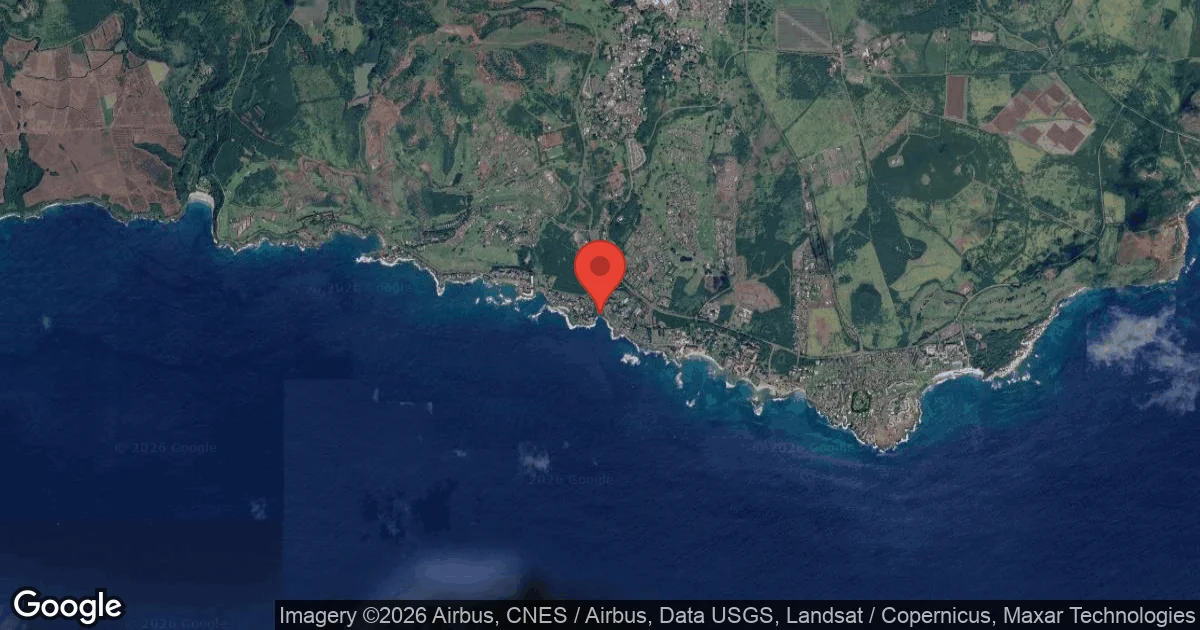
Off Kauai's southeast coast, near Poipu Beach, Sheraton Caverns unfolds as a complex, visually striking underwater landscape. Formed by a series of partially collapsed lava tubes, this site's geological heritage has sculpted an area known for extensive tunnels, arches, and cavern systems.
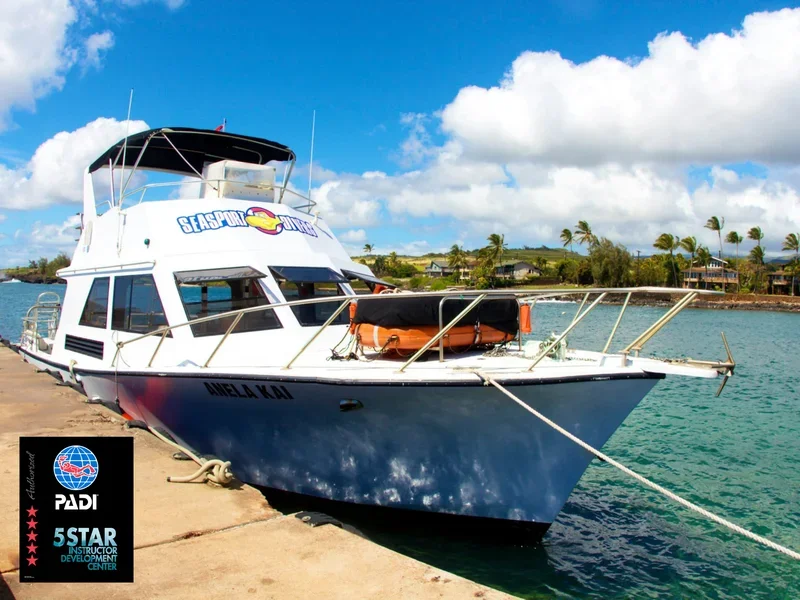
Local dive operators, like Seasport Divers, frequently reference its consistent appeal; owner Marvin Otsuji has noted its reliability since the early 1980s. Remaining a popular choice for boat trips, the site's accessibility and engaging structure often feature as a key stop on south shore itineraries. Divers navigate depths typically ranging from 11-21 m (35-70 ft), experiencing visibility that frequently holds between 18-30 m (60-100 ft).
Such unique topography provides abundant nooks and crannies, creating both shelter and foraging grounds for diverse marine life. This makes for a dynamic environment for exploration.
Conditions are Poor
High Wind Advisory (46km/h). Unsafe surface.
Current conditions near Sheraton Caverns show 27° air, 27° sea temperature, 1.9 m waves, and 46 km/h wind. Forecast data is refreshed regularly to ensure accuracy.
Best Time to Dive
Experiencing Sheraton Caverns is generally excellent year-round, but conditions are often at their calmest during the winter months. While excellent weather prevails throughout much of the year, September and October statistically show slightly improved dive scores, indicating more favorable conditions overall. Air temperatures during these months average around 25.5°C (78°F) in September and 25°C (77°F) in October, with minimal rainfall averaging approximately 2.3 mm (0.09 inches) and 2.1 mm (0.08 inches) respectively. Wave heights also tend to be lower during these periods, contributing to better visibility and easier boat access. Although winter brings slightly cooler air, the water often retains its warmth, and the reduced wave action makes exploring the caverns particularly comfortable.
PEAK SEASON SCORE
Scores combine air & water temps, waves, wind & rainfall for overall conditions.
BEST MONTHS TO DIVE
Monthly records compiled from satellite and marine observation nodes over the last 3 years. Data provided by Open-Meteo and MET Norway.
Dive Experience & Conditions
Navigating the interior of Sheraton Caverns immerses divers in an environment shaped by ancient volcanic activity. Collapsed lava tubes create beautiful, light-filled tunnels inviting exploration. Depending on the path chosen by a dive master, divers can choose between spacious pathways or more narrow arches, offering varying degrees of a true cavern diving feel without requiring specific cave certifications. Depths typically stay within recreational limits, reaching a maximum of around 21 m (70 ft). Visibility frequently extends, allowing for clear views of intricate rock formations and the life within them across the recreational depth range. Waters here are known for being generally warm and calm, providing comfortable conditions for extended bottom times.
Dive Difficulty & Safety Guidelines
Approaching Sheraton Caverns requires an awareness of its unique structure, although it's accessible to a broad range of certified divers. The site is rated as easy to intermediate, with no specialized cavern or cave certifications typically required due to the ample light and multiple exit points within the main sections. Divers should possess good buoyancy control to navigate the enclosed spaces gracefully and avoid disturbing the fragile environment.
Dive operators frequently offer options for divers to conclude their dive early if needed, providing a direct return to the anchor line. Maintaining communication with your dive buddy and following the dive master's briefing are key for a safe and enjoyable experience within these captivating formations.
Recommended Equipment
- Dive Computer
This gear list is based on verified equipment signals for Sheraton Caverns, United States. Always confirm final gear choices with your dive operator, guide, or liveaboard.
Recommended Dive Suit
Repeated dives during the same day can gradually reduce overall body warmth.
Environmental readings suggest that the waters surrounding Sheraton Caverns are about 27°C (81°F) at the moment. Surface air temperatures are resting at 27°C (80°F). Divers spending extended time underwater often rely on 2-3mm shorty or light wetsuit for balanced warmth and flexibility. Strong winds are present; please take strong precautions against rapid cooling during surface intervals.
The forecast outlook suggests that temperatures will stay close to current levels.
Due to technical issues with our weather providers, live updates are temporarily delayed. The data above reflects the conditions at the time of the last successful fetch.
Emergency & Medical Support
Essential information to help you plan your dive trip to Sheraton Caverns.

Hyperbaric chambers are a critical part of dive safety infrastructure. Availability varies significantly by region, and not all dive areas have immediate access.
Before diving, it's recommended to:
- confirm nearest medical facilities
- check emergency procedures with local dive operators
- ensure dive insurance covers evacuation if required
Divers Alert Network
Diving emergency assistance available through DAN World.
+1-919-684-9111- 24/7 emergency hotline
- Diving medical assistance
- Evacuation coordination
Emergency contacts are provided for reference. Always verify local emergency services before diving.
Marine Life at Sheraton Caverns
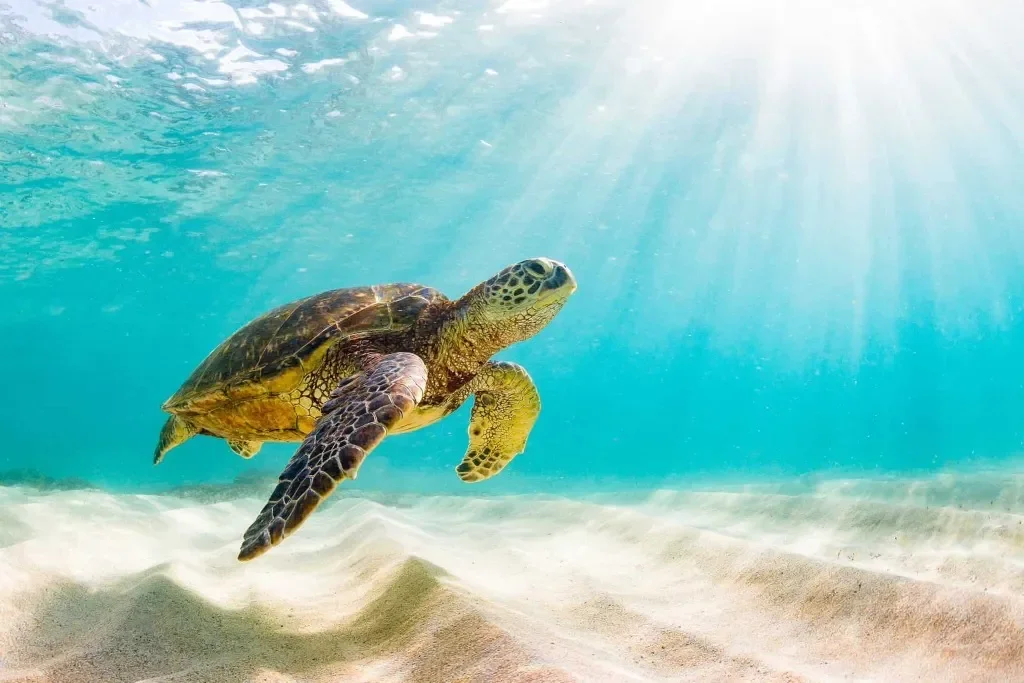
The dramatic lava tube formations at Sheraton Caverns provide an exceptional habitat for a diverse array of marine life. Within the shelter of these underwater structures, divers frequently encounter green sea turtles, often resting in rocky crevices or gracefully gliding through the tunnels.
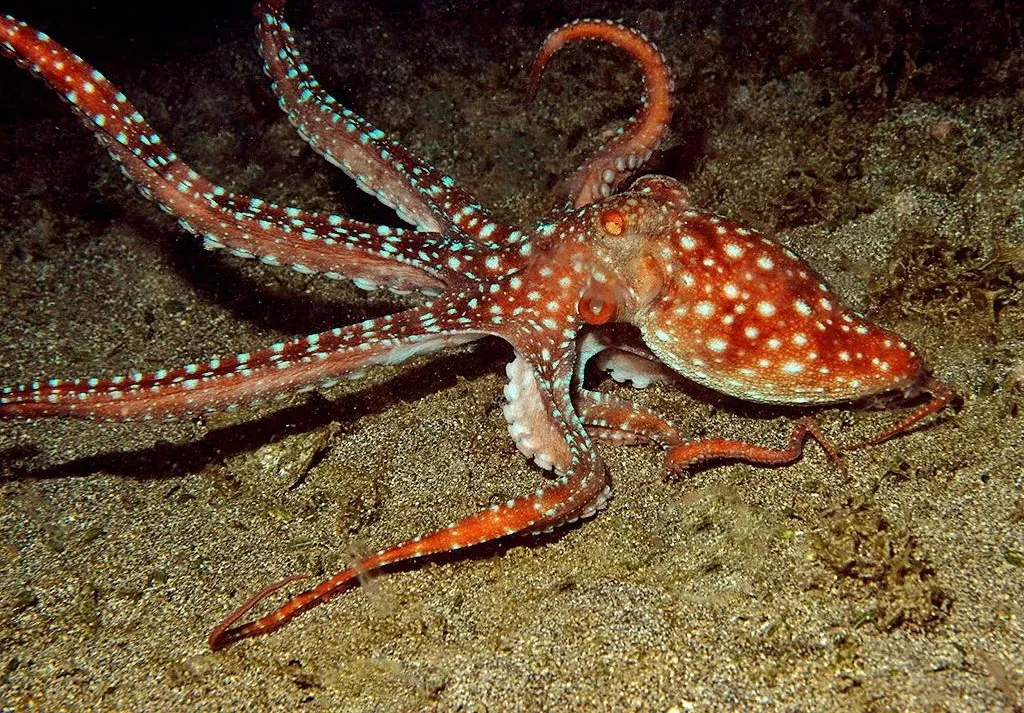
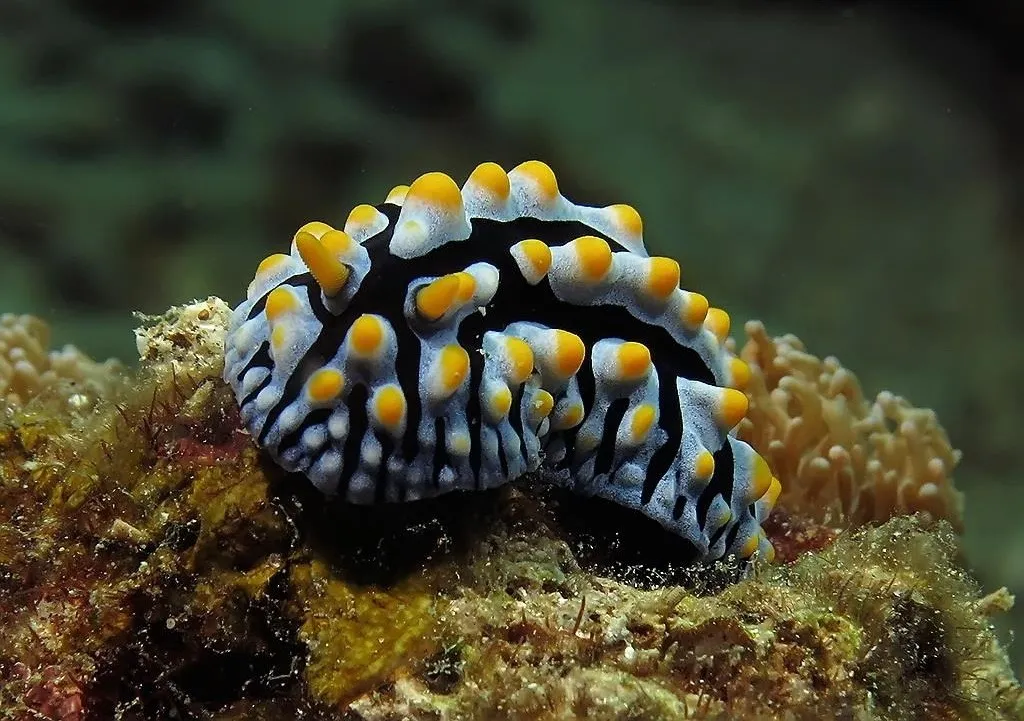
Schools of reef fish congregate in these protected areas, feeding on growth around the coral. Eels, octopuses, and colorful nudibranchs are commonly observed in the numerous nooks and crannies.
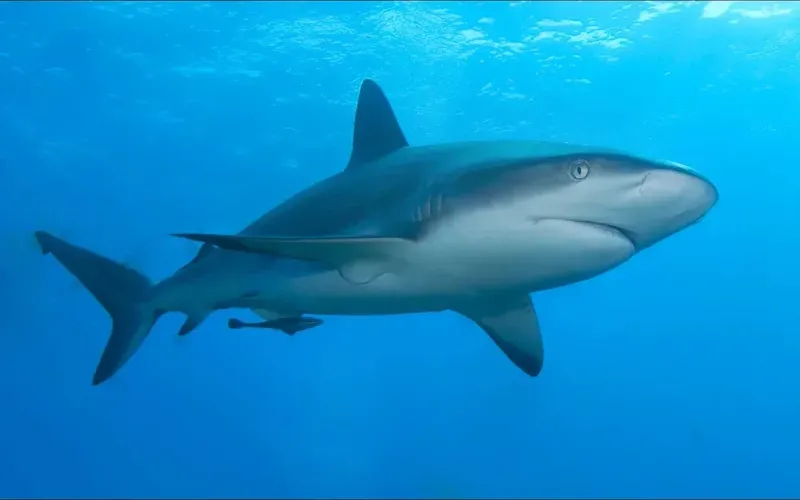
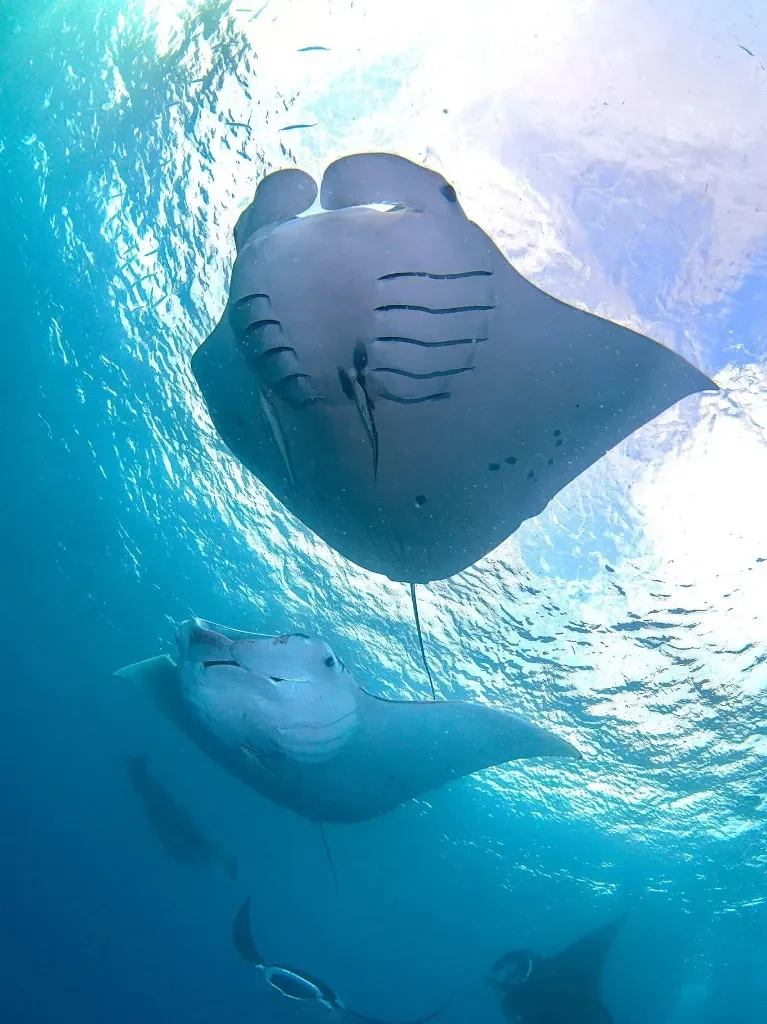
While exploring deeper sections, fortunate divers might spot white tip reef sharks or even manta rays. During the winter months, there is also the exciting possibility of encountering humpback whales in the surrounding waters.
Dive Sites Near Sheraton Caverns
View all dive sites in United StatesDiscover more underwater gems in this area.
Dive Centers Near Sheraton Caverns

Today: 07:00 - 18:00
Nearest Airports
Nearest airports to help plan travel to this dive area.
Search Flights
Check available flights and routes on Expedia, using the nearby airports listed in this section.
Search Flights on Expedia
Plan Your Stay
Looking for a place to stay for your dive trip? Explore hotels, stays, and vacation rentals for dive groups near Po‘ipū.
Dive Navigator may earn a commission from these links at no extra cost to you.
Frequently Asked Questions
What is the typical depth range at Sheraton Caverns?
Dives at Sheraton Caverns generally range between 11-21 m (35-70 ft). This depth range makes it suitable for most certified recreational divers, falling within standard recreational limits.
Is a special certification required to dive at Sheraton Caverns?
No, a special dive certification like cavern or cave diving is not typically required. The site is considered easy to intermediate, with plenty of light and clear pathways, making it accessible for open water certified divers.
What kind of marine life can I expect to see?
You can expect to encounter numerous green sea turtles, schooling reef fish, eels, octopuses, and nudibranchs. Occasionally, white tip reef sharks, manta rays, or even humpback whales during winter months are spotted.
What is the visibility like at the site?
Visibility at Sheraton Caverns is generally excellent, frequently allowing for clear views of the intricate geological formations and abundant marine life across its depth range.
Where is Sheraton Caverns located?
The dive site is located off the southeast coast of Kauai, near Poipu Beach, approximately 3.2 kilometers (2 miles) from Kukui'ula Harbor.
Is Sheraton Caverns suitable for beginner divers?
Yes, it is often recommended for beginners due to its manageable depths and the non-claustrophobic nature of its main cavern systems. There are multiple exit points, and dive masters can guide divers through less challenging routes.
What are the main geological features of the dive site?
The site is characterized by partially collapsed lava tubes, which have formed an intricate network of underwater caves, tunnels, arches, and swim-throughs. These create unique light patterns and diverse habitats.
Planning to dive Sheraton Caverns?
Send one inquiry and receive offers directly from the best verified local dive operators.
Conditions are Poor
High Wind Advisory (46km/h). Unsafe surface.
Current conditions near Sheraton Caverns show 27° air, 27° sea temperature, 1.9 m waves, and 46 km/h wind. Forecast data is refreshed regularly to ensure accuracy.