
Diving at St. Joe 2020 (United States)
Diving in Port St. Joe immediately presents a diverse aquatic landscape, blending historical significance with vibrant ecosystems. Its clear, shallow bay waters offer accessible snorkeling, while deeper sites unveil artificial reefs and shipwrecks. This Florida coastal town provides an engaging underwater experience for various skill levels.
As evening covers St. Joe 2020, the local air temperature is measured at 30°C. The current wave height at the surface is recorded at 0.6 m. These late-day readings characterize the surface conditions for the night.
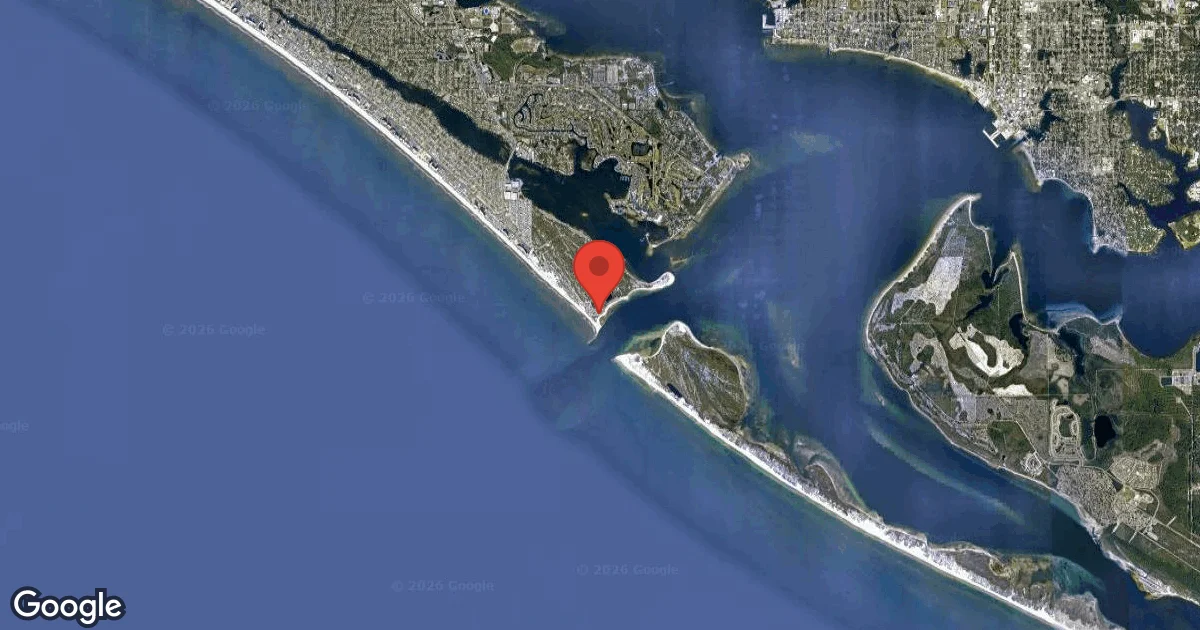
Dive Site Location & Key Facts
Dive Site Overview
Port St. Joe offers a compelling array of dive sites, ranging from natural formations to extensive artificial reefs and historic shipwrecks. Divers explore habitats created by the Mexico Beach Artificial Reef Association, which has deployed over 200 structures across a broad range of recreational depths.
These varied locations present considerable opportunities for underwater photography and general exploration. An engaging site is the SS Vamar, a vessel that sank in 1942 and now lies in approximately 7 meters (25 feet) of water. Serving as Florida's ninth Underwater Archaeological Preserve, this wreck attracts sea turtles and octopus.
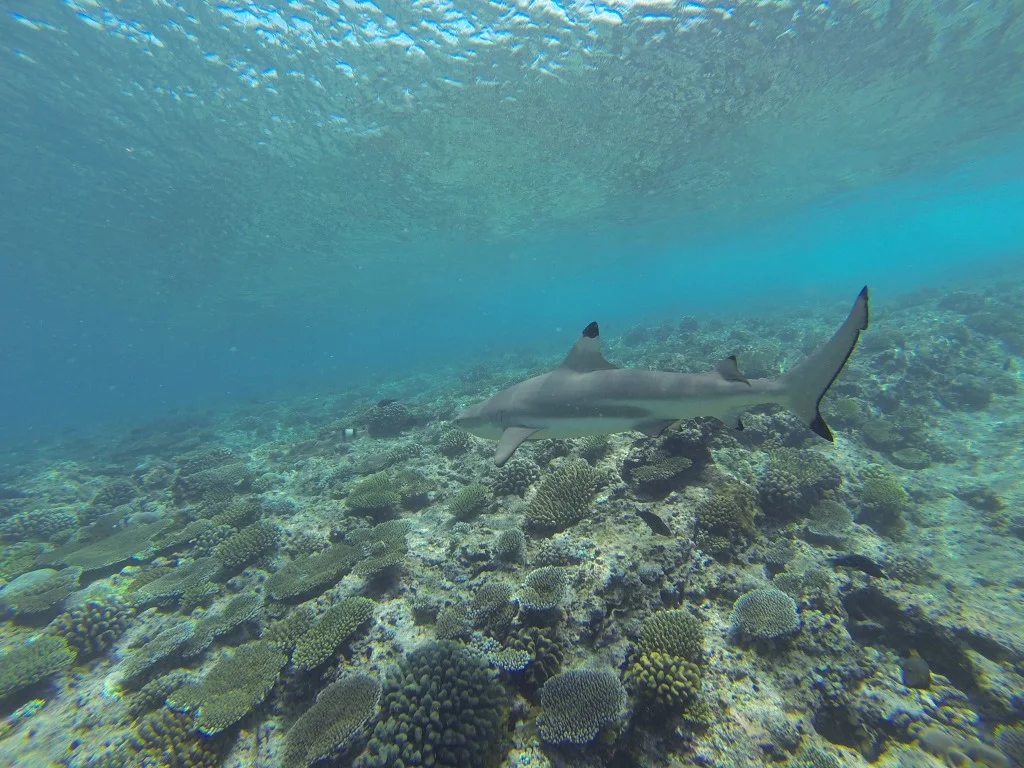
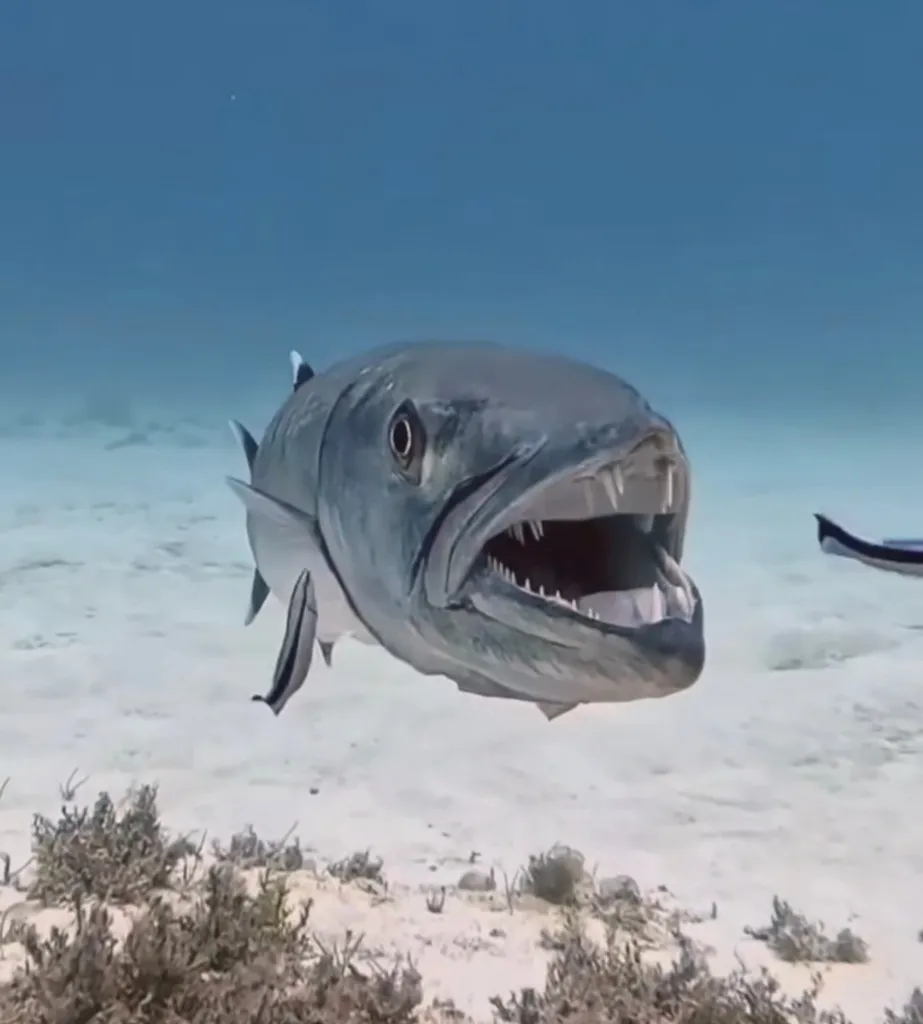
Another captivating dive involves a metal radio tower site, known as The Tower, situated at a maximum depth of 21 meters (72 feet). Here, divers often encounter larger pelagics such as barracuda and various sharks.
The diversity of sites ensures a comprehensive diving experience, suitable for both novices participating in programs like Discover Scuba Diving and experienced individuals seeking deeper, more challenging explorations.
Conditions are Good
07:00 - 14:00
Optimal conditions expected
Current conditions near St. Joe 2020 show 30° air, 30° sea temperature, 0.3 m waves, and 20 km/h wind. Forecast data is refreshed regularly to ensure accuracy.
Best Time to Dive
Assessing dive conditions first reveals that Port St. Joe allows year-round diving, though seasonal variations influence the overall experience. The warmest water surface temperatures, averaging around 29°C (85°F), are typically found in July, which also experiences minimal wave heights and lighter winds. Colder periods occur in January, with average air temperatures around 12.5°C (54°F) and higher wave action. The annual average air temperature ranges between 18°C and 30°C (65°F and 87°F). Rainfall is generally moderate throughout the year, with a peak in September, recording around 6.89 mm (0.27 inches). May offers excellent conditions with low wave heights, lighter winds, and comfortable air temperatures averaging 24.5°C (76°F). Visibility commonly ranges between 6 to 18 meters (20 to 60 feet), varying depending on specific site conditions and recent weather patterns.
PEAK SEASON SCORE
Scores combine air & water temps, waves, wind & rainfall for overall conditions.
BEST MONTHS TO DIVE
Monthly records compiled from satellite and marine observation nodes over the last 3 years. Data provided by Open-Meteo and MET Norway.
Dive Experience & Conditions
As divers descend into Port St. Joe's waters, they often encounter visibility between 6 to 18 meters (20 to 60 feet), which can fluctuate with local currents and sediment. Initial descents in St. Joseph Bay frequently lead to shallow reefs and seagrass beds, perfect for observing smaller, colorful fish in calmer conditions. Deeper dives reveal the extensive network of artificial reefs and the skeletal remains of historic shipwrecks. These structures provide significant shelter and foraging grounds. For instance, exploring the SS Vamar allows divers to observe a wreck at a comfortable recreational depth. On other sites, the descent to structures like The Tower leads to deeper areas where different species congregate. Water temperatures are pleasant in summer, while during colder months, thermoclines may be more noticeable at greater depths, requiring appropriate exposure protection.
Dive Difficulty & Safety Guidelines
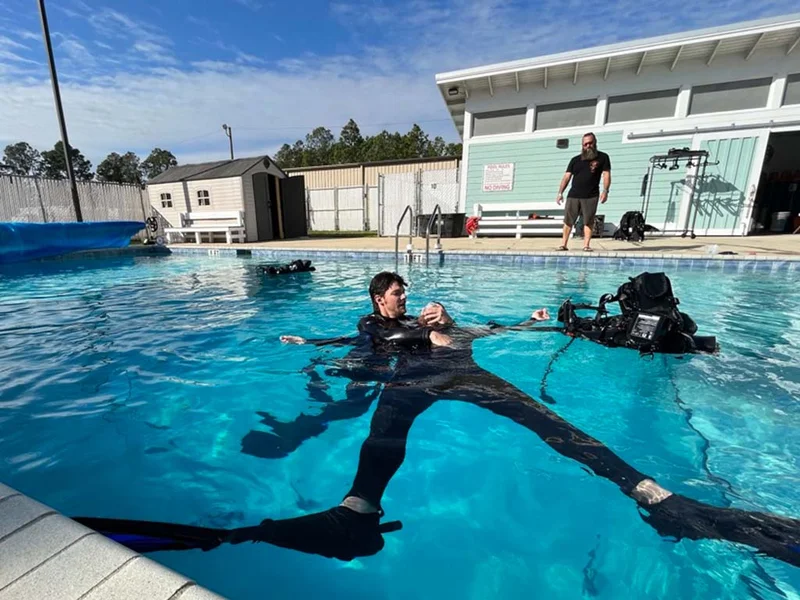
For a safe and rewarding dive experience in Port St. Joe, consulting local dive operators is a primary recommendation. Reputable dive shops in the nearby Panama City Beach area, such as The Dive Locker and Diver's Den, provide essential services including training, equipment rentals, and guided charters.
These local experts possess crucial knowledge regarding current conditions, specific site characteristics, and potential environmental factors. Always plan your dives within your certification limits and thoroughly review emergency procedures.
Given the presence of various marine life, maintaining a respectful distance and avoiding contact is essential for both diver safety and ecosystem preservation. Solo diving is not advised; always dive with a buddy.
Recommended Equipment
- Dive Computer
This gear list is based on verified equipment signals for St. Joe 2020, United States. Always confirm final gear choices with your dive operator, guide, or liveaboard.
Recommended Dive Suit
With water temperatures around 30°C (86°F), many divers find a dive skin or rash guard provides comfortable protection.
Being prepared with flexible exposure options is a common approach among experienced divers.
Environmental conditions may feel slightly cooler as the week progresses. A significant temperature drop is forecast; strongly suggest bringing a backup warmer suit option. A warmer option can provide additional comfort if conditions shift.
Due to technical issues with our weather providers, live updates are temporarily delayed. The data above reflects the conditions at the time of the last successful fetch.
Emergency & Medical Support
Essential information to help you plan your dive trip to St. Joe 2020.

Hyperbaric chambers are a critical part of dive safety infrastructure. Availability varies significantly by region, and not all dive areas have immediate access.
Before diving, it's recommended to:
- confirm nearest medical facilities
- check emergency procedures with local dive operators
- ensure dive insurance covers evacuation if required
Divers Alert Network
Diving emergency assistance available through DAN World.
+1-919-684-9111- 24/7 emergency hotline
- Diving medical assistance
- Evacuation coordination
Emergency contacts are provided for reference. Always verify local emergency services before diving.
Marine Life at St. Joe 2020
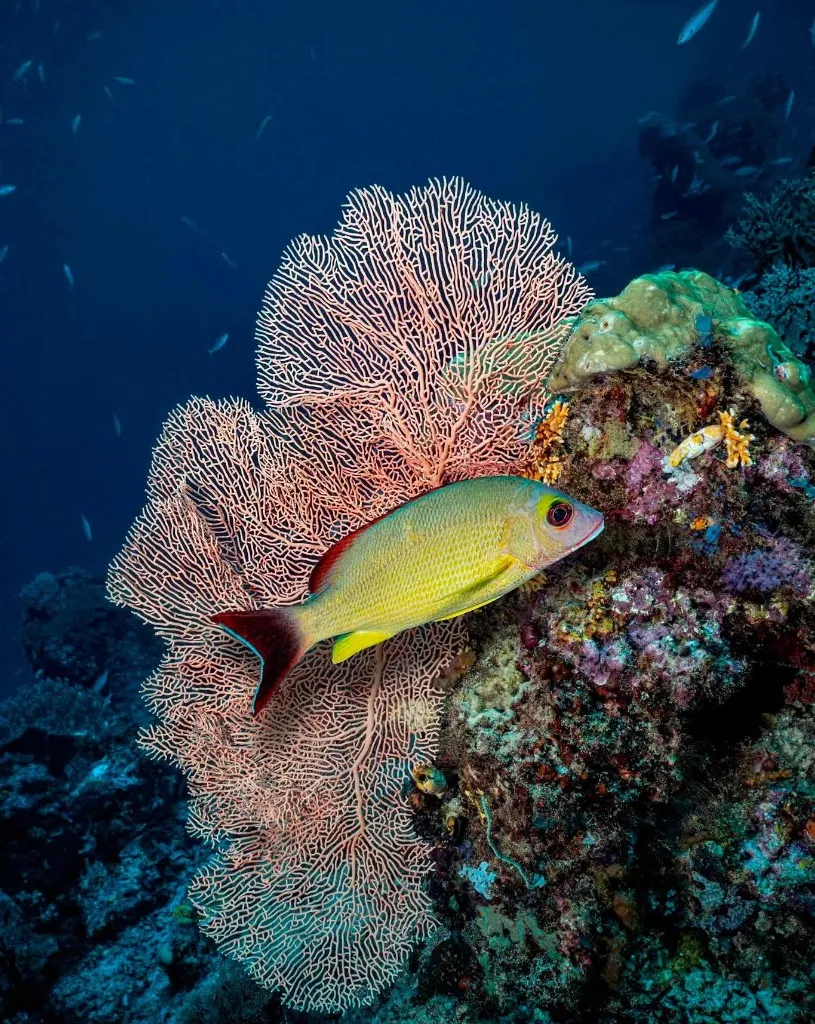
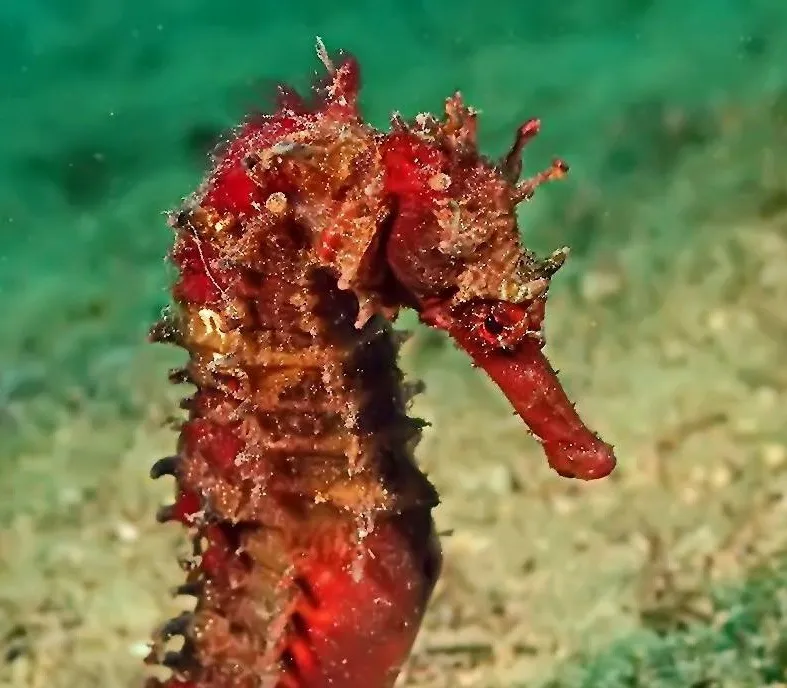
Encounters with diverse marine life are a hallmark of Port St. Joe's underwater environments. Shallow seagrass beds in St. Joseph Bay are home to a variety of colorful fish and often seahorses, providing excellent opportunities for macro observation.
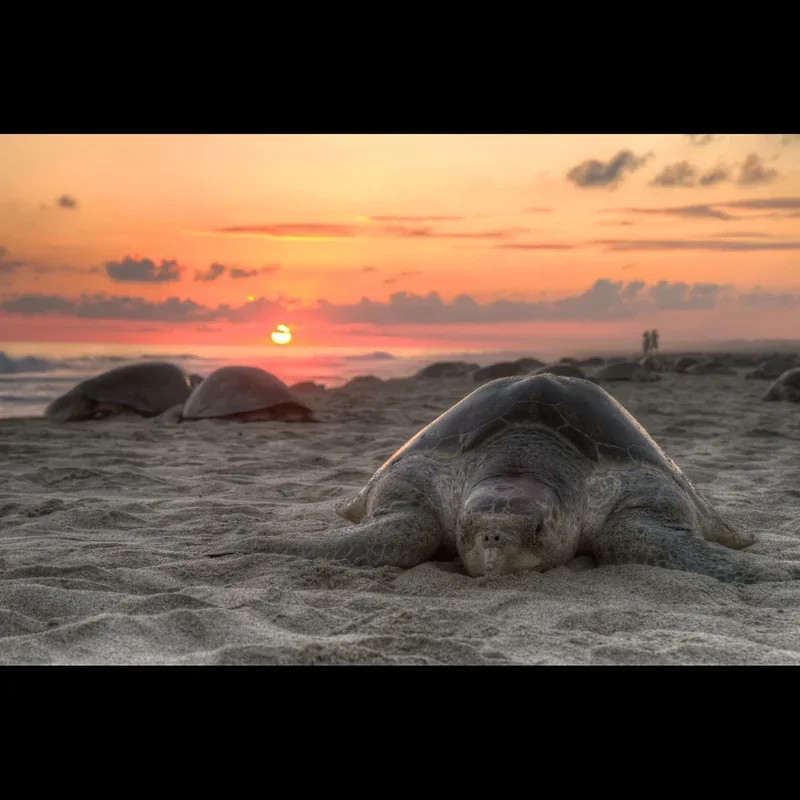
On the artificial reefs and historic shipwrecks, divers frequently spot sea turtles, navigating the structures. Octopus are commonly observed within the crevices of the SS Vamar.
The deeper sites, like The Tower, attract larger pelagic species such as barracuda and different types of sharks. Queen angels and black snapper are also known to frequent the dive sites, adding to the vibrant marine tapestry.
Dive Sites Near St. Joe 2020
View all dive sites in United StatesDiscover more underwater gems in this area.
Dive Centers Near St. Joe 2020
Today: 09:00 - 16:00
Nearest Airports
Nearest airports to help plan travel to this dive area.
Search Flights
Check available flights and routes on Expedia, using the nearby airports listed in this section.
Search Flights on Expedia
Plan Your Stay
Looking for a place to stay for your dive trip? Explore hotels, stays, and vacation rentals for dive groups near Tyndall Air Force Base.
Dive Navigator may earn a commission from these links at no extra cost to you.
Frequently Asked Questions
What types of dive sites can I find in Port St. Joe?
Port St. Joe offers a variety of dive sites, including natural and artificial reefs, as well as historic shipwrecks. The Mexico Beach Artificial Reef Association has created over 200 artificial reefs in the area.
Are there any notable shipwrecks to dive on in Port St. Joe?
Yes, The Vamar is a prominent historic shipwreck, designated as one of Florida’s Underwater Archaeological Preserves. It lies in about 7 meters (25 feet) of water and is home to abundant marine life. The Tower, a metal radio tower at 21 meters (72 feet), is another popular site.
What is the typical water visibility in Port St. Joe?
Visibility in Port St. Joe typically ranges between 6 to 18 meters (20 to 60 feet). This can vary based on weather conditions, currents, and specific dive site characteristics.
Can beginners dive in Port St. Joe?
Yes, Port St. Joe accommodates both beginner and experienced divers. Programs like Discover Scuba Diving are available, and there are many shallow reefs and seagrass beds suitable for those new to diving.
What marine life can I expect to see?
Divers often encounter sea turtles, octopus, queen angels, and black snapper. Deeper sites can attract barracuda, various sharks, and other pelagic species. Seahorses are also found in the bay's seagrass areas.
Where can I find dive charters and equipment rentals?
Several reputable dive shops and charters are available in the nearby Panama City Beach area. Places like The Dive Locker and Diver’s Den offer training, equipment, and guided trips to various dive sites.
Is Port St. Joe considered a good destination for underwater photography?
Yes, with its diverse marine life, artificial reefs, and shipwrecks, Port St. Joe offers many opportunities for underwater photography. Bringing an underwater camera is often recommended.
Planning to dive St. Joe 2020?
Send one inquiry and receive offers directly from the best verified local dive operators.
Conditions are Good
07:00 - 14:00
Optimal conditions expected
Current conditions near St. Joe 2020 show 30° air, 30° sea temperature, 0.3 m waves, and 20 km/h wind. Forecast data is refreshed regularly to ensure accuracy.