
Diving at Walker Reef (Bay) (United States)
Navigating Walker Reef (Bay) requires careful attention to currents, particularly around sites like Carvel Rock. A strong current could potentially carry a diver towards open water, underscoring the importance of checking local conditions before entering the water. Responsible dive planning and staying alert to changing dynamics are essential here for a safe and enjoyable experience.
Tonight's objective overview for Walker Reef (Bay) shows an air temperature of 27.5°C. The measured surface conditions include wave heights around 0.4 m. This environmental data is logged for the close of the day.
Dive Site Location & Key Facts
Dive Site Overview
Walker Reef (Bay) and its surrounding waters in the U.S. Virgin Islands present a diverse underwater landscape, offering a compelling mix of historical wrecks and vibrant natural reefs. Divers can explore the Cartanza Sr., an old shipping vessel found in three main pieces within Buck Island Cove, with some sections still revealing intact engines at a maximum depth of 12 m (40 ft).
Nearby, Wye Reef features distinct terraces descending to a maximum of 18 m (60 ft), characterized by large groupings of barrel sponges. For wreck enthusiasts, the Navy Barges provide a shallow dive to 12 m (40 ft), connected by a coral path and known for potential shark congregations during breeding season. A more advanced wreck dive awaits at the Miss Opportunity, a former hospital ship lying on its side at just over 27 m (90 ft) of water, accessible from 12 m (40 ft) and offering easily penetrable decks for exploration.
The dramatic Cane Bay Wall also begins at approximately 12 m (40 ft) before plunging to extreme depths, making this area suitable for a range of certification levels.
Conditions are Good
Optimal conditions expected
Current conditions near Walker Reef (Bay) show 27° air, 31° sea temperature, 0.2 m waves, and 21 km/h wind. Forecast data is refreshed regularly to ensure accuracy.
Best Time to Dive
Planning a dive at Walker Reef (Bay) is generally favorable throughout the year, with 'Excellent' dive scores typically recorded from May through July and again in September. During these months, air temperatures are at their warmest, averaging between 25.5-28.5°C (78-83°F), with consistently low wave heights, often around 0.3-0.4 meters (1.0-1.3 feet). Even during other periods, conditions remain reliably good for diving, reflected by 'Good' scores. Air temperatures during these 'Good' months range from 15.5°C (60°F) in January to 24.5°C (76°F) in October, with wave heights remaining below 0.7 meters (2.3 feet) and moderate wind speeds. Rain activity is generally minimal, ensuring good visibility for most of the year.
PEAK SEASON SCORE
Scores combine air & water temps, waves, wind & rainfall for overall conditions.
BEST MONTHS TO DIVE
Monthly records compiled from satellite and marine observation nodes over the last 3 years. Data provided by Open-Meteo and MET Norway.
Dive Experience & Conditions
Current dynamics are a notable factor when diving in the Walker Reef area, particularly around exposed sites like Carvel Rock where it's imperative to assess the current upon approach to the mooring. Depths vary considerably across the different dive sites, accommodating both recreational divers and those with advanced certifications. For instance, the Navy Barges and sections of the Cartanza Sr. offer shallower profiles, reaching a maximum depth of 12 m (40 ft). Conversely, Wye Reef presents a tiered descent to 18 m (60 ft), while the Miss Opportunity wreck can be explored down to just over 27 m (90 ft). The Cane Bay Wall offers an entirely different experience, starting at around 12 m (40 ft) and dropping into the abyssal zone, appealing to those comfortable with significant depth. Visibility is not consistently reported but typically follows general Caribbean patterns, influenced by local weather and surge.
Dive Difficulty & Safety Guidelines
For all dives around Walker Reef (Bay), it's crucial to prioritize safety protocols and adhere to local guidelines. Always check prevailing currents, especially near prominent features like Carvel Rock, to avoid being carried away from the site. Dive insurance is a mandatory requirement for many operators in the region, with DAN dive insurance frequently recommended.
While not compulsory, travel insurance is also highly advised for all trips. Familiarizing yourself with emergency procedures and local contacts before commencing any dive activity contributes significantly to a secure experience.
Recommended Equipment
- Dive Computer
This gear list is based on verified equipment signals for Walker Reef (Bay), United States. Always confirm final gear choices with your dive operator, guide, or liveaboard.
Recommended Dive Suit
According to recent observations, water temperatures near Walker Reef (Bay) are approximately 31°C (87°F). Surface air temperatures are resting at 27°C (81°F).
A modest cooling trend is expected in the upcoming forecast. Cooler days are ahead; you might want a warmer option for later in the week. A neoprene vest or hood can add flexibility if temperatures feel cooler underwater.
Divers who prefer moderate insulation typically choose dive skin or rash guard in similar environments. Consider warmer surface protection (like a boat coat) due to brisk winds. Many experienced divers adjust their exposure protection depending on the type of dive planned. Stronger winds may also make surface intervals feel cooler than usual.
Emergency & Medical Support
Essential information to help you plan your dive trip to Walker Reef (Bay).

Hyperbaric chambers are a critical part of dive safety infrastructure. Availability varies significantly by region, and not all dive areas have immediate access.
Before diving, it's recommended to:
- confirm nearest medical facilities
- check emergency procedures with local dive operators
- ensure dive insurance covers evacuation if required
Divers Alert Network
Diving emergency assistance available through DAN World.
+1-919-684-9111- 24/7 emergency hotline
- Diving medical assistance
- Evacuation coordination
Emergency contacts are provided for reference. Always verify local emergency services before diving.
Marine Life at Walker Reef (Bay)
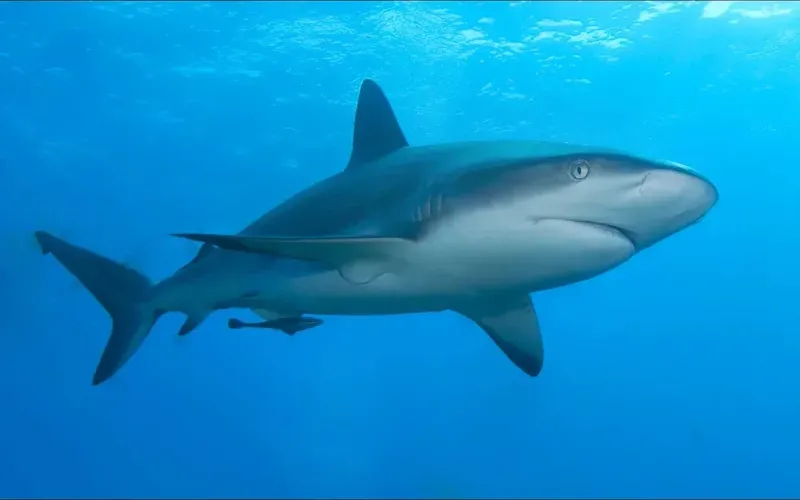
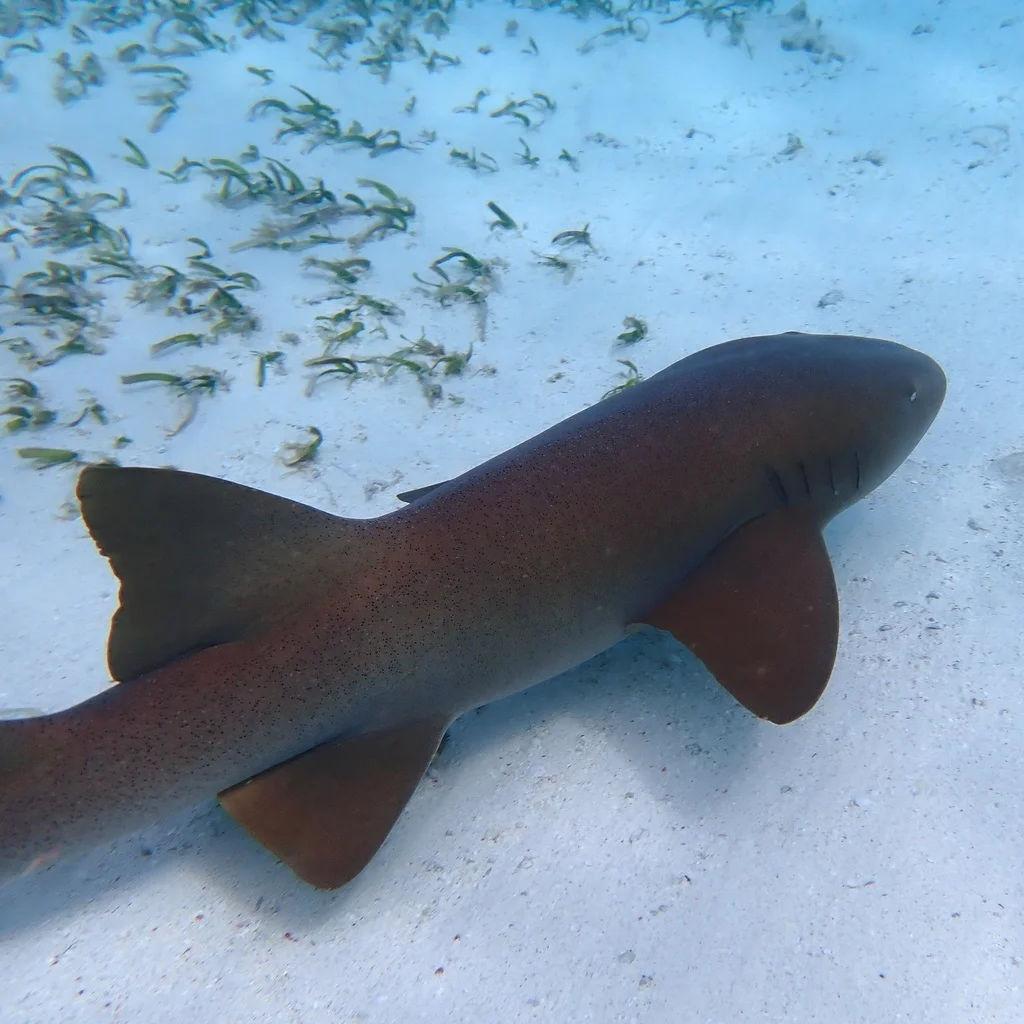
The underwater landscape around Walker Reef (Bay) supports a diverse array of marine species, making each dive a discovery. Divers frequently encounter nurse sharks, reef sharks, and robust goliath groupers, often found inhabiting the wrecks.
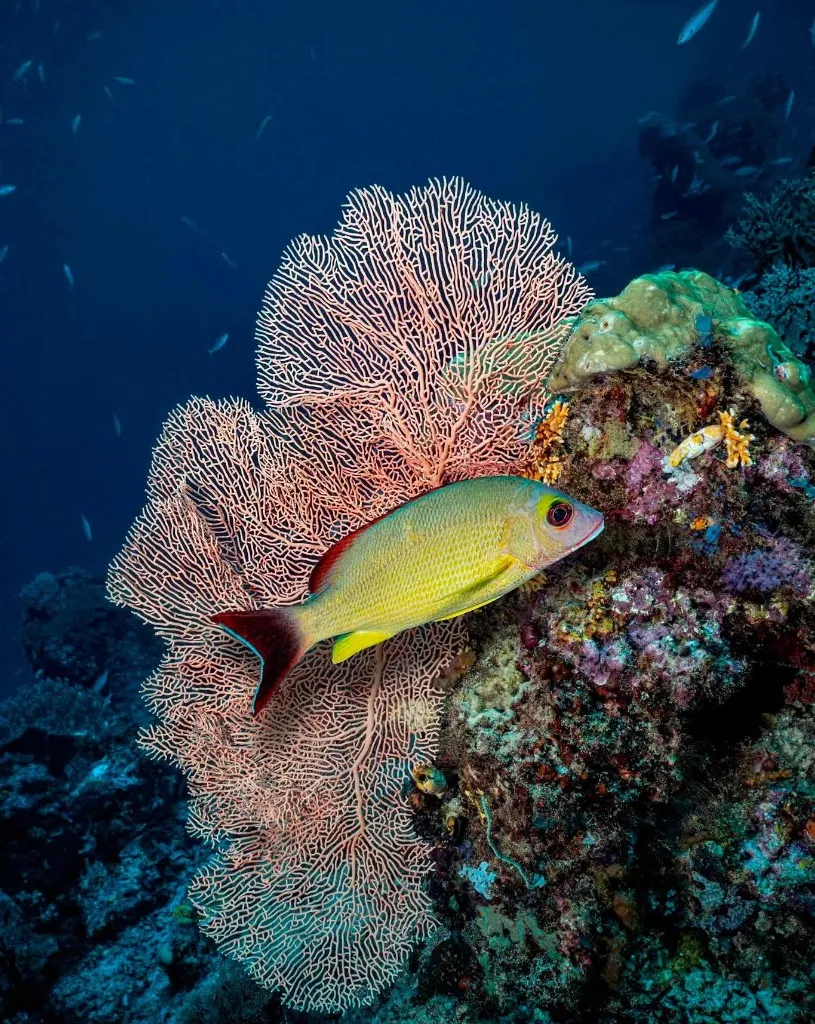
Schools of vibrant yellowtail snapper commonly accompany divers exploring the Cartanza Sr. wreck, adding dynamic movement to the scene. The reefs themselves feature colorful corals and large barrel sponges, providing habitat for creatures such as octopus and various reef fish.
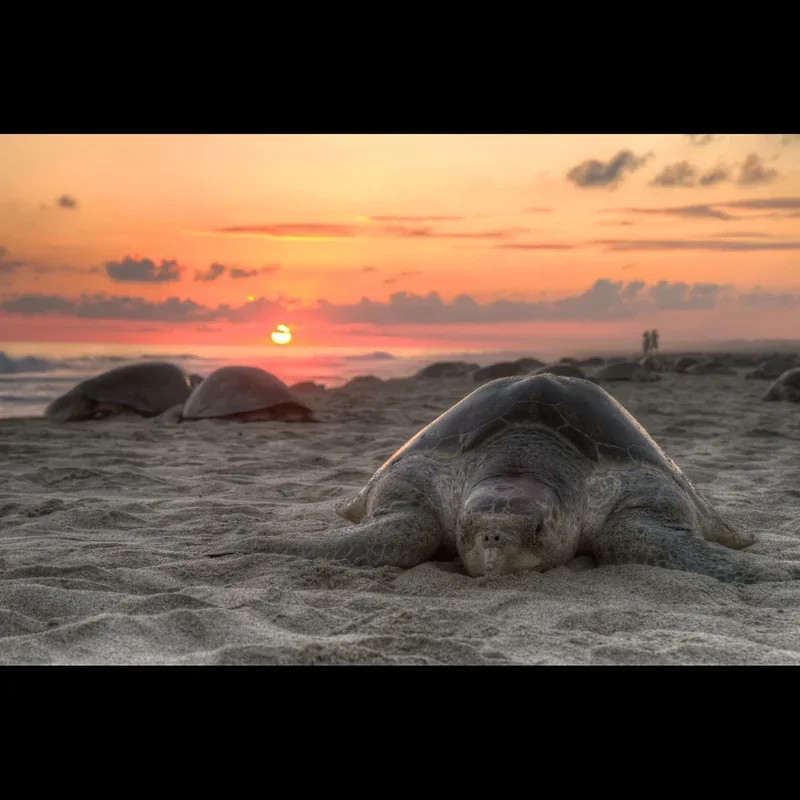
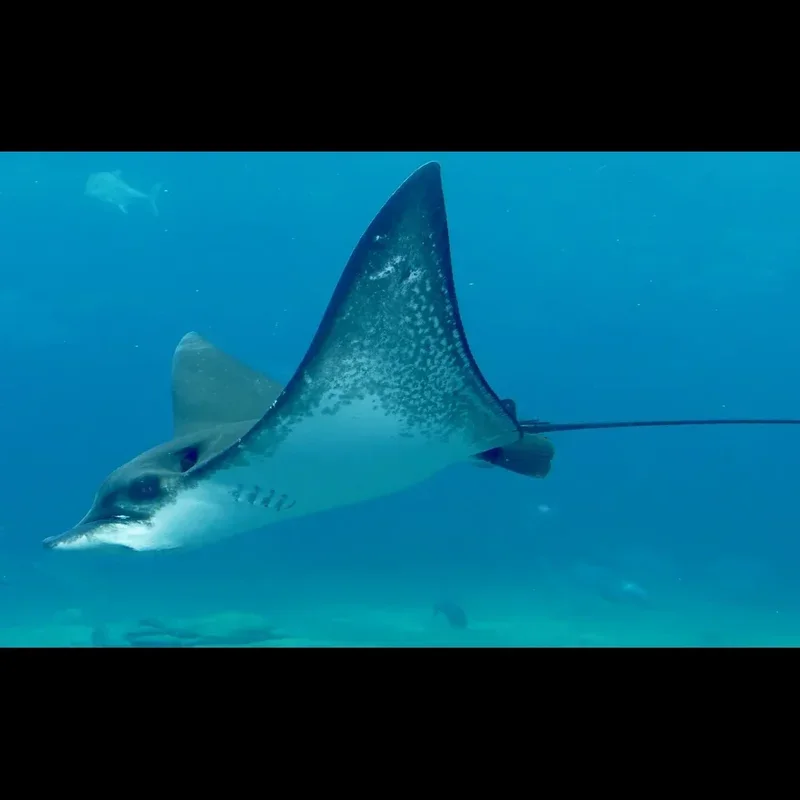
Further out, sightings can extend to sea turtles, eagle rays, and occasionally even dolphins, seahorses, and eels, illustrating the rich biodiversity of these waters.
Dive Sites Near Walker Reef (Bay)
View all dive sites in United StatesDiscover more underwater gems in this area.
Dive Centers Near Walker Reef (Bay)
Today: 09:00 - 18:00
Nearest Airports
Nearest airports to help plan travel to this dive area.
Search Flights
Check available flights and routes on Expedia, using the nearby airports listed in this section.
Search Flights on Expedia
Plan Your Stay
Looking for a place to stay for your dive trip? Explore hotels, stays, and vacation rentals for dive groups near Whitfield.
Dive Navigator may earn a commission from these links at no extra cost to you.
Frequently Asked Questions
What types of dive sites are available at Walker Reef (Bay)?
The area offers a mix of both natural coral reefs and historical shipwrecks. You can explore sites like Wye Reef with its terraces, or wrecks such as the Cartanza Sr., Navy Barges, and the deeper Miss Opportunity.
What are the typical depths for diving around Walker Reef (Bay)?
Dive depths vary, accommodating different skill levels. Shallow wrecks like the Navy Barges can be explored at a maximum of 12 m (40 ft), while Wye Reef descends to 18 m (60 ft). For advanced divers, the Miss Opportunity reaches just over 27 m (90 ft), and the Cane Bay Wall drops from 12 m (40 ft) to extreme depths.
What marine life might I encounter on a dive?
Divers commonly spot nurse and reef sharks, goliath groupers, and schools of yellowtail snapper. The reefs host colorful corals, large barrel sponges, and octopus. Occasional sightings include sea turtles, eagle rays, dolphins, seahorses, and eels.
When is the best time of year to dive here?
Diving is generally good year-round, but conditions are often 'Excellent' from May through July and again in September. During these months, air temperatures are warmest, and wave heights are typically at their lowest, enhancing overall dive conditions.
Are currents a concern for divers?
Yes, currents can be a factor, particularly around sites like Carvel Rock. It's important for divers to check local conditions before each dive and be aware of potential strong flows.
Is dive insurance required for trips to this area?
Many dive operators in the U.S. Virgin Islands require dive insurance for all trips. DAN dive insurance is frequently recommended for certified divers planning to explore these sites.
Can snorkelers enjoy the sites at Walker Reef (Bay)?
Some sites, like sections of the Cartanza Sr. wreck and certain reef areas, are suitable for snorkelers, offering good visibility and shallower depths to observe marine life from the surface.
Planning to dive Walker Reef (Bay)?
Send one inquiry and receive offers directly from the best verified local dive operators.
Conditions are Good
Optimal conditions expected
Current conditions near Walker Reef (Bay) show 27° air, 31° sea temperature, 0.2 m waves, and 21 km/h wind. Forecast data is refreshed regularly to ensure accuracy.