
Diving at Wash Rock (United States)
An engaging underwater experience awaits at Wash Rock, blending geological formations and diverse marine activity. Certified divers can explore an intriguing lava tube, navigate a vibrant reef, and encounter a dynamic array of creatures. It’s a compelling Hawaii dive, balancing exploration with ample opportunities for observing hidden life.
Tonight's objective overview for Wash Rock shows an air temperature of 30.5°C. The measured surface conditions include wave heights around 1.2 m. This environmental data is logged for the close of the day.
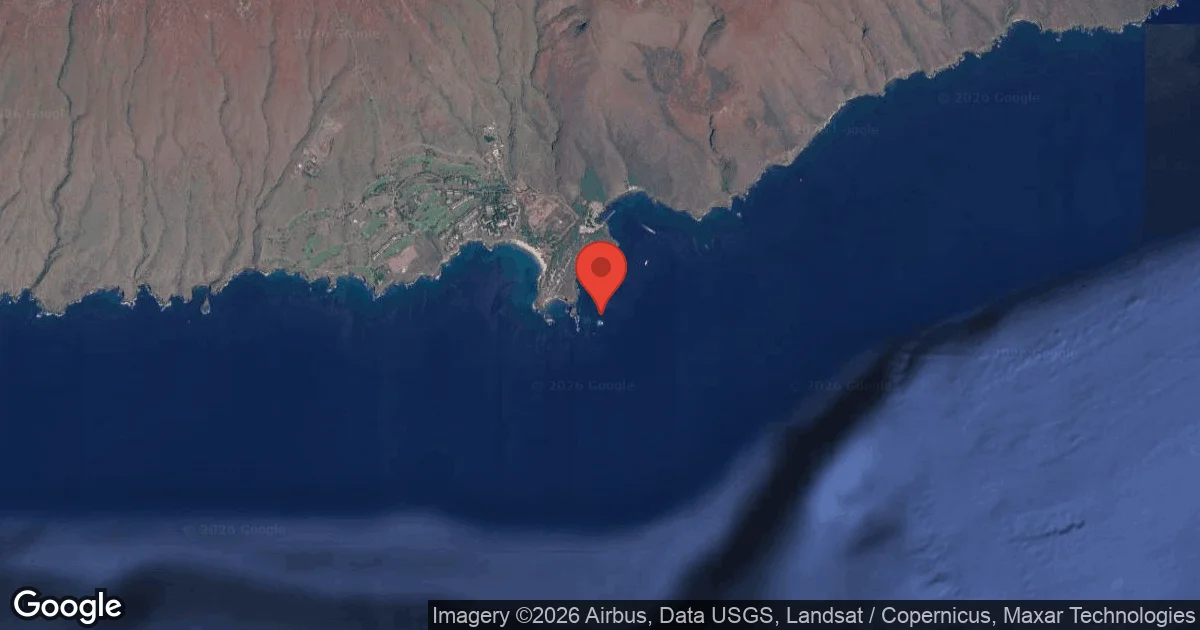
Dive Site Location & Key Facts
Dive Site Overview
Wash Rock unfolds as a multi-faceted dive, combining distinct geological features with a thriving reef ecosystem. Diving often commences with a descent into a captivating lava tube, an overhead environment divers can navigate with a guide's torch.
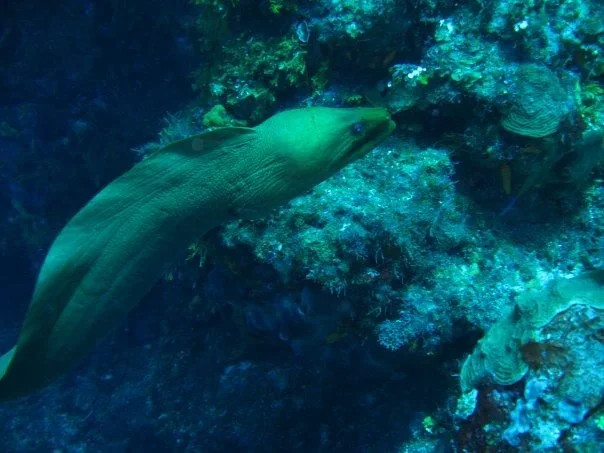
This passage, home to various crustaceans and smaller fish, leads through an intriguing submarine landscape. Exiting the lava tube, the route typically crosses a sand channel. That sandy expanse, despite its seemingly barren appearance, often reveals hidden life, including moray eels tucked beneath rocky outcrops.
Wash Rock itself then becomes the main event, a prominent pinnacle and reef structure reaching a maximum depth of 6 m / 21 ft. Its varied surfaces host a colorful collection of corals and sponges, supporting a rich diversity of reef fish.
A common dive plan involves circumnavigating the pinnacle before returning towards the mooring, allowing ample time to appreciate its distinct features and resident marine life.
Conditions are Moderate
Optimal conditions expected
Current conditions near Wash Rock show 31° air, 29° sea temperature, 1.4 m waves, and 38 km/h wind. Forecast data is refreshed regularly to ensure accuracy.
Best Time to Dive
Wash Rock generally offers good diving conditions throughout much of the year, with dive scores rated 'Good' from March through December. During these months, air temperatures are consistently warm, ranging from 23.5°C to 26.5°C (80°F)to 79.3°F), accompanied by minimal rainfall, typically less than 1 mm, creating comfortable surface conditions. Wave heights remain manageable, usually around 1.1 to 1.3 meters. January and February present moderate dive scores, with slightly higher average wave heights around 1.5-1.6 meters. While specific water temperature data is not consistently reported for Wash Rock, consistent air temperatures suggest a pleasant overall diving environment during the 'Good' rated periods.
PEAK SEASON SCORE
Scores combine air & water temps, waves, wind & rainfall for overall conditions.
BEST MONTHS TO DIVE
Monthly records compiled from satellite and marine observation nodes over the last 3 years. Data provided by Open-Meteo and MET Norway.
Dive Experience & Conditions
Dives at Wash Rock typically begin with a descent to explore a lava tube, an overhead environment requiring good buoyancy control. Traversing this feature, divers often navigate to a maximum depth around 6 meters. Site visibility, while not consistently reported, is typically good in calm conditions, allowing clear views of the rock formations and marine inhabitants. After exiting the tube, divers cross a sand channel, an area demanding attention to spot cryptic creatures. Rounding Wash Rock, the primary reef structure, allows exploration of its nooks and crannies. Currents here can vary, so maintaining situational awareness is beneficial. Its shallow nature provides extended bottom times for exploration.
Dive Difficulty & Safety Guidelines
Diving any site with overhead elements like a lava tube requires specific considerations for diver safety. Divers should hold at least a PADI Advanced Open Water Diver certification or similar, ensuring proficiency in navigation and an understanding of cavern diving principles. Always follow your guide's instructions, especially when traversing the lava tube, and maintain strict buoyancy control to avoid contact with the fragile environment.
Keep a close watch on your depth and bottom time, particularly given the shallow nature of the site, which maxes out at about 6 meters. A three-minute safety stop is typically advised upon ascent to the surface.
Recommended Equipment
- Dive Computer
- DSMB
This gear list is based on verified equipment signals for Wash Rock, United States. Always confirm final gear choices with your dive operator, guide, or liveaboard.
Recommended Dive Suit
The coming days appear slightly cooler according to the latest forecast. Cooler days are ahead; you might want a warmer option for later in the week. Divers planning multiple dives may appreciate having a warmer option available.
Two divers in the same water temperature may experience very different comfort levels. Stronger winds may also make surface intervals feel cooler than usual. Divers planning trips later in the week may want to consider bringing a slightly warmer suit.
Many divers find that 2-3mm shorty or light wetsuit offers the right level of insulation for conditions like these. Consider warmer surface protection (like a boat coat) due to brisk winds. Divers preparing to enter the water at Wash Rock will likely find temperatures around 29°C (83°F) today. Surface air temperatures are resting at 31°C (87°F).
Emergency & Medical Support
Essential information to help you plan your dive trip to Wash Rock.

Hyperbaric chambers are a critical part of dive safety infrastructure. Availability varies significantly by region, and not all dive areas have immediate access.
Before diving, it's recommended to:
- confirm nearest medical facilities
- check emergency procedures with local dive operators
- ensure dive insurance covers evacuation if required
Divers Alert Network
Diving emergency assistance available through DAN World.
+1-919-684-9111- 24/7 emergency hotline
- Diving medical assistance
- Evacuation coordination
Emergency contacts are provided for reference. Always verify local emergency services before diving.
Marine Life at Wash Rock
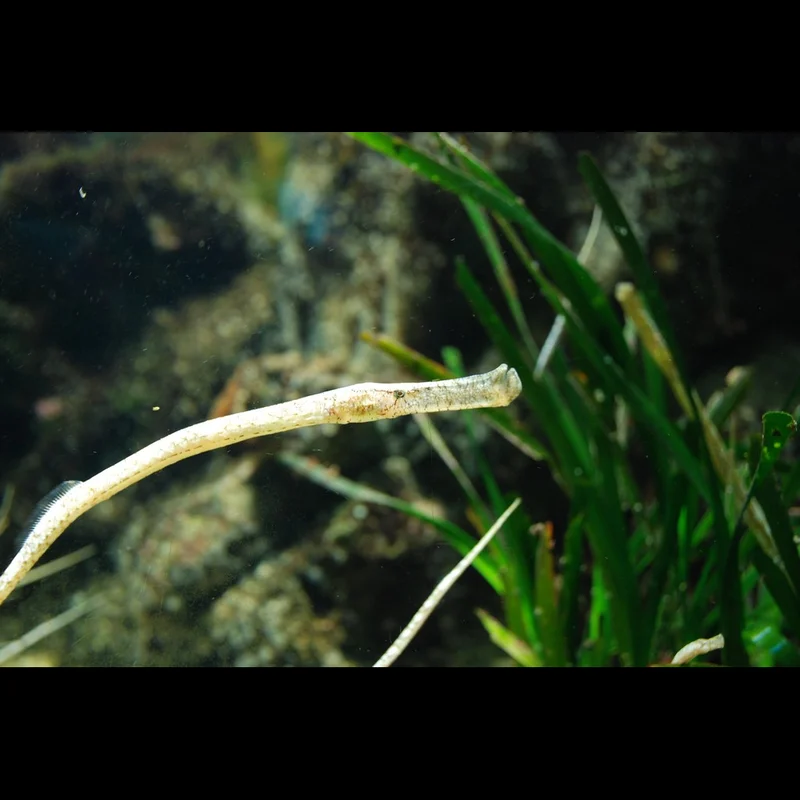
Varied underwater terrain at Wash Rock supports a diverse range of marine life, often found in close association with the environment. Exploring the lava tube and sandy areas might reveal a viper moray or pipefish.
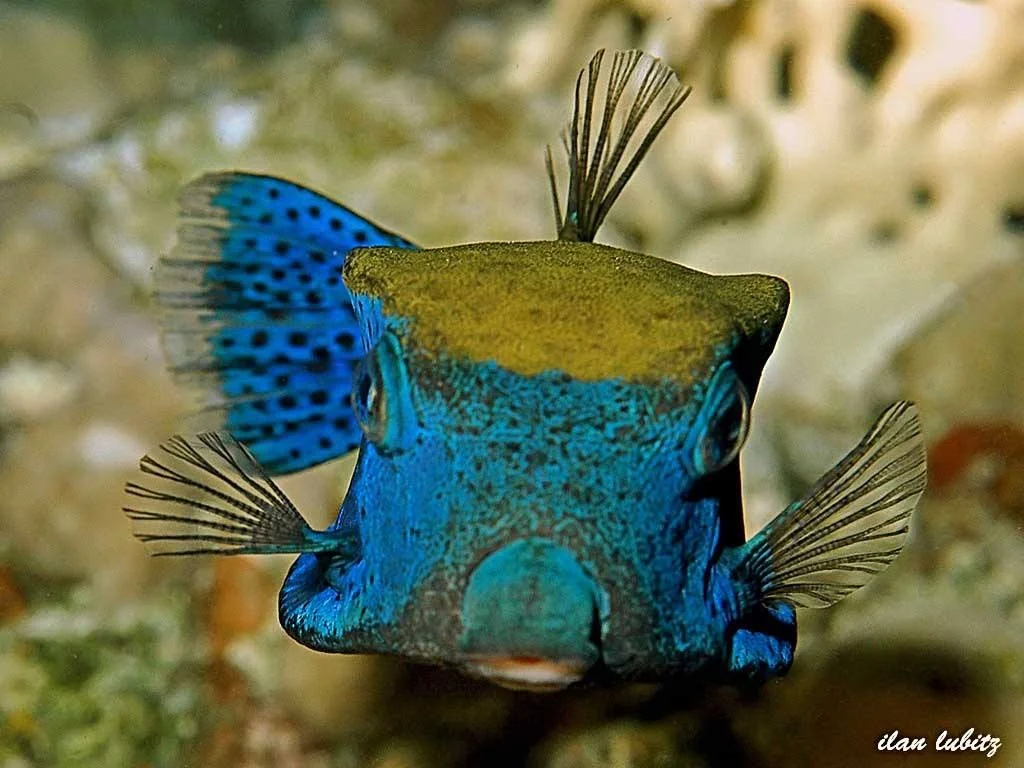
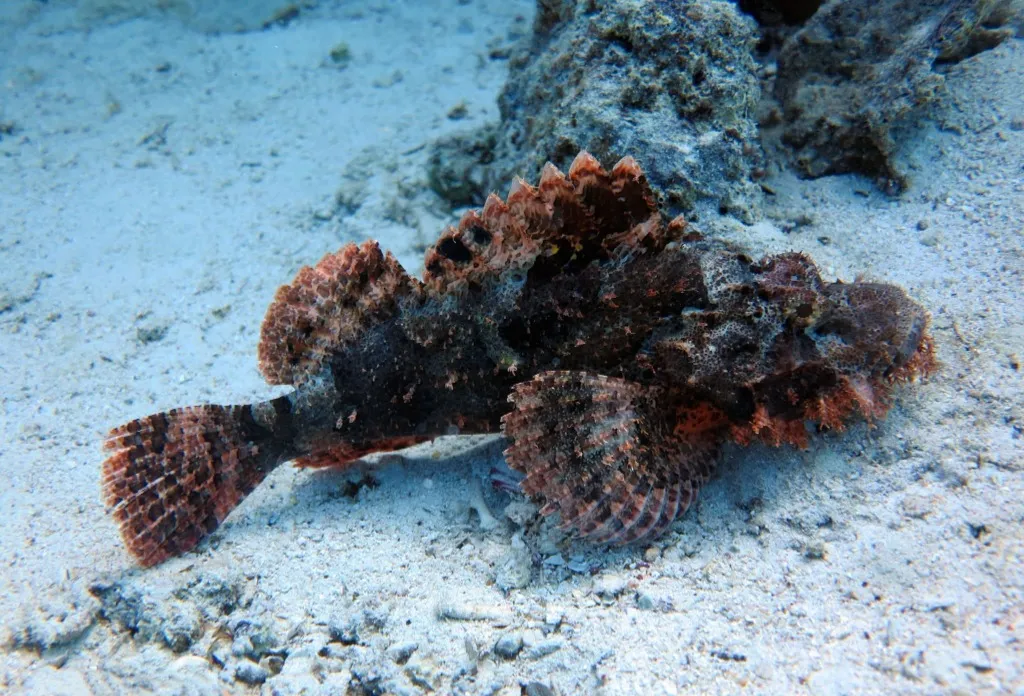
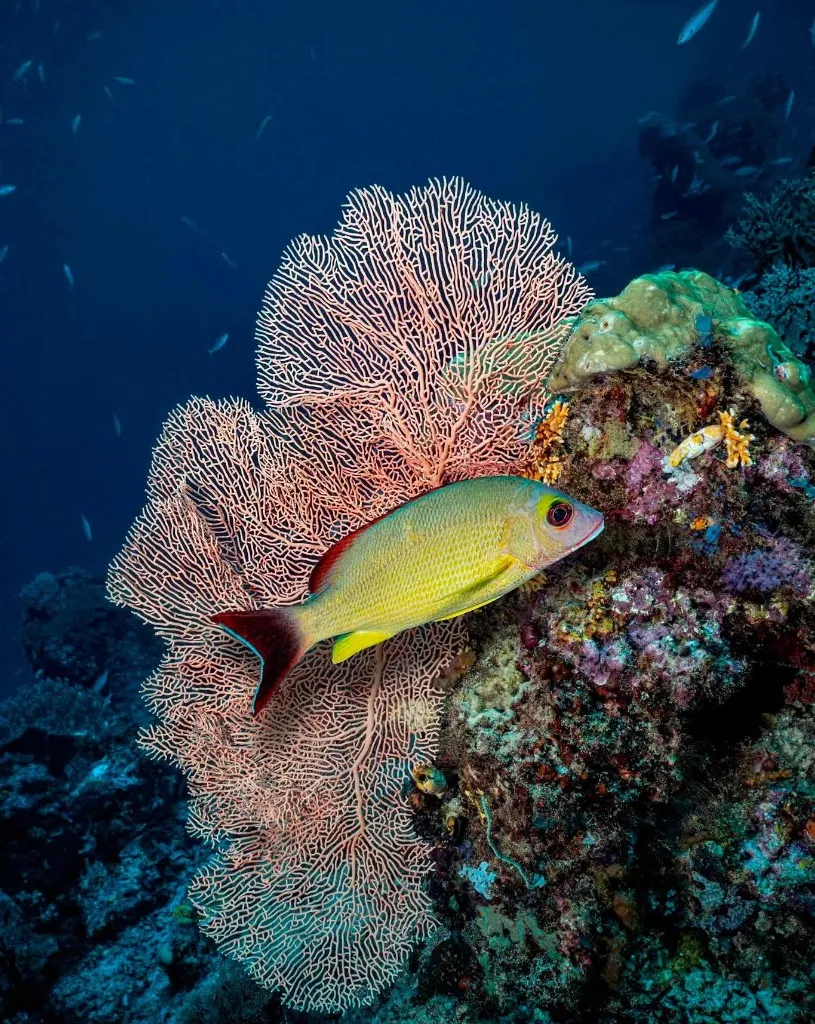
On the main pinnacle, divers need a keen eye to spot frogfish and scorpionfish camouflaged against rocks and corals. Many reef fish, including snapper, bannerfish, butterflyfish, angelfish, boxfish, and puffer fish, are common sights among the formations.
Encounters with larger species like whitetip reef sharks are also reported, adding an exciting dimension to the dive.
Dive Sites Near Wash Rock
View all dive sites in United StatesDiscover more underwater gems in this area.
Dive Centers Near Wash Rock
Today: 07:00 - 17:30
Nearest Airports
Nearest airports to help plan travel to this dive area.
Search Flights
Check available flights and routes on Expedia, using the nearby airports listed in this section.
Search Flights on Expedia
Plan Your Stay
Looking for a place to stay for your dive trip? Explore hotels, stays, and vacation rentals for dive groups near Lanai City.
Dive Navigator may earn a commission from these links at no extra cost to you.
Frequently Asked Questions
What is the maximum depth at Wash Rock?
The maximum depth recorded for diving at Wash Rock is 6 meters / 21 feet. This relatively shallow depth allows for longer bottom times and extended exploration of its features.
Is Wash Rock suitable for beginner divers?
Wash Rock involves navigating a lava tube, which is an overhead environment. While the overall depth is shallow, the nature of the dive makes it more suitable for certified divers with experience, such as those holding an Advanced Open Water Diver certification.
What kind of marine life can I expect to see?
Divers commonly spot a variety of reef fish including snapper, bannerfish, and butterflyfish. Keep an eye out for frogfish and scorpionfish camouflaged on the rocks, and moray eels or pipefish in crevices and the lava tube. Whitetip reef sharks have also been sighted here.
Is boat access required to dive Wash Rock?
Yes, Wash Rock is accessed by boat. Divers typically depart from a local dive operator, making it a convenient way to reach the site.
Are there any strong currents at Wash Rock?
Current conditions at Wash Rock can vary. Divers should be prepared for potential currents and maintain good buoyancy control, especially when navigating around the pinnacle and through the sand channel.
What are the water temperatures like at Wash Rock?
Specific water temperature data for Wash Rock is not consistently reported. However, the air temperatures are consistently warm throughout most of the year, suggesting a generally pleasant water environment.
Planning to dive Wash Rock?
Send one inquiry and receive offers directly from the best verified local dive operators.
Conditions are Moderate
Optimal conditions expected
Current conditions near Wash Rock show 31° air, 29° sea temperature, 1.4 m waves, and 38 km/h wind. Forecast data is refreshed regularly to ensure accuracy.