
Diving at First Cathedrals (United States)
Entering First Cathedrals, divers are immediately struck by a dramatic underwater architecture carved from ancient lava flows. Light filters through natural openings, creating ethereal beams that illuminate the vast caverns, arches, and swim-throughs. This interplay of light and shadow on the volcanic rock gives the site its distinctive, awe-inspiring ambiance, feeling much like a subaquatic sanctuary.
Evening condition tracking at First Cathedrals features an air temperature of 29°C. We have recorded wave heights measuring 1.3 m during this period. These figures outline the environmental parameters currently present.
Dive Site Location & Key Facts
Dive Site Overview
Exploring extensive lava tubes and formations defines a distinctive dive experience here, appealing to those who appreciate unique geological structures. First Cathedrals is particularly known for its towering underwater arches and swim-throughs, formed by ancient volcanic activity; divers navigate these up to an average depth of 38 m / 125 ft.
Expect a truly immersive journey as you trace the intricate contours of these natural wonders, each turn revealing a new perspective on the site's dramatic past. Multiple entry and exit points simplify navigation, allowing for extensive exploration without venturing into true overhead environments requiring specialized certification. Currents at the site typically range from 1 to 2 knots, potentially enhancing drift through some sections and adding a dynamic element to your underwater trajectory.
These movements can make parts of the dive feel like a gentle, guided tour. Water temperatures usually sit between 22-26°C / 72-79°F, providing a comfortable environment for extended exploration.
Visibility often proves excellent, frequently extending to around 25 m / 82 ft, which dramatically enhances the perception of the vast formations and distant reef activity. Beyond its striking geological features, the site also serves as a vibrant reef, supporting a variety of marine life amidst the ancient rock.
Occasional sightings of dolphins and whales from the boat add another layer of excitement to any visit. This captivating destination promises both geological marvels and a lively ecosystem.
Conditions are Good
Optimal conditions expected
Current conditions near First Cathedrals show 29° air, 29° sea temperature, 1.4 m waves, and 35 km/h wind. Forecast data is refreshed regularly to ensure accuracy.
Best Time to Dive
Optimizing your visit for calmest conditions and best light is key at First Cathedrals. A year-round diving destination, it offers consistently warm water temperatures between 22-26°C / 72-79°F and reliably clear visibility throughout all seasons. For the most spectacular visual experience, morning dives come highly recommended. Soft light penetrating cathedral-like cracks during these hours creates a truly magical underwater scene, mirroring stained-glass windows and illuminating the volcanic architecture. Surface conditions also tend to be calmer in mornings, making boat rides more comfortable and entry/exit smoother. Air temperatures generally range from 22-29°C / 72-84°F across the year, providing pleasant topside conditions. Minimal rainfall is typically observed, especially during summer months when precipitation averages less than 1 mm, contributing to excellent underwater clarity. Moderate wind speeds, usually between 11-15 km/h, keep conditions generally favorable throughout seasons, ensuring most days are suitable for diving.
PEAK SEASON SCORE
Scores combine air & water temps, waves, wind & rainfall for overall conditions.
BEST MONTHS TO DIVE
Monthly records compiled from satellite and marine observation nodes over the last 3 years. Data provided by Open-Meteo and MET Norway.
Dive Experience & Conditions
Descending into First Cathedrals immerses divers in an environment characterized by dramatic volcanic architecture. Typical recreational dives often explore depths between 17 and 21 meters (56 to 69 feet), allowing ample bottom time to explore intricate lava tubes and rock formations. While average site depth is considerably deeper, much of the most engaging topography, including accessible swim-throughs and grand arches, can be thoroughly enjoyed at these shallower to mid-range depths. Excellent visibility, often extending to around 25 meters (82 feet), plays a crucial role here, allowing ample light to penetrate deep into caverns and illuminating their impressive interiors. Divers should be prepared for currents that can reach 1 to 2 knots; these may influence drift through certain channels, demanding good buoyancy control. Water temperatures remain comfortably warm, hovering between 22-26°C / 72-79°F, which supports longer dives without significant thermal discomfort and enhances overall enjoyment.
Dive Difficulty & Safety Guidelines
Understanding the required skill level is important for a safe dive at First Cathedrals. Certified Open Water divers or those with higher qualifications are welcome. Although a dive involves navigating through caverns, special cavern or cave certification is not typically required.
Formations here are generally large with natural skylights and multiple clear exits, preventing divers from entering true overhead environments.
However, currents, which can vary from 1 to 2 knots, necessitate good buoyancy control and awareness. Divers should maintain a safe distance from delicate coral structures and avoid touching rock formations.
Always dive with a reputable local guide who understands conditions and can navigate the site effectively.
Recommended Equipment
Overhead environment. Do not enter beyond training and gas planning limits.
- Dive Computer
- DSMB
- Primary & Backup Lights
- Reel / Spool
- Cutting Tool
This gear list is based on verified equipment signals for First Cathedrals, United States. Always confirm final gear choices with your dive operator, guide, or liveaboard.
Recommended Dive Suit
2-3mm shorty or light wetsuit is frequently recommended by dive operators for conditions like these. Consider warmer surface protection (like a boat coat) due to brisk winds. For divers entering the water at First Cathedrals, temperatures are currently hovering around 29°C (83°F). Surface air temperatures are resting at 29°C (84°F).
Forecasts suggest a slight cooling pattern in the days ahead. Cooler days are ahead; you might want a warmer option for later in the week. Some divers bring an extra layer for surface intervals between dives.
Even small thermoclines can occasionally cause noticeable changes in water temperature.
Emergency & Medical Support
Essential information to help you plan your dive trip to First Cathedrals.

Hyperbaric chambers are a critical part of dive safety infrastructure. Availability varies significantly by region, and not all dive areas have immediate access.
Before diving, it's recommended to:
- confirm nearest medical facilities
- check emergency procedures with local dive operators
- ensure dive insurance covers evacuation if required
Divers Alert Network
Diving emergency assistance available through DAN World.
+1-919-684-9111- 24/7 emergency hotline
- Diving medical assistance
- Evacuation coordination
Emergency contacts are provided for reference. Always verify local emergency services before diving.
Marine Life at First Cathedrals
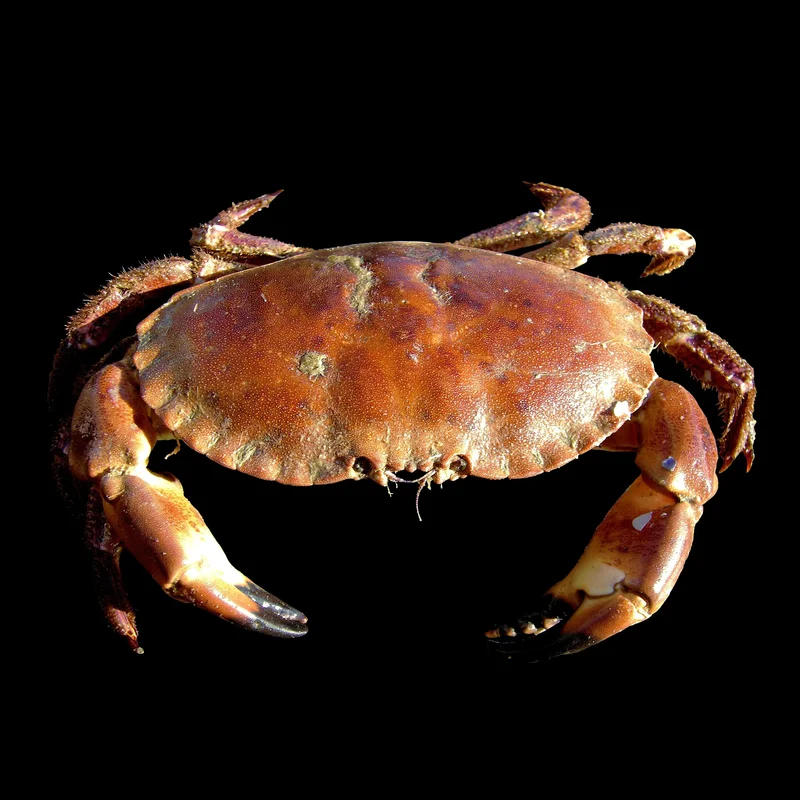
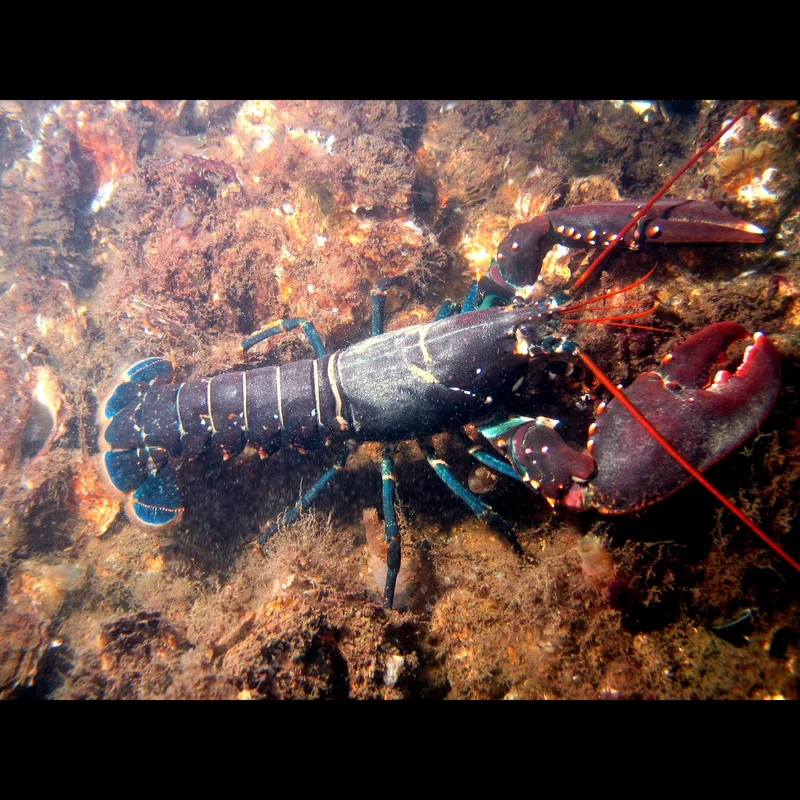
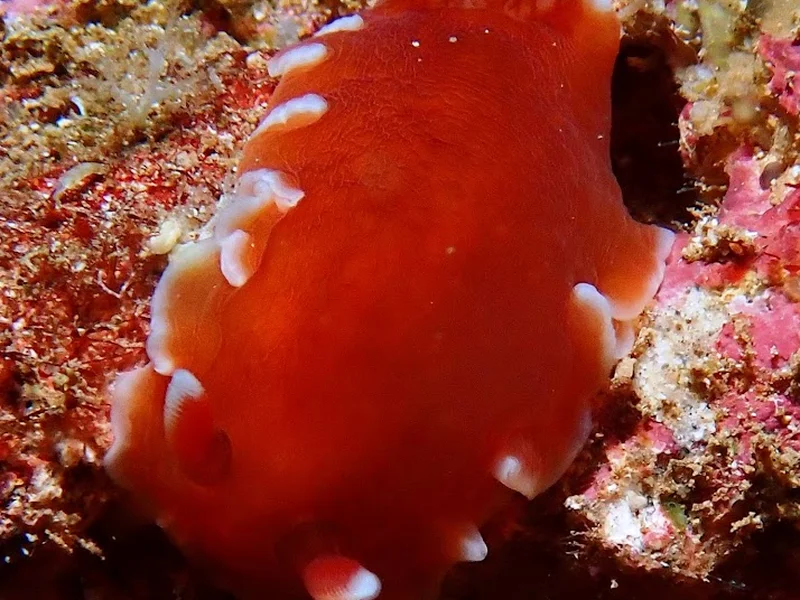
A vibrant tableau of marine activity unfolds at First Cathedrals, extending beyond its geological wonders. Expect to encounter various reef fishes, colorful corals clinging to the lava rock, and intriguing crustaceans like crabs and lobsters.
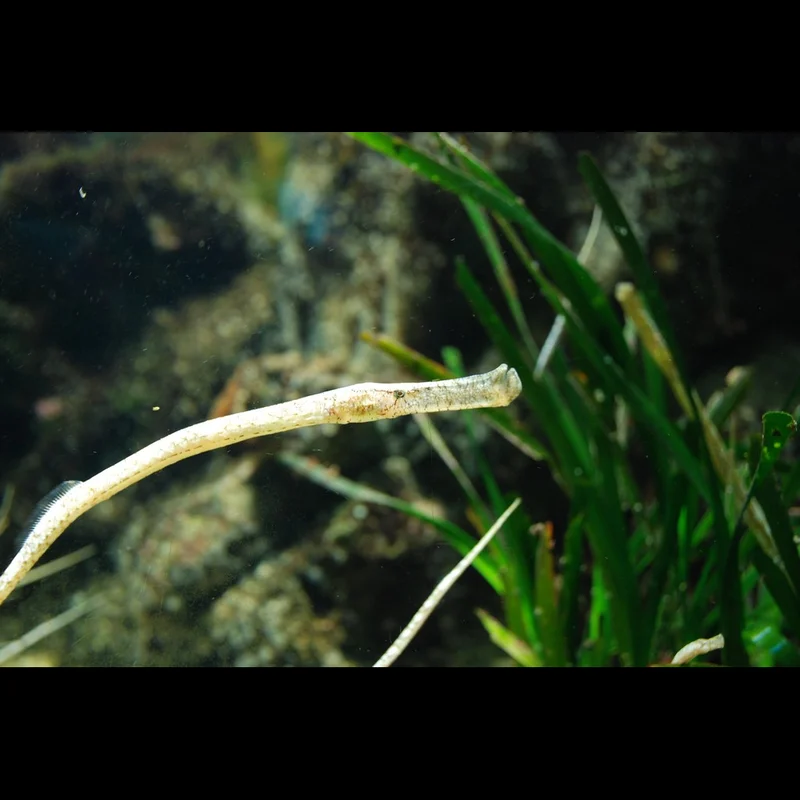
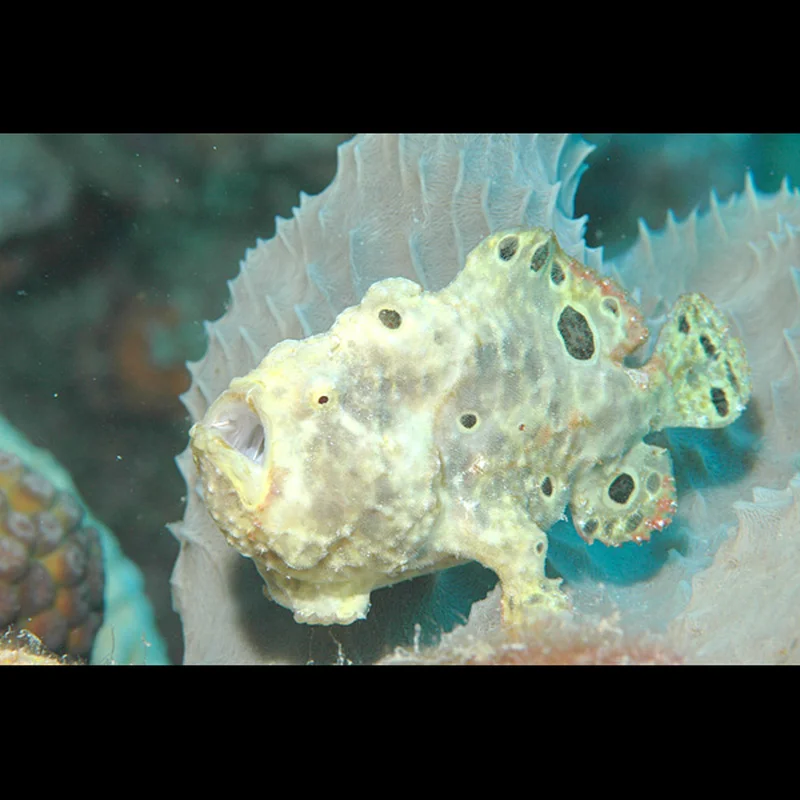
Divers often spot elusive frogfish camouflaged amongst the sponges and pipefish darting through crevices. Keep an eye out for pufferfish, shrimp, and squid navigating the rocky terrain.
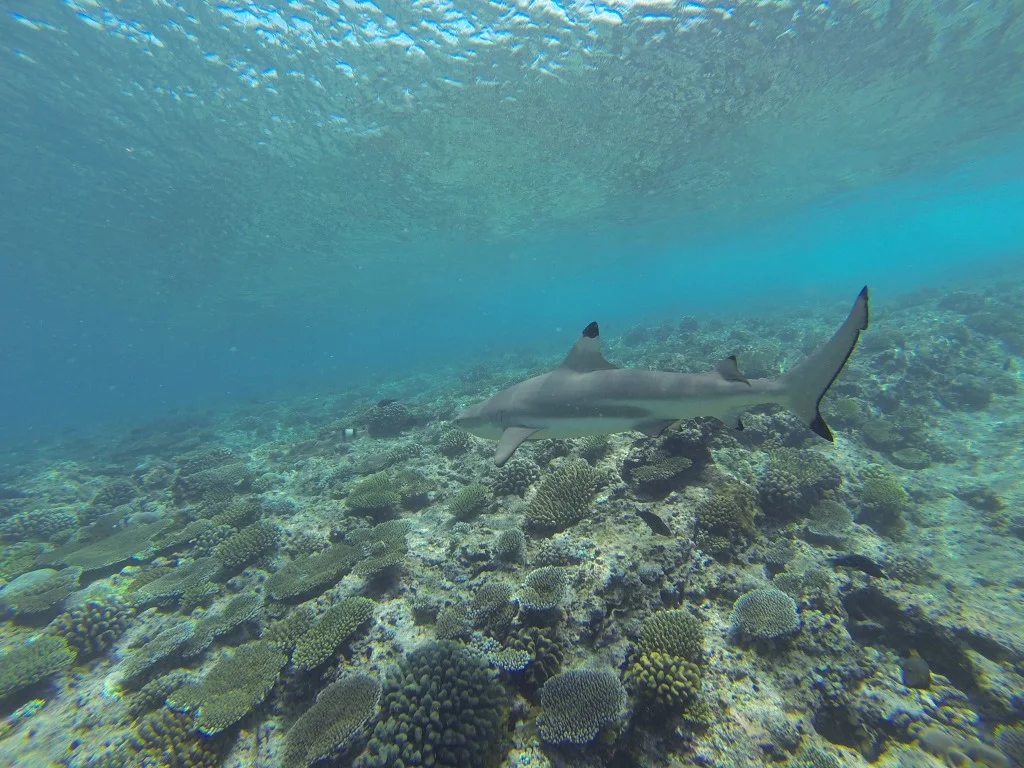
Surface intervals frequently bring exciting sightings of dolphins and whales, adding to the rich biodiversity of the area. Larger pelagic species such as sharks and rays are also possibilities within this dynamic ecosystem.
Dive Sites Near First Cathedrals
View all dive sites in United StatesDiscover more underwater gems in this area.
Dive Centers Near First Cathedrals
Today: 07:00 - 17:30

Nearest Airports
Nearest airports to help plan travel to this dive area.
Search Flights
Check available flights and routes on Expedia, using the nearby airports listed in this section.
Search Flights on Expedia
Plan Your Stay
Looking for a place to stay for your dive trip? Explore hotels, stays, and vacation rentals for dive groups near Lanai City.
Dive Navigator may earn a commission from these links at no extra cost to you.
Frequently Asked Questions
How important is it to book in advance for diving First Cathedrals?
Booking ahead is strongly recommended to secure your spot, especially if your travel dates fall within peak season. Early reservations help avoid disappointment, as dive operators often have limited capacity for popular sites like First Cathedrals.
What level of diving certification is needed for First Cathedrals?
Certified Open Water divers or those with a higher certification are eligible to dive First Cathedrals. Even though the site features caverns, no special overhead environment certification is required due to their large size and numerous exits.
What is the best time of day to experience First Cathedrals?
Morning dives are generally considered the best time. The early sunlight piercing through the rock formations creates a stunning, cathedral-like effect, and water conditions are typically calmer, making for a more comfortable boat journey and dive.
Is there a specific best time of year to dive First Cathedrals?
First Cathedrals is a year-round diving destination. The water temperatures remain consistently warm, and visibility is reliably clear throughout the seasons, ensuring good conditions whenever you plan your trip.
How do I reach the First Cathedrals dive site?
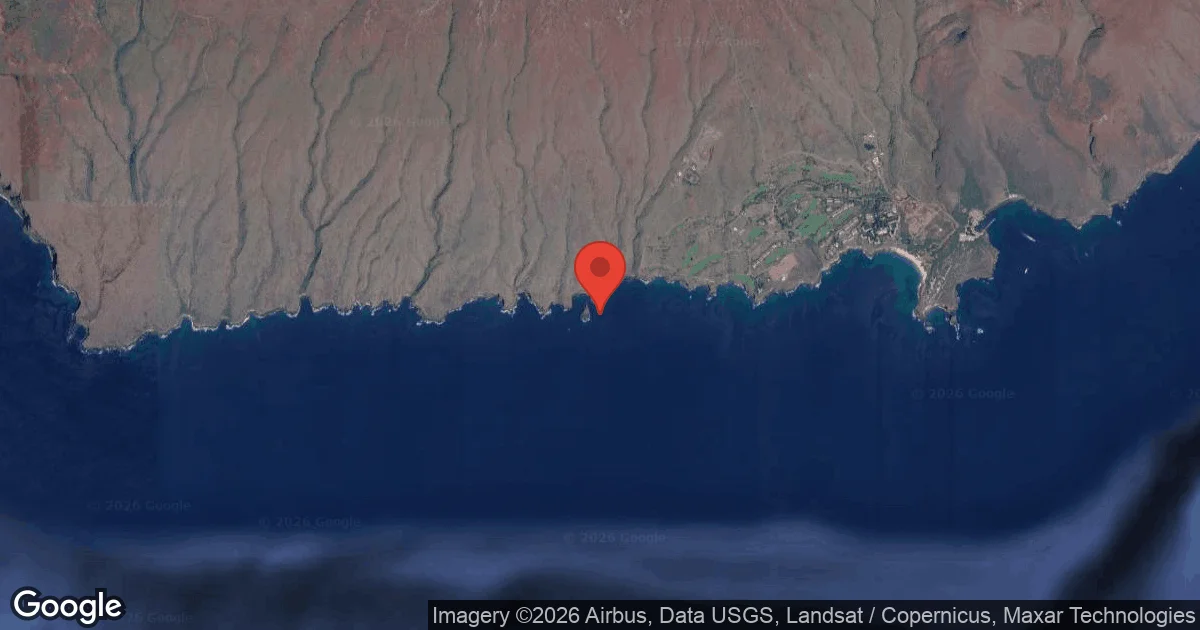
First Cathedrals is found on the south side of Lanai. Access is typically by a short boat ride across the Au’au Channel from Maui. Its name 'First' reflects that it is the initial cathedral-like formation encountered when approaching from Maui.
Planning to dive First Cathedrals?
Send one inquiry and receive offers directly from the best verified local dive operators.
Conditions are Good
Optimal conditions expected
Current conditions near First Cathedrals show 29° air, 29° sea temperature, 1.4 m waves, and 35 km/h wind. Forecast data is refreshed regularly to ensure accuracy.