
Diving at West End (United States)
West End presents divers with conditions influenced by its geographical position, typically characterized by variable wave patterns and moderate winds. The dive sites here often feature depths suitable for recreational exploration. Air temperatures generally range from 20°C (68°F) to 28.5°C (83°F) throughout the year, suggesting a consistently warm environment. Water temperatures are not consistently reported for this location.
Tonight's objective overview for West End shows an air temperature of 28°C. The measured surface conditions include wave heights around 0.8 m. This environmental data is logged for the close of the day.
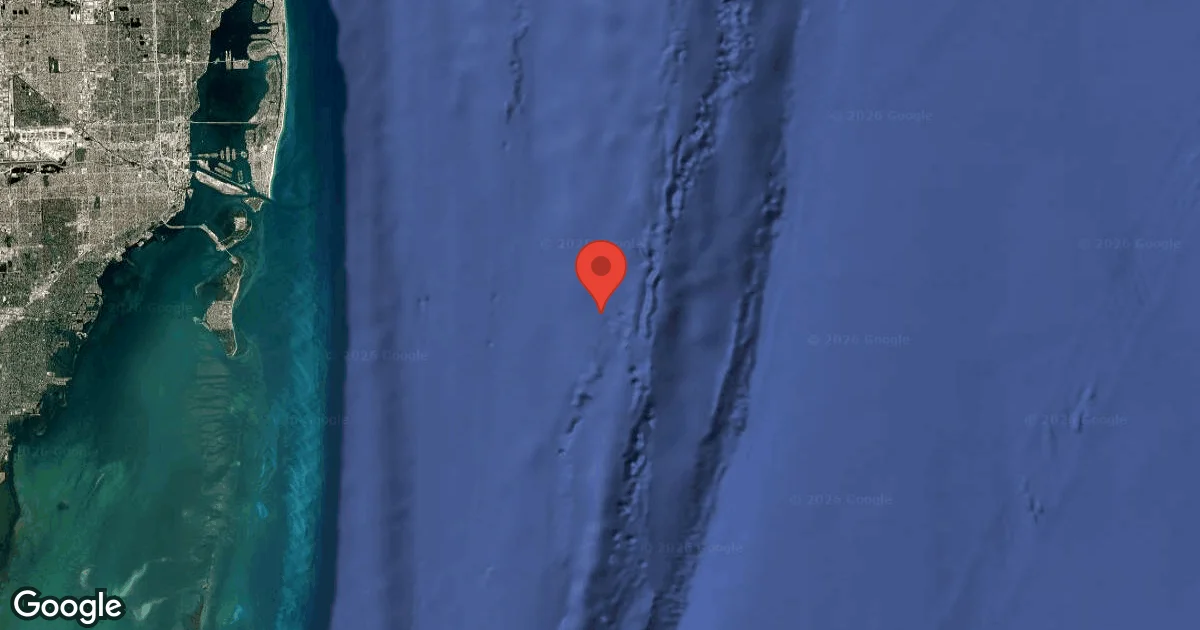
Dive Site Location & Key Facts
Dive Site Overview
Diving history at West End reflects a development focused on accessibility and a diverse set of underwater landscapes. Early exploration likely centered on identifying suitable entry points and understanding the local marine topography.
Over time, dive operations have established approaches for navigating its coastal features, including potential currents and sediment movements that might influence visibility. The absence of consistently reported water temperatures means local knowledge or on-site measurements are crucial for planning comfort. Visibility patterns often vary seasonally, frequently tied to wave action and rainfall, which averages from 1.5mm to 10.1mm monthly.
This natural variability requires adaptive diving plans. Modern diving in West End emphasizes adaptability to these dynamic conditions, allowing divers to experience the nuances of its underwater environment, from calmer days with clear views to more active periods testing diver skill. Evolving underwater experiences unfold here, shaped by the prevailing weather and oceanic patterns.
Conditions are Good
Optimal conditions expected
Current conditions near West End show 28° air, 31° sea temperature, 0.4 m waves, and 18 km/h wind. Forecast data is refreshed regularly to ensure accuracy.
Best Time to Dive
For an optimal dive experience at West End, consider the months with calmer conditions and higher air temperatures. July stands out with the highest dive score, enjoying average air temperatures of 28.5°C (83°F) and the lowest wave heights, around 0.5 m (1.6 ft). Following closely, May and September also offer favorable conditions, with May seeing average air temperatures around 27°C (81°F) and September slightly cooler at 27°C (81°F). While excellent diving is possible year-round with monthly dive scores ranging from "Good" to "Excellent," choosing periods with less rain and reduced wind, such as July, might enhance comfort. Rain averages are lowest in February (1.5mm) and January (1.9mm), while June sees the highest rainfall at 10.1mm.
PEAK SEASON SCORE
Scores combine air & water temps, waves, wind & rainfall for overall conditions.
BEST MONTHS TO DIVE
Monthly records compiled from satellite and marine observation nodes over the last 3 years. Data provided by Open-Meteo and MET Norway.
Dive Experience & Conditions
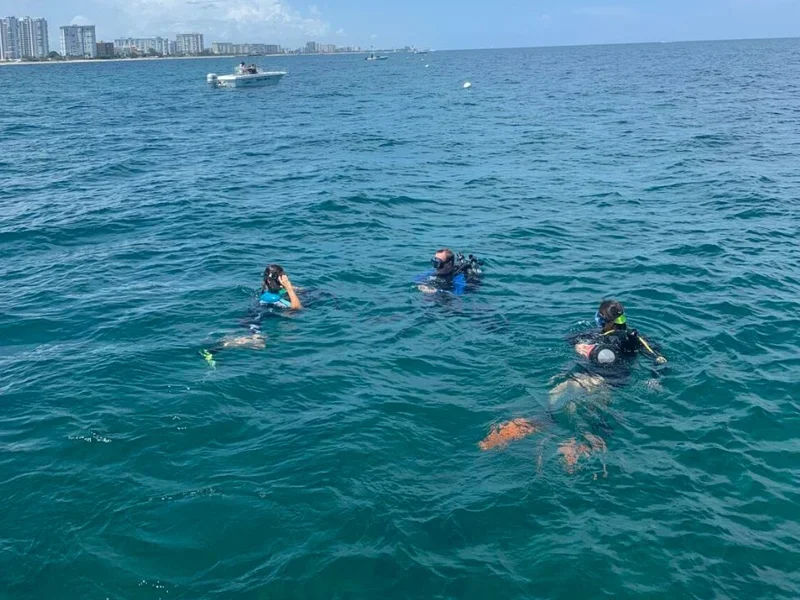
Exploring the dive sites around West End typically involves depths within the recreational range. Specific depth profiles vary by site, but divers can expect to encounter formations from shallower sections to deeper areas. Conditions beneath the surface are often shaped by wave heights, which can range from a calmer 0.5 m (1.6 ft) in July to over 1.1 m (3.6 ft) in December. These surface conditions can influence underwater visibility and current strength, making local knowledge valuable. Wind speeds, averaging between 14.7 km/h (9.1 mph) in July and 20.6 km/h (12.8 mph) in April, can impact boat rides and surface chop. While water temperature data isn't consistently available, the air temperatures suggest a generally warm environment above the surface.
Dive Difficulty & Safety Guidelines
Divers planning visits to West End should be prepared for varying marine conditions that can sometimes include stronger currents or reduced visibility, depending on recent weather and wave activity. Experience in navigating these conditions is beneficial; however, dive operations here often maintain small group sizes for personalized attention. Always consider your personal skill level before embarking on a dive, especially if wave heights are significant.
Reviewing safety briefings and understanding local protocols are crucial steps for every diver. Maintaining awareness of your buddy and surroundings is paramount, particularly when exploring new areas or during dives influenced by changing weather.
Recommended Equipment
- Dive Computer
This gear list is based on verified equipment signals for West End, United States. Always confirm final gear choices with your dive operator, guide, or liveaboard.
Recommended Dive Suit
Weather models currently point toward consistent diving conditions over the next several days.
Even in warm destinations, extended dives can gradually draw heat away from the body.
Exposure protection such as dive skin or rash guard is commonly used when diving in waters of this temperature. A hood or vest is suggested for sensitive divers due to surface winds. Divers preparing to enter the water at West End will likely find temperatures around 31°C (87°F) today. Surface air temperatures are resting at 28°C (82°F).
Due to technical issues with our weather providers, data hasn't been fetched for over 48 hours. The data above reflects the conditions at the time of the last successful fetch.
Emergency & Medical Support
Essential information to help you plan your dive trip to West End.

Hyperbaric chambers are a critical part of dive safety infrastructure. Availability varies significantly by region, and not all dive areas have immediate access.
Before diving, it's recommended to:
- confirm nearest medical facilities
- check emergency procedures with local dive operators
- ensure dive insurance covers evacuation if required
Divers Alert Network
Diving emergency assistance available through DAN World.
+1-919-684-9111- 24/7 emergency hotline
- Diving medical assistance
- Evacuation coordination
Emergency contacts are provided for reference. Always verify local emergency services before diving.
Marine Life at West End
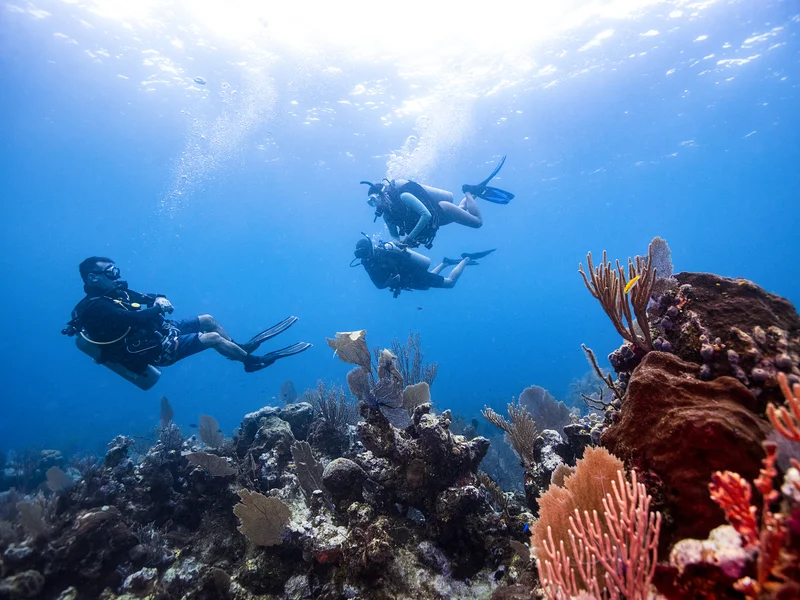
Without specific details about marine species for this particular West End location, divers generally anticipate encounters with common coastal reef inhabitants. Expect to observe various schooling fish and perhaps some smaller crustaceans dwelling within the coral formations.
Occasional larger pelagic species might pass through, adding an element of surprise to any dive. The overall health of the reef environment often dictates the diversity and abundance of observed life.
Dive Sites Near West End
View all dive sites in United StatesDiscover more underwater gems in this area.
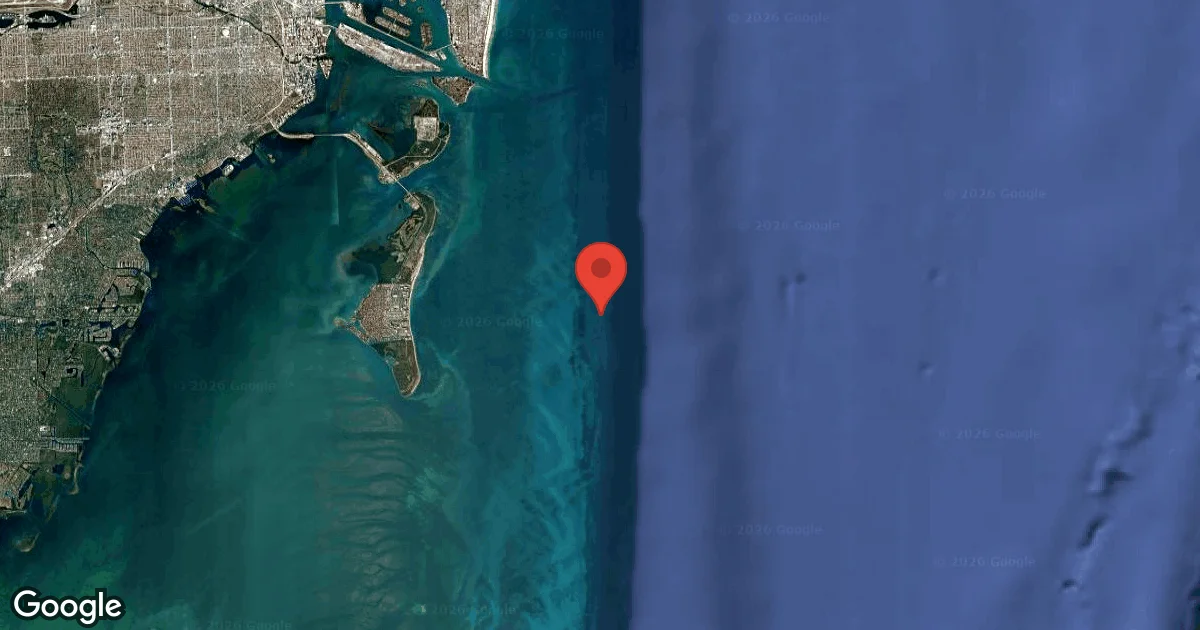
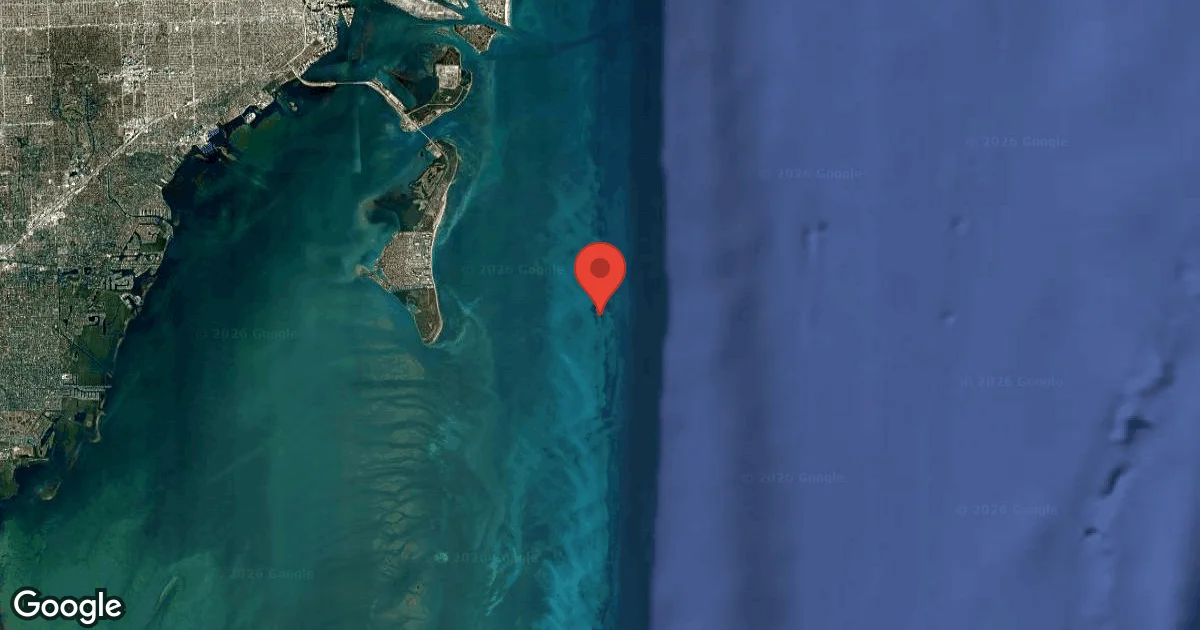
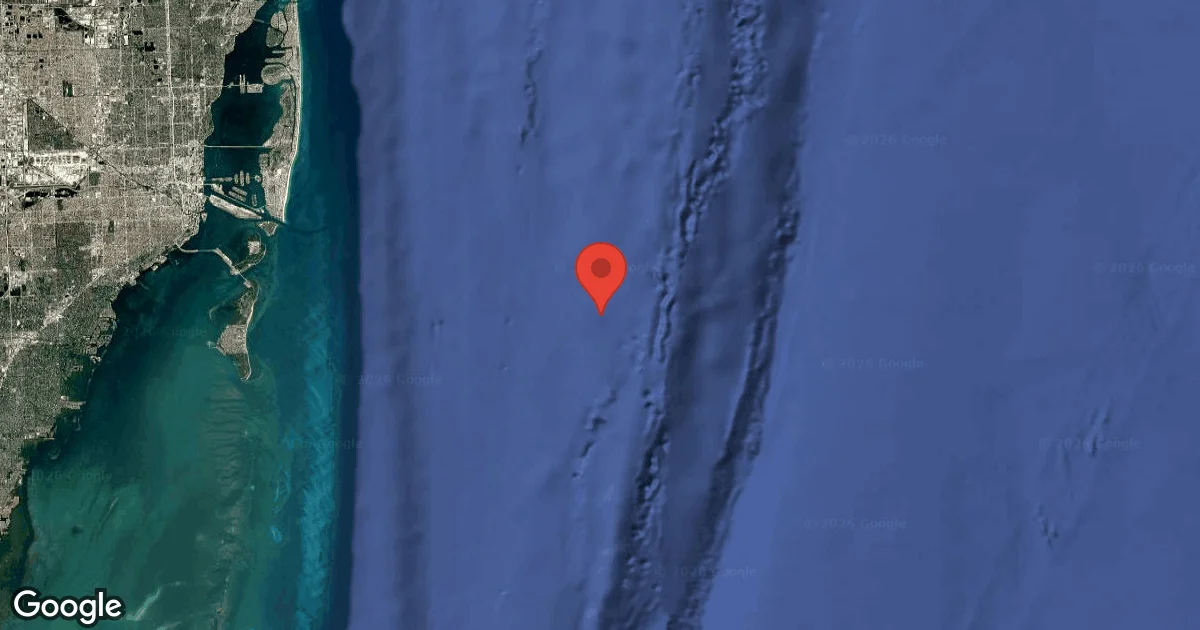
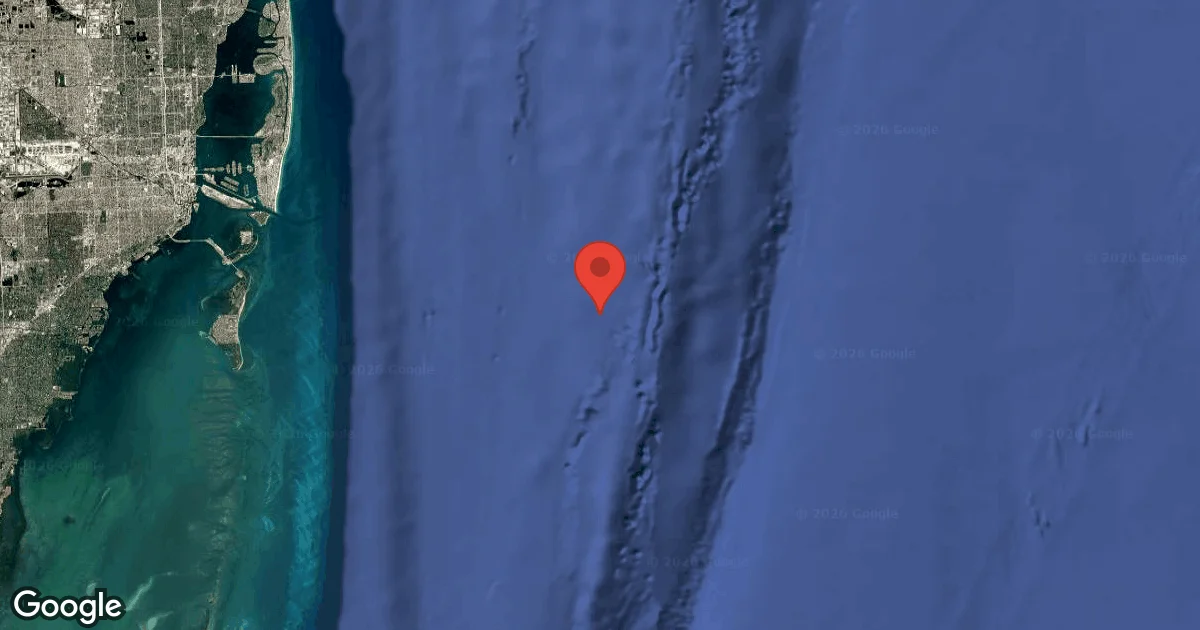
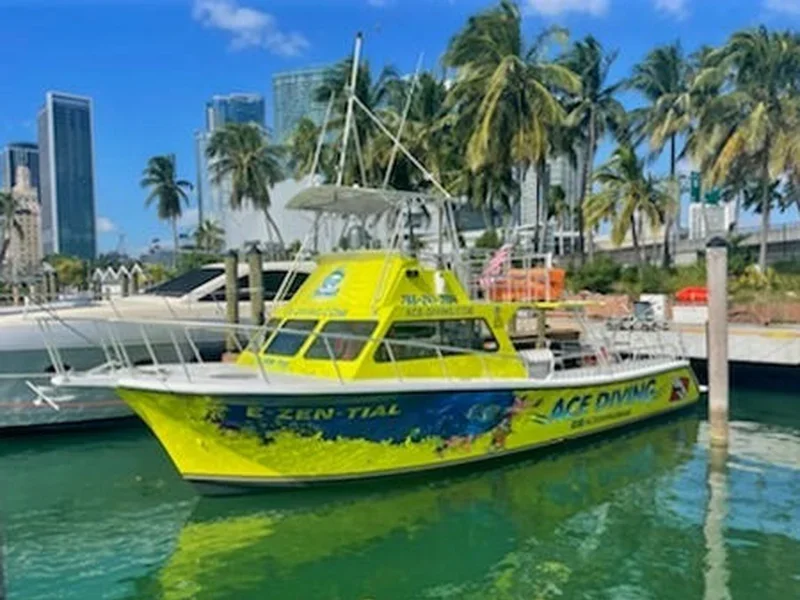
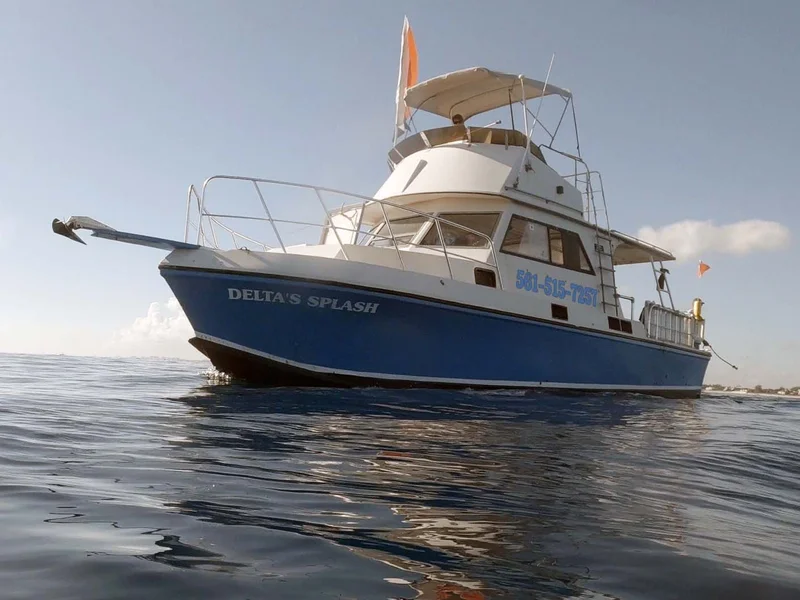
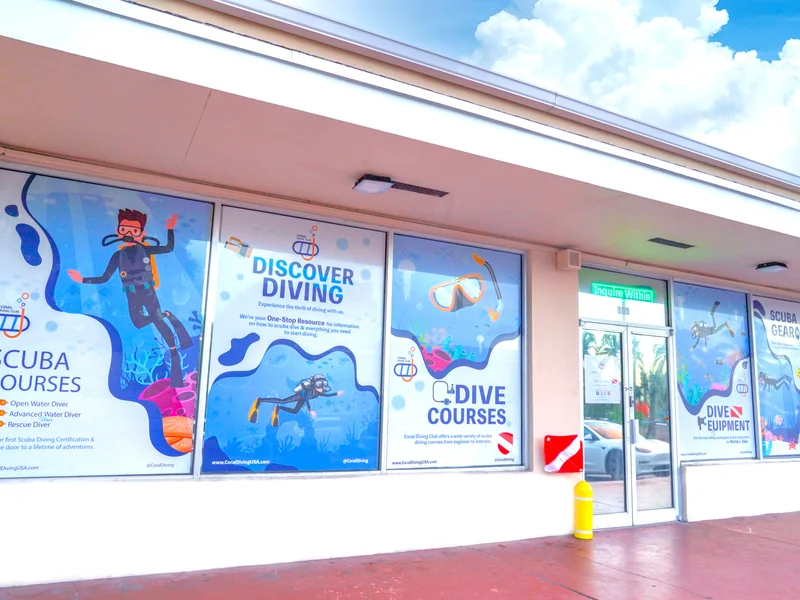
Dive Centers Near West End
Today: 08:00 - 17:00
Nearest Airports
Nearest airports to help plan travel to this dive area.
Search Flights
Check available flights and routes on Expedia, using the nearby airports listed in this section.
Search Flights on Expedia
Plan Your Stay
Looking for a place to stay for your dive trip? Explore hotels, stays, and vacation rentals for dive groups near Miami Beach.
Dive Navigator may earn a commission from these links at no extra cost to you.
Frequently Asked Questions
What are the typical water temperatures at West End?
Specific water temperature data for West End is not consistently reported. Air temperatures, however, range from 20-28.5°C (68-83°F) throughout the year, suggesting a generally warm climate. Divers should consult local dive operators for current conditions.
What are the general diving conditions like?
Conditions typically feature variable wave patterns and moderate winds, which can influence surface chop. Wave heights average between 0.5 m (1.6 ft) and 1.1 m (3.6 ft) depending on the month. Underwater currents may also vary with weather.
Is West End suitable for beginner divers?
Many dive operators in West End cater to a range of skill levels. While conditions can vary, sites are generally within recreational limits. New divers should always choose guided experiences and ensure conditions match their comfort level.
How is visibility usually affected?
Visibility in West End can fluctuate based on recent rainfall and wave action. Periods of higher rain or strong waves might lead to reduced clarity. Calmer months, such as July, generally offer better underwater views.
What is the best time of year to dive?
July often presents the most favorable conditions with the highest dive scores, lowest wave heights, and warm air temperatures around 28.5°C (83°F). May and September also offer very good diving experiences.
Are there strong currents?
Currents at West End can vary, influenced by tides, weather, and specific site topography. Dive operators often provide briefings on expected currents for each dive. It's prudent to check local reports before entering the water.
What type of dive sites are found here?
Dive sites around West End generally consist of coastal formations within recreational depth ranges. Specific site characteristics are diverse, from shallower sections to deeper areas. Details vary by location.
Planning to dive West End?
Send one inquiry and receive offers directly from the best verified local dive operators.
Conditions are Good
Optimal conditions expected
Current conditions near West End show 28° air, 31° sea temperature, 0.4 m waves, and 18 km/h wind. Forecast data is refreshed regularly to ensure accuracy.