
Diving at HON MO (Vietnam)
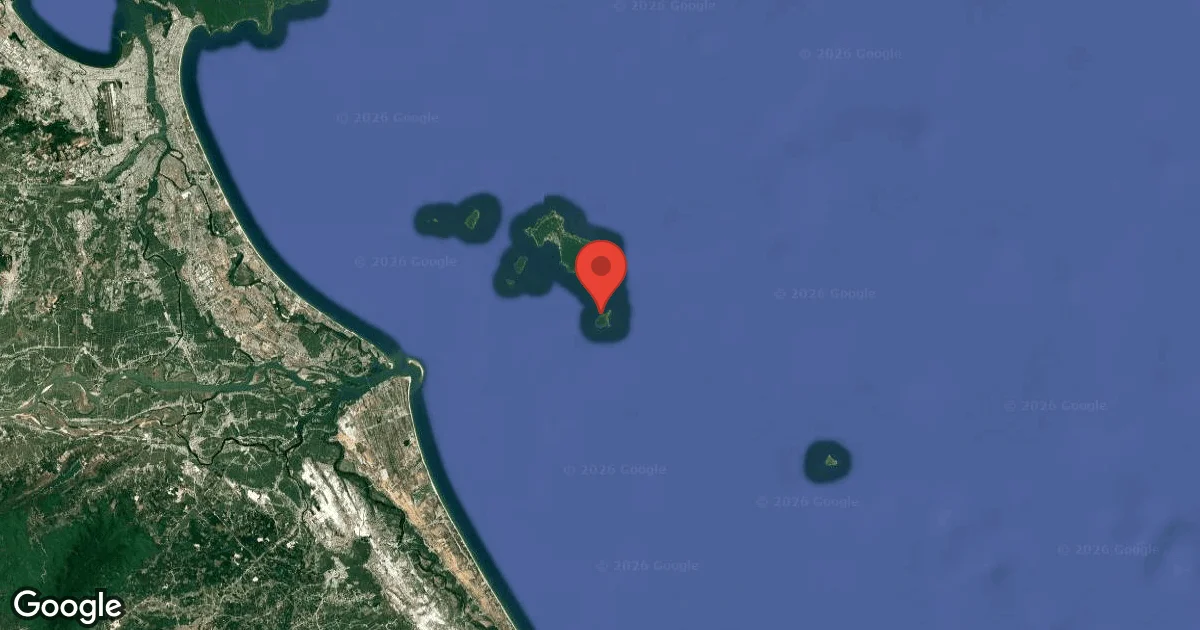
Hon Mo, off Vietnam's coast, centers around a sunken vessel steeped in local mystery. Time and the sea have claimed this ship, transforming its metal hull into a living artificial reef. Lying on its starboard side at depths of approximately 10 to 20 meters (33 to 66 ft), the wreck measures about 30 meters (100 ft) in length. It serves as a fascinating anchor for the dive site, drawing divers into its enigmatic underwater story.
As evening covers HON MO, the local air temperature is measured at 26.5°C. The current wave height at the surface is recorded at 1 m. These late-day readings characterize the surface conditions for the night.
Dive Site Location & Key Facts
Dive Site Overview
At Hon Mo, the underwater landscape is fundamentally shaped by a substantial shipwreck, which has become a vibrant artificial reef over time. This 30-meter (100 ft) long vessel rests on its starboard side, now heavily encrusted with a living tapestry of rust, various oysters, sponges, and delicate fan-like hydroids that sway with the subtle underwater currents.
Its structure provides numerous nooks and crannies, serving as a focal point for marine life. Beyond the wreck itself, rocky cliffs descend to meet extensive natural coral reefs, creating a dynamic and rich ecosystem. This blend of artificial and natural structures offers diverse exploration opportunities for divers.
Depths across the site vary significantly, accommodating a range of diving preferences; shallower reef sections can be explored at approximately 6 meters, while the deepest parts of the site reach around 30 meters. The wreck primarily lies in mid-depths, typically encountered between 10 to 20 meters.
Generally clear waters at Hon Mo facilitate good visibility, allowing divers to fully appreciate the rich biodiversity present. This combination of an intriguing wreck, healthy coral, and adaptable depths makes the site accessible and rewarding for divers across all experience levels, from novice to more advanced.
Conditions are Good
Optimal conditions expected
Current conditions near HON MO show 27° air, 30° sea temperature, 1.0 m waves, and 21 km/h wind. Forecast data is refreshed regularly to ensure accuracy.
Best Time to Dive
Planning a dive to Hon Mo benefits from understanding seasonal conditions for optimal visibility. The months of April through August generally offer excellent dive scores, with June, July, and August consistently rated highest. During this period, air temperatures are comfortably warm, ranging from 27.5°C (82°F) in April to 30°C (86°F) in August, while wave heights are typically at their lowest, enhancing overall dive conditions. Rain is minimal in April and May, gradually increasing through the summer. Visibility here averages between 6 to 12 meters (20 to 39 ft), although this can vary, with the calmest conditions often providing the best sightlines.
PEAK SEASON SCORE
Scores combine air & water temps, waves, wind & rainfall for overall conditions.
BEST MONTHS TO DIVE
Monthly records compiled from satellite and marine observation nodes over the last 3 years. Data provided by Open-Meteo and MET Norway.
Dive Experience & Conditions
Diving Hon Mo immerses you in a captivating blend of wreck exploration and reef discovery. The sensation of approaching the sunken ship, with its hull adorned by marine growth, is a highlight for many. Clear waters allow for good appreciation of the diverse coral reefs that extend beyond the wreck, growing near rocky cliffs. While some reports suggest calm conditions, divers might encounter mild drift, consistent with the site's classification as a drift dive, particularly when exploring areas away from the immediate wreck. Water temperature is not consistently reported for specific months, but the air temperatures during prime dive seasons suggest generally comfortable conditions underwater.
Dive Difficulty & Safety Guidelines
While specific hazards for Hon Mo are not extensively detailed, general dive safety protocols apply to ensure a safe experience. Divers must always respect the marine environment, avoiding contact with the wreck and coral structures. It's crucial to adhere to no-fly times post-diving, typically a minimum of 18 hours after your last dive, to prevent decompression sickness.
Operators at Hon Mo often maintain a ratio of no more than three divers per PADI certified instructor or divemaster, providing close supervision, especially for less experienced individuals. Always dive within your certification limits and follow your guide's instructions.
Recommended Equipment
Current and surface separation risk. Local briefing strongly recommended.
- Dive Computer
- DSMB
- Reel / Spool
This gear list is based on verified equipment signals for HON MO, Vietnam. Always confirm final gear choices with your dive operator, guide, or liveaboard.
Recommended Dive Suit
In these water temperatures, dive skin or rash guard is a common choice for recreational diving. Longer dive profiles can make thermal protection more important than short exploratory dives.
The waters surrounding HON MO are currently maintaining temperatures close to 30°C (85°F). Surface air temperatures are resting at 27°C (80°F).
Environmental conditions appear stable for the near future.
Emergency & Medical Support
Essential information to help you plan your dive trip to HON MO.

Hyperbaric chambers are a critical part of dive safety infrastructure. Availability varies significantly by region, and not all dive areas have immediate access.
Before diving, it's recommended to:
- confirm nearest medical facilities
- check emergency procedures with local dive operators
- ensure dive insurance covers evacuation if required
Divers Alert Network
Diving emergency assistance available through DAN World.
+1-919-684-9111- 24/7 emergency hotline
- Diving medical assistance
- Evacuation coordination
Emergency contacts are provided for reference. Always verify local emergency services before diving.
Marine Life at HON MO
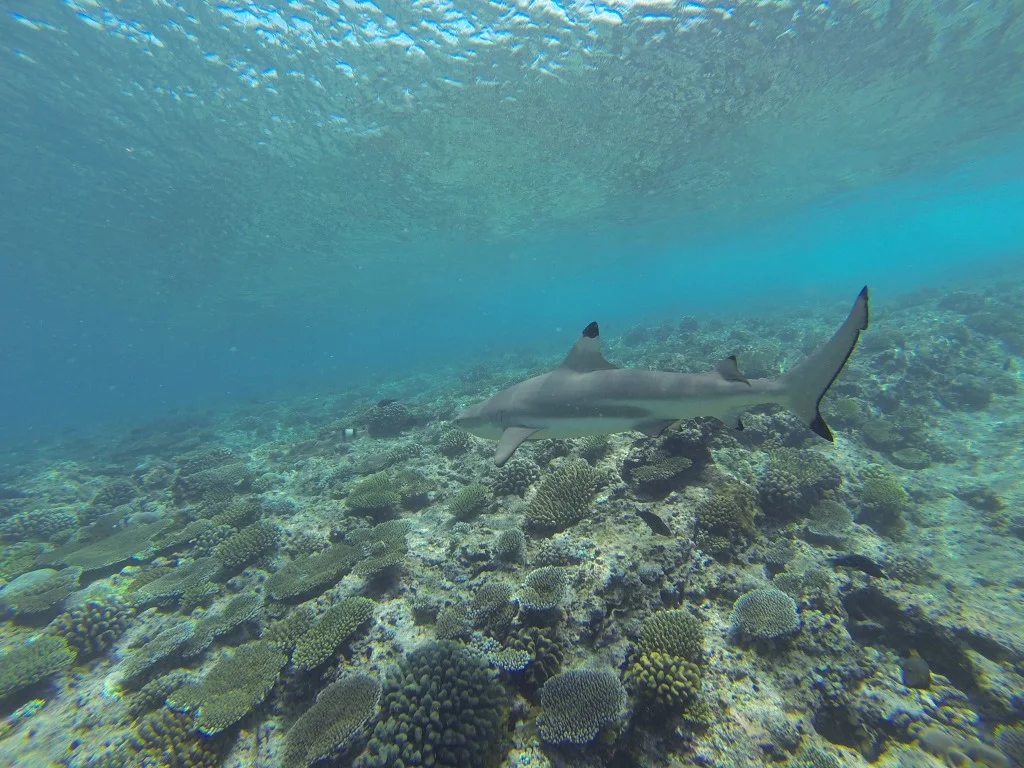
The waters around Hon Mo support rich marine biodiversity, primarily thanks to the sunken vessel acting as an artificial reef and the surrounding coral formations. Divers often spot a diverse range of marine life congregating on and around the wreck, which has become a focal point for the ecosystem.
The broader Cham Islands region, including Hon Mo, is home to a rich variety of coral, with over 300 species reported across the area. Reported sightings in the broader region include sharks, whales, dolphins, and turtles, adding to the allure of this dive location.
Dive Sites Near HON MO
View all dive sites in VietnamDiscover more underwater gems in this area.
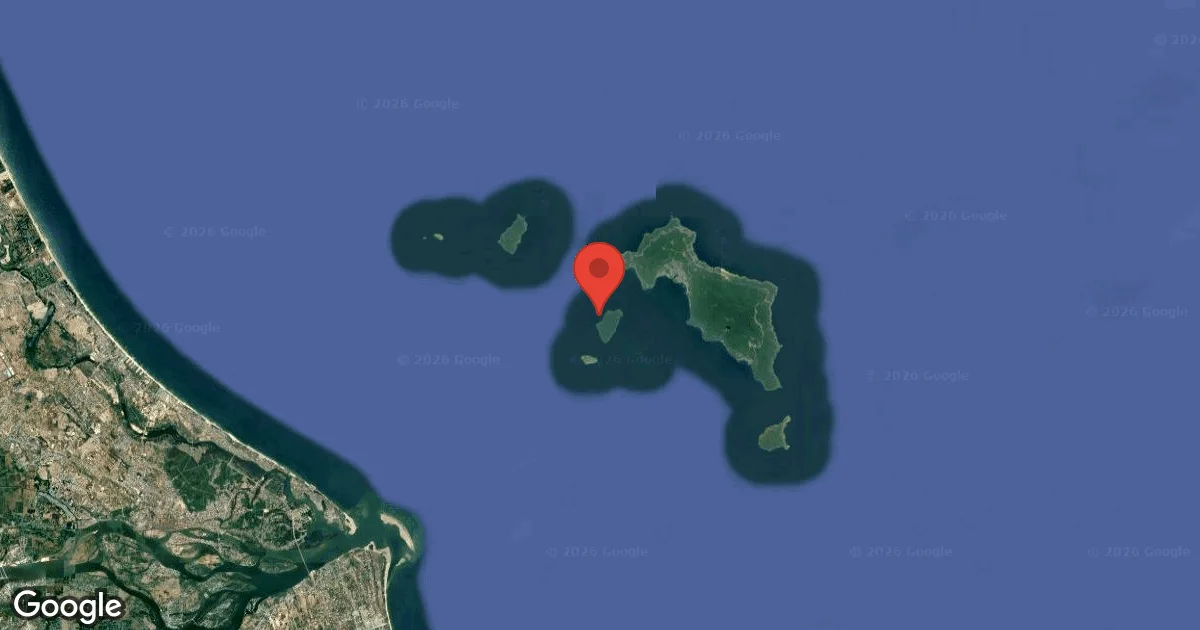
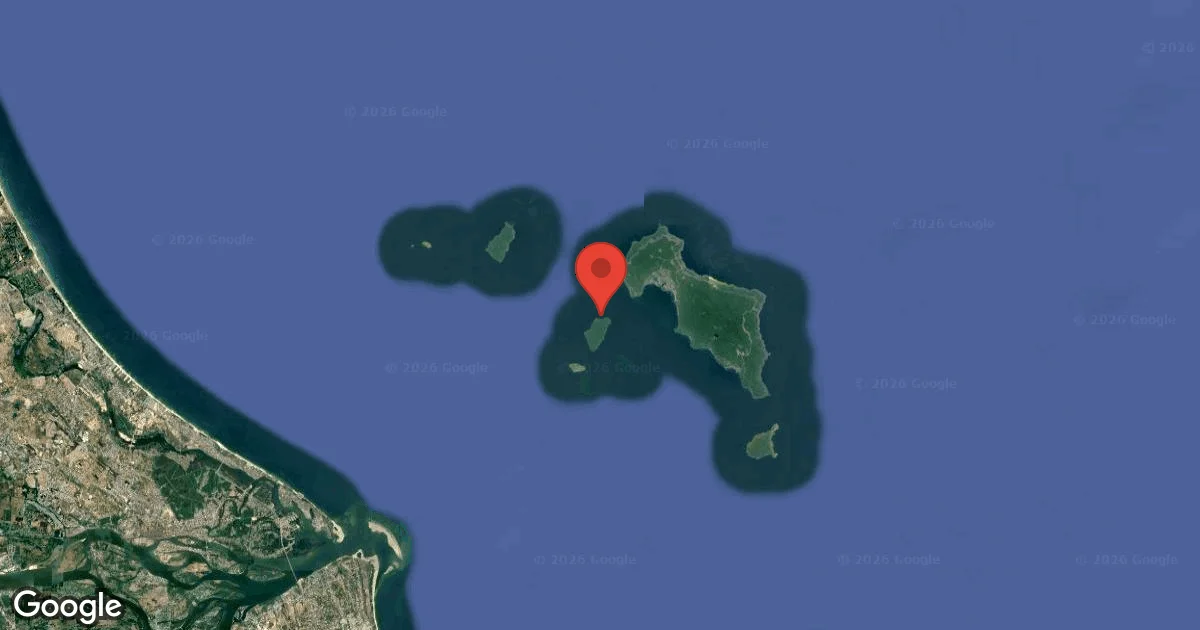
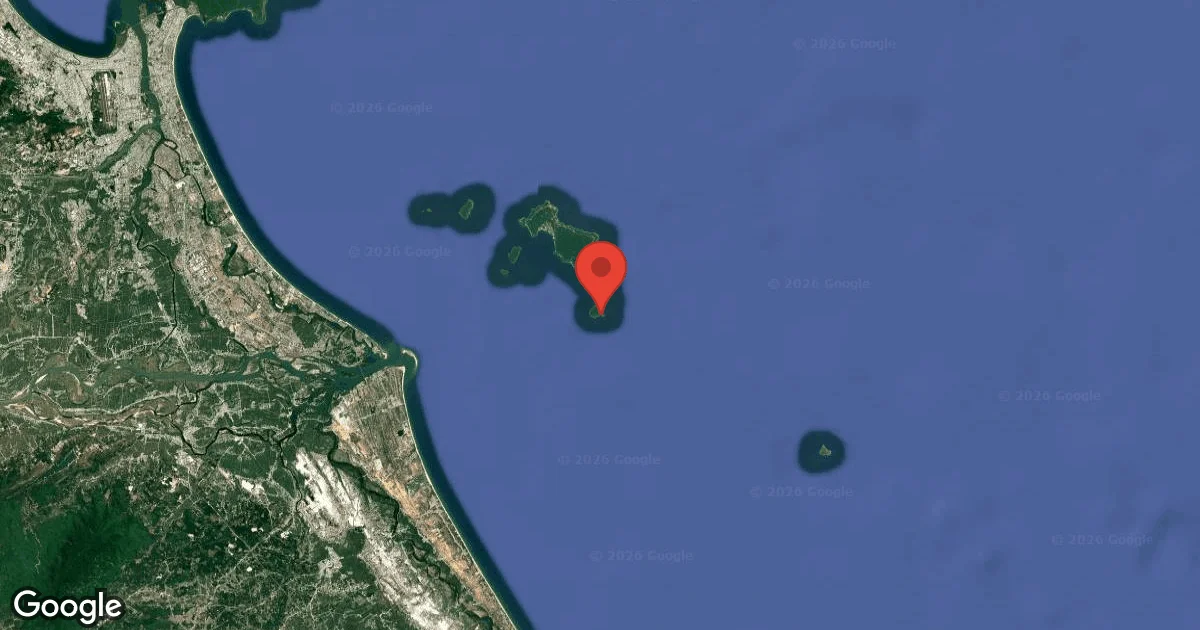
Dive Centers Near HON MO
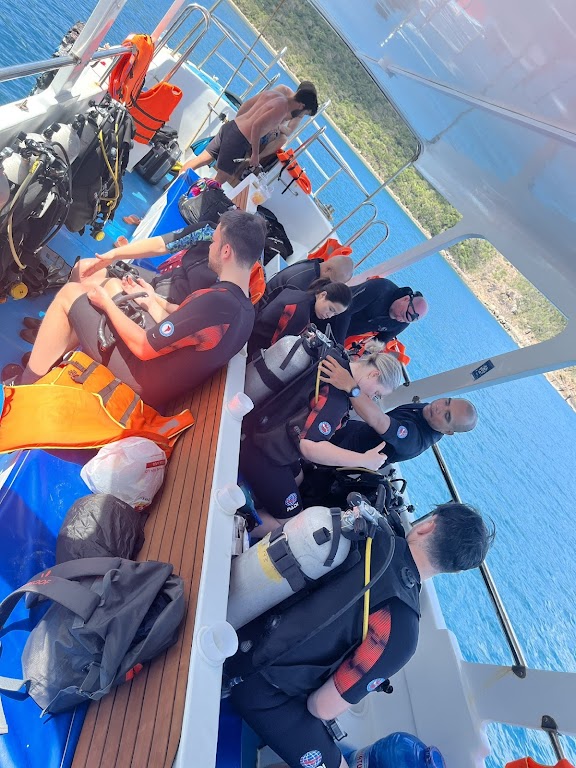
Today: 08:30 - 20:30
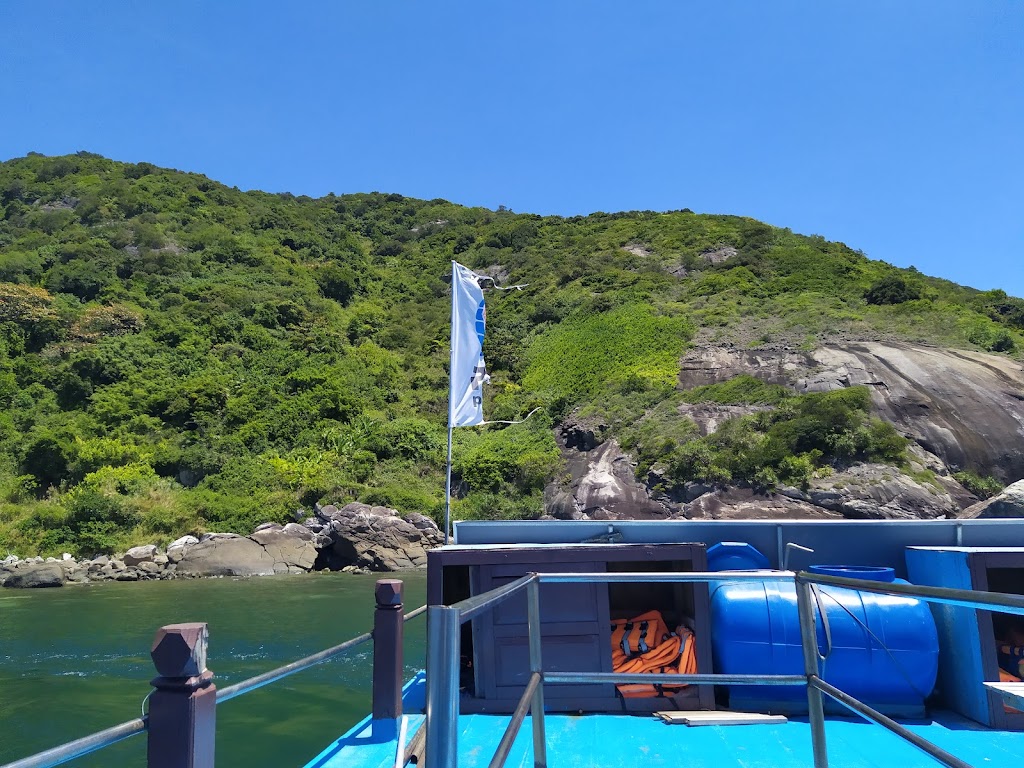
Nearest Airports
Nearest airports to help plan travel to this dive area.
Search Flights
Check available flights and routes on Expedia, using the nearby airports listed in this section.
Search Flights on ExpediaFrequently Asked Questions
What type of dive site is Hon Mo?
Hon Mo is primarily known for its shipwreck, which has transformed into a vibrant artificial reef. The site also features natural coral reefs and rocky cliff formations, making it a diverse location for exploration.
Is Hon Mo suitable for beginners?
Yes, Hon Mo is considered suitable for divers of all levels, including beginners. The clear waters and manageable depths allow for enjoyable experiences for those new to diving as well as experienced divers.
What is the maximum depth at Hon Mo?
The maximum depth recorded at Hon Mo is approximately 30 meters (100 ft). The shipwreck itself lies at depths ranging from 10 to 20 meters (33 to 66 ft).
What are the typical dive conditions like?
Hon Mo generally offers clear waters with visibility ranging from 6 to 12 meters (20 to 39 ft). While some calm conditions are reported, divers may experience mild drift, particularly in certain areas of the site.
When is the best time to dive Hon Mo?
The months of April through August offer the best diving conditions, with excellent dive scores and comfortable air temperatures. These months typically have lower wave heights and good visibility, enhancing the overall dive experience.
What marine life can be observed at Hon Mo?
Hon Mo's artificial reef and coral formations attract diverse marine life. The site is rich in coral species, and reported sightings in the broader region include sharks, whales, dolphins, and turtles.
Are there any specific safety guidelines for diving Hon Mo?
Divers should always observe responsible diving practices, including avoiding contact with the wreck and reefs. A crucial safety guideline is to wait at least 18 hours after your last dive before flying to prevent decompression sickness.
Planning to dive HON MO?
Send one inquiry and receive offers directly from the best verified local dive operators.
Conditions are Good
Optimal conditions expected
Current conditions near HON MO show 27° air, 30° sea temperature, 1.0 m waves, and 21 km/h wind. Forecast data is refreshed regularly to ensure accuracy.