
Diving in Vietnam
Exploring dive sites in Vietnam involves navigating different conditions, with variations in visibility, depth, and access. Our platform currently includes 18 mapped dive sites across Vietnam. This helps divers compare locations and plan dives based on available conditions.
Diving in Vietnam is primarily concentrated around specific coastal areas and islands. The central region offers access to sites near Nha Trang and Hoi An, including the Cham Islands. Further south, the waters around Con Dao and Phu Quoc are noted for their diving opportunities.
Available information is concentrated around these documented locations rather than being broadly distributed across the country's extensive coastline. This regional focus shapes the overall diving experience, with conditions varying significantly by season and area.
Dive Map of Vietnam
Diving activity in Vietnam is primarily distributed across its central and southern coastal areas. In Central Vietnam, sites near Nha Trang and Hoi An, particularly around the Cham Islands, are documented.
Southern Vietnam offers opportunities near Con Dao and Phu Quoc, with Phu Quoc itself noted as a specific dive location. This regional concentration of known dive spots guides where enthusiasts typically plan their underwater excursions.
Dive Sites to Explore
View all 18 sites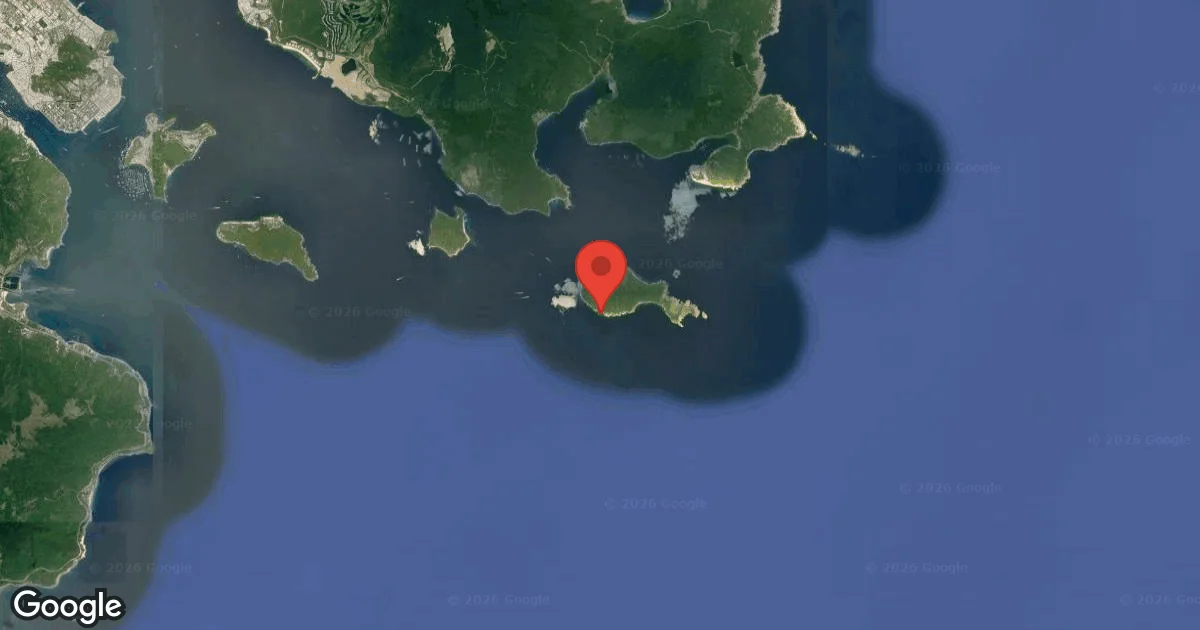
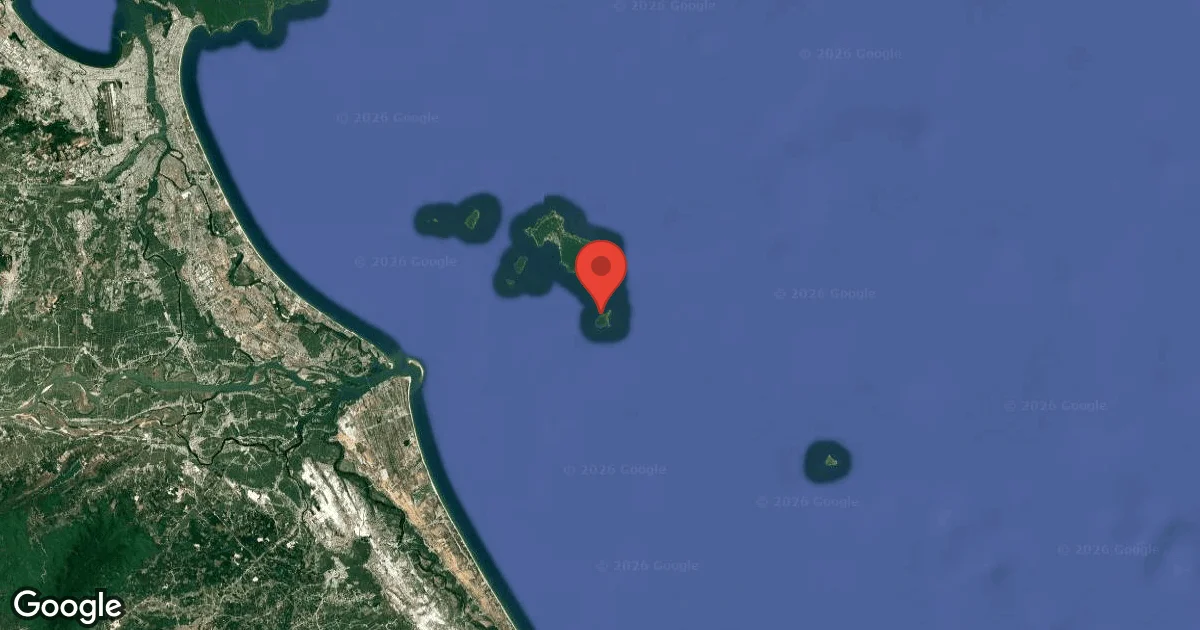
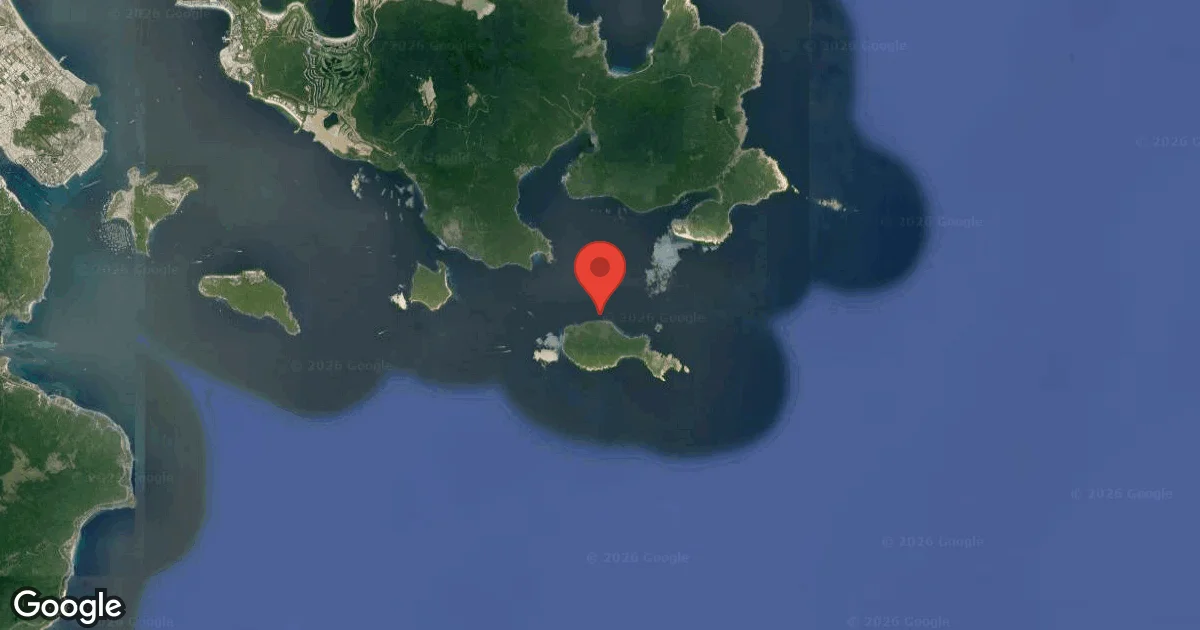
Diving in Vietnam is not extensively documented with specific depth profiles for individual sites, nor are dive types broadly categorized. Most available information focuses on key locations rather than detailed site breakdowns by depth.
The Cham Islands in Central Vietnam and Phu Quoc in Southern Vietnam are the primary documented areas for diving. During favorable periods, visibility can be good, reaching 15-30 m (50-100 ft). This allows for general exploration of the underwater environment in these areas.
Best Time to Dive in Vietnam
Specific seasonal wildlife patterns for diving in Vietnam are not extensively detailed in available information. However, general diving conditions are strongly influenced by regional monsoon patterns.
The ideal diving window overall spans from March to September. During this time, particularly for the Central coast, the Southwest Monsoon (May-October) brings dry, calm conditions. The sea is often mirror-flat, with good visibility of 15-30 m (50-100 ft), and the weather is sunny and warm.
The Northeast Monsoon, from November to April, affects different regions differently. It brings rough seas to the Central coast, causing visibility to drop significantly, and many dive operators may close. This period, especially October to January, is generally considered a time to avoid for diving due to rougher seas and reduced visibility. The calm season for Con Dao aligns with this general favorable period.
Monthly Sea Temperatures
Specific sea temperature data for various regions or depths in Vietnam is not widely documented. Available dive information is concentrated around general conditions rather than detailed temperature variations.
| Jan | Feb | Mar | Apr | May | Jun | Jul | Aug | Sep | Oct | Nov | Dec | |
|---|---|---|---|---|---|---|---|---|---|---|---|---|
| Max | 26° | 27° | 28° | 30° | 30° | 30° | 30° | 30° | 30° | 29° | 29° | 27° |
| Avg | 25° | 26° | 26° | 28° | 29° | 29° | 28° | 28° | 28° | 28° | 27° | 26° |
| Min | 24° | 25° | 23° | 25° | 28° | 27° | 27° | 27° | 27° | 27° | 26° | 24° |
Dive Conditions
Diving conditions in Vietnam are significantly influenced by seasonal monsoons, which dictate the exposure to waves and currents. During the Northeast Monsoon (November – April), the Central coast can experience rough seas, leading to significantly reduced visibility.
Conversely, the Southwest Monsoon (May – October) brings calmer conditions to the Central coast, with the sea often described as mirror-flat. Visibility during these favorable times can range from 15-30 m (50-100 ft). In areas like Con Dao, a calm season is noted, and in sheltered bays where dive sites are located, the sea is generally calm.
Marine Life Highlights
Most Mentioned Species
Marine life in Vietnam varies across dive locations, with different species appearing depending on environment and conditions. The species highlighted here are the most frequently associated with dive sites in our data, offering a realistic overview of what divers are most likely to encounter.
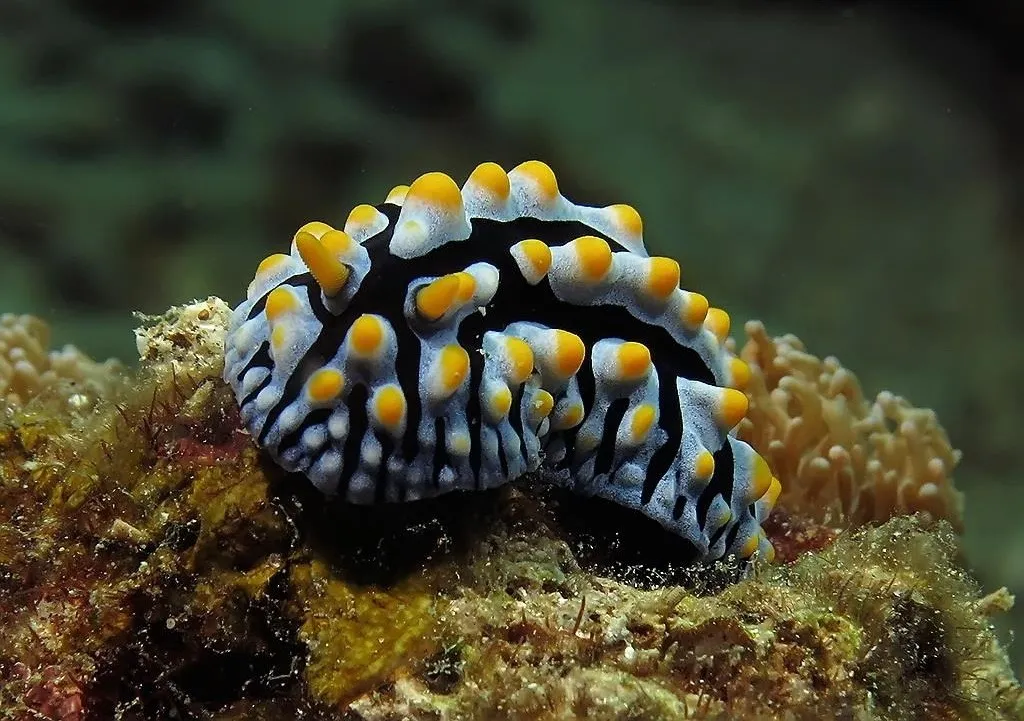
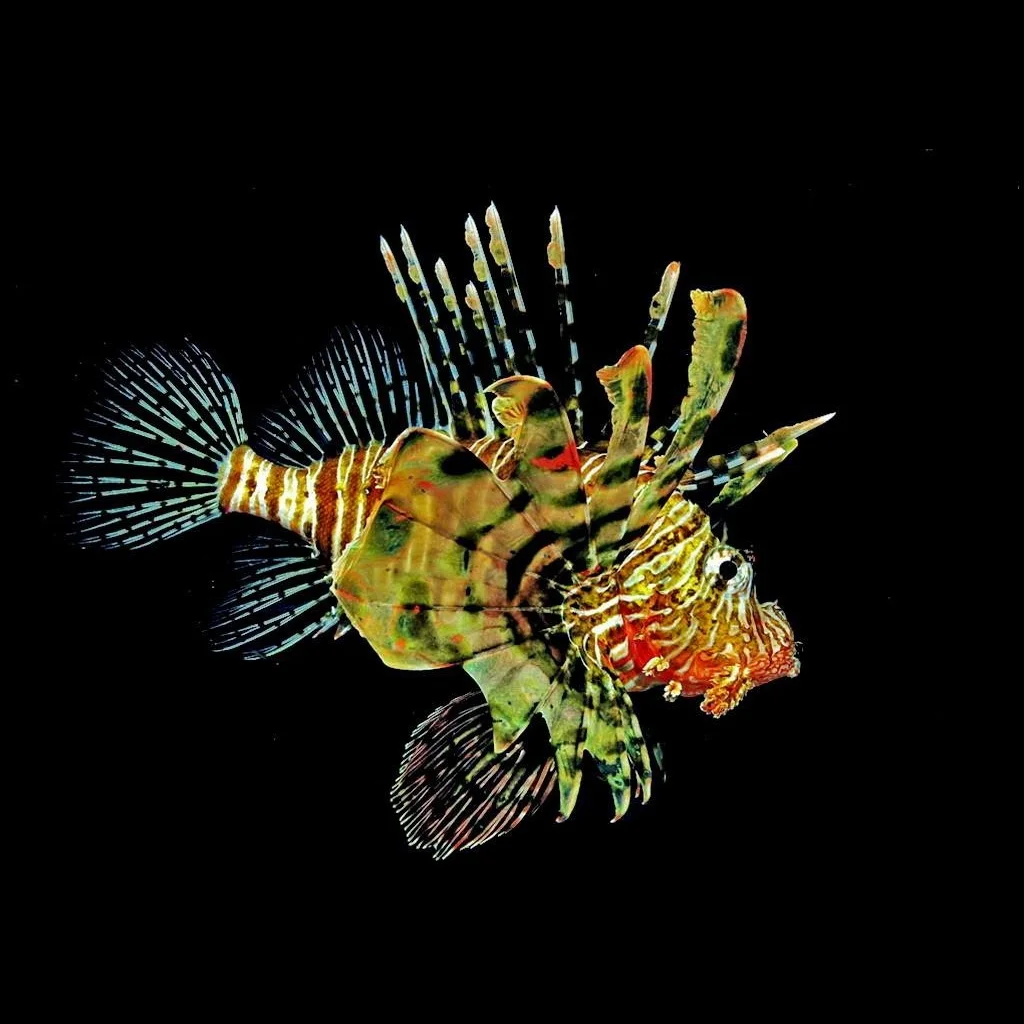
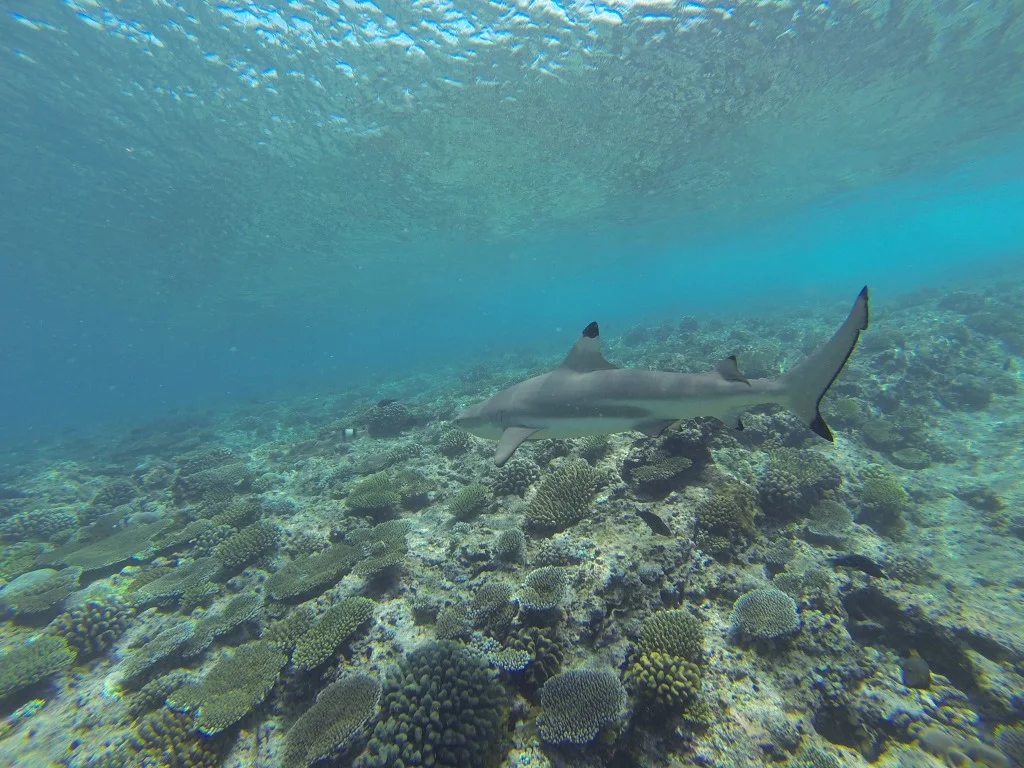
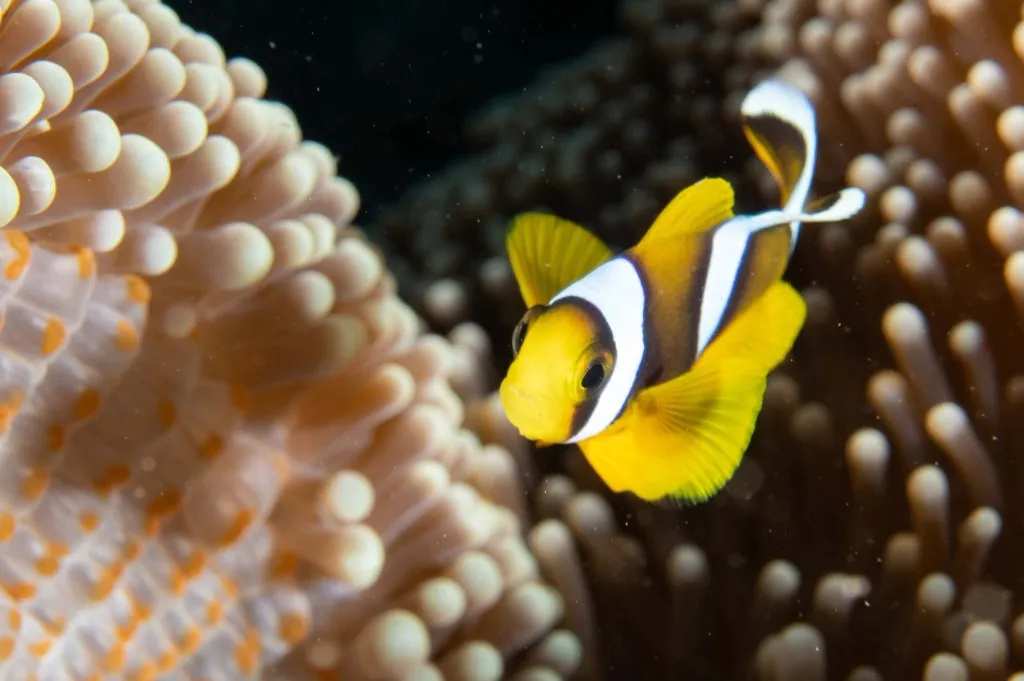
Detailed information regarding the abundance or rarity of specific marine life species across Vietnam's dive sites is not extensively documented. Available dive information is concentrated around geographical locations rather than comprehensive species inventories.
Regions for Diving
Diving opportunities in Vietnam are primarily found in two distinct geographical areas: the Central and Southern regions. Starting in Central Vietnam, the areas around Nha Trang and Hoi An offer access to dive sites, notably the Cham Islands.
This region experiences its dry, calm season during the Southwest Monsoon, from May to October, when the sea is often mirror-flat and visibility is good, ranging from 15-30 m (50-100 ft). However, the Northeast Monsoon (November to April) can bring rough seas and significantly reduced visibility, impacting diving operations.
Moving south, Southern Vietnam features diving around Con Dao and Phu Quoc. Phu Quoc is a recognized dive location. This southern area generally experiences warmer, drier conditions during the Northeast Monsoon (November to April), though specific site conditions can vary. Con Dao is noted for a calm season that aligns with favorable conditions.
Travel & Passport Guide
Travel Basics
Trip Planning
Safety & Diving Considerations
While specific safety protocols or detailed risk assessments are not extensively documented at a national level for diving in Vietnam, divers should be aware of seasonal variations in sea conditions. The Northeast Monsoon (November – April) can bring rough seas to the Central coast, which may pose challenges for diving.
During this period, visibility drops significantly, and many dive operators may close. Conversely, the Southwest Monsoon (May – October) offers a calmer season for the Central coast, with the sea often mirror-flat. In general, during favorable conditions, the sea is often calm, especially in sheltered bays where many dive sites are located. Divers should always consult with local operators for real-time conditions and adhere to their safety briefings.
Dive Centers in Vietnam
View all 23 dive centers


Frequently Asked Questions
When is the best time to dive in Vietnam?
The ideal diving window for Vietnam generally spans from March to September. During this period, especially from May to October, the Central coast experiences dry, calm conditions with good visibility. The period from October to January is generally advised against due to rougher seas and reduced visibility in some areas.
What are the primary diving regions in Vietnam?
Diving in Vietnam is concentrated in two main areas: Central Vietnam, which includes sites near Nha Trang and Hoi An, such as the Cham Islands, and Southern Vietnam, featuring locations around Con Dao and Phu Quoc.
What are the typical dive conditions like?
Conditions vary seasonally. During favorable periods, especially for the Central coast from May to October, the sea can be mirror-flat with good visibility, often 15-30 m (50-100 ft). During the Northeast Monsoon (November to April), rough seas and reduced visibility can occur, particularly on the Central coast.
Is specific marine life documented in Vietnam's dive sites?
Detailed information regarding specific marine life species or their abundance in Vietnam's dive sites is not extensively documented in available sources.
What is the typical water temperature?
Specific water temperature data for Vietnam's dive sites is not widely documented.