
Diving at HON TAI North (Vietnam)
Descending into Hon Tai North often feels like entering a vibrant, dynamic underwater gallery. Gentle currents guide you over expansive reef structures, where schools of fish dart between colorful coral formations. The water's embrace is typically warm, inviting exploration of its diverse terrain and hidden nooks. Visibility can offer clear vistas, revealing the sweeping scale of this Vietnamese dive site.
As evening covers HON TAI North, the local air temperature is measured at 26°C. The current wave height at the surface is recorded at 1 m. These late-day readings characterize the surface conditions for the night.
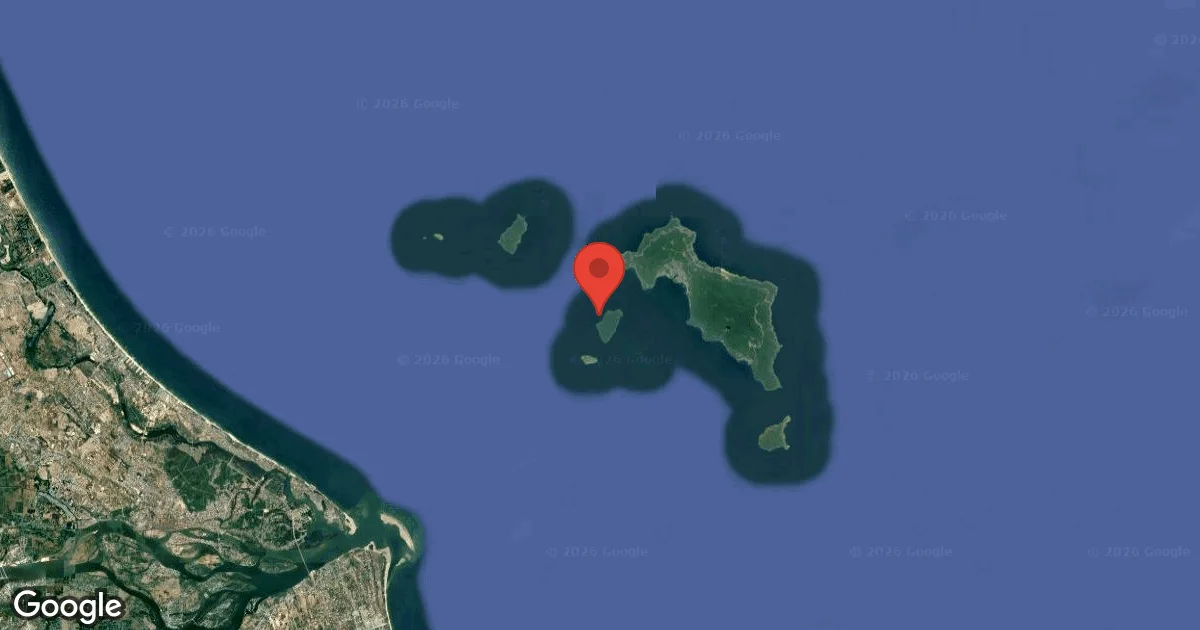
Dive Site Location & Key Facts
Dive Site Overview
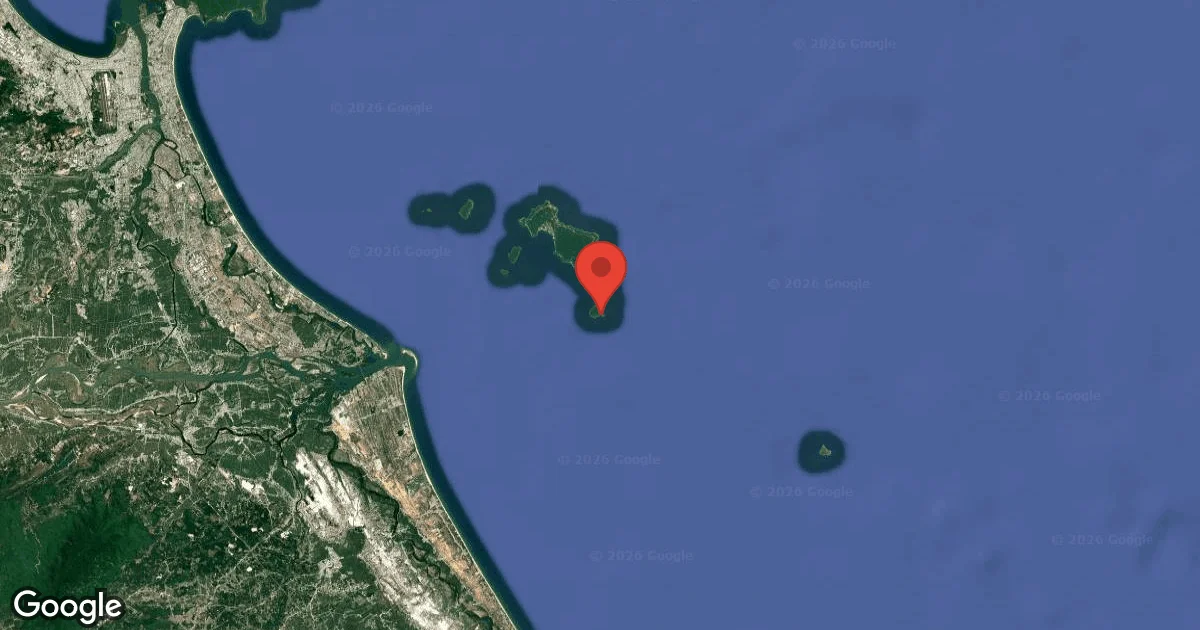
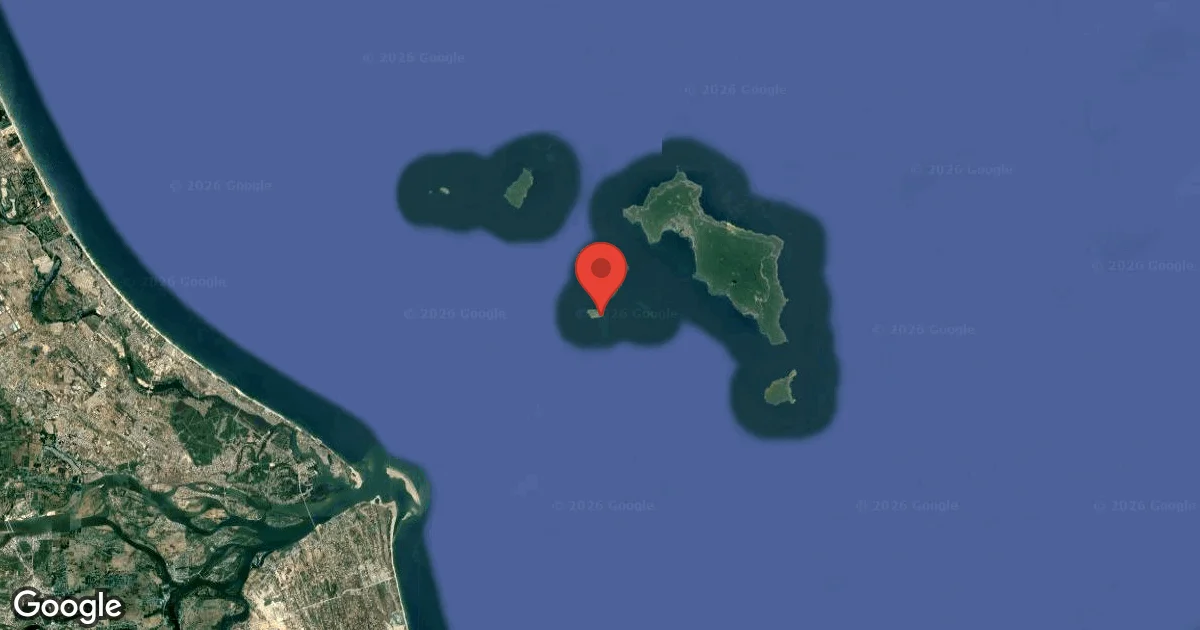
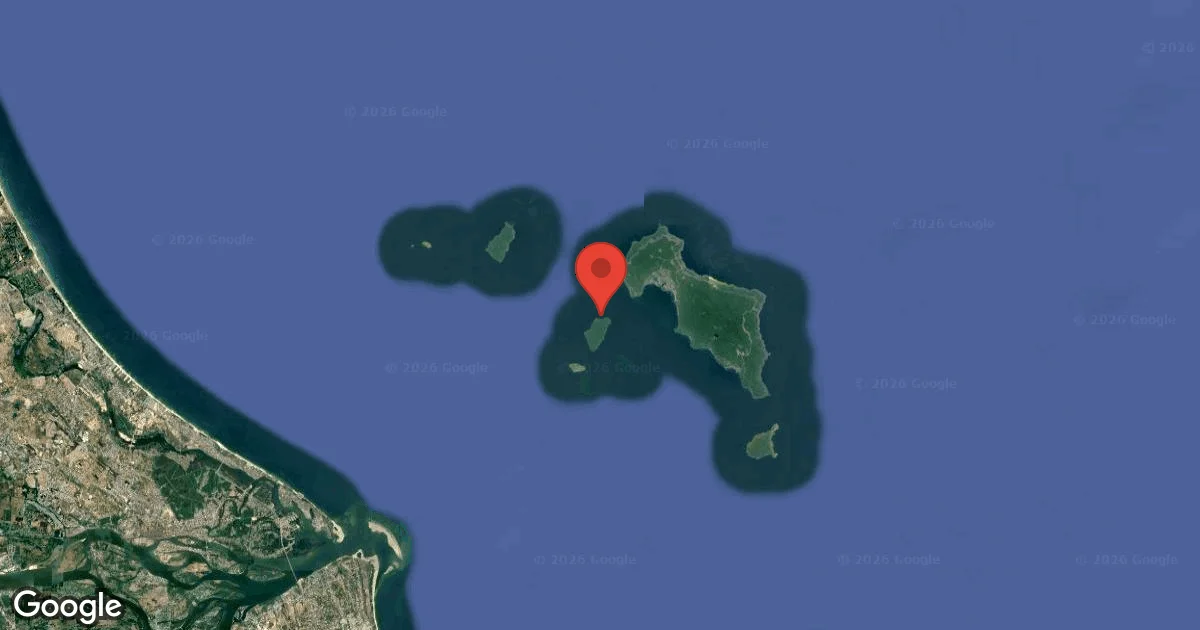
Hon Tai North, situated off the coast of Da Nang, Vietnam, presents a compelling site for certified divers, known for its blend of reef diving and drift opportunities. While specific historical details about Hon Tai North are limited, it forms part of Vietnam's rapidly emerging underwater landscape.
The country's extensive coastline, particularly around destinations like Con Dao and Phu Quoc, has seen a growing recognition for diverse marine ecosystems and captivating topography. This particular site, often visited from local dive centers, reflects the region's broader appeal, offering a less crowded experience compared to more established Asian destinations.
Divers here typically explore depths ranging from recreational limits to deeper sections, encountering various forms of reef life. As part of Vietnam's commitment to marine conservation, responsible diving practices are emphasized to preserve these delicate environments for future exploration.
Weather Error: fetch failed
Best Time to Dive
Planning a dive at Hon Tai North aligns best with the period from March through September, when conditions are generally more favorable. During these months, average air temperatures range pleasantly from 24.5°C (76°F) in March, peaking around 29.5°C (85°F) in August. This period also experiences lower average wave heights, typically below 1 meter (3.3 feet), creating calmer surface conditions, with wind speeds often below 25 km/h (15.5 mph). Rain levels are minimal from March to July, with an increase towards September, yet remaining manageable for diving. October and November see a decline in dive scores, attributed to higher rainfall and increased wave activity, alongside stronger average winds nearing 30-33 km/h (18-20 mph). Water temperature data is not consistently reported for this specific site, but regional trends suggest comfortable conditions mirroring the warm air.
PEAK SEASON SCORE
Scores combine air & water temps, waves, wind & rainfall for overall conditions.
BEST MONTHS TO DIVE
Monthly records compiled from satellite and marine observation nodes over the last 3 years. Data provided by Open-Meteo and MET Norway.
Dive Experience & Conditions
Beginning the descent at Hon Tai North, divers often encounter a moderate current, guiding them along its extensive reef. The primary dive type here is a drift dive, making it suitable for those comfortable with being carried by the water's flow. Reef structures dominate the underwater topography, providing ample opportunities for exploration. Most recreational dives typically fall within the 10 to 30 meters (33 to 98 feet) depth range. Visibility can vary, but during peak seasons, it's often reported between 15-30 meters (50-100 feet), allowing for clear views of the vibrant surroundings. While specific water temperatures are not consistently available, regional conditions suggest temperate waters, contributing to a comfortable dive experience. Divers should be prepared for varying currents, which can shift depending on local weather patterns and tidal movements.
Dive Difficulty & Safety Guidelines
Approaching Hon Tai North requires divers to be aware of local conditions, particularly the presence of drift currents. Divers should ensure they possess the appropriate certification for drift diving. Always conduct a thorough buddy check and review dive plans, including entry and exit points, with the dive leader.
It's crucial to ascend to the surface slowly, adhering to no-decompression limits and safety stops. For optimal safety, divers should not ascend to high altitudes within 12 hours of completing a single dive or 18 hours after multiple dives; a 24-hour surface interval is preferable whenever possible.
Ensure all rental equipment is inspected for proper function before any dive. No specific hazards are consistently reported for this site, though general safe diving practices are always paramount.
Recommended Equipment
Current and surface separation risk. Local briefing strongly recommended.
- Dive Computer
- DSMB
- Reel / Spool
This gear list is based on verified equipment signals for HON TAI North, Vietnam. Always confirm final gear choices with your dive operator, guide, or liveaboard.
Recommended Dive Suit
In conditions like these, many divers prefer diving with dive skin or rash guard. A hood or vest is suggested for sensitive divers due to surface winds.
Divers entering the water at HON TAI North today can expect temperatures near 30°C (86°F) beneath the surface. Surface air temperatures are resting at 26°C (79°F).
Environmental conditions appear stable for the near future.
Emergency & Medical Support
Essential information to help you plan your dive trip to HON TAI NORTH.

Hyperbaric chambers are a critical part of dive safety infrastructure. Availability varies significantly by region, and not all dive areas have immediate access.
Before diving, it's recommended to:
- confirm nearest medical facilities
- check emergency procedures with local dive operators
- ensure dive insurance covers evacuation if required
Divers Alert Network
Diving emergency assistance available through DAN World.
+1-919-684-9111- 24/7 emergency hotline
- Diving medical assistance
- Evacuation coordination
Emergency contacts are provided for reference. Always verify local emergency services before diving.
Marine Life at HON TAI North
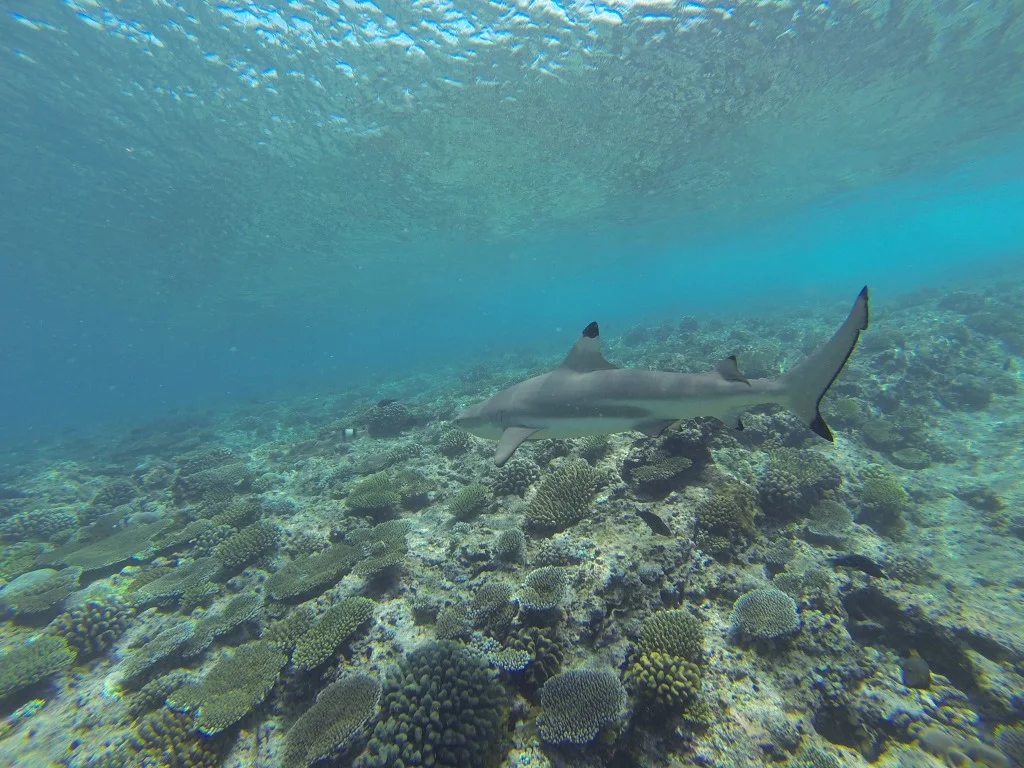
Observing the marine inhabitants at Hon Tai North provides an engaging experience for divers. Common sightings here include larger pelagic species such as various sharks, whales, and dolphins, though these encounters are less frequent.
More reliably, the reef environment teems with diverse fish species. Expect to spot vibrant reef fish, including butterflyfish, parrotfish, and angelfish, navigating the coral gardens.
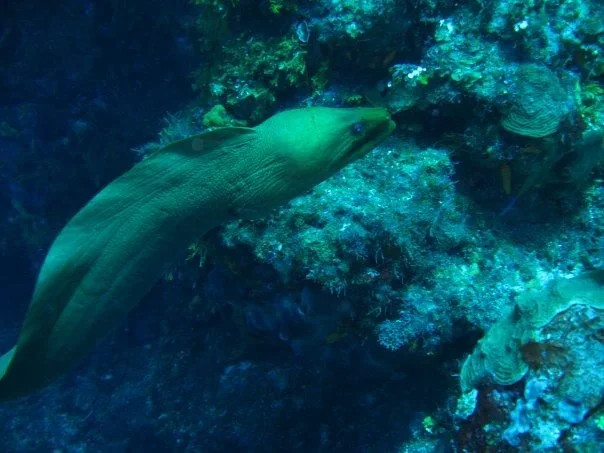
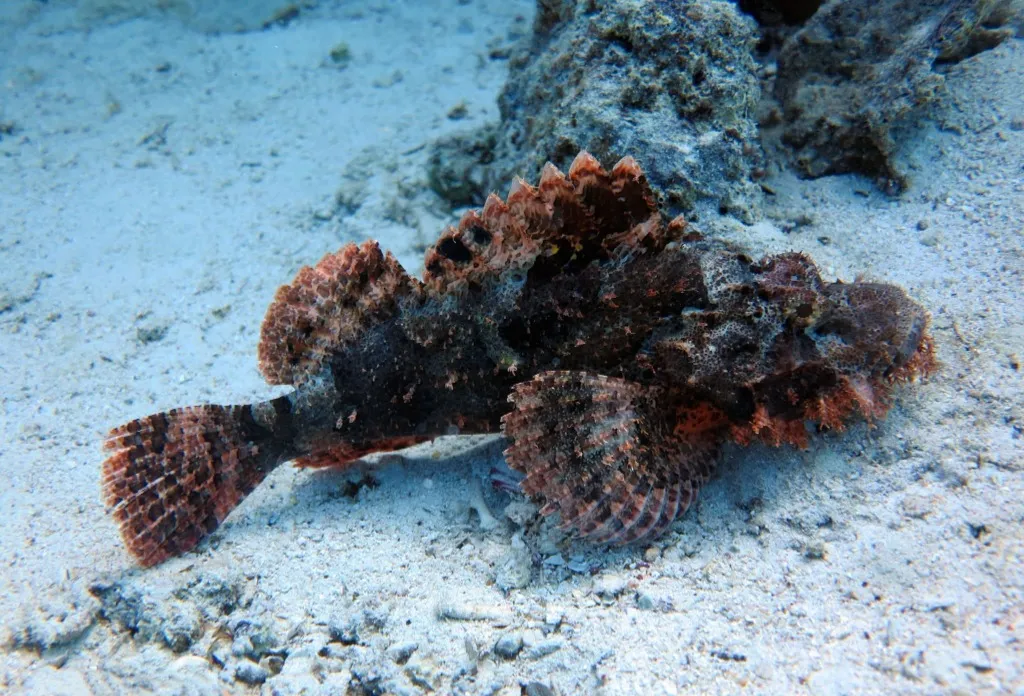
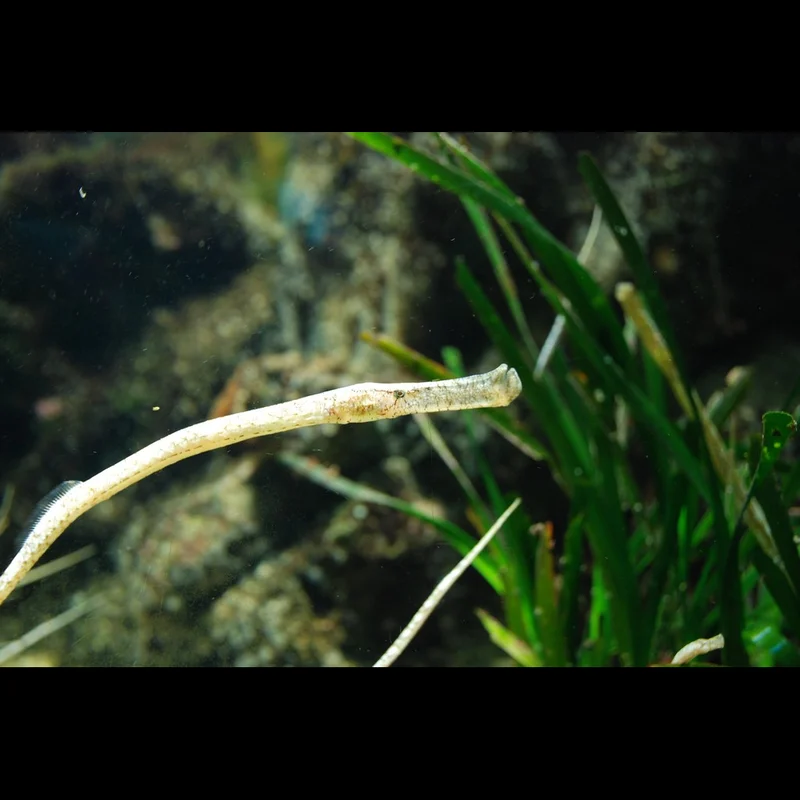
Detailed inspection of the reef can reveal intricate nudibranchs, seahorses, and pipefish, alongside various crabs and shrimps. Moray eels often peer from their rocky crevices, and lionfish or scorpionfish may be spotted camouflaged against the corals. Sea turtles are also potential, albeit occasional, visitors to this rich ecosystem.
Dive Sites Near HON TAI North
View all dive sites in VietnamDiscover more underwater gems in this area.
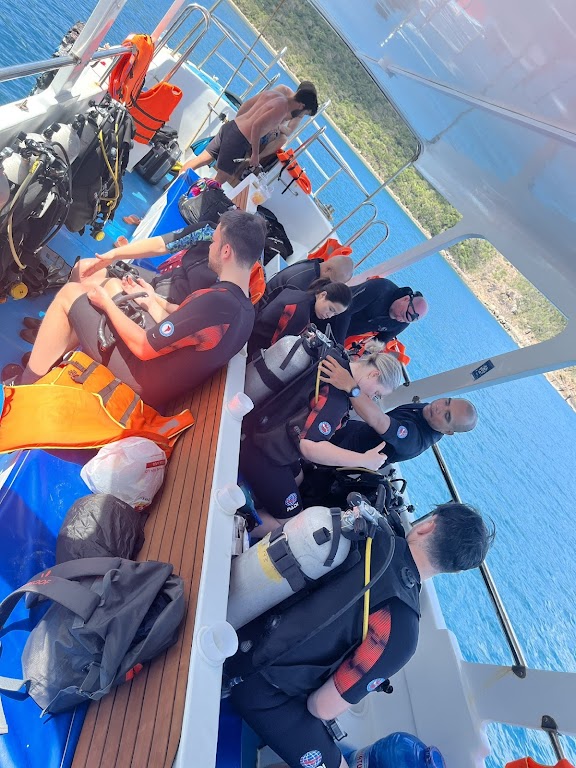
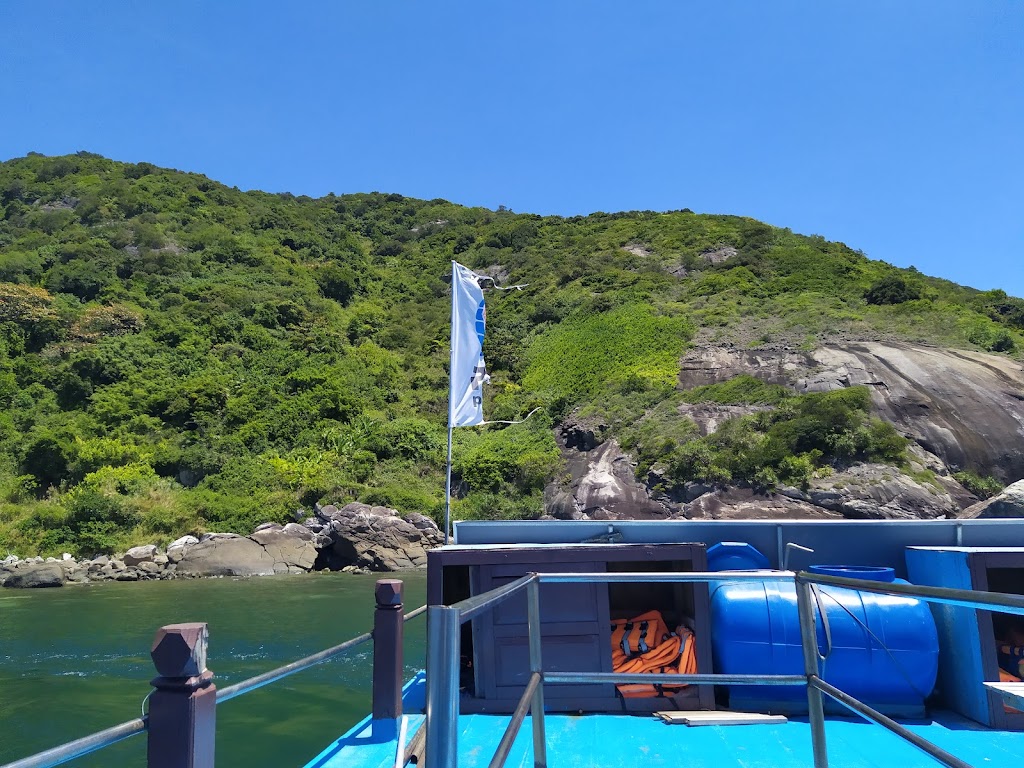
Dive Centers Near HON TAI North
Today: 08:30 - 20:30
Nearest Airports
Nearest airports to help plan travel to this dive area.
Search Flights
Check available flights and routes on Expedia, using the nearby airports listed in this section.
Search Flights on ExpediaFrequently Asked Questions
What is the typical depth range for diving at Hon Tai North?
Most recreational dives at Hon Tai North are within the 10 to 30 meters (33 to 98 feet) range, offering opportunities for both beginners and experienced certified divers.
What kind of currents can I expect?
Hon Tai North is known for drift diving, meaning you can expect moderate currents that will gently carry you along the reef structure. Dive operators typically plan routes to leverage these currents.
What marine life is commonly seen here?
Divers frequently observe colorful reef fish, nudibranchs, seahorses, and various crustaceans. Larger encounters like sea turtles, small sharks, or rays are possible but less common.
What is the best time of year to dive Hon Tai North?
The optimal period for diving is typically from March to September. During these months, conditions generally feature calmer seas, less rain, and warmer air temperatures.
Are there specific certifications recommended for Hon Tai North?
Given the drift diving opportunities, a PADI Advanced Open Water Diver certification or a specialty in Drift Diving is recommended to fully enjoy the site, though Open Water Divers can also experience shallower, less current-affected areas.
Why might diving in Con Dao be more expensive than other parts of Vietnam?
Con Dao's relative isolation means most equipment, spare parts, and supplies must be transported by cargo boats, which drives up operational costs for dive centers compared to mainland locations. This contributes to higher pricing for dive trips in the archipelago region.