
Diving at HON TAI South (Vietnam)
Exploring Hon Tai South typically involves depths averaging around 15 m / 50 ft, with some areas extending to 17 m / 56 ft. Certified divers will find opportunities to engage with its reef structures within the Cham Islands. Underwater terrain supports diverse marine life, accessible across a moderate depth range suitable for various skill levels. Divers comfortable with mild currents will particularly appreciate the conditions here.
Tonight's objective overview for HON TAI South shows an air temperature of 30.5°C. The measured surface conditions include wave heights around 0.2 m. This environmental data is logged for the close of the day.
Dive Site Location & Key Facts
Dive Site Overview
Hon Tai South presents a multifaceted underwater landscape, characterized by extensive reef formations, small cave systems, and zones ideal for drift diving. Its designated 'cave, drift, reef' characteristics signal a diverse topography awaiting exploration.
Depths generally average around 15 m / 50 ft, establishing it as an accessible location for recreational diving. Throughout a dive, explorers might encounter mild to moderate currents, typically reported around 1 knot. These currents play a crucial role, delivering nutrients that sustain the thriving reef ecosystem and creating dynamic opportunities for drift segments.
What makes this location compelling is its varied structure. Divers can navigate along vibrant reef walls, explore intriguing cave features, and discover hidden nooks, all within a single outing.
A variety of hard and soft corals here provide shelter and sustenance for numerous reef fish species. Observing the interplay between currents and marine life offers a real sense of the dynamic underwater environment.
It's a site that rewards attentive observation, from the smallest invertebrates found within crevices to the broader movements of schools of fish reacting to the water flow. Preparing for varying conditions, including potential changes in current, will enhance the overall experience at this distinctive Cham Islands dive spot.
Conditions are Good
07:00 - 14:00
Optimal conditions expected
Current conditions near HON TAI South show 30° air, 31° sea temperature, 0.3 m waves, and 26 km/h wind. Forecast data is refreshed regularly to ensure accuracy.
Best Time to Dive
Planning a dive trip to Hon Tai South requires considering the seasonal variations for optimal conditions. July and August are consistently highlighted for offering the best scuba diving, when aquatic species and corals are at their most vibrant. During this period, average air temperatures hover around 29°C / 84°F, and rainfall is relatively low. In contrast, months like November and December typically present poorer diving conditions, marked by increased wave heights, stronger winds reaching over 30 km/h / 19 mph, and more significant rainfall. Late spring and early summer, particularly April and May, also offer good dive scores, characterized by warmer air temperatures around 26-28°C / 79-82°F and minimal rain, coupled with lower wave activity, making them excellent alternatives.
PEAK SEASON SCORE
Scores combine air & water temps, waves, wind & rainfall for overall conditions.
BEST MONTHS TO DIVE
Monthly records compiled from satellite and marine observation nodes over the last 3 years. Data provided by Open-Meteo and MET Norway.
Dive Experience & Conditions
Visibility at Hon Tai South often ranges from 10 to 25 m / 33 to 82 ft, depending on the day's conditions and is frequently described as high. Water temperature is consistently reported around 18°C / 64°F, which can feel quite cool and may necessitate appropriate thermal protection, contrasting with warmer surface air temperatures that average between 25-29°C / 77-84°F. Currents are present, typically around 1 knot, and can be noticeable, especially when drift diving. Such conditions contribute to a dynamic experience, allowing for exploration of the reef's diverse topography. While some areas boast vibrant corals, divers should note that some reviews suggest coral health can vary.
Dive Difficulty & Safety Guidelines
Navigating Hon Tai South demands awareness of its prevailing conditions, particularly the currents. Divers should be cautious of currents, which can bring plastic waste into certain bays, impacting visibility and the overall dive experience. Though specific hazards are not extensively documented, the presence of currents necessitates careful dive planning, especially for drift dives.
It's always prudent to dive with local guides who are familiar with the site's daily nuances and potential environmental factors. Adhering to responsible diving practices, such as maintaining buoyancy and avoiding contact with marine life, contributes to preserving the delicate ecosystem.
Recommended Equipment
Overhead environment. Do not enter beyond training and gas planning limits.
Current and surface separation risk. Local briefing strongly recommended.
- Dive Computer
- DSMB
- Primary & Backup Lights
- Reel / Spool
- Cutting Tool
This gear list is based on verified equipment signals for HON TAI South, Vietnam. Always confirm final gear choices with your dive operator, guide, or liveaboard.
Recommended Dive Suit
According to recent observations, water temperatures near HON TAI South are approximately 31°C (88°F). Surface air temperatures are resting at 30°C (87°F).
The forecast outlook suggests that temperatures will stay close to current levels.
Divers who prefer moderate insulation typically choose dive skin or rash guard in similar environments. A hood or vest is suggested for sensitive divers due to surface winds. Many experienced divers adjust their exposure protection depending on the type of dive planned.
Emergency & Medical Support
Essential information to help you plan your dive trip to HON TAI SOUTH.

Hyperbaric chambers are a critical part of dive safety infrastructure. Availability varies significantly by region, and not all dive areas have immediate access.
Before diving, it's recommended to:
- confirm nearest medical facilities
- check emergency procedures with local dive operators
- ensure dive insurance covers evacuation if required
Divers Alert Network
Diving emergency assistance available through DAN World.
+1-919-684-9111- 24/7 emergency hotline
- Diving medical assistance
- Evacuation coordination
Emergency contacts are provided for reference. Always verify local emergency services before diving.
Marine Life at HON TAI South
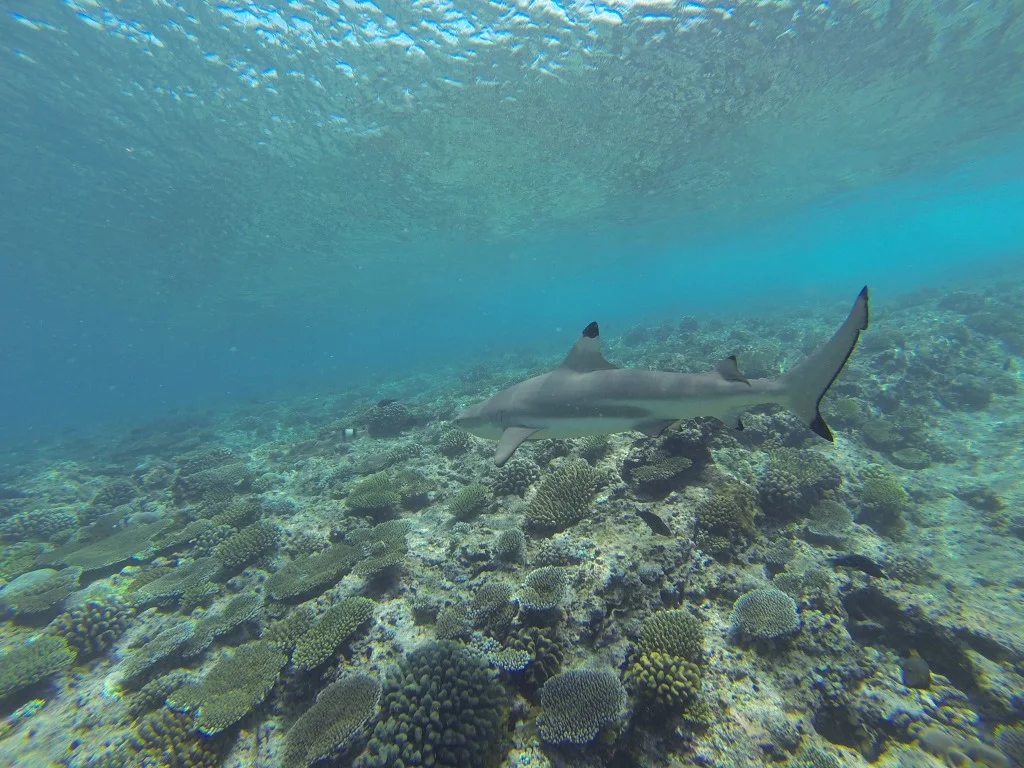
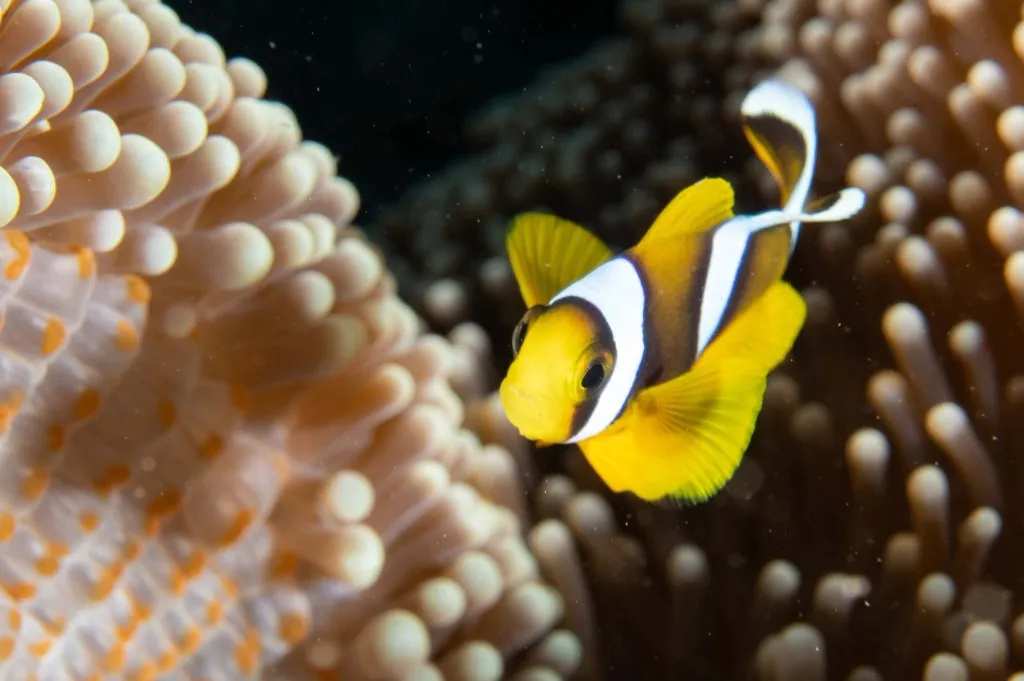
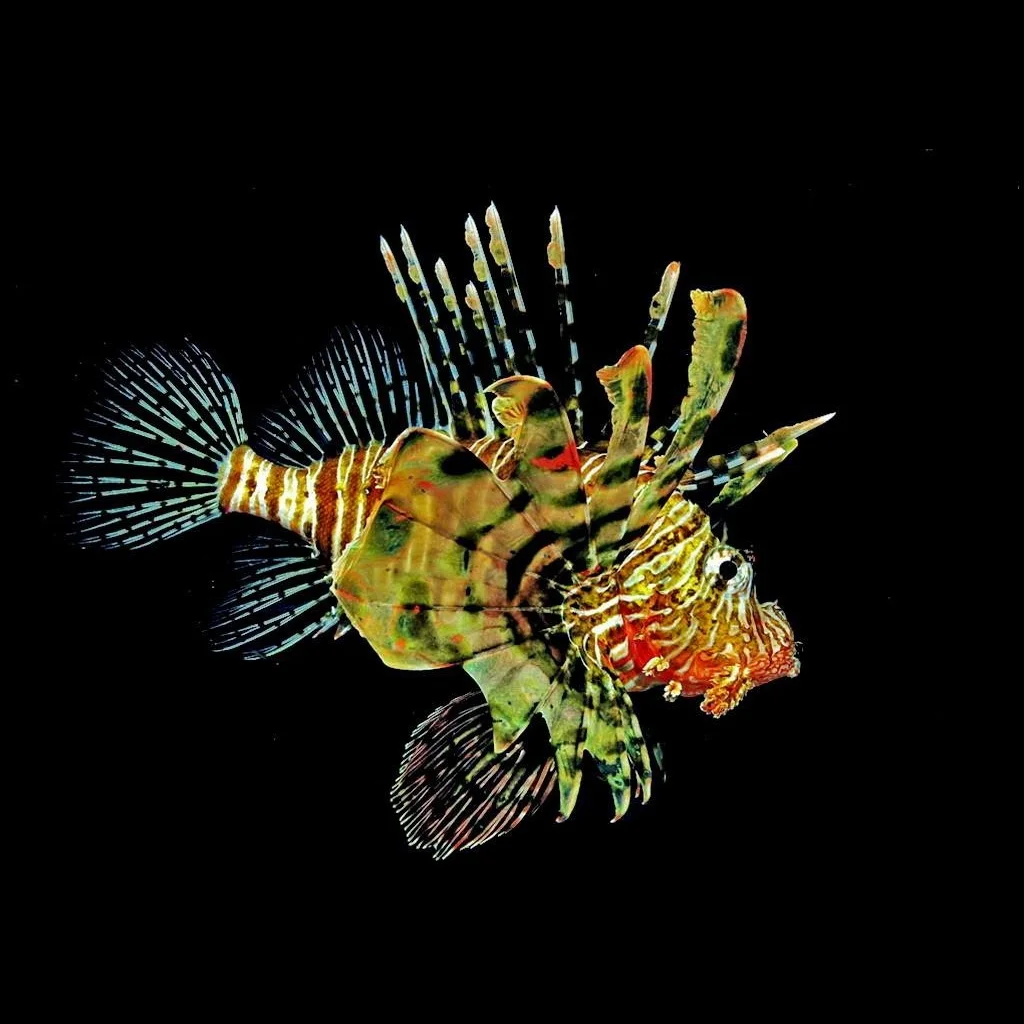
Beneath the surface, Hon Tai South reveals a diverse array of smaller reef inhabitants and some larger, more elusive species. Divers commonly encounter clownfish, various colorful reef fishes, lionfish, pufferfish, and starfish.
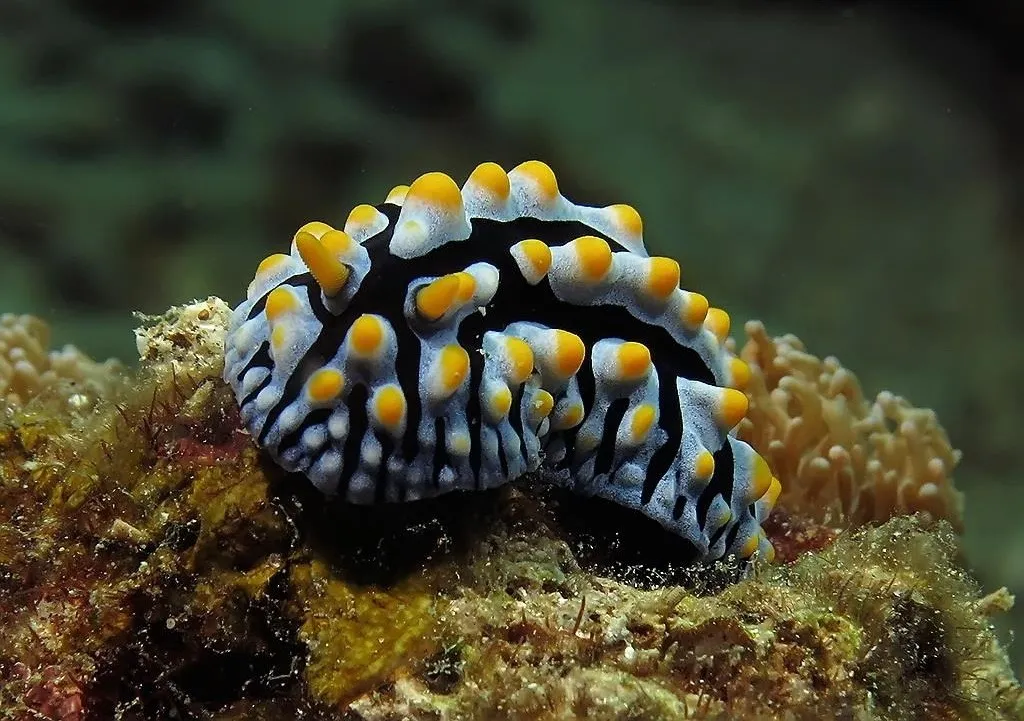
A range of molluscs and nudibranchs also inhabit the area, adding intricate details to the reef. While some reviews mention diverse and colorful corals, others note that coral health can be inconsistent.
Larger pelagics such as sharks, whales, dolphins, and turtles are sometimes spotted, though these encounters are less frequent.

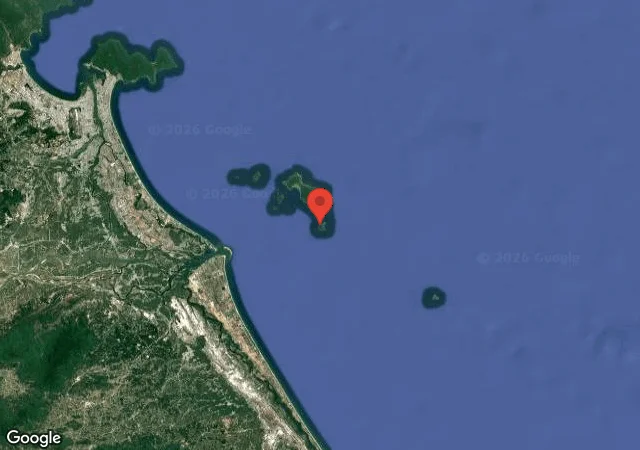
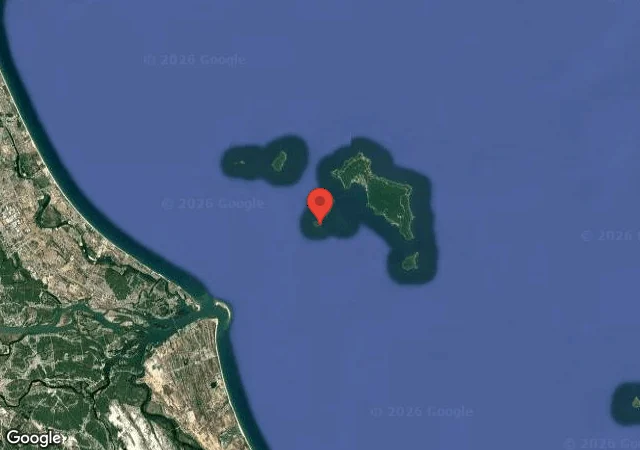
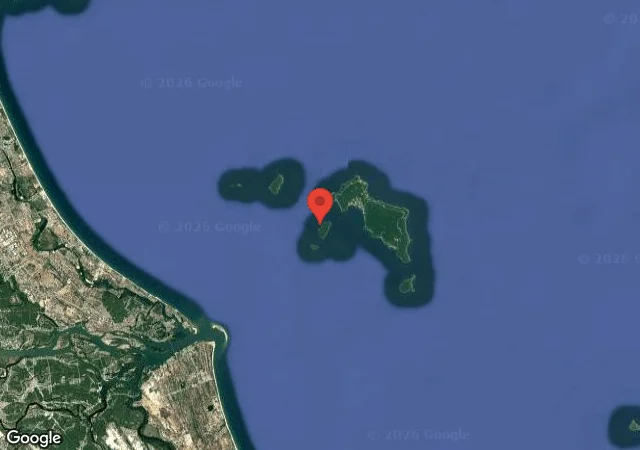
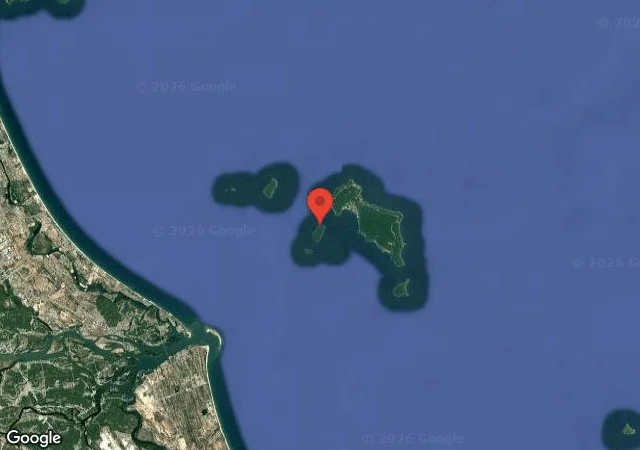
Dive Sites Near HON TAI South
View all dive sites in VietnamDiscover more underwater gems in this area.
Dive Centers Near HON TAI South
Today: 08:30 - 21:30
Nearest Airports
Nearest airports to help plan travel to this dive area.
Search Flights
Check available flights and routes on Expedia, using the nearby airports listed in this section.
Search Flights on ExpediaFrequently Asked Questions
What is the typical dive depth at Hon Tai South?
Dives at Hon Tai South generally average around 15 m / 50 ft. Some areas allow for deeper exploration, with reported maximum depths reaching up to 17 m / 56 ft.
What are the water temperatures like?
Water temperatures at Hon Tai South are consistently reported to be around 18°C / 64°F. Cooler temperatures often warrant the use of a thicker wetsuit, despite warmer surface air.
When is the best time to dive Hon Tai South?
Optimal months for diving are typically July and August, when marine life and corals are at their peak. April and May also offer good conditions with low rainfall and calm waters.
Are there strong currents at this dive site?
Currents are present at Hon Tai South, generally reported at about 1 knot. Divers should be prepared for drift diving conditions and be mindful of current direction and strength.
What kind of marine life can I expect to see?
You can anticipate seeing reef inhabitants such as clownfish, lionfish, pufferfish, and various nudibranchs and molluscs. While larger pelagics like sharks and turtles are sometimes sighted, they are less common.
Is Hon Tai South suitable for beginner divers?
With average depths of 15 m / 50 ft and moderate currents, Hon Tai South can be suitable for certified divers with some experience. Beginners should dive with an experienced guide and be comfortable with potential currents.
What is the visibility at Hon Tai South?
Visibility at the site is generally good, ranging from 10 to 25 m / 33 to 82 ft. It can vary based on weather conditions, currents, and plankton blooms.
Planning to dive HON TAI South?
Send one inquiry and receive offers directly from the best verified local dive operators.
Conditions are Good
07:00 - 14:00
Optimal conditions expected
Current conditions near HON TAI South show 30° air, 31° sea temperature, 0.3 m waves, and 26 km/h wind. Forecast data is refreshed regularly to ensure accuracy.