
Diving at HON DAI - Night Dive (Vietnam)
Divers considering a night exploration of Hon Dai should possess advanced certification and prior experience with low-visibility conditions. As a night dive with drift elements, it demands strong buoyancy control and confident navigation skills. This experience is best suited for those comfortable with the unique challenges and rewards of nocturnal underwater environments, where familiar reef structures transform under the beam of a dive light.
As evening covers HON DAI - Night Dive, the local air temperature is measured at 26.5°C. The current wave height at the surface is recorded at 0.9 m. These late-day readings characterize the surface conditions for the night.
Dive Site Location & Key Facts
Dive Site Overview
Hon Dai transforms dramatically after sunset, presenting a distinct adventure for divers beyond its vibrant daytime reef ecosystems. The nocturnal hours reveal a different realm of activity, often incorporating drift diving for a dynamic experience across its submerged structures.
Exploring this reef under the glow of a dive light, the site's familiar contours and hidden nooks become new territories in the darkness, emphasizing acute observation and precise light control. Divers typically explore a recreational depth range, allowing for extended bottom times to observe the nocturnal marine life emerging from crevices and moving across the substrate. This transition creates unique opportunities to encounter species less active during daylight hours, from foraging crustaceans to sleeping parrotfish, enhancing the sense of discovery.
Navigating the varied topography of the reef during a night drift requires focused attention, offering a truly immersive experience as the current guides exploration over the corals and active hunt grounds. Careful positioning allows divers to witness the subtle behavioral changes as the reef's inhabitants adapt to the cover of night.
Conditions are Good
Optimal conditions expected
Current conditions near HON DAI - Night Dive show 27° air, 30° sea temperature, 1.0 m waves, and 21 km/h wind. Forecast data is refreshed regularly to ensure accuracy.
Best Time to Dive
Planning your dive for the best conditions enhances the Hon Dai night diving experience. The months from April through August generally offer favorable conditions, with excellent dive scores reported. Air temperatures during this period range comfortably from 27.5°C (82°F) in April to 30°C (86°F) in August, coupled with minimal rainfall, typically less than 6 mm per month. During these months, wave heights are also considerably lower, often below 0.7 meters, contributing to calmer surface conditions. Conversely, October through January typically sees moderate dive scores, with higher rainfall and increased wave activity, which can impact comfort and visibility.
PEAK SEASON SCORE
Scores combine air & water temps, waves, wind & rainfall for overall conditions.
BEST MONTHS TO DIVE
Monthly records compiled from satellite and marine observation nodes over the last 3 years. Data provided by Open-Meteo and MET Norway.
Dive Experience & Conditions
Entering the water at Hon Dai for a night dive typically means preparing for potential drift conditions over the reef structure. Current strength varies, influencing the pace of the drift and requiring divers to maintain situational awareness. Visibility during night dives is inherently limited by available light, but often clears up under the beam of a torch, revealing the immediate surroundings. Exact water temperatures for this site aren't consistently reported in available datasets; divers should anticipate conditions typical for the region, which can fluctuate seasonally. These factors contribute to an engaging yet challenging environment, demanding focused attention from divers.
Dive Difficulty & Safety Guidelines
Engaging in a night dive at Hon Dai necessitates adherence to established safety protocols, especially given the potential for drift conditions. Divers must carry adequate illumination, including a primary dive light and a backup, along with a surface marker buoy. Maintaining visual contact with your buddy is crucial in the diminished visibility.
Dive briefings will cover current conditions and entry/exit procedures. Always consult with local dive professionals familiar with the site and its present conditions before diving to ensure a safe experience.
Recommended Equipment
Current and surface separation risk. Local briefing strongly recommended.
- Dive Computer
- DSMB
- Reel / Spool
This gear list is based on verified equipment signals for HON DAI - Night Dive, Vietnam. Always confirm final gear choices with your dive operator, guide, or liveaboard.
Recommended Dive Suit
Subtle variations in currents or depth can sometimes influence perceived water temperature.
Dive skin or rash guard tends to perform well in water temperatures like those currently observed here. Forecast models show minimal temperature variation in the coming days.
Divers heading to HON DAI - Night Dive today should expect water temperatures around 30°C (85°F). Surface air temperatures are resting at 27°C (80°F).
Emergency & Medical Support
Essential information to help you plan your dive trip to HON DAI - NIGHT DIVE.

Hyperbaric chambers are a critical part of dive safety infrastructure. Availability varies significantly by region, and not all dive areas have immediate access.
Before diving, it's recommended to:
- confirm nearest medical facilities
- check emergency procedures with local dive operators
- ensure dive insurance covers evacuation if required
Divers Alert Network
Diving emergency assistance available through DAN World.
+1-919-684-9111- 24/7 emergency hotline
- Diving medical assistance
- Evacuation coordination
Emergency contacts are provided for reference. Always verify local emergency services before diving.
Marine Life at HON DAI - Night Dive
Observing the nocturnal inhabitants of Hon Dai brings a new perspective to the reef. During a night dive, many creatures emerge that remain hidden during the day.
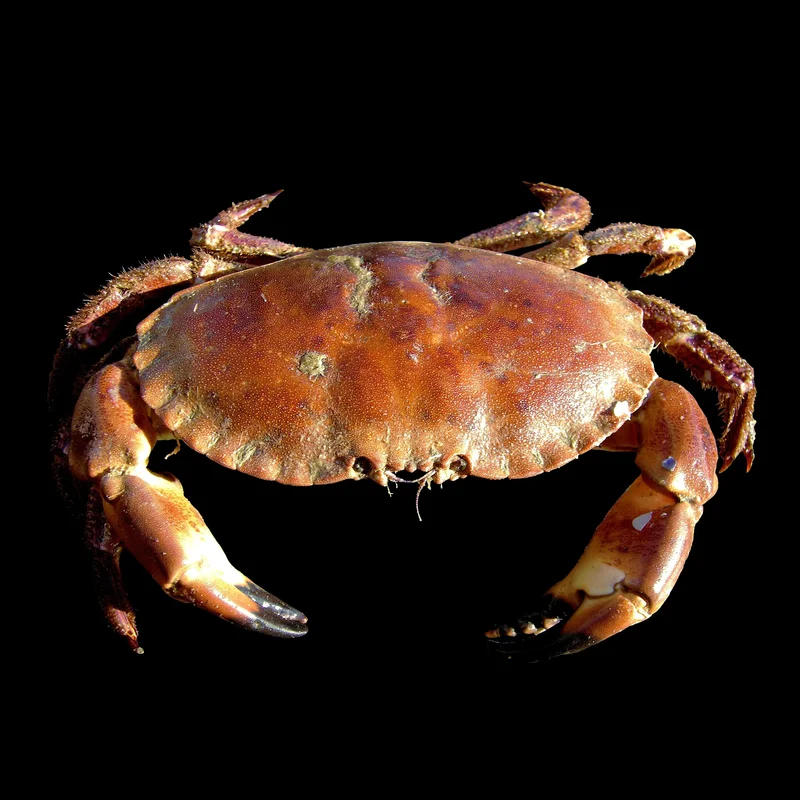
You might spot various crustaceans, such as crabs and shrimp, foraging on the sandy bottom or among the coral. Smaller reef fish often settle into their sleeping patterns, while larger predators might be on the prowl.
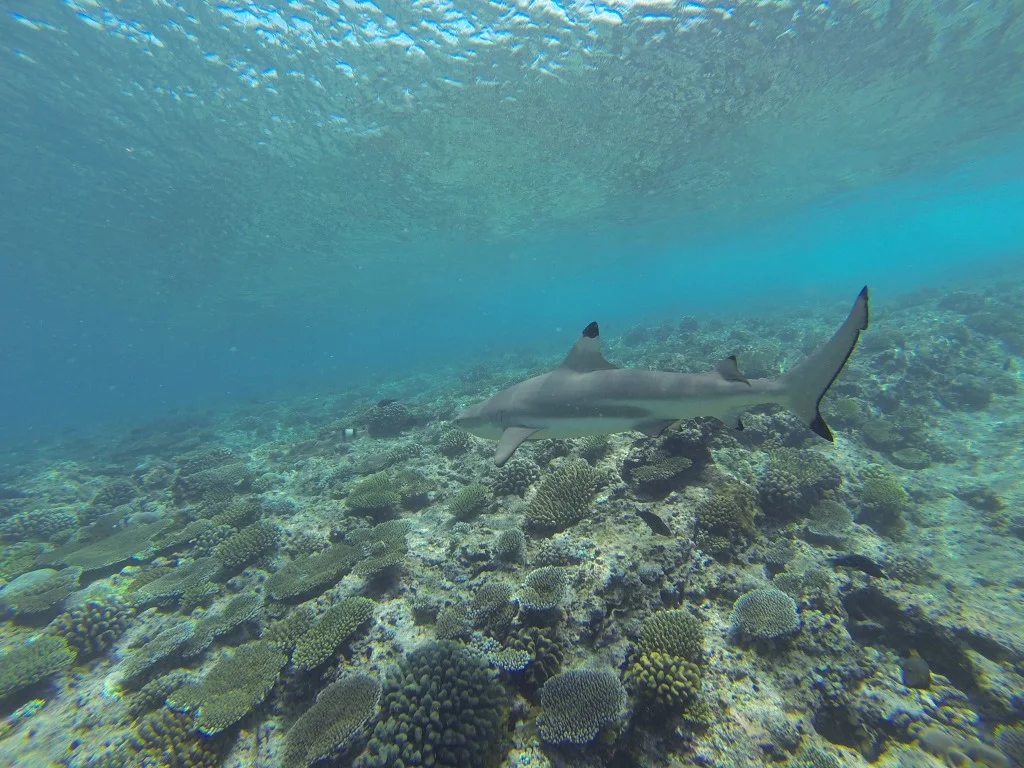
Though not guaranteed, divers have reported broader sightings in the region, including various species of sharks and turtles, though a night dive offers a focused view of smaller, more active reef dwellers.
Dive Sites Near HON DAI - Night Dive
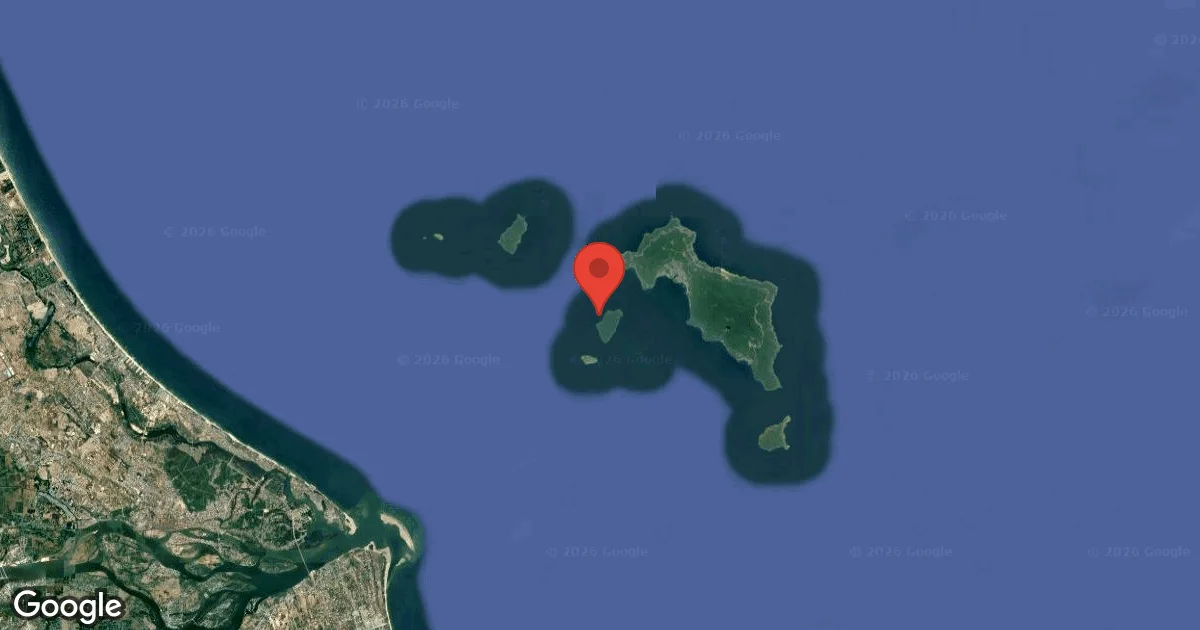
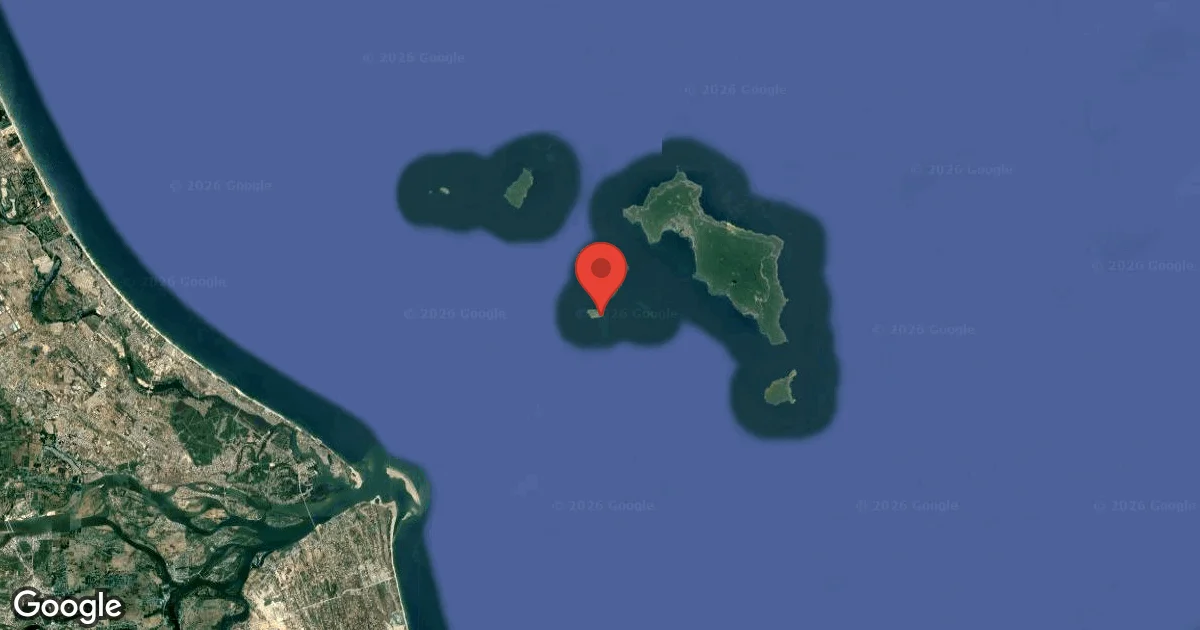
View all dive sites in VietnamDiscover more underwater gems in this area.
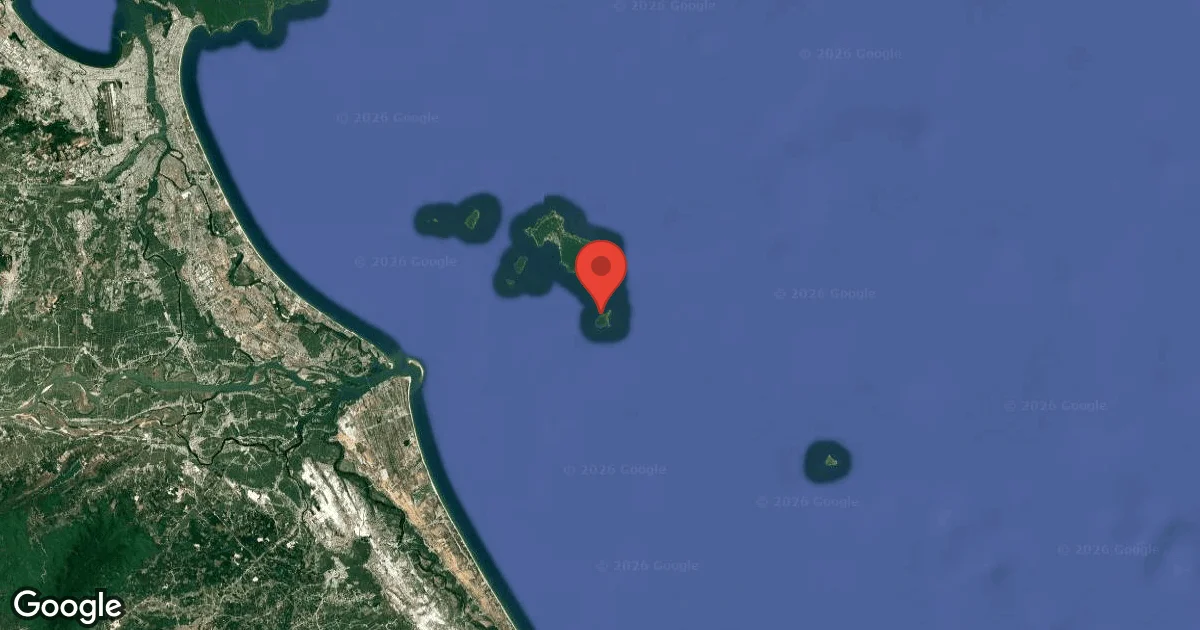
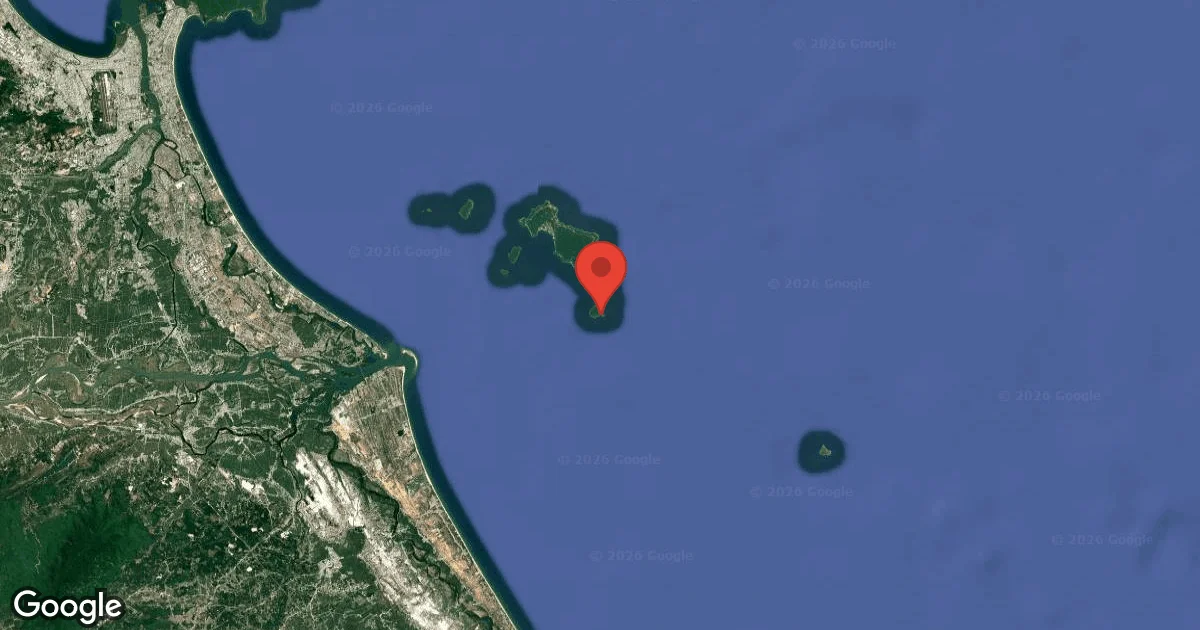
Dive Centers Near HON DAI - Night Dive
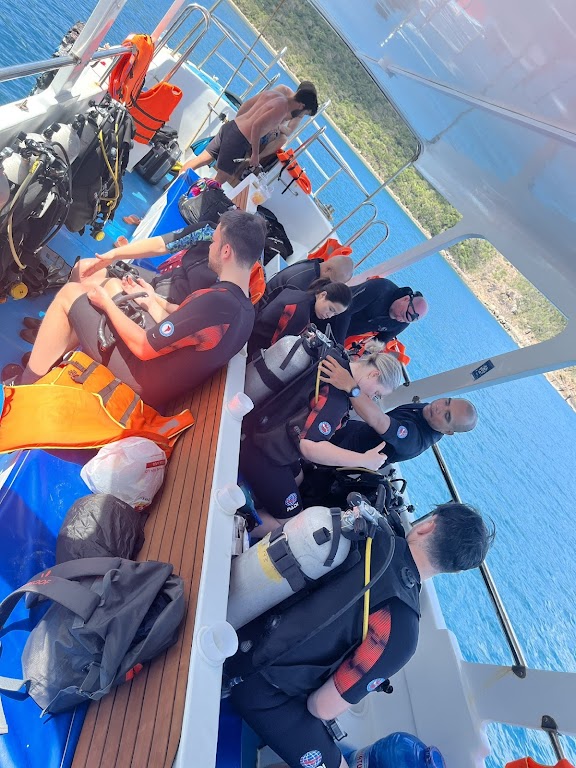
Today: 08:30 - 20:30
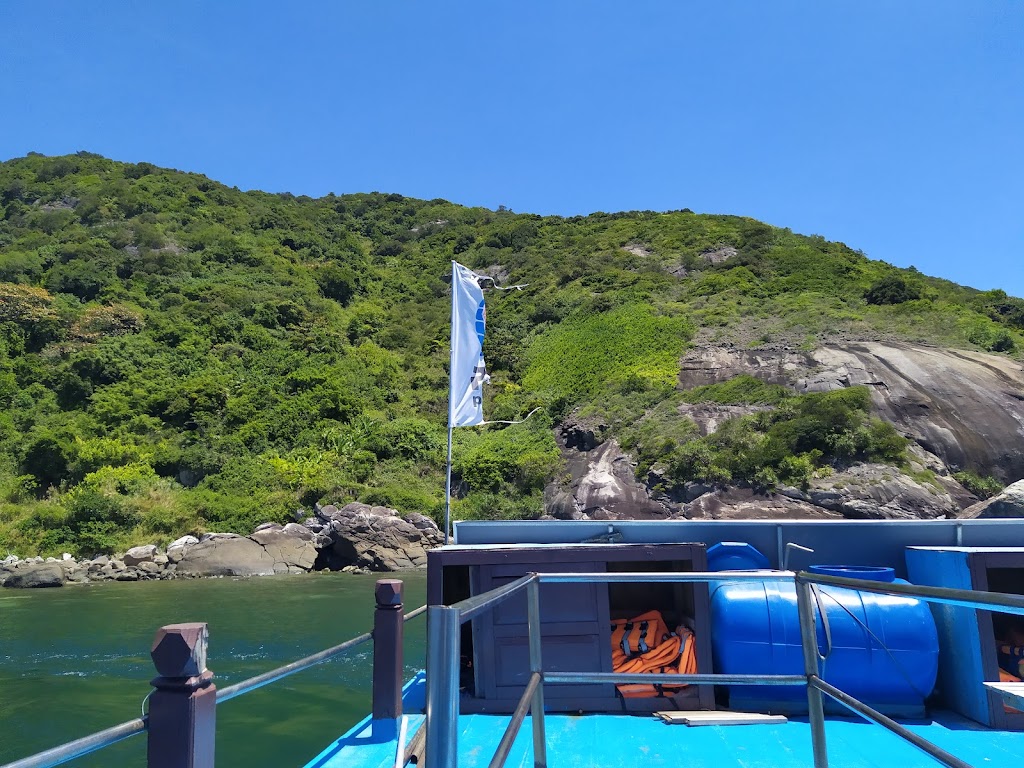
Nearest Airports
Nearest airports to help plan travel to this dive area.
Search Flights
Check available flights and routes on Expedia, using the nearby airports listed in this section.
Search Flights on ExpediaFrequently Asked Questions
What is the typical depth for a night dive at Hon Dai?
Night dives at Hon Dai usually remain within recreational depth limits, often exploring the shallower sections of the reef. Divers can expect to reach depths of around 18-30 m (60-100 ft) depending on the specific dive plan and current conditions.
Is Hon Dai suitable for beginner night divers?
Hon Dai is generally recommended for certified advanced divers with prior night diving experience. The potential for drift conditions and the inherent challenges of low visibility make it less ideal for novice night divers.
What kind of marine life is typically seen during a night dive here?
At night, you're more likely to observe nocturnal species such as crabs, shrimp, octopuses, and moray eels. Many reef fish are found sleeping, providing a unique observation opportunity. Keep an eye out for any active predators or plankton blooms attracting smaller organisms.
How strong are the currents at Hon Dai?
Current strength at Hon Dai varies, especially impacting drift dives. Conditions can range from mild to moderate, necessitating good buoyancy control and an understanding of drift diving techniques. Always check with local operators for the day's specific current forecast.
Are there specific safety considerations for a night dive at this site?
Beyond standard night diving safety, being prepared for potential drift is key. Ensure your dive lights are fully charged and you have a reliable backup. A surface marker buoy is essential for signaling the boat upon surfacing, particularly with drift.
Planning to dive HON DAI - Night Dive?
Send one inquiry and receive offers directly from the best verified local dive operators.
Conditions are Good
Optimal conditions expected
Current conditions near HON DAI - Night Dive show 27° air, 30° sea temperature, 1.0 m waves, and 21 km/h wind. Forecast data is refreshed regularly to ensure accuracy.