
Diving in Czech Republic
Across Czech Republic, underwater environments vary, creating a range of diving conditions to consider. Our database currently contains 1 dive locations across Czech Republic. This allows divers to evaluate locations before planning trips.
The Czech Republic offers a distinctive diving identity, defined by its landlocked geography and an enthusiastic community dedicated to freshwater exploration. Diving here centers on unique environments such as flooded quarries, lakes, and extensive cave systems.
While lacking a coastline, the country provides compelling opportunities for technical and cave diving. The eastern region of Olomouc, for instance, is home to the notable Hranická Abyss. This focus on inland aquatic sites shapes a unique experience for divers seeking something beyond conventional ocean environments.
Dive Map of Czech Republic
Divers navigating the Czech Republic's inland waters typically move between distinct regional diving hubs. These areas are concentrated around specific geological formations rather than a continuous coastline.
For example, the eastern region of Olomouc draws attention for its cave systems. Other areas like Moravia Karst are known for technical diving training. Major cities such as Prague, Brno, and Ostrava serve as logistical points, hosting dive shops that support access to these dispersed freshwater sites.
Dive Sites to Explore
View all 1 sites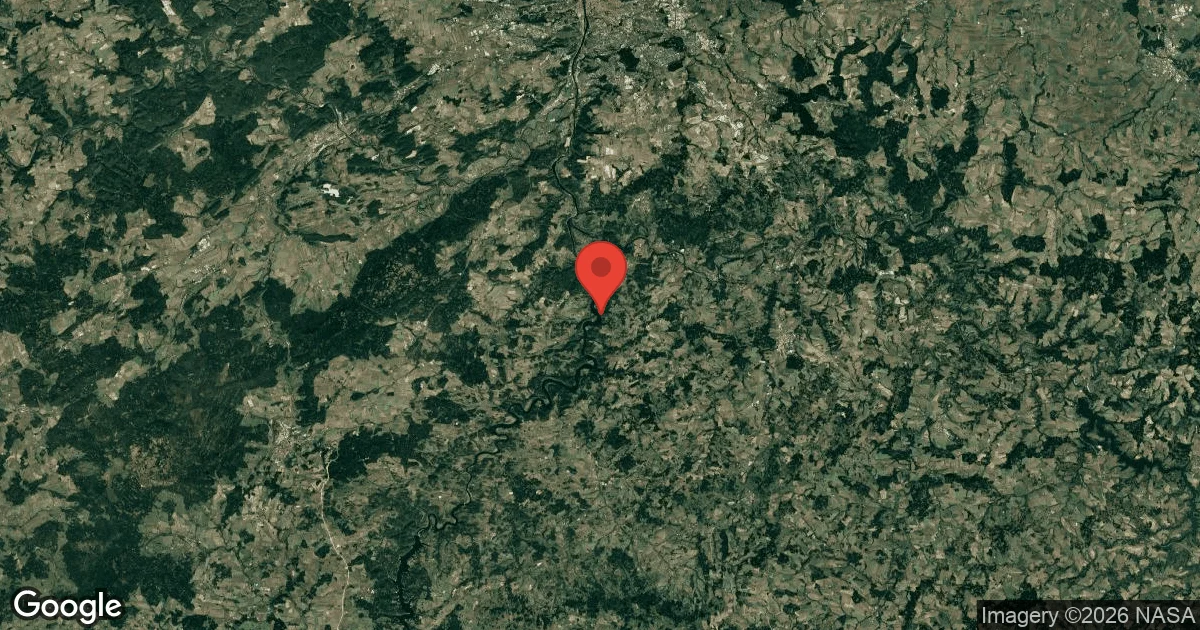
Hranická Abyss stands out as a premier dive site in the Czech Republic, known as the deepest-known flooded cave system globally. Located near Přerov in the Olomouc region, its estimated depth extends beyond 404 meters (1,325 ft).
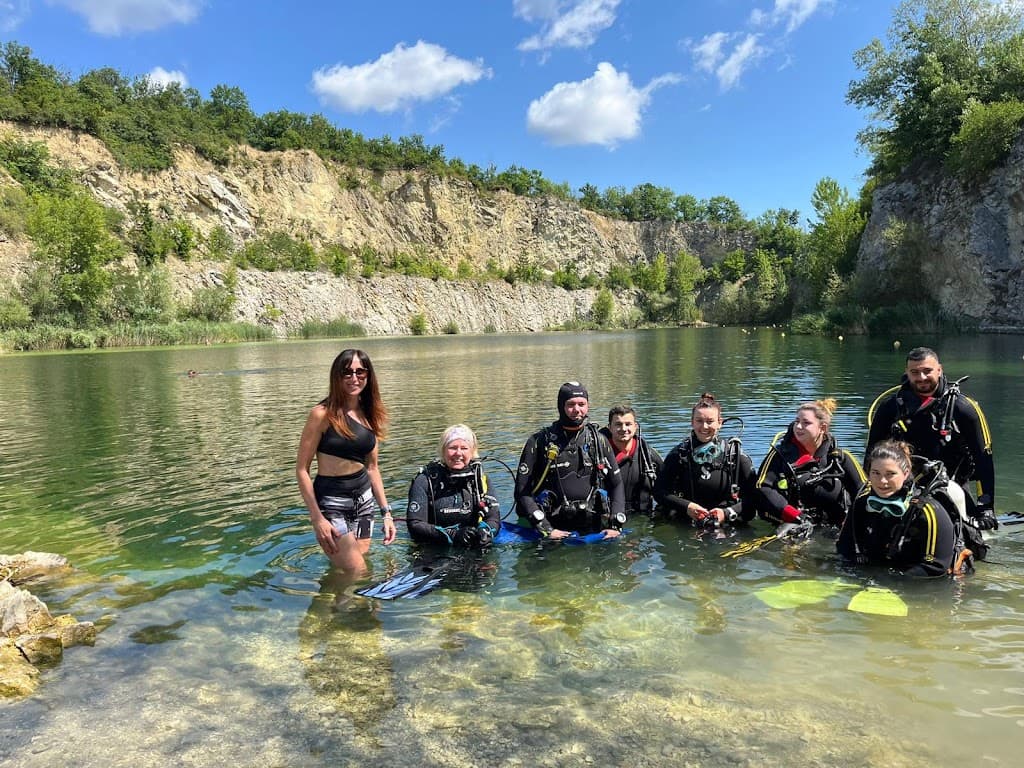
Other notable locations include Jesenný Quarry, which offers clear water, rock walls, submerged forests, and various sunken objects. The flooded mine of Hraničná, situated north of Hranická Abyss near the Polish border in the Rychlebské mountains, provides a more accessible diving option. Additionally, Šifr-Svobodne Hermanice Quarry is recognized as a significant site within the local diving community.
Best Time to Dive in Czech Republic
Information on high versus low season dynamics for diving in the Czech Republic is concentrated around specific documented locations rather than broad national patterns. The country's diving conditions, particularly in deeper or colder sites like the Hranicna Mine, are often influenced more by inherent site characteristics than seasonal shifts.
Divers should be prepared for varying conditions depending on the specific quarry, lake, or cave chosen. The colder temperatures and depths often encountered can make certain sites challenging year-round.
Dive Conditions
Visibility varies significantly across the Czech Republic's diverse freshwater dive sites. Locations such as Jesenný Quarry are noted for their clear water, offering good viewing conditions for rock formations and submerged features.
Conversely, some other flooded karst caves with narrow galleries can present turbid water, making diving more challenging. Information regarding strong currents at a national level is not extensively documented, with most available details focused on specific site characteristics.
Marine Life Highlights
Most Mentioned Species
Marine life in Czech Republic varies across dive locations, with different species appearing depending on environment and conditions. The species highlighted here are the most frequently associated with dive sites in our data, offering a realistic overview of what divers are most likely to encounter.
The density of marine life in the Czech Republic's freshwater environments offers specific encounters rather than broad diversity. Divers can anticipate observing various freshwater fish species.
Common sightings in these inland waters include carp, pike, and perch. These species adapt to the conditions found in the country's quarries, lakes, and flooded mines.
Regions for Diving
Diving styles across the Czech Republic are largely dictated by the type of inland water body available in each region. The eastern region of Olomouc, for example, is primarily associated with advanced cave diving, exemplified by the Hranická Abyss.
Moravia Karst is another area known for supporting technical and cave diving training. For more general freshwater diving, various flooded quarries and lakes are spread throughout the country, including sites in the Jesenik District. Major cities like Prague, Brno, and Ostrava serve as logistical hubs for accessing these diverse inland dive sites.
Travel & Passport Guide
Travel Basics
Trip Planning
Safety & Diving Considerations
Planning for dives in the Czech Republic requires careful attention to site-specific regulations and inherent challenges. For instance, at the Hranická Abyss, open circuit scuba is prohibited to prevent damage from exhaled bubbles to the cave walls; rebreathers are exclusively used there.
Furthermore, only members of the Hranický Karst Diving Club are currently permitted to dive this particular cave, underscoring the need for specific permissions. Other sites, like the Hranicna Mine, are described as difficult due to the combination of cold water and significant depth, necessitating advanced training and equipment.
Dive Centers in Czech Republic
View all 8 dive centers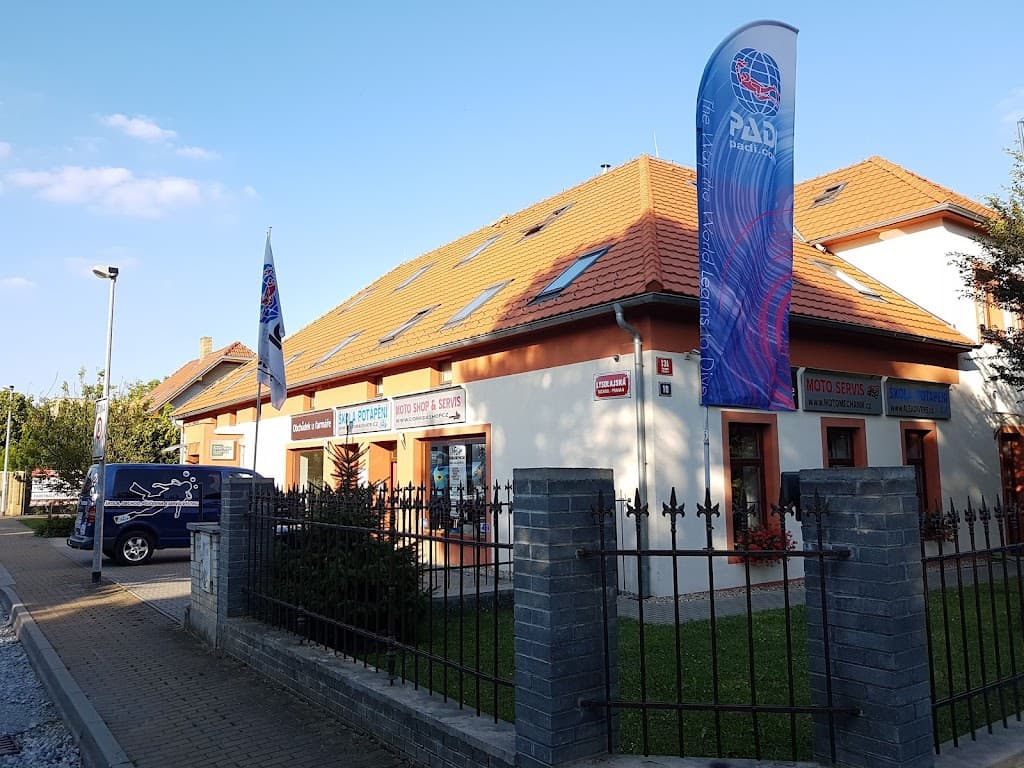
Frequently Asked Questions
What types of diving are prominent in the Czech Republic?
The Czech Republic, being landlocked, specializes in freshwater diving. This includes extensive cave diving, quarry diving, and exploration of flooded mines and lakes.
Are there any restrictions for diving at Hranická Abyss?
Yes, Hranická Abyss has strict restrictions. Open circuit scuba is prohibited, and divers must use rebreathers. Access is currently limited to members of the Hranický Karst Diving Club due to ongoing research and exploration.
What kind of marine life can be seen in Czech dive sites?
Divers in the Czech Republic's freshwater sites can encounter various fish species. Common sightings include carp, pike, and perch.
What are the typical dive conditions like in the Czech Republic?
Dive conditions vary. Some quarries, like Jesenný Quarry, offer clear water. However, other cave systems can have turbid water and narrow passages. Deep and cold conditions are common in mines and deeper caves.