
Diving in Hungary
Planning dives in Hungary means understanding how conditions vary across different types of dive locations. 2 dive sites are currently cataloged across Hungary in our system.
Hungary's diving identity is defined by its distinctive freshwater environments, offering experiences far removed from typical coastal destinations. As a landlocked country in Central Europe, diving here specializes in unique aquatic adventures within extensive cave systems, flooded mines, and thermal lakes. These specialized sites present a compelling alternative to marine diving, attracting those who seek geological exploration and historical discovery. Budapest, the nation's capital, stands as a primary hub for these subterranean dives, particularly recognized for its extensive underground networks.
Divers in Hungary explore intricate geological formations and often encounter historical remnants. Notable sites such as the Molnár János cave and the Kőbánya Mine near Budapest provide access to complex passages and unique submerged structures. The Molnár János cave, fed by thermal springs, offers warm and clear waters, a stark contrast to the cooler conditions found in other freshwater locations. Kőbánya Mine, a former limestone quarry, reveals industrial artifacts within its clear freshwater tunnels.
Beyond these demanding overhead environments, larger bodies of water also contribute to Hungary's freshwater appeal. Lake Balaton, Central Europe's largest lake, provides a different perspective with opportunities for general lake diving and even ice diving during winter months. The country's dive type distribution shows a strong presence of cave, mine, and lake diving, indicating a focus on specific, often technically demanding, yet highly rewarding underwater experiences. While marine life differs from oceanic environments, these freshwater systems host a unique array of aquatic species, adding another dimension to the dives.
Dive Map of Hungary
Exploring Hungary's dive sites reveals a diverse landscape of freshwater locations scattered across its interior. From the capital city of Budapest to regional areas like Győr and Erdőkertes, each location offers distinct underwater features and experiences.
Dive sites are predominantly found in a variety of environments, including natural lakes, flooded gravel mines, and extensive subterranean cave systems. These unique locations invite divers to discover geological structures, historical artifacts, and specialized ecosystems.
A detailed map view highlights clusters of these sites, such as the thermal springs around Tata or the expansive Lake Balaton. This geographical spread guides divers to their preferred type of freshwater adventure, whether it's technical cave exploration or recreational lake diving.
Dive Sites to Explore
View all 2 sites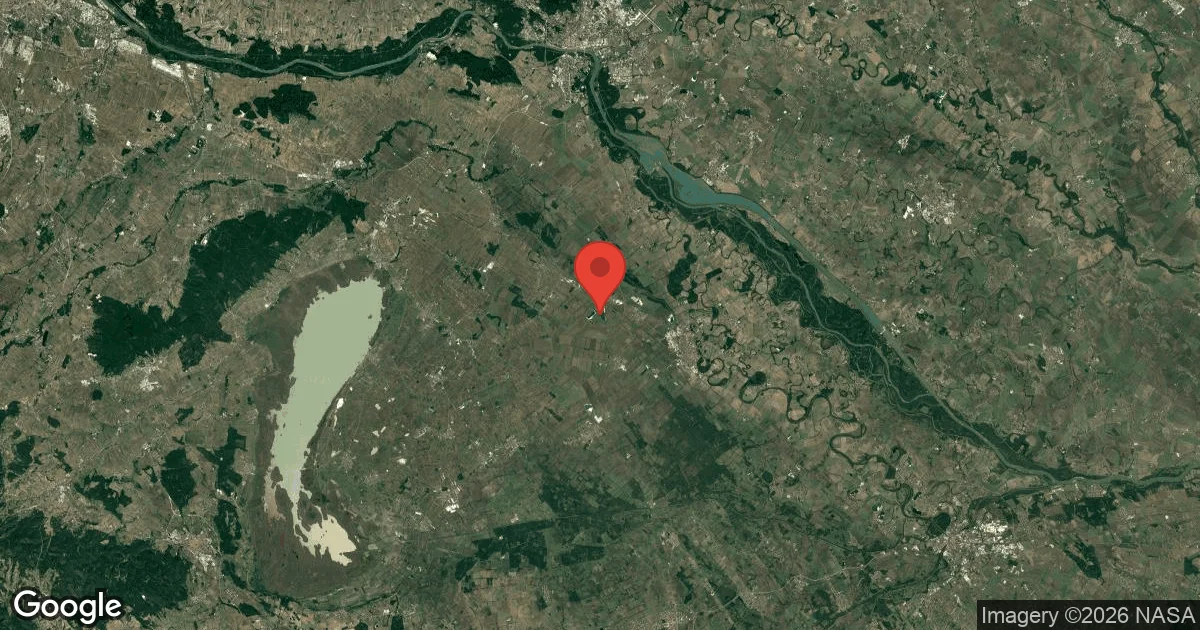
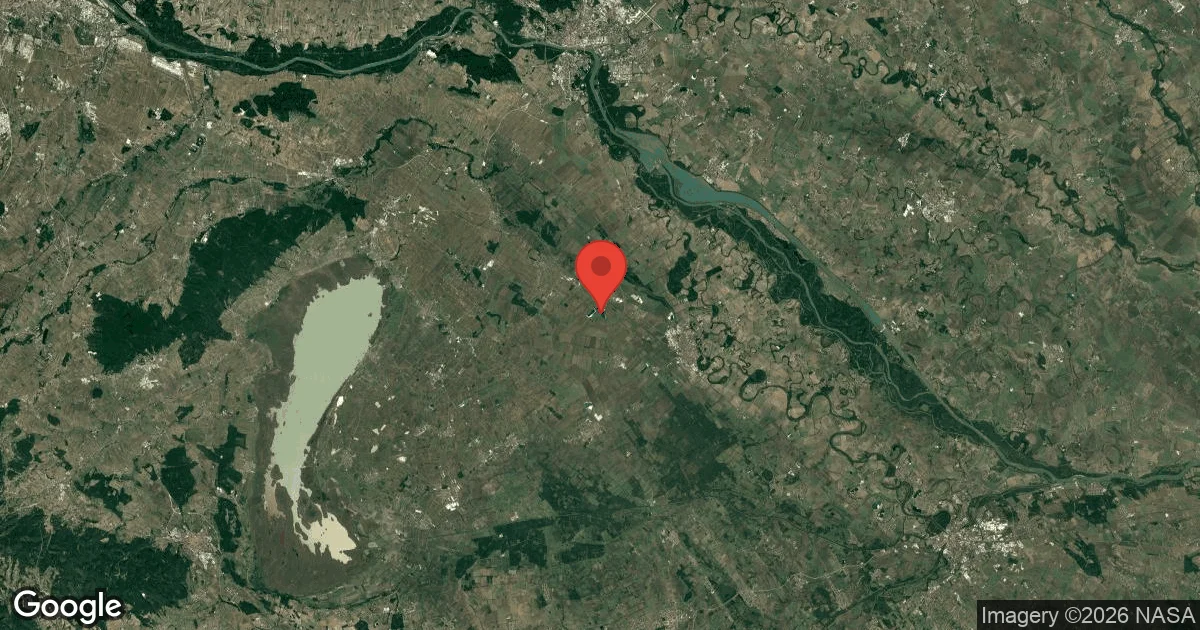
The Molnár János cave system in Budapest stands out as a signature diving location, offering a warm and clear cave experience. This vast underground network, located beneath the city, features exciting stone and crystal formations on its limestone walls. Diving here is restricted to guided access, and the water temperature remains stable between 20-28°C (68-82°F) year-round, with visibility often reaching 20 m (66 ft).
Another distinctive site near Budapest is the Kőbánya Mine, a flooded former limestone quarry. Its pure freshwater provides excellent visibility, allowing divers to explore various artifacts left behind from its industrial past. The mine's tunnels are largely accessible only to certified full cave divers, though some sections accommodate open water divers due to the absence of overhead ceilings.
Away from the capital, K.Island near Győrzámoly is an old gravel mine that has transformed into a freshwater dive site. It is recognized as one of the country's more scenic lake dives, easily accessible from Győr. Lake Palatinus, another mine lake formed from sand extraction, also offers clear waters and unique underwater topography.
For those interested in natural springs, Fényes-forrás consists of five lakes fed by a thermal spring near Tata. This site provides a different type of freshwater immersion, with varying depths and features. Additionally, Lake Malom holds historical interest, with reports of Roman activity remnants at its bottom, offering potential for archaeological exploration.
Best Time to Dive in Hungary
The optimal time for diving in Hungary depends significantly on the specific type of dive planned. For the unique cave and mine systems, such as Molnár János cave and Kőbánya Mine, diving is possible all year round. The stable conditions and consistent water temperatures within these overhead environments make them accessible regardless of surface weather.
For general freshwater lake diving, spring (April-May) and autumn (September-October) are often suggested as favorable periods. During these seasons, visibility in some lakes can improve, and the air temperature is more moderate than in peak summer or deep winter. Spring is also particularly noted for observing sturgeon during their upstream migrations in rivers like the Danube.
Winter presents opportunities for specialized experiences, with ice diving possible in Lake Balaton. Divers interested in specific freshwater fish sightings, such as carp, can find them throughout the year, while pike and bass are frequently observed from March through December. Cooler seasons generally offer better visibility in larger lakes.
Dive Conditions
Underwater visibility in Hungary's freshwater dive sites varies greatly depending on the location and type of environment. Cave and mine systems, such as the Molnár János cave and Kőbánya Mine, are often praised for their excellent visibility. The Molnár János cave typically offers visibility around 20 m (66 ft), while Kőbánya Mine boasts perfect clarity due to its pure freshwater.
In some of the natural lakes and quarries, visibility can also be extremely good, though it may be more subject to seasonal changes. For instance, Lake Balaton's visibility can improve during cooler seasons. However, other lake sites may experience more limited visibility, sometimes ranging between 3-5 meters (10-16 ft).
Currents are generally not a significant factor in many of Hungary's specialized dive sites. The Molnár János cave system, for example, is characterized by very slow water flow, ensuring no strong currents within its passages. This allows for focused exploration of the geological features and formations without the added challenge of navigating strong water movement.
Marine Life Highlights
Most Mentioned Species
Marine life in Hungary varies across dive locations, with different species appearing depending on environment and conditions. The species highlighted here are the most frequently associated with dive sites in our data, offering a realistic overview of what divers are most likely to encounter.
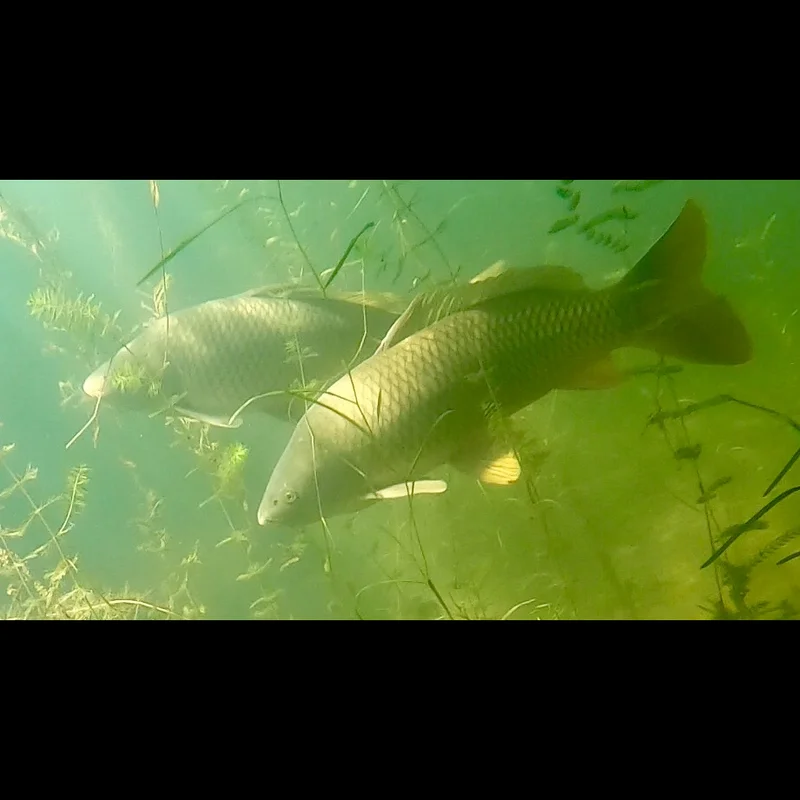
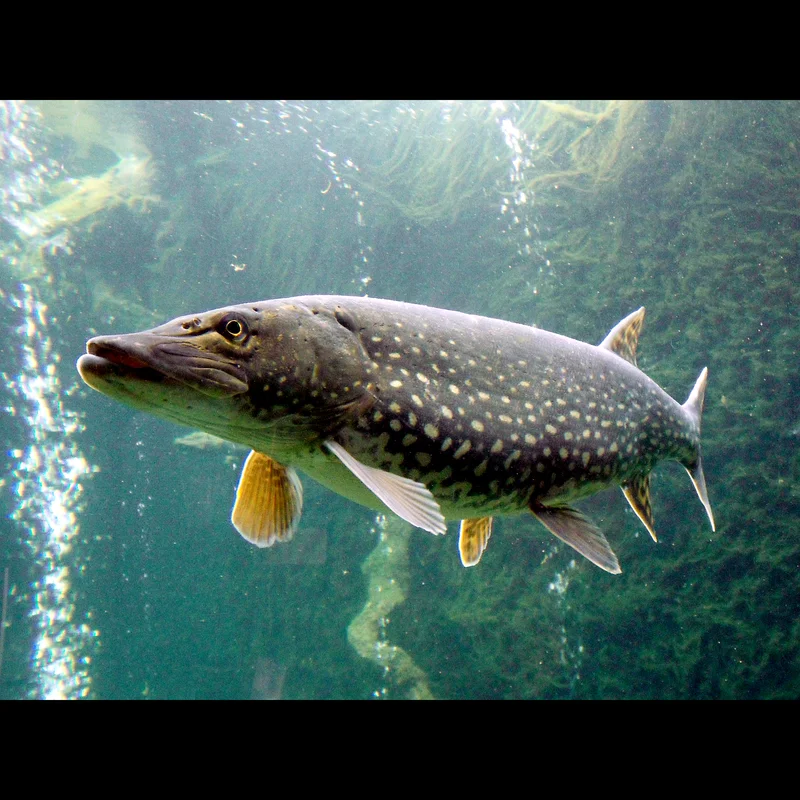
Hungary's freshwater dive sites host a variety of aquatic species, providing a distinct experience for divers accustomed to marine environments. While not as diverse as tropical reefs, the density of certain fish populations can be quite notable, particularly in the larger lakes and river systems.
Commonly encountered species include carp, pike, and perch, which thrive in the country's lakes and rivers. Lake Balaton is known for sightings of the European catfish, a sizeable species that prefers deeper waters. The Danube River is a potential location to spot sturgeon, especially during their seasonal migrations in spring.
Other observed species throughout the year include European bitterling, Common Rudd, Walleye, and Bass, with crayfish also making appearances. These freshwater inhabitants contribute to the unique character of diving in Hungary, offering a different kind of wildlife encounter.
Regions for Diving
Diving in Hungary offers varied styles across its distinct regions, each presenting unique freshwater experiences. Budapest, the capital, is the epicenter for technical and cave diving, primarily featuring the Molnár János cave and the Kőbánya Mine. These sites are known for their stable year-round water temperatures (20-28°C / 68-82°F in Molnár János, 13°C / 55°F in Kőbánya) and excellent visibility, drawing advanced divers to explore their intricate, artifact-rich passages.
Moving westward, the region around Győr offers lake and gravel mine diving. K.Island near Győrzámoly, an old gravel mine, is a popular site known for its accessibility and visual appeal. These open-water sites provide a contrast to the overhead environments of Budapest, often with good visibility and opportunities for recreational divers.
In the Tata region, the Fényes-forrás thermal spring feeds a system of five lakes, providing a different style of freshwater diving. This area, along with the Tata Quarry, offers varied depths and submerged rock faces for exploration. Lake Malom, also connected to the Molnár János spring, carries archaeological interest with potential Roman remnants.
Further south, Lake Balaton, Central Europe's largest lake, provides a vast freshwater canvas. It's a versatile location, offering general lake diving, and uniquely, ice diving during winter. Visibility in Lake Balaton can improve in cooler seasons, and it's a known habitat for larger species like the European catfish. Other lakes like Lake Gyékényes and Pisztrángos lake near Erdőkertes round out the country's diverse freshwater diving options.
Travel & Passport Guide
Travel Basics
Trip Planning
Safety & Diving Considerations
Planning a dive in Hungary requires careful consideration of safety protocols and logistical arrangements, especially for its specialized environments. Many of the prominent dive sites, particularly the Molnár János cave and the Kőbánya Mine, are overhead environments that demand specific certifications. Most tunnels within these systems are only accessible to certified full cave divers, though a wreck diver specialty may be accepted for certain sections of Kőbánya.
All dives in these overhead environments must be guided by licensed operators to ensure safety and adherence to site-specific rules. Access to some private lake sites, such as the H2O Diving Academy Divesite, is only possible by appointment. Divers should be prepared for varying water temperatures, with some mine systems featuring cold water, around 5-10°C (41-50°F), necessitating dry suit usage.
While currents are generally slow or absent in the cave systems, understanding the specific conditions of each site is important. Divers should also be aware of the extent of these systems; for instance, the Budapest underground thermal lake has passageways totaling 5 km (3.1 miles) with depths up to 82 m (269 ft). Diving can be done with either open or closed-circuit equipment, depending on certification and preference.
Dive Centers in Hungary
View all 4 dive centers

Frequently Asked Questions
What type of diving is primarily available in Hungary?
Hungary, a landlocked country, specializes entirely in freshwater diving, offering a distinctive range of experiences. This includes exploration of extensive cave systems, such as the thermally-fed Molnár János cave in Budapest, known for its warm and clear waters. Divers can also explore flooded mines like Kőbánya, which reveal industrial artifacts and unique geological formations. Additionally, the country offers diverse lake diving opportunities, from natural lakes like Balaton, Central Europe's largest, to former gravel quarries. Some sites also feature thermal springs, creating unique underwater environments for exploration. These specialized dives provide opportunities for geological discovery and encountering specific freshwater aquatic life.
What are the typical water temperatures in Hungary's dive sites?
Water temperatures vary significantly. Thermal cave systems like Molnár János maintain 20-28°C (68-82°F) year-round. Flooded mines like Kőbánya are cooler, around 13°C (55°F), with some mine sections as cold as 5-10°C (41-50°F). Lake temperatures can fluctuate, often warmer in upper layers (25-27°C / 77-81°F) and colder deeper.
What kind of marine life can divers expect to see in Hungary?
Divers primarily encounter freshwater species. Common sightings include carp, pike, and perch in lakes and rivers. Larger species like European catfish can be found in Lake Balaton, and sturgeon may be spotted in the Danube River during spring migrations. Other fish like Common Rudd, Walleye, and Bass are also present.
Are there specific safety or certification requirements for diving in Hungary?
Yes, specific requirements exist, especially for cave and mine diving. Many overhead environments require full cave diver certification, or sometimes a wreck diver specialty. All dives in these technical sites must be guided. Private lake access may also require prior appointment.
When is the best time to dive in Hungary?
Cave and mine diving is possible all year due to stable internal conditions. For general lake diving, spring (April-May) and autumn (September-October) are often preferred for moderate weather and potentially better visibility. Winter offers unique opportunities for ice diving in Lake Balaton.
What is the typical underwater visibility?
Visibility varies by site. Thermal caves and flooded mines often boast excellent clarity, with Molnár János cave offering around 20 m (66 ft) and Kőbánya Mine noted for its pure freshwater visibility. Some lakes can have extremely good visibility, though others might range from 3-5 meters (10-16 ft).