
Diving in Libya
Dive conditions in Libya are influenced by local geography, resulting in noticeable differences between sites. Our database currently contains 1 dive locations across Libya. This allows divers to evaluate locations before planning trips.
Libya's Mediterranean coastline offers a frontier for diving, characterized by its southern Mediterranean underwater terrain. Shores near Tripoli and extending east toward Benghazi present rocky reefs and caves. This environment provides a backdrop for exploration for those seeking less conventional diving destinations.
Diving in Libya remains uncommon due to limited infrastructure and specific travel considerations. It appeals primarily to highly experienced and well-prepared divers who are equipped to navigate such conditions.
Dive Map of Libya
Diving activity in Libya is not extensively documented at a national level, with most available information focused on specific locations rather than broad regional patterns. Known areas for diving include the shores near Tripoli and extending east toward Benghazi.
These general coastal stretches highlight where potential dive sites might be found, but specific, named destinations are not widely detailed. The distribution of known dive opportunities is therefore concentrated around these limited geographical references.
Dive Sites to Explore
View all 1 sites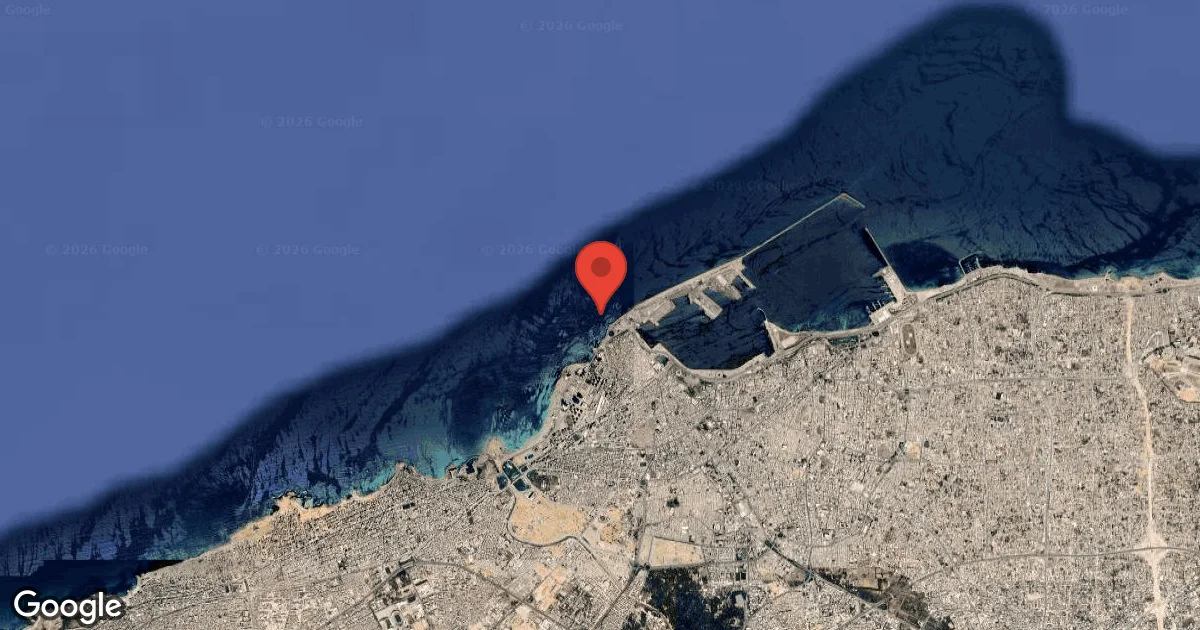
Available dive information is concentrated around a limited number of documented locations, rather than detailing specific dive sites. While a maximum depth of 39 m (128 ft) has been noted, the diving landscape primarily features rocky reefs and caves.
These formations suggest a variety of potential depth profiles, from shallower reef explorations to deeper cave environments. General visibility can reach up to 30 m (100 ft) in areas like Cyrenaica during September.
Best Time to Dive in Libya
While specific seasonal patterns for marine life are not extensively documented across Libya's dive sites, the country's diving calendar is influenced by distinct climatic changes. General conditions dictate the optimal periods for underwater activities.
Spring and fall typically offer pleasant air temperatures and excellent underwater conditions, making them favorable for diving. Summer brings calm seas and water temperatures from 25–31°C (77–88°F), though winter is chillier, with water temperatures around 18–20°C (64–68°F), and often rougher seas, leading most dive shops to reduce operations.
Dive Conditions
Dive conditions along Libya's coastline are influenced by seasonal weather patterns, impacting both sea state and visibility. Winter conditions are often rougher, while summer brings generally calm seas.
Visibility can be excellent, with reports of up to 30 m (100 ft) in Cyrenaica during September. Waters are generally described as crystalline, offering clear viewing for divers. Information on specific currents is not widely documented.
Marine Life Highlights
Most Mentioned Species
Marine life in Libya varies across dive locations, with different species appearing depending on environment and conditions. The species highlighted here are the most frequently associated with dive sites in our data, offering a realistic overview of what divers are most likely to encounter.
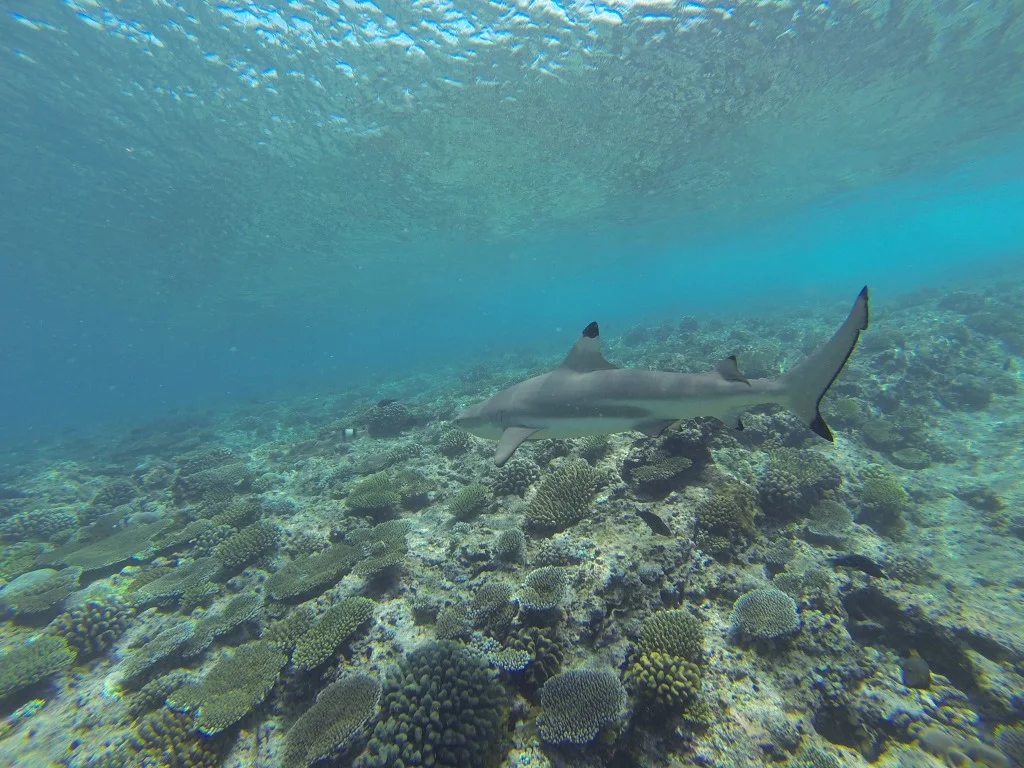
Specific details on the abundance or rarity of marine life across Libya's dive sites are not extensively documented. However, some observations provide insight into the species found.
Farwa Island, near Zuwara, is noted for its octopus and seagrass meadows. General caution is advised around sea animals such as jellyfish, which are present in the waters.
Regions for Diving
Diving activity in Libya is concentrated around a few general coastal areas, each hinting at a distinct diving style. The shores near Tripoli and extending east toward Benghazi are known for rocky reefs and caves, suggesting explorations of geological formations.
Farwa Island, located near Zuwara, offers a different experience with its crystalline waters, seagrass meadows, and opportunities for peaceful drift dives. This area also hosts marine life like octopus. The Gulf of Sidra is mentioned for its warm summer temperatures, indicating potential for comfortable seasonal diving, though specific dive sites there are not widely detailed.
Travel & Passport Guide
Travel Basics
Trip Planning
Safety & Diving Considerations
Key safety considerations for diving in Libya emphasize the need for advanced preparation and experience. Diving here primarily appeals to highly experienced and well-prepared individuals, largely due to limited infrastructure and travel considerations.
Divers should exercise caution around certain sea animals, such as jellyfish. It is also advised to avoid swimming in fresh, unchlorinated water like lakes or rivers. A maximum safe diving depth of 39 m (128 ft) has been noted for the region; divers should always avoid diving into shallow water.
Dive Centers in Libya
View all 1 dive centers
Frequently Asked Questions
What is the best time of year to dive in Libya?
Spring and fall generally offer pleasant air temperatures and favorable underwater conditions for diving. Summer also provides calm seas and warm water temperatures, ranging from 25–31°C (77–88°F).
What are the typical water temperatures for diving in Libya?
Water temperatures in winter are typically 18–20°C (64–68°F). During summer, temperatures rise significantly, reaching 25–31°C (77–88°F), with some areas like the Gulf of Sidra experiencing bath-warm conditions.
Are there specific dive sites or regions recommended for diving?
Specific dive site details are limited. However, general areas for diving include the shores near Tripoli and eastward toward Benghazi, known for rocky reefs and caves. Farwa Island near Zuwara is noted for its seagrass meadows and drift diving opportunities.