Diving in Poland
Diving opportunities in Poland reflect a mix of environments, each with its own set of conditions and characteristics. 3 dive locations are currently indexed within Poland on our platform.
Poland presents a distinct contrast for divers, moving from the cold, low-salinity environment of the Baltic Sea to the clear freshwater depths of inland quarries and lakes. The Baltic Sea coastline, particularly near Gdańsk and the Hel Peninsula, is recognized for its historic shipwrecks, preserved by the unique conditions of the sea. These submerged historical sites offer a specific type of exploration.
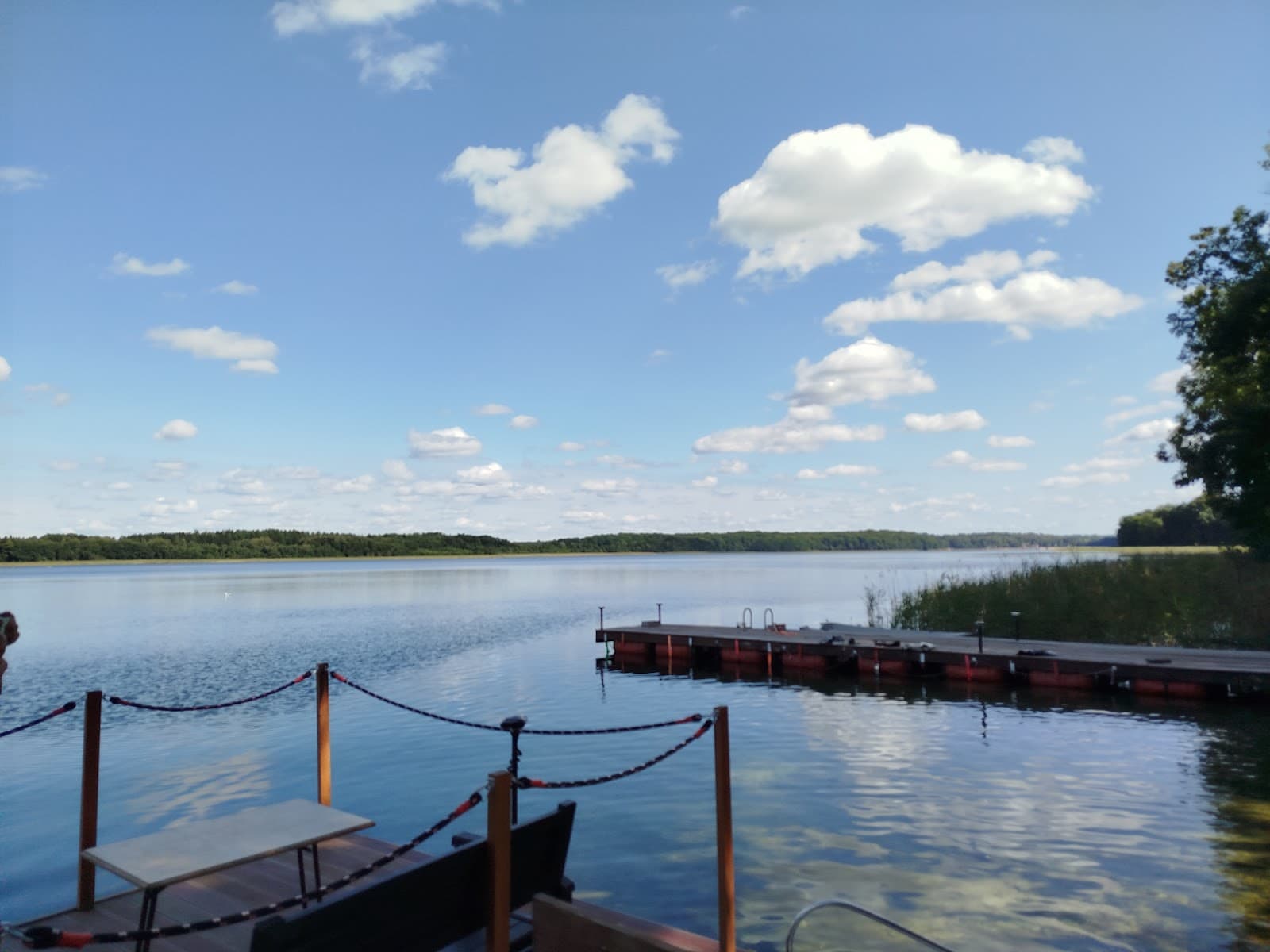
Inland, divers can explore flooded quarries and lakes, characterized by submerged forests, training platforms, and interesting geological formations. This freshwater environment provides a different experience compared to the maritime wreck diving. Both regions contribute to a varied diving landscape within the country.
Dive Map of Poland
A dive map for Poland would primarily delineate two distinct geographical diving zones for exploration. It would illustrate the Baltic Sea coast, highlighting areas such as the Hel Peninsula and the vicinity of Gdańsk, which are often divided into "gulf" and "open sea" sections. This segmentation helps divers understand the different conditions and site types available.
The map would also clearly mark inland locations, pointing to various flooded quarries and lakes. These freshwater sites are geographically dispersed across the country. Such a map provides a navigational framework, guiding divers to either the historical maritime sites or the unique geological features found inland.
Dive Sites to Explore
View all 3 sites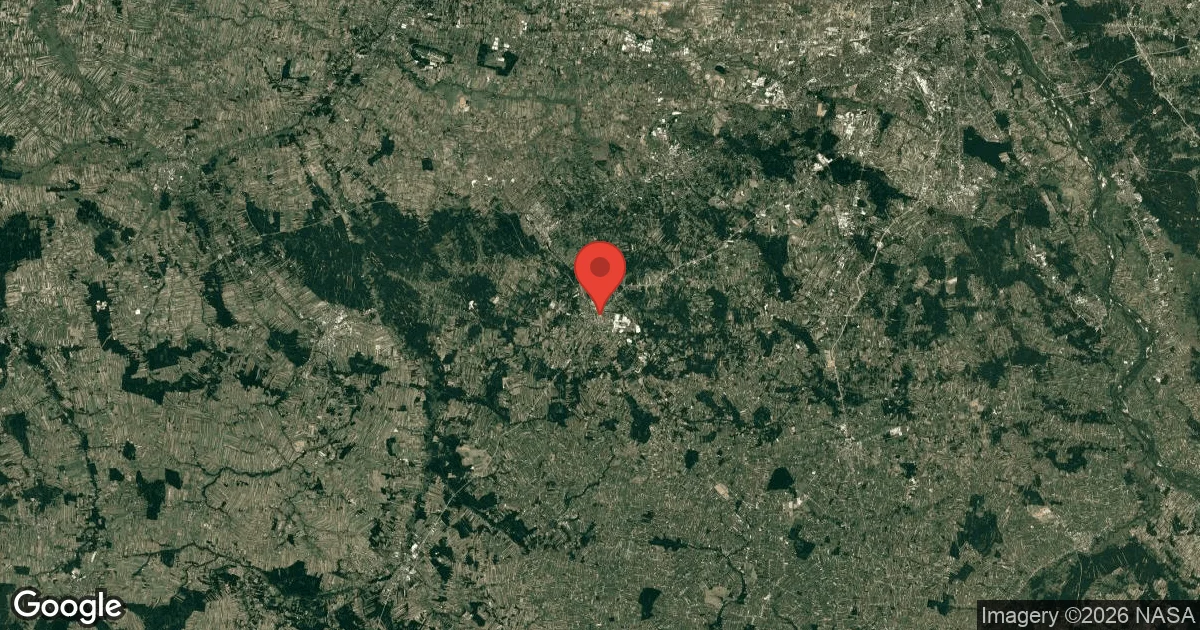
Diving in Poland is largely defined by the distinct environments offered by its Baltic Sea coast and numerous inland sites. While specific named dive sites are not widely detailed, the Baltic Sea is known for its historic shipwrecks, preserved by the cold, low-salinity waters. These wrecks provide a unique opportunity for exploration.
Inland, divers can explore flooded quarries and lakes, which feature submerged forests, training platforms, and natural geological formations. Visibility can vary significantly; early summer may see decreases down to 20 m (65 ft) due to algae blooms, yet deeper wrecks can offer over 10 m (33 ft) of visibility. In optimal conditions and locations, particularly on the open sea, visibility can even reach 30 m (100 ft). Inland quarries often maintain good visibility year-round.
Best Time to Dive in Poland
Choosing the best time to dive in Poland involves considering trade-offs between warmer conditions and optimal visibility. The period from May to October generally offers the warmest air temperatures, making access to both coastal and inland sites more comfortable. This extended season supports general diving activity across the country.
However, divers prioritizing visibility may find spring and autumn to be the best periods. While early summer can bring algae blooms, reducing visibility in shallower depths up to 20 m (65 ft), deeper wrecks often maintain visibility over 10 m (33 ft). Inland quarries frequently provide good conditions throughout the year. For the Baltic Sea, visibility on the open sea generally surpasses that in the Gulf of Gdańsk.
Monthly Sea Temperatures
Water temperatures in Poland exhibit significant seasonal and depth-related shifts, impacting dive planning. The overall range for diving is typically 4–18°C (39–64°F), making drysuits a common choice. During winter, the Baltic Sea can reach temperatures as low as 4°C (39°F).
In summer, temperatures at shallow depths can exceed 20°C (68°F), while average depths might see around 15°C (59°F). However, at depths below 50 m (164 ft) even in summer, temperatures can drop below 10°C (50°F). These variations necessitate careful thermal protection depending on the dive profile and time of year.
| Jan | Feb | Mar | Apr | May | Jun | Jul | Aug | Sep | Oct | Nov | Dec | |
|---|---|---|---|---|---|---|---|---|---|---|---|---|
| Max | 6° | 5° | 4° | 8° | 14° | 18° | 22° | 21° | 20° | 17° | 12° | 9° |
| Avg | 3° | 3° | 2° | 5° | 10° | 15° | 18° | 19° | 17° | 13° | 10° | 6° |
| Min | 1° | 0° | 0° | 1° | 6° | 12° | 15° | 17° | 15° | 10° | 7° | 3° |
Dive Conditions
Dive conditions in Poland are heavily influenced by depth and location, particularly concerning visibility. During the early summer, algae blooms can significantly decrease visibility in shallower areas, specifically up to 20 m (65 ft). This phenomenon is more pronounced in the Gulf of Gdańsk compared to the open sea, where visibility is often much better.
For deeper wreck sites, visibility can still exceed 10 m (33 ft) even when shallower areas are affected. In optimal periods and specific diving areas, visibility can reach up to 30 m (100 ft). Inland quarries, by contrast, tend to offer consistent good visibility throughout the year, regardless of the seasonal changes affecting the Baltic Sea.
Marine Life Highlights
Most Mentioned Species
Marine life in Poland varies across dive locations, with different species appearing depending on environment and conditions. The species highlighted here are the most frequently associated with dive sites in our data, offering a realistic overview of what divers are most likely to encounter.
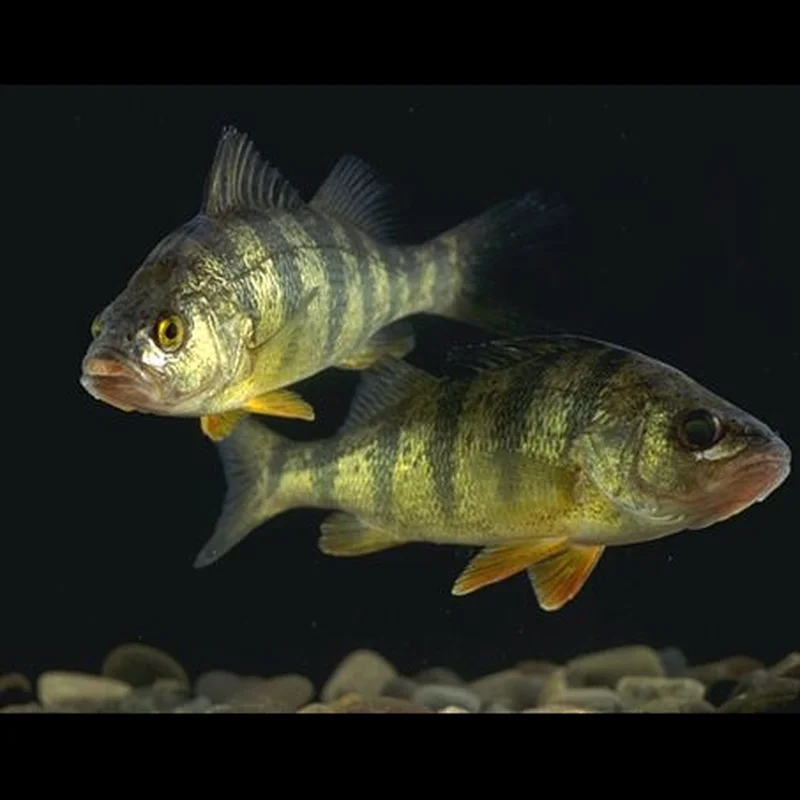
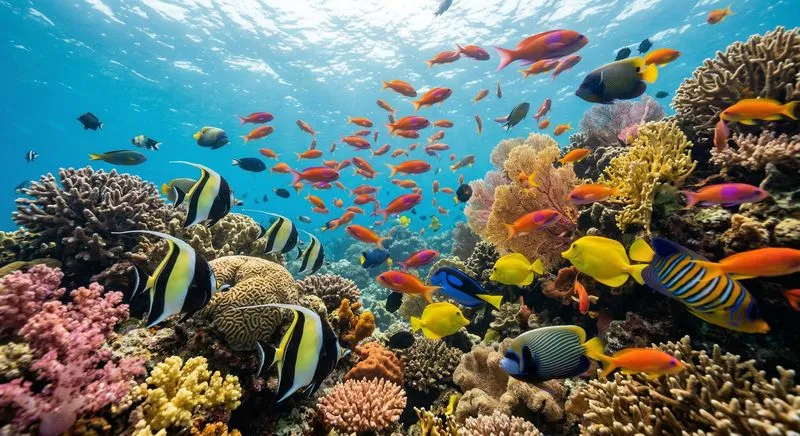
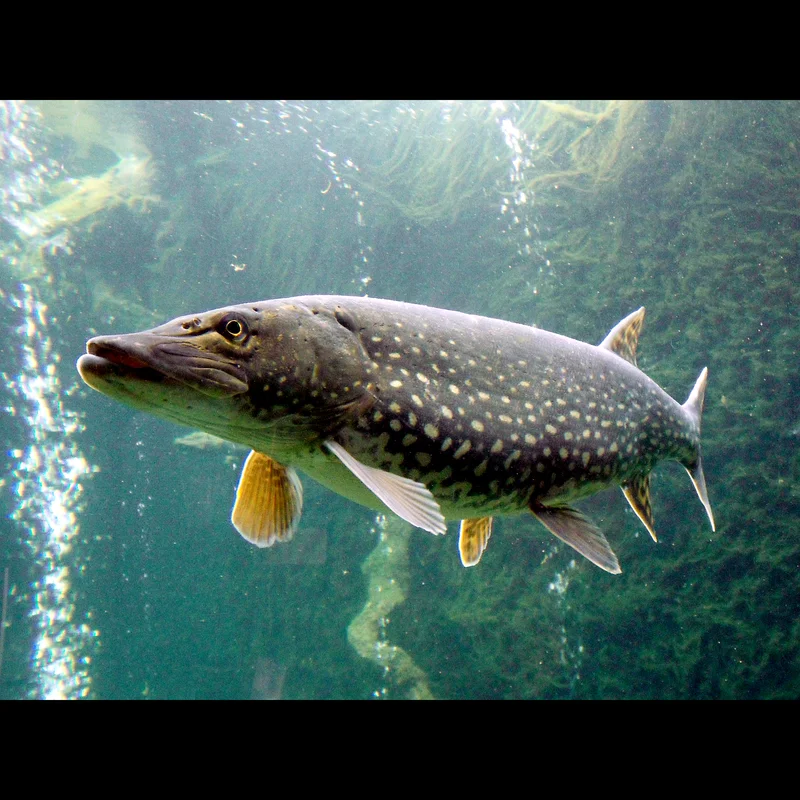
Available dive information is concentrated around a limited number of documented locations rather than being widely distributed. The marine life documented for Polish dive sites includes species such as cod and flounder, typically found in the Baltic Sea environment. Freshwater fish are observed in the inland flooded quarries and lakes. While these species are noted, specific seasonal patterns for their appearances are not extensively detailed in the available information. Divers can expect to encounter these inhabitants within their respective habitats.
Regions for Diving
Diving in Poland is concentrated within two primary regional types, each offering distinct access and experiences. The Baltic Sea coast, encompassing areas near Gdańsk and the Hel Peninsula, allows for access to maritime diving, especially for historic shipwrecks. This region is further categorized into "gulf" and "open sea" areas, with varying visibility conditions. Water temperatures here range from 4°C (39°F) in winter to 18°C (64°F) in warmer months, making drysuits a common requirement for comfort.
Inland regions feature numerous flooded quarries and lakes, which are typically accessed locally. These sites provide freshwater diving opportunities with unique submerged landscapes like forests and geological formations. Inland quarries often maintain good visibility throughout the year, providing a consistent option for divers.
Travel & Passport Guide
Travel Basics
Trip Planning
Safety & Diving Considerations
Diving activity in this country is not extensively documented at a national level, with most available information focused on specific locations rather than broad regional patterns. Seasonal planning is identified as a key factor for safe diving in Poland. This guidance suggests that understanding the time of year and its impact on conditions is crucial for diver safety and experience.
Dive Centers in Poland
View all 51 dive centers
Frequently Asked Questions
When is the best time for scuba diving in Poland?
The optimal period for scuba diving in Poland is from May to October, when air temperatures are generally warmer. For better visibility, particularly in the Baltic Sea, spring and autumn are often preferred. Inland quarries can offer good conditions year-round.
What are the typical water temperatures for diving in Poland?
Water temperatures in Poland range from 4–18°C (39–64°F). In summer, shallow depths can exceed 20°C (68°F), while deeper areas below 50 m (164 ft) may fall below 10°C (50°F). Winter temperatures in the Baltic Sea can be as low as 4°C (39°F).
What kind of marine life can I expect to see?
In the Baltic Sea, divers may encounter species such as cod and flounder. Inland freshwater sites, including flooded quarries and lakes, are home to various freshwater fish.
What are the main types of dive sites available?
Poland offers two primary diving environments: the Baltic Sea, known for its historic shipwrecks, and inland flooded quarries and lakes, which feature submerged forests, platforms, and geological formations.