
Diving in Tunisia
Diving in Tunisia covers a wide range of environments, with conditions that vary depending on location and site type. We currently track 3 dive locations in our database for Tunisia. This helps divers compare locations and plan dives based on available conditions.
Tunisia's geographical position along its coastline significantly shapes the varied underwater experiences available to divers. From the dramatic geological formations in the northwest, notably around Tabarka with its 'Needles' rock formations and the extensive Tunnels Reef, to the numerous historical wreck sites concentrated off Cap Bon and Mahdia, the subaquatic environment presents a range of exploration. The country's topography includes natural coral reefs, distinct drop-offs such as Djerba's Sidi Jmour, and intricate cave systems like La Grotte aux Pigeons.
These varied structures provide a rich setting for divers, whether their interest lies in natural wonders or historical artifacts. Mild currents are often encountered across many locations, making sites accessible for different skill levels. This allows for comfortable navigation of both deeper historical dives and shallower reef observations.
The temperate conditions of these waters further enhance the diving experience, supporting a range of Mediterranean marine habitats. Extensive Posidonia meadows are also a prominent feature, contributing to the overall ecological health and unique identity of the country's subaquatic environment.
Dive Map of Tunisia
Approaching the underwater exploration of Tunisia involves understanding its three primary coastal diving zones, which naturally structure a diver's itinerary. Journeys frequently begin with the geological formations of the northwest, specifically around Tabarka and the protected La Galite islands, before moving eastward along the mainland. This initial phase focuses on natural reefs and unique rock structures.
The central and eastern coast then offers a concentration of historical wreck sites, particularly around Cap Bon, Hammamet, Monastir, and Mahdia. This region provides a distinct shift towards cultural heritage dives, with numerous World War II vessels accessible. Each location presents varied historical artifacts and marine life interactions.
Finally, the southern island of Djerba serves as a significant hub for diverse diving, encompassing a mix of wrecks, reefs, and underwater caves. This geographical progression allows for a comprehensive dive trip, transitioning through varied underwater landscapes and conditions, from the mainland's northern reaches down to the southern island destinations.
Dive Sites to Explore
View all 3 sites
Among Tunisia's many underwater attractions, the PLM 20 wreck stands out, a 110-meter long cargo ship sunk by a torpedo in 1942, resting majestically upright on the sand off Mahdia. This site provides a significant historical dive, often drawing experienced wreck enthusiasts. The country's waters host numerous other wrecks, offering varied experiences for divers.
Near Djerba, the Aïda, a World War II-era shipwreck, lies at approximately 20 meters (66 ft) deep, making it accessible for many. Another notable Djerba wreck is the P-47 Thunderbolt, an American fighter plane from WWII, offering a unique aviation history dive. For those new to Djerba, Les Epaves de Houmt Souk presents several small wrecks scattered on a sandy bottom, serving as an approachable adventure.
Beyond wrecks, natural formations like Tabarka's 'Needles' rock formations and the Tunnels Reef, covering 500 meters (1,640 ft) with 20 swim-through tunnels, offer geological exploration. La Grotte aux Pigeons in Djerba features underwater caverns, ideal for those interested in cave diving. Visibility across these sites can reach up to 30 meters (98 ft) in favorable conditions, enhancing the exploration of both historical artifacts and natural habitats.
Best Time to Dive in Tunisia
The optimal time for marine life encounters in Tunisia aligns with the warmer months, particularly from June to September, when a wider array of fish species is present. Loggerhead turtle nesting season occurs around the central coast between May and July, adding a potential wildlife highlight for divers.
The overall peak diving season extends from May to October, characterized by the warmest water temperatures and best visibility, often reaching up to 30 meters (98 ft). Early autumn, specifically, provides an attractive blend of clarity, calm sea states, and sufficiently warm water for diving around Tabarka and the La Galite islands.
Conversely, the winter months, from December through April, see cooler sea temperatures, typically between 15°C and 18°C (59°F and 64°F). During this period, stronger winds, often exceeding 17 kilometers per hour (11 mph), can lead to less dependable offshore conditions, particularly impacting dive planning for more exposed locations.
Monthly Sea Temperatures
Sea temperatures in Tunisia display notable seasonal and regional variations, directly influencing dive comfort and planning. The southern region, particularly around Djerba, experiences notably warmer waters, ranging from 18°C (64°F) in spring up to a high of 28°C (82°F) during the summer months. This warmer southern climate generally extends the comfortable diving season for that area.
Further north, destinations such as Monastir and Mahdia in the northeast typically see summer temperatures between 22°C and 27°C (72°F and 81°F). Across the country, the peak summer period, from June to September, often brings water temperatures between 25°C and 30°C (77°F and 86°F), creating ideal conditions for extended dives.
During winter, from December to April, waters cool significantly, typically settling between 15°C and 18°C (59°F and 64°F). The overall annual range spans from 16°C (61°F) in winter to 28°C (82°F) in summer, with Tabarka's peak warmth often occurring later in the season. Divers should plan their thermal protection accordingly for these varied conditions.
| Jan | Feb | Mar | Apr | May | Jun | Jul | Aug | Sep | Oct | Nov | Dec | |
|---|---|---|---|---|---|---|---|---|---|---|---|---|
| Max | 17° | 16° | 16° | 17° | 20° | 25° | 26° | 27° | 27° | 24° | 23° | 19° |
| Avg | 15° | 15° | 15° | 16° | 18° | 22° | 25° | 26° | 25° | 23° | 20° | 17° |
| Min | 14° | 14° | 13° | 14° | 16° | 19° | 23° | 24° | 23° | 21° | 18° | 16° |
Dive Conditions
Environmental factors such as wind, visibility, and sea state significantly shape the diving conditions across Tunisia, particularly impacting operations in more exposed areas. For instance, in Djerba's shallow gulf, wind and tidal movements can directly influence entry points and the potential for drift, requiring local knowledge. Similarly, excursions to northwestern sites like Tabarka and the La Galite islands frequently depend on captain-led weather assessments for safe offshore travel.
A notable highlight of Tunisian diving is the excellent visibility, often reaching up to 30 meters (98 ft) under optimal conditions. This clarity is particularly consistent from May to October, allowing for exceptional viewing of both underwater landscapes and marine life. Currents are generally mild throughout the country, especially around Djerba, which contributes to calm and manageable conditions for many dive sites.
However, stronger winds during the winter months can lead to less dependable offshore conditions, making early autumn a preferred period for stable sea states in the northwest. Overall, divers can expect a range of conditions, but with careful planning and adherence to local advice, rewarding experiences are common.
Marine Life Highlights
Most Mentioned Species
Marine life in Tunisia varies across dive locations, with different species appearing depending on environment and conditions. The species highlighted here are the most frequently associated with dive sites in our data, offering a realistic overview of what divers are most likely to encounter.
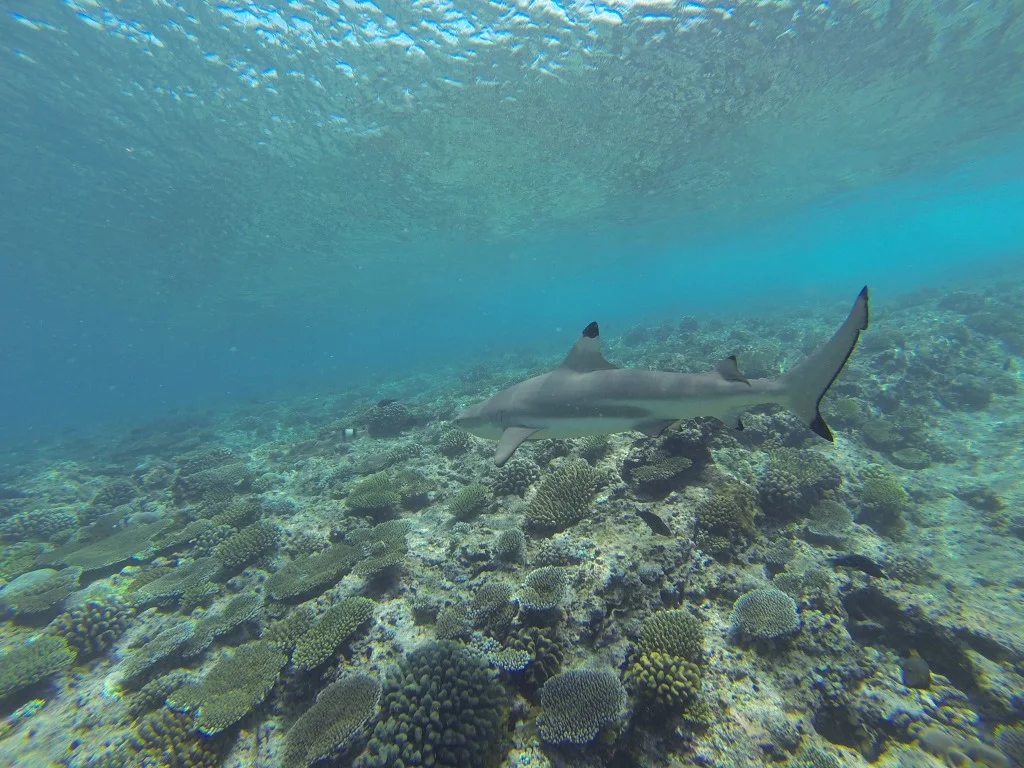
Divers exploring the waters here can expect a variety of common marine life encounters. Octopuses are frequently spotted camouflaged among rocks, and moray eels often peek from their dens within crevices. Groupers are a prevalent sight, including large dusky groupers in areas like Tabarka and substantial groupers inhabiting sites such as Grouper Rock. Smaller species like wrasses, damselfish, and stingrays are also abundant across reef structures.
Larger pelagic species include barracudas, amberjacks, and occasional small sharks schooling near wrecks and drop-offs. Significant sightings involve sea turtles, with loggerhead turtles being particularly important in the Gulf of Gabes as a crucial wintering and foraging zone. Dolphins and pilot whales are sometimes seen, adding to the allure of open water excursions.
The macro environment is equally rich, with nudibranchs, shrimps, and crabs thriving within crevices and on sponge formations. Important habitats such as Posidonia meadows and red coral formations underpin this biodiversity, providing essential shelter and food sources for the diverse Mediterranean fauna.
Regions for Diving
Beginning in the Northwest, Tabarka and the La Galite islands present a distinct diving experience. This region is recognized for its impressive coral reefs and unique geological features, such as the 'Needles' rock formations. Tunnels Reef near Tabarka offers an extensive network of 20 swim-through tunnels over 500 meters (1,640 ft), providing an adventurous exploration. The La Galite islands, a protected marine reserve, are less visited but offer pristine conditions and the chance to spot species like the pink Swallowtail sea perch and large dusky groupers. Early autumn often provides the best blend of visibility and sea state here.
Moving eastward, Northeast Tunisia encompasses popular destinations like Cap Bon, Hammamet, Monastir, and Mahdia. This area is noted for its historical shipwrecks, including several World War II vessels. The Gulf of Hammamet is a key site, featuring octopuses, groupers, and moray eels amidst coral formations. Mahdia is particularly known for its accessible wreck diving, including the Mares Napoli, suitable for beginners, and the prominent PLM 20 wreck. Water temperatures in Monastir and Mahdia typically range from 22°C to 27°C (72°F to 81°F) during the warmer months.
Further south, the Djerba area offers extensive diving opportunities. This region features coral gardens and abundant marine life. Divers can explore numerous wrecks, such as the Aïda, the P-47 Thunderbolt Wreck, and the Ricardo (Edda), a 100-meter (328 ft) cargo ship. Natural sites like La Grotte aux Pigeons, with its underwater caverns, and the Sidi Jmour Drop-off, a wall descending to 20 meters (66 ft), cater to varied interests. Djerba's waters generally have mild currents, excellent visibility, and comfortable temperatures, from 18°C (64°F) in spring to 28°C (82°F) in summer, with optimal visibility from May to October. The shallow Gulf of Gabes is also an important wintering and foraging zone for loggerhead turtles.
Travel & Passport Guide
Travel Basics
Trip Planning
Safety & Diving Considerations
Ensuring safety while diving in Tunisia requires an awareness of local conditions and adherence to specific site considerations. For instance, in regions such as Tabarka and the La Galite islands, weather conditions can change rapidly, necessitating careful, captain-led decisions for offshore trips. Similarly, Djerba's shallow gulf can be influenced by wind, visibility, and tides, which may affect dive entries and potential drift, making local guidance valuable.
Certain deeper wrecks and offshore objectives, particularly those near Mahdia and offshore Djerba, are better suited for more experienced divers rather than casual holiday excursions. While currents are generally mild across many locations, understanding specific local patterns is always important for safe navigation. Divers should assess their skill level against the demands of each site.
Furthermore, environmental guidelines are in place to preserve Tunisia's marine environment. Divers are encouraged to maintain a respectful distance from marine life, including sea turtles and the giant mussel Pinna nobilis. Avoiding contact with seagrass beds and delicate coral structures is also crucial to minimize impact and help protect these important underwater ecosystems.
Dive Centers in Tunisia
View all 13 dive centers
Frequently Asked Questions
What is the best time of year to go diving in Tunisia?
The prime diving season in Tunisia runs from May to October. During these months, the water temperatures are at their warmest, ranging from 22°C to 30°C (72°F to 86°F), and visibility is typically at its best, often reaching up to 30 meters (98 ft). This period offers the most comfortable conditions and a higher chance of encountering a wide array of marine life. While diving is possible year-round, winter months (December to April) bring cooler waters and potentially stronger winds.
What are the typical water temperatures in Tunisia?
Tunisian waters offer a pleasant temperature range throughout the year. In summer, from June to September, temperatures are at their warmest, generally between 25°C and 30°C (77°F and 86°F). Regions like Djerba can see temperatures up to 28°C (82°F), while Monastir and Mahdia average 22°C to 27°C (72°F to 81°F). During winter (December to April), sea temperatures cool to approximately 15°C to 18°C (59°F to 64°F), requiring appropriate thermal protection.
What kind of marine life can I expect to see while diving?
Tunisia's Mediterranean waters host diverse marine life. Divers frequently encounter groupers, octopuses, and moray eels. Other common sightings include barracudas, small sharks, stingrays, wrasses, and damselfish. You may also spot loggerhead and other sea turtles, particularly in southern regions. Macro life such as nudibranchs, shrimps, and crabs thrives in reef crevices. Additionally, dolphins and pilot whales are occasionally seen, especially near the Bhiri Wreck, and important Posidonia meadows are present.
Are there many wreck diving opportunities in Tunisia?
Yes, Tunisia offers significant wreck diving opportunities, with numerous historical sites. Notable examples include the PLM 20, a 110-meter (361 ft) cargo ship in Mahdia, and several World War II wrecks like the Aïda (around 20 meters/66 ft deep) and the P-47 Thunderbolt fighter plane, both near Djerba. Other wrecks like the Mares Napoli, Ricardo (Edda), and Le Cimentier provide varied experiences for different skill levels, from accessible shallow wrecks to deeper, more challenging sites.
Which are the main diving regions in Tunisia?
Tunisia features three primary diving regions. Northwest Tunisia, around Tabarka and the La Galite islands, is known for coral reefs and unique rock formations like the 'Needles'. Northeast Tunisia, including Cap Bon, Hammamet, Monastir, and Mahdia, is a hub for historical wreck diving. Finally, South Tunisia, centered around Djerba, offers a mix of coral gardens, abundant marine life, and numerous wrecks, all typically in mild currents and good visibility. Each region provides a distinct underwater landscape for exploration.