
Diving at Africa Caves (Australia)
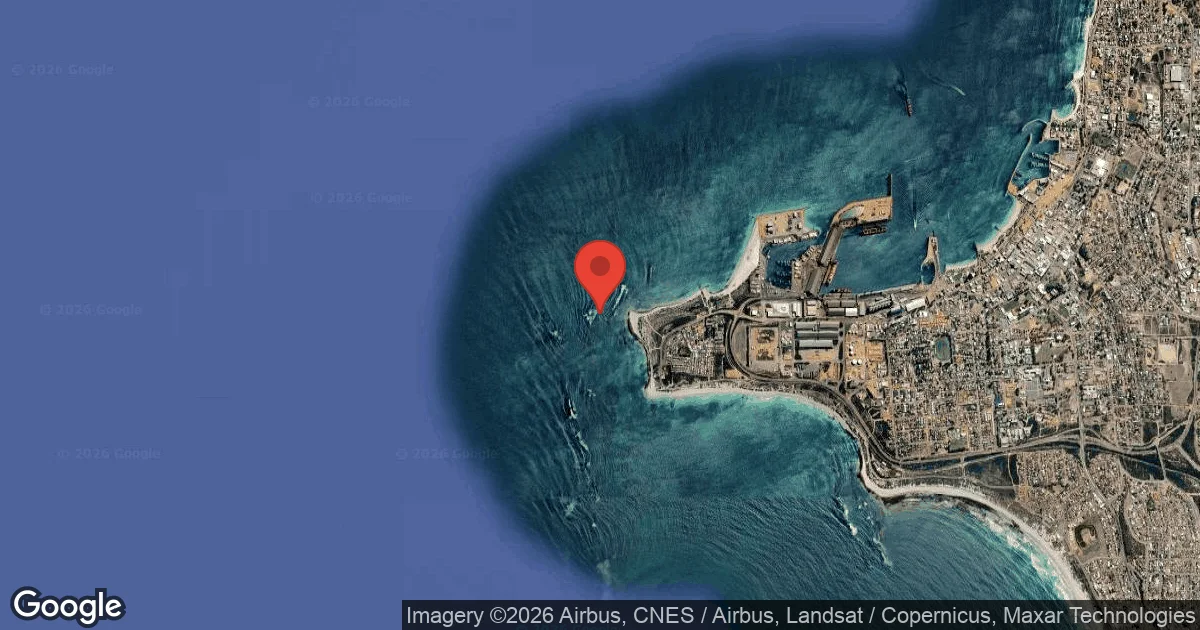
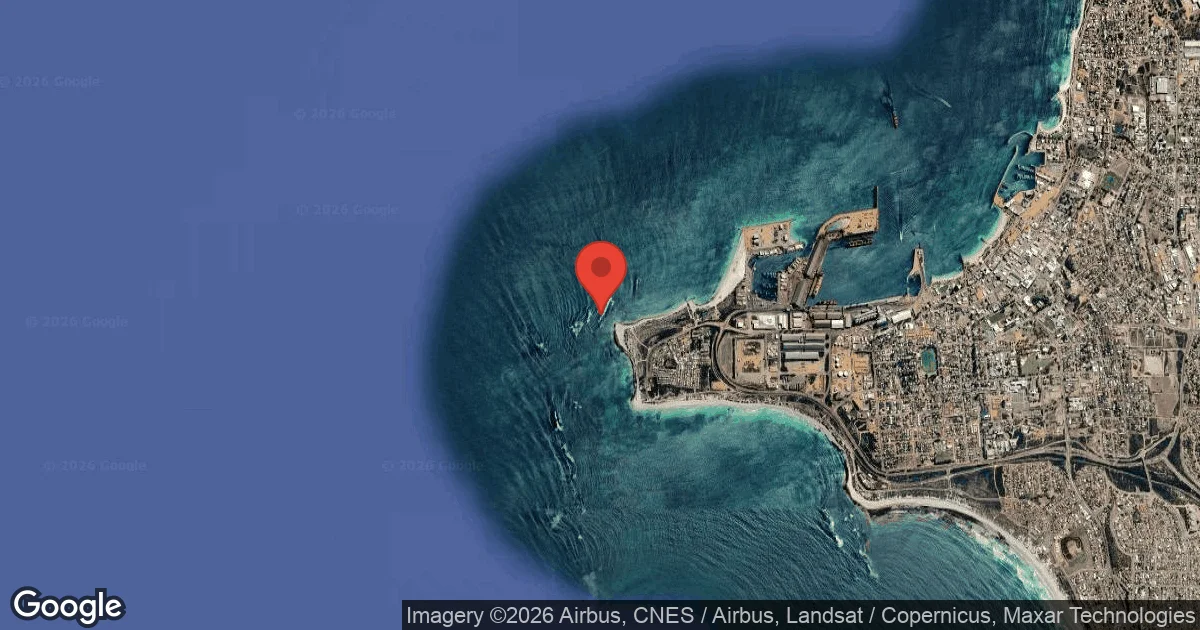
About 20 km south of Geraldton on Africa Reef, this boat-accessed cave site reaches a maximum of around 18 m / 59 ft. A large cave set on a deep limestone ledge is the centrepiece, surrounded by swim-throughs and reef structure. Because the dive involves an overhead environment and exposure to surge, it is an advanced site that calls for appropriate cave training and conservative conditions.
Evening condition tracking at Africa Caves features an air temperature of 19.5°C. We have recorded wave heights measuring 3.3 m during this period. These figures outline the environmental parameters currently present.
Dive Site Location & Key Facts
Dive Site Overview
Limestone defines the terrain at Africa Reef: a large ledge running out to about 18 m / 59 ft, capped by a sizeable cave and threaded with swim-throughs, pinnacles and smaller ledges. Bottom composition mixes limestone with patches of seagrass and coral, and the larger fish the site is known for tend to hold around the cave mouth and along the deeper structure. Boat is the only way in, with anchoring noted on sand patches and a permit referenced for the area.
Worth knowing as background, the reef became associated with diving after the Stanford sank nearby in 1936; the historical wreck is part of the location's story and not presented here as part of the dive itself. What divers actually work is the cave-and-ledge system, which rewards good light awareness and careful positioning. Conditions make or break a visit.
When swell and surge are down the site opens up, and when they are running it closes off quickly, so the dive is firmly weather-dependent. Treat the overhead sections as a genuine cave environment, plan light and gas accordingly, and keep penetration within the limits of your training.
Conditions are Moderate
High Swell Advisory. Not recommended.
Current conditions near Africa Caves show 20° air, 19° sea temperature, 3.3 m waves, and 27 km/h wind. Forecast data is refreshed regularly to ensure accuracy.
Best Time to Dive
Water along this part of the coast is warmest through the southern summer, sitting near 23.8°C / 75°F at its peak early in the year and cooling into the high teens °C by mid-winter, so plan exposure protection for cooler water outside summer. Swell is the bigger seasonal story here: modelled wave height runs high for much of the year and climbs toward 3.1 m / 10 ft around July, the roughest stretch, when dive-condition scores also bottom out. The practical read is to favour the calmer summer-into-autumn months and to avoid mid-winter, when both waves and reduced scores line up against a clean dive. Rainfall is low across the year and not a deciding factor. Because so much depends on surge inside the cave system, day-to-day conditions matter more than any single calendar month, and a settled forecast should drive the call.
PEAK SEASON SCORE
Scores combine air & water temps, waves, wind & rainfall for overall conditions.
BEST MONTHS TO DIVE
Monthly records compiled from satellite and marine observation nodes over the last 3 years. Data provided by Open-Meteo and MET Norway.
Dive Experience & Conditions
A typical visit runs as a boat dive over limestone, working the ledge out to around 18 m / 59 ft and exploring the cave and swim-throughs as conditions allow. Average depth sits closer to 10 m / 33 ft, so much of the dive can be spent shallower while the deeper structure and cave entrance hold the larger fish. Surge is the defining condition; even moderate swell pushes water through the overheads and narrows the margin for error, which is why the site reads as advanced. Light and positioning matter more here than at an open reef, since the cave and swim-throughs demand awareness of your exit at all times. With boat-only access and anchoring on sand patches, dives are planned around a settled forecast, and the operator's read on surge should set whether the overhead sections are in play on the day.
Dive Difficulty & Safety Guidelines
Cave penetration and surge are the hazards the source flags directly, and together they define the site as advanced. An overhead environment removes the option of a straight ascent, so cave training, redundant gas planning, a guideline where appropriate, and disciplined light management are baseline requirements, not extras. Surge can move you inside tight structure, so conservative positioning and a clear awareness of the exit matter throughout.
Currents and swell add to the picture and make the site wind-dependent; on a marginal day the safe choice is to stay out of the overheads or call the dive. A permit is referenced for the area, so confirm any access requirements before booking. None of this suits a diver without overhead training, and the depth, although moderate at around 18 m / 59 ft, does nothing to soften the cave-specific risks.
Recommended Equipment
Overhead environment. Do not enter beyond training and gas planning limits.
- Dive Computer
- DSMB
- Primary & Backup Lights
- Reel / Spool
- Cutting Tool
This gear list is based on verified equipment signals for Africa Caves, Australia. Always confirm final gear choices with your dive operator, guide, or liveaboard.
Recommended Dive Suit
With water temperatures around 19°C (67°F), many divers find a 5mm wetsuit provides comfortable protection.
Being prepared with flexible exposure options is a common approach among experienced divers.
The next few days appear likely to bring similar environmental conditions.
Emergency & Medical Support
Essential information to help you plan your dive trip to Africa Caves.

Hyperbaric chambers are a critical part of dive safety infrastructure. Availability varies significantly by region, and not all dive areas have immediate access.
Before diving, it's recommended to:
- confirm nearest medical facilities
- check emergency procedures with local dive operators
- ensure dive insurance covers evacuation if required
Divers Alert Network
Diving emergency assistance available through DAN World.
+1-919-684-9111- 24/7 emergency hotline
- Diving medical assistance
- Evacuation coordination
Emergency contacts are provided for reference. Always verify local emergency services before diving.
Marine Life at Africa Caves
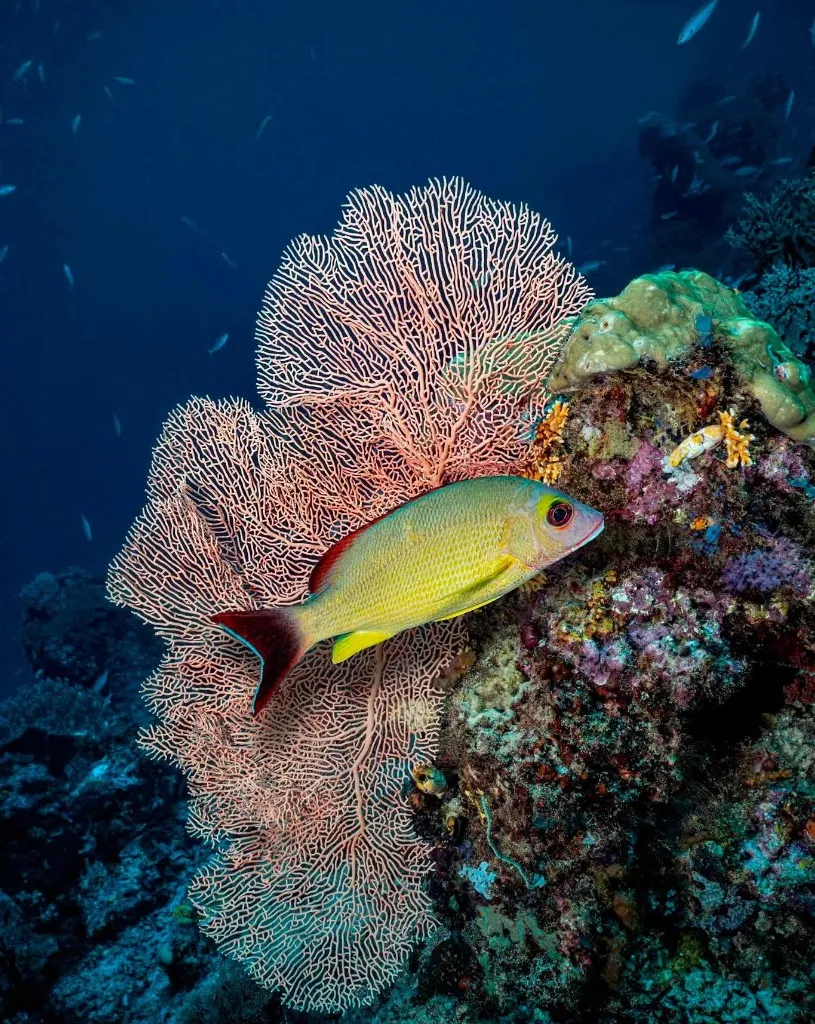
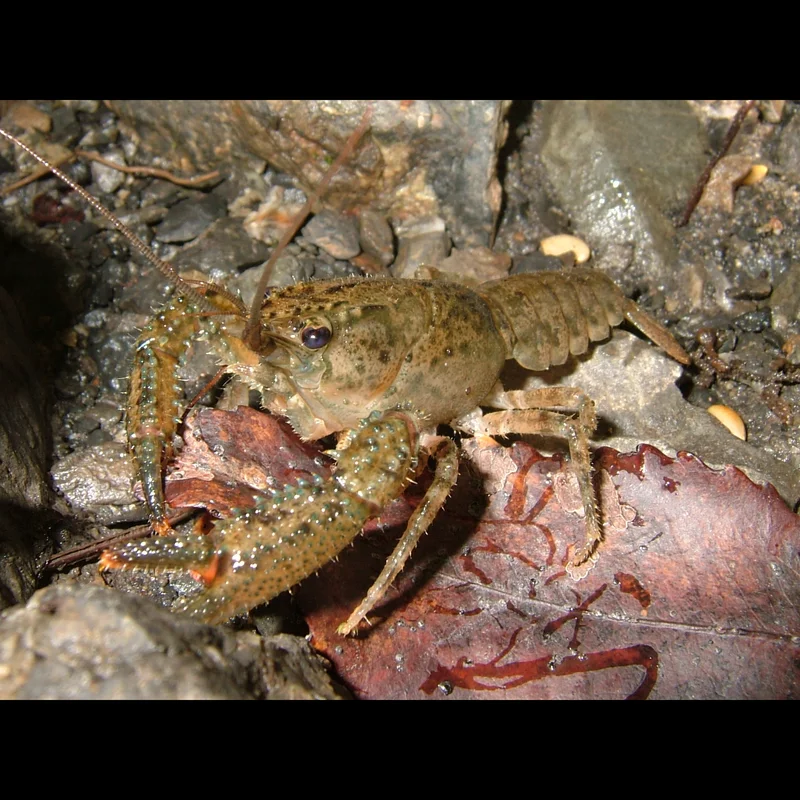
Larger fish are the reason the cave draws divers, and confirmed sightings include snapper, blue groper, crayfish and the occasional sea lion working the ledge and structure. The bigger animals tend to gather around the cave mouth and deeper limestone, so the payoff often comes from holding position and watching as much as from covering ground.
Source notes add, with less certainty, sponges, reef fish, coral and passing dolphins as further context. Nothing here is guaranteed on a given dive, and the most reliable approach is to settle into the cave-and-ledge zone where the resident fish hold, instead of chasing movement across the reef.

Dive Sites Near Africa Caves
View all dive sites in AustraliaDiscover more underwater gems in this area.
Dive Centers Near Africa Caves
No Dive Centers Local To Africa Caves
Are you a dive center visiting this location? Get listed to reach divers.
Nearest Airports
Nearest airports to help plan travel to this dive area.
Search Flights
Check available flights and routes on Expedia, using the nearby airports listed in this section.
Search Flights on ExpediaFrequently Asked Questions
Do I need cave training to dive Africa Caves?
The site is an overhead cave environment flagged for penetration risk and rated advanced, so appropriate cave training and conservative planning are expected before entering the overheads.
How deep does it go?
Maximum depth is about 18 m / 59 ft, with an average closer to 10 m / 33 ft, so much of the dive can be worked shallower than the deepest structure.
Is there really a wreck here?
The reef became associated with diving after the Stanford sank nearby in 1936. That is historical background for the location and is not described in the source as part of the dive itself.
When should I avoid diving it?
Mid-winter around July is the roughest stretch, when modelled waves climb toward 3.1 m / 10 ft and condition scores fall, so settled summer-to-autumn days are the safer bet.
How do I get to the site?
Access is by boat, with anchoring noted on sand patches. A permit is referenced for the area, so confirm access requirements when you book.
Planning to dive Africa Caves?
Send one inquiry and receive offers directly from the best verified local dive operators.
Conditions are Moderate
High Swell Advisory. Not recommended.
Current conditions near Africa Caves show 20° air, 19° sea temperature, 3.3 m waves, and 27 km/h wind. Forecast data is refreshed regularly to ensure accuracy.