
Diving at Aquarium Reef 1 (Australia)
Dropping into Aquarium Reef 1 immerses divers into a vibrant section of the Great Barrier Reef. The initial descent reveals expansive coral gardens, transitioning into deeper reef structures. Clear waters often allow visual contact with the seafloor early, setting the stage for an engaging exploration. This site provides an accessible entry point to the reef's diverse ecosystem.
Tonight's objective overview for Aquarium Reef 1 shows an air temperature of 21.5°C. The measured surface conditions include wave heights around 1.2 m. This environmental data is logged for the close of the day.
Dive Site Location & Key Facts
Dive Site Overview
Aquarium Reef 1 presents a varied topography, encompassing broad reef flats, gentle slopes, and areas with distinct wall formations. While specific depths vary across the site, typical dives explore down to around 20-30 meters (65-100 ft).
Shallower sections, often around 5-10 meters (15-30 ft), are common and ideal for extended bottom times and safety stops. Divers encounter intricate hard coral gardens and a scattering of soft corals that add dynamic color to the seascape. Certain sections feature small coral caves and overhangs, inviting closer inspection for camouflaged inhabitants.
Clear, shallow waters contribute to its reputation as a favorable location for both certified diving and snorkeling. Visibility is often excellent, allowing sunlight to penetrate and illuminate diverse structures.
While not consistently reported, current strengths can vary, sometimes offering gentle drifts, particularly around more exposed sections. Overall structure provides ample opportunities for exploration, from spotting small invertebrates in crevices to observing larger pelagic species cruising reef edges.
Conditions are Moderate
High Swell Advisory. Not recommended.
Current conditions near Aquarium Reef 1 show 22° air, 20° sea temperature, 2.6 m waves, and 26 km/h wind. Forecast data is refreshed regularly to ensure accuracy.
Best Time to Dive
Optimal diving conditions at Aquarium Reef 1 often coincide with periods of excellent visibility, which can be influenced by local weather patterns. Air temperatures are generally warmer from November to April, averaging 22-26°C (72-79°F), with February experiencing slightly higher average rainfall at 0.76 mm. This period generally provides comfortable surface conditions. Conversely, cooler air temperatures prevail from June to September, ranging from 14-18°C (57-64°F), with June noting the highest average rainfall at 4.08 mm. Site experiences consistently moderate dive scores throughout most of the year, with a dip to "Poor" in June, largely due to higher average wave heights of 2.6-2.8 meters (8.5-9.2 ft) during winter months. Water temperature data isn't consistently reported, but often reflects regional air temperature trends. For clearest underwater experiences, planning a visit outside the peak rainy season of early winter is advisable, though moderate conditions typically persist.
PEAK SEASON SCORE
Scores combine air & water temps, waves, wind & rainfall for overall conditions.
BEST MONTHS TO DIVE
Monthly records compiled from satellite and marine observation nodes over the last 3 years. Data provided by Open-Meteo and MET Norway.
Dive Experience & Conditions
Descending into Aquarium Reef 1, divers are immediately struck by the clarity of the water, which often allows for impressive visibility stretching across expansive sections of coral. Experience here ranges from calm, tranquil explorations over shallow reef flats to engaging swims along gentle reef slopes. While water temperature isn't consistently reported, it varies seasonally, often reflecting ambient air temperatures of 14-26°C (57-79°F). Currents are typically mild, making this a suitable site for various skill levels, including beginners. However, conditions can vary depending on oceanic factors, with occasional stronger surges or currents not uncommon, particularly on more exposed reef sections. Overall feeling is one of immersion in a dynamic, thriving ecosystem, where every coral formation and crevice holds the potential for discovery, from tiny macro life to patrolling reef fish.
Dive Difficulty & Safety Guidelines
Approaching Aquarium Reef 1 requires adherence to standard Great Barrier Reef diving practices to ensure diver safety and environmental protection. No specific site-related hazards are consistently reported, but divers should always be aware of potential strong currents that can arise, particularly on exposed parts of the reef. Maintaining a safe distance from all marine life and avoiding contact with corals is crucial for this delicate ecosystem.
Divers must use appropriate buoyancy control to prevent accidental contact with reef structures. Always dive with a buddy, stay within no-decompression limits, and conduct thorough pre-dive checks.
Familiarize yourself with emergency procedures and local dive operator guidelines before entering water. A surface marker buoy (SMB) is recommended for all open water dives, especially if currents are present, to aid surface visibility for boat crews.
Recommended Equipment
Overhead environment. Do not enter beyond training and gas planning limits.
- Dive Computer
- Primary & Backup Lights
- Reel / Spool
- Cutting Tool
This gear list is based on verified equipment signals for Aquarium Reef 1, Australia. Always confirm final gear choices with your dive operator, guide, or liveaboard.
Recommended Dive Suit
According to recent observations, water temperatures near Aquarium Reef 1 are approximately 20°C (68°F). Surface air temperatures are resting at 22°C (71°F).
A modest cooling trend is expected in the upcoming forecast. Cooler days are ahead; you might want a warmer option for later in the week. A neoprene vest or hood can add flexibility if temperatures feel cooler underwater.
Most divers exploring waters at this temperature rely on 5mm wetsuit for effective insulation. Surface intervals may feel cooler. Water temperature is only one factor influencing overall comfort during a dive.
Due to technical issues with our weather providers, live updates are temporarily delayed. The data above reflects the conditions at the time of the last successful fetch.
Emergency & Medical Support
Essential information to help you plan your dive trip to Aquarium Reef 1.

Hyperbaric chambers are a critical part of dive safety infrastructure. Availability varies significantly by region, and not all dive areas have immediate access.
Before diving, it's recommended to:
- confirm nearest medical facilities
- check emergency procedures with local dive operators
- ensure dive insurance covers evacuation if required
Divers Alert Network
Diving emergency assistance available through DAN World.
+1-919-684-9111- 24/7 emergency hotline
- Diving medical assistance
- Evacuation coordination
Emergency contacts are provided for reference. Always verify local emergency services before diving.
Marine Life at Aquarium Reef 1
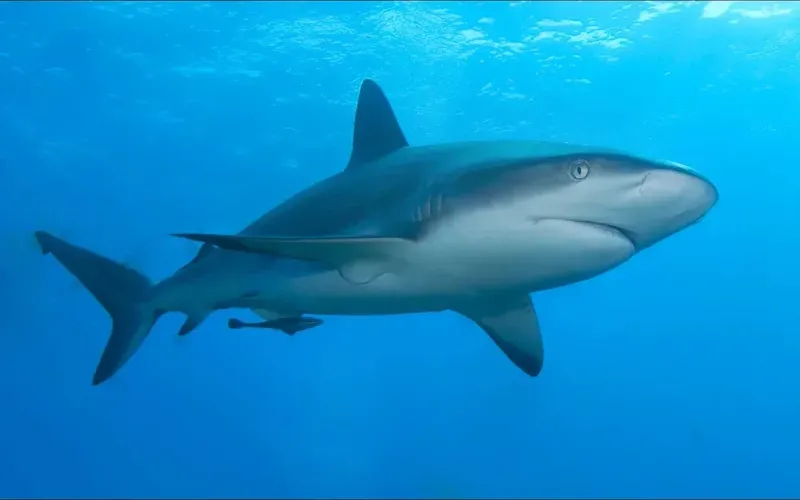
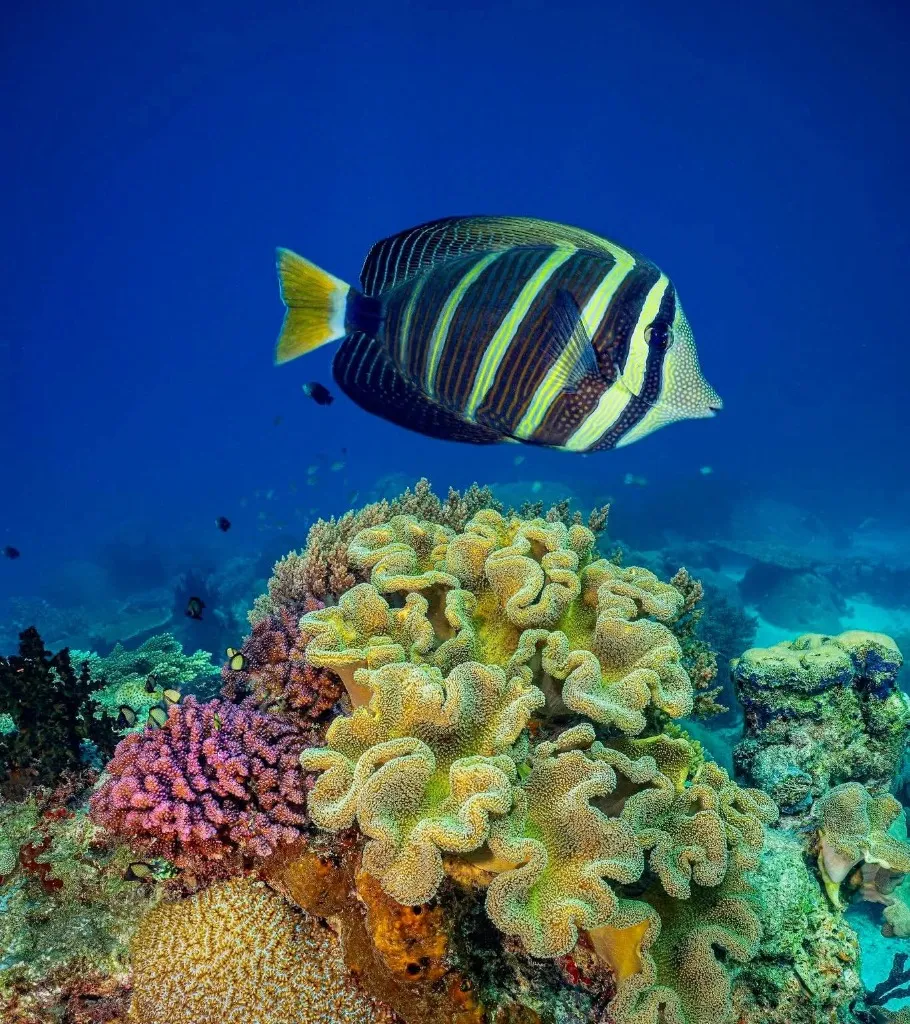
Aquarium Reef 1 lives up to its name, offering a diverse array of marine inhabitants. Divers frequently encounter playful reef sharks and various species of groupers.
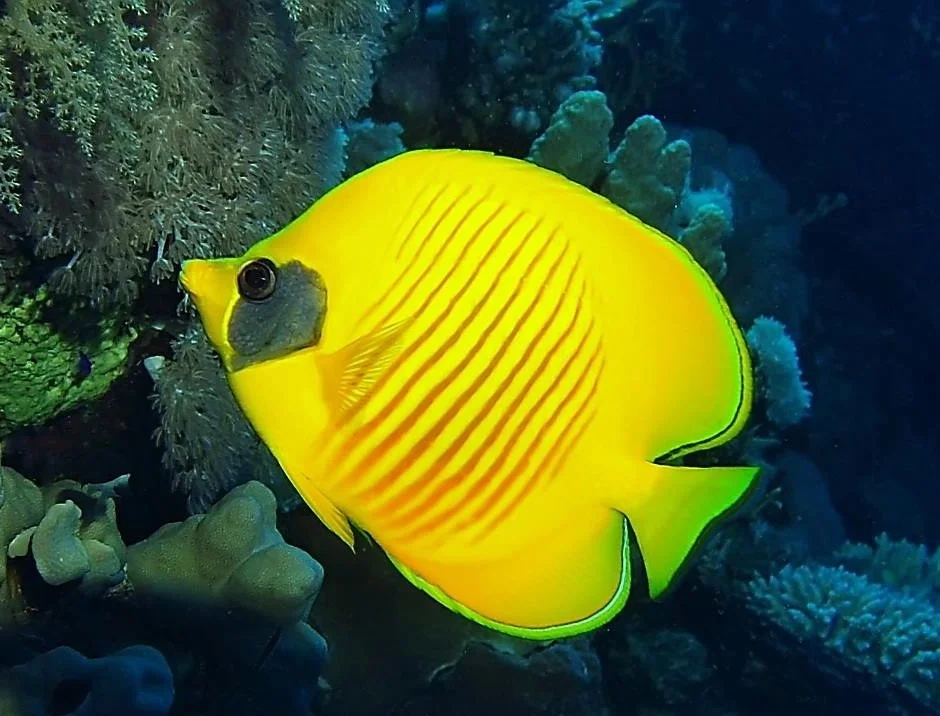
Reef is home to numerous colorful parrotfish, alongside anemonefish, butterflyfish, angelfish, and blue tangs. Looking closely, one might spot octopus, various delicate nudibranchs, and sea stars tucked among the corals.
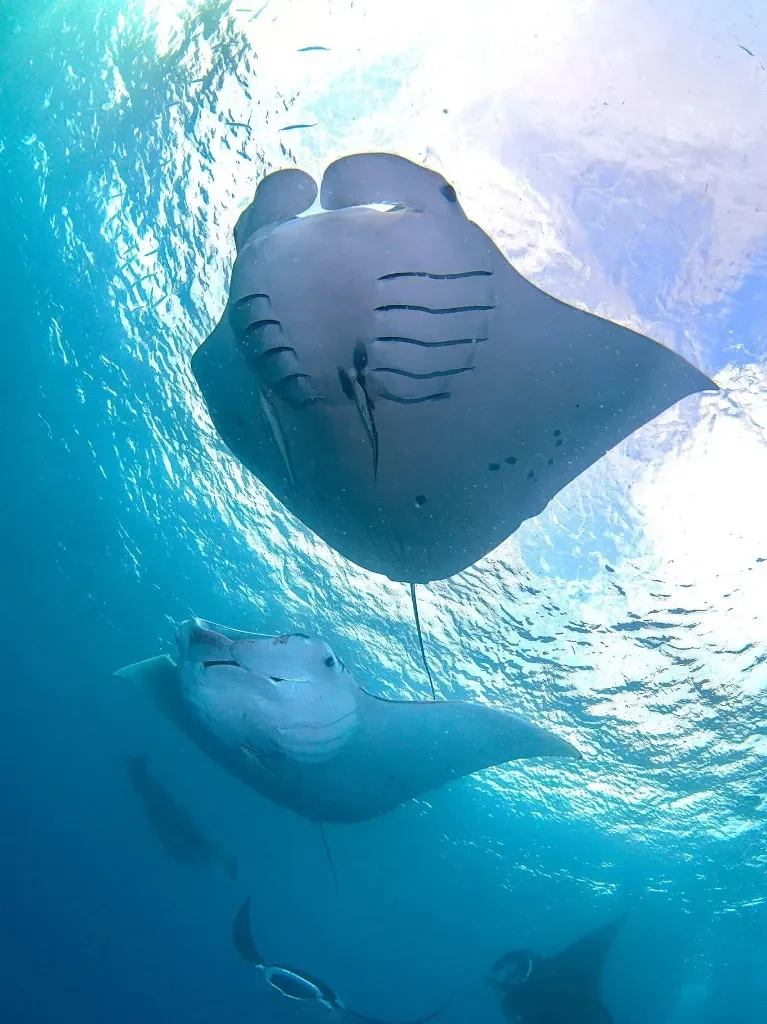
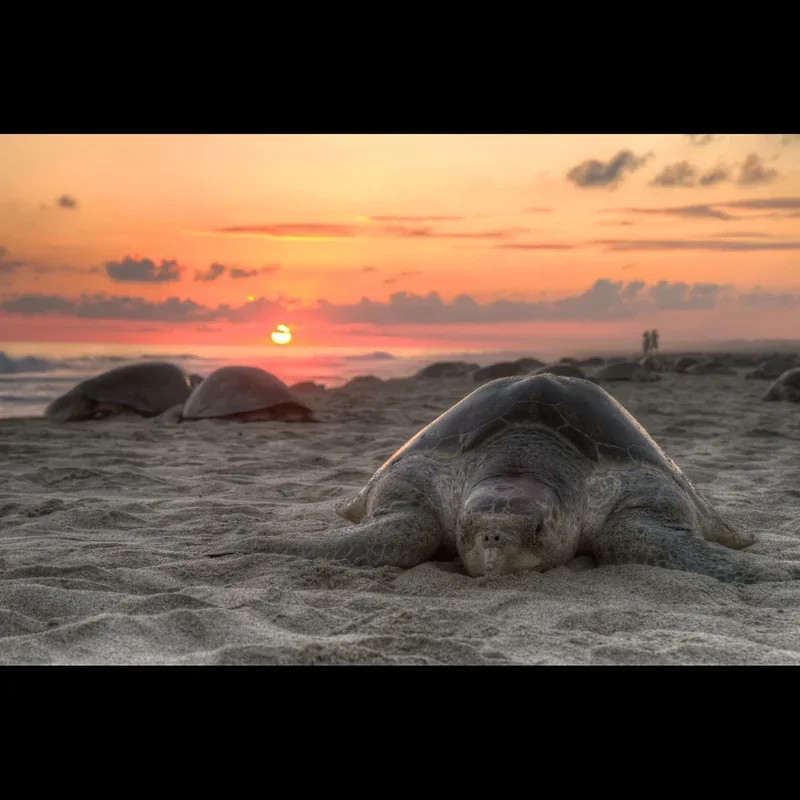
Occasional sightings of manta rays have also been reported, adding to the excitement. Sea turtles are often observed cruising the reef, while large schools of fish often congregate around the coral structures, providing a vibrant underwater spectacle.
Dive Sites Near Aquarium Reef 1
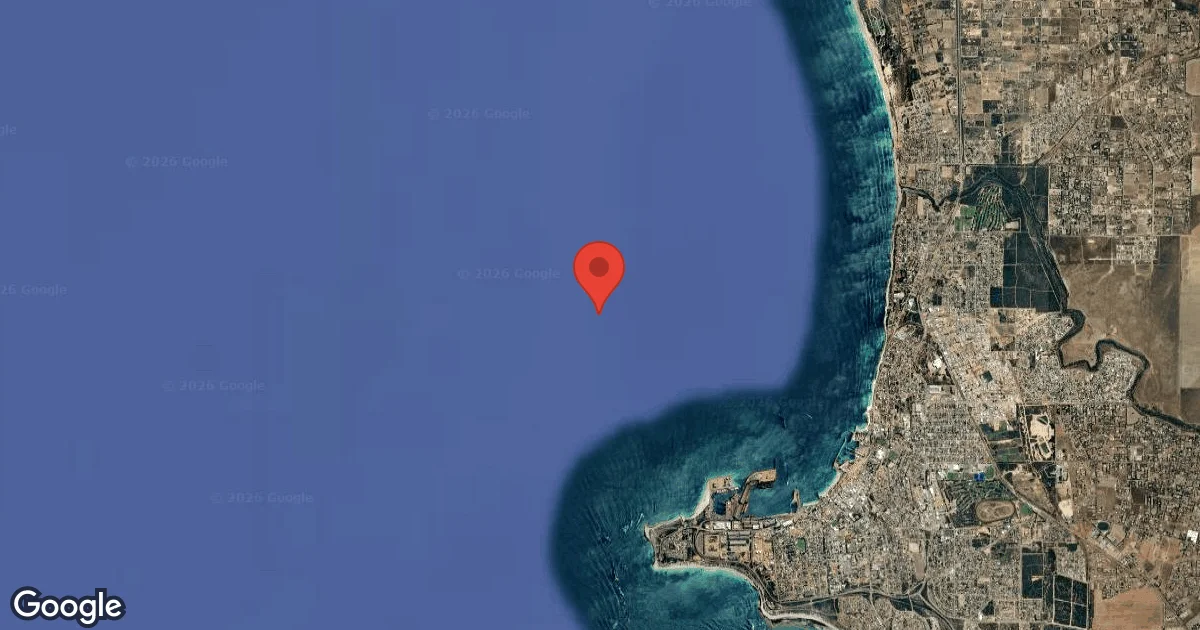
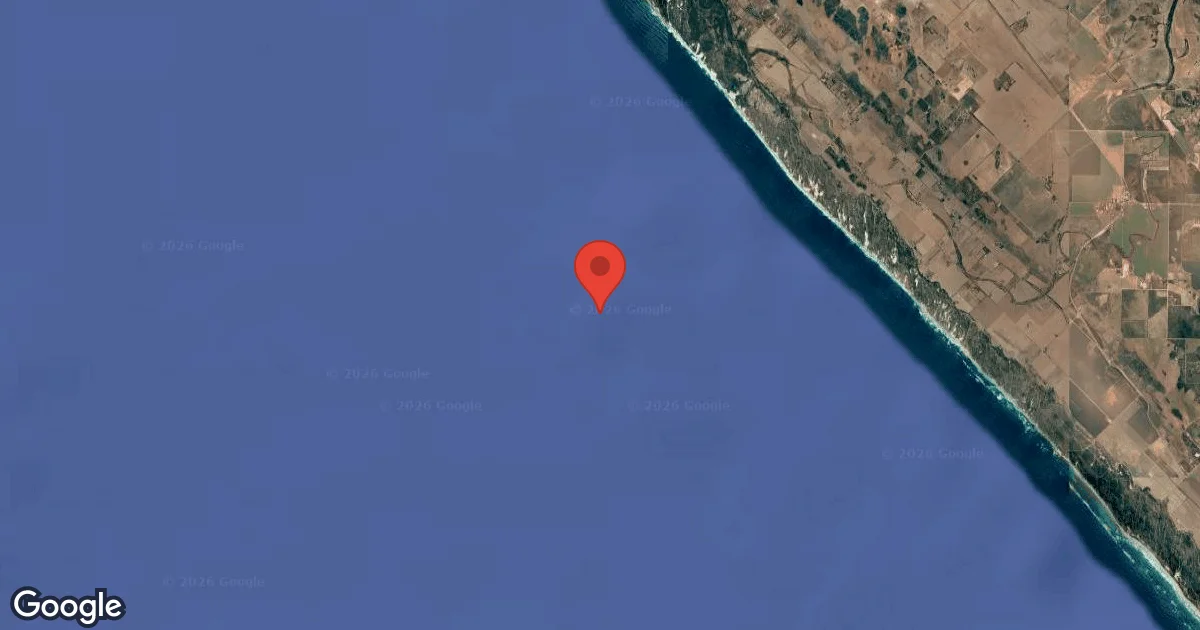
View all dive sites in AustraliaDiscover more underwater gems in this area.
Dive Centers Near Aquarium Reef 1
No Dive Centers Local To Aquarium Reef 1
Are you a dive center visiting this location? Get listed to reach divers.
Nearest Airports
Nearest airports to help plan travel to this dive area.
Search Flights
Check available flights and routes on Expedia, using the nearby airports listed in this section.
Search Flights on ExpediaFrequently Asked Questions
What's the typical depth at Aquarium Reef 1?
Dive depths at Aquarium Reef 1 generally range, with shallower sections around 5-10 meters (15-30 ft) and deeper areas reaching a maximum of approximately 30 meters (100 ft). This range accommodates both snorkelers and certified divers.
Is Aquarium Reef 1 suitable for beginner divers?
Yes, Aquarium Reef 1 is often considered suitable for beginner divers. Its clear, shallow waters and generally mild currents provide a comfortable and accessible environment for those new to scuba diving or snorkeling.
What kind of marine life can I expect to see at Aquarium Reef 1?
Expect to see a rich variety of marine life, including playful reef sharks, colorful parrotfish, anemonefish, and angelfish. You might also spot octopus, nudibranchs, sea stars, and occasional manta ray or sea turtle sightings.
When is the best time to visit Aquarium Reef 1 for diving?
The warmer months from November to April typically offer comfortable air temperatures for diving. While moderate dive conditions persist year-round, avoiding June, which has higher average rainfall and wave heights, might enhance your experience.
Are there strong currents at this dive site?
Currents at Aquarium Reef 1 are generally mild. However, conditions can vary, and occasional stronger surges or currents may be present, particularly on more exposed sections of the reef.
How do I get to Aquarium Reef 1?
Access to Aquarium Reef 1 is typically arranged through dive and snorkel tour operators. Many excursions depart from Townsville or Cairns, often as part of a Great Barrier Reef day trip, reaching various outer reef sites.
Is snorkeling possible at Aquarium Reef 1?
Absolutely. The clear, shallow sections of Aquarium Reef 1 make it an ideal location for snorkeling. Its vibrant coral gardens and abundant marine life are easily visible from the surface.
Planning to dive Aquarium Reef 1?
Send one inquiry and receive offers directly from the best verified local dive operators.
Conditions are Moderate
High Swell Advisory. Not recommended.
Current conditions near Aquarium Reef 1 show 22° air, 20° sea temperature, 2.6 m waves, and 26 km/h wind. Forecast data is refreshed regularly to ensure accuracy.