
Diving at Explosives (Australia)
Explosives in Geraldton, Australia, invites divers to explore a site named with intriguing historical hints. This Western Australian location offers a dynamic reef dive, characterized by its winding underwater path and small caves waiting to be discovered. It's an engaging spot for those seeking a varied marine environment, promising a unique journey through its distinctive topography. Exploring its depths reveals a site shaped by both natural processes and its evocative name.
Tonight's objective overview for Explosives shows an air temperature of 19.5°C. The measured surface conditions include wave heights around 1.7 m. This environmental data is logged for the close of the day.
Dive Site Location & Key Facts
Dive Site Overview
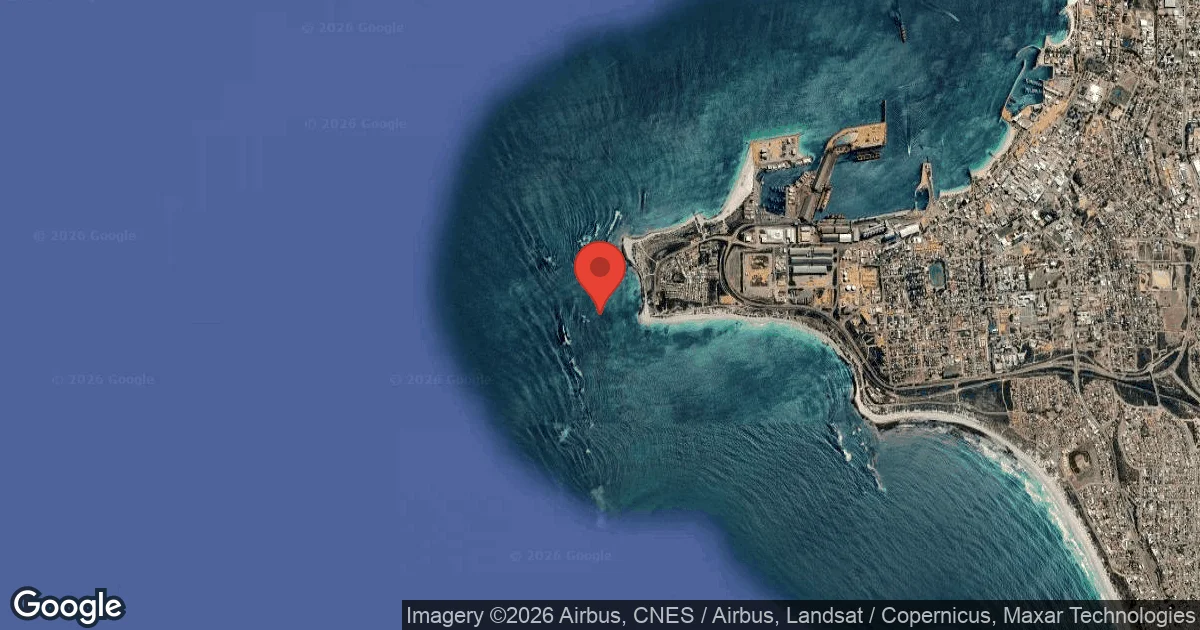
Geraldton, Western Australia, features the Explosives dive site, a prominent reef system arranged in a navigable loop. Divers can select an entry point from either the left or right side of the main structure, adapting their approach based on prevailing surface conditions.
Exploring the perimeter uncovers numerous small caves and intricate reef formations, each supporting a localized marine ecosystem. Depths at the site generally remain within recreational dive limits, reaching a maximum of 30 m (100 ft) in deeper sections, though precise measurements for every feature aren't consistently reported. Underwater, the landscape shifts from vibrant shallower areas to sections hinting at developing wall formations, creating a dynamic environment.
Expect a blend of rocky outcrops and occasional sandy bottom expanses, fostering diverse habitats for observation. Acknowledged as a boat traffic zone, the area demands diligent awareness from divers regarding surface vessel movements and requires robust dive planning.
Critical observation during both ascent and descent phases is essential. Further, thorough exploration of the reef structure promotes discovery, making repeat visits appealing to fully appreciate its varied topography and life.
Conditions are Moderate
High Swell Advisory. Not recommended.
Current conditions near Explosives show 20° air, 20° sea temperature, 2.7 m waves, and 26 km/h wind. Forecast data is refreshed regularly to ensure accuracy.
Best Time to Dive
Planning a dive at Explosives is best during periods with more favorable surface conditions and warmer air temperatures. Summer months, from December to February, generally offer the most comfortable air temperatures, ranging from approximately 24.5-26.5°C (76-80°F), with consistently moderate dive scores. Rain activity is notably low during this time, usually below 0.8 mm (0.03 inches) monthly. While wave heights and wind speeds remain a factor year-round, conditions tend to be more stable in the warmer periods. Conversely, June is identified as having a 'Poor' dive score, marked by cooler air temperatures around 16°C (61°F) and higher average rainfall, which could impact overall comfort and visibility. Other months typically maintain moderate dive scores, but surface comfort will vary with the air temperature shifts.
PEAK SEASON SCORE
Scores combine air & water temps, waves, wind & rainfall for overall conditions.
BEST MONTHS TO DIVE
Monthly records compiled from satellite and marine observation nodes over the last 3 years. Data provided by Open-Meteo and MET Norway.
Dive Experience & Conditions
Accessing the Explosives site depends significantly on the day's weather, with divers often selecting an entry point on either the left or right side of the main reef loop. Once submerged, the experience involves cruising around the extensive reef, where divers can spend time investigating the various small caves that dot the underwater landscape. These explorations are generally conducted within recreational depth limits, allowing ample bottom time for discovery. While specific current data isn't widely available, conditions can vary, influencing the ease of navigation through and around the reef structure. Divers should anticipate a dynamic environment that may present varying levels of visibility and water movement depending on recent weather patterns.
Dive Difficulty & Safety Guidelines
Navigating the Explosives site requires keen awareness, particularly due to its designation as a boat traffic area. Divers must exercise caution both on the surface and during ascent and descent, ensuring proper signaling and maintaining awareness of boat movements. It's important to plan dives with a buddy and adhere to established dive profiles, especially when exploring the numerous caves.
While these caves are generally small, proper cave diving protocols should be followed if venturing deep into overhead environments. Always check local conditions before diving, as weather can influence entry points and underwater visibility. Divers should prioritize situational awareness at all times at this site.
Recommended Equipment
Overhead environment. Do not enter beyond training and gas planning limits.
- Dive Computer
- Primary & Backup Lights
- Reel / Spool
- Cutting Tool
This gear list is based on verified equipment signals for Explosives, Australia. Always confirm final gear choices with your dive operator, guide, or liveaboard.
Recommended Dive Suit
Forecast trends indicate little change in overall diving conditions during the next few days.
Two divers in the same water temperature may experience very different comfort levels. Stronger winds may also make surface intervals feel cooler than usual.
Many divers find that 5mm wetsuit offers the right level of insulation for conditions like these. Consider warmer surface protection (like a boat coat) due to brisk winds. Surface intervals may feel cooler. Divers preparing to enter the water at Explosives will likely find temperatures around 20°C (67°F) today. Surface air temperatures are resting at 20°C (67°F).
Emergency & Medical Support
Essential information to help you plan your dive trip to Explosives.

Hyperbaric chambers are a critical part of dive safety infrastructure. Availability varies significantly by region, and not all dive areas have immediate access.
Before diving, it's recommended to:
- confirm nearest medical facilities
- check emergency procedures with local dive operators
- ensure dive insurance covers evacuation if required
Divers Alert Network
Diving emergency assistance available through DAN World.
+1-919-684-9111- 24/7 emergency hotline
- Diving medical assistance
- Evacuation coordination
Emergency contacts are provided for reference. Always verify local emergency services before diving.
Marine Life at Explosives
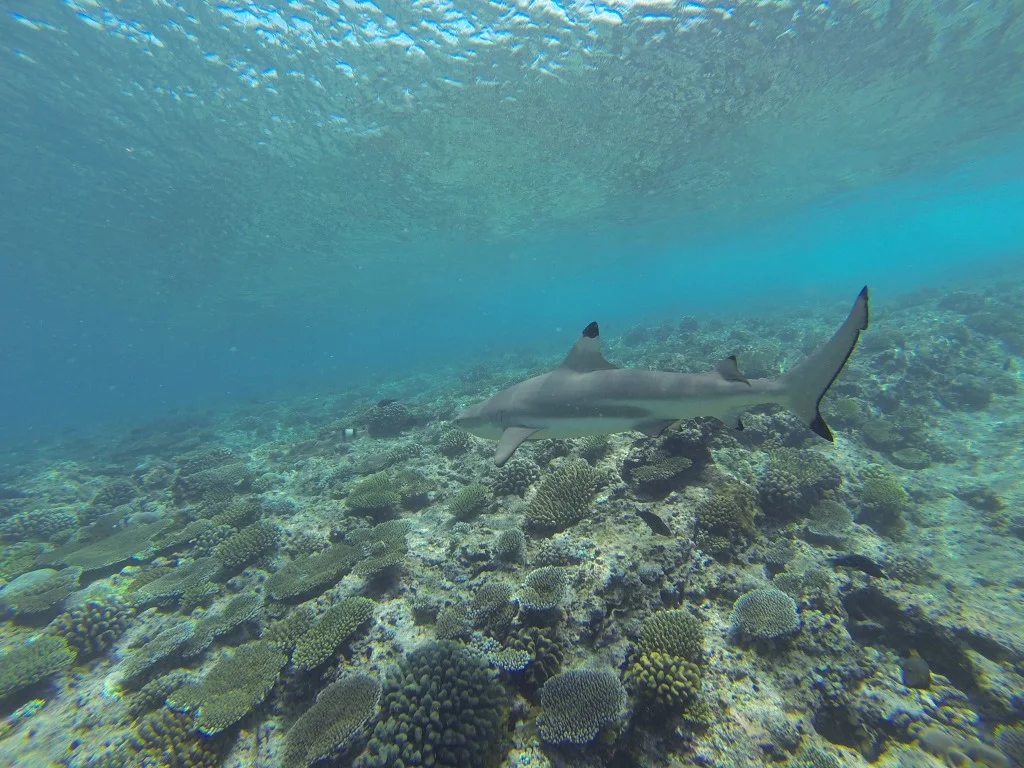
Divers exploring the Explosives reef system may encounter various pelagic species, adding dynamic elements to the dive. Common sightings reported here include sharks patrolling the deeper edges, alongside playful dolphins passing through the area.
Turtles are also frequently observed grazing on the reef, lending a sense of tranquility to the underwater scene. The seasonal presence of whales can add another dimension to encounters, making surface intervals or boat transfers potentially eventful.
This varied marine life contributes to the site's appeal, offering chances for exciting observations.
Dive Sites Near Explosives
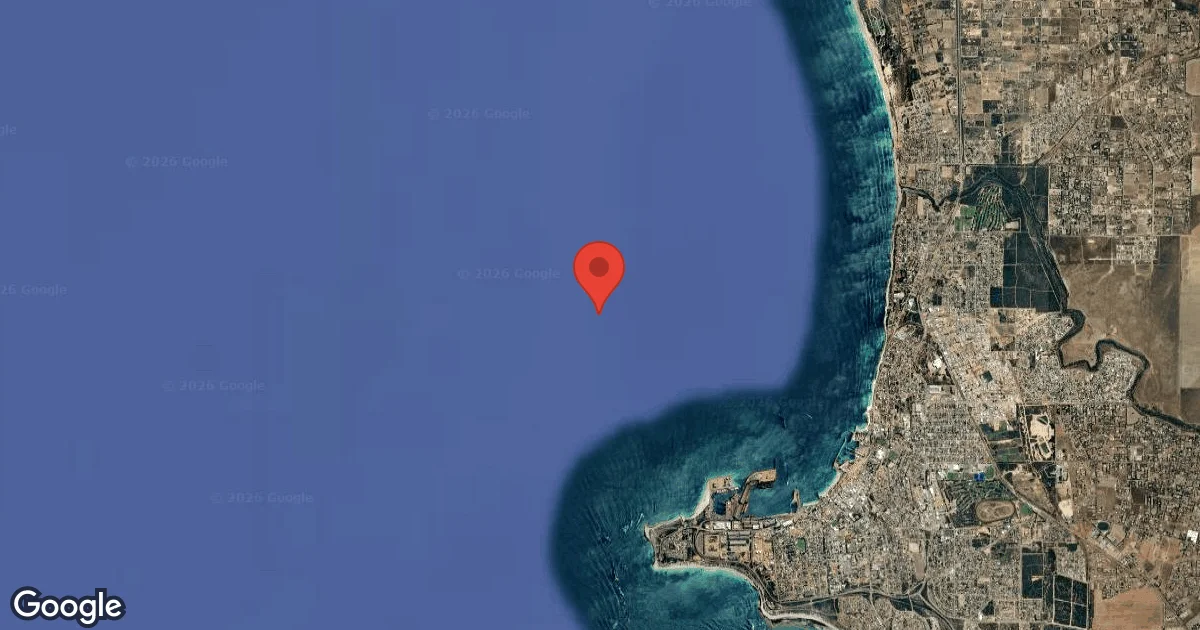
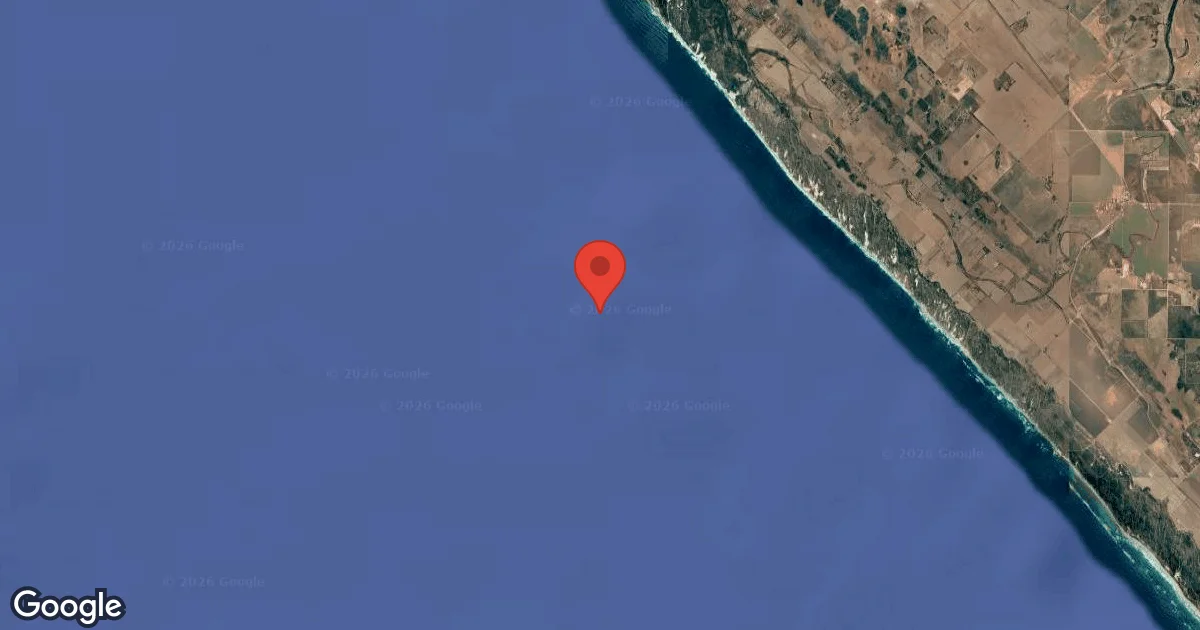
View all dive sites in AustraliaDiscover more underwater gems in this area.
Dive Centers Near Explosives
No Dive Centers Local To Explosives
Are you a dive center visiting this location? Get listed to reach divers.
Nearest Airports
Nearest airports to help plan travel to this dive area.
Search Flights
Check available flights and routes on Expedia, using the nearby airports listed in this section.
Search Flights on ExpediaFrequently Asked Questions
What type of diving is available at Explosives?
Explosives primarily offers reef diving around a loop formation. Divers can explore numerous small caves and observe a diverse marine environment within recreational depth ranges. The site features interesting topography with potential wall sections.
How do divers access the site?
Divers typically access the site by boat. Depending on prevailing weather and sea conditions, the entry point can be chosen from either the left or right side of the main reef structure. This flexibility helps optimize dive comfort and safety.
What marine life can be seen at Explosives?
The site is known for sightings of sharks and dolphins, often encountered patrolling the area or passing through. Turtles are also frequently observed on the reef, and during certain seasons, whales might be seen near the surface or during transit to the site.
Is Explosives suitable for beginner divers?
While the site offers recreational depth ranges, the presence of a boat traffic area and the potential for varying conditions suggest a need for good buoyancy control and situational awareness. It is generally recommended for certified divers comfortable with open water and basic navigation skills.
What are the main hazards at the Explosives dive site?
The primary reported hazard for the Explosives site is its designation as a boat traffic area. Divers must maintain constant vigilance for surface vessels and plan their ascents and descents carefully. Awareness of potential currents and responsible cave exploration practices are also important.
When is the best time of year to dive at Explosives?
The warmer summer months, from December to February, generally offer the most comfortable air temperatures and moderate dive conditions, with minimal rain. While conditions are moderate throughout most of the year, June is typically less favorable due to cooler air and higher rainfall, which can affect the dive experience.
Planning to dive Explosives?
Send one inquiry and receive offers directly from the best verified local dive operators.
Conditions are Moderate
High Swell Advisory. Not recommended.
Current conditions near Explosives show 20° air, 20° sea temperature, 2.7 m waves, and 26 km/h wind. Forecast data is refreshed regularly to ensure accuracy.