
Diving at Aquarium Reef 2 (Australia)
Aquarium Reef 2 presents generally moderate dive conditions throughout much of the year in Australia. Air temperatures typically range from 14.5°C (58°F) in cooler months to 26.5°C (80°F) during warmer periods. Wave heights usually fluctuate between 2.1 m (7 ft) and 2.8 m (9 ft), and wind speeds can vary from 20 km/h (12 mph) to 27 km/h (17 mph). These environmental factors contribute to the site's consistent 'Moderate' dive score across most seasons.
As evening covers Aquarium Reef 2, the local air temperature is measured at 18.5°C. The current wave height at the surface is recorded at 1.9 m. These late-day readings characterize the surface conditions for the night.
Dive Site Location & Key Facts
Dive Site Overview
Aquarium Reef 2 distinguishes itself with a prominent, extended wall structure, presenting an engaging exploration for divers. This site is particularly noted for its various overhangs, which create intriguing shadowy recesses along the reef face.
Plenty of cracks and crevices invite close inspection, potentially revealing a diversity of smaller species sheltering within. A significant feature toward the end of the dive is an impressive overhang described as having "three windows" – natural openings that add a unique topographical element to the underwater landscape. For divers with good air consumption, linking Aquarium Reef 2 with Reef 1 on a single cylinder is often feasible, extending the underwater journey.
While specific depth details for this exact site aren't consistently reported, the general recreational depth range for nearby dives often falls between 14-28 m (46-92 ft), suggesting similar depths here. The site invites detailed inspection of its structural complexity, making it more than just a passing experience.
Conditions are Moderate
High Swell Advisory. Not recommended.
Current conditions near Aquarium Reef 2 show 18° air, 20° sea temperature, 2.9 m waves, and 27 km/h wind. Forecast data is refreshed regularly to ensure accuracy.
Best Time to Dive
Planning a dive at Aquarium Reef 2 often aligns well with the warmer months, generally from January through May and again from October to December. During these periods, air temperatures are milder, ranging from approximately 19.5°C (67°F) to 26.5°C (80°F). Rain activity is minimal then, often below 1.2 mm (0.05 inches), which can contribute to more stable surface conditions. From June to September, the dive score tends to be moderate, sometimes dipping to 'poor' in June. Air temperatures cool significantly during this time, dropping to 14.5°C (58°F) in July, and rainfall can increase, reaching up to 4.1 mm (0.16 inches) in June. These cooler, potentially wetter conditions might influence comfort, especially during surface intervals. Wave heights, though generally consistent, might also see higher averages in winter months like July at 2.8 m (9 ft). Divers should consider these seasonal shifts when scheduling their visit to optimize their comfort and overall dive experience.
PEAK SEASON SCORE
Scores combine air & water temps, waves, wind & rainfall for overall conditions.
BEST MONTHS TO DIVE
Monthly records compiled from satellite and marine observation nodes over the last 3 years. Data provided by Open-Meteo and MET Norway.
Dive Experience & Conditions
Descending into Aquarium Reef 2, divers are greeted by the distinctive contours of its long wall, a key feature guiding exploration. A dynamic environment unfolds, with numerous overhangs casting shadows and providing natural shelter for marine life. Divers constantly scan the many cracks and crevices, where smaller creatures often hide, requiring a keen eye. A highlight for many is encountering the "three windows" within a prominent overhang, creating an immersive, almost architectural sensation underwater. Water temperatures aren't consistently reported but vary with the season, impacting exposure suit choice. Visibility changes depending on conditions, influenced by currents and recent weather events. Moderate currents generally prevail, allowing for a relaxed pace of exploration along textured surfaces.
Dive Difficulty & Safety Guidelines
Divers approaching Aquarium Reef 2 should possess foundational open water skills, particularly given the site's wall topography and potential for overhangs. While no specific hazards are reported for this site, general safe diving practices apply. It's crucial to monitor air consumption, especially if planning to link this dive with Reef 1 on a single cylinder.
Maintaining proper buoyancy control is always essential when navigating near wall structures and exploring overhangs to avoid contact with the delicate reef. Always dive within your certified limits and with a buddy.
Familiarity with local conditions, including currents and potential wave action at the surface, will contribute to a safer and more enjoyable experience. Always check current weather reports and follow guidance from local dive operators.
Recommended Equipment
Overhead environment. Do not enter beyond training and gas planning limits.
- Dive Computer
- Primary & Backup Lights
- Reel / Spool
- Cutting Tool
This gear list is based on verified equipment signals for Aquarium Reef 2, Australia. Always confirm final gear choices with your dive operator, guide, or liveaboard.
Recommended Dive Suit
Short-term weather patterns suggest stable conditions for divers visiting the area.
Some divers prefer slightly warmer exposure protection simply for additional comfort. Stronger winds may also make surface intervals feel cooler than usual.
5mm wetsuit usually works well for maintaining comfort during standard dive profiles in these conditions. Consider warmer surface protection (like a boat coat) due to brisk winds. Surface intervals may feel cooler. The surrounding waters at Aquarium Reef 2 are currently registering temperatures of roughly 20°C (67°F). Surface air temperatures are resting at 18°C (65°F).
Emergency & Medical Support
Essential information to help you plan your dive trip to Aquarium Reef 2.

Hyperbaric chambers are a critical part of dive safety infrastructure. Availability varies significantly by region, and not all dive areas have immediate access.
Before diving, it's recommended to:
- confirm nearest medical facilities
- check emergency procedures with local dive operators
- ensure dive insurance covers evacuation if required
Divers Alert Network
Diving emergency assistance available through DAN World.
+1-919-684-9111- 24/7 emergency hotline
- Diving medical assistance
- Evacuation coordination
Emergency contacts are provided for reference. Always verify local emergency services before diving.
Marine Life at Aquarium Reef 2
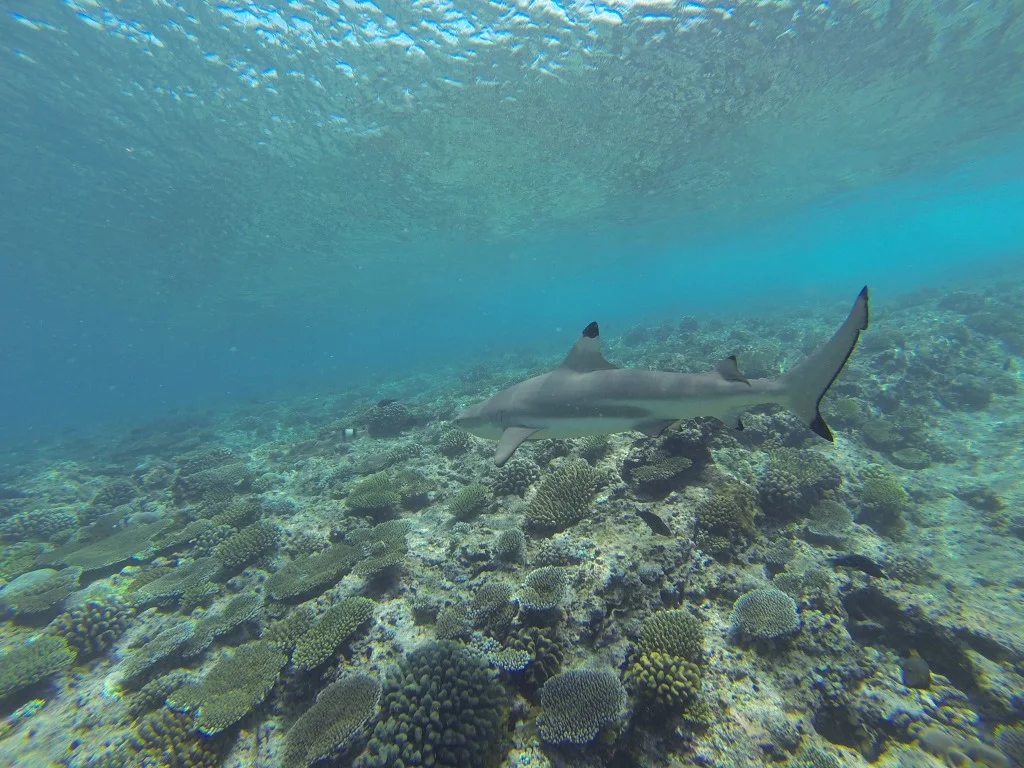
Upon arrival at Aquarium Reef 2, divers often notice schools of Buff Brim actively swimming in and around the site's structures and overhangs. Exploring the wall's many cracks and crevices can reveal smaller, more cryptic species tucked away.
While larger pelagics like sharks, whales, dolphins, and turtles are common sightings in the broader Australian waters, their presence at this specific reef varies. The structural complexity of the site's wall and overhangs creates ample habitat for a variety of reef fish and invertebrates, offering continuous visual interest for observant divers.
Dive Sites Near Aquarium Reef 2
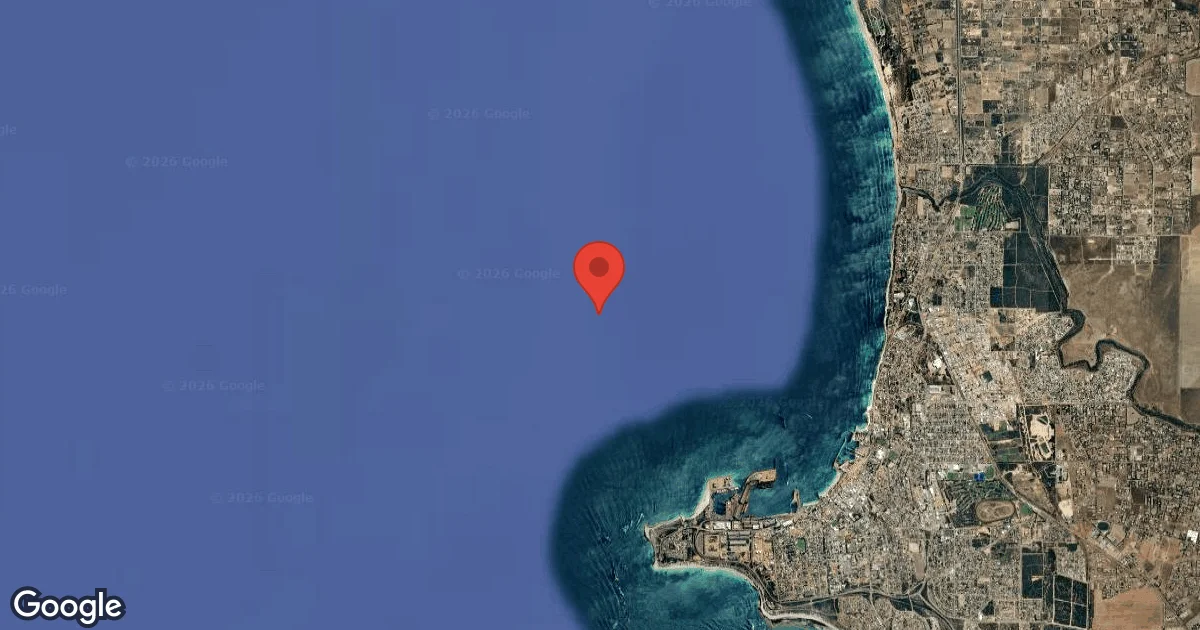
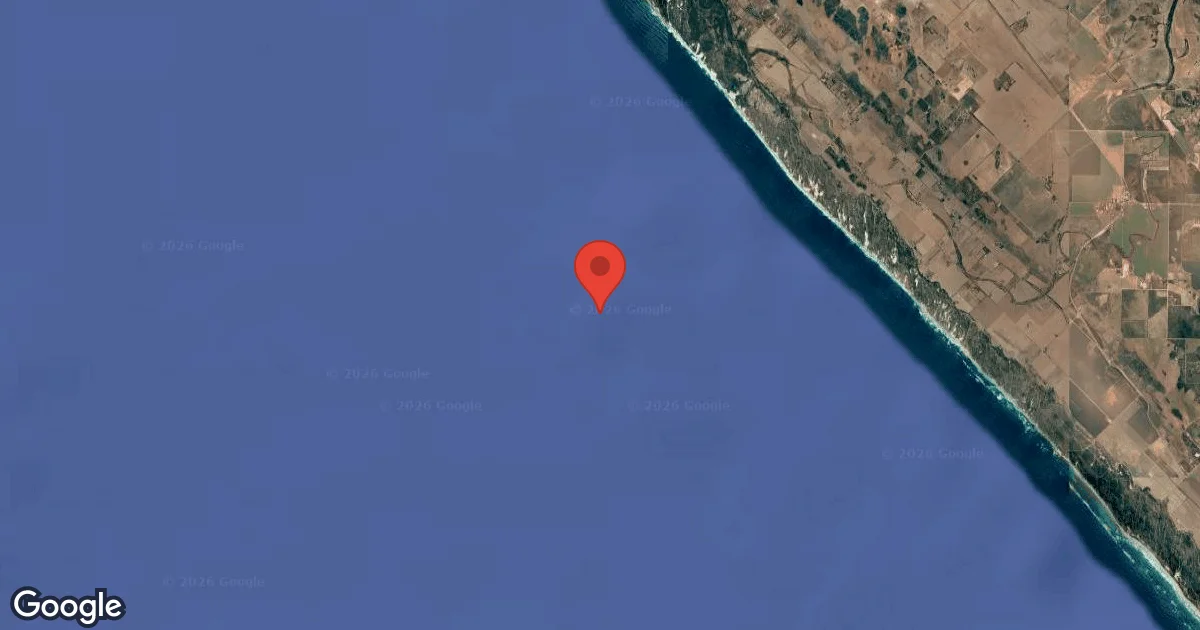
View all dive sites in AustraliaDiscover more underwater gems in this area.
Dive Centers Near Aquarium Reef 2
No Dive Centers Local To Aquarium Reef 2
Are you a dive center visiting this location? Get listed to reach divers.
Nearest Airports
Nearest airports to help plan travel to this dive area.
Search Flights
Check available flights and routes on Expedia, using the nearby airports listed in this section.
Search Flights on ExpediaFrequently Asked Questions
What are the primary features of Aquarium Reef 2?
Aquarium Reef 2 is known for its long wall structure, various overhangs, and numerous cracks and crevices. A distinctive feature near the end of the site is an overhang with three natural openings, often referred to as 'windows'.
What is the typical dive depth at Aquarium Reef 2?
Precise depths for Aquarium Reef 2 aren't consistently reported. Generally, the site falls within standard recreational diving limits, with deeper sections reaching typical recreational maximums and shallower areas providing ample exploration.
Can I combine Aquarium Reef 2 with Reef 1 in a single dive?
Yes, if you have good air consumption, it is often possible to dive both Aquarium Reef 1 and Reef 2 on one cylinder, extending your underwater exploration.
What marine life can I expect to see at Aquarium Reef 2?
Divers frequently encounter schools of Buff Brim around the reef structures and overhangs. Numerous cracks and crevices also provide opportunities to spot various smaller reef species and invertebrates.
What are the best months to dive Aquarium Reef 2?
Warmer months, generally from January to May and October to December, offer milder air temperatures and less rainfall, often providing more comfortable surface conditions for diving.
Are there strong currents at Aquarium Reef 2?
Moderate currents are generally experienced at the site. However, conditions can vary depending on local weather and tides, so divers should always assess current strength upon arrival.
Planning to dive Aquarium Reef 2?
Send one inquiry and receive offers directly from the best verified local dive operators.
Conditions are Moderate
High Swell Advisory. Not recommended.
Current conditions near Aquarium Reef 2 show 18° air, 20° sea temperature, 2.9 m waves, and 27 km/h wind. Forecast data is refreshed regularly to ensure accuracy.