
Diving at Honeycombs Caves (Australia)
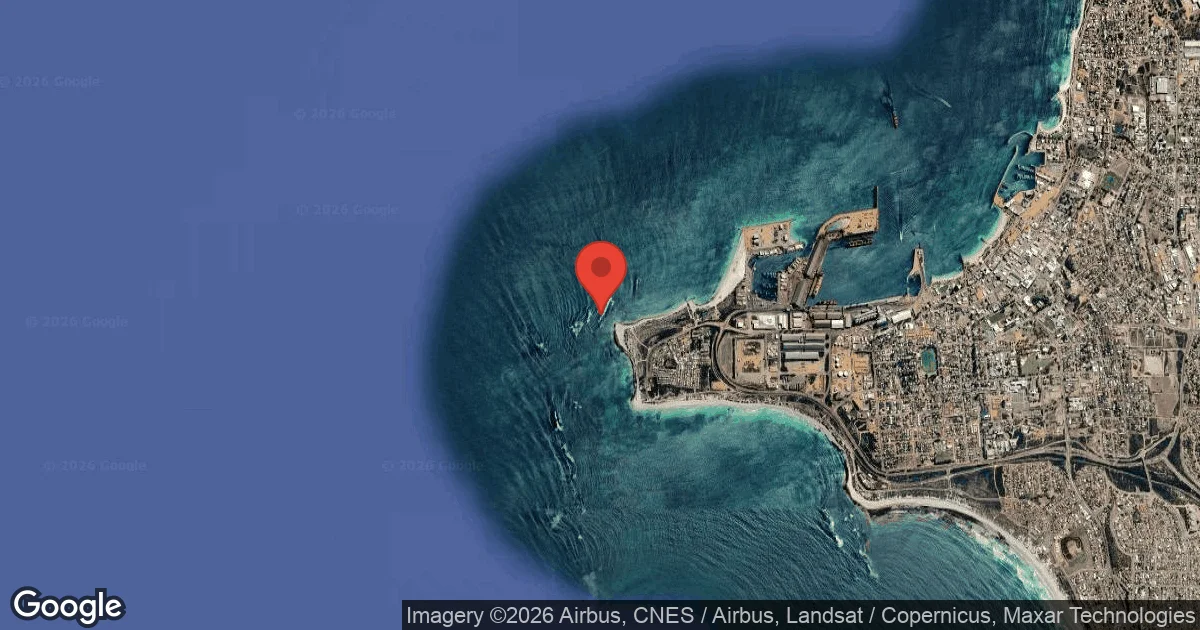
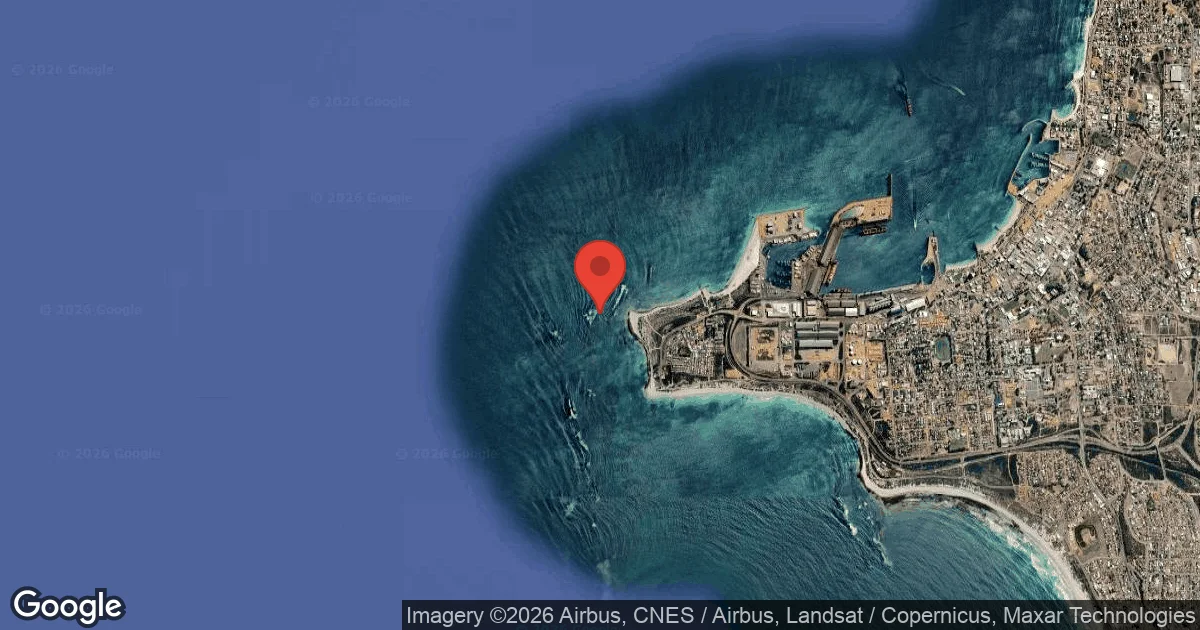
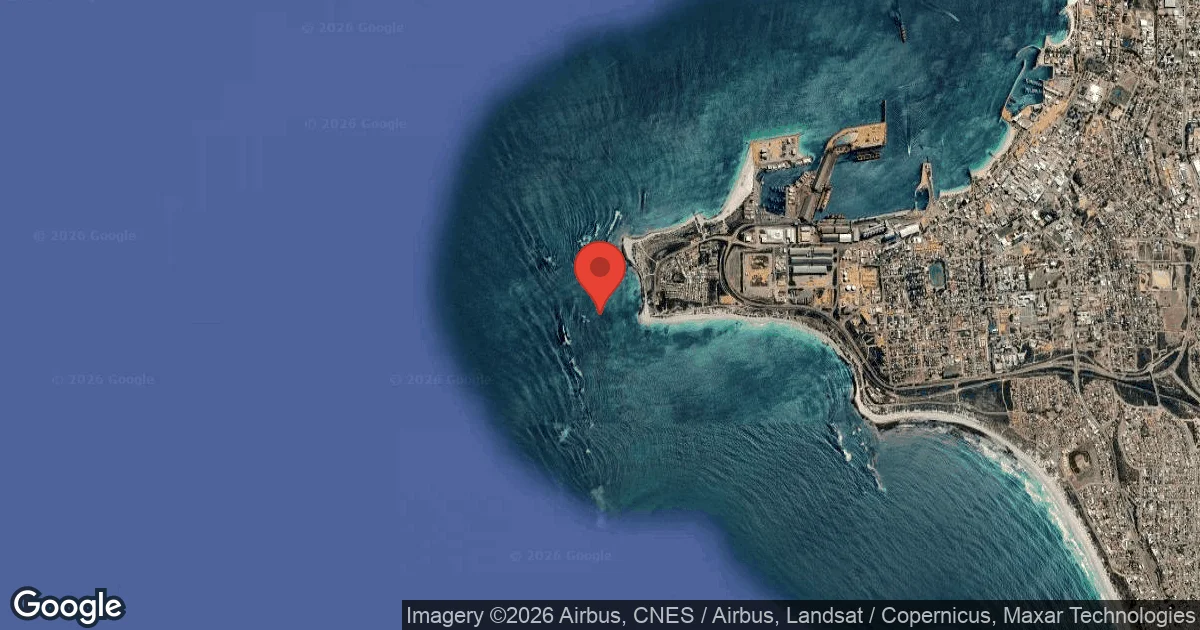
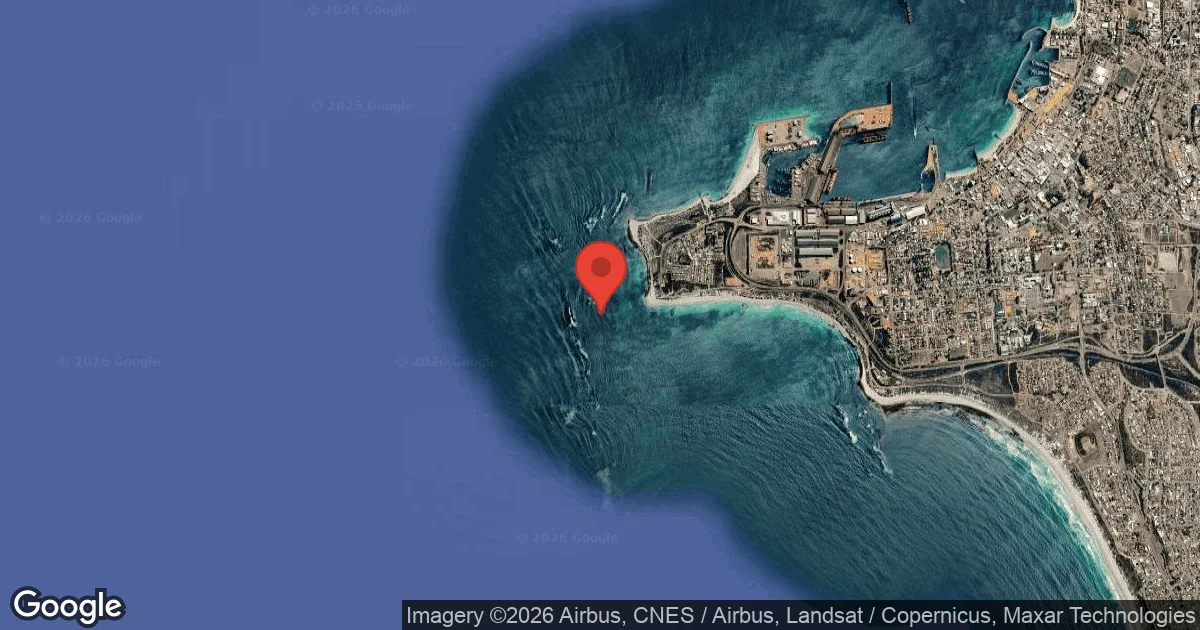
About 3 km north-west of Point Moore near Geraldton, Honeycombs Caves is a limestone maze of caves and tunnels reaching about 18 m / 59 ft, thick with lobster, dhufish and cuttlefish. This is a genuine cave dive: penetration is flagged and the recommended skill level is cave, so it's for trained cave divers, with everyone else looking from the entrances.
Tonight's objective overview for Honeycombs Caves shows an air temperature of 20°C. The measured surface conditions include wave heights around 1.1 m. This environmental data is logged for the close of the day.
Dive Site Location & Key Facts
Dive Site Overview
Under the surface here sits a honeycombed maze, limestone riddled with caves, tunnels and holes, reaching about 18 m / 59 ft with an average closer to 14 m / 46 ft. It's a true cave system, not a reef with a few swim-throughs, and the structure is the entire point.
The maze teems with life: lobster pack the holes, dhufish and grouper hold in the chambers, and cuttlefish and octopus work the limestone. For a trained cave diver, finding lobster antennae bristling from a honeycomb tunnel is exactly the kind of reward the site offers. But this is unambiguously an overhead environment with a penetration warning and a recommended skill level of cave, so the maze belongs to divers trained and equipped for it. Access is by boat, and everything about the plan starts from the fact that this is cave terrain, not recreational reef. The honeycombed rock is genuinely disorienting once you're inside, which is exactly why the cave qualification matters so much. For trained divers the density of life in the tunnels is a real reward, but the overhead sets the terms of every dive.
Conditions are Moderate
Optimal conditions expected
Current conditions near Honeycombs Caves show 20° air, 20° sea temperature, 1.8 m waves, and 39 km/h wind. Forecast data is refreshed regularly to ensure accuracy.
Best Time to Dive
Summer, January through March, gives the steadiest conditions near Geraldton, though the scores stay fairly flat across the year. Water runs mild, peaking near 24°C / 75°F and dropping to about 19°C / 66°F in winter, so plan exposure protection for cooler water outside summer. Wave height runs moderate to high, in a 2.0–2.7 m / 7–9 ft band, and the site is exposed, so swell governs access to the caves. For an overhead system reached by boat, a calm crossing and calm water around the cave entrances both matter, so a settled, low-swell day is what makes safe cave work possible. For an overhead system reached by boat, you want a calm crossing and calm water around the cave entrances, so a low-swell day is what makes safe cave work possible.
PEAK SEASON SCORE
Scores combine air & water temps, waves, wind & rainfall for overall conditions.
BEST MONTHS TO DIVE
Monthly records compiled from satellite and marine observation nodes over the last 3 years. Data provided by Open-Meteo and MET Norway.
Dive Experience & Conditions
For a trained cave diver, this is a boat dive into a limestone maze at about 18 m / 59 ft, threading tunnels and caves between the honeycombed rock. The structure is dense and disorienting, so line work, light discipline and constant exit awareness define the dive. The life inside is the reward: lobster in the holes, dhufish and grouper in the chambers, octopus and cuttlefish across the limestone. Gas planning and redundancy are not optional in an overhead this complex. For divers without cave training, the honest version of this dive is the exterior, looking into the cave mouths instead of entering. Match the dive to your qualification, and let conditions and training, not the maze's appeal, set what you do.
Dive Difficulty & Safety Guidelines
This is a genuine cave dive, and the rules reflect it. Penetration is flagged and the recommended skill level is cave, so proper cave training, redundant gas, primary and backup lights, guideline use and disciplined exit awareness are all baseline for entering the maze.
Without cave training, do not enter the system, however inviting the holes look; the overhead is where this site is unforgiving, and the honeycombed structure is genuinely disorienting. The site is exposed, so reach it on a calm, low-swell day, since surge around the entrances complicates everything. The depth of about 18 m / 59 ft is moderate, but it does nothing to reduce the cave-specific risks. Dive it as the cave it is, or look from the entrances.
Recommended Equipment
Overhead environment. Do not enter beyond training and gas planning limits.
- Dive Computer
- DSMB
- Primary & Backup Lights
- Reel / Spool
- Cutting Tool
This gear list is based on verified equipment signals for Honeycombs Caves, Australia. Always confirm final gear choices with your dive operator, guide, or liveaboard.
Recommended Dive Suit
Water temperatures at Honeycombs Caves are currently estimated to be around 20°C (67°F), shaping the overall diving conditions for today. Surface air temperatures are resting at 20°C (68°F).
5mm wetsuit is generally considered suitable for water temperatures like this. A hood or vest is suggested for sensitive divers due to surface winds. Surface intervals may feel cooler.
Forecast trends indicate similar diving conditions over the next few days.
Due to technical issues with our weather providers, live updates are temporarily delayed. The data above reflects the conditions at the time of the last successful fetch.
Emergency & Medical Support
Essential information to help you plan your dive trip to Honeycombs Caves.

Hyperbaric chambers are a critical part of dive safety infrastructure. Availability varies significantly by region, and not all dive areas have immediate access.
Before diving, it's recommended to:
- confirm nearest medical facilities
- check emergency procedures with local dive operators
- ensure dive insurance covers evacuation if required
Divers Alert Network
Diving emergency assistance available through DAN World.
+1-919-684-9111- 24/7 emergency hotline
- Diving medical assistance
- Evacuation coordination
Emergency contacts are provided for reference. Always verify local emergency services before diving.
Marine Life at Honeycombs Caves
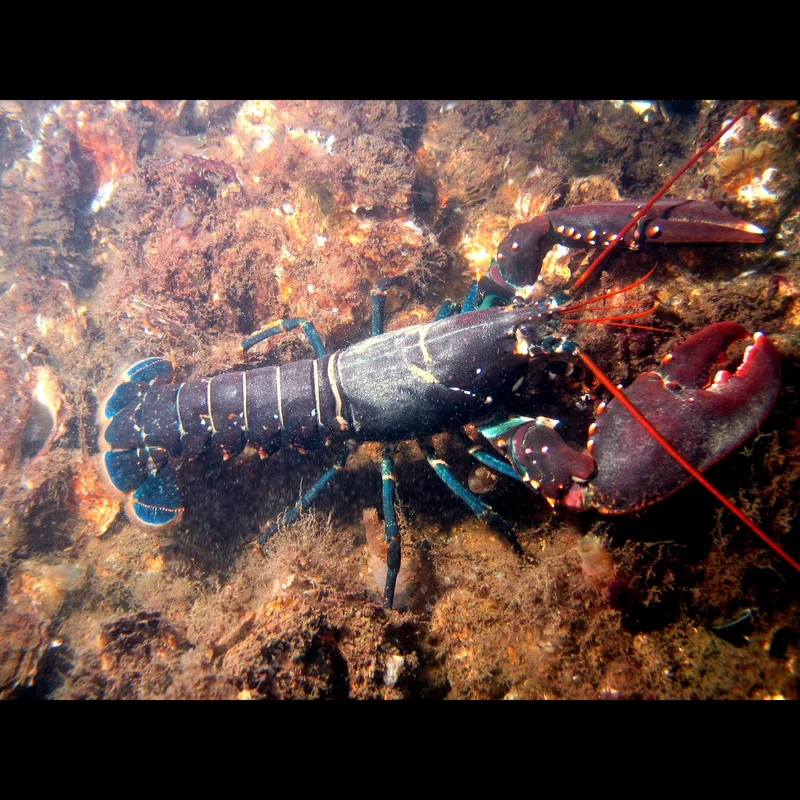
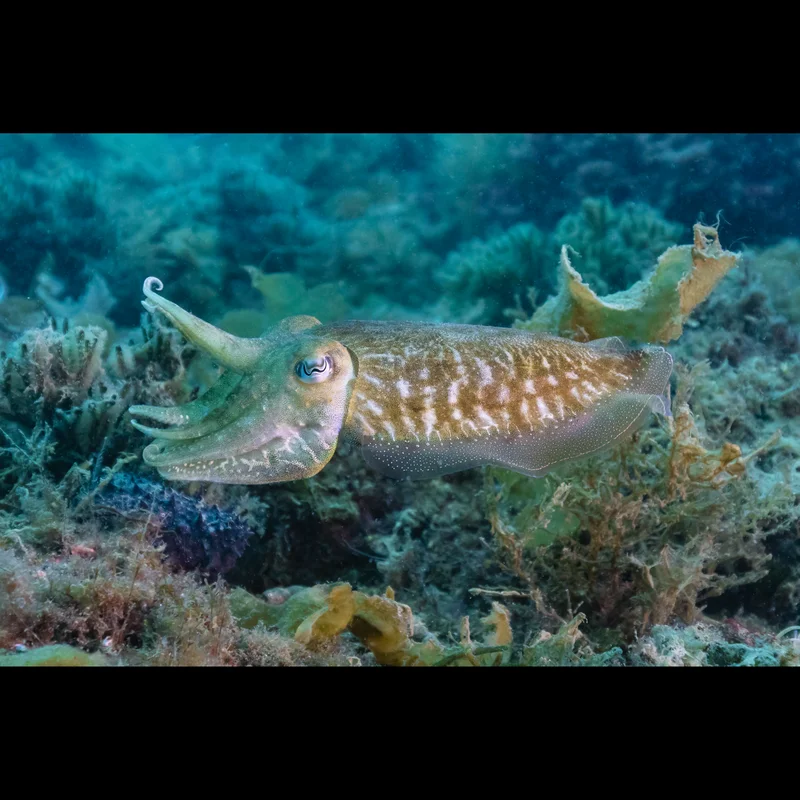
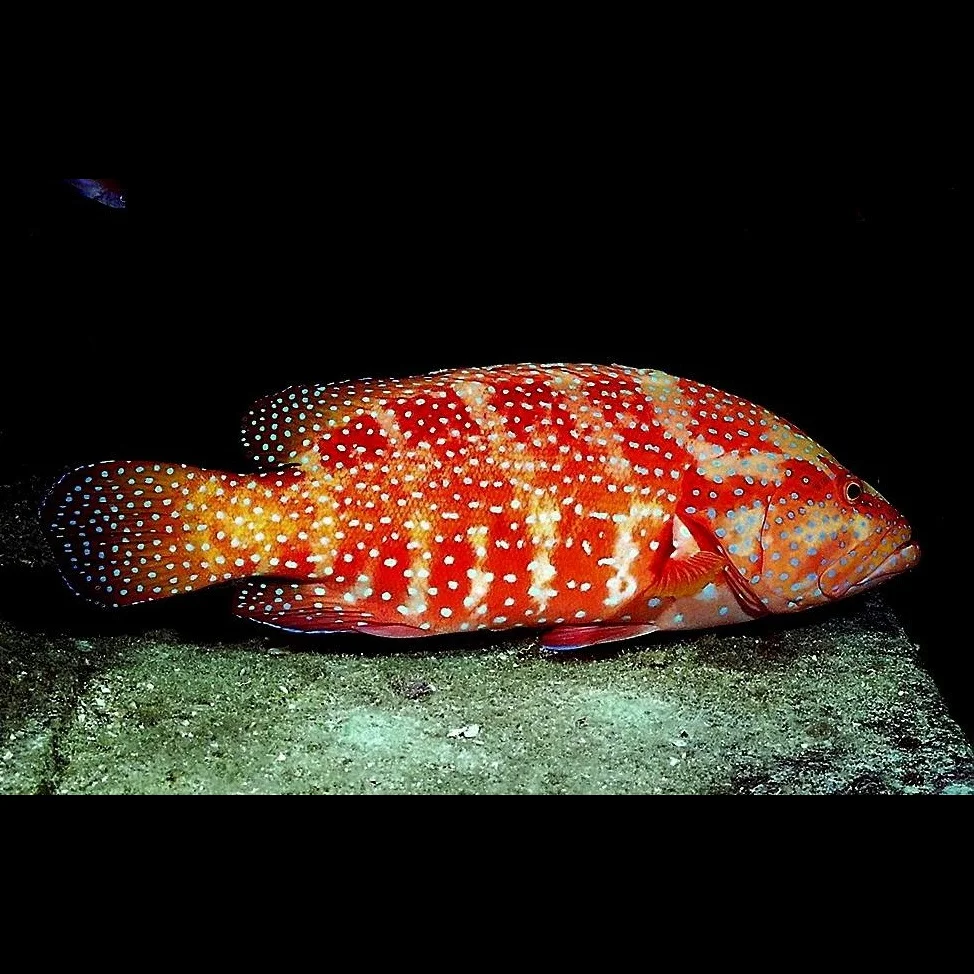
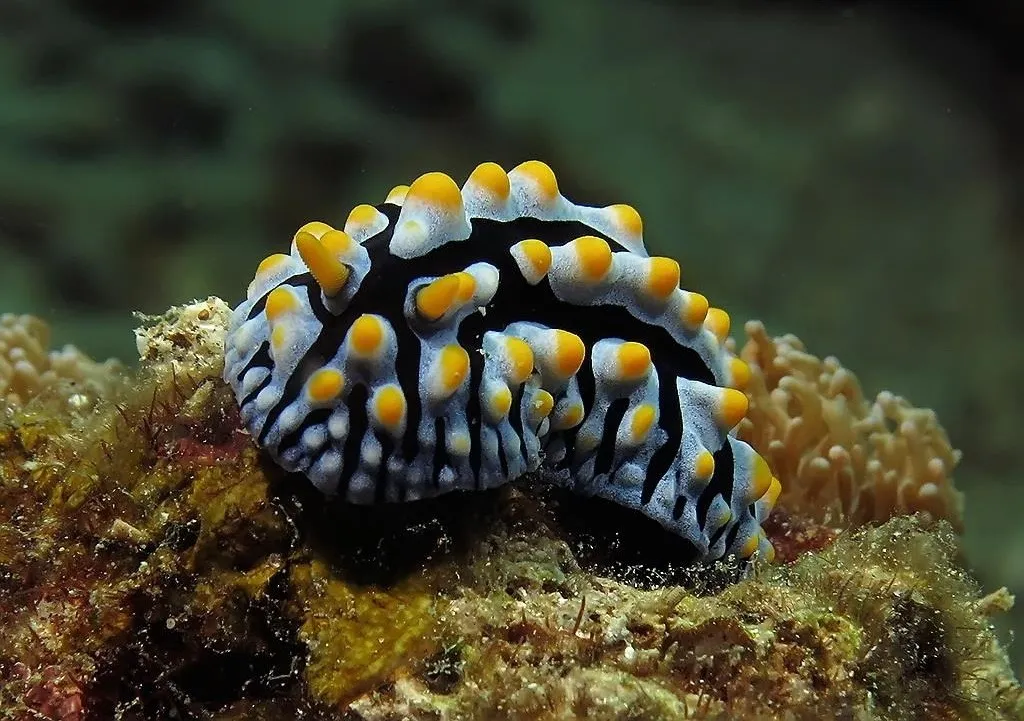
The maze is full of life, and confirmed here are lobster packed into the holes, dhufish and grouper in the chambers, and cuttlefish, damsels and nudibranchs across the limestone. For trained cave divers, the density of life in the tunnels is a real payoff.
The accounts also point to western rock lobster, baldchin grouper, coral trout and octopus, with a touch less certainty. Hold position near a chamber and let the residents settle, since the structure concentrates the life and patience shows more than pushing deeper.

Dive Sites Near Honeycombs Caves
View all dive sites in AustraliaDiscover more underwater gems in this area.
Dive Centers Near Honeycombs Caves
No Dive Centers Local To Honeycombs Caves
Are you a dive center visiting this location? Get listed to reach divers.
Nearest Airports
Nearest airports to help plan travel to this dive area.
Search Flights
Check available flights and routes on Expedia, using the nearby airports listed in this section.
Search Flights on ExpediaFrequently Asked Questions
Do I need cave training for Honeycombs Caves?
Yes. It's a genuine cave maze with a penetration warning and a recommended skill level of cave, so entering it requires cave training. Untrained divers should look from the entrances.
What's the structure like?
A honeycombed limestone maze of caves and tunnels, genuinely disorienting, reaching about 18 m / 59 ft.
What will I see?
Lobster, dhufish, grouper, cuttlefish, damsels and nudibranchs are confirmed, with baldchin grouper, coral trout and octopus noted as well.
How deep is it?
About 18 m / 59 ft at most, averaging closer to 14 m / 46 ft, though the cave risks define it more than the depth.
When should I dive it?
On a calm, low-swell day. The site is exposed, and surge around the cave entrances complicates safe cave work.
Planning to dive Honeycombs Caves?
Send one inquiry and receive offers directly from the best verified local dive operators.
Conditions are Moderate
Optimal conditions expected
Current conditions near Honeycombs Caves show 20° air, 20° sea temperature, 1.8 m waves, and 39 km/h wind. Forecast data is refreshed regularly to ensure accuracy.