
Diving at Fremantle Dredge (Australia)
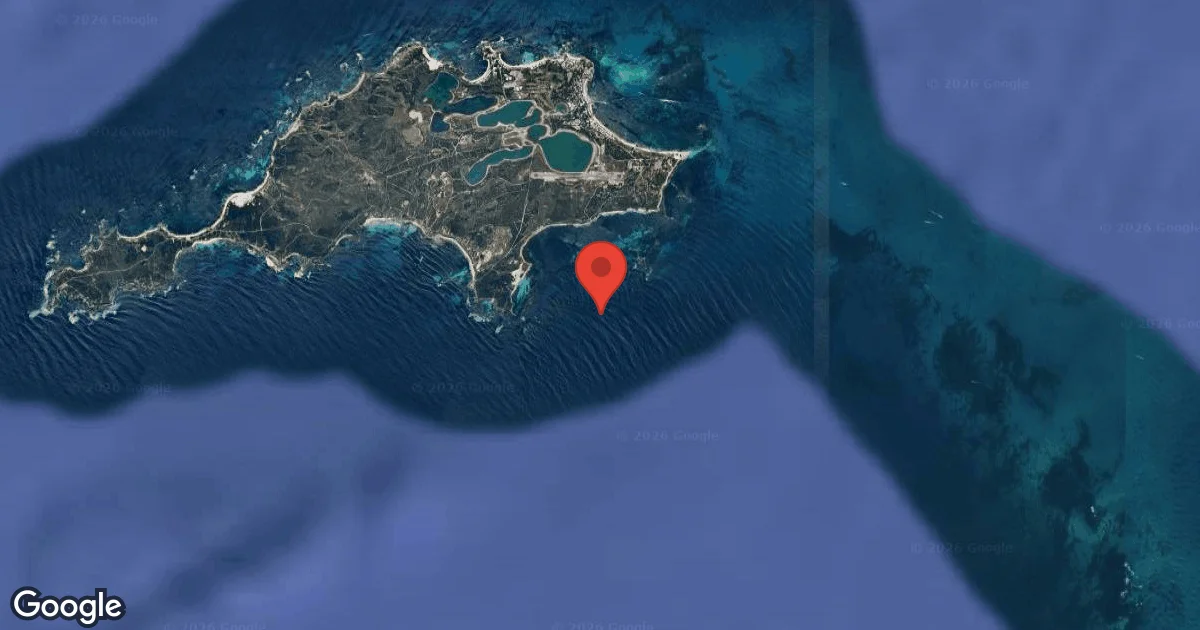
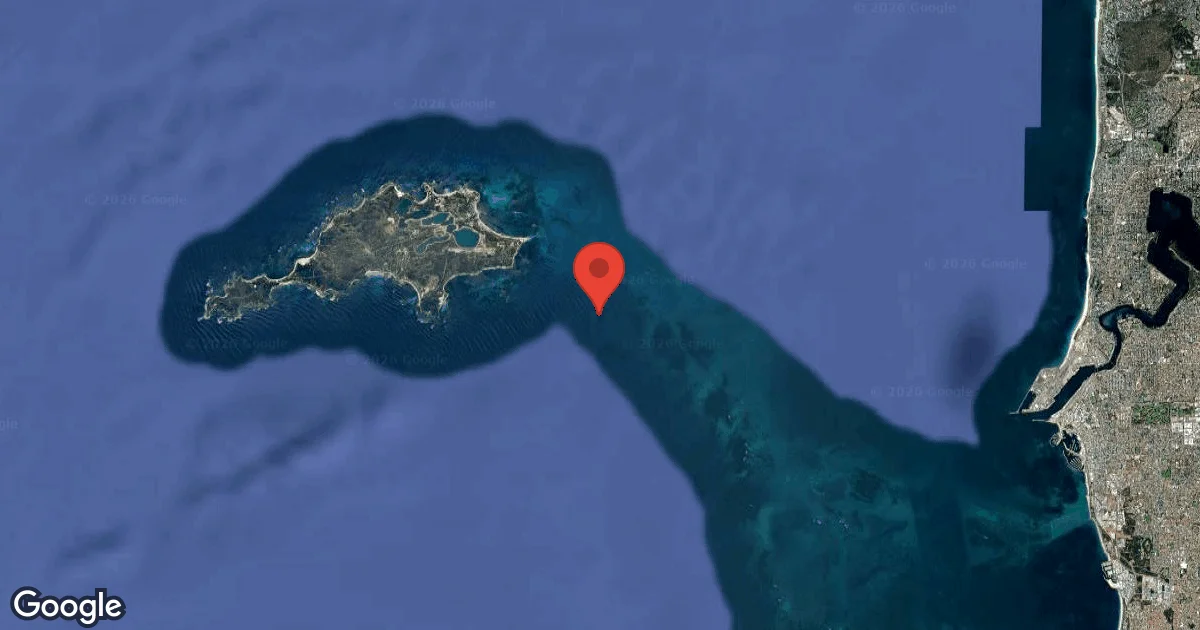
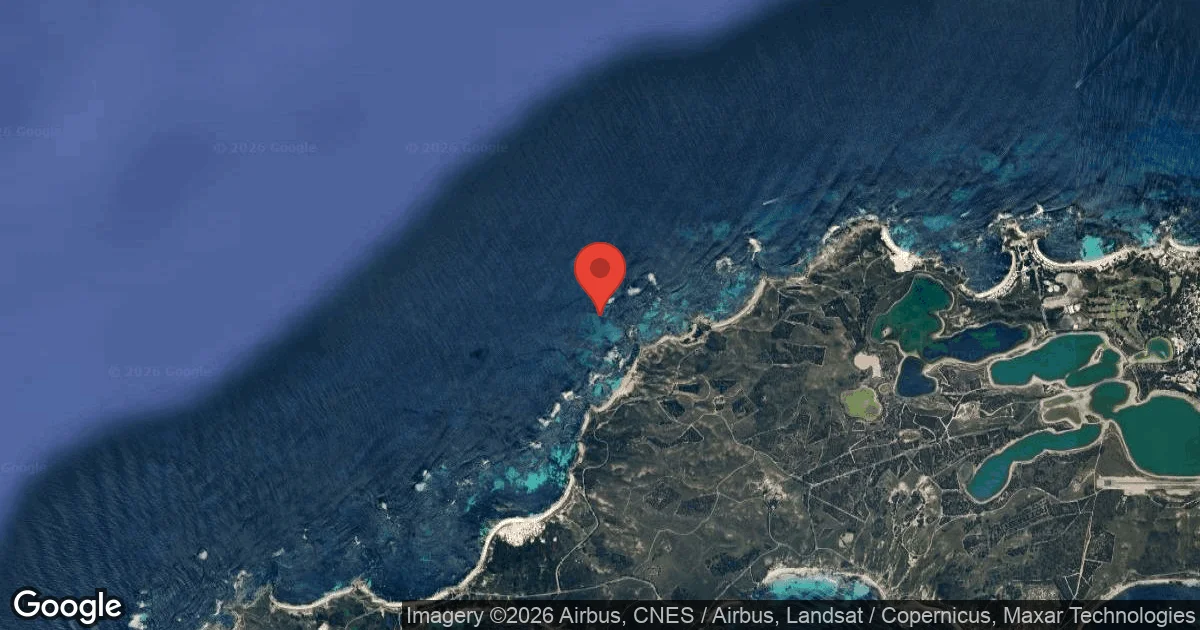
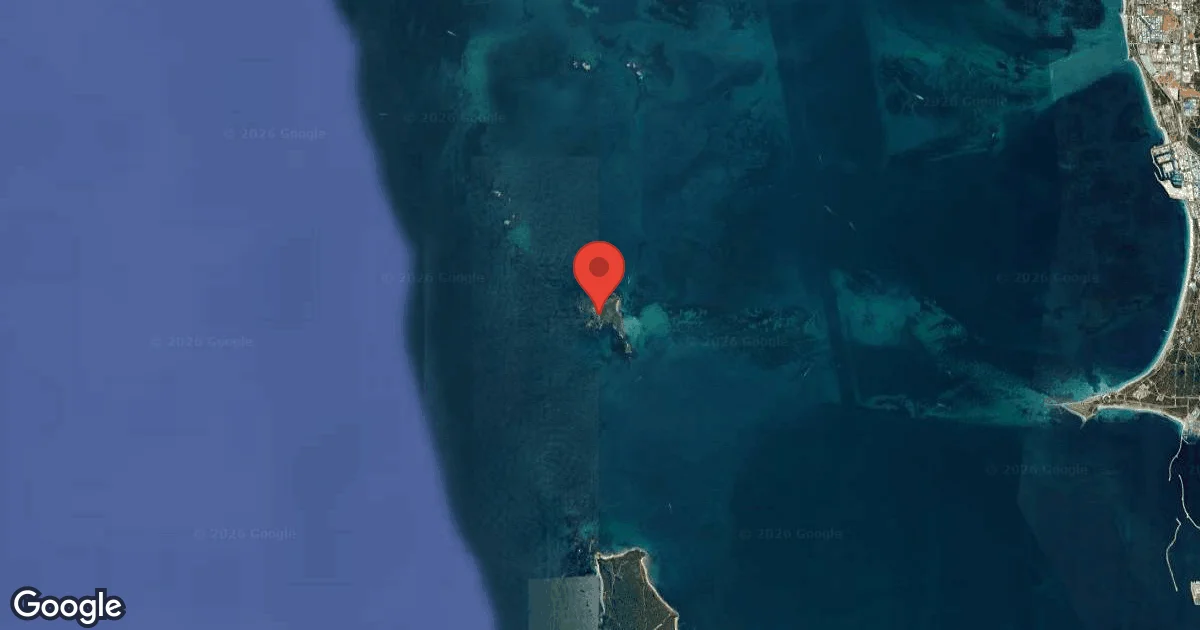
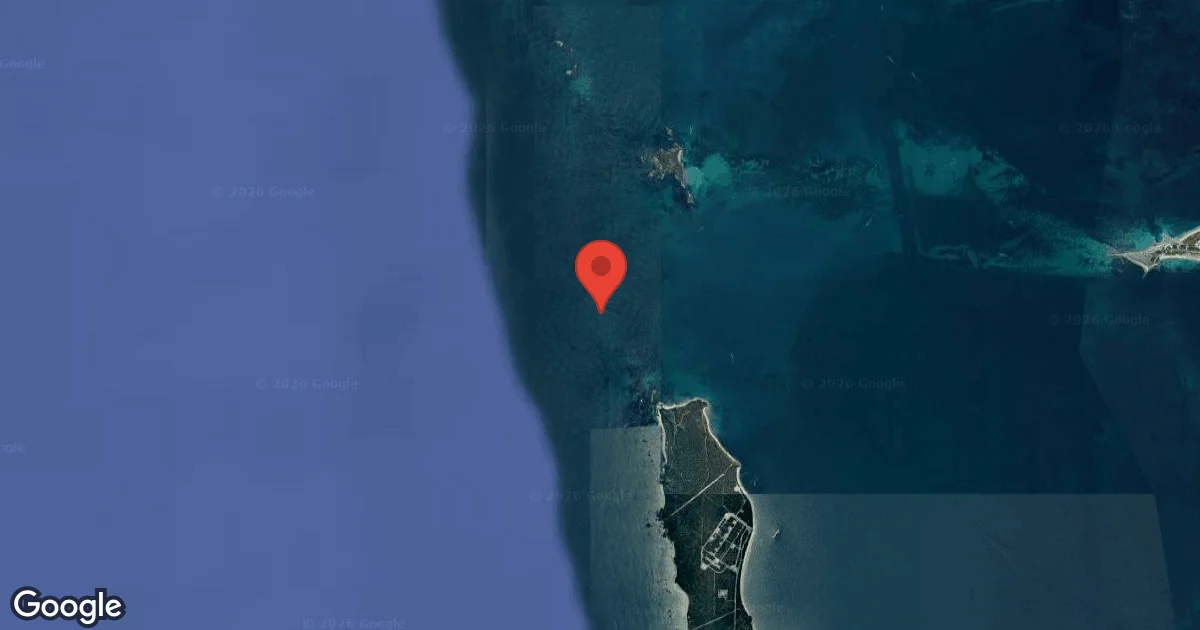
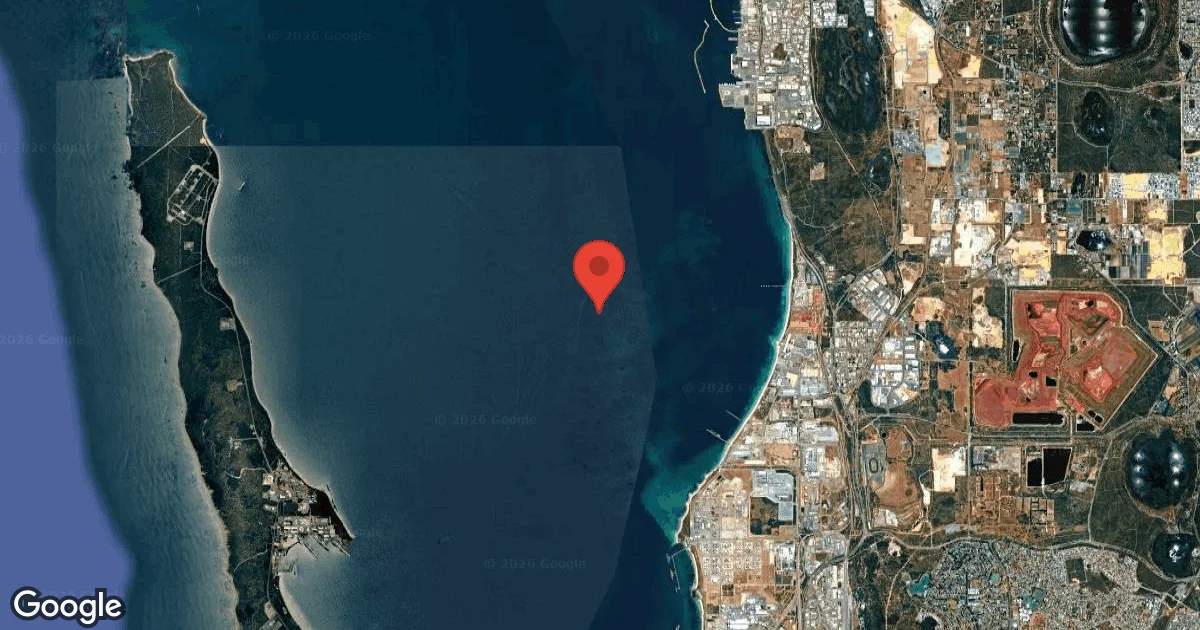
Halfway between Fremantle and Rottnest, the Fremantle Dredge is an upright wreck sitting at about 22 m / 72 ft, discovered in 1998 by divers hunting crayfish. Its open skeleton draws sponges, soft coral and fish. Rated intermediate, it sits in open ocean with no shelter, surge and current, so it asks for experience and a genuinely calm day.
Tonight's objective overview for Fremantle Dredge shows an air temperature of 19.5°C. The measured surface conditions include wave heights around 1.2 m. This environmental data is logged for the close of the day.
Dive Site Location & Key Facts
Dive Site Overview
This one has a good origin story: a group of divers searching for crayfish stumbled on the wreck in 1998, and it remains unidentified. The dredge sits upright on the bottom at about 22 m / 72 ft, with an average closer to 18 m / 59 ft, its hull an open skeleton of steel with plenty of openings.
That skeletal structure is what gives the dive its shape, the metal now dressed in sponges and soft coral and holding a good spread of fish. Watching the upright frame rise out of the blue as you descend is a fine moment, and the openings let light through the wreck as you work around it. Access is by boat out to open water, and the catch is exactly that openness: there's no protection here, so surge and current are part of the deal. Plan it for a calm day and treat the depth and exposure with respect. The open frame lets light pass right through the hull as you circle it, which gives the wreck an airy, sculptural feel underwater. Anchor and descend with a plan, since the depth and the open ocean leave little room for improvising.
Conditions are Unsafe
High Swell Advisory. Not recommended.
Current conditions near Fremantle Dredge show 20° air, 19° sea temperature, 3.8 m waves, and 47 km/h wind. Forecast data is refreshed regularly to ensure accuracy.
Best Time to Dive
Summer, January through March, posts the best scores, falling away through the rougher, cooler months. Water runs cool to mild, peaking near 23.2°C / 74°F and dropping to about 18°C / 64°F in winter, so a proper wetsuit suits most of the year. With no protection out here, swell is the deciding factor. Wave height climbs from about 1.7 m / 6 ft in summer toward 2.7 m / 9 ft in winter, and on an open-ocean wreck with surge and current, you want the low end of that. This is a fair-weather dive: pick a genuinely calm day, and when the sea is up, it's one to leave for another time. Rain barely features in summer, so swell is the single factor that makes or breaks a day out here.
PEAK SEASON SCORE
Scores combine air & water temps, waves, wind & rainfall for overall conditions.
BEST MONTHS TO DIVE
Monthly records compiled from satellite and marine observation nodes over the last 3 years. Data provided by Open-Meteo and MET Norway.
Dive Experience & Conditions
Plan a boat dive onto an upright wreck at about 22 m / 72 ft, working around the open steel skeleton and its sponge-covered frame. The depth means real gas and no-deco discipline, so plan your time and reserves before you drop. A torch brings out the colour and detail in the openings and shaded steel. The wreck's open frame lets you see through it as you circle, but surge and current can push you around, so good positioning matters. Exposure is the constant: open ocean with no shelter means the surface can be lively and an SMB is essential for ascents that may finish away from the boat. Read the conditions hard before you splash, because this dive needs the sea to cooperate.
Dive Difficulty & Safety Guidelines
Depth and exposure set the bar here. At about 22 m / 72 ft with surge and current in open water and no shelter, this is an intermediate dive that asks for solid experience and good gas planning. An SMB is essential for ascents in the swell, and you should be ready to surface away from the boat.
The wreck is an open skeleton, so you work around and through its frame in the light instead of entering enclosed spaces, which keeps the overhead risk low. The real demands are the depth, the current and the lack of protection. Pick a genuinely calm day, plan your gas for the depth, and keep a close watch on the conditions; on a rough day, the exposure makes it a clear skip.
Recommended Equipment
Overhead / entanglement risk. Wreck penetration requires proper training.
- Dive Computer
- DSMB
- Primary & Backup Lights
- Wreck Reel
- Cutting Tool
This gear list is based on verified equipment signals for Fremantle Dredge, Australia. Always confirm final gear choices with your dive operator, guide, or liveaboard.
Recommended Dive Suit
Subtle variations in currents or depth can sometimes influence perceived water temperature.
5mm wetsuit tends to perform well in water temperatures like those currently observed here. A hood or vest is suggested for sensitive divers due to surface winds. Surface intervals may feel cooler. The coming days appear slightly cooler according to the latest forecast. Cooler days are ahead; you might want a warmer option for later in the week. Carrying a secondary suit is common practice among experienced divers.
Current temperature readings suggest that the water at Fremantle Dredge is around 19°C (66°F). Surface air temperatures are resting at 20°C (67°F).
Emergency & Medical Support
Essential information to help you plan your dive trip to Fremantle Dredge.

Hyperbaric chambers are a critical part of dive safety infrastructure. Availability varies significantly by region, and not all dive areas have immediate access.
Before diving, it's recommended to:
- confirm nearest medical facilities
- check emergency procedures with local dive operators
- ensure dive insurance covers evacuation if required
Divers Alert Network
Diving emergency assistance available through DAN World.
+1-919-684-9111- 24/7 emergency hotline
- Diving medical assistance
- Evacuation coordination
Emergency contacts are provided for reference. Always verify local emergency services before diving.
Marine Life at Fremantle Dredge
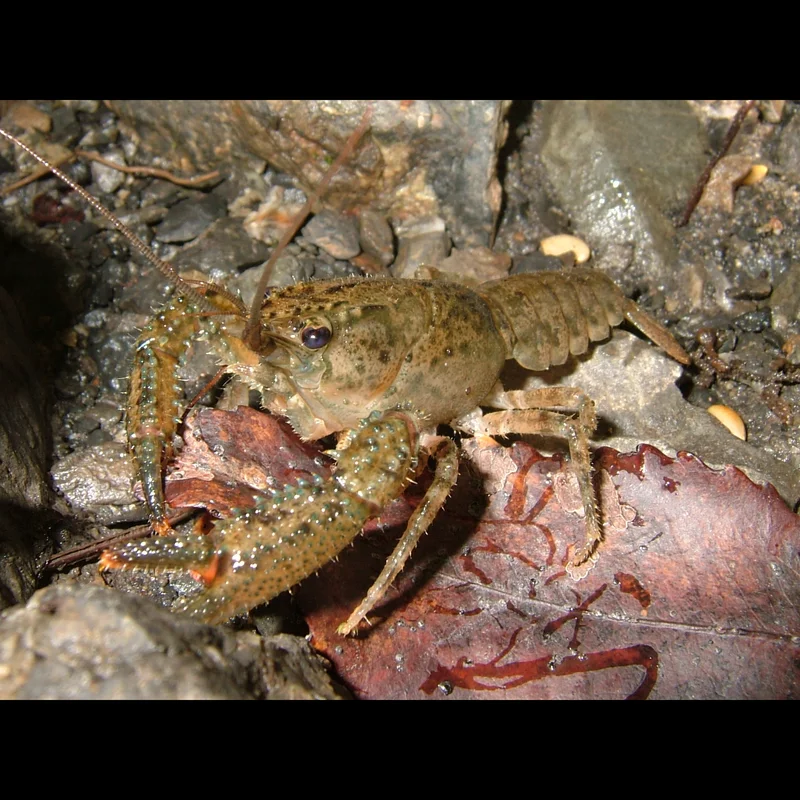
Crayfish are the confirmed residents, fitting given that cray divers found the wreck in the first place, and they tuck into the steel frame and openings. The metal has become a reef in its own right.
The accounts also describe sponges and soft coral colouring the structure, along with a general variety of fish drawn to the shelter, though those sit less certain than the crayfish. Settle near the frame and let the wreck show you what's taken up residence, since the structure concentrates the life.
Dive Sites Near Fremantle Dredge
View all dive sites in AustraliaDiscover more underwater gems in this area.
Dive Centers Near Fremantle Dredge
Today: 09:00 - 16:00
Nearest Airports
Nearest airports to help plan travel to this dive area.
Search Flights
Check available flights and routes on Expedia, using the nearby airports listed in this section.
Search Flights on ExpediaFrequently Asked Questions
What is the Fremantle Dredge?
An unidentified dredge wreck sitting upright at about 22 m / 72 ft, discovered in 1998 by divers looking for crayfish, halfway between Fremantle and Rottnest.
Can I go inside it?
It's an open skeleton with openings, so you work around and see through the frame in the light instead of entering enclosed spaces.
How deep is it?
About 22 m / 72 ft, averaging closer to 18 m / 59 ft, so it needs gas and no-deco discipline.
Is it an easy dive?
It's rated intermediate. The depth is manageable, but open-ocean exposure, surge and current make it one for experienced divers on a calm day.
When should I dive it?
On a genuinely calm day, ideally in summer. With no shelter out there, a big swell makes it unsafe.
Planning to dive Fremantle Dredge?
Send one inquiry and receive offers directly from the best verified local dive operators.
Conditions are Unsafe
High Swell Advisory. Not recommended.
Current conditions near Fremantle Dredge show 20° air, 19° sea temperature, 3.8 m waves, and 47 km/h wind. Forecast data is refreshed regularly to ensure accuracy.