
Diving at Jackson Rock (Australia)
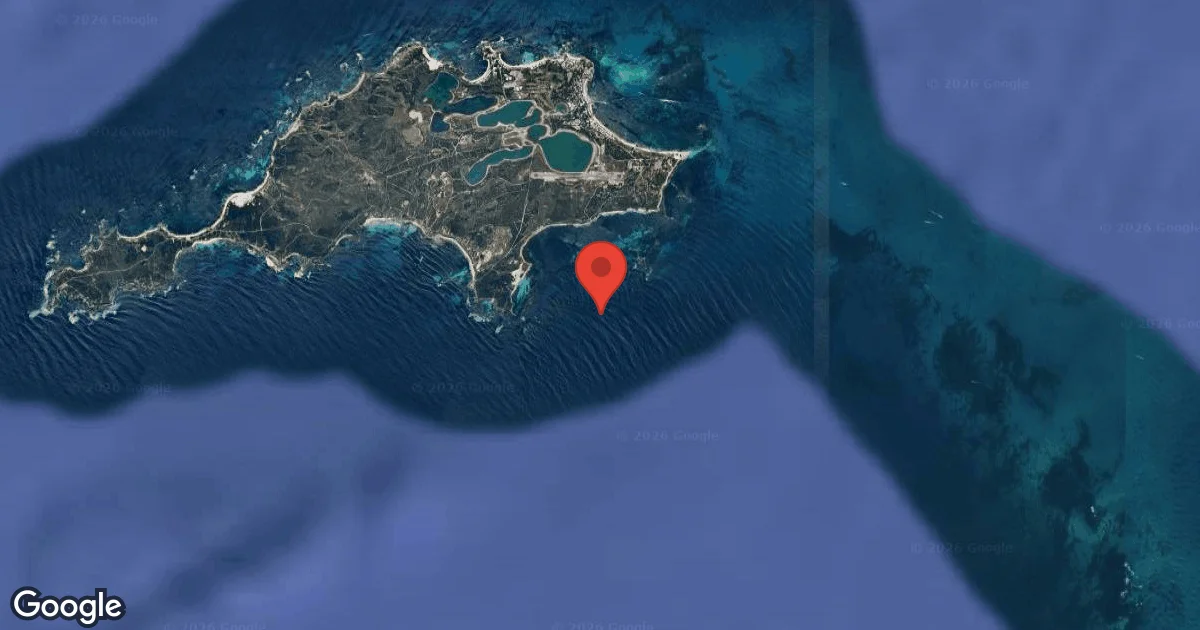
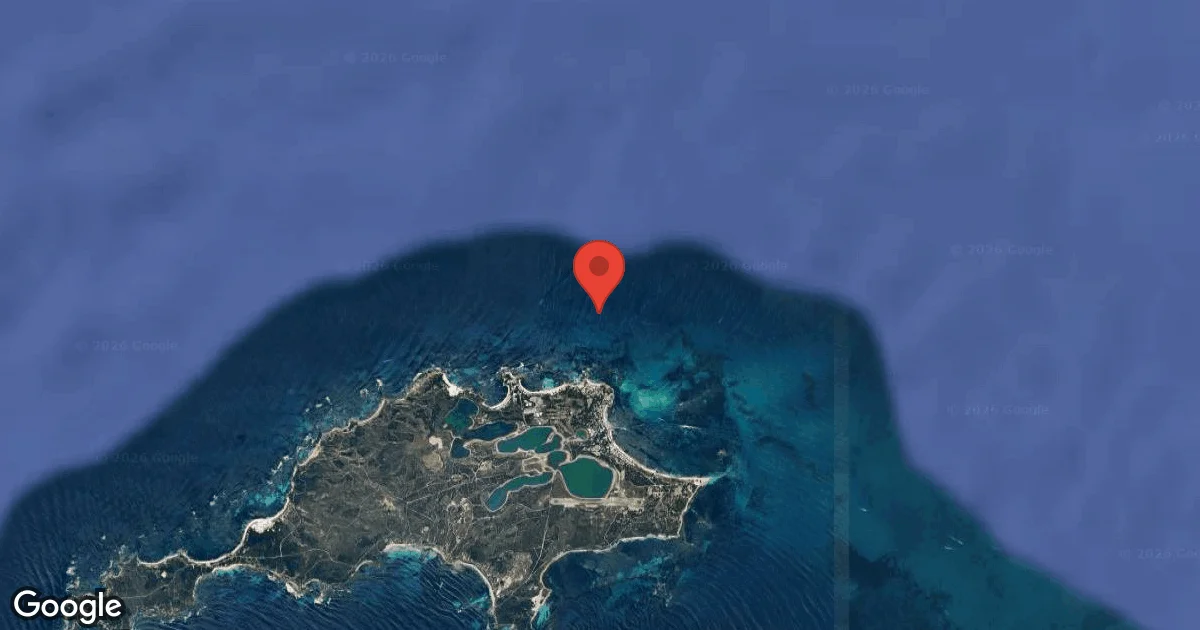
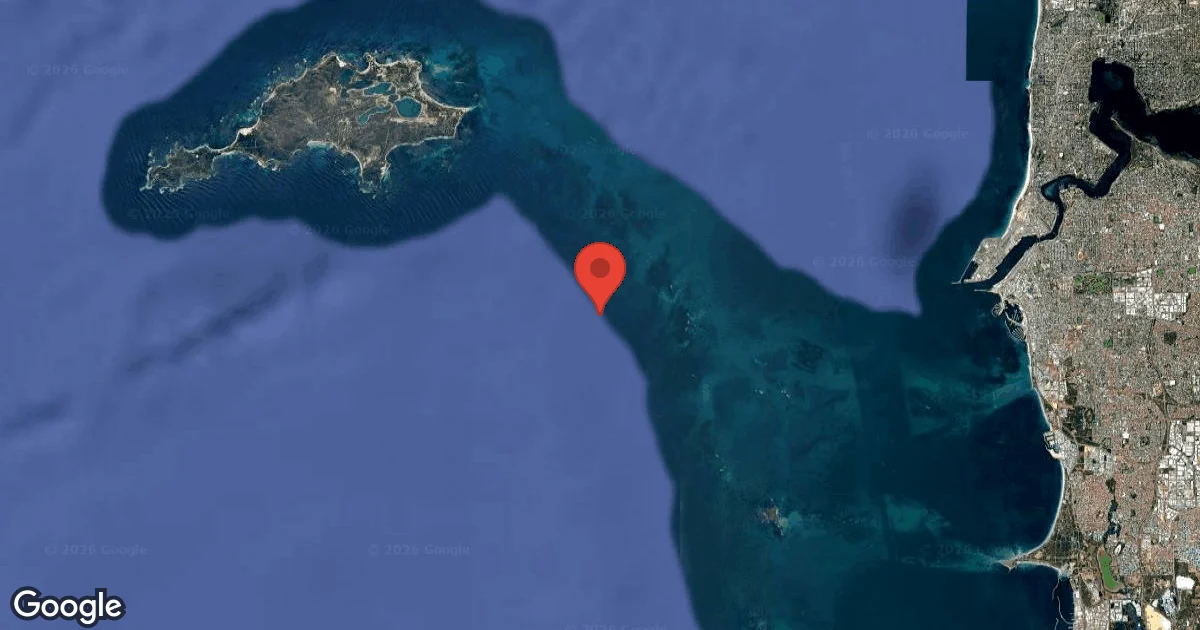
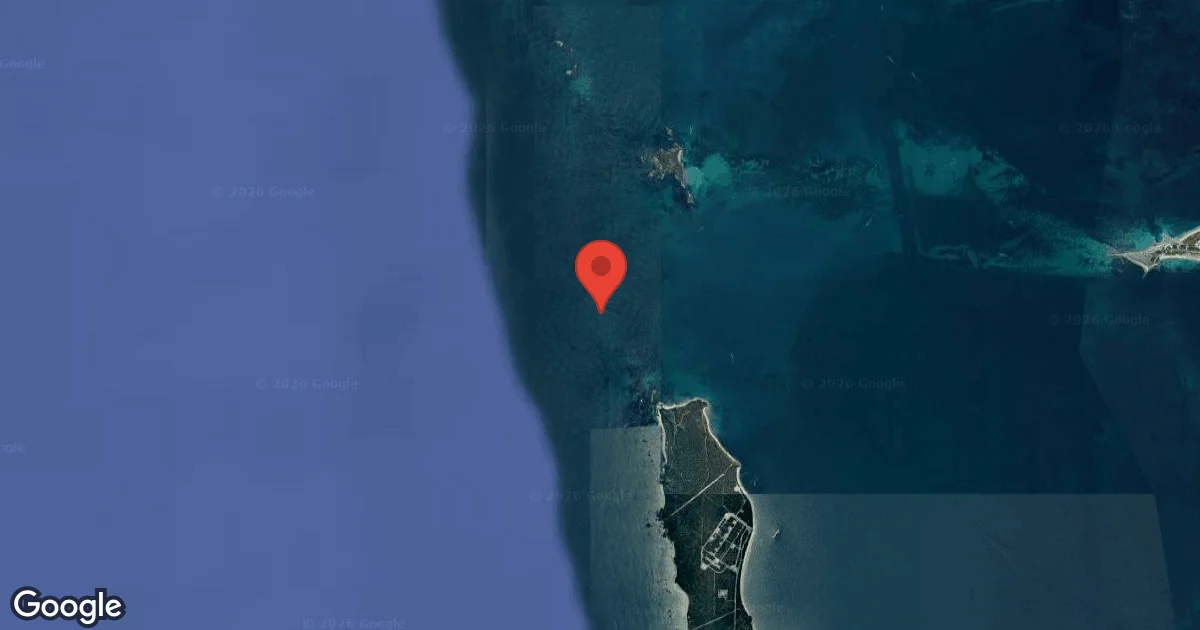
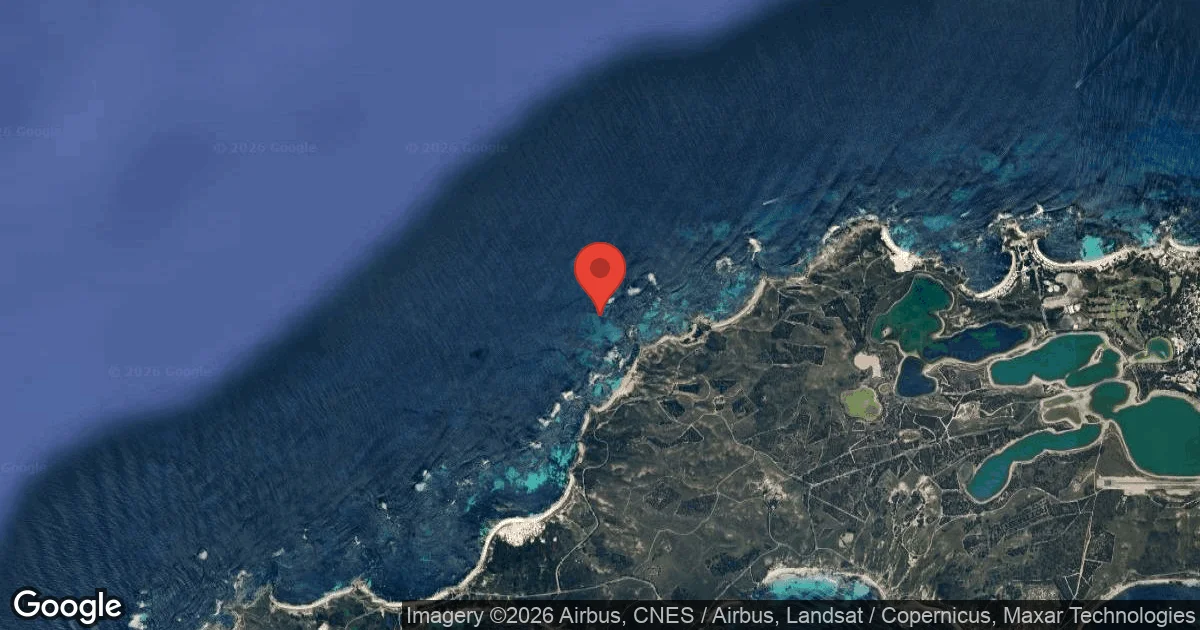
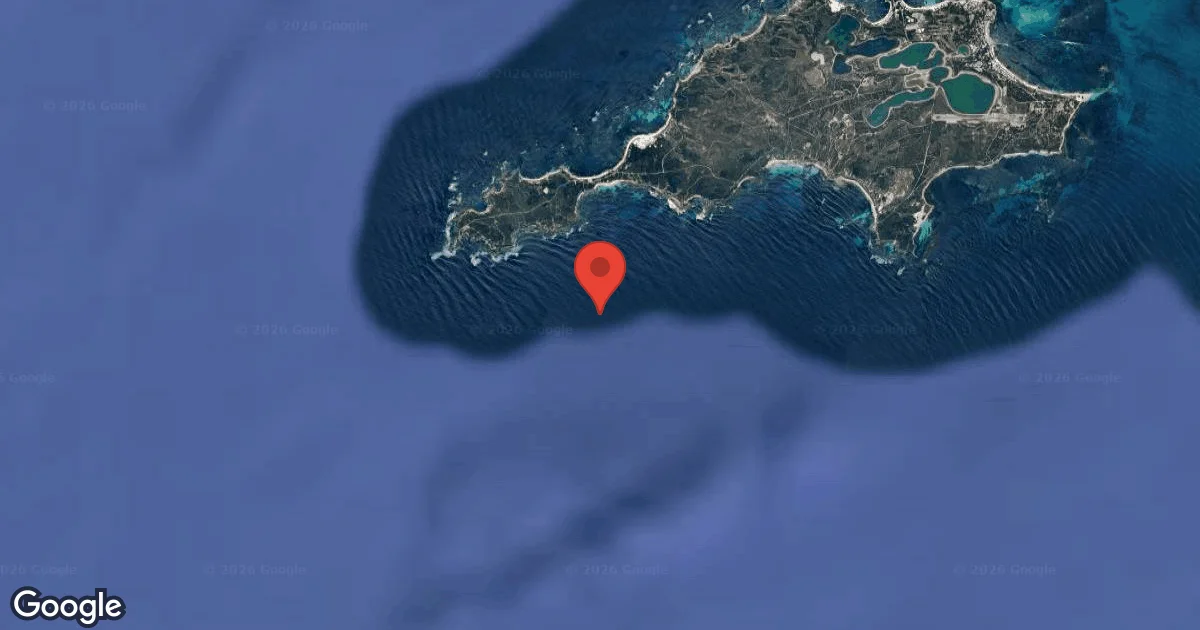
About 3.5 km south-east of Rottnest, on the track back toward Fremantle, Jackson Rock is a reef of gullies, swim-throughs and caves reaching about 16 m / 52 ft, a good shallow dive on a calm trip home. Its real signature is a deceptive, maze-like layout that's easy to get lost in, so navigation is the skill that matters most here.
Evening condition tracking at Jackson Rock features an air temperature of 20.5°C. We have recorded wave heights measuring 1.7 m during this period. These figures outline the environmental parameters currently present.
Dive Site Location & Key Facts
Dive Site Overview
This reef is a puzzle. Gullies, swim-throughs, ledges and caves run through it in a layout that the source bluntly calls confusing, with deceptive straight lines that make it easy to get lost, all sitting between about 8 m / 26 ft on average and 16 m / 52 ft at most over a sandy bottom.
That maze quality is the defining feature, and it cuts both ways: the terrain is fun to explore, but you need to keep track of where you are. Threading the gullies and swim-throughs is the appeal, and a compass and a steady mental map are what keep the dive relaxed instead of disorienting. Sitting on the track between Rottnest and Fremantle, it makes a good last shallow dive on the way home when the sea is calm. The caves are part of the structure, so treat any overhead with the awareness it deserves. The deceptive straight lines are the trap, luring you along what looks like a clear route until your bearings are gone, so a compass earns its place here. The caves are part of the structure, so treat any overhead with care and keep a clear path back to open water.
Conditions are Unsafe
High Swell Advisory. Not recommended.
Current conditions near Jackson Rock show 20° air, 19° sea temperature, 3.8 m waves, and 54 km/h wind. Forecast data is refreshed regularly to ensure accuracy.
Best Time to Dive
Late summer into autumn, around February through April, posts the best scores. Water runs mild, peaking near 23.2°C / 74°F and dropping to about 18°C / 64°F in winter, so a standard wetsuit suits most of the year. This stretch off Rottnest is genuinely windy, with gusts topping 40 km/h / 25 mph through much of the year, and wave height running from about 1.7 m / 6 ft toward 2.7 m / 9 ft in winter. The source describes it as a dive for a calm trip home, which is the right framing: pick a calm day, since surface currents are noted and the exposed crossing wants gentle conditions. Surface currents are noted, so a calm day keeps both the crossing and the maze comfortable to work.
PEAK SEASON SCORE
Scores combine air & water temps, waves, wind & rainfall for overall conditions.
BEST MONTHS TO DIVE
Monthly records compiled from satellite and marine observation nodes over the last 3 years. Data provided by Open-Meteo and MET Norway.
Dive Experience & Conditions
Plan a boat dive over a maze-like reef reaching about 16 m / 52 ft, threading gullies, swim-throughs and caves. The terrain is the draw and the challenge at once, since the deceptive layout makes it genuinely easy to lose your bearings. A compass and deliberate navigation are the tools that matter most here, so plan your route and keep track of your turns. A torch helps you read the caves, gullies and shaded structure. Surface currents are noted, so an SMB and awareness on ascent are sensible. The caves are an overhead element, so keep any penetration within your training. On a calm day it's a fun, exploratory shallow dive, ideally slotted in on the way back from Rottnest.
Dive Difficulty & Safety Guidelines
The depth is moderate, but the navigation is where this site tests you. No formal difficulty is recorded, yet the deceptive, easy-to-get-lost layout, the caves and the surface currents mean it suits divers comfortable with maze-like terrain and good with a compass instead of outright beginners.
Navigation is the key safety skill: plan your route, track your turns, and don't push into the structure without a clear way back. The caves are overhead elements, so keep penetration within your training and treat them as look-and-pass otherwise. Surface currents call for an SMB and a careful ascent. Dive it on a calm day, keep your bearings, and the maze stays a pleasure instead of a problem.
Recommended Equipment
Overhead environment. Do not enter beyond training and gas planning limits.
- Dive Computer
- DSMB
- Primary & Backup Lights
- Reel / Spool
- Cutting Tool
This gear list is based on verified equipment signals for Jackson Rock, Australia. Always confirm final gear choices with your dive operator, guide, or liveaboard.
Recommended Dive Suit
With water temperatures around 19°C (66°F), many divers find a 5mm wetsuit provides comfortable protection.
Divers performing multiple dives may appreciate slightly warmer protection later in the day.
Forecast models indicate that diving conditions should remain largely unchanged.
Emergency & Medical Support
Essential information to help you plan your dive trip to Jackson Rock.

Hyperbaric chambers are a critical part of dive safety infrastructure. Availability varies significantly by region, and not all dive areas have immediate access.
Before diving, it's recommended to:
- confirm nearest medical facilities
- check emergency procedures with local dive operators
- ensure dive insurance covers evacuation if required
Divers Alert Network
Diving emergency assistance available through DAN World.
+1-919-684-9111- 24/7 emergency hotline
- Diving medical assistance
- Evacuation coordination
Emergency contacts are provided for reference. Always verify local emergency services before diving.
Marine Life at Jackson Rock
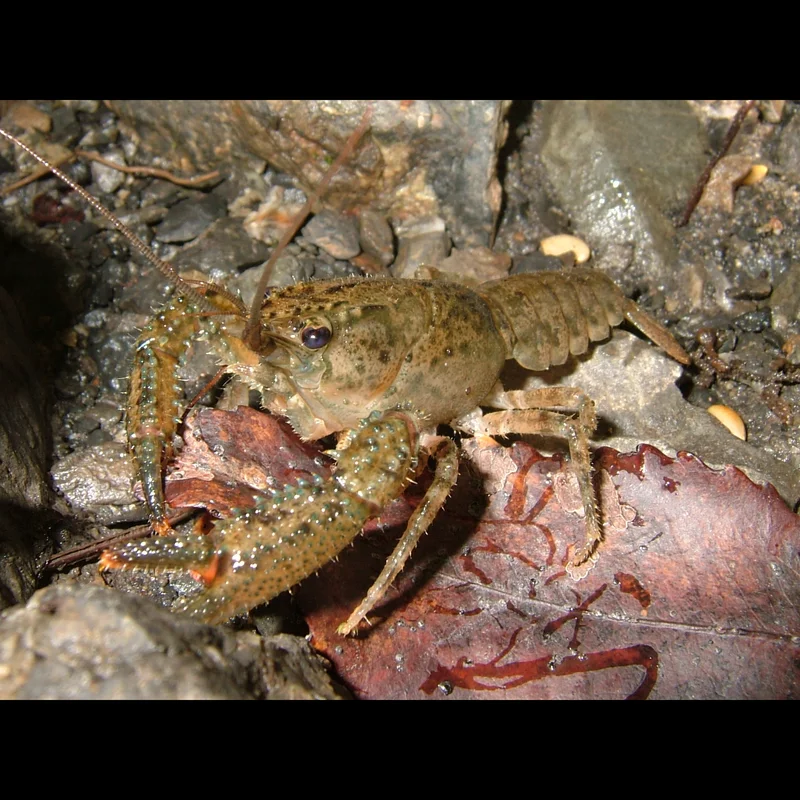
Crayfish are the confirmed draw, tucked into the gullies and ledges where the reef gives them cover, and the maze of structure is good habitat for them. Searching the cracks for antennae is a natural focus on this dive.
Beyond the crayfish, the records hold little else for the site, so go in expecting the terrain and its crayfish instead of a broad cast. The reward here is the puzzle of the reef itself, with the crayfish the reliable residents you'll turn up by working the gullies slowly.
Dive Sites Near Jackson Rock
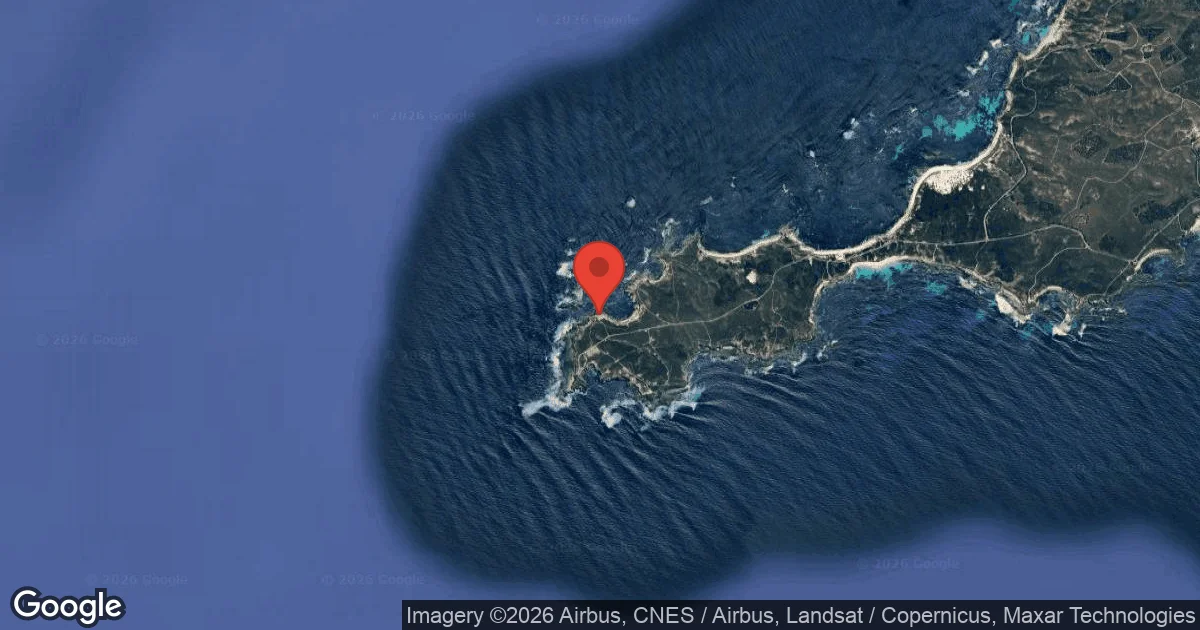
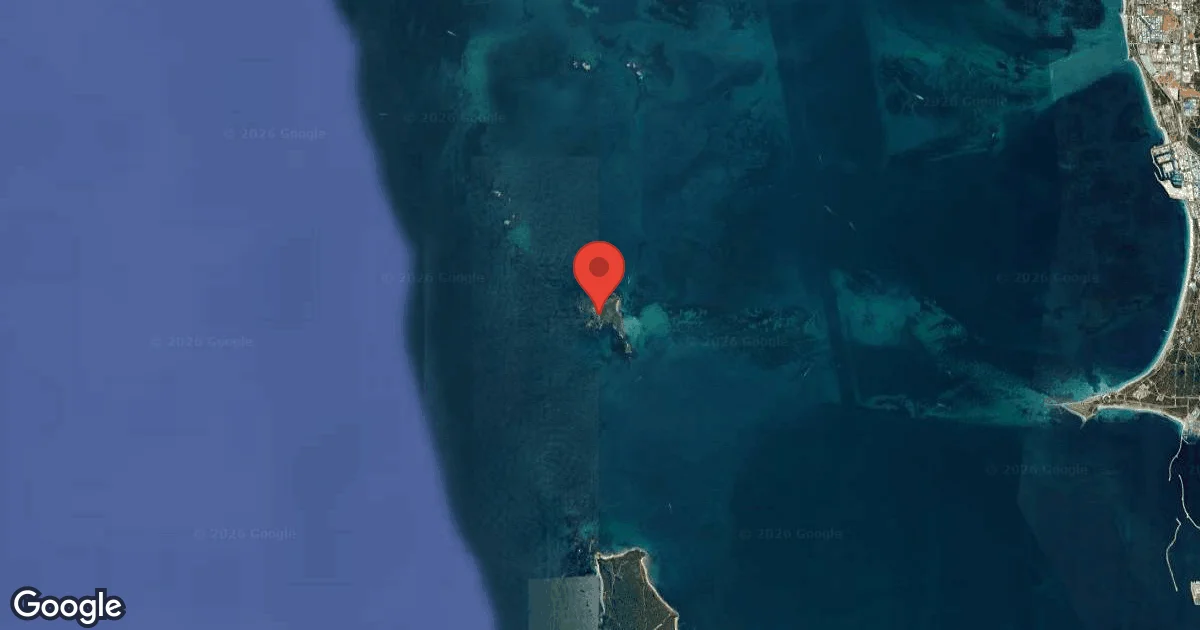
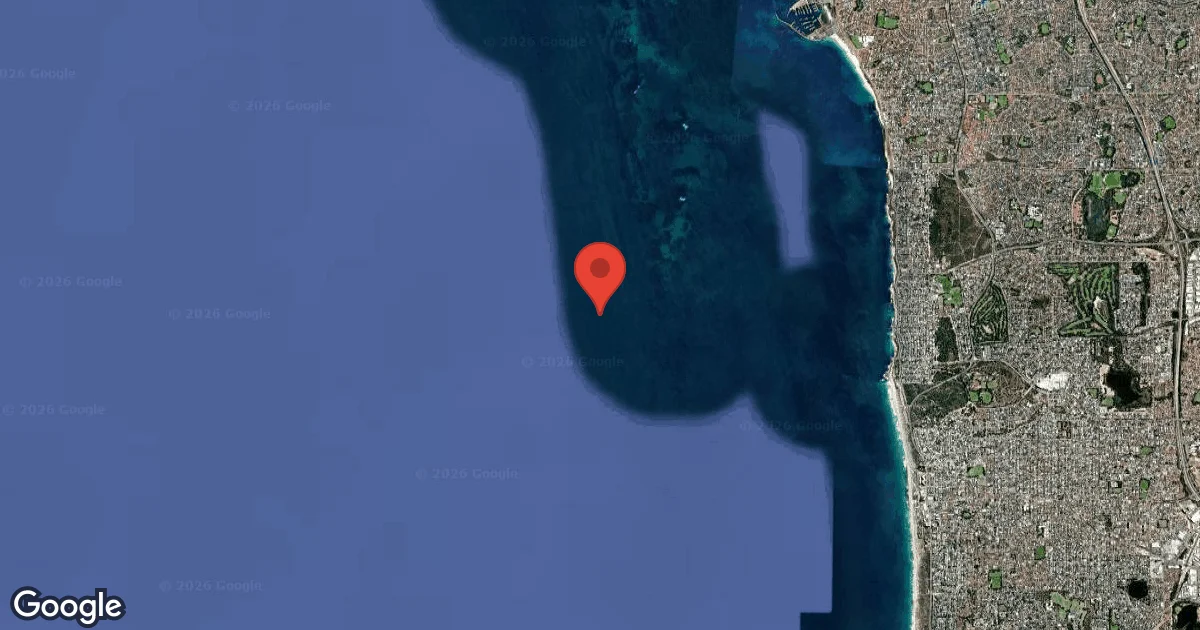
View all dive sites in AustraliaDiscover more underwater gems in this area.
Dive Centers Near Jackson Rock
Today: 09:00 - 16:00
Nearest Airports
Nearest airports to help plan travel to this dive area.
Search Flights
Check available flights and routes on Expedia, using the nearby airports listed in this section.
Search Flights on ExpediaFrequently Asked Questions
What's distinctive about Jackson Rock?
Its deceptive, maze-like layout of gullies, swim-throughs and caves, which is genuinely easy to get lost in, so navigation is the key skill.
How deep is it?
About 16 m / 52 ft at most, averaging closer to 8 m / 26 ft, so it's a relatively shallow dive.
Is it good for beginners?
No formal difficulty is recorded, but the confusing layout, caves and surface currents make it better for divers comfortable with maze-like terrain and a compass.
What will I see?
Crayfish are the confirmed residents, tucked into the gullies and ledges. The records hold little else, so the terrain is the main draw.
When should I dive it?
On a calm day, as a good last shallow dive on the way back from Rottnest. The crossing is exposed and surface currents are noted.
Planning to dive Jackson Rock?
Send one inquiry and receive offers directly from the best verified local dive operators.
Conditions are Unsafe
High Swell Advisory. Not recommended.
Current conditions near Jackson Rock show 20° air, 19° sea temperature, 3.8 m waves, and 54 km/h wind. Forecast data is refreshed regularly to ensure accuracy.