
Diving at Fairy Bower (Australia)
Fairy Bower isn't a traditional wreck, but it holds a significant history for Sydney divers. Many explored its rich reef in the "dark ages" of the 1990s, and it's still a key part of the Cabbage Tree Bay Aquatic Reserve's dive narrative. This shallow shore dive, found between Manly and Shelly Beach, delivers consistent natural drama beneath the waves, an enduring fixture in the local dive scene.
As evening covers Fairy Bower, the local air temperature is measured at 12°C. The current wave height at the surface is recorded at 0.8 m. These late-day readings characterize the surface conditions for the night.
Dive Site Location & Key Facts
Dive Site Overview
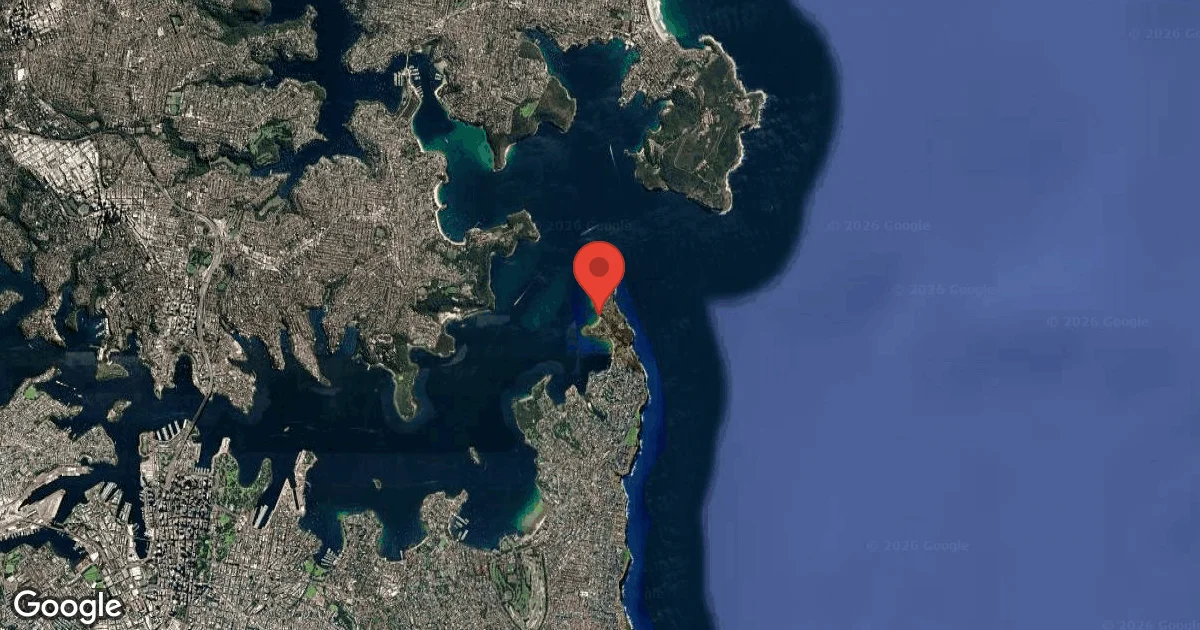
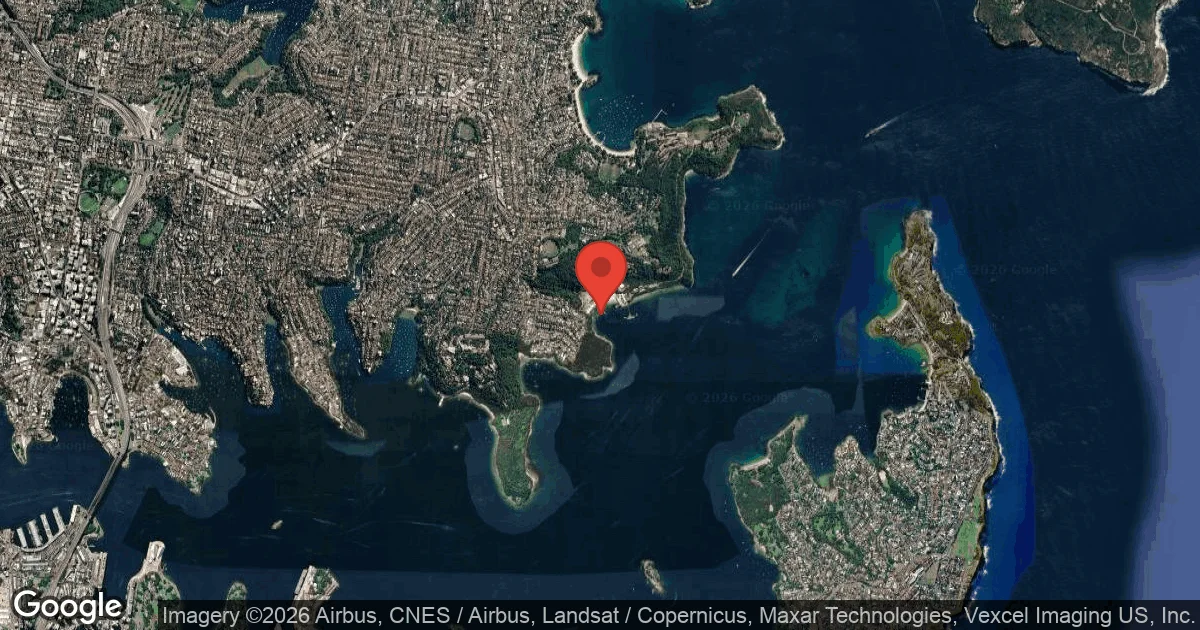
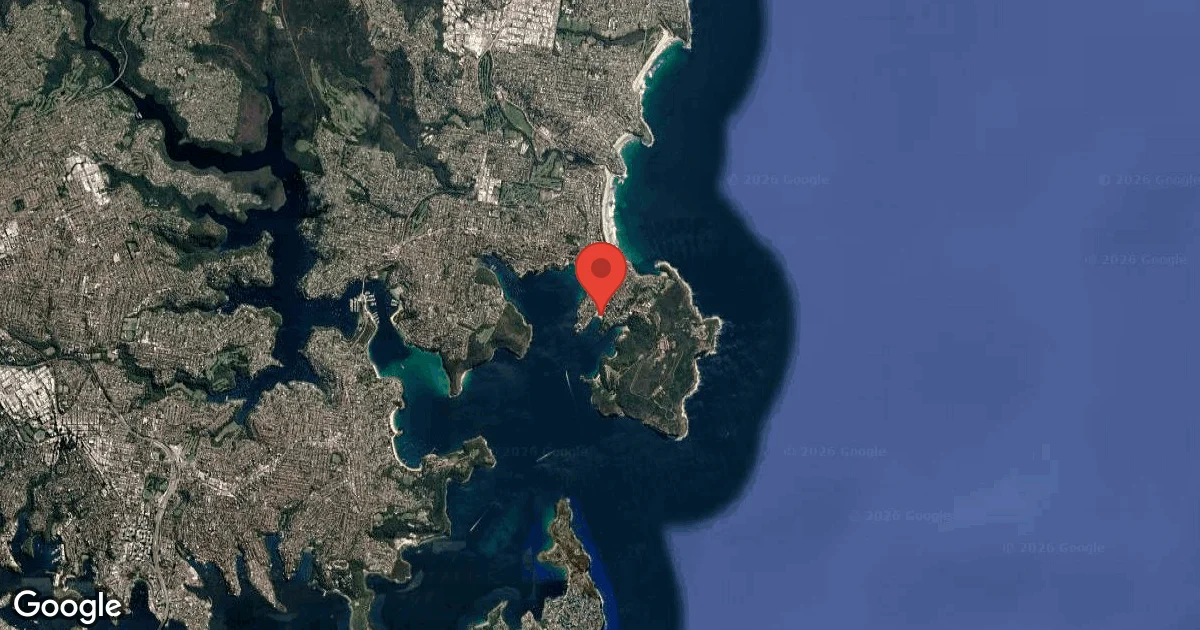
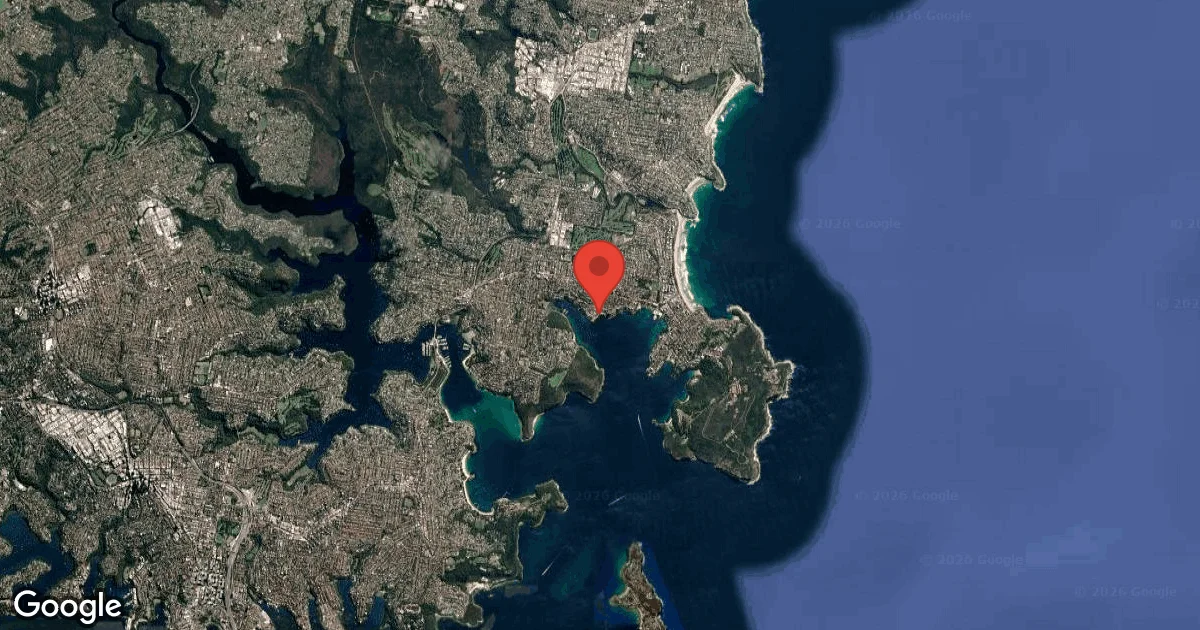
Fairy Bower stands out as a key shore dive within Sydney's Cabbage Tree Bay Aquatic Reserve, a distinction in a region with limited accessible shore entries. Divers find straightforward access via steps from Marine Parade, moving across rocks into a biodiverse, protected marine environment.
What begins as a simple rock platform quickly transitions into a low rocky reef, intermixed with kelp and sandy patches at depths ranging from 2 m / 7 ft to 7 m / 23 ft. Exploration here invites a leisurely pace, encouraging full immersion in the intricate reef details and its many inhabitants. In contrast to deeper or more exposed locations, Fairy Bower's sheltered conditions often lead to a more relaxed dive, though visibility varies, influenced by local swells and tides.
Optimal conditions unveil a vibrant underwater panorama, showcasing the ecosystems sustained by the reserve's status. Traversing the gutters, cracks, and overhangs consistently uncovers a surprising density of marine activity, ensuring each visit holds potential for unique observations. Here, divers can experience comprehensive coastal reef diving without requiring boat access.
Conditions are Good
07:00 - 14:00
Optimal conditions expected
Current conditions near Fairy Bower show 12° air, 18° sea temperature, 0.8 m waves, and 24 km/h wind. Forecast data is refreshed regularly to ensure accuracy.
Best Time to Dive
Planning your dive for an optimal experience at Fairy Bower typically points towards the months offering "Good" dive scores. This generally spans from February to October and again in December. During these periods, air temperatures provide comfortable conditions for surface preparation, ranging from averages of 14°C / 57°F in winter to 23°C / 73°F in late summer. Rainfall is usually minimal across these good score months, particularly low from July through October, which can contribute to better visibility. While specific water temperatures are not consistently reported, cooler air temperatures might indicate cooler water, making appropriate thermal protection advisable. May to October often features slightly higher average wave heights, though conditions vary. Targeting the calmer days within these months will enhance the overall dive.
PEAK SEASON SCORE
Scores combine air & water temps, waves, wind & rainfall for overall conditions.
BEST MONTHS TO DIVE
Monthly records compiled from satellite and marine observation nodes over the last 3 years. Data provided by Open-Meteo and MET Norway.
Dive Experience & Conditions
Diving Fairy Bower begins by navigating a small set of steps along Marine Parade, then moving across rocks to the entry point within the small bay next to the pool. Once submerged, divers typically head north, then east, aiming for the reef's edge. An initial encounter with a prominent wall of large rocks transitions into a lower rocky reef, often fringed with kelp and weed. Bottom areas frequently settle around 6 to 7 meters on sandy patches, with shallower sections closer to the rock wall. Exploration thrives amongst the many gutters, cracks, and crevices defining the site's structure. Often, returning means retracing the initial path, offering opportunities to observe previously missed sections along the sand or reef.
Dive Difficulty & Safety Guidelines
An expert approach to diving Fairy Bower involves meticulous pre-dive planning, given its exposure to coastal conditions. While no specific hazards beyond general diving risks are noted, the Sydney coastline can experience significant wave action. Divers should assess current swell and tide conditions before entry, as these factors directly impact visibility and ease of access.
Maintaining awareness of your depth and air consumption is standard practice, especially in shallower waters where bottom time can extend. As part of the Cabbage Tree Bay Aquatic Reserve, adhering to "no-take zone" regulations is paramount for preserving this vibrant marine habitat.
Always dive within your certification limits and consider diving with a local guide if unfamiliar with the site's nuances.
Recommended Equipment
- Dive Computer
- Hard-soled Dive Boots
This gear list is based on verified equipment signals for Fairy Bower, Australia. Always confirm final gear choices with your dive operator, guide, or liveaboard.
Recommended Dive Suit
Divers visiting Fairy Bower today can expect water conditions around 18°C (64°F). Surface air temperatures are resting at 12°C (53°F).
Many divers choose 5-7mm wetsuit when diving in similar conditions. Strong cold advisory: dress warmly immediately after exiting the water.
Surface conditions are expected to warm up slightly in the coming days. A warming trend is expected over the next few days.
Emergency & Medical Support
Essential information to help you plan your dive trip to Fairy Bower.

Hyperbaric chambers are a critical part of dive safety infrastructure. Availability varies significantly by region, and not all dive areas have immediate access.
Before diving, it's recommended to:
- confirm nearest medical facilities
- check emergency procedures with local dive operators
- ensure dive insurance covers evacuation if required
Divers Alert Network
Diving emergency assistance available through DAN World.
+1-919-684-9111- 24/7 emergency hotline
- Diving medical assistance
- Evacuation coordination
Emergency contacts are provided for reference. Always verify local emergency services before diving.
Marine Life at Fairy Bower
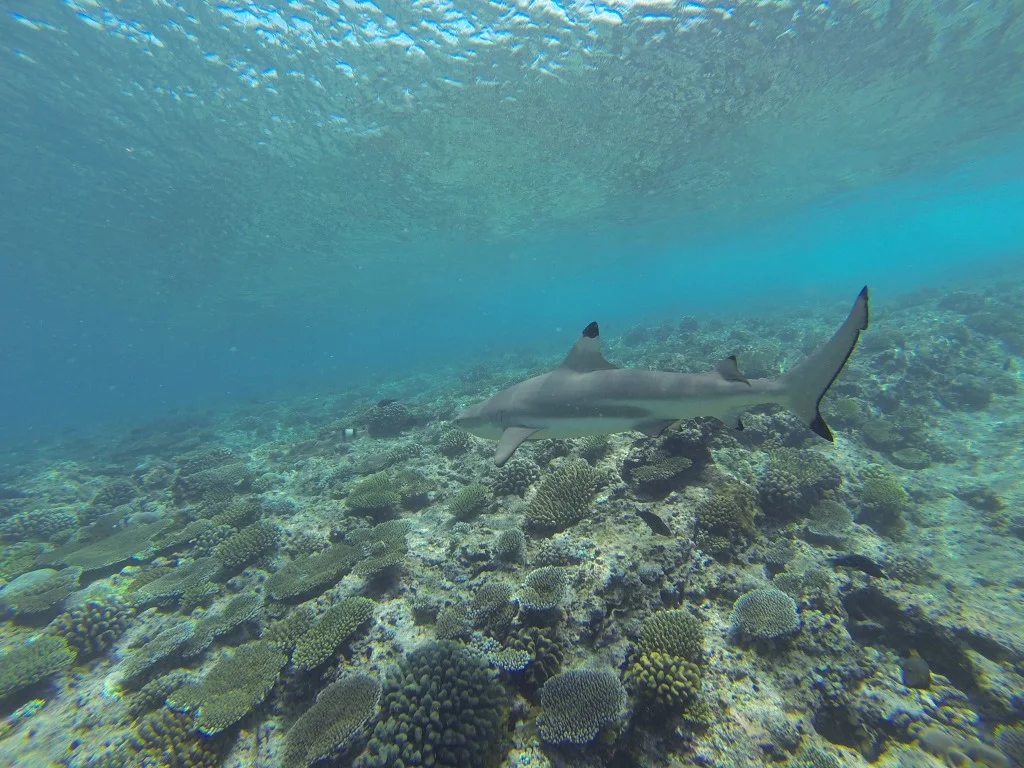
A vivid array of marine life thrives within Fairy Bower's underwater landscape, protected by the Cabbage Tree Bay Aquatic Reserve. Divers commonly encounter larger species such as Wobbegong Sharks, often resting on the bottom, and occasionally Grey Nurse Sharks.
Dusky Whaler Sharks are also spotted, typically cruising a meter or two off the bottom, alongside Cow-nosed Rays gliding over sandy areas. A diverse community of fish populates the reef, ranging from Red Morwong with their distinctive long ventral fin spines to schools of Yellowtail Scad.
Red Rock Cod inhabit rocky crevices, while Sydney Cardinalfish occupy smaller gaps. On sandy patches, observant divers can find Common Stingarees and Fiddler Rays.

Dive Sites Near Fairy Bower
View all dive sites in AustraliaDiscover more underwater gems in this area.
Dive Centers Near Fairy Bower
Today: 08:00 - 17:00
Nearest Airports
Nearest airports to help plan travel to this dive area.
Search Flights
Check available flights and routes on Expedia, using the nearby airports listed in this section.
Search Flights on ExpediaFrequently Asked Questions
What is the typical depth range at Fairy Bower?
Fairy Bower is a shallow shore dive. Depths typically range from around 2 meters near the rock wall to about 7 meters over sandy bottom areas.
How do I access the Fairy Bower dive site?
Access to the site is straightforward via a small set of steps along Marine Parade. After descending the steps, divers traverse across the rocks to the entry point in a small bay near the pool.
What marine life can I expect to see?
Divers frequently encounter Wobbegong Sharks, and there are occasional sightings of Grey Nurse Sharks and Dusky Whaler Sharks. The reef is also home to various fish species like Red Morwong, Yellowtail Scad, and Red Rock Cod, alongside rays and other invertebrates.
Is Fairy Bower suitable for beginner divers?
Its shallow depths and protected nature within an aquatic reserve can make it suitable for various experience levels. However, assessing current conditions like swell and tide is always recommended, and a leisurely pace is encouraged.
How do waves and tides affect diving conditions?
The Sydney coastline experiences wave action, which can influence visibility and ease of entry/exit at Fairy Bower. Divers should check local swell and tide reports to ensure optimal and safe diving conditions.
Is Fairy Bower part of a marine reserve?
Yes, Fairy Bower is part of the Cabbage Tree Bay Aquatic Reserve. This designation means it is a 'no-take zone,' protecting its diverse marine life and requiring divers to observe all conservation guidelines.
Planning to dive Fairy Bower?
Send one inquiry and receive offers directly from the best verified local dive operators.
Conditions are Good
07:00 - 14:00
Optimal conditions expected
Current conditions near Fairy Bower show 12° air, 18° sea temperature, 0.8 m waves, and 24 km/h wind. Forecast data is refreshed regularly to ensure accuracy.